

Free Pentecost Island Travel Guide & Mobile App
Explore Pentecost Island with free travel guides. Discover regional history, expert tips, proposed trips, and audio guides on web or mobile app.


Explore Pentecost Island in Vanuatu for land-diving traditions, forested mountains, village hospitality and carefully arranged cultural journeys.
Read more about Pentecost Island
When is the best time to visit Pentecost Island?
Best: June–August · 27°C| Month | High (°C) | Rainfall (mm) |
|---|---|---|
| January | 29 | 350 |
| February | 29 | 330 |
| March | 29 | 300 |
| April | 29 | 250 |
| May | 28 | 200 |
| June (best) | 27 | 150 |
| July (best) | 27 | 150 |
| August (best) | 27 | 150 |
| September | 28 | 200 |
| October | 29 | 250 |
| November | 29 | 300 |
| December | 29 | 350 |
Getting to and around Pentecost Island
How to get there
Transportation
Best attractions in Pentecost Island
Pentecost's attractions are primarily cultural and environmental rather than built for mass tourism. The principal experience is a locally arranged visit to a naghol, or land-diving, ceremony, particularly during the season when communities construct towers and perform the dives. The event should be approached as a customary practice with rules, meanings and safety procedures, not as a show that can be demanded. Away from ceremony sites, village visits offer insight into traditional house forms, food preparation, gardening, weaving, storytelling and the organisation of community life. The island's steep interior provides opportunities for guided walks through tropical vegetation, while coastal routes reveal small settlements, gardens and changing views across the Banks Islands region. Swimming and snorkelling should only be undertaken where local residents confirm that conditions are suitable. Visitors interested in agriculture can learn about yam cultivation, taro, bananas, coconuts and other crops that underpin household life. There are no extensive museums, theme parks or resort complexes, and facilities are dispersed. Pentecost is best understood through slow travel: a host-led journey, a walk between communities, a shared meal and time spent listening to local explanations of place and custom.
-
Tourist attraction
Nanda Blue Hole
Experience the breathtaking beauty of Nanda Blue Hole in Vanuatu, where turquoise waters and lush landscapes create the perfect escape into nature.
-
Island
Pentecost
Explore the captivating beauty and rich traditions of Pentecost Island, Vanuatu – a hidden gem for adventurous travelers seeking authentic experiences.
-
 Hiking area
BIG Lava Lake
Explore the breathtaking BIG Lava Lake in Vanuatu, where stunning volcanic landscapes and scenic hiking trails await your discovery.
-
Tourist attraction
Small Lava Lake
Explore the breathtaking Small Lava Lake in Ranvetlam, Vanuatu - a unique volcanic attraction with mesmerizing views and rich geological history.


Best landmarks in Pentecost Island
Pentecost's most recognisable landmarks are natural and cultural. The island's long mountainous ridge gives its interior a strong visual identity, while the steep west-coast valleys and narrow coastal settlements show how communities have adapted to difficult terrain. Locally built naghol towers are temporary landmarks, erected from forest materials for the diving season and dismantled or left to decay according to local practice; their significance lies in the ceremony and community authority surrounding them. Melsisi, on the west coast, is an important settlement and a practical reference point for understanding the island's mission and village landscape, although its buildings should be approached as living community spaces rather than monuments. Lonorore and Sara identify the island's principal air-access areas in the south and north respectively. Across Pentecost, churches, nakamals, gardens, coastal paths and customary grounds form a dispersed cultural landscape rather than a compact collection of monuments. The most important places may not be signposted, and access depends on permission from residents or customary owners. A local guide can explain the meaning of an otherwise unmarked grove, tower site, village meeting place or stretch of land far better than a printed itinerary.
-
Island
Pentecost
Experience the breathtaking beauty and rich culture of Pentecost Island in Vanuatu, a hidden gem for adventurous travelers seeking unforgettable memories.

Explore Pentecost Island on the map
Plan your trip on one map. See where the top cities, national parks and sights are, and book hotels and experiences in a few clicks.
Best hotels in Pentecost Island
Best restaurants in Pentecost Island
Dining on Pentecost is generally arranged through small guesthouses, village hosts and community-based accommodation rather than a formal restaurant industry. Meals commonly draw on locally grown yams, taro, sweet potatoes, bananas, coconut and seasonal greens, with fish or other seafood available in coastal communities when conditions and catches permit. Chicken and tinned provisions may also appear, especially where supply deliveries are infrequent. Laplap, a baked dish made from grated root vegetables and often combined with coconut cream or meat, belongs to the wider foods of Vanuatu and may be encountered in local settings. Meals are often communal and should be discussed with the host in advance, particularly for dietary requirements. Bring snacks and drinking-water supplies for longer journeys, since shops are limited and opening arrangements are informal. Visitors will find a more meaningful food experience in a village meal, garden visit or cooking demonstration than in a choice of competing cafés. Payment, contributions and expectations should be agreed politely before a hosted meal or cultural programme begins.
-
Restaurant
The Stonegrill Restaurant
Experience unique stone cooking at The Stonegrill Restaurant in Port Vila – a culinary delight surrounded by stunning tropical views.
-
Resort hotel
Paradise Cove Resort
Experience unparalleled luxury at Paradise Cove Resort in Port Vila Bay - where stunning views meet exceptional service.
-
Restaurant
Chez Louis Restaurant
Experience authentic Vanuatu cuisine with breathtaking ocean views at Chez Louis Restaurant on Champagne Coast Road.
-
Restaurant
Orovy Beach Restaurant
Discover Orovy Beach Restaurant: A Culinary Haven Offering Local Flavors and Stunning Ocean Views in Vanuatu's Emua Village.


Best bars in Pentecost Island
Pentecost has no substantial nightclub scene. Evening life is centred on village gatherings, family homes, church communities, small kava settings and occasional locally organised social events rather than purpose-built entertainment districts. Kava, a traditional drink made from the roots of the kava plant, is consumed in Vanuatu in social settings and can be strong; visitors should follow local guidance, drink cautiously and avoid assuming that every community serves it in the same way. Some guesthouses may offer simple refreshments, beer or locally available drinks, but supplies and refrigeration are limited. Night-time movement should be arranged with a host because roads are poorly lit and rural paths can be hazardous. The island's evening appeal lies in conversation, music, storytelling and the quiet atmosphere of village life, not late-night clubbing. Ask before entering a nakamal or other customary social space, and observe local expectations about appropriate behaviour and photography.
-
Family-friendly
The Beach Bar
Experience family-friendly dining with breathtaking ocean views at The Beach Bar in Vanuatu, where culinary delights meet tropical bliss.
-
Restaurant
Waterfront Bar and Grill
Experience exquisite dining with stunning waterfront views at the Waterfront Bar and Grill in Port Vila, where delicious cuisine meets tropical ambiance.
-
Restaurant
Reefers Restaurant & Rum Bar
Discover the vibrant culinary scene of Port Vila at Reefers Restaurant & Rum Bar, where local flavors meet exquisite rum selections in a stunning setting.
-
Restaurant
Cafe Vila
Experience the tropical flavors of Vanuatu at Cafe Vila, where breathtaking views meet delicious local and international cuisine.


Best nightclubs in Pentecost Island
Pentecost has no substantial nightclub scene. Evening life is centred on village gatherings, family homes, church communities, small kava settings and occasional locally organised social events rather than purpose-built entertainment districts. Kava, a traditional drink made from the roots of the kava plant, is consumed in Vanuatu in social settings and can be strong; visitors should follow local guidance, drink cautiously and avoid assuming that every community serves it in the same way. Some guesthouses may offer simple refreshments, beer or locally available drinks, but supplies and refrigeration are limited. Night-time movement should be arranged with a host because roads are poorly lit and rural paths can be hazardous. The island's evening appeal lies in conversation, music, storytelling and the quiet atmosphere of village life, not late-night clubbing. Ask before entering a nakamal or other customary social space, and observe local expectations about appropriate behaviour and photography.
-
Bar
Fernando streets
Experience the essence of Vanuatu at Fernando Streets, a vibrant bar in Abwatunbuliva with local drinks and a lively atmosphere.
Best shops in Pentecost Island
Shopping on Pentecost is limited and practical, with village stalls and small trade stores providing basic food, drinks and household necessities rather than a developed retail scene. Visitors may find locally made woven items, carvings or other handicrafts, but availability varies by community and season; buy directly and respectfully, and ask about the appropriate price and cultural significance of an object. Fresh produce such as yams, taro, bananas and coconuts may be available through local arrangements, although customary exchange and household use are often more important than formal market shopping. There are few opportunities for specialist souvenirs, and reliable supplies of toiletries, medicines, batteries, snacks and phone accessories should be obtained in Port Vila or Luganville before travelling. Do not remove shells, plants, stones or archaeological material from the island, and make sure any cultural item is lawfully offered for sale. A fair payment for a locally guided visit, meal or craft supports communities more directly than trying to negotiate heavily over a small purchase.
-
Gift shop
Fung Kuei Duty Free
Experience the ultimate shopping adventure at Fung Kuei Duty Free, where luxury meets local charm in Port Vila, Vanuatu.
-
Resort hotel
Aore Island Resort
Discover the enchanting beauty of Aore Island Resort, where luxury meets nature in a breathtaking tropical paradise.
-
Duty free store
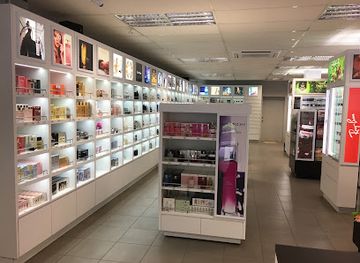
Paris Shopping - Duty Free Vanuatu
Experience the ultimate duty-free shopping at Paris Shopping in Port Vila, Vanuatu – luxury goods at unbeatable prices await you.
-
Store
Pandanus Vanuatu Ltd
Shop at Pandanus Vanuatu Ltd for unique jewelry, stylish handbags, and handcrafted souvenirs in the heart of Port Vila, Vanuatu.


Get your free copy of our complete guide to Pentecost Island, delivered straight to you.
Everything on this page, from attractions and restaurants to essentials and local phrases, in one PDF you can read offline, print or share.
Already have an account? Sign in
Your Pentecost Island guide is ready.
We'll send it to · Not you? Sign out

Getting your guide ready…
We are putting together a fresh copy of the Pentecost Island guide. This can take up to a minute.
This can take a few moments. If your browser asks, choose Allow so the download can start. You'll find the guide in your Downloads folder.
Nothing happened? Download it again
Sorry, the guide is taking longer than usual. Please try again in a minute, or get it by email instead.
Pentecost Island essentials
Currency and Payment
Safety
Emergency Situations
Do's and Don'ts
Local Tips
From Eve
Local phrases worth knowing
You don't need to get them perfect. A few words go a long way, and locals appreciate the effort.
Basics
| English | Local | Say it |
|---|---|---|
| Hello | Olgeta | [Ol-ge-ta] |
| Goodbye | Nambawan | [Nam-ba-wan] |
| Yes | Yes | [Yes] |
| No | No | [No] |
| Please/You're welcome | Plis | [Plis] |
| Thank you | Tangkyu | [Tang-kyu] |
| Excuse me/Sorry | Sori | [So-ri] |
| How are you? | Yu oraet? | [Yu o-raet] |
| Fine. And you? | Mi orait. Yu? | [Mi o-ra-it. Yu?] |
| Do you speak English? | Yu save tok Inglis? | [Yu sa-ve tok In-glis?] |
| I don't understand | Mi no save | [Mi no sa-ve] |
Eating & Drinking
| English | Local | Say it |
|---|---|---|
| I'd like to see the menu, please | Mi laik lukim menu, plis | [Mi laik lu-kim me-nu, plis] |
| I don't eat meat | Mi no kakae mit | [Mi no ka-ka-e mit] |
| Cheers! | Ius! | [Ius!] |
| I would like to pay, please | Mi laik pai, plis | [Mi laik pai, plis] |
Emergencies
| English | Local | Say it |
|---|---|---|
| Help! | Help! | [Help!] |
| Go away! | Go wey! | [Go wey!] |
| Call the Police! | Kol polisi! | [Kol po-li-si!] |
| Call a doctor! | Kol dokta! | [Kol dok-ta!] |
| I'm lost | Mi lus | [Mi lus] |
| I'm ill | Mi sik | [Mi sik] |
Shopping
| English | Local | Say it |
|---|---|---|
| I'd like to buy... | Mi laik baem... | [Mi laik ba-em...] |
| I'm just looking | Mi soim luk | [Mi so-im luk] |
| How much is it? | Hau mach i? | [Hau mach i?] |
| That's too expensive | I tu ekspensiv | [I tu eks-pen-siv] |
| Can you lower the price? | Yu save ronem prais? | [Yu sa-ve ro-ne-m prais?] |
Time & Numbers
| English | Local | Say it |
|---|---|---|
| What time is it? | Hau taim i? | [Hau taim i?] |
| It's one o'clock | I wan oklok | [I wan o-klok] |
| Half past (10) | Haf pas (10) | [Haf pas (10)] |
| Morning | Mornin | [Mor-nin] |
| Afternoon | Aftanun | [Af-ta-nun] |
| Evening | Ivening | [I-ve-ning] |
| Yesterday | Yestede | [Yes-te-de] |
| Today | Tude | [Tu-de] |
| Tomorrow | Tumoro | [Tu-mo-ro] |
| 1 | Wan | [Wan] |
| 2 | Tu | [Tu] |
| 3 | Tri | [Tri] |
| 4 | Foa | [Fo-a] |
| 5 | Faef | [Fa-ef] |
| 6 | Siks | [Siks] |
| 7 | Sev | [Sev] |
| 8 | Eit | [Eit] |
| 9 | Nain | [Nain] |
| 10 | Ten | [Ten] |
Transport & Directions
| English | Local | Say it |
|---|---|---|
| Where's a/the...? | Weh a/di...? | [Weh a/di...?] |
| What's the address? | Hau i adres? | [Hau i ad-res?] |
| Can you show me (on the map)? | Yu save soem mi (fla map)? | [Yu sa-ve so-em mi (fla map)?] |
| When's the next (bus)? | Hwen i neks (bas)? | [Hwen i neks (bas)?] |
| A ticket (to ....) | Wan tiket (to ....) | [Wan ti-ket (to ....)] |
History of Pentecost Island
Lapita settlement and Austronesian heritage
Pentecost forms part of the wider Vanuatu archipelago settled by ocean-going Austronesian peoples during the first millennium BC. Archaeological evidence from Vanuatu records the movement of Lapita communities, whose pottery, horticulture and seafaring shaped later island societies. Over succeeding centuries, communities developed local languages, land relationships, exchange networks and customary systems adapted to Pentecost's mountainous terrain. Much of the island's cultural history continues through oral traditions, ceremonies and the transmission of kastom between generations.
European contact in 1774
Captain James Cook reached the island in 1774 and named it Pentecost after the Christian feast day on which it appeared on his voyage. His visit represented a brief encounter rather than an immediate transformation of island life. European charts and later accounts gradually incorporated the New Hebrides, but the interior of Pentecost and many of its communities remained largely under their own customary authority for generations.
Missionaries, trade and disease in the nineteenth century
During the nineteenth century, missionaries, traders and labour recruiters increasingly entered the New Hebrides. Mission activity altered religious practice and encouraged new forms of literacy and settlement, while introduced diseases caused severe disruption in many island communities. Labour recruitment, often coercive or deceptive, carried people from Vanuatu to plantations in Queensland, Fiji and elsewhere. Pentecost, like other islands, experienced these pressures unevenly, with customary authority continuing alongside Christianity and outside commerce.
The Anglo-French Condominium
From 1906 until independence, the New Hebrides were governed under an unusual Anglo-French Condominium. The two colonial administrations operated parallel legal, educational and bureaucratic systems, creating administrative complexity and leaving a lasting institutional imprint. Mission churches, copra production, local trading stations and colonial transport linked Pentecost more closely to the wider archipelago, although many communities remained rural and dependent on subsistence agriculture, fishing and local exchange.
Independence and the revival of kastom
The New Hebrides became the independent Republic of Vanuatu in 1980. Independence strengthened national political institutions while also placing kastom and customary landholding at the centre of public identity. On Pentecost, customary ceremonies, chiefly relationships, local languages and communal obligations remain important parts of social life. The island's cultural traditions are not merely historical displays; they continue to influence agriculture, rites of passage, hospitality and relations between villages.
Naghol and contemporary cultural recognition
Pentecost's naghol, or land diving, has become one of the best-known cultural practices associated with Vanuatu. Its tower-building, vine selection and diving ceremonies are linked to local understandings of fertility, yam cultivation, courage and ancestral continuity. Modern visitors often encounter the practice through organised cultural tourism, but its meaning remains grounded in community authority rather than entertainment alone. The contemporary challenge is to welcome visitors while protecting safety, dignity, customary control and the integrity of the ceremony.
Pentecost Island in Photos
Browse through our photo collection highlighting the charm and character of the destination.
Neighbouring regions of Pentecost Island
The closest regions to Pentecost Island, if you have time for more than one.
-

-

-

-

-


Swipe for more regions
Explore more

Explore more of Vanuatu
Discover Vanuatu, a pristine South Pacific paradise with breathtaking beaches, vibrant culture, thrilling adventures, and some of the world's best diving spots.
Explore Vanuatu