

Free Aniwa Travel Guide & Mobile App
Explore Aniwa with free travel guides. Discover regional history, expert tips, proposed trips, and audio guides on web or mobile app.


Aniwa, Vanuatu offers quiet lagoons, reef-fringed shores, Polynesian culture and community-based island travel far from busy resort centres.
Read more about Aniwa
When is the best time to visit Aniwa?
Best: June–August · 26–27°C| Month | High (°C) | Rainfall (mm) |
|---|---|---|
| January | 30 | 250 |
| February | 30 | 230 |
| March | 30 | 230 |
| April | 29 | 200 |
| May | 28 | 170 |
| June (best) | 27 | 150 |
| July (best) | 26 | 150 |
| August (best) | 26 | 150 |
| September | 27 | 170 |
| October | 28 | 200 |
| November | 29 | 230 |
| December | 30 | 250 |
Getting to and around Aniwa
How to get there
Transportation
Best attractions in Aniwa
Aniwa's attractions are mainly natural and community-based rather than purpose-built. Freshwater lagoons are among its most distinctive features, providing peaceful settings for observation, local interpretation and carefully supervised swimming where conditions are suitable. The reef-fringed coastline offers opportunities for snorkelling, fishing, canoe outings and coastal walks, although equipment, guides and access depend on local arrangements and the weather. Shallow reef areas can be exposed at low tide, so visitors should follow advice from residents and avoid standing on living coral. Village visits reveal the island's Polynesian cultural character through gardens, churches, handicrafts, oral histories and everyday community life. The island's modest mission heritage is best understood with local explanation rather than as a collection of formal museums. Birdlife, coconut plantations, breadfruit trees and changing views across the South Pacific add interest to walks between settlements. Aniwa is not suited to a tightly programmed sightseeing itinerary: its appeal lies in time spent with hosts, learning how freshwater, gardens, reefs and customary responsibilities shape a small island community.
-
Tourist attraction
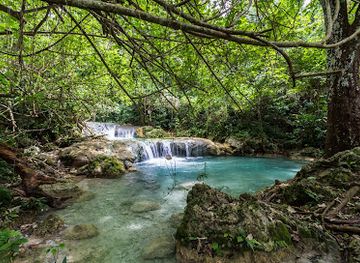
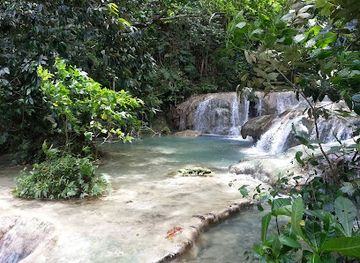
Evergreen Cascades Waterfall
Explore the Evergreen Cascades Waterfall in Vanuatu, a stunning natural wonder surrounded by lush landscapes, perfect for adventure and relaxation.
-
Tourist attraction
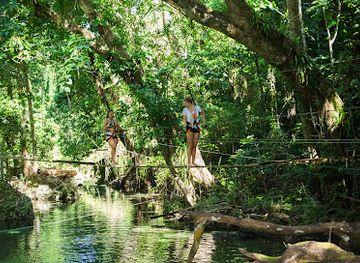
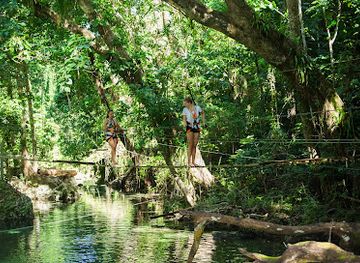
Eden on the River
Experience the serene beauty and adventure at Eden on the River, a must-visit tourist attraction in Rentapau, Efate, Vanuatu.
-
National museum
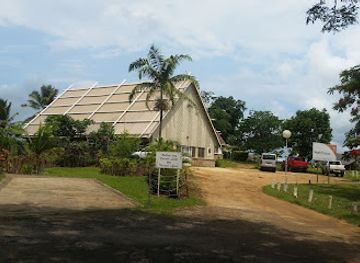
Vanuatu National Museum
Explore the rich heritage of Vanuatu at the National Museum, showcasing captivating artifacts and cultural treasures that tell the story of the islands.
-
Tourist attraction
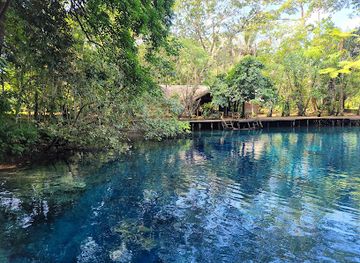
Nanda Blue Hole
Discover the pristine beauty of Nanda Blue Hole in Sanma Province, Vanuatu - a breathtaking natural wonder perfect for relaxation and adventure.
Best landmarks in Aniwa
Aniwa's most significant landmarks are closely tied to its natural setting and community history. Its freshwater lagoons stand out in a low coral island landscape where fresh water is a precious resource, and they help explain patterns of settlement, gardening and local environmental knowledge. The island's reef rim and open Pacific shoreline are equally important geographical landmarks, framing daily work in fishing, canoe travel and coastal gathering. Village churches and mission-associated places recall the nineteenth-century Presbyterian transformation led in part by John Paton, while also remaining active community spaces rather than museum pieces. Traditional village landscapes, coconut groves, garden plots and canoe-launching areas provide a more accurate sense of Aniwa's character than monumental architecture. The small airfield is a practical landmark for residents and visitors, marking the island's connection with the wider Tafea Province. Because many sites are customary or privately situated, the most meaningful landmarks are best visited with local permission and interpretation; names, access and appropriate behaviour should be confirmed on arrival.
-
 Hotel
HotelHoliday Inn Resort Vanuatu
Experience the ultimate tropical escape at Holiday Inn Resort Vanuatu, where luxury meets stunning natural beauty in Port Vila.
-
Tourist attraction
Evergreen Cascades Waterfall
Experience the breathtaking beauty of Evergreen Cascades Waterfall in Vanuatu, a serene escape filled with lush nature and stunning views.
-
Tourist attraction
Eden on the River
Discover the tranquil beauty of Eden on the River in Efate, Vanuatu - a perfect blend of relaxation and adventure in nature's paradise.
-
National museum
Vanuatu National Museum
Explore the rich cultural heritage of Vanuatu at the National Museum in Port Vila, showcasing artifacts, traditions, and the island's historical journey.
Explore Aniwa on the map
Plan your trip on one map. See where the top cities, national parks and sights are, and book hotels and experiences in a few clicks.
Best hotels in Aniwa
Best restaurants in Aniwa
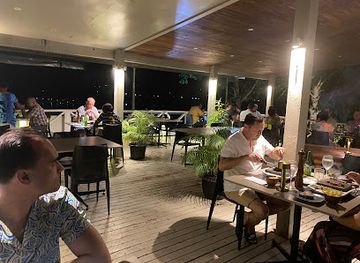
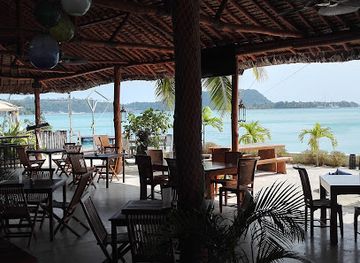
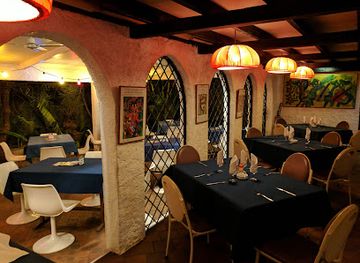
Dining on Aniwa is generally arranged through accommodation providers, families or community contacts rather than through a developed restaurant scene. Meals are likely to reflect island staples such as root crops, breadfruit, bananas, leafy vegetables, coconut, fresh or preserved fish and other locally available seafood. Chicken and imported pantry goods may also appear, but supplies can be irregular and menus should not be treated as fixed. Shared meals are an important way to welcome visitors, and it is courteous to discuss arrangements, dietary needs and payment in advance. Tea, coffee and simple refreshments may be available, while cold drinks and packaged foods are more reliably found before travelling from larger Vanuatu centres. Visitors should not expect extensive vegetarian, vegan or allergy-specialist provision without preparation. Bringing a small reserve of suitable snacks is sensible, but food should be offered or exchanged respectfully rather than distributed casually to children. Aniwa's culinary interest lies in fresh island ingredients, communal hospitality and the relationship between gardens, reef and household life.
-
Family-friendly
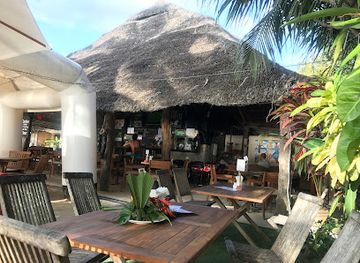
The Beach Bar
Discover family fun and relaxation at The Beach Bar in Vanuatu – where sun-kissed shores meet delicious cuisine.
-
Restaurant
The Stonegrill Restaurant
Experience unique volcanic stone cooking at The Stonegrill Restaurant in Port Vila - where flavor meets adventure in every bite!
-
Restaurant
Reefers Restaurant & Rum Bar
Discover the flavors of Vanuatu at Reefers Restaurant & Rum Bar in Port Vila - where fresh seafood meets an extensive rum selection.
-
Restaurant
L'Houstalet Restaurant
Experience exquisite French cuisine at L'Houstalet Restaurant in Port Vila, where local flavors meet culinary artistry.
Best bars in Aniwa
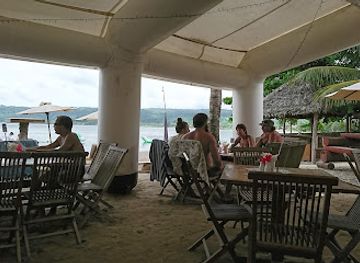
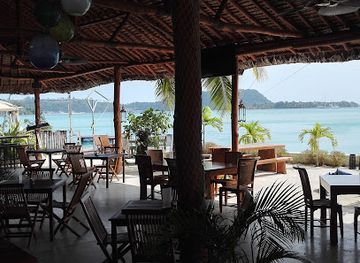
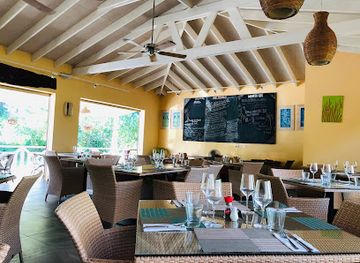
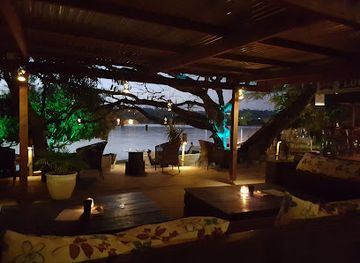
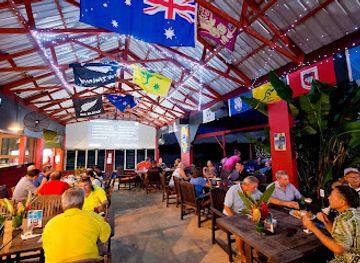
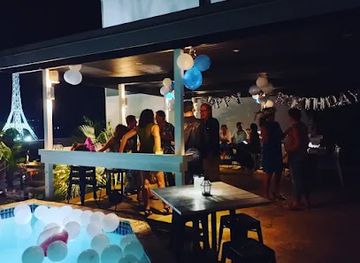
Aniwa does not have a conventional bar or nightclub district. Evening life is centred on family homes, community gatherings, church networks and quiet conversation, with any kava or locally available drinks enjoyed according to local custom rather than a commercial nightlife timetable. Accommodation hosts may be able to explain where socialising is appropriate, but visitors should not assume that a village gathering is open to outsiders without invitation. Evenings are often a good time for listening to oral histories, discussing island life or viewing the night sky, provided hosts are comfortable with the arrangement. On Sundays, church commitments and rest-day practices may shape the rhythm of the island. Alcohol should be consumed discreetly and responsibly, and visitors should avoid walking unfamiliar coastal tracks or travelling by boat after dark. Those seeking larger selections of restaurants, live music or late-night venues will need to rely on Tanna or Port Vila, both outside Aniwa.
-
Family-friendly
The Beach Bar
Discover family-friendly fun at The Beach Bar, where stunning ocean views and delicious food create unforgettable moments in Vanuatu.
-
Restaurant
Reefers Restaurant & Rum Bar
Experience the vibrant flavors of Vanuatu at Reefers Restaurant & Rum Bar, where local cuisine meets a laid-back island atmosphere.
-
Restaurant
Cafe Vila
Discover the flavors of Vanuatu at Café Vila, where delicious cuisine meets breathtaking ocean views in Port Vila.
-
Bar
Banyan Beach Bar
Experience the vibrant atmosphere of Banyan Beach Bar in Port Vila, where stunning ocean views and delicious cocktails await you.
Best nightclubs in Aniwa
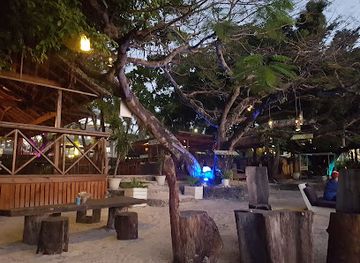
Aniwa does not have a conventional bar or nightclub district. Evening life is centred on family homes, community gatherings, church networks and quiet conversation, with any kava or locally available drinks enjoyed according to local custom rather than a commercial nightlife timetable. Accommodation hosts may be able to explain where socialising is appropriate, but visitors should not assume that a village gathering is open to outsiders without invitation. Evenings are often a good time for listening to oral histories, discussing island life or viewing the night sky, provided hosts are comfortable with the arrangement. On Sundays, church commitments and rest-day practices may shape the rhythm of the island. Alcohol should be consumed discreetly and responsibly, and visitors should avoid walking unfamiliar coastal tracks or travelling by boat after dark. Those seeking larger selections of restaurants, live music or late-night venues will need to rely on Tanna or Port Vila, both outside Aniwa.
-
Bar
Banyan Beach Bar
Experience the laid-back charm of Banyan Beach Bar in Port Vila, offering stunning views, delicious cocktails, and a taste of local culture.
-
Sports bar
The Retreat Seaside Sports Bar & Resort
Experience the perfect blend of relaxation and entertainment at The Retreat Seaside Sports Bar & Resort in stunning Port Vila, Vanuatu.
-
Cocktail bar
Stone Lounge
Discover Stone Lounge, the ultimate cocktail bar in Port Vila, where creativity meets relaxation in a vibrant tropical setting.
-
Bar
El Manaro Kava Bar
Experience the essence of Vanuatu at El Manaro Kava Bar, where tradition and relaxation blend seamlessly in the heart of Port Vila.

Best shops in Aniwa
Shopping on Aniwa is limited and practical rather than retail-focused. Small local outlets may carry basic provisions, but visitors should buy toiletries, medicines, specialist foods, batteries and substantial snacks before leaving Port Vila or Tanna. The most relevant purchases are locally made handicrafts, woven items, shell or fibre work, and small produce offerings when available through community contacts. Availability varies with season, materials, transport and household production, so visitors should not expect a permanent craft market or a broad choice of sizes and designs. Buying directly from makers can support local households, but ask about prices respectfully and never collect coral, shells, archaeological material or customary objects from beaches or villages. Vanuatu vatu cash is essential, as electronic payment is unlikely to be available. Regional souvenirs may also be found in Tanna or Port Vila, outside Aniwa, where shops have more reliable stocks and transport links. On the island itself, the most valuable exchange is often a fair contribution for locally prepared food, guiding or community-based activities.
-
Resort hotel
Iririki Island Resort
Experience the ultimate tropical escape at Iririki Island Resort, where luxury meets nature in the heart of Vanuatu.
-
Resort hotel
Warwick Le Lagon - Vanuatu
Discover the stunning Warwick Le Lagon - Vanuatu, where luxury meets nature in a tropical paradise of relaxation and adventure.
-
Cafe
Nambawan Café
Discover the flavors of Vanuatu at Nambawan Café, Port Vila's favorite seaside spot for delicious food and stunning ocean views.
-
Gift shop
Fung Kuei Duty Free
Shop at Fung Kuei Duty Free in Port Vila for unique souvenirs, local crafts, and unbeatable prices on liquor and fashion items.
Get your free copy of our complete guide to Aniwa, delivered straight to you.
Everything on this page, from attractions and restaurants to essentials and local phrases, in one PDF you can read offline, print or share.
Already have an account? Sign in
Your Aniwa guide is ready.
We'll send it to · Not you? Sign out

Getting your guide ready…
We are putting together a fresh copy of the Aniwa guide. This can take up to a minute.
This can take a few moments. If your browser asks, choose Allow so the download can start. You'll find the guide in your Downloads folder.
Nothing happened? Download it again
Sorry, the guide is taking longer than usual. Please try again in a minute, or get it by email instead.
Aniwa essentials
Currency and Payment
Safety
Emergency Situations
Do's and Don'ts
Local Tips
From Eve
Local phrases worth knowing
You don't need to get them perfect. A few words go a long way, and locals appreciate the effort.
Basics
| English | Local | Say it |
|---|---|---|
| Hello | Halo | [ha-lo] |
| Goodbye | Bikpela | [beek-peh-lah] |
| Yes | Yes | [yes] |
| No | No | [no] |
| Please/You're welcome | Plis | [plees] |
| Thank you | Tenkyu | [ten-kyoo] |
| Excuse me/Sorry | Sori | [so-ree] |
| How are you? | Yu ora? | [yoo oh-rah] |
| Fine. And you? | Mi gud. Yu? | [mee good. yoo?] |
| Do you speak English? | Yu spik Inglis? | [yoo speak in-glis?] |
| I don't understand | Mi no save | [mee no sah-veh] |
Eating & Drinking
| English | Local | Say it |
|---|---|---|
| I'd like to see the menu, please | Mi wan lukim menu, plis | [mee wan loo-keem meh-noo, plees] |
| I don't eat meat | Mi no kaek mit | [mee no kayk meet] |
| Cheers! | Sakem! | [sah-kem] |
| I would like to pay, please | Mi wantem pe, plis | [mee wan-tem pay, plees] |
Emergencies
| English | Local | Say it |
|---|---|---|
| Help! | Help! | [help] |
| Go away! | Go awei! | [go ah-way] |
| Call the Police! | Kol Polisi! | [kol poh-lee-see] |
| Call a doctor! | Kol doktah! | [kol dok-tah] |
| I'm lost | Mi los | [mee los] |
| I'm ill | Mi sik | [mee seek] |
Shopping
| English | Local | Say it |
|---|---|---|
| I'd like to buy... | Mi wan buy... | [mee wan buy...] |
| I'm just looking | Mi jast luk | [mee jahst look] |
| How much is it? | Hao mak it? | [how mak it?] |
| That's too expensive | Dat i tu ekspensiv | [daht ee too eks-pen-siv] |
| Can you lower the price? | Yu ken bringem daun price? | [yoo ken bring-em down price?] |
Time & Numbers
| English | Local | Say it |
|---|---|---|
| What time is it? | Hao taim i? | [how time ee?] |
| It's one o'clock | I wan o'clock | [ee wan oh-clock] |
| Half past (10) | Haf pas (10) | [half pas (ten)] |
| Morning | Mornin | [mor-ning] |
| Afternoon | Aftanun | [af-ter-noon] |
| Evening | Ivinin | [ee-vee-ning] |
| Yesterday | Yestide | [yes-ti-day] |
| Today | Tude | [too-day] |
| Tomorrow | Tumora | [too-mo-ra] |
| 1 | Wan | [wan] |
| 2 | Tu | [too] |
| 3 | Tri | [tree] |
| 4 | Foa | [foh-ah] |
| 5 | Faev | [five] |
| 6 | Siks | [six] |
| 7 | Sev | [sev] |
| 8 | Eit | [eight] |
| 9 | Nain | [nine] |
| 10 | Ten | [ten] |
Transport & Directions
| English | Local | Say it |
|---|---|---|
| Where's a/the...? | Wea a/the...? | [weah a/the?] |
| What's the address? | Hao nao adress? | [how now addr-ess?] |
| Can you show me (on the map)? | Yu ken soem mi (long map)? | [yoo ken show-em mee (long map)?] |
| When's the next (bus)? | Hwen i next (bus)? | [when ee next (bus)?] |
| A ticket (to ....) | Wan tiket (go ....) | [wan tee-ket (go ....)] |
History of Aniwa
Early Austronesian Settlement
Aniwa forms part of the wider settlement history of the Vanuatu archipelago, where Austronesian-speaking seafarers arrived many centuries ago and developed communities adapted to tropical islands, reefs and limited freshwater resources. Archaeological evidence across Vanuatu points to Lapita-era voyaging and settlement, although the surviving record on small islands such as Aniwa is less extensive than on some larger islands. Gardening, fishing, canoe travel, exchange and oral transmission of knowledge shaped island life long before European contact.
Polynesian Settlement and Island Identity
Aniwa is recognised as one of Vanuatu's Polynesian outlier communities. Its cultural and linguistic connections reflect later movements of Polynesian peoples through the western Pacific, alongside interaction with neighbouring islands and the wider Vanuatu world. This history remains visible in local traditions, kinship relationships, customary practices, canoe knowledge and oral narratives. Aniwa's Polynesian identity is therefore part of a layered history rather than a separate national tradition: the island belongs to Vanuatu while preserving cultural links across the Pacific.
European Contact and Missionary Change
European ships entered Vanuatu waters during the period of Pacific exploration and expanding maritime trade, bringing new forms of commerce, disease, firearms and religious influence. On Aniwa, the most consequential transformation came through nineteenth-century Presbyterian missionary activity. John Paton worked on the island from the 1860s after difficult experiences on Tanna, and Christian teaching became deeply influential in community life. Missionisation altered religious practice, education and social authority, while customary knowledge and local identity continued alongside the new faith.
The Condominium Period, 1906–1980
From 1906 until independence, the New Hebrides were governed through the unusual Anglo-French Condominium. Administration, law, schooling and church activity developed through parallel British and French systems, with limited state infrastructure across remote islands. Aniwa remained distant from the main administrative centres and depended heavily on local communities, churches and inter-island links. The period also brought labour migration, changing trade patterns and stronger connections with Tanna, Port Vila and other islands.
Independence and Provincial Vanuatu
The New Hebrides became the independent Republic of Vanuatu in 1980, and Aniwa became part of Tafea Province, which also includes Tanna, Aneityum, Futuna and Erromango. Independence strengthened national institutions while leaving outer-island communities reliant on customary leadership, churches and local cooperation. For Aniwa, post-independence life has involved balancing local land and cultural authority with national education, health, transport and communications systems that remain more limited than those available in Port Vila.
Contemporary Community Life and Climate Pressures
Modern Aniwa combines customary village life with mobile communications, domestic aviation, church networks, schooling and migration for work or education. The island remains closely dependent on gardens, fishing, reef resources and family exchange. Like other low-lying Pacific islands, it faces practical pressures from stronger storms, coastal erosion, changing rainfall patterns, saltwater intrusion and the rising cost of imported goods. These conditions make local environmental knowledge and community resilience important parts of Aniwa's contemporary history.
Aniwa in Photos
Browse through our photo collection highlighting the charm and character of the destination.
Neighbouring regions of Aniwa
The closest regions to Aniwa, if you have time for more than one.
-

-

-

-

-


Swipe for more regions
Explore more

Explore more of Vanuatu
Discover Vanuatu, a pristine South Pacific paradise with breathtaking beaches, vibrant culture, thrilling adventures, and some of the world's best diving spots.
Explore Vanuatu