

Free Tanna Travel Guide & Mobile App
Explore Tanna with free travel guides. Discover regional history, expert tips, proposed trips, and audio guides on web or mobile app.


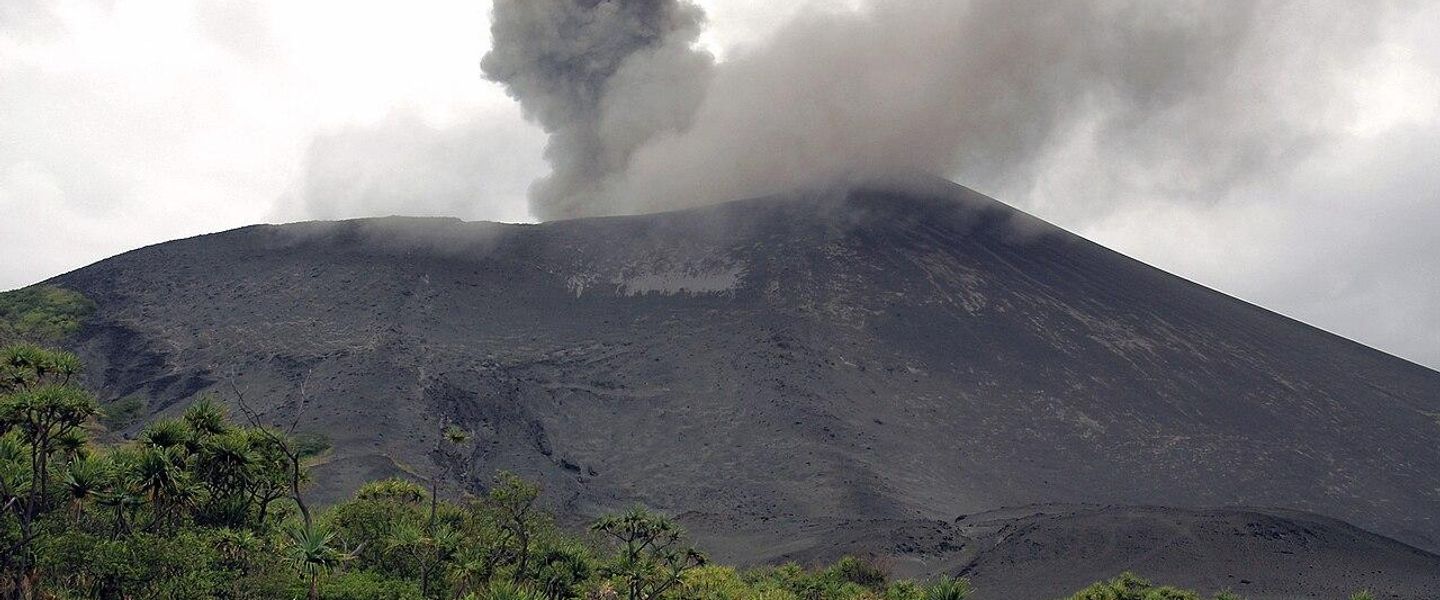


Explore Tanna in Vanuatu for Mount Yasur, kastom culture, forest trails, coral coasts and rural island life shaped by an active volcano.
Read more about Tanna
When is the best time to visit Tanna?
Best: June–August · 25–26°C| Month | High (°C) | Rainfall (mm) |
|---|---|---|
| January | 29 | 300 |
| February | 29 | 300 |
| March | 29 | 300 |
| April | 28 | 250 |
| May | 27 | 200 |
| June (best) | 26 | 150 |
| July (best) | 25 | 140 |
| August (best) | 25 | 140 |
| September | 26 | 150 |
| October | 27 | 200 |
| November | 28 | 250 |
| December | 29 | 300 |
Getting to and around Tanna
How to get there
Transportation
Top city travel guides in Tanna
The cities of Tanna, and the easiest places to base yourself.
-

-


Swipe for more cities
Destinations in Tanna
Resorts, valleys and scenic spots worth a trip of their own.
-

-


Swipe for more destinations
Best attractions in Tanna
Tanna’s attractions are centred on geological drama, coastal scenery and encounters arranged through local communities rather than on large visitor complexes. Mount Yasur is the island’s defining experience: guided trips approach the active volcanic cone when conditions and access rules allow, usually with time to observe ash plumes and eruptions from approved viewpoints. The wider Sulphur Bay area combines volcanic terrain with cultural significance. On the eastern coast, Port Resolution offers historical associations, hot springs and access to bays, reefs and rural tracks. The island’s beaches, forest and coral waters support swimming, snorkelling and simple coastal exploration, although conditions vary and local advice is important. Inland journeys reveal gardens, plantations, streams and settlements connected by rough roads, while natural pools and viewpoints are best reached with guides who understand customary access. Cultural visits, including kastom presentations or community gatherings, should be arranged respectfully rather than approached uninvited. Tanna’s attraction landscape is therefore low-key and place-based: the appeal lies in seeing how volcano, village, forest and sea remain part of everyday island life. Accommodation may also arrange fishing, walking and village experiences, but availability changes with weather and community schedules.
-
Swimming facility
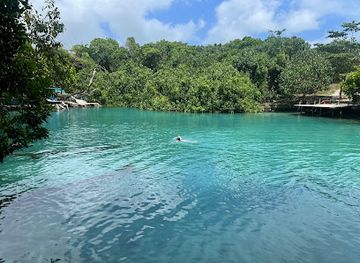
Blue Lagoon
Experience the stunning Blue Lagoon in Eton, a perfect blend of adventure and relaxation with crystal-clear waters and thrilling rope swings.
-
Beach
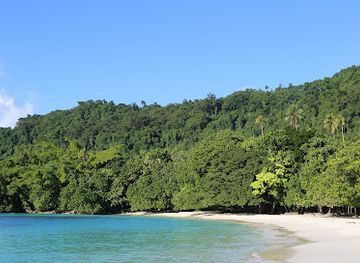
Champagne Beach
Experience the enchanting beauty of Champagne Beach in Vanuatu, where soft sands and bubbly waters create a perfect tropical getaway.
-
Distillery
83 Islands Distillery
Experience the rich flavors of Vanuatu at 83 Islands Distillery, where local ingredients meet the art of distillation in a stunning tropical setting.
-
Tourist attraction
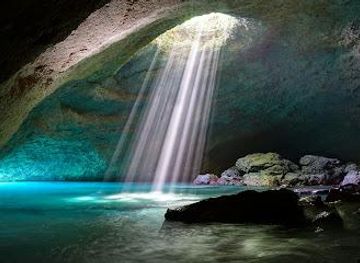
Blue Cave
Experience the breathtaking beauty of Blue Cave in Lenakel, Vanuatu - a stunning natural wonder offering adventure, relaxation, and mesmerizing azure waters.
Best landmarks in Tanna
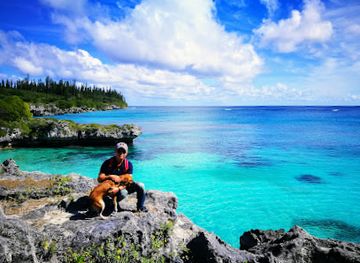
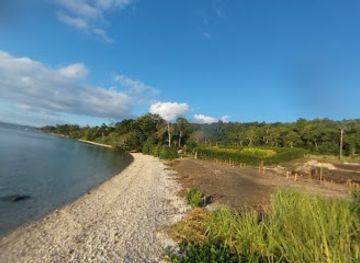
Mount Yasur is Tanna’s internationally recognisable natural landmark, a long-active volcanic cone whose ash-covered slopes and glowing eruptions dominate the landscape around Sulphur Bay. Its significance is geological as well as cultural, and access should always follow current safety guidance. Port Resolution is another important landmark, linking the eastern coast with Captain Cook’s 1774 visit and the continuing geography of the bay. The black volcanic landscapes around the volcano contrast with Tanna’s green interior and coral-fringed coast, while rocky headlands, beaches and sheltered bays provide a changing coastal profile. In the Sulphur Bay area, sites associated with the John Frum movement are culturally significant and should be visited only with appropriate local introduction and respect. Lenakel’s role as the island’s administrative centre gives it practical importance, though it is not a monumental cityscape. Across Tanna, village churches, meeting places, gardens and traditional structures are often more meaningful landmarks than formal monuments, because they show how introduced institutions and customary life coexist. The island’s most powerful sense of place comes from this relationship between active earth, ancestral land and living communities.
-
National museum
Vanuatu National Museum
Explore Vanuatu's vibrant culture and history at the National Museum, a treasure trove of artifacts and exhibits in Port Vila.
-
 Resort hotel
White Grass Ocean Resort & Spa
Experience the beauty and tranquility of Tanna Island at White Grass Ocean Resort & Spa, a perfect blend of luxury, adventure, and local culture.
-
Hotel
Chantilly's on the Bay
Experience the beauty of Vanuatu at Chantilly's on the Bay, where luxury meets breathtaking ocean views and local culture.
-
Island
Efate
Explore the breathtaking landscapes, pristine beaches, and rich cultural heritage of Efate Island, a tropical paradise in Vanuatu.
Explore Tanna on the map
Plan your trip on one map. See where the top cities, national parks and sights are, and book hotels and experiences in a few clicks.
Best hotels in Tanna
Best restaurants in Tanna
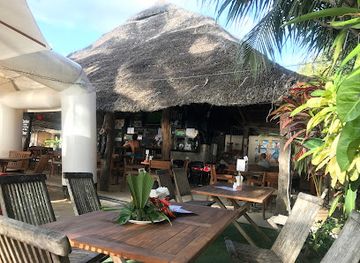
Dining on Tanna is generally simple, local and closely linked to what households, gardens, fishermen and nearby suppliers can provide. Root crops such as yam, taro and cassava are important, alongside bananas, coconut, seasonal fruit, vegetables, fish and, in some settings, locally raised meat. Resort and guesthouse meals may combine these ingredients with familiar international dishes, but menus can be limited and supplies are less predictable than in Port Vila. In rural areas, food is commonly arranged through accommodation rather than selected from a broad restaurant district. Visitors may encounter lap-lap, a baked dish made with grated root crops and other ingredients, although preparation varies across Vanuatu and should not be treated as a single standard recipe. Fresh fish and tropical fruit are particularly fitting choices on the coast. Lenakel provides the island’s most practical access to small food sellers and everyday provisions, while village visits may include food prepared for a particular gathering. Ask before photographing meals, gardens or food preparation, and confirm whether drinks or additional dishes are included in an organised excursion.
-
Family-friendly
The Beach Bar
Discover family-friendly dining at The Beach Bar in Vanuatu—where delicious cuisine meets stunning ocean views for unforgettable moments.
-
Restaurant
The Stonegrill Restaurant
Experience the vibrant flavors of Vanuatu at The Stonegrill Restaurant in Port Vila—where every meal is an unforgettable journey.
-
Restaurant
Erakor Island Resort
Discover serenity at Erakor Island Resort in Vanuatu—where pristine beaches meet vibrant culture for an unforgettable getaway.
-
Restaurant
Tamanu on the beach
Discover tranquility and luxury at Tamanu on the Beach in Vanuatu – your ultimate getaway with stunning ocean views and exceptional dining.

Best bars in Tanna
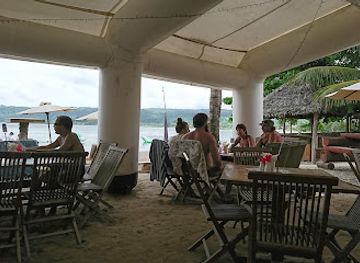
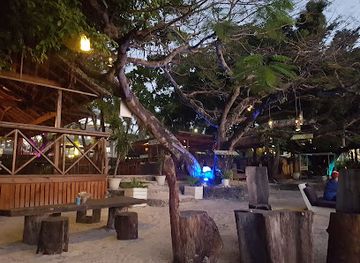
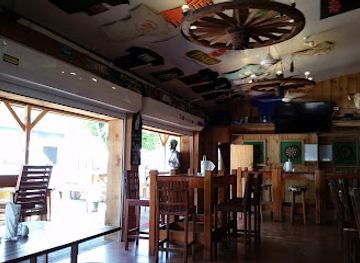
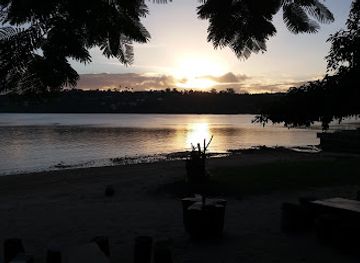
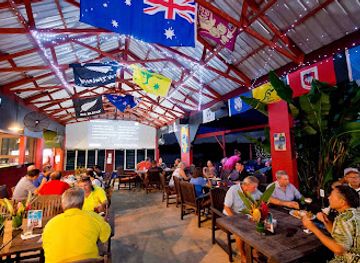
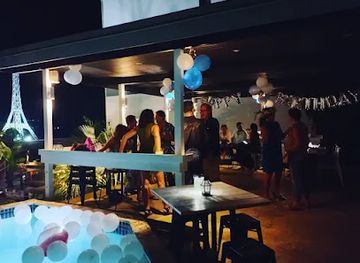
Tanna does not have a concentrated nightclub scene. Evening life is more likely to centre on the bar or dining area of a resort, a small local kava venue, community gatherings or informal conversation in a village setting. Kava, a traditional Pacific drink made from the prepared root of the kava plant, is part of social life in Vanuatu, but visitors should follow local guidance about where and how it is served. Lenakel offers the greatest concentration of everyday evening activity, although it remains a small island centre rather than a late-night entertainment district. Some accommodation providers may offer music or occasional cultural performances, but schedules and availability are variable. In rural areas, darkness, limited roads and the need to arrange transport mean that most visitors return to their accommodation after dinner. The island’s night-time appeal is consequently atmospheric rather than energetic: rural quiet, tropical sounds and, where conditions permit, views of the volcanic glow form a more characteristic evening experience than clubs or all-night bars.
-
Family-friendly
The Beach Bar
Experience the vibrant charm of The Beach Bar in Vanuatu, a perfect family-friendly escape with stunning ocean views and delicious local cuisine.
-
Resort hotel
White Grass Ocean Resort & Spa
Experience the serene beauty of White Grass Ocean Resort & Spa, where luxury meets the stunning coastline of Tanna, Vanuatu.
-
Bar
Banyan Beach Bar
Experience the vibrant atmosphere of Banyan Beach Bar in Port Vila, where tropical cocktails and stunning ocean views create unforgettable moments.
-
Bar
War Horse Saloon
Discover the lively War Horse Saloon in Port Vila, Vanuatu, where great drinks and friendly locals create an unforgettable nightlife experience.
Best nightclubs in Tanna
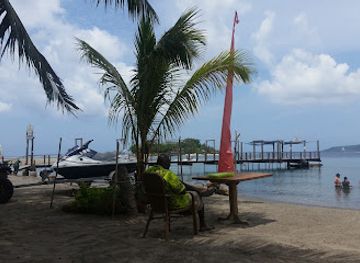
Tanna does not have a concentrated nightclub scene. Evening life is more likely to centre on the bar or dining area of a resort, a small local kava venue, community gatherings or informal conversation in a village setting. Kava, a traditional Pacific drink made from the prepared root of the kava plant, is part of social life in Vanuatu, but visitors should follow local guidance about where and how it is served. Lenakel offers the greatest concentration of everyday evening activity, although it remains a small island centre rather than a late-night entertainment district. Some accommodation providers may offer music or occasional cultural performances, but schedules and availability are variable. In rural areas, darkness, limited roads and the need to arrange transport mean that most visitors return to their accommodation after dinner. The island’s night-time appeal is consequently atmospheric rather than energetic: rural quiet, tropical sounds and, where conditions permit, views of the volcanic glow form a more characteristic evening experience than clubs or all-night bars.
-
Family-friendly
The Beach Bar
Experience the vibrant atmosphere of The Beach Bar, a family-friendly beachside haven in Vanuatu, perfect for relaxation and delicious dining.
-
Bar
Banyan Beach Bar
Discover the vibrant atmosphere of Banyan Beach Bar in Port Vila, where stunning ocean views meet refreshing cocktails and lively entertainment.
-
Sports bar
The Retreat Seaside Sports Bar & Resort
Discover the vibrant atmosphere of The Retreat Seaside Sports Bar & Resort, where relaxation meets entertainment in stunning Vanuatu.
-
Cocktail bar
Stone Lounge
Experience the vibrant flavors of Vanuatu at Stone Lounge - your ultimate destination for expertly crafted cocktails in Port Vila.
Best shops in Tanna
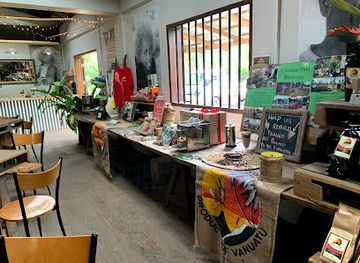
Shopping on Tanna is modest and practical rather than centred on large retail areas. Lenakel is the main place to look for everyday provisions, small shops and locally traded produce, while markets and roadside sellers may offer seasonal fruit, vegetables and root crops when available. Visitors can sometimes buy woven items, carvings, shell jewellery or other handicrafts through accommodation providers, community visits and local craft sellers, but quality, design and availability vary. Ask whether an item was made locally and whether photography is permitted before documenting craft production. Appropriate souvenirs may include locally produced handicrafts or packaged island products, while volcanic rocks, archaeological materials, shells and objects connected with customary places should not be removed without clear permission. There is little reason to expect extensive fashion, luxury or specialist retail on the island, and supplies of toiletries, medicines and snacks can be limited outside the airport and main settlements. Bring essential personal items with you, and carry Vanuatu vatu for small purchases because card payments are not consistently available.
-
Gift shop
Fung Kuei Duty Free
Discover a world of shopping at Fung Kuei Duty Free in Port Vila, where luxury meets affordability in a vibrant island setting.
-
Resort hotel
White Grass Ocean Resort & Spa
Discover paradise at White Grass Ocean Resort & Spa, an idyllic escape on Tanna Island offering luxury, adventure, and stunning ocean vistas.
-
Coffee shop
Tanna Coffee
Discover the rich flavors of Vanuatu at Tanna Coffee, where local beans meet stunning landscapes for an unforgettable coffee experience.
-
Chocolate shop
Gaston Chocolat - Vanuatu Chocolate
Gaston Chocolat in Vanuatu offers a heavenly selection of handcrafted chocolates, showcasing local flavors and artisan craftsmanship for an unforgettable experience.


Get your free copy of our complete guide to Tanna, delivered straight to you.
Everything on this page, from attractions and restaurants to essentials and local phrases, in one PDF you can read offline, print or share.
Already have an account? Sign in
Your Tanna guide is ready.
We'll send it to · Not you? Sign out

Getting your guide ready…
We are putting together a fresh copy of the Tanna guide. This can take up to a minute.
This can take a few moments. If your browser asks, choose Allow so the download can start. You'll find the guide in your Downloads folder.
Nothing happened? Download it again
Sorry, the guide is taking longer than usual. Please try again in a minute, or get it by email instead.
Tanna essentials
Currency and Payment
Safety
Emergency Situations
Do's and Don'ts
Local Tips
From Eve
Local phrases worth knowing
You don't need to get them perfect. A few words go a long way, and locals appreciate the effort.
Basics
| English | Local | Say it |
|---|---|---|
| Hello | Halo | [Ha-lo] |
| Goodbye | Bai | [Bye] |
| Yes | Yes | [Yes] |
| No | No | [No] |
| Please/You're welcome | Plis/You’re welcome | [Plis/You’re welcome] |
| Thank you | Tenkyu | [Ten-kyu] |
| Excuse me/Sorry | Sori | [So-ri] |
| How are you? | Olsem wanem? | [Ol-sem wan-em?] |
| Fine. And you? | Mi gud. Moa yu? | [Mi good. Mo-a yu?] |
| Do you speak English? | Yu save tok Pidgin? | [Yu sa-ve tok PID-jin?] |
| I don't understand | Mi no save | [Mi no sa-ve] |
Eating & Drinking
| English | Local | Say it |
|---|---|---|
| I'd like to see the menu, please | Plis, mi wantem luk menu | [Plis, mi wan-tem luk men-u] |
| I don't eat meat | Mi no kaek meat | [Mi no ka-ek meat] |
| Cheers! | Taem blo drink | [Ta-em blo drink] |
| I would like to pay, please | Plis, mi wantem pei | [Plis, mi wan-tem pei] |
Emergencies
| English | Local | Say it |
|---|---|---|
| Help! | Help! | [Help!] |
| Go away! | Go awei! | [Go a-wei] |
| Call the Police! | Kol Polise! | [Kol Po-lis] |
| Call a doctor! | Kol dokta! | [Kol dok-ta] |
| I'm lost | Mi los | [Mi los] |
| I'm ill | Mi sik | [Mi sik] |
Shopping
| English | Local | Say it |
|---|---|---|
| I'd like to buy... | Mi wantem baem... | [Mi wan-tem ba-em] |
| I'm just looking | Mi soim luk | [Mi so-im luk] |
| How much is it? | Hao mak it? | [How mak it?] |
| That's too expensive | Dat i tu mak | [Dat i tu mak] |
| Can you lower the price? | Yu save daunem prais? | [Yu sa-ve daun-em prais?] |
Time & Numbers
| English | Local | Say it |
|---|---|---|
| What time is it? | Hao taem i? | [How ta-em i?] |
| It's one o'clock | I one o'clock | [I one o-clock] |
| Half past (10) | Haf pas ten | [Haf pas ten] |
| Morning | Mornin | [Morn-ing] |
| Afternoon | Aftanun | [Af-ta-nun] |
| Evening | Ivening | [I-ven-ing] |
| Yesterday | Yestidei | [Yes-ti-dei] |
| Today | Tudei | [Tu-dei] |
| Tomorrow | Tumoro | [Tu-mo-ro] |
| 1 | Wan | [Wan] |
| 2 | Tu | [Tu] |
| 3 | Tri | [Tri] |
| 4 | Foa | [Fo-a] |
| 5 | Faef | [Faef] |
| 6 | Siks | [Siks] |
| 7 | Seven | [Seven] |
| 8 | Eit | [Eit] |
| 9 | Nain | [Nain] |
| 10 | Ten | [Ten] |
Transport & Directions
| English | Local | Say it |
|---|---|---|
| Where's a/the...? | Wea i ...? | [We-a i ...?] |
| What's the address? | Hao nao adres? | [How nao ad-res?] |
| Can you show me (on the map)? | Yu save soem mi (long map)? | [Yu sa-ve so-em mi (long map)?] |
| When's the next (bus)? | Hao taem next (bas)? | [How ta-em next (bus)?] |
| A ticket (to ....) | Wan tiket (go ...) | [Wan ti-ket (go ...)] |
History of Tanna
Early Settlement and Tannese Custom
Tanna has been inhabited for many centuries by communities whose languages, land relationships and oral traditions developed within the wider cultural world of Vanuatu. Archaeological evidence across the archipelago records early Oceanian settlement and later waves of cultural change, while Tanna’s own kastom traditions preserve histories that are not always expressed through written records. Land, ancestry, ceremony and chiefly authority remain important parts of community life. Visitors should understand that kastom is not merely a performance for tourists: it encompasses customary law, knowledge, social obligations and spiritual relationships with particular places.
European Contact and Captain Cook, 1774
The British navigator James Cook visited Tanna in 1774 during his second Pacific voyage and recorded the island’s volcano and communities. European contact introduced new objects, diseases, religious ideas and forms of trade, while also placing Tanna within the expanding map of imperial Pacific navigation. Port Resolution takes its name from Cook’s ship, HMS Resolution, and remains one of the island’s most recognisable historical place names. Cook’s visit was brief, but it began a longer period of interaction between Tannese communities, missionaries, traders and foreign governments.
Missionaries, Labour and Colonial Pressures
Christian missionaries arrived in the nineteenth century, encountering established religious systems and strong local authority. Presbyterian missions eventually gained a substantial presence, although conversion was neither immediate nor uniform and often involved conflict, negotiation and adaptation. Tanna was also affected by the wider Pacific labour trade, sometimes called blackbirding, which removed islanders to work in plantations elsewhere under frequently coercive conditions. These encounters transformed settlement patterns, political relationships and religious life. Many churches and community practices on Tanna today reflect a complex blending of introduced Christianity with local cultural frameworks.
The John Frum Movement
The John Frum movement emerged on Tanna during the twentieth century, generally associated with opposition to the authority of missionaries and colonial institutions and with hopes for renewal through a powerful ancestral or spiritual figure. Its history is interpreted differently within and outside the island, and the movement has developed varied forms over time. Friday gatherings in the Sulphur Bay area are connected with John Frum observance, but visitors should attend only through respectful, locally guided arrangements. The movement is an important part of Tanna’s modern cultural and political history, not a curiosity to be consumed as spectacle.
The Anglo-French Condominium
From 1906 until independence, the islands that now form Vanuatu were administered under an unusual Anglo-French arrangement known as the condominium. Separate British and French systems operated alongside customary authority, producing overlapping courts, schools and bureaucracies. Tanna, like other islands, experienced the effects of this divided colonial structure without becoming culturally uniform. Mission education, introduced administration, plantation interests and external trade altered island life, but local languages, land connections and customary institutions remained influential. The condominium’s legacy can still be sensed in Vanuatu’s multilingual public life and layered colonial history.
Independence and Contemporary Tanna
Vanuatu became independent in 1980, and Tanna has since developed within a national system that combines elected government with powerful customary institutions. Tourism has expanded around Mount Yasur, coastal accommodation and cultural visits, while agriculture and subsistence activities remain important to many households. The island has also experienced the practical challenges of cyclones, earthquakes, volcanic activity and limited infrastructure. Contemporary Tanna is therefore neither isolated from the modern world nor detached from customary life: mobile communications, schools and tourism exist alongside village authority, traditional land relationships and locally specific cultural movements.
Tanna in Photos
Browse through our photo collection highlighting the charm and character of the destination.
Neighbouring regions of Tanna
The closest regions to Tanna, if you have time for more than one.
-

-

-

-

-


Swipe for more regions
Explore more

Explore more of Vanuatu
Discover Vanuatu, a pristine South Pacific paradise with breathtaking beaches, vibrant culture, thrilling adventures, and some of the world's best diving spots.
Explore Vanuatu