

Free Tafea Travel Guide & Mobile App
Explore Tafea with free travel guides. Discover regional history, expert tips, proposed trips, and audio guides on web or mobile app.


Explore Tafea in southern Vanuatu for Mount Yasur, coral islands, forested landscapes, kastom villages and uncrowded Pacific journeys.
Read more about Tafea
When is the best time to visit Tafea?
Best: June–August · 26–27°C| Month | High (°C) | Rainfall (mm) |
|---|---|---|
| January | 30 | 270 |
| February | 30 | 250 |
| March | 29 | 240 |
| April | 29 | 220 |
| May | 28 | 170 |
| June (best) | 27 | 120 |
| July (best) | 26 | 110 |
| August (best) | 26 | 110 |
| September | 27 | 120 |
| October | 28 | 140 |
| November | 29 | 200 |
| December | 30 | 240 |
Getting to and around Tafea
How to get there
Transportation
Top city travel guides in Tafea
The cities of Tafea, and the easiest places to base yourself.
-

-


Swipe for more cities
Destinations in Tafea
Resorts, valleys and scenic spots worth a trip of their own.
-

-


Swipe for more destinations
Best attractions in Tafea
Tafea's attractions range from active geology to marine environments and community-led cultural experiences. On Tanna, Mount Yasur is the defining natural attraction, but the island also offers the volcanic coast at Port Resolution, hot springs, black-sand beaches, forest tracks and opportunities to learn about local kastom through properly arranged village visits. Aneityum combines ridge walks, quiet bays and coral reefs, with Inyeug, commonly called Mystery Island, providing a small-island setting just offshore. Erromango is suited to travellers seeking forest, birdlife, remote beaches and the history of the sandalwood era rather than a dense collection of developed sites. Low-lying Aniwa offers lagoons and reef flats, while mountainous Futuna has a more secluded character and rewarding coastal scenery. Across the province, snorkelling, fishing, walking and guided cultural visits depend on local conditions and should be arranged with communities or established accommodation providers.
-
Island
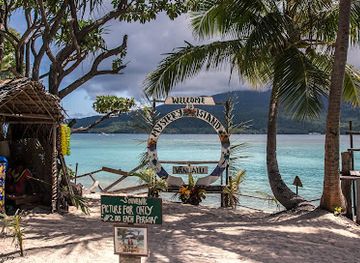
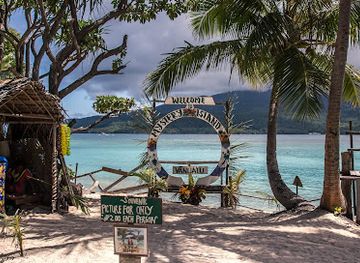
Mystery Island
Discover the untouched beauty of Mystery Island, Vanuatu: a tropical paradise with stunning beaches and vibrant marine life.
-
Volcano
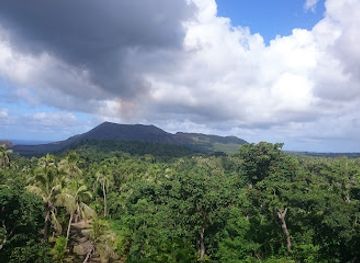
Mount Yasur
Discover the exhilarating experience of Mount Yasur, one of the world's most active volcanoes, on Tanna Island, Vanuatu.
-
Island
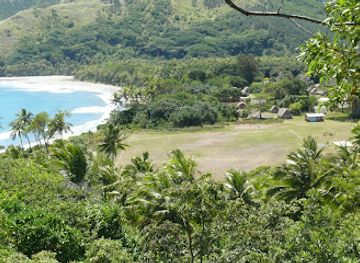
Aneityum
Discover the untouched beauty of Aneityum, Vanuatu's hidden island paradise with pristine beaches, vibrant culture, and unforgettable adventures.
-
Island
Tanna
Discover Tanna Island, Vanuatu: A tropical paradise with stunning volcanoes, lush landscapes, and rich cultural experiences waiting for every traveler.
Best landmarks in Tafea
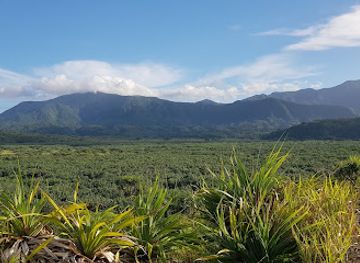
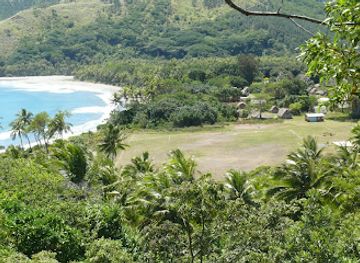
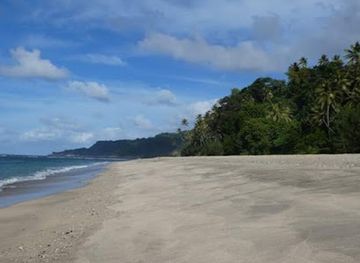
Mount Yasur on Tanna is Tafea's most recognisable landmark, its ash-darkened cone and intermittent glow forming a powerful presence above the island's southern landscape. Port Resolution is another important physical and historical setting, combining a sheltered bay, volcanic terrain and memories of early European navigation. Tanna's black-sand shores, rugged coastal cliffs and steaming ground provide a landscape of visible geological change rather than a single monumental structure. On Aneityum, the forested central ridge and the small coral island of Inyeug, widely known as Mystery Island, are defining features of the island's maritime setting. Erromango's extensive forests and remote coast reflect both its ecological importance and its history of sandalwood exploitation. Aniwa's low coral profile contrasts sharply with mountainous Futuna, whose steep slopes and ocean-facing villages emphasise the geographic diversity of southern Vanuatu. Many significant places are also customary landscapes, so access and interpretation should be arranged locally.
-
Island
Mystery Island
Immerse yourself in the breathtaking beauty of Mystery Island, a tropical paradise in Vanuatu with stunning beaches and vibrant marine life.
-
Tourist attraction
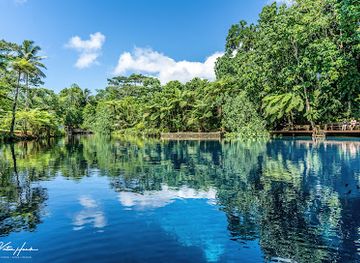
Nanda Blue Hole
Discover the stunning Nanda Blue Hole in Sanma Province, Vanuatu – a breathtaking natural water attraction perfect for relaxation, swimming, and snorkeling.
-
Volcano
Mount Yasur
Explore Mount Yasur, an iconic active volcano in Vanuatu, offering breathtaking eruptions and unforgettable experiences amidst lush landscapes.
-
Island
Aneityum
Explore the serene beauty of Aneityum Island, a hidden paradise in Vanuatu known for its stunning beaches and vibrant marine life.
Explore Tafea on the map
Plan your trip on one map. See where the top cities, national parks and sights are, and book hotels and experiences in a few clicks.
Best hotels in Tafea
Best restaurants in Tafea
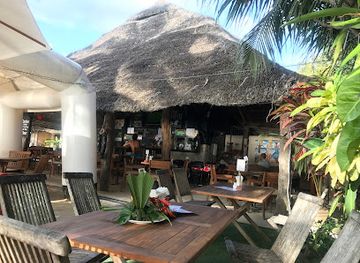
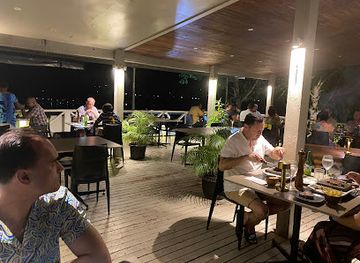
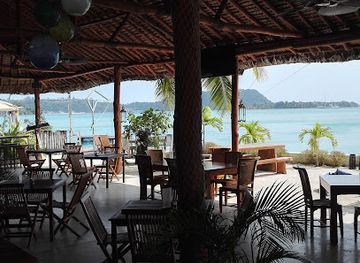
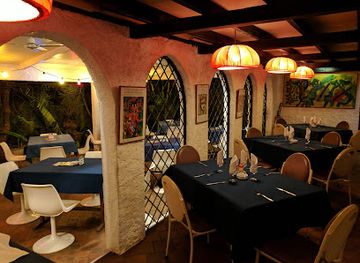
Dining in Tafea is generally informal and closely connected to local supply. Meals commonly draw on island-grown taro, yam, manioc, sweet potato, banana, coconut and seasonal fruit, with fresh fish and other seafood available where landing conditions permit. Chicken and locally raised meat may also appear, while laplap, a baked dish made from grated root crops and coconut milk with meat or fish, reflects wider Vanuatu food traditions. On Tanna, guesthouses and small lodges usually provide the most reliable meals, often using produce from household gardens and nearby farms. Aneityum, Erromango, Futuna and Aniwa have fewer dining choices, so visitors commonly eat where they stay and should communicate dietary requirements in advance. Markets and village stalls can offer fruit, root crops and simple snacks, but supply varies. Imported goods, cold drinks and bakery items are more readily found in larger settlements than on remote islands.
-
Family-friendly
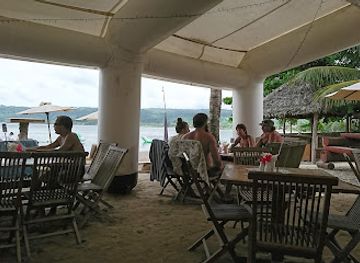
The Beach Bar
Experience family-friendly dining at The Beach Bar in Vanuatu with stunning ocean views and delicious cuisine perfect for all ages.
-
Restaurant
The Stonegrill Restaurant
Experience an unforgettable dining adventure at The Stonegrill Restaurant in Port Vila, where every meal is a sizzling masterpiece.
-
Restaurant
Reefers Restaurant & Rum Bar
Experience delectable local cuisine and vibrant rum cocktails at Reefers Restaurant & Rum Bar with stunning ocean views in Port Vila.
-
Restaurant
L'Houstalet Restaurant
Experience authentic French cuisine at L'Houstalet Restaurant in Port Vila - where every dish tells a story.
Best bars in Tafea
Tafea does not have a major nightclub scene, and evening life is shaped more by village gatherings, guesthouse meals, local music and customary social spaces than by late-night entertainment. On Tanna, visitors may find a small selection of bars, kava venues and informal establishments around the main settlements, while accommodation providers sometimes organise simple evening activities. A nakamal is a customary place for sharing kava, a mildly intoxicating drink made from pepper plant roots; visitors should follow local guidance about appropriate behaviour, opening customs and photography. Aneityum, Erromango, Futuna and Aniwa are quieter still, with evenings often centred on the community or the place where visitors are staying. Sunday observance can limit activity, and remote-island venues may close early or have no regular service. Do not assume that alcohol is available everywhere, and carry no expectations of urban-style nightlife.
-
Family-friendly
The Beach Bar
Experience paradise at The Beach Bar in Mele, where family-friendly dining meets stunning ocean views and vibrant local culture.
-
 Resort hotel
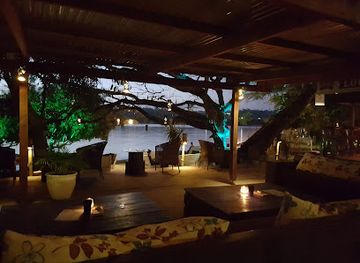
White Grass Ocean Resort & Spa
Experience luxury and tranquility at White Grass Ocean Resort & Spa, a tropical paradise on Tanna Island with stunning ocean views and local adventures.
-
Bar
Banyan Beach Bar
Experience the ultimate tropical escape at Banyan Beach Bar in Port Vila, where stunning ocean views and delicious cocktails await.
-
Bar
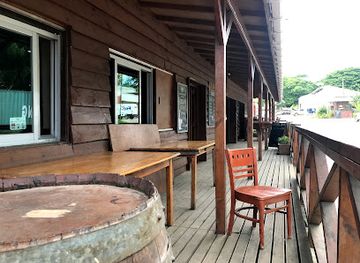
War Horse Saloon
Experience the lively spirit of Vanuatu at War Horse Saloon – where locals and tourists come together for unforgettable nights filled with music and fun.
Best nightclubs in Tafea
Tafea does not have a major nightclub scene, and evening life is shaped more by village gatherings, guesthouse meals, local music and customary social spaces than by late-night entertainment. On Tanna, visitors may find a small selection of bars, kava venues and informal establishments around the main settlements, while accommodation providers sometimes organise simple evening activities. A nakamal is a customary place for sharing kava, a mildly intoxicating drink made from pepper plant roots; visitors should follow local guidance about appropriate behaviour, opening customs and photography. Aneityum, Erromango, Futuna and Aniwa are quieter still, with evenings often centred on the community or the place where visitors are staying. Sunday observance can limit activity, and remote-island venues may close early or have no regular service. Do not assume that alcohol is available everywhere, and carry no expectations of urban-style nightlife.
-
Bar
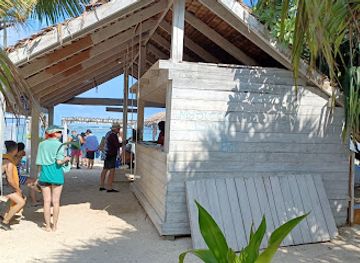
Mystery Island Tiki Bar
Experience the vibrant charm of Mystery Island Tiki Bar, where tropical drinks and a laid-back atmosphere await you in Aneghowhat.
-
Bar
Mangoes Kava Bar
Experience the vibrant culture of Vanuatu at Mangoes Kava Bar, where relaxation meets tradition in the heart of Lowanatom.
Best shops in Tafea
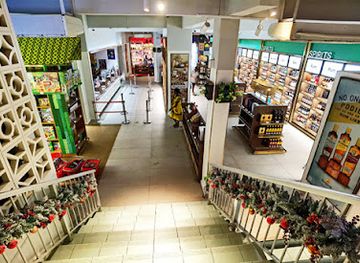
Shopping in Tafea is modest and local rather than centred on large retail areas. On Tanna, small shops and market stalls in and around the main settlements are the most practical places for basic provisions, fresh fruit, root crops, snacks and locally made handicrafts. Visitors may find woven items, carvings, shell ornaments and small craft products through guesthouses or community sellers, but quality, availability and prices vary between islands. Aneityum, Erromango, Futuna and Aniwa have fewer commercial outlets, making it sensible to buy essential toiletries, medicines, batteries and substantial snacks before leaving Port Vila or Tanna. Locally produced food is often a more meaningful purchase than imported souvenirs, provided it is bought through appropriate channels and can be transported safely. Do not remove shells, coral, plants or archaeological material from beaches or customary land, and ask about provenance when buying cultural objects.
-
Gift shop
Fung Kuei Duty Free
Explore an exceptional duty-free shopping experience at Fung Kuei Duty Free in Port Vila, Vanuatu, offering a wide selection of gifts, liquor, and luxury items.
-
Resort hotel
White Grass Ocean Resort & Spa
Experience luxury and tranquility at White Grass Ocean Resort & Spa, a paradise in Tanna, Vanuatu, where adventure meets relaxation.
-
Resort hotel
Tanna Evergreen Resort & Tours
Experience the beauty of Tanna at Tanna Evergreen Resort & Tours, where adventure meets relaxation in Vanuatu's tropical paradise.
-
Duty free store
Paris Shopping - Duty Free Vanuatu
Explore Duty Free Vanuatu for an unforgettable shopping experience in Port Vila, offering luxury goods at unbeatable prices.

Get your free copy of our complete guide to Tafea, delivered straight to you.
Everything on this page, from attractions and restaurants to essentials and local phrases, in one PDF you can read offline, print or share.
Already have an account? Sign in
Your Tafea guide is ready.
We'll send it to · Not you? Sign out

Getting your guide ready…
We are putting together a fresh copy of the Tafea guide. This can take up to a minute.
This can take a few moments. If your browser asks, choose Allow so the download can start. You'll find the guide in your Downloads folder.
Nothing happened? Download it again
Sorry, the guide is taking longer than usual. Please try again in a minute, or get it by email instead.
Tafea essentials
Currency and Payment
Safety
Emergency Situations
Do's and Don'ts
Local Tips
From Eve
Local phrases worth knowing
You don't need to get them perfect. A few words go a long way, and locals appreciate the effort.
Basics
| English | Local | Say it |
|---|---|---|
| Hello | Halo | [hah-loh] |
| Goodbye | Bai | [bye] |
| Yes | Yes | [yes] |
| No | No | [noh] |
| Please/You're welcome | Plis | [plees] |
| Thank you | Tangkyu | [tang-kyoo] |
| Excuse me/Sorry | Sori | [soh-ree] |
| How are you? | Olsem wanem? | [ohl-sem wah-nem] |
| Fine. And you? | Oli gud. Na yu? | [oh-lee good. nah yoo] |
| Do you speak English? | Yu save toktok Inglis? | [yoo sah-veh tok-tok ing-lis] |
| I don't understand | Mi no save | [mee noh sah-veh] |
Eating & Drinking
| English | Local | Say it |
|---|---|---|
| I'd like to see the menu, please | Mi wantem lukim menu, plis | [mee wan-tem loo-keem meh-noo, plees] |
| I don't eat meat | Mi no kaek meat | [mee noh kai-ehk meet] |
| Cheers! | Cheers! | [cheers] |
| I would like to pay, please | Mi wantem pai, plis | [mee wan-tem pie, plees] |
Emergencies
| English | Local | Say it |
|---|---|---|
| Help! | Help! | [help] |
| Go away! | Gao awei! | [gow ah-way] |
| Call the Police! | Kolim Polisi! | [koh-leem poh-lee-see] |
| Call a doctor! | Kolim dokta! | [koh-leem dok-tah] |
| I'm lost | Mi lus | [mee loos] |
| I'm ill | Mi sik | [mee seek] |
Shopping
| English | Local | Say it |
|---|---|---|
| I'd like to buy... | Mi wantem baem... | [mee wan-tem bye-em] |
| I'm just looking | Mi luk blong luk | [mee look blong look] |
| How much is it? | Hao makem? | [how mah-kem] |
| That's too expensive | Hem tu ekspensiv | [hem too eks-pen-siv] |
| Can you lower the price? | Yu save daunem prais? | [yoo sah-veh dow-nem prah-ees] |
Time & Numbers
| English | Local | Say it |
|---|---|---|
| What time is it? | Hao taem? | [how tah-em] |
| It's one o'clock | Hem wan oklok | [hem wan oh-clock] |
| Half past (10) | Haf pas (10) | [haf pahs (ten)] |
| Morning | Moring | [mor-ing] |
| Afternoon | Aftanun | [af-ta-noon] |
| Evening | Ivening | [ee-ven-ing] |
| Yesterday | Yestide | [yes-ti-deh] |
| Today | Tude | [too-deh] |
| Tomorrow | Tumoro | [too-mo-roh] |
| 1 | Wan | [wahn] |
| 2 | Tu | [too] |
| 3 | Tri | [tree] |
| 4 | Foa | [foh-ah] |
| 5 | Faev | [fah-ev] |
| 6 | Siks | [siks] |
| 7 | Seven | [seh-ven] |
| 8 | Eit | [eight] |
| 9 | Nain | [nine] |
| 10 | Ten | [ten] |
Transport & Directions
| English | Local | Say it |
|---|---|---|
| Where's a/the...? | Wera a/the...? | [we-ra ah/the] |
| What's the address? | Wots the adres? | [wots the ah-dress] |
| Can you show me (on the map)? | Yu save soem mi (long map)? | [yoo sah-veh so-em mee (long map)] |
| When's the next (bus)? | Wen naeks (bas)? | [wen nax] |
| A ticket (to ....) | Wan tiket (go....) | [wahn tee-ket (go)] |
History of Tafea
Lapita Settlement and Austronesian Seafaring
The islands of southern Vanuatu were settled through the wider Austronesian expansion across the Pacific. Archaeological evidence from Vanuatu includes Lapita pottery and other traces of communities that arrived by sea more than 3,000 years ago. Over succeeding centuries, island societies developed distinct languages, land-use systems, exchange networks and customary institutions. Tafea's separation into islands encouraged local identities, while maritime skill connected communities across the southern archipelago and with neighbouring Pacific regions.
Island Cultures Before European Rule
Before European administration, Tafea's islands were governed through customary relationships involving land, chiefly authority, kinship, ritual and exchange. Tanna developed a particularly influential ceremonial and political culture, while Aniwa and Futuna retain strong Polynesian cultural connections that distinguish them from many Melanesian communities elsewhere in Vanuatu. Oral history remains important, and many landscapes continue to carry customary, spiritual or historical meaning that is not always visible in conventional monuments.
European Contact and Sandalwood Trade
European navigators reached the southern islands during the age of Pacific exploration, but sustained outside involvement intensified during the nineteenth century. Erromango became especially associated with sandalwood, which attracted traders and led to coercive or violent encounters as commercial demand grew. The trade disrupted communities and depleted valuable trees. Traders, labour recruiters, missionaries and disease followed, creating profound demographic and social changes across Tafea.
Missionary Encounters and Religious Change
Presbyterian and other Christian missions established a lasting presence in the southern islands during the nineteenth century, although conversion was neither immediate nor uniform. Erromango became known in missionary history for the deaths of several early Presbyterian missionaries, while later Christian communities grew in many parts of Tafea. Churches, Christian schools and new forms of leadership altered social life, but customary practices and local interpretations of belief continued alongside Christianity.
The Anglo-French Condominium, 1906–1980
The islands that became Vanuatu were administered jointly by Britain and France under the Anglo-French Condominium, commonly known as the New Hebrides Condominium. The arrangement created parallel legal, educational and administrative systems and left a complicated institutional legacy. Tafea remained remote from the main centres of colonial power, yet its islands experienced missionary activity, labour movement, commercial extraction and growing political awareness. The condominium ended when the New Hebrides became independent as Vanuatu in 1980.
Tanna's John Frum Movement
Tanna is internationally associated with the John Frum movement, a religious and cultural movement that emerged during the twentieth century amid colonial pressures and changing ideas about authority, material wealth and customary life. John Frum is understood in different ways by followers and outside observers, and the movement should not be reduced to a simple tourist spectacle. Its continuing presence demonstrates how Tannese communities have negotiated Christianity, colonialism and kastom on their own terms.
Independence and Contemporary Tafea
Since Vanuatu's independence in 1980, Tafea has remained a province where customary landholding, village authority and local economic activity are central. Tourism has developed unevenly, with Tanna receiving most visitors because of Mount Yasur and established guesthouses, while Erromango, Futuna and Aniwa remain more lightly visited. Cyclones, earthquakes, volcanic activity and transport limitations continue to affect the region, making community resilience and locally managed tourism important parts of its contemporary story.
Tafea in Photos
Browse through our photo collection highlighting the charm and character of the destination.
Neighbouring regions of Tafea
The closest regions to Tafea, if you have time for more than one.
-

-

-

-

-


Swipe for more regions
Explore more

Explore more of Vanuatu
Discover Vanuatu, a pristine South Pacific paradise with breathtaking beaches, vibrant culture, thrilling adventures, and some of the world's best diving spots.
Explore Vanuatu