

Free Kent Travel Guide & Mobile App
Plan your Kent trip with Evendo. Get free guides to top attractions, restaurants, hotels, and bars. Web access or download the mobile app.




Kent, Washington offers Green River scenery, local history, multicultural dining, family attractions and easy access to Seattle and Mount Rainier for Puget Sound sightseeing.
A Valley City South of Seattle
Kent occupies a broad stretch of Washington's Green River Valley between Seattle and Tacoma, with the wooded hills of the Puget Sound lowlands rising to the east and west. Its setting is practical rather than theatrical: a working city shaped by railways, farms, industry, floodplain restoration and the steady movement of people through the metropolitan region. The Green River gives Kent its most distinctive natural thread, while the valley's flat terrain makes walking and cycling more accessible than in many neighbouring communities.Read more about Kent
Heritage, Sport and Local Culture
A Multicultural Working City
When is the best time to visit Kent?
Best: June–August · 21–24°C| Month | High (°C) | Rainfall (mm) |
|---|---|---|
| January | 8 | 112 |
| February | 8 | 87 |
| March | 12 | 87 |
| April | 14 | 63 |
| May | 18 | 48 |
| June (best) | 21 | 38 |
| July (best) | 24 | 25 |
| August (best) | 24 | 25 |
| September | 21 | 38 |
| October | 16 | 87 |
| November | 11 | 112 |
| December | 8 | 112 |
Getting to and around Kent
How to get there
Transportation
Best attractions in Kent
Kent's attractions reflect its position as a working Green River Valley city rather than a traditional sightseeing centre. The Kent Historical Museum introduces local stories of settlement, agriculture and civic development through collections housed in a historic setting, while the Hydroplane and Raceboat Museum explores the Pacific Northwest's distinctive culture of high-speed boat racing and engineering. The Green River Trail provides the city's most accessible outdoor experience, following river corridors and open landscapes suited to walking and cycling. At Kent Station, shops, restaurants and public spaces combine with seasonal events, while the ShoWare Center stages sport, concerts and community entertainment. Families may also be drawn to the Kent Valley Ice Centre, an established indoor recreation venue. Exploring Kent's East Hill and Central Avenue areas adds a cultural dimension through international businesses and everyday neighbourhood life, balancing formal attractions with the city's contemporary character.
-
Tourist attraction
Angle Lake Park
Discover the beauty of nature at Angle Lake Park, a serene escape in SeaTac, Washington, perfect for picnics, fishing, and leisurely outdoor activities.
21 min drive · 6.9 km from city centre
-
Tourist attraction
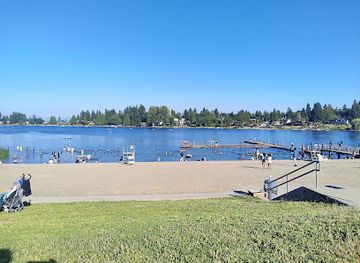
Lake Meridian Park
Explore the scenic beauty and recreational activities at Lake Meridian Park, a serene destination in Kent, Washington, perfect for relaxation and outdoor fun.
22 min drive · 7.3 km from city centre
-
Skydiving center
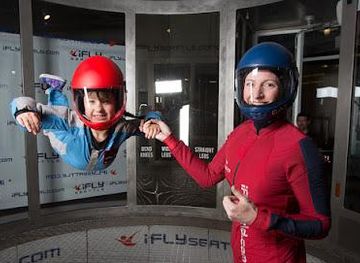
iFLY Indoor Skydiving - Seattle
Discover the thrill of indoor skydiving at iFLY Seattle, where adventure meets safety in an unforgettable flying experience for all ages.
27 min drive · 9.0 km from city centre
-
Tourist attraction
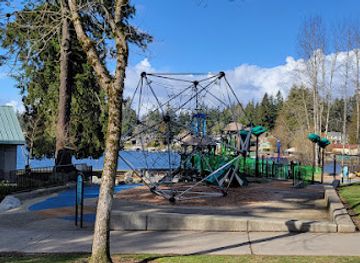
Clark Lake Park
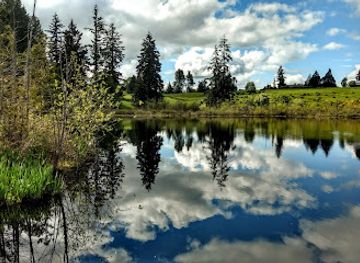
Explore the natural beauty and recreational activities at Clark Lake Park in Kent, WA, featuring serene landscapes and breathtaking views.
13 min drive · 4.4 km from city centre
Best landmarks in Kent
Kent's landmarks are closely tied to civic history, regional transport and the Green River landscape. The Kent Historical Museum preserves the memory of the early settlement and the agricultural valley, giving historical meaning to a city increasingly dominated by modern development. Kent Station marks the continuing importance of rail travel and functions as a contemporary public focal point, while the ShoWare Center represents the city's role as a venue for regional sport and entertainment. The Green River and its associated trail system are environmental landmarks as well as recreational spaces, recalling the geography that shaped farming, flooding and urban expansion. The Hydroplane and Raceboat Museum provides a distinctive cultural landmark devoted to the engineering heritage of hydroplane racing. Together, these sites explain Kent through movement, water, work and community rather than through a concentration of monumental architecture.
-
Video arcade
Tukwila Family Fun Center & Bullwinkle's Restaurant
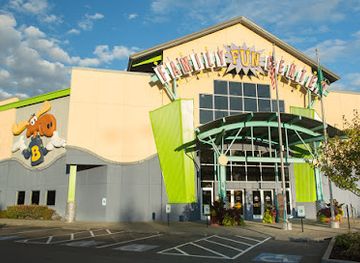
Experience thrilling attractions and delicious dining at Tukwila Family Fun Center & Bullwinkle's Restaurant, the ultimate family-friendly destination in Washington.
28 min drive · 9.4 km from city centre
-
Arena
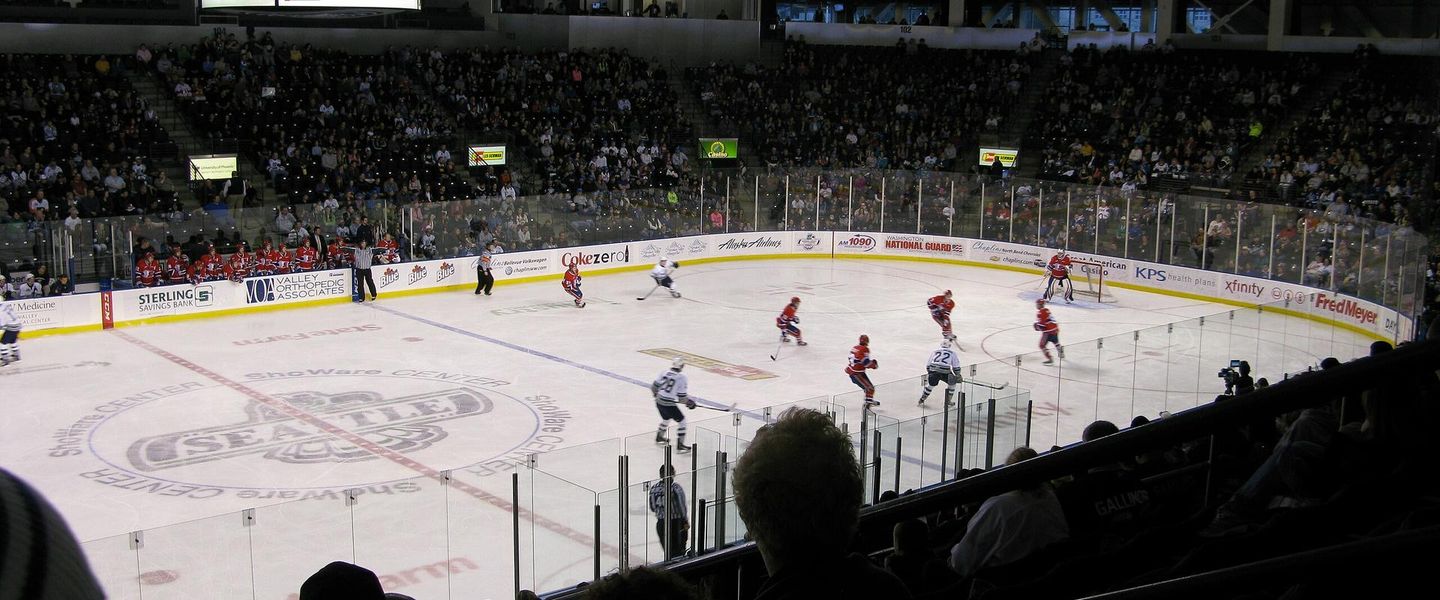
accesso ShoWare Center
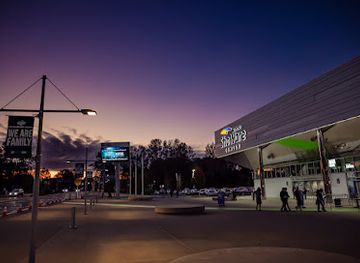
Discover the thrill of live entertainment at accesso ShoWare Center, an exhilarating venue for concerts, sports, and unforgettable events in Kent, WA.
10 min walk · 0.8 km from city centre
-
State park
Saltwater State Park
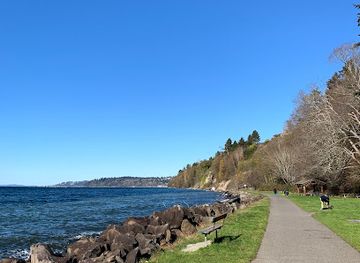
Explore Saltwater State Park, a serene coastal retreat in Washington, offering breathtaking views, diverse wildlife, and endless outdoor activities for all ages.
20 min drive · 6.7 km from city centre
-
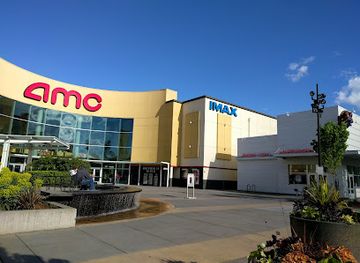
Movie theater
AMC Kent Station 14
Discover the cinematic wonders of AMC Kent Station 14 with its IMAX theater and cutting-edge film experiences in Kent, WA.
5 min walk · 0.4 km from city centre
Explore Kent on the map
Plan your Kent trip on one map. See where the top attractions, landmarks, restaurants, bars and hotels are, find what's near where you're staying, and book hotels and experiences in a few clicks.
Best hotels in Kent
Best restaurants in Kent
Kent's dining scene reflects the international population of south King County, with restaurants and specialist grocers representing East African, South Asian, East Asian, Latin American and other culinary traditions alongside familiar American and Pacific Northwest cooking. Central Avenue and East Hill are useful areas for independent eateries, bakeries and takeaway counters, while Kent Station offers a more concentrated selection of contemporary restaurants. The Green River Valley connection appears in an interest in fresh produce and seasonal ingredients, although Kent's food culture is defined less by one signature dish than by its breadth of influences. Coffee shops, casual family restaurants and food businesses serving immigrant communities provide a more revealing picture of local life than a narrow fine-dining circuit. Visitors should also look for seasonal farmers' market activity and regional products from the wider Puget Sound area.
-
Steak
Asadero Prime
Discover the vibrant fusion of Mexican flavors and premium steaks at Asadero Prime in Kent, WA - A culinary gem not to be missed!
12 min walk · 0.9 km from city centre
-
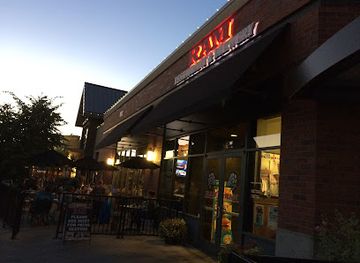
American
Ram Restaurant & Brewery
Experience the best of American cuisine at Ram Restaurant & Brewery in Kent - where great food meets handcrafted brews.
6 min walk · 0.5 km from city centre
-
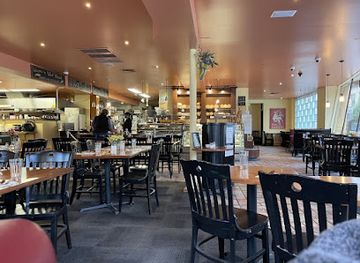
Bakery
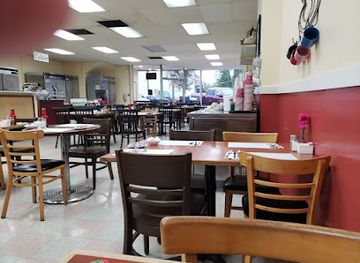
Wild Wheat Bakery Cafe & Restaurant
Experience artisanal baked goods and delicious brunch options at Wild Wheat Bakery Cafe & Restaurant in Kent, WA - where comfort meets flavor.
1 min walk · 0.1 km from city centre
-
American
Maggie's on Meeker
Experience delightful American breakfasts and brunches at Maggie's on Meeker in Kent, WA - where flavor meets comfort.
1 min walk · 0.1 km from city centre
Best bars in Kent
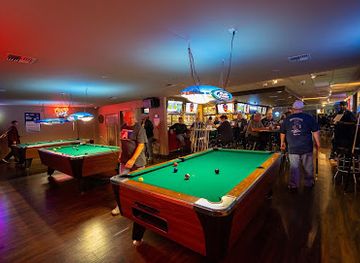
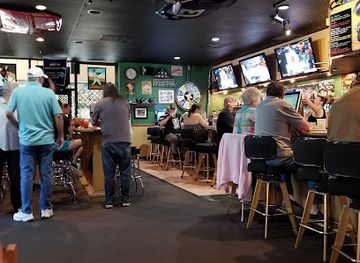
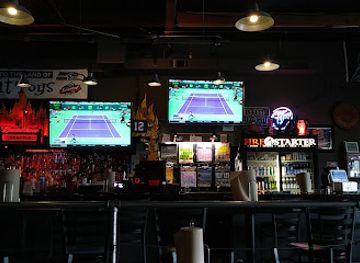
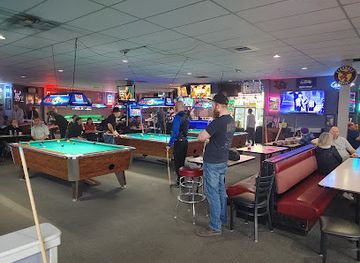
Kent's evening scene is modest and locally oriented rather than built around a large nightclub district. Kent Station and the Central Avenue area provide places for relaxed drinks and casual socialising, while neighbourhood bars and restaurants on East Hill reflect the city's everyday community life. The ShoWare Center is the principal large-scale evening venue, with its programme of sport, concerts, family entertainment and other events changing over time. Community performances, seasonal festivals and cultural gatherings can be more characteristic of Kent after dark than late-night clubbing. Visitors should expect a spread-out city rather than a compact entertainment quarter, and should plan transport between venues, particularly outside the central areas. The atmosphere is generally informal, with nightlife shaped by events, dining and local social occasions.
-
American
Ram Restaurant & Brewery
Savor the best of American cuisine and craft beer at Ram Restaurant & Brewery in Kent, WA - a perfect blend of flavor and fun.
6 min walk · 0.5 km from city centre
-
Sports bar
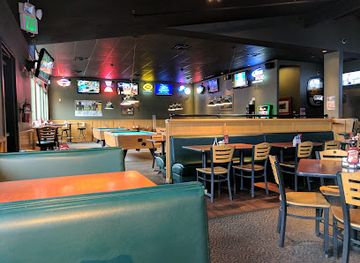
Gator's Sports Bar & Grill
Experience the thrill of sports and delicious dining at Gator's Sports Bar & Grill, Kent's top destination for food and fun.
9 min drive · 3.1 km from city centre
-
Restaurant
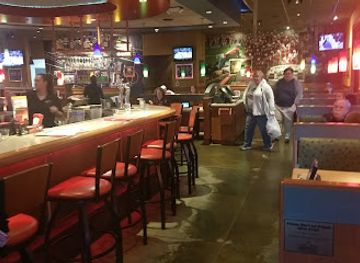
Applebee's Grill + Bar
Discover a casual dining experience at Applebee's Grill + Bar, where American classics meet a vibrant atmosphere in Kent, Washington.
8 min drive · 2.6 km from city centre
-
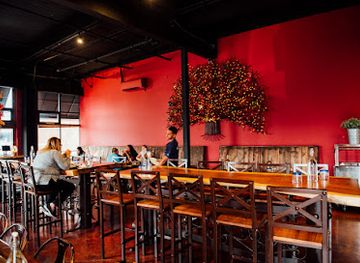
Brewpub
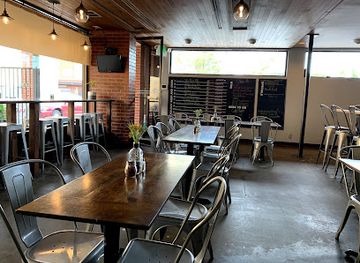
Airways Brewing - The Bistro & Beer Garden
Experience the best of craft beer and delicious cuisine at Airways Brewing - The Bistro & Beer Garden in Kent, Washington.
2 min walk · 0.1 km from city centre

Best nightclubs in Kent
Kent's evening scene is modest and locally oriented rather than built around a large nightclub district. Kent Station and the Central Avenue area provide places for relaxed drinks and casual socialising, while neighbourhood bars and restaurants on East Hill reflect the city's everyday community life. The ShoWare Center is the principal large-scale evening venue, with its programme of sport, concerts, family entertainment and other events changing over time. Community performances, seasonal festivals and cultural gatherings can be more characteristic of Kent after dark than late-night clubbing. Visitors should expect a spread-out city rather than a compact entertainment quarter, and should plan transport between venues, particularly outside the central areas. The atmosphere is generally informal, with nightlife shaped by events, dining and local social occasions.
-
Grill
Meeker Street Bar & Grill
Discover the vibrant flavors of American cuisine at Meeker Street Bar & Grill in Kent, WA, where delicious food meets a lively atmosphere.
5 min drive · 1.8 km from city centre
-
Sports bar
Stimpy’s Sports Bar and Grill
Dive into the excitement at Stimpy’s Sports Bar and Grill, where delicious food meets thrilling sports and lively entertainment in Kent, WA.
15 min drive · 5.0 km from city centre
-
Grill
Firestarter Bar and Grill
Discover the vibrant flavors of Firestarter Bar and Grill in Kent, WA, offering delicious American cuisine, barbecue specialties, and lively karaoke nights.
14 min drive · 4.7 km from city centre
-
Night club
Action Sports Bar & Grill
Dive into a vibrant atmosphere at Action Sports Bar & Grill, where sports excitement meets delicious food in Kent, WA.
8 min drive · 2.5 km from city centre
Best shops in Kent
Shopping in Kent is spread across several practical centres and neighbourhood corridors. Kent Station combines retail, restaurants and public spaces in a walkable setting near the commuter rail station, while larger commercial areas along major roads serve everyday needs. Central Avenue and East Hill are more useful for independent businesses, international groceries, specialist food shops and services reflecting Kent's multicultural population. Seasonal farmers' market activity can provide locally grown produce and prepared foods, although dates and locations vary. The city is better suited to browsing for regional food products, household goods, contemporary retail and community-made items than to a concentrated historic market experience. Visitors interested in Pacific Northwest gifts can look for locally produced foods, coffee and craft products, while broader designer and department-store shopping is more readily found in the larger metropolitan retail areas beyond Kent.
-
Shopping mall
The Outlet Collection Seattle
Explore unbeatable deals and a delightful shopping atmosphere at The Outlet Collection Seattle, your ultimate retail destination in Auburn, WA.
28 min drive · 9.2 km from city centre
-
Shopping mall
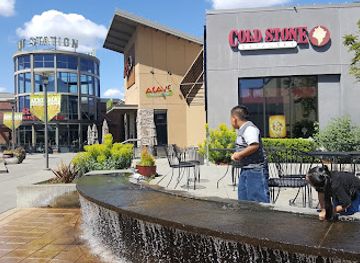
Kent Station
Experience the vibrant shopping and dining atmosphere at Kent Station, a premier destination for tourists in Kent, Washington.
5 min walk · 0.4 km from city centre
-
Shopping mall
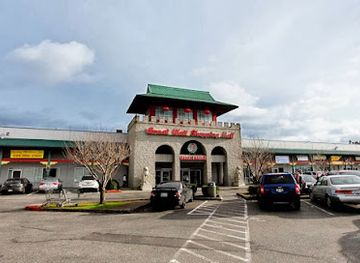
Great Wall Shopping Mall
Discover a shopper's paradise at Great Wall Shopping Mall, where endless retail options and delightful dining await in Kent, Washington.
20 min drive · 6.5 km from city centre
-
Discount store
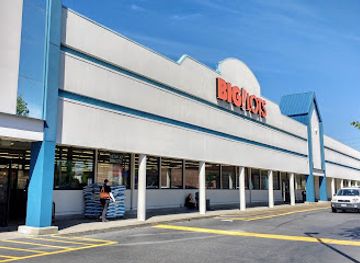
Big Lots
Explore Big Lots in Kent, WA for unbeatable deals on furniture, home goods, and everyday essentials in a welcoming discount store.
14 min walk · 1.1 km from city centre

Get your free copy of our complete guide to Kent, delivered straight to you.
Everything on this page, from attractions and restaurants to essentials and local phrases, in one PDF you can read offline, print or share.
Already have an account? Sign in
Your Kent guide is ready.
We'll send it to · Not you? Sign out

Getting your guide ready…
We are putting together a fresh copy of the Kent guide. This can take up to a minute.
This can take a few moments. If your browser asks, choose Allow so the download can start. You'll find the guide in your Downloads folder.
Nothing happened? Download it again
Sorry, the guide is taking longer than usual. Please try again in a minute, or get it by email instead.
Kent essentials
Currency and Payment
Safety
Emergency Situations
Do's and Don'ts
Local Tips
From Eve
Local phrases worth knowing
You don't need to get them perfect. A few words go a long way, and locals appreciate the effort.
Basics
| English | Local | Say it |
|---|---|---|
| Hello | Hey | [Hey] |
| Goodbye | See ya | [See ya] |
| Yes | Yeah | [Yeah] |
| No | Nah | [Nah] |
| Please/You're welcome | Please/You're welcome | [Please/You're welcome] |
| Thank you | Thanks | [Thanks] |
| Excuse me/Sorry | Pardon me/My bad | [Pardon me/My bad] |
| How are you? | How's it going? | [How's it going?] |
| Fine. And you? | Good. You? | [Good. You?] |
| Do you speak English? | You speak English? | [You speak English?] |
| I don't understand | I don't get it | [I don't get it] |
Eating & Drinking
| English | Local | Say it |
|---|---|---|
| I'd like to see the menu, please | Can I see the menu, please | [Can I see the menu, please] |
| I don't eat meat | I don't eat meat | [I don't eat meat] |
| Cheers! | Cheers! | [Cheers!] |
| I would like to pay, please | I'll pay, please | [I'll pay, please] |
Emergencies
| English | Local | Say it |
|---|---|---|
| Help! | Help! | [Help!] |
| Go away! | Get lost! | [Get lost!] |
| Call the Police! | Call the cops! | [Call the cops!] |
| Call a doctor! | Call a doc! | [Call a doc!] |
| I'm lost | I'm lost | [I'm lost] |
| I'm ill | I'm sick | [I'm sick] |
Shopping
| English | Local | Say it |
|---|---|---|
| I'd like to buy... | I wanna buy... | [I wanna buy...] |
| I'm just looking | Just browsing | [Just browsing] |
| How much is it? | How much? | [How much?] |
| That's too expensive | Too pricey | [Too pricey] |
| Can you lower the price? | Can you do less? | [Can you do less?] |
Time & Numbers
| English | Local | Say it |
|---|---|---|
| What time is it? | What's the time? | [What's the time?] |
| It's one o'clock | It's one | [It's one] |
| Half past (10) | Ten thirty | [Ten thirty] |
| Morning | Morning | [Morning] |
| Afternoon | Afternoon | [Afternoon] |
| Evening | Evening | [Evening] |
| Yesterday | Yesterday | [Yesterday] |
| Today | Today | [Today] |
| Tomorrow | Tomorrow | [Tomorrow] |
| 1 | One | [One] |
| 2 | Two | [Two] |
| 3 | Three | [Three] |
| 4 | Four | [Four] |
| 5 | Five | [Five] |
| 6 | Six | [Six] |
| 7 | Seven | [Seven] |
| 8 | Eight | [Eight] |
| 9 | Nine | [Nine] |
| 10 | Ten | [Ten] |
Transport & Directions
| English | Local | Say it |
|---|---|---|
| Where's a/the...? | Where's the...? | [Where's the...?] |
| What's the address? | What's the address? | [What's the address?] |
| Can you show me (on the map)? | Can you show me (on the map)? | [Can you show me (on the map)?] |
| When's the next (bus)? | When's the next (bus)? | [When's the next (bus)?] |
| A ticket (to ....) | A ticket (to ....) | [A ticket (to ....)] |
History of Kent
Duwamish Homeland and River Valley
Before American settlement, the Green River Valley formed part of the homeland and travelling landscape of Coast Salish peoples, including the Duwamish. The river, wetlands and surrounding forests supported fishing, hunting, gathering and movement through what is now south King County. Seasonal flooding continually reshaped the valley, and the area's ecological character remains important to understanding Kent's later development. The valley's resources attracted newcomers in the nineteenth century, but Indigenous history did not end with settlement; the Duwamish and other Coast Salish peoples remain part of the region's living cultural landscape.
Settlement and the First Town
Euro-American settlement expanded in the Green River Valley during the 1850s, when pioneers established farms, homes and commercial links along the river. The community was initially known as Titusville, after settler Titus W. Kent, and its growth depended on agriculture as well as access to river and overland routes. Local conditions were demanding: dense vegetation had to be cleared, while floods periodically damaged fields and roads. The first settlement therefore developed as a practical agricultural community rather than a planned urban centre, with the river both supporting livelihoods and imposing limits on expansion.
Railways and Incorporation
The arrival of rail connections transformed the valley settlement by linking local farms with markets in Seattle and beyond. Rail transport encouraged commercial activity, population growth and more formal civic organisation. The town was incorporated as Kent in 1890, taking its name from Kent County in Michigan rather than from the earlier Titusville designation. During this period, warehouses, shops, churches and public institutions began to establish the town's civic framework. The historic core and surviving local records reflect the transition from a river-oriented farming settlement to a place increasingly integrated into regional transport and trade.
Agriculture and Valley Industry
In the early twentieth century, Kent became known for productive farmland, with crops, dairying and market gardening supported by the fertile valley floor. Drainage and flood-control works made more land usable, although the Green River remained a persistent environmental force. As the Puget Sound economy expanded, agriculture gradually shared the valley with manufacturing, distribution and other industries. Railways and improved roads made Kent attractive for businesses requiring broad, relatively level sites, and the city's economy diversified beyond farming. This mixture of cultivated land, industrial premises and residential districts still shapes Kent's appearance.
Suburban Growth and a Modern Economy
After the Second World War, metropolitan expansion brought substantial residential growth to Kent, while new roads and regional infrastructure accelerated industrial development. The city became part of the wider Seattle urban region without losing its separate civic identity. Manufacturing, aerospace-related work, logistics and warehousing joined older agricultural traditions, and a growing population brought new cultural communities and businesses. Contemporary Kent continues to manage the tensions and opportunities of valley development: protecting river corridors, accommodating employment and housing, and preserving local history through institutions such as the Kent Historical Museum.
Kent in Photos
Browse through our photo collection highlighting the charm and character of the destination.
Cities near Kent
The closest cities to Kent, if you have time for more than one stop.
-

-

-

-

-


Swipe for more cities
Explore more

Explore more of Washington
Explore Washington State: From the vibrant streets of Seattle to the tranquil beauty of the Olympic Peninsula, discover the diverse landscapes, culture, and adventures awaiting you.
Explore Washington