

Free Tacoma Travel Guide & Mobile App
Plan your Tacoma trip with Evendo. Get free guides to top attractions, restaurants, hotels, and bars. Web access or download the mobile app.


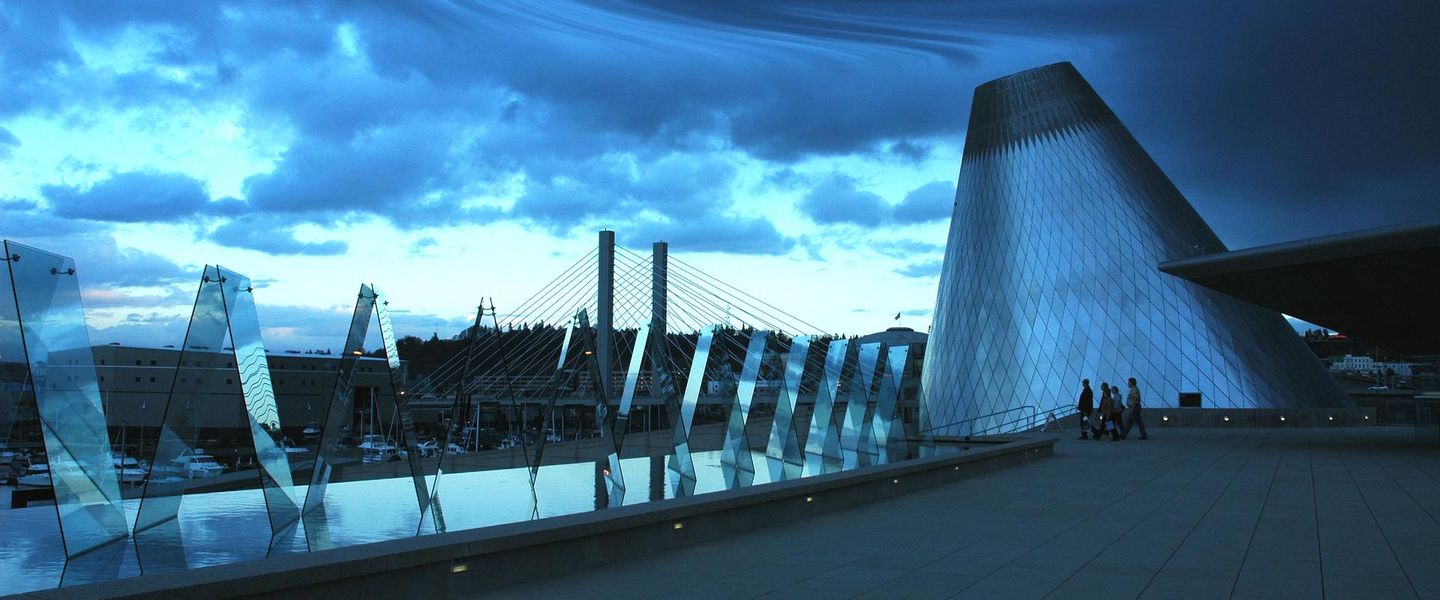


Discover Tacoma, Washington: Where stunning waterfronts meet rich cultural experiences and outdoor adventures in the heart of the Pacific Northwest.
Read more about Tacoma
When is the best time to visit Tacoma?
Best: June–August · 22–24°C| Month | High (°C) | Rainfall (mm) |
|---|---|---|
| January | 9 | 150 |
| February | 10 | 120 |
| March | 13 | 130 |
| April | 15 | 90 |
| May | 19 | 60 |
| June (best) | 22 | 50 |
| July (best) | 24 | 20 |
| August (best) | 24 | 25 |
| September | 21 | 50 |
| October | 16 | 90 |
| November | 11 | 130 |
| December | 9 | 160 |
Getting to and around Tacoma
How to get there
Transportation
Best attractions in Tacoma
Tacoma, Washington offers a diverse range of attractions for visitors to explore and enjoy. From the iconic Museum of Glass, where you can witness glassblowing demonstrations and admire stunning art installations, to the historic Point Defiance Park with its lush gardens, zoo, and aquarium, there is something for everyone. Don't miss the breathtaking views from the Tacoma Narrows Bridge and the unique shopping and dining experiences in the revitalized downtown area. With its rich history, beautiful scenery, and vibrant cultural scene, Tacoma is a destination not to be missed.
-
Event venue
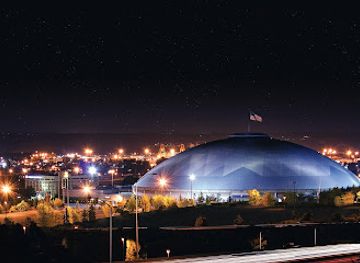
Tacoma Dome
Experience the excitement at Tacoma Dome, your go-to venue for concerts, sports, and events in Tacoma, Washington.
7 min drive · 2.2 km from city centre
-
Museum
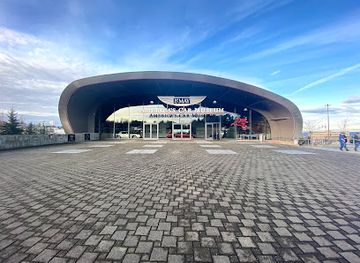
LeMay - America’s Car Museum
Discover the rich history of automobiles at LeMay - America's Car Museum in Tacoma, where innovation meets nostalgia in stunning exhibits.
7 min drive · 2.2 km from city centre
-
Tourist attraction
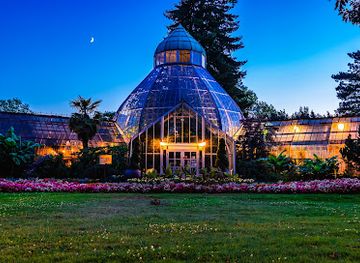
Wright Park
Discover the beauty of Wright Park in Tacoma, a serene urban escape with gardens, art, and tranquil ponds – perfect for relaxation and exploration.
10 min walk · 0.8 km from city centre
-
Art museum
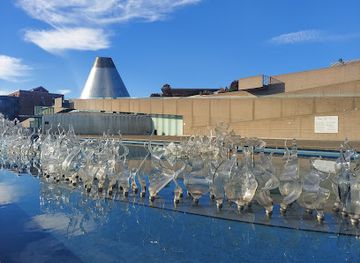
Museum of Glass
Explore the captivating world of glass art at Tacoma's Museum of Glass, featuring stunning exhibitions and live demonstrations.
14 min walk · 1.1 km from city centre


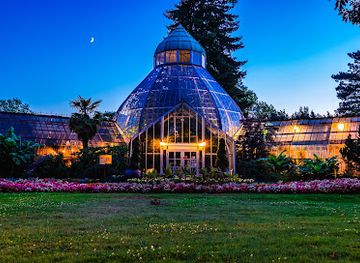

Best landmarks in Tacoma
Tacoma offers visitors a rich tapestry of history and culture, with landmarks such as the Museum of Glass, showcasing stunning glass art, the historic Union Station, now a federal courthouse, and the iconic Tacoma Narrows Bridge, known for its unique design and history. Visitors can also explore the beautiful Point Defiance Park, home to a zoo and aquarium, as well as the charming Ruston Way waterfront with its scenic views and delicious dining options. Whether you're interested in art, history, or simply enjoying the outdoors, Tacoma's landmarks have something for everyone to enjoy.
-
Event venue
Tacoma Dome
Explore the Tacoma Dome, a unique event venue in Tacoma, Washington, hosting concerts, sports, and cultural events in a stunning architectural wonder.
7 min drive · 2.2 km from city centre
-
Museum
LeMay - America’s Car Museum
Discover the fascinating journey of the automobile at LeMay - America's Car Museum in Tacoma, where history meets innovation in a stunning collection.
7 min drive · 2.2 km from city centre
-
Park
Wright Park
Discover the natural beauty and artistic charm of Wright Park, Tacoma's premier urban oasis for relaxation and recreation.
10 min walk · 0.8 km from city centre
-
Art museum
Museum of Glass
Explore the captivating world of glass art at the Museum of Glass in Tacoma, where creativity and craftsmanship come to life.
14 min walk · 1.1 km from city centre
Explore Tacoma on the map
Plan your Tacoma trip on one map. See where the top attractions, landmarks, restaurants, bars and hotels are, find what's near where you're staying, and book hotels and experiences in a few clicks.
Best hotels in Tacoma
Best restaurants in Tacoma
Tacoma offers a diverse and vibrant dining scene that caters to all tastes and preferences. Visitors can enjoy fresh seafood at waterfront restaurants, savor international flavors at local eateries, and indulge in farm-to-table cuisine at trendy cafes. From casual food trucks to upscale dining establishments, Tacoma has something for everyone. The city's culinary landscape is constantly evolving, with new and exciting restaurants popping up regularly, ensuring that visitors will always have a unique and delicious dining experience to look forward to.
-
Hamburger
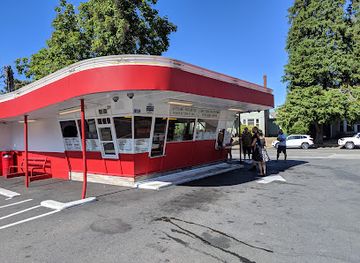
Frisko Freeze
Discover the classic flavors of American fast food at Frisko Freeze in Tacoma – where burgers and ice cream create unforgettable memories.
15 min walk · 1.2 km from city centre
-
Italian
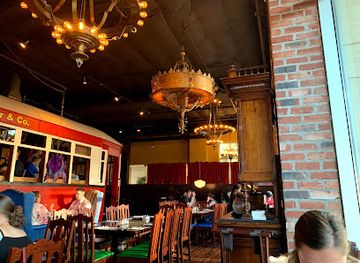
The Old Spaghetti Factory
Experience authentic Italian cuisine at The Old Spaghetti Factory in Tacoma – where every meal is a celebration of flavors!
6 min walk · 0.5 km from city centre
-
Breakfast
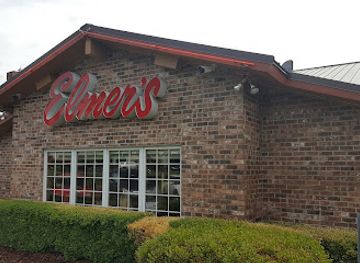
Elmer's Restaurant (Tacoma, WA)
Experience comfort food at Elmer's Restaurant in Tacoma - your go-to spot for breakfast and brunch delights!
21 min drive · 7.1 km from city centre
-
Mexican
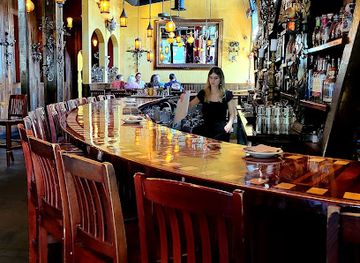
Matador Tacoma
Experience authentic Mexican cuisine at Matador Tacoma – where vibrant flavors meet lively ambiance in the heart of Washington.
7 min walk · 0.6 km from city centre
Best bars in Tacoma
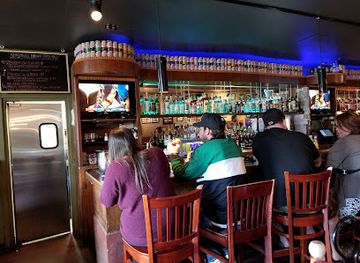
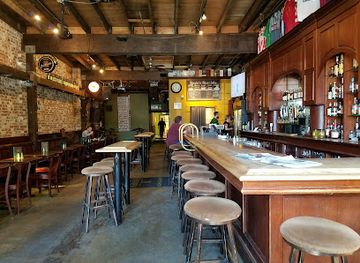
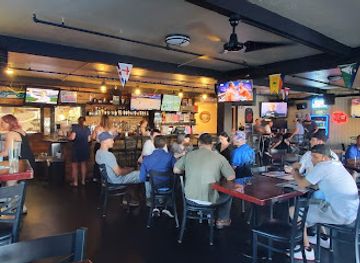
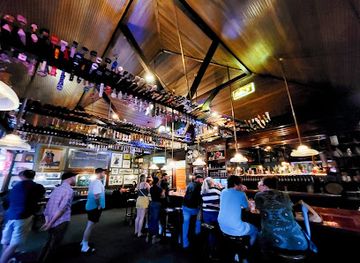
The nightlife scene in Tacoma offers a diverse range of options for visitors looking to have a good time. From trendy cocktail bars and craft breweries to live music venues and dance clubs, there is something for everyone. You can hop from one bar to another in the downtown area, enjoying unique drinks and local brews, or head to a lively nightclub for a night of dancing and entertainment. With a mix of stylish lounges, cozy pubs, and vibrant nightspots, Tacoma's nightlife scene is sure to leave a lasting impression on anyone looking for a fun night out in the city.
-
Bar
Top of Tacoma Bar & Cafe
Discover the delightful Top of Tacoma Bar & Cafe, where local flavors meet a welcoming atmosphere for an unforgettable dining experience.
10 min drive · 3.2 km from city centre
-
Bar
Doyle's Public House
Experience the best of Tacoma's pub culture at Doyle's Public House, where delicious food and a vibrant atmosphere await you.
13 min walk · 1.0 km from city centre
-
Grill
Rock The Dock Pub & Grill
Experience Tacoma's vibrant waterfront dining at Rock The Dock Pub & Grill, where delicious food meets live music in a lively atmosphere.
11 min walk · 0.9 km from city centre
-
Pub
Parkway Tavern
Experience the vibrant atmosphere and delicious fare at Parkway Tavern, Tacoma's favorite pub and bar & grill.
17 min walk · 1.3 km from city centre
Best nightclubs in Tacoma
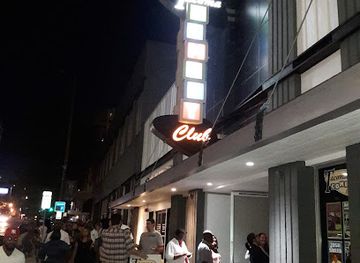
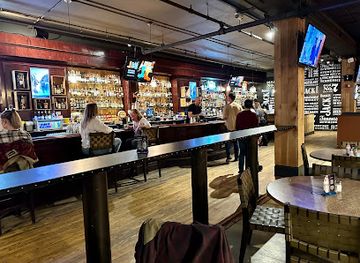
The nightlife scene in Tacoma offers a diverse range of options for visitors looking to have a good time. From trendy cocktail bars and craft breweries to live music venues and dance clubs, there is something for everyone. You can hop from one bar to another in the downtown area, enjoying unique drinks and local brews, or head to a lively nightclub for a night of dancing and entertainment. With a mix of stylish lounges, cozy pubs, and vibrant nightspots, Tacoma's nightlife scene is sure to leave a lasting impression on anyone looking for a fun night out in the city.
-
Comedy club
Tacoma Comedy Club
Experience the joy of laughter at Tacoma Comedy Club, where top-notch comedians and delicious American cuisine come together for an unforgettable night.
3 min walk · 0.3 km from city centre
-
Bar
Steel Creek Tacoma
Experience the vibrant nightlife and culinary delights at Steel Creek Tacoma, where delicious food meets an exciting bar atmosphere.
4 min walk · 0.3 km from city centre
-
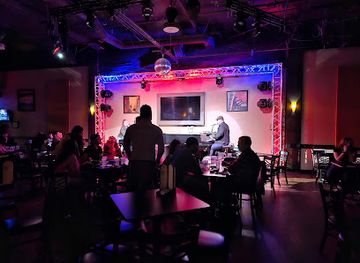
Piano bar
Keys on Main
Experience the vibrant nightlife at Keys on Main, Tacoma's favorite piano bar with live music, delicious drinks, and an unforgettable atmosphere.
6 min walk · 0.5 km from city centre
-
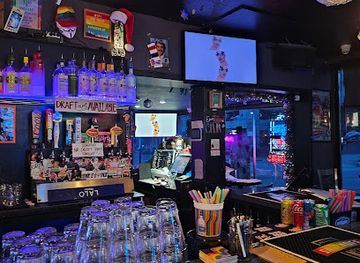
Karaoke bar
The Mix
Experience the joy of singing at The Mix, Tacoma's top karaoke bar where everyone is a star and every night is a celebration of music.
7 min walk · 0.6 km from city centre
Best shops in Tacoma
Tacoma offers a diverse shopping scene for visitors to explore, from trendy boutiques in the downtown core to unique vintage shops in the historic neighborhoods. The city's eclectic mix of stores caters to every taste and budget, with local artisans showcasing their handmade goods and international brands making their mark. Visitors can expect to find everything from local artwork and handmade jewelry to designer fashion and specialty food items, ensuring a memorable shopping experience in Tacoma.
-
Candy store
Brown & Haley Factory Store
Explore the sweet world of Brown & Haley Factory Store in Tacoma, home of the famous Almond Roca and a paradise for candy lovers.
6 min drive · 1.8 km from city centre
-
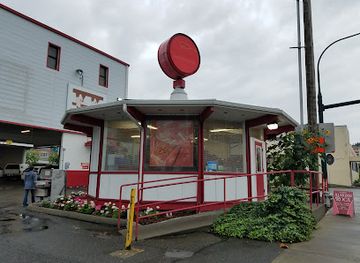
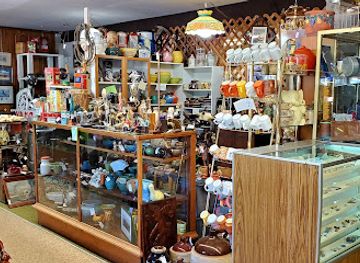
Antique store
Pacific Antiques Mall
Explore the Pacific Antiques Mall in Tacoma, WA for an unforgettable journey through time with unique antiques, collectibles, and vintage treasures.
30 min drive · 10.0 km from city centre
-
Boutique
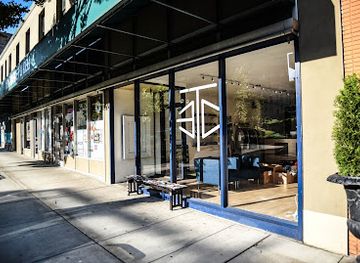
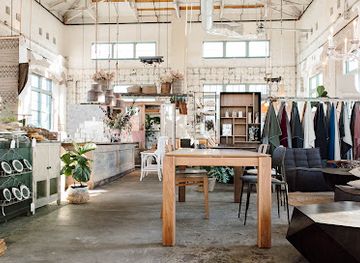
eTc Tacoma
Explore eTc Tacoma for unique gifts and local artisan crafts in a welcoming boutique atmosphere, perfect for tourists seeking authentic souvenirs.
6 min walk · 0.5 km from city centre
-
Furniture store
Sage Interiors + Design
Discover exquisite furniture and unique home accessories at Sage Interiors + Design in Tacoma, where style meets sophistication.
5 min drive · 1.6 km from city centre
Get your free copy of our complete guide to Tacoma, delivered straight to you.
Everything on this page, from attractions and restaurants to essentials and local phrases, in one PDF you can read offline, print or share.
Already have an account? Sign in
Your Tacoma guide is ready.
We'll send it to · Not you? Sign out

Getting your guide ready…
We are putting together a fresh copy of the Tacoma guide. This can take up to a minute.
This can take a few moments. If your browser asks, choose Allow so the download can start. You'll find the guide in your Downloads folder.
Nothing happened? Download it again
Sorry, the guide is taking longer than usual. Please try again in a minute, or get it by email instead.
Tacoma essentials
Currency and Payment
Safety
Emergency Situations
Do's and Don'ts
Local Tips
From Eve
Local phrases worth knowing
You don't need to get them perfect. A few words go a long way, and locals appreciate the effort.
Basics
| English | Local | Say it |
|---|---|---|
| Hello | Howdy | [haʊdi] |
| Goodbye | See ya | [siː jə] |
| Yes | Yep | [jɛp] |
| No | Nah | [nɑː] |
| Please/You're welcome | Please/You're welcome | [pliːz/jʊr ˈwɛlkəm] |
| Thank you | Thanks | [θæŋks] |
| Excuse me/Sorry | Pardon me | [ˈpɑːrdn miː] |
| How are you? | How's it going? | [haʊz ɪt ˈɡoʊɪŋ] |
| Fine. And you? | Good. You? | [ɡʊd juː] |
| Do you speak English? | You speak English? | [juː spiːk ˈɪŋɡlɪʃ] |
| I don't understand | I don't get it | [aɪ doʊnt ɡɛt ɪt] |
Eating & Drinking
| English | Local | Say it |
|---|---|---|
| I'd like to see the menu, please | Can I check out the menu? | [kæn aɪ tʃɛk aʊt ðə ˈmɛnjuː] |
| I don't eat meat | I'm vegetarian | [aɪm ˌvɛdʒɪˈtɛriən] |
| Cheers! | Cheers! | [ʧɪrz] |
| I would like to pay, please | Can I settle up, please? | [kæn aɪ ˈsɛtəl ʌp pliːz] |
Emergencies
| English | Local | Say it |
|---|---|---|
| Help! | Help! | [hɛlp] |
| Go away! | Scram! | [skræm] |
| Call the Police! | Call the cops! | [kɔl ðə kɑps] |
| Call a doctor! | Get a doc! | [ɡɛt ə dɑk] |
| I'm lost | I'm lost | [aɪm lɔst] |
| I'm ill | I'm sick | [aɪm sɪk] |
Shopping
| English | Local | Say it |
|---|---|---|
| I'd like to buy... | I wanna buy... | [aɪ ˈwɑnə baɪ] |
| I'm just looking | Just browsing | [ʤʌst ˈbraʊzɪŋ] |
| How much is it? | How much does it cost? | [haʊ mʌʧ dʌz ɪt kɑst] |
| That's too expensive | That's pricey | [ðæts ˈpraɪsi] |
| Can you lower the price? | Can you drop the price? | [kæn juː drɑp ðə praɪs] |
Time & Numbers
| English | Local | Say it |
|---|---|---|
| What time is it? | What's the time? | [wɑts ðə taɪm] |
| It's one o'clock | It's one | [ɪts wʌn] |
| Half past (10) | Ten thirty | [tɛn ˈθɜrti] |
| Morning | Morning | [ˈmɔrnɪŋ] |
| Afternoon | Afternoon | [ˌæftərˈnun] |
| Evening | Evening | [ˈivnɪŋ] |
| Yesterday | Yesterday | [ˈjɛstərdeɪ] |
| Today | Today | [təˈdeɪ] |
| Tomorrow | Tomorrow | [təˈmɑroʊ] |
| 1 | One | [wʌn] |
| 2 | Two | [tuː] |
| 3 | Three | [θriː] |
| 4 | Four | [fɔr] |
| 5 | Five | [faɪv] |
| 6 | Six | [sɪks] |
| 7 | Seven | [ˈsɛvən] |
| 8 | Eight | [eɪt] |
| 9 | Nine | [naɪn] |
| 10 | Ten | [tɛn] |
Transport & Directions
| English | Local | Say it |
|---|---|---|
| Where's a/the...? | Where's the...? | [ˈwɛərz ðə] |
| What's the address? | What's the address? | [wɑts ðə ˈædrɛs] |
| Can you show me (on the map)? | Can you show me (on the map)? | [kæn juː ʃoʊ miː (ɒn ðə mæp)] |
| When's the next (bus)? | When's the next (bus)? | [wɛnz ðə nɛkst (bʌs)] |
| A ticket (to ....) | A ticket (to ....) | [ə ˈtɪkɪt (tu ....)] |
History of Tacoma
The Founding of Tacoma
Tacoma was founded in 1864 by Morton McCarver, a pioneer who envisioned a bustling port city. He named it after the nearby Mount Rainier, originally called 'Tacoma' or 'Tahoma' by the local Puyallup Tribe, meaning 'the mother of waters.'
The Northern Pacific Railroad
The arrival of the Northern Pacific Railroad in 1873 was a transformative moment for Tacoma. The city was chosen as the western terminus of the transcontinental railroad, leading to rapid economic growth and making it a key transportation hub in the Pacific Northwest.
The Tacoma Method
In 1885, anti-Chinese sentiments culminated in the forced expulsion of over 700 Chinese residents from Tacoma, an event known as the 'Tacoma Method.' This act of racial violence was part of a larger pattern of anti-Chinese actions across the region during that period.
The Port of Tacoma
Established in 1918, the Port of Tacoma has grown to become one of the largest deep-water ports in the United States. It has played a crucial role in the economic development of the city, facilitating international trade and shipping.
The Tacoma Narrows Bridge Collapse
On November 7, 1940, the original Tacoma Narrows Bridge, nicknamed 'Galloping Gertie,' dramatically collapsed due to aeroelastic flutter. This event is a famous case study in engineering and physics, leading to advancements in bridge design.
Tacoma's Post-War Renaissance
Following World War II, Tacoma experienced a period of revitalization. The city's economy diversified, fostering growth in various sectors including manufacturing, healthcare, and education, contributing to its modern-day vibrancy.
The Museum of Glass
Opened in 2002, the Museum of Glass has become a cultural landmark in Tacoma. It showcases contemporary glass art and celebrates the city's rich artistic heritage, drawing visitors and artists from around the world.
The Tacoma Dome
Completed in 1983, the Tacoma Dome is one of the largest wooden domed structures in the world. It serves as a versatile venue for concerts, sports events, and conventions, playing a significant role in the city's cultural and recreational life.
Tacoma in Photos
Browse through our photo collection highlighting the charm and character of the destination.
Cities near Tacoma
The closest cities to Tacoma, if you have time for more than one stop.
-
 Federal Way
, Washington: Explore lush parks, serene gardens, and thrilling amusement parks in this hidden gem of the Pacific Northwest, nestled between Seattle and Tacoma.
33 min drive · 13 km from city centre
Federal Way
Federal Way, Washington: Explore lush parks, serene gardens, and thrilling amusement parks in this hidden gem of the Pacific Northwest, nestled between Seattle and Tacoma.
33 min drive · 13 km from city centre
-
 Kent
Discover Kent, Washington: A charming blend of nature, history, and modern amenities, just a short drive from Seattle. Perfect for outdoor enthusiasts, culture seekers, and food lovers.
41 min drive · 21 km from city centre
Kent
Discover Kent, Washington: A charming blend of nature, history, and modern amenities, just a short drive from Seattle. Perfect for outdoor enthusiasts, culture seekers, and food lovers.
41 min drive · 21 km from city centre
-
 Renton
Discover Renton, Washington: A perfect blend of natural beauty, rich history, and modern conveniences, all set against the picturesque backdrop of Lake Washington.
51 min drive · 31 km from city centre
Renton
Discover Renton, Washington: A perfect blend of natural beauty, rich history, and modern conveniences, all set against the picturesque backdrop of Lake Washington.
51 min drive · 31 km from city centre
-
 Bremerton
Discover the maritime charm, rich history, and stunning natural beauty of Bremerton, Washington—an ideal Pacific Northwest getaway just a ferry ride from Seattle.
1 h drive · 40 km from city centre
Bremerton
Discover the maritime charm, rich history, and stunning natural beauty of Bremerton, Washington—an ideal Pacific Northwest getaway just a ferry ride from Seattle.
1 h drive · 40 km from city centre
-
 Seattle
Discover Seattle, the Emerald City where natural beauty, cultural richness, and technological innovation converge, offering a diverse array of experiences for every traveler.
1 h drive · 40 km from city centre
Seattle
Discover Seattle, the Emerald City where natural beauty, cultural richness, and technological innovation converge, offering a diverse array of experiences for every traveler.
1 h drive · 40 km from city centre
Swipe for more cities

