

Free Seattle Travel Guide & Mobile App
Plan your Seattle trip with Evendo. Get free guides to top attractions, restaurants, hotels, and bars. Web access or download the mobile app.


Seattle blends Puget Sound scenery, coffee culture, music history and landmark architecture with museums, markets and urban adventures in Washington State.
City Between Water and Mountains
Seattle occupies a dramatic setting between Puget Sound and Lake Washington, with the Olympic Mountains visible across the water and the Cascade Range shaping the eastern horizon. Its steep streets, evergreen parks and working waterfront give the city a strong physical character, while neighbourhoods such as Capitol Hill, Ballard, Fremont, Pioneer Square and Queen Anne each bring a different social and architectural mood. Ferries, marinas and houseboats connect everyday city life with the surrounding inland sea.Read more about Seattle
Heritage and Creative Culture
Neighbourhoods and Outdoor Life
When is the best time to visit Seattle?
Best: June–August · 22–25°C| Month | High (°C) | Rainfall (mm) |
|---|---|---|
| January | 9 | 114 |
| February | 10 | 86 |
| March | 12 | 86 |
| April | 15 | 66 |
| May | 19 | 48 |
| June (best) | 22 | 36 |
| July (best) | 24 | 18 |
| August (best) | 25 | 20 |
| September | 21 | 38 |
| October | 15 | 109 |
| November | 10 | 150 |
| December | 8 | 142 |
Getting to and around Seattle
How to get there
Transportation
Best attractions in Seattle
Seattle's principal attractions range from the restored arcades and produce stalls of Pike Place Market to the Space Needle, whose elevated deck frames the city, Puget Sound and surrounding mountains. At Seattle Center, the Museum of Pop Culture explores music, film and popular creativity through immersive displays, while Chihuly Garden and Glass presents large-scale glasswork beside the tower. The Seattle Art Museum brings international and regional collections into the downtown core, and the Seattle Aquarium introduces the marine life of Puget Sound. History is especially tangible at the Klondike Gold Rush–Seattle Unit in Pioneer Square and the Museum of History & Industry on Lake Union. For open-air exploration, Discovery Park offers wooded paths, meadows and coastal views, while the Ballard Locks reveal the working relationship between freshwater lakes and the tidal sound.
-
Tourist attraction
Pike Place Market
Discover the vibrant culinary and cultural delights of Pike Place Market, Seattle's iconic destination for food lovers and history enthusiasts.
10 min walk · 0.8 km from city centre
-
Tourist attraction
Pike Place Market
Explore the iconic Pike Place Market, a vibrant hub of fresh produce, artisan shops, and delicious dining experiences in the heart of Seattle.
10 min walk · 0.8 km from city centre
-
Observation deck
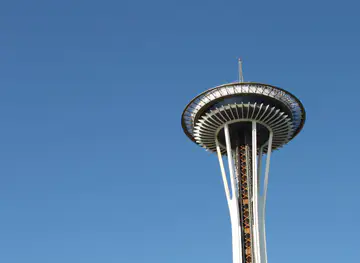
Space Needle
Discover breathtaking views and cultural treasures at Seattle's iconic Space Needle, a must-visit observation deck and tourist attraction.
6 min drive · 2.0 km from city centre
-
Event venue
Seattle Center
Explore Seattle Center, the cultural heartbeat of Seattle, featuring iconic landmarks, art attractions, and vibrant events for every traveler.
6 min drive · 2.1 km from city centre


Best landmarks in Seattle
The Space Needle is Seattle's most recognisable modern landmark, built for the 1962 Century 21 Exposition and still defining the skyline around Seattle Center. Pioneer Square preserves a substantial group of late nineteenth-century commercial buildings constructed after the Great Seattle Fire, with brick façades and Romanesque Revival detailing that reflect the city's rebuilding. Pike Place Market, founded in 1907, is both a working market and a civic symbol, its covered halls and surrounding streets anchoring the historic waterfront edge. The Seattle Great Wheel marks the modern waterfront, while the Smith Tower recalls the early twentieth-century period when Seattle's commercial ambitions reached upward. The Fremont Troll offers a more playful example of public art, and the Ballard Locks represent the engineering infrastructure that links Lake Washington and Lake Union with Puget Sound.
-
Market
Pike Place Market
Explore the vibrant Pike Place Market in Seattle, where fresh food, local artisans, and stunning waterfront views create an unforgettable experience.
10 min walk · 0.8 km from city centre
-
Observation deck
Space Needle
Discover breathtaking views and rich history at Seattle's iconic Space Needle, a must-visit observation deck for every traveler.
6 min drive · 2.0 km from city centre
-
Art museum
Chihuly Garden and Glass
Experience the stunning artistry of Dale Chihuly at Chihuly Garden and Glass, where nature and glass sculptures create a breathtaking visual spectacle in Seattle.
6 min drive · 2.1 km from city centre
-
City park
Kerry Park
Explore Kerry Park, a serene city park in Seattle offering breathtaking views of the skyline and Mount Rainier, perfect for relaxation and stunning photos.
10 min drive · 3.3 km from city centre


Explore Seattle on the map
Plan your Seattle trip on one map. See where the top attractions, landmarks, restaurants, bars and hotels are, find what's near where you're staying, and book hotels and experiences in a few clicks.
Neighbourhoods in Seattle
-

-
-

-


Swipe for more neighbourhoods
Best hotels in Seattle
Best restaurants in Seattle
Seattle's dining culture is shaped by the waters of Puget Sound, the agricultural richness of Washington and the city's long Pacific Rim connections. Salmon, oysters, Dungeness crab and other Northwest seafood appear alongside produce from the fertile valleys and islands around the city, while Asian American, East African, Scandinavian and wider Pacific influences add depth to the restaurant scene. Pike Place Market remains a useful place to encounter seafood counters, fruit, cheese, flowers and prepared foods, while neighbourhoods such as Capitol Hill, Ballard, the International District and Fremont offer everything from bakeries and coffee roasters to inventive small restaurants. Teriyaki, introduced and developed through Japanese American enterprise in the region, is part of Seattle's everyday food history. Coffee shops range from highly specialised roasters to relaxed neighbourhood cafés, reflecting the city's influential coffee culture.
-
Italian
The Pink Door
Discover The Pink Door: A celebrated Italian restaurant in Seattle offering exquisite cuisine and lively entertainment in a charming setting.
11 min walk · 0.9 km from city centre
-
Creole
Toulouse Petit Kitchen & Lounge
Discover the vibrant tastes of Creole and Cajun cuisine at Toulouse Petit Kitchen & Lounge in Seattle's Queen Anne neighborhood.
8 min drive · 2.8 km from city centre
-
Restaurant
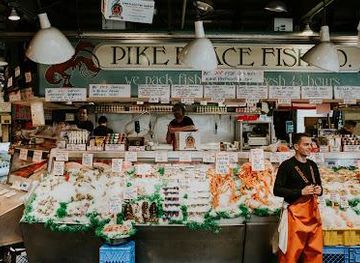
Pike Place Fish Market
Experience the thrill of flying fish at Pike Place Fish Market, where Seattle's freshest seafood meets high-energy spectacle in the heart of America's oldest public market.
9 min walk · 0.7 km from city centre
-
American
13 Coins Seattle
Experience the vibrant flavors of America and Italy at 13 Coins Seattle, where great food meets lively atmosphere.
11 min walk · 0.9 km from city centre



Best bars in Seattle
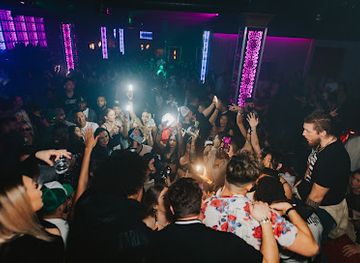
Seattle's evenings are divided among neighbourhood bars, live music rooms, breweries, cocktail lounges, theatres and intimate performance spaces rather than one concentrated nightlife quarter. Capitol Hill has the broadest mix of late venues, LGBTQ+ bars, dance floors and casual drinking spots, while Belltown and Pioneer Square offer bars and clubs closer to the central hotel districts. Ballard and Fremont are associated with breweries, pubs and smaller music venues, and the International District contributes karaoke, live entertainment and late-night food. Seattle's musical identity remains important, with rock, jazz, indie and experimental performances appearing across the city; established institutions such as The Crocodile and Dimitriou's Jazz Alley are part of that wider scene. Alcohol service follows Washington State regulations, and visitors should carry accepted identification when required.
-
Bar
Unicorn
Discover Unicorn, Seattle's whimsical bar offering creative cocktails and American cuisine in a vibrant, enchanting atmosphere.
18 min walk · 1.4 km from city centre
-
Grill
Some Random Bar
Experience the lively atmosphere and delicious fare at Some Random Bar, a must-visit gastropub in Seattle's vibrant Belltown neighborhood.
5 min drive · 1.7 km from city centre
-
Bar
Kells Irish Restaurant & Pub
Discover the heart of Ireland at Kells Irish Restaurant & Pub, where authentic cuisine meets a lively atmosphere in the heart of Seattle.
11 min walk · 0.9 km from city centre
-
American
Linda's Tavern
Experience the vibrant atmosphere and delicious American cuisine at Linda's Tavern, a beloved bar and grill in Seattle's Capitol Hill.
15 min walk · 1.2 km from city centre


Best nightclubs in Seattle
Seattle's evenings are divided among neighbourhood bars, live music rooms, breweries, cocktail lounges, theatres and intimate performance spaces rather than one concentrated nightlife quarter. Capitol Hill has the broadest mix of late venues, LGBTQ+ bars, dance floors and casual drinking spots, while Belltown and Pioneer Square offer bars and clubs closer to the central hotel districts. Ballard and Fremont are associated with breweries, pubs and smaller music venues, and the International District contributes karaoke, live entertainment and late-night food. Seattle's musical identity remains important, with rock, jazz, indie and experimental performances appearing across the city; established institutions such as The Crocodile and Dimitriou's Jazz Alley are part of that wider scene. Alcohol service follows Washington State regulations, and visitors should carry accepted identification when required.
-
Karaoke bar
Rock Box
Experience the ultimate karaoke fun at Rock Box in Capitol Hill, Seattle, where every note brings joy and every moment is a celebration.
17 min walk · 1.4 km from city centre
-
Lounge
Monkey Loft
Discover the vibrant nightlife at Monkey Loft, Seattle's premier lounge and night club, featuring eclectic events and an energetic atmosphere.
10 min drive · 3.2 km from city centre
-
Night club
Sarajevo Nightclub
Discover electrifying nightlife at Sarajevo Nightclub in Seattle's Belltown, where music, dancing, and vibrant atmosphere await.
16 min walk · 1.3 km from city centre
-
Night club
Vue Lounge
Discover the pulse of Seattle's nightlife at Vue Lounge, where chic design meets electrifying entertainment in Belltown.
18 min walk · 1.4 km from city centre



Best shops in Seattle
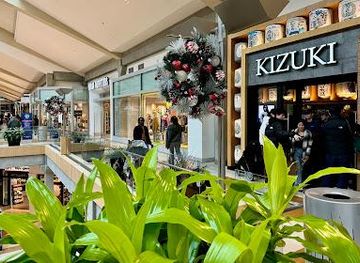
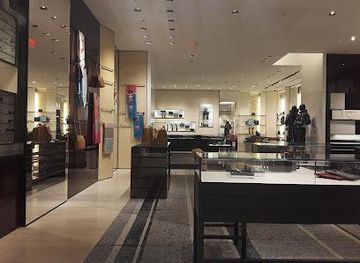
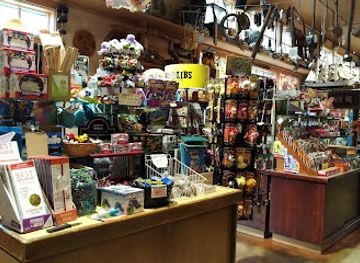
Shopping in Seattle ranges from the food stalls and artisan counters of Pike Place Market to independent boutiques scattered through Capitol Hill, Ballard, Fremont and Queen Anne. Pike Place is particularly suited to edible gifts, flowers, preserves, locally produced goods and market browsing, although its vendors serve residents as well as visitors. The International District contains Asian grocery stores, specialist retailers and restaurants, while Ballard combines small shops with maritime and Scandinavian-influenced products. Downtown and the area around Westlake provide larger retailers and department-store shopping, whereas neighbourhood streets are better for local design, books, records, vintage clothing and crafts. Regional products such as Washington wine, coffee, smoked seafood and artisan chocolate travel well, but buyers should distinguish genuine local production from generic souvenirs. Seattle's craft tradition is also visible in independent jewellery, ceramics, textiles and glass.
-
Shopping mall
Bellevue Square
Explore Bellevue Square, where shopping, dining, and entertainment converge in a vibrant atmosphere in the heart of Bellevue, Washington.
29 min drive · 9.7 km from city centre
-
Department store
Nordstrom
Explore Seattle's Nordstrom for an unparalleled shopping experience featuring clothing, accessories, and cosmetics for all ages.
9 min walk · 0.7 km from city centre
-
Gift shop
Ye Olde Curiosity Shop
Explore Ye Olde Curiosity Shop, a unique Seattle destination filled with eclectic gifts, artifacts, and treasures by the waterfront.
8 min walk · 0.6 km from city centre
-
Shopping mall
Broadway Market
Explore Broadway Market in Seattle's Capitol Hill—an eclectic shopping and dining destination filled with local flavors and vibrant community spirit.
6 min drive · 2.0 km from city centre
Get your free copy of our complete guide to Seattle, delivered straight to you.
Everything on this page, from attractions and restaurants to essentials and local phrases, in one PDF you can read offline, print or share.
Already have an account? Sign in
Your Seattle guide is ready.
We'll send it to · Not you? Sign out

Getting your guide ready…
We are putting together a fresh copy of the Seattle guide. This can take up to a minute.
This can take a few moments. If your browser asks, choose Allow so the download can start. You'll find the guide in your Downloads folder.
Nothing happened? Download it again
Sorry, the guide is taking longer than usual. Please try again in a minute, or get it by email instead.
Seattle essentials
Currency and Payment
Safety
Emergency Situations
Do's and Don'ts
Local Tips
From Eve
Local phrases worth knowing
You don't need to get them perfect. A few words go a long way, and locals appreciate the effort.
Basics
| English | Local | Say it |
|---|---|---|
| Hello | Hey | [hey] |
| Goodbye | See ya | [see ya] |
| Yes | Yeah | [yeah] |
| No | Nah | [nah] |
| Please/You're welcome | Please/Welcome | [please/welcome] |
| Thank you | Thanks | [thanks] |
| Excuse me/Sorry | Sorry | [sorry] |
| How are you? | How's it going? | [hows it going] |
| Fine. And you? | I'm good. You? | [Im good. You?] |
| Do you speak English? | You speak English? | [you speak english] |
| I don't understand | I don't get it | [I dont get it] |
Eating & Drinking
| English | Local | Say it |
|---|---|---|
| I'd like to see the menu, please | Can I see the menu? | [can i see the menu] |
| I don't eat meat | I'm vegetarian | [Im vegetarian] |
| Cheers! | Cheers! | [cheers] |
| I would like to pay, please | Can I pay, please | [can i pay please] |
Emergencies
| English | Local | Say it |
|---|---|---|
| Help! | Help! | [help] |
| Go away! | Get lost! | [get lost] |
| Call the Police! | Call the cops! | [call the cops] |
| Call a doctor! | Get a doctor! | [get a doctor] |
| I'm lost | I'm lost | [Im lost] |
| I'm ill | I'm sick | [Im sick] |
Shopping
| English | Local | Say it |
|---|---|---|
| I'd like to buy... | I wanna buy... | [I wanna buy] |
| I'm just looking | Just looking | [just looking] |
| How much is it? | How much does it cost? | [how much does it cost] |
| That's too expensive | That's pricey | [thats pricey] |
| Can you lower the price? | Can you give me a discount? | [can you give me a discount] |
Time & Numbers
| English | Local | Say it |
|---|---|---|
| What time is it? | What's the time? | [whats the time] |
| It's one o'clock | It's one | [its one] |
| Half past (10) | Ten thirty | [ten thirty] |
| Morning | Morning | [morning] |
| Afternoon | Afternoon | [afternoon] |
| Evening | Evening | [evening] |
| Yesterday | Yesterday | [yesterday] |
| Today | Today | [today] |
| Tomorrow | Tomorrow | [tomorrow] |
| 1 | One | [one] |
| 2 | Two | [two] |
| 3 | Three | [three] |
| 4 | Four | [four] |
| 5 | Five | [five] |
| 6 | Six | [six] |
| 7 | Seven | [seven] |
| 8 | Eight | [eight] |
| 9 | Nine | [nine] |
| 10 | Ten | [ten] |
Transport & Directions
| English | Local | Say it |
|---|---|---|
| Where's a/the...? | Where can I find...? | [where can i find] |
| What's the address? | What's the address? | [whats the address] |
| Can you show me (on the map)? | Can you show me (on the map)? | [can you show me on the map] |
| When's the next (bus)? | When's the next (bus)? | [whens the next bus] |
| A ticket (to ....) | A ticket to ... | [a ticket to] |
History of Seattle
Coast Salish Homelands
Seattle stands on the traditional homelands of Coast Salish peoples, including the Duwamish and Suquamish, whose communities have long maintained relationships with the waters, forests and shorelines of the region. Lushootseed place names and living Indigenous cultures remain part of the area's identity, although colonial expansion caused dispossession, disrupted governance and severe pressure on Indigenous communities. The modern city takes its name from Si'ahl, a nineteenth-century Duwamish and Suquamish leader, whose name was rendered in English as Seattle. Understanding this earlier history places the city's later development within a much longer story of habitation, trade, stewardship and cultural continuity.
Settlement and City Founding
American settlers established a permanent community on Elliott Bay in the 1850s, first at Alki Point and then on the eastern shore of the bay. The settlement was incorporated as the Town of Seattle in 1865 and later as the City of Seattle in 1869. Its location offered access to Puget Sound and the forests of the surrounding region, while nearby waterways provided routes for trade and transport. Timber became an early economic foundation, and the settlement gradually developed the commercial functions of a port town. The name Seattle honoured Si'ahl, although the political and economic order created by US settlement marginalised the Indigenous population whose territory the city occupied.
Fire and Urban Reconstruction
Seattle's early wooden commercial core was transformed by the Great Seattle Fire of 1889, which destroyed much of the downtown area. Reconstruction brought more durable masonry buildings, wider streets and a determined effort to raise street levels above the tidal flats. The result can be read in Pioneer Square, where late nineteenth-century commercial buildings preserve Romanesque Revival details and the lower former street level survives beneath parts of the present city. The rebuilding period also accelerated civic expansion and strengthened Seattle's role as a regional centre. Downtown's unusual layered spaces, including subterranean corridors, are direct consequences of this reconstruction rather than remnants of an ancient underground city.
Port, Railways and Regional Growth
Seattle expanded rapidly in the late nineteenth and early twentieth centuries as rail connections, shipping and resource industries tied it to the wider Pacific Northwest. The Klondike Gold Rush of 1897–98 brought prospectors, money and national attention, even though Seattle served primarily as an outfitting and supply centre rather than a goldfield. The city's port and waterfront continued to grow, while shipbuilding, fishing, lumber and trade shaped employment and migration. Civic improvements and annexations extended the urban area, and institutions such as the University of Washington helped establish Seattle as an educational and administrative centre as well as a commercial port.
War, Industry and Social Change
The Second World War intensified Seattle's industrial importance, particularly through aircraft production at Boeing and shipbuilding connected with the region's maritime economy. Wartime employment attracted workers from across the United States, while Japanese American residents faced incarceration under federal policy, a history interpreted locally by institutions including the Wing Luke Museum. After the war, aerospace, research and higher education became increasingly important to the city's economy. The civil rights era and later social movements also influenced neighbourhood life, labour politics and cultural institutions. Seattle's modern identity therefore emerged from both technological growth and continuing debates about inclusion, housing and the use of urban land.
Technology, Music and Global Seattle
From the late twentieth century, Seattle gained international recognition through technology companies, biotechnology, coffee businesses and a powerful independent music culture. The grunge movement associated with the city in the late 1980s and early 1990s gave Seattle a lasting place in popular music history, while venues and archives continue to interpret that legacy alongside the city's broader jazz, rock and experimental traditions. The 1962 Century 21 Exposition left the Space Needle and Seattle Center as enduring symbols of the space-age city. Rapid economic growth in the technology sector has since brought investment and population change, as well as persistent concerns over housing costs, displacement and transport.
Seattle in Photos
Browse through our photo collection highlighting the charm and character of the destination.
Cities near Seattle
The closest cities to Seattle, if you have time for more than one stop.
-

-

-

-

-


Swipe for more cities
Explore more

Explore more of Washington
Explore Washington State: From the vibrant streets of Seattle to the tranquil beauty of the Olympic Peninsula, discover the diverse landscapes, culture, and adventures awaiting you.
Explore Washington