

Leavenworth, Washington Travel Guide
Leavenworth, Washington: Experience Bavarian charm with a backdrop of the stunning Cascade Mountains, perfect for festivals, outdoor adventures, and cultural delights.
Nestled in the Cascade Mountains, Leavenworth is a charming Bavarian-themed village in Washington state. Its quaint alpine architecture and mountain backdrop make it a unique and picturesque destination. The town is known for its vibrant festivals, such as the famous Oktoberfest and the Christmas Lighting Festival, which transform Leavenworth into a festive wonderland. Strolling through the village, you will find an array of specialty shops, from authentic German bakeries to local artisan stores. Culinary delights are abundant, with restaurants offering traditional German cuisine, including bratwurst, schnitzel, and pretzels. Don't forget to sample the local beers and wines at one of the many tasting rooms. Outdoor enthusiasts will find plenty to do in Leavenworth. The surrounding wilderness provides opportunities for hiking, skiing, and river rafting. The nearby Icicle Gorge and Enchantment Lakes are popular spots for breathtaking hikes. In winter, the Leavenworth Ski Hill offers family-friendly skiing and tubing. Leavenworth is not just about its Bavarian charm; the town also boasts a rich cultural scene. The Leavenworth Summer Theater presents live performances in an open-air setting, and the Nutcracker Museum features an extensive collection of nutcrackers from around the world. Whether you visit for the culture, cuisine, or outdoor activities, Leavenworth promises a memorable experience.

Know before you go
Hi, I'm Eve. Here are a few practical things to know before exploring Leavenworth.
- Visit during one of the town's festivals, like Oktoberfest or the Christmas Lighting Festival, for a truly magical experience.
- Book accommodations early, especially during peak seasons, as hotels and lodges fill up quickly.
- Bring comfortable walking shoes to explore the village and nearby hiking trails.
- Try the local German cuisine at one of the town's many restaurants for an authentic Bavarian experience.
- Check out the Leavenworth Summer Theater for unique open-air performances.
Explore Leavenworth: Things to Do, Places to Eat, Hotels & More
Handpicked recommendations for top attractions, local dining, accommodations, and more

Best attractions in Leavenworth
Top-rated picks
Best Attractions

Waterfront Park
Experience the natural beauty and recreational charm of Waterfront Park in Leavenworth, WA, a perfect destination for families and nature lovers.

Leavenworth Reindeer Farm
Explore the enchanting Leavenworth Reindeer Farm and create lasting memories with majestic reindeer in a stunning Washington landscape.

Front Street Park
Explore the beauty of Front Street Park in Leavenworth, a serene escape with stunning views, perfect for relaxation and family gatherings.

Enchantment Park
Discover the beauty and adventure of Enchantment Park in Leavenworth, Washington, where nature meets recreation in a stunning riverside setting.


Best restaurants in Leavenworth
Top-rated picks
Best Restaurants

München Haus
Savor authentic German flavors at München Haus in Leavenworth - where every meal is a delightful culinary journey.

Andreas Keller Restaurant
Discover the heart of German cuisine at Andreas Keller Restaurant in Leavenworth – where tradition meets taste in every dish.

Gustav's
Experience authentic Bavarian cuisine at Gustav's in Leavenworth—savor delicious food and local beers in a charming setting.

Bären Haus
Discover authentic German flavors at Bären Haus in Leavenworth - a delightful dining experience filled with tradition and warmth.

Best bars in Leavenworth
Top-rated picks
Best Bars

München Haus
Savor the flavors of Germany at München Haus in Leavenworth, where delicious sausages meet a lively atmosphere and customizable dining options.

Gustav's
Experience authentic German cuisine and a charming beer garden at Gustav's in Leavenworth, Washington—your perfect Bavarian getaway.

Bären Haus
Discover the flavors of Germany at Bären Haus in Leavenworth, where authentic cuisine meets a cozy atmosphere.

Rhein Haus Leavenworth
Savor authentic German cuisine in a lively setting at Rhein Haus Leavenworth, where hearty dishes and craft beers await.

Best nightclubs in Leavenworth
Top-rated picks
Best Nightclubs

The Loft Bar & Grill
Experience the best of American cuisine and local flavors at The Loft Bar & Grill in the heart of Leavenworth, WA.

Ducks and Drakes
Experience the lively atmosphere, delicious food, and friendly service at Ducks and Drakes, Leavenworth's premier sports bar and lounge.

Post Office Saloon
Discover the vibrant atmosphere of Post Office Saloon in Leavenworth, a perfect blend of rustic charm and lively entertainment for all visitors.

Pika Provisions
Experience the best cocktails in Leavenworth at Pika Provisions, where creativity meets local flavor in a vibrant bar setting.

Best shops in Leavenworth
Top-rated picks
Best Shops

Kris Kringl
Discover the magic of Christmas year-round at Kris Kringl, Leavenworth's enchanting gift shop filled with festive treasures and local artisan delights.

Moe's
Discover Moe's in Leavenworth, WA, your one-stop shop for premium tobacco, unique souvenirs, stylish clothing, and more in a charming setting.

Wood Shop Hat Shop
Explore Wood Shop Hat Shop in Leavenworth for unique hats and local gifts that capture the essence of craftsmanship and creativity.

The Bubblery Leavenworth
Discover unique handmade gifts and local crafts at The Bubblery, a charming gift shop in Leavenworth, Washington, perfect for tourists.

Explore Leavenworth on the Map
A handpicked selection of must-see spots in Leavenworth, mapped for you.
Leavenworth Essentials
-
Leavenworth is located in the Cascade Mountains of Washington State. The nearest major airport is Seattle-Tacoma International Airport (SEA), approximately 130 miles west of Leavenworth. From Seattle, you can rent a car and drive to Leavenworth, which takes about 2 to 2.5 hours via US-2 E. Alternatively, you can take the Amtrak Empire Builder train, which offers a scenic route from Seattle to Leavenworth. There are also shuttle services and private transfers available for a more comfortable journey.
-
Once in Leavenworth, the town is best explored on foot due to its compact size. For longer excursions, rental cars are convenient and readily available. There are also local taxi services and ride-sharing options such as Uber and Lyft. During the winter, be mindful of road conditions and consider vehicles equipped for snow. The Link Transit bus service connects Leavenworth to nearby towns and cities, providing an affordable public transportation option.
-
The official currency in Leavenworth is the United States Dollar (USD). Credit cards are widely accepted in hotels, restaurants, and shops. ATMs are available throughout the town for cash withdrawals. It is advisable to carry some cash for small purchases, especially at local markets or in more remote areas.
-
Leavenworth is generally a safe destination for tourists. As with any travel destination, standard precautions should be taken. Avoid walking alone late at night and keep an eye on your belongings in crowded areas. There are no specific neighborhoods with high crime rates targeting tourists, but it's always best to stay vigilant and aware of your surroundings.
-
In case of emergency, dial 911 for immediate assistance. Leavenworth has its own police and fire departments, as well as medical facilities available for urgent care. For minor health issues, there are pharmacies in town where over-the-counter medications can be purchased. It's recommended to have travel insurance that covers medical emergencies.
-
Fashion: Do dress comfortably for the weather, and wear layers in the winter. Don’t wear overly casual clothing when dining in finer restaurants. Religion: Do be respectful when visiting churches or religious sites. Public Transport: Do be mindful of schedules and routes if using the Link Transit services. Don’t be disruptive or loud on public transport. Greetings: Do greet others with a friendly smile and a handshake. Don’t be overly familiar; respect personal space. Eating & Drinking: Do try the local Bavarian-style cuisine and craft beers. Don’t forget to tip your servers, as it is customary in the U.S.
-
To experience Leavenworth like a local, visit the weekly Farmers Market during the summer months for fresh produce and handmade goods. Participate in local festivals such as Oktoberfest and the Christmas Lighting Festival to fully immerse yourself in the town’s Bavarian charm. For outdoor enthusiasts, explore the numerous hiking trails and outdoor activities available in the surrounding Cascade Mountains.
When is the best time to visit Leavenworth?
Useful Local Phrases for Leavenworth
You don't need to speak the language perfectly. Even learning a few simple words can make conversations warmer—and locals usually appreciate the effort.
— Eve

Here are the phrases I use most often in Leavenworth. Try a few—you'll be surprised how far they go! 😊
❤️
-
- HelloHowdy
[/ˈhaʊdi/] - GoodbyeSee ya
[/siː jə/] - YesYup
[/jəp/] - NoNope
[/noʊp/] - Please/You're welcomePlease/You're welcome
[/pliːz/jər ˈwɛlkəm/] - Thank youThanks
[/θæŋks/] - Excuse me/SorryExcuse me/Sorry
[/ɪkˈskjuz mi/sɔːri/] - How are you?How's it going?
[/haʊz ɪt ˈɡoʊɪŋ/] - Fine. And you?Fine. And you?
[/faɪn ənd juː/] - Do you speak English?Do you speak English?
[/duː juː spiːk ˈɪŋɡlɪʃ/] - I don't understandI don't get it
[/aɪ doʊnt ˈʌndərˌstænd/]
- HelloHowdy
-
- I'd like to see the menu, pleaseCan I check out the menu, please
[/kæn aɪ ˈtʃɛk aʊt ðə ˈmɛnjuː pliːz/] - I don't eat meatI don't do meat
[/aɪ doʊnt duː mit/] - Cheers!Cheers!
[/ʧɪrz/] - I would like to pay, pleaseI'll pay now, please
[/aɪl peɪ naʊ pliːz/]
- I'd like to see the menu, pleaseCan I check out the menu, please
-
- Help!Help!
[/hɛlp/] - Go away!Get lost!
[/ɡɛt lɔst/] - Call the Police!Call the Cops!
[/kɔl ðə kɑps/] - Call a doctor!Get a doc!
[/ɡɛt ə dɑk/] - I'm lostI'm lost
[/aɪm lɔst/] - I'm illI'm sick
[/aɪm sɪk/]
- Help!Help!
-
- I'd like to buy...I'm interested in...
[/aɪm ˈɪntrəstɪd ɪn/] - I'm just lookingJust browsing
[/ʤʌst ˈbraʊzɪŋ/] - How much is it?What's the price?
[/wɑːts ðə praɪs/] - That's too expensiveThat's pricey
[/ðæts ˈpraɪsi/] - Can you lower the price?Can you give a discount?
[/kæn juː ɡɪv ə ˈdɪskaʊnt/]
- I'd like to buy...I'm interested in...
-
- What time is it?What's the time?
[/wɑːts ðə taɪm/] - It's one o'clockIt's one
[/ɪts wʌn/] - Half past (10)Ten thirty
[/tɛn ˈθɜrti/] - MorningMorning
[/ˈmɔrnɪŋ/] - AfternoonAfternoon
[/ˌæftərˈnun/] - EveningEvening
[/ˈivnɪŋ/] - YesterdayYesterday
[/ˈjɛstərˌdeɪ/] - TodayToday
[/təˈdeɪ/] - TomorrowTomorrow
[/təˈmɑroʊ/] - 1One
[/wʌn/] - 2Two
[/tuː/] - 3Three
[/θriː/] - 4Four
[/fɔːr/] - 5Five
[/faɪv/] - 6Six
[/sɪks/] - 7Seven
[/ˈsɛvən/] - 8Eight
[/eɪt/] - 9Nine
[/naɪn/] - 10Ten
[/tɛn/]
- What time is it?What's the time?
-
- Where's a/the...?Where's the...?
[/wɛərz ðə/] - What's the address?What's the address?
[/wɑːts ðə ˈædrɛs/] - Can you show me (on the map)?Can you show me (on the map)?
[/kæn juː ʃoʊ miː/] - When's the next (bus)?When's the next (bus)?
[/wɛnz ðə nɛkst/] - A ticket (to ....)A ticket (to ....)
[/ə ˈtɪkɪt/]
- Where's a/the...?Where's the...?
History of Leavenworth
-
Before European settlers arrived, the region now known as Leavenworth was inhabited by Native American tribes such as the Wenatchi, Yakama, and Chinook. These tribes utilized the area's rich natural resources for fishing, hunting, and gathering, establishing a deep connection with the land that persists in cultural memory.
-
In the early 1890s, the Great Northern Railway was constructed through the Cascade Mountains, dramatically altering the region. Leavenworth was established in 1892 as a railroad town, serving as a crucial hub for transportation and commerce. The arrival of the railway spurred economic development and attracted settlers.
-
Leavenworth experienced a timber boom in the early 20th century, with sawmills and logging becoming major industries. The Lamb-Davis Sawmill, established in 1903, was one of the largest in the Pacific Northwest. This period saw significant growth and prosperity, but it also led to rapid deforestation and environmental impact.
-
By the 1920s, the timber industry began to decline, leading to economic hardship for Leavenworth. In response, community leaders in the 1960s decided to reinvent the town as a Bavarian-themed village to attract tourism. This transformation involved architectural redesign and cultural festivals, which successfully revitalized the local economy.
-
Today, Leavenworth is renowned for its Bavarian-style architecture, charming shops, and vibrant festivals. The town hosts annual events such as Oktoberfest, the Christmas Lighting Festival, and the Autumn Leaf Festival, celebrating its unique blend of American and Bavarian cultures. This transformation has made Leavenworth a popular destination for tourists seeking both historical charm and cultural festivities.
Neighbouring destination travel guides
Browse our curated selection of top destinations, scenic points, and must-visit spots in the area.
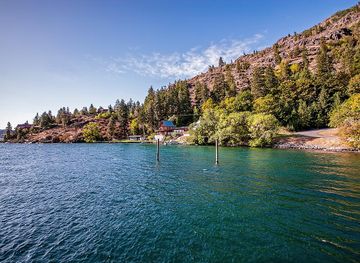


Your all‑in‑one travel companion app
Explore expert travel guides, compare and book tours, experiences, hotels, and more—all from the palm of your hand. Download now for seamless trip planning wherever your wanderlust takes you.


Explore More of Central Washington
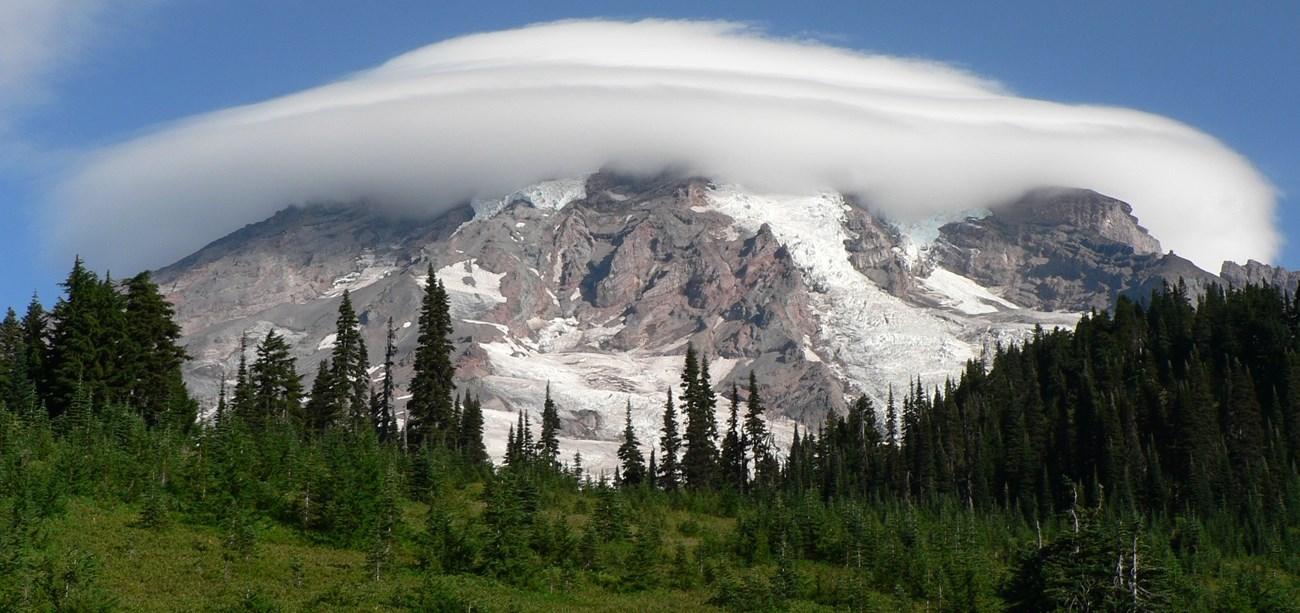
Looking beyond Leavenworth? Discover Central Washington for broader travel guides, local hot-spots, and regional highlights.
Explore Central WashingtonExplore More of Washington

Looking beyond Leavenworth? Discover Washington for broader travel guides, local hot-spots, and regional highlights.
Explore WashingtonLeavenworth in Photos
Browse through our photo collection highlighting the charm and character of the destination.


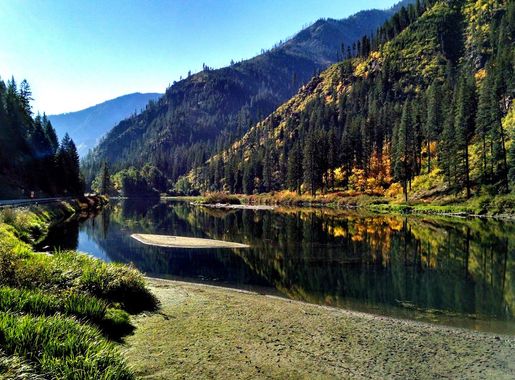

Leavenworth: A Bavarian Village in the Heart of Washington
Nestled in the Cascade Mountains, Leavenworth is a charming Bavarian-themed village in Washington state. Its quaint alpine architecture and mountain backdrop make it a unique and picturesque destination. The town is known for its vibrant festivals, such as the famous Oktoberfest and the Christmas Lighting Festival, which transform Leavenworth into a festive wonderland. Strolling through the village, you will find an array of specialty shops, from authentic German bakeries to local artisan stores. Culinary delights are abundant, with restaurants offering traditional German cuisine, including bratwurst, schnitzel, and pretzels. Don't forget to sample the local beers and wines at one of the many tasting rooms. Outdoor enthusiasts will find plenty to do in Leavenworth. The surrounding wilderness provides opportunities for hiking, skiing, and river rafting. The nearby Icicle Gorge and Enchantment Lakes are popular spots for breathtaking hikes. In winter, the Leavenworth Ski Hill offers family-friendly skiing and tubing. Leavenworth is not just about its Bavarian charm; the town also boasts a rich cultural scene. The Leavenworth Summer Theater presents live performances in an open-air setting, and the Nutcracker Museum features an extensive collection of nutcrackers from around the world. Whether you visit for the culture, cuisine, or outdoor activities, Leavenworth promises a memorable experience.