

Free Central Washington Travel Guide & Mobile App
Explore Central Washington with free travel guides. Discover regional history, expert tips, proposed trips, and audio guides on web or mobile app.


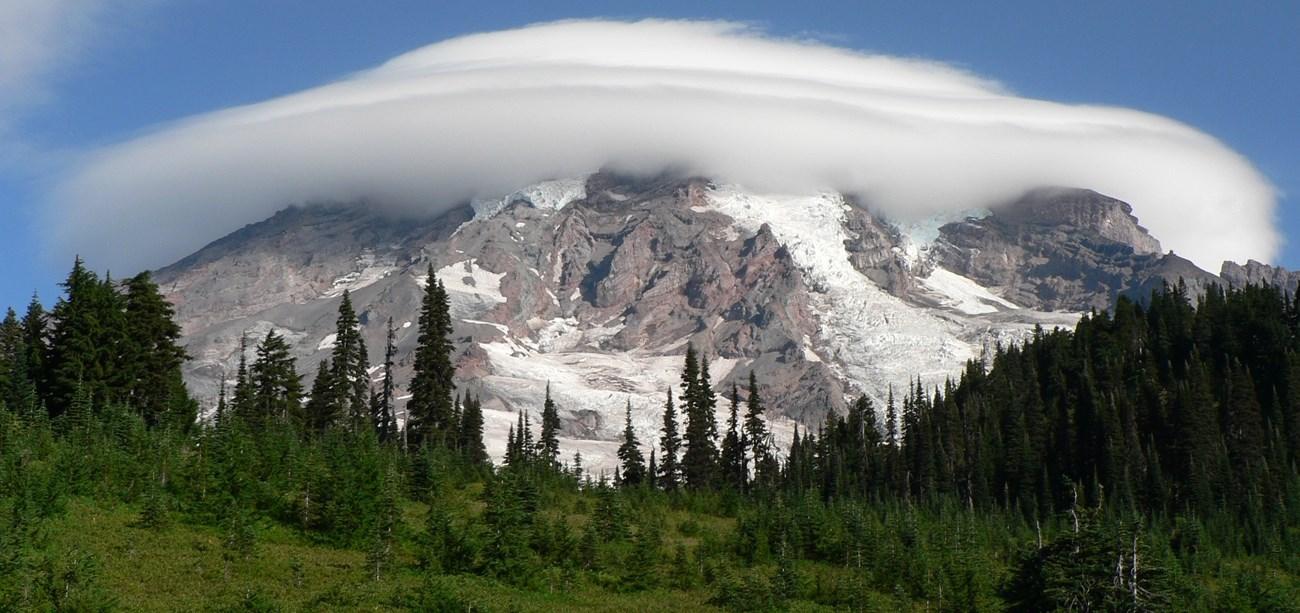


Explore Central Washington for mountain towns, orchard valleys, Columbia Plateau landscapes, river recreation, wine and farm-to-table flavours.
Read more about Central Washington
Getting to and around Central Washington
How to get there
Transportation
Top city travel guides in Central Washington
The cities of Central Washington, and the easiest places to base yourself.
-

-

-

-

-

-


Swipe for more cities
Destinations in Central Washington
Resorts, valleys and scenic spots worth a trip of their own.
-
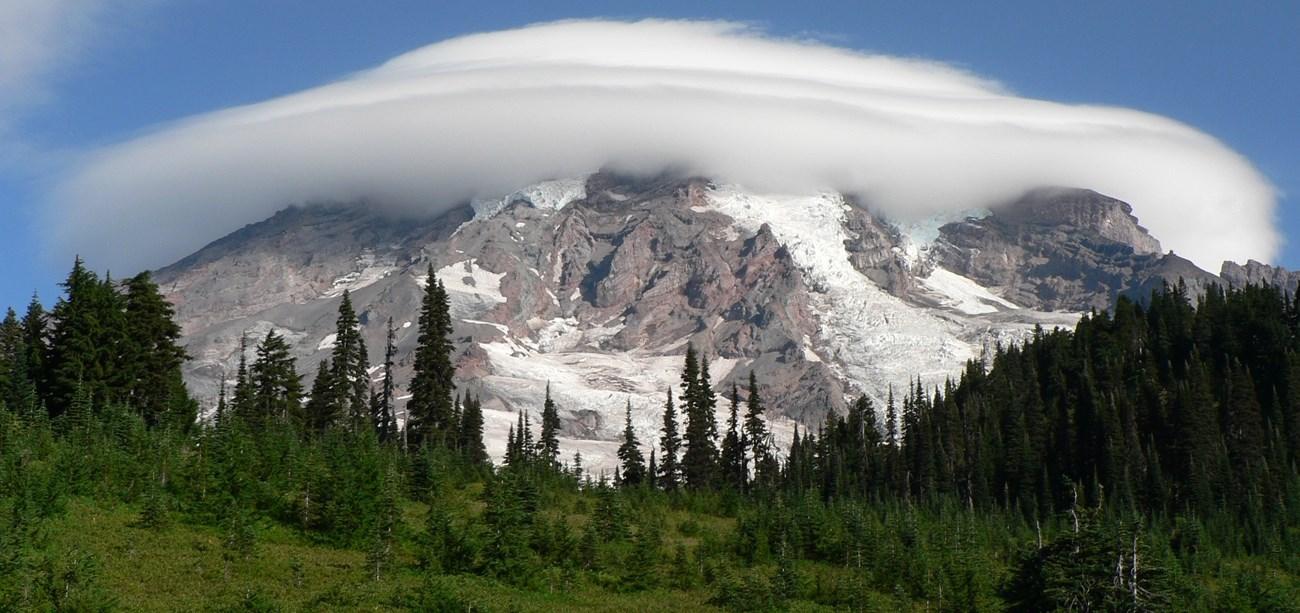 Mount Rainier National Park
 in Washington offers glacier-clad peaks, wildflower meadows, old-growth forests, scenic drives, hiking and heritage.
-
-

-
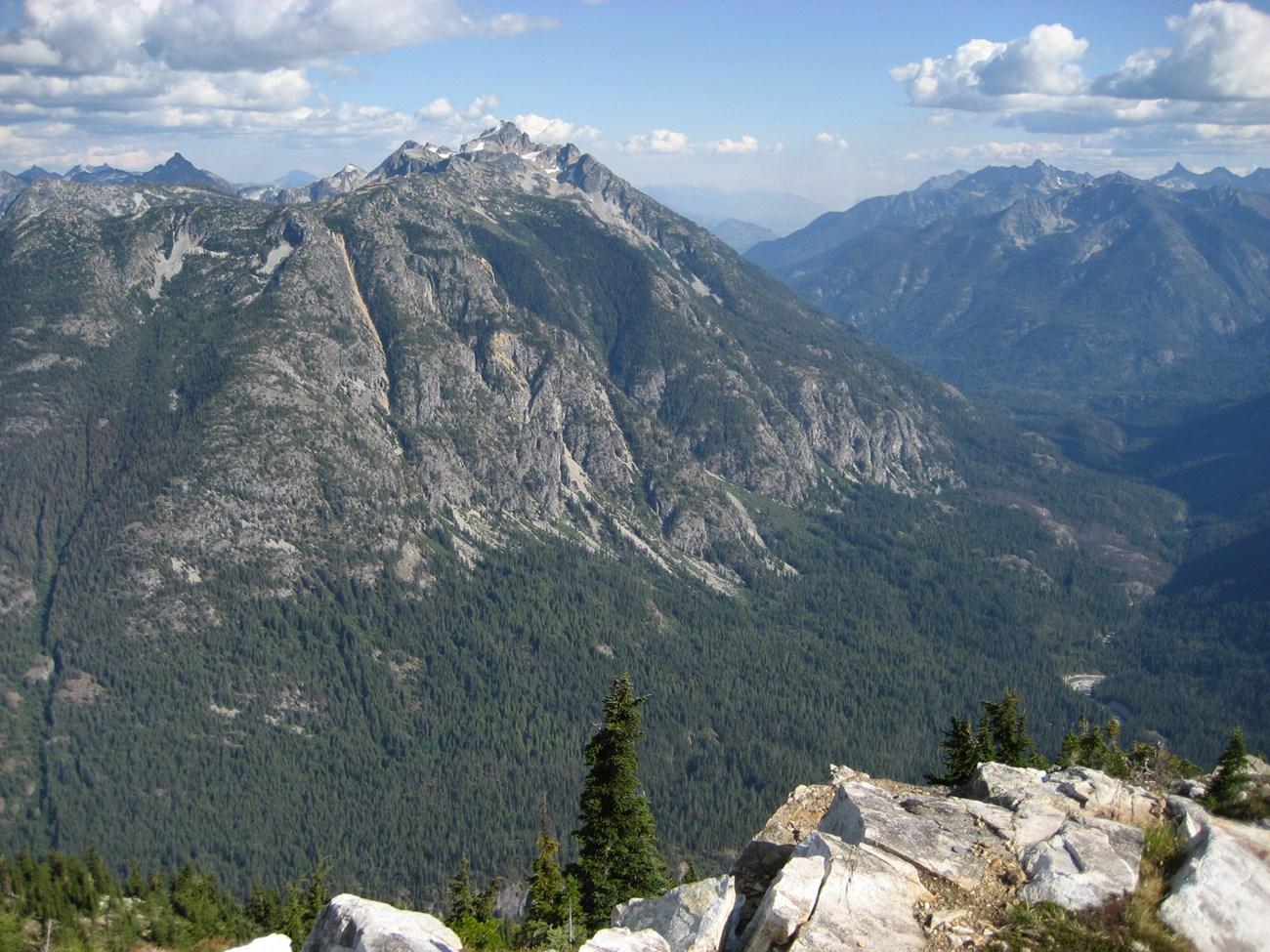 North Cascades National Park
 in Washington offers glaciers, alpine lakes, jagged peaks, wilderness trails and scenic drives through the American mountains.
-

-


Swipe for more destinations
Best attractions in Central Washington
Central Washington's attractions range from mountain recreation to agricultural and scientific heritage. Around Leavenworth, Wenatchee and Lake Chelan, visitors find hiking, climbing, skiing, boating and cycling amid the eastern Cascades, with riverfront paths and lakeside activities offering easier alternatives to longer mountain outings. The Yakima Valley combines orchards, hop fields, vineyards, farm stands and cultural venues, while the surrounding foothills provide access to forest and high-country landscapes. In the Tri-Cities, broad river parks, wine country and museums explain the area's agricultural, Indigenous, engineering and nuclear histories. The Columbia Plateau adds a very different experience, with basalt cliffs, dry grasslands, coulees and wide-open drives. Outdoor recreation is strongly seasonal: heat and wildfire conditions affect summer walks, snow shapes mountain access in winter, and water activities require care because rivers remain cold and powerful. The attraction landscape is therefore less about a single landmark than about moving between distinct environments and understanding how water, geology and human enterprise have shaped them.
-
Observation deck
Space Needle
Experience breathtaking views and iconic architecture at the Space Needle, Seattle's premier observation deck and a must-visit tourist attraction.
-
Art museum
Chihuly Garden and Glass
Explore the vibrant fusion of art and nature at Chihuly Garden and Glass, a top tourist attraction in Seattle showcasing stunning glass sculptures.
-
Monument
Washington Monument
Experience the grandeur of the Washington Monument, a symbol of American history and democracy in the heart of Washington, D.C.
-
National park
Mount Rainier National Park
Explore the breathtaking beauty of Mount Rainier National Park, where towering peaks, wildflower meadows, and diverse wildlife await your discovery.


Best landmarks in Central Washington
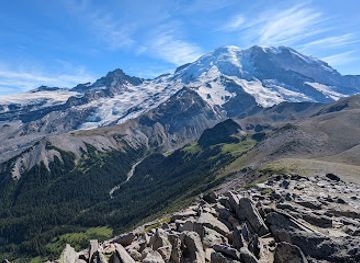
The Columbia River is Central Washington's defining natural landmark, cutting through a dry plateau of basalt cliffs, wide reservoirs and irrigated valleys. In Wenatchee, the confluence area of the Columbia and Wenatchee rivers helps explain the city's historic importance as a transport and agricultural centre. Lake Chelan forms a long, dramatic inland waterway enclosed by mountain slopes, while the surrounding Cascade foothills provide the region's strongest alpine contrast. Leavenworth's Bavarian-style civic image is a modern landmark rather than a surviving historic village, created through twentieth-century tourism redevelopment after earlier railway and timber industries declined. In the Tri-Cities, the Hanford landscape and the Columbia shoreline represent the physical legacy of the Manhattan Project and the region's nuclear-industrial history. Yakima's agricultural surroundings—especially its orchards, vineyards and hop fields—are landmarks of a different kind, expressing the scale of irrigation and commercial farming. Across the plateau, basalt formations and coulees reveal the ancient volcanic flows that underpin the region's scenery and distinguish it from the wetter western side of Washington.
-
Market
Pike Place Market
Explore the vibrant essence of Seattle at Pike Place Market, where fresh produce, artisanal goods, and rich history come together in a unique marketplace.
-
Observation deck
Space Needle
Discover the breathtaking views from the iconic Space Needle, Seattle's must-visit observation deck that showcases the city's skyline and natural beauty.
-
National park
Mount Rainier National Park
Experience the breathtaking beauty of Mount Rainier National Park, where towering mountains, lush forests, and diverse wildlife await your adventure.
-
Tourist attraction
The Gum Wall
Explore the vibrant and quirky Gum Wall in Seattle's Post Alley, a unique art installation made entirely of chewed gum by visitors from around the world.


Explore Central Washington on the map
Plan your trip on one map. See where the top cities, national parks and sights are, and book hotels and experiences in a few clicks.
Best hotels in Central Washington
Best restaurants in Central Washington
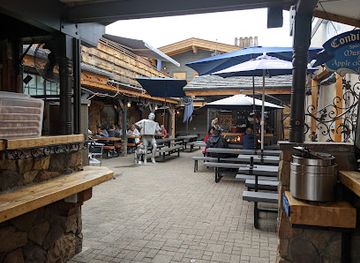
Central Washington's dining reflects its irrigated agriculture and inland geography. The Yakima and Wenatchee valleys supply apples, cherries, pears, stone fruit, hops and vegetables, while vineyards across the Columbia Basin support a substantial wine culture. Menus in larger towns often combine Pacific Northwest cooking with Mexican, Latin American, Asian and contemporary American influences, reflecting the region's diverse workforce and settlement history. Farm shops, produce stands and seasonal markets are useful places to encounter fruit, preserves and locally made products, although opening arrangements vary. In Leavenworth and other mountain towns, restaurants serve visitors drawn to hiking and winter sports, while the Tri-Cities has a broad selection of casual dining, breweries and wine-focused establishments. Traditional American diners, cafés and pubs remain important in smaller communities. Regional specialities are often defined less by one signature dish than by the quality and abundance of orchard produce, hops, wine and farm ingredients.
-
American
Old Ebbitt Grill
Discover Old Ebbitt Grill: A Historic Dining Experience Serving Classic American Cuisine in Washington, D.C.
-
Italian
The Pink Door
Experience authentic Italian cuisine with live entertainment at The Pink Door in Seattle's charming Post Alley.
-
German
München Haus
Savor traditional German dishes in a charming beer garden at München Haus - an unforgettable culinary experience in Leavenworth, WA.
-
Seafood
Wally's Chowder House Broiler
Experience fresh seafood delights at Wally's Chowder House Broiler in Des Moines, where family-friendly dining meets stunning waterfront views.



Best bars in Central Washington
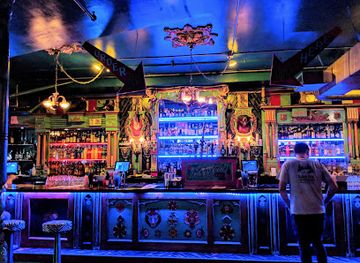
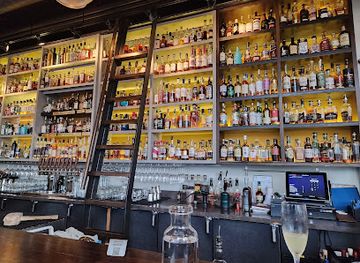
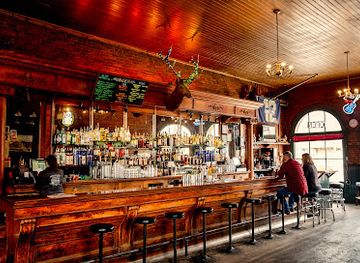
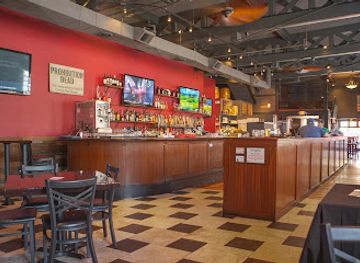
Evening life in Central Washington is concentrated in its larger towns rather than spread across the countryside. Wenatchee and historic downtown areas in Yakima, Ellensburg and the Tri-Cities offer pubs, breweries, wine bars, casual restaurants and occasional live music, while Leavenworth has a visitor-oriented evening scene linked to its restaurants, events and mountain tourism. Wineries and tasting rooms provide a quieter alternative in the Yakima Valley, around Lake Chelan and across parts of the Columbia Basin, though rural venues usually depend on seasonal schedules and should be checked in advance. Ellensburg's university population supports a younger bar and music culture than many surrounding communities. Outside these centres, evenings are generally centred on local pubs, dining and outdoor activities rather than nightclubs. Driving after drinking is particularly risky on long rural roads, so arrange a designated driver or other transport before visiting dispersed wineries.
-
Bar
Unicorn
Discover Unicorn, a whimsical bar in Seattle's Capitol Hill, serving creative cocktails and comfort food in an enchanting atmosphere.
-
New American
Woodblock
Experience the vibrant New American cuisine at Woodblock, a premier brunch and cocktail bar in Redmond, WA, where flavor meets atmosphere.
-
Pub
The Brick Saloon
Experience the charm and history of Roslyn at The Brick Saloon, where delicious food and a cozy atmosphere meet.
-
Grill
Redmond's Bar & Grill
Discover the vibrant atmosphere and delicious menu at Redmond's Bar & Grill, where American classics meet a lively sports bar experience.
Best nightclubs in Central Washington
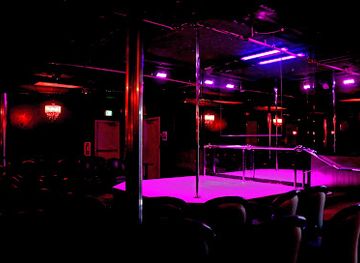
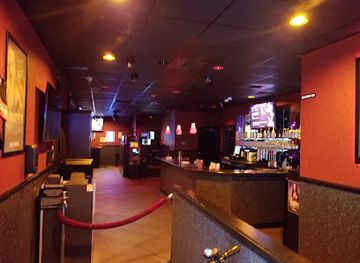
Evening life in Central Washington is concentrated in its larger towns rather than spread across the countryside. Wenatchee and historic downtown areas in Yakima, Ellensburg and the Tri-Cities offer pubs, breweries, wine bars, casual restaurants and occasional live music, while Leavenworth has a visitor-oriented evening scene linked to its restaurants, events and mountain tourism. Wineries and tasting rooms provide a quieter alternative in the Yakima Valley, around Lake Chelan and across parts of the Columbia Basin, though rural venues usually depend on seasonal schedules and should be checked in advance. Ellensburg's university population supports a younger bar and music culture than many surrounding communities. Outside these centres, evenings are generally centred on local pubs, dining and outdoor activities rather than nightclubs. Driving after drinking is particularly risky on long rural roads, so arrange a designated driver or other transport before visiting dispersed wineries.
-
Adult entertainment club
Deja Vu Showgirls Seattle
Dive into Seattle's nightlife at Deja Vu Showgirls, where entertainment meets excitement in a lively adult club setting.
-
Adult entertainment club
Dream Girls at Rick's
Discover the vibrant nightlife at Dream Girls at Rick's, Seattle's premier adult entertainment club, featuring top-notch performances and a lively atmosphere.
-
Night club
Dream Girls at SoDo
Discover the vibrant nightlife of Seattle at Dream Girls at SoDo, featuring captivating performances in a stylish lounge atmosphere.

Best shops in Central Washington
Shopping in Central Washington is closely tied to agriculture, local production and the character of its separate towns. Wenatchee and Yakima provide the broadest range of independent shops, galleries, cafés and everyday retail, while Leavenworth's central streets focus heavily on visitor goods, food products, outdoor equipment and Bavarian-themed merchandise. Farm stands and seasonal markets are good places to look for apples, cherries, pears, preserves, honey, wine and other produce, but availability follows the growing calendar. The Tri-Cities combines conventional retail with wine shops, independent food businesses and galleries, and Ellensburg has a more compact small-town shopping scene associated with its historic centre and university community. Regional souvenirs are most meaningful when they reflect the landscape—local wine, orchard products, craft food, books about Indigenous or environmental history, and locally made art—rather than generic symbols of the Pacific Northwest. Check provenance and access details when buying directly from farms, tribal enterprises or small producers.
-
Shopping mall
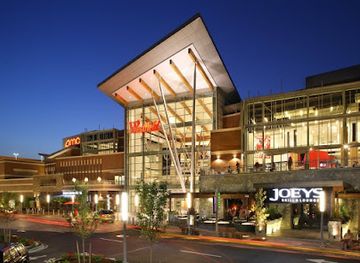
Westfield Southcenter
Explore Westfield Southcenter, Seattle's ultimate shopping destination featuring over 200 stores, diverse dining options, and entertainment for all ages.
-
Outlet mall
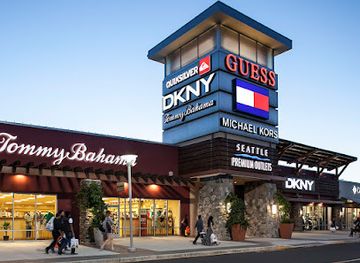
Seattle Premium Outlets
Discover unbeatable deals and a delightful shopping experience at Seattle Premium Outlets in Tulalip, Washington.
-
Shopping mall
Redmond Town Center
Discover Redmond Town Center, your go-to shopping and dining destination in Washington, blending retail, food, and entertainment in one vibrant locale.
-
Shopping mall
University Village
Discover the charm of University Village, Seattle's premier shopping destination with unique boutiques and delightful dining options.
Get your free copy of our complete guide to Central Washington, delivered straight to you.
Everything on this page, from attractions and restaurants to essentials and local phrases, in one PDF you can read offline, print or share.
Already have an account? Sign in
Your Central Washington guide is ready.
We'll send it to · Not you? Sign out

Getting your guide ready…
We are putting together a fresh copy of the Central Washington guide. This can take up to a minute.
This can take a few moments. If your browser asks, choose Allow so the download can start. You'll find the guide in your Downloads folder.
Nothing happened? Download it again
Sorry, the guide is taking longer than usual. Please try again in a minute, or get it by email instead.
Central Washington essentials
Currency and Payment
Safety
Emergency Situations
Do's and Don'ts
Local Tips
From Eve
Local phrases worth knowing
You don't need to get them perfect. A few words go a long way, and locals appreciate the effort.
Basics
| English | Local | Say it |
|---|---|---|
| Hello | Hey | [hey] |
| Goodbye | See ya | [see yah] |
| Yes | Yeah | [yeah] |
| No | Nah | [nah] |
| Please/You're welcome | No problem | [noh proh-bluhm] |
| Thank you | Thanks | [thanks] |
| Excuse me/Sorry | Pardon me | [par-dun mee] |
| How are you? | How's it going? | [how's it goin'?] |
| Fine. And you? | Good, you? | [gud, you?] |
| Do you speak English? | You speakin' English? | [you speakin' ing-glish?] |
| I don't understand | I don't get it | [I don't get it] |
Eating & Drinking
| English | Local | Say it |
|---|---|---|
| I'd like to see the menu, please | Can I see the menu? | [can I see the men-yoo?] |
| I don't eat meat | I’m a vegetarian | [I'm a vege-tair-ee-un] |
| Cheers! | Cheers! | [cheers] |
| I would like to pay, please | Can I get the check? | [can I get the chek?] |
Emergencies
| English | Local | Say it |
|---|---|---|
| Help! | Help! | [help] |
| Go away! | Leave me alone! | [leave me a-lone!] |
| Call the Police! | Call the cops! | [call the copz] |
| Call a doctor! | Get a doctor! | [get a doc-tor] |
| I'm lost | I’m lost | [I'm lost] |
| I'm ill | I’m not feeling well | [I'm not feelin' well] |
Shopping
| English | Local | Say it |
|---|---|---|
| I'd like to buy... | I wanna buy... | [I wanna buy...] |
| I'm just looking | Just browsing | [just brow-zing] |
| How much is it? | What's the price? | [what's the pryce?] |
| That's too expensive | That's a bit pricey | [that's a bit pry-see] |
| Can you lower the price? | Can you drop the price? | [can you drop the pryce?] |
Time & Numbers
| English | Local | Say it |
|---|---|---|
| What time is it? | What time ya got? | [what time ya got?] |
| It's one o'clock | It's one | [it's wun] |
| Half past (10) | Half past ten | [half past ten] |
| Morning | Morning | [mor-ning] |
| Afternoon | Afternoon | [af-ter-noon] |
| Evening | Evening | [eev-ning] |
| Yesterday | Yesterday | [yes-ter-day] |
| Today | Today | [to-day] |
| Tomorrow | Tomorrow | [to-mor-row] |
| 1 | One | [wun] |
| 2 | Two | [too] |
| 3 | Three | [three] |
| 4 | Four | [for] |
| 5 | Five | [five] |
| 6 | Six | [siks] |
| 7 | Seven | [sev-en] |
| 8 | Eight | [ate] |
| 9 | Nine | [nine] |
| 10 | Ten | [ten] |
Transport & Directions
| English | Local | Say it |
|---|---|---|
| Where's a/the...? | Where's the...? | [where's the...?] |
| What's the address? | What’s the address? | [what's the ad-dress?] |
| Can you show me (on the map)? | Can you point it out? | [can you point it out?] |
| When's the next (bus)? | When’s the next bus? | [when's the next bus?] |
| A ticket (to ....) | A ticket to... | [a tik-it to...] |
History of Central Washington
Indigenous homelands and river economies
Central Washington has long been home to Indigenous peoples, including the Yakama, Confederated Tribes of the Colville Reservation, Wanapum and other communities whose ancestral territories extend across the Columbia Plateau and adjoining mountain valleys. Salmon, roots, berries, game and trade routes shaped life along the Columbia, Yakima, Wenatchee and other rivers. The region's Indigenous history continues through tribal governments, cultural programmes, fishing rights and living communities. Visitors should understand that many landscapes presented as recreational spaces also carry enduring cultural significance.
Horse-based trade and early colonial contact
From the eighteenth century onwards, horses transformed movement, trade and diplomacy across the Plateau. Fur traders, missionaries, explorers and later settlers travelled through river corridors and mountain passes, although Indigenous societies remained the dominant presence for much of the period. Increasing American and European settlement brought treaties, military pressure and profound disruption, including the confinement of many Native communities to reservations. The consequences of these nineteenth-century changes remain central to the region's history.
Treaty-era settlement and the territorial period
Treaties negotiated in the 1850s established reservations and ceded large areas of what became Washington Territory, while disputes over land, fishing and sovereignty continued. Towns such as Yakima, Ellensburg and Wenatchee grew during the later nineteenth century through livestock, agriculture, transport and public administration. The arrival of railways and improved roads connected inland valleys to markets beyond the Cascades. Settlement patterns often followed rivers and irrigated lowlands, leaving the drier plateau more sparsely populated.
Irrigation, orchards and the agricultural economy
The development of irrigation profoundly changed Central Washington during the late nineteenth and early twentieth centuries. Water diverted from rivers made commercial farming possible across parts of the Yakima and Columbia basins, supporting orchards, vineyards, hops, potatoes and other crops. Packing houses, rail links and cold storage tied agricultural communities to national markets. The region's modern identity as an orchard and wine-producing area is therefore not simply a product of climate; it also reflects major engineering projects, labour systems and continuing debates over water use.
Dams, hydropower and the reshaping of the Columbia
Twentieth-century dam construction altered the Columbia and its tributaries, providing hydropower, navigation and irrigation while also transforming fisheries, habitats and Indigenous access to river resources. Projects upstream and downstream from Central Washington influenced the economy of communities around Wenatchee, the Tri-Cities and the Columbia Plateau. The river corridor visible today—broad reservoirs, managed shorelines and industrial infrastructure—contains both the legacy of modern development and the continuing cultural importance of the Columbia to Native nations.
Hanford and the nuclear age
During the Second World War, the United States established the Hanford Engineer Works on the Columbia near present-day Richland to produce plutonium for the Manhattan Project. The secretive wartime complex transformed the surrounding area and helped drive the growth of the Tri-Cities. Hanford later became a major centre of nuclear research and environmental remediation. The site is not a conventional historic attraction, but its history is interpreted through regional museums and public programmes, and it remains a significant part of Central Washington's twentieth-century identity.
Wine, craft agriculture and regional reinvention
From the late twentieth century, vineyards expanded across suitable parts of the Columbia Basin and Yakima Valley, building on irrigation, dry summers and established agricultural expertise. Wineries, breweries, farm shops and food-focused tourism added new dimensions to economies once associated principally with orchards, grain, livestock and industrial work. This development has not replaced older industries: it sits alongside family farms, tribal enterprises, research institutions and outdoor recreation. Central Washington's contemporary character reflects this combination of agricultural continuity and economic diversification.
Central Washington in Photos
Browse through our photo collection highlighting the charm and character of the destination.
Neighbouring regions of Central Washington
The closest regions to Central Washington, if you have time for more than one.
-

-

-

-

-


Swipe for more regions
Explore more

Explore more of Washington
Explore Washington State: From the vibrant streets of Seattle to the tranquil beauty of the Olympic Peninsula, discover the diverse landscapes, culture, and adventures awaiting you.
Explore Washington