

Free The Selkirk Mountains Travel Guide & Mobile App
Explore The Selkirk Mountains with free travel guides. Discover regional history, expert tips, proposed trips, and audio guides on web or mobile app.


Explore Washington’s Selkirk Mountains for quiet forests, alpine trails, remote lakes, wildlife and small-town heritage near the Canadian border.
Read more about The Selkirk Mountains
Getting to and around The Selkirk Mountains
How to get there
Transportation
Best attractions in The Selkirk Mountains
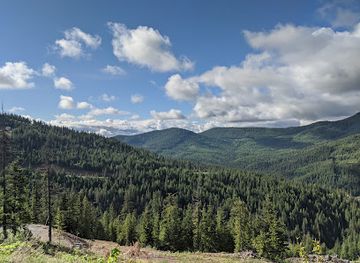
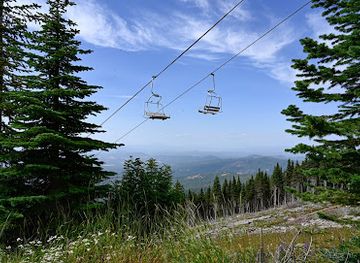
The Washington Selkirk Mountains are primarily an outdoor destination, with attractions spread across a large landscape rather than concentrated in one resort town. The Salmo-Priest Wilderness offers demanding hiking through dense forest, steep mountain terrain and remote high-country habitat, while Colville National Forest provides a wider network of trails, campgrounds, scenic roads, fishing waters and wildlife-viewing opportunities. Sullivan Lake and other forest lakes are suited to paddling, swimming where conditions permit, fishing and quiet camping, although facilities and road access vary by site and season. The Pend Oreille River corridor adds boating, riverside scenery and a strong sense of the region’s industrial history. Around Metaline Falls, the dramatic valley setting, local heritage and nearby Boundary Dam reveal the relationship between mountain communities and hydroelectric power. Newport and the southern approaches are useful for combining river landscapes with forest outings. In the wider north-east, Republic and Kettle Falls provide museums, heritage interpretation and practical gateways to mountain country, though they sit on the margins rather than in the core high Selkirks. Winter visitors should expect snow-based recreation and restricted forest access, while summer and early autumn are generally the most flexible seasons for hiking and driving. Activities should be matched carefully to weather, road conditions, fire restrictions and personal experience.
-
National park
Mount Rainier National Park
Discover the stunning landscapes, diverse wildlife, and adventures waiting for you at Mount Rainier National Park in Washington.
-
National park
North Cascades National Park
Explore stunning landscapes and diverse wildlife at North Cascades National Park, a perfect destination for outdoor adventures in Washington.
-
National forest
Colville National Forest
Explore the majestic Colville National Forest - a nature lover's paradise filled with outdoor adventures and stunning landscapes in Washington.
-
State park
Mount Spokane State Park
Explore Mount Spokane State Park: A stunning natural retreat in Washington for hiking, skiing, and wildlife watching all year round.
Best landmarks in The Selkirk Mountains
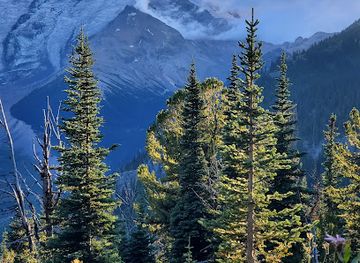
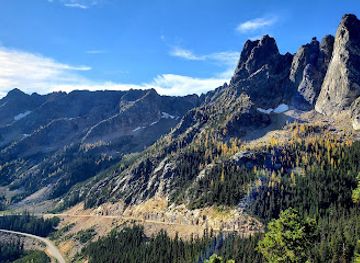
The Pend Oreille River is the Selkirks’ defining geographical landmark in Washington, cutting a broad valley through the mountains and linking the region’s communities, forests and hydroelectric infrastructure. Near Metaline Falls, Boundary Dam is an imposing modern landmark whose power station and reservoir illustrate the scale of twentieth-century engineering in an otherwise sparsely settled landscape; access around operational infrastructure is controlled. The Salmo-Priest Wilderness is a landmark of a different kind, recognised for its extensive protected forests, high ridges and lack of permanent roads through much of its interior. Sullivan Lake provides a memorable mountain setting where water, dark conifer slopes and rockier uplands meet. The small towns themselves also carry visual significance: Metaline Falls retains a compact settlement character associated with mining, timber and river industry, while Newport marks the southern gateway where the Pend Oreille valley meets the Idaho border. High points such as Abercrombie Mountain and Gypsy Peak are significant to experienced backcountry travellers and offer a sense of the range’s elevation and remoteness, but routes can be strenuous, seasonally snowbound and dependent on forest-road access. Together these landmarks show the region as both wild terrain and a working human landscape.
-
History museum
Cashmere Museum and Pioneer Village
Explore the Cashmere Museum and Pioneer Village for an unforgettable journey into the history of Washington's Wenatchee Valley.
-
Visitor center
Selkirk Lodge
Experience the natural beauty and adventure of Selkirk Lodge at Mt. Spokane State Park, the perfect getaway for outdoor enthusiasts and nature lovers.
-
Scenic spot
Vista House
Discover the stunning vistas and natural beauty of Vista House in Mead, WA—a must-visit scenic spot for every nature lover.
-
Historical landmark
Register Rock State Historic Site
Explore the historical treasures of Register Rock State Historic Site in Idaho, where pioneer stories come to life against stunning natural backdrops.
Explore The Selkirk Mountains on the map
Plan your trip on one map. See where the top cities, national parks and sights are, and book hotels and experiences in a few clicks.
Best hotels in The Selkirk Mountains
Best restaurants in The Selkirk Mountains
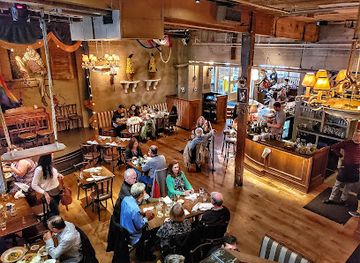
Dining in the Washington Selkirks is shaped by small-town services, outdoor travel and the agricultural and river landscapes around the mountains rather than by a concentrated restaurant scene. Newport, Metaline Falls, Republic, Kettle Falls and other gateway communities provide the most reliable choice of cafés, diners, family restaurants, bakeries and casual places to eat. Menus commonly reflect broader north-western American cooking, with burgers, sandwiches, breakfast dishes, soups, grilled meats and seasonal produce more typical than a narrowly defined Selkirk cuisine. Freshwater fish, locally produced fruit and vegetables, and regional beers may appear, but their availability varies by establishment and season. Traditional pubs and cafés are useful for an early meal before a trail outing, while self-catering is sensible for remote camps and longer drives. Farmers’ markets and roadside producers can offer fruit, preserves, baked goods and other local products when operating, particularly in the warmer months. Visitors should not expect frequent dining stops on forest roads: carry provisions, confirm service in small communities and plan meals around fuel and accommodation. The food culture is practical, locally oriented and closely connected to the realities of a dispersed mountain region.
-
Italian
The Pink Door
Discover The Pink Door: An enchanting Italian restaurant in Seattle offering exquisite cuisine and captivating live entertainment.
-
Seafood
Wally's Chowder House Broiler
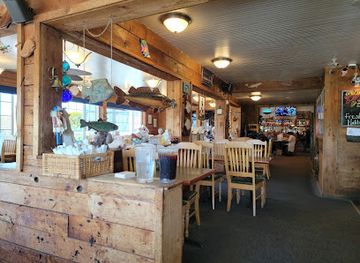
Discover Wally's Chowder House Broiler - your go-to destination for fresh seafood delights in Des Moines, Washington.
-
Turkish
Cafe Turko
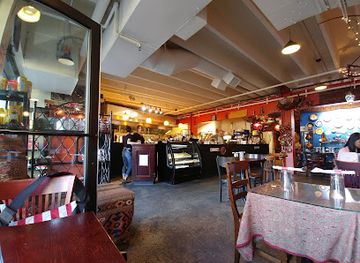
Experience authentic Turkish and Mediterranean cuisine at Cafe Turko in Seattle's Fremont neighborhood with gluten-free and vegan options available.
-
American
Clinkerdagger
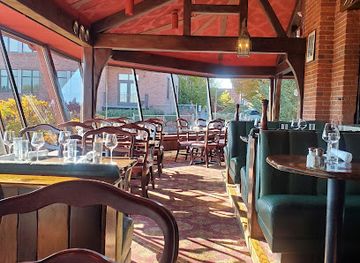
Experience exceptional American cuisine at Clinkerdagger in Spokane - where every meal comes with stunning river views.
Best bars in The Selkirk Mountains
Nightlife in the Washington Selkirks is low-key and centred on small-town pubs, taverns, restaurants and occasional community events rather than nightclubs. Newport and the Pend Oreille valley offer the broadest choice of evening venues, while Metaline Falls, Republic, Kettle Falls and other gateways rely more on local bars, casual dining and seasonal activity. A pub may function as a social meeting place for residents, travellers, outdoor workers and visitors, but opening arrangements and food service can vary, so late-night options should not be assumed. Live music, fairs and other community gatherings may create busier evenings at particular times of year without forming a permanent entertainment district. Breweries and craft drinks associated with the wider inland North-west may be available in gateway towns, but the region is not primarily a cellar-door or club destination. In remote areas, evenings are more likely to involve campfires where permitted, stargazing, quiet accommodation or riverside and lakeside relaxation. Drink-driving is particularly hazardous on long, dark and winding roads; arrange a safe return and follow all Washington alcohol laws.
-
Bar
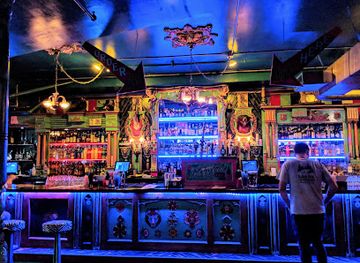
Unicorn
Experience the vibrant and whimsical Unicorn Bar in Capitol Hill, Seattle, where delicious American cuisine meets a playful carnival atmosphere.
-
Pub
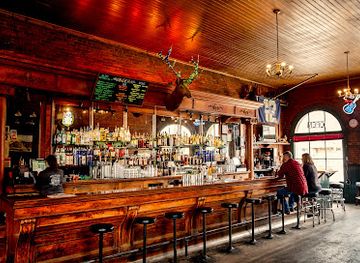
The Brick Saloon
Experience the charm of The Brick Saloon, the oldest bar in Washington, offering a rich history, delicious food, and a lively atmosphere in Roslyn.
-
Restaurant
Purdy's Public House & Arcade
Discover Purdy's Public House & Arcade in Sumner, WA - where delicious food meets endless arcade fun for the whole family.
-
Bar
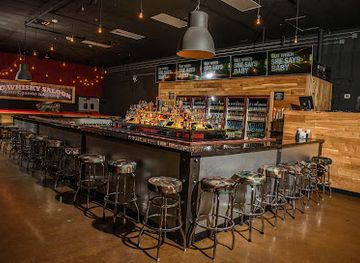
Big Whisky Saloon
Experience the vibrant nightlife at Big Whisky Saloon in Puyallup, where dancing, drinks, and fun await you in a lively atmosphere.

Best nightclubs in The Selkirk Mountains
Nightlife in the Washington Selkirks is low-key and centred on small-town pubs, taverns, restaurants and occasional community events rather than nightclubs. Newport and the Pend Oreille valley offer the broadest choice of evening venues, while Metaline Falls, Republic, Kettle Falls and other gateways rely more on local bars, casual dining and seasonal activity. A pub may function as a social meeting place for residents, travellers, outdoor workers and visitors, but opening arrangements and food service can vary, so late-night options should not be assumed. Live music, fairs and other community gatherings may create busier evenings at particular times of year without forming a permanent entertainment district. Breweries and craft drinks associated with the wider inland North-west may be available in gateway towns, but the region is not primarily a cellar-door or club destination. In remote areas, evenings are more likely to involve campfires where permitted, stargazing, quiet accommodation or riverside and lakeside relaxation. Drink-driving is particularly hazardous on long, dark and winding roads; arrange a safe return and follow all Washington alcohol laws.
-
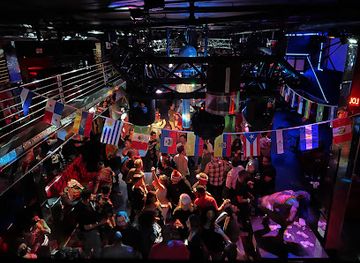
Night club
Sarajevo Nightclub
Discover the heart of Seattle's nightlife at Sarajevo Nightclub, where vibrant music and electric energy await every visitor.
-
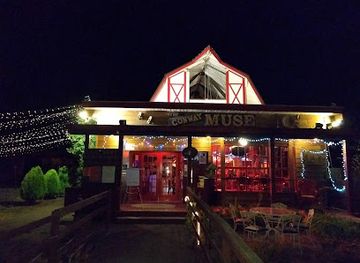
Live Music
Conway Muse
Discover the vibrant nightlife at Conway Muse, a premier live music venue combining bar and nightclub experiences in Conway, Washington.
-
Gay night club
Neighbours Nightclub and Lounge
Discover the vibrant nightlife at Neighbours Nightclub and Lounge in Seattle’s Capitol Hill - a hub of music, dance, and community spirit.
-
Night club
Kremwerk
Experience the vibrant nightlife at Kremwerk, Seattle's premier gay nightclub, known for its electrifying atmosphere and diverse events.
Best shops in The Selkirk Mountains
Shopping in the Selkirk Mountains is concentrated in small gateway communities rather than purpose-built retail districts. Newport, Metaline Falls, Republic and Kettle Falls offer practical supplies, groceries, outdoor necessities, books, gifts and locally oriented independent shops, while their main streets provide a glimpse of the region’s dispersed commercial life. Seasonal farmers’ markets and roadside stands may sell fruit, vegetables, preserves, baked goods and other produce from the surrounding inland valleys. Visitors looking for souvenirs should consider regional maps, locally made crafts, artwork, photography, fishing and outdoor equipment, or food products that travel well. Antique and vintage items may appear in small-town shops, though stock and opening arrangements are variable. Shopping choices become very limited once travellers enter the national forest, so purchase fuel, food, medication and camping essentials before heading towards remote trailheads. The Washington Selkirks are not a major luxury-shopping destination; their retail character is practical, independent and connected to working communities, forestry, farming and outdoor recreation. For a wider selection of mainstream shops, Spokane is the nearest major urban centre but lies outside the region.
-
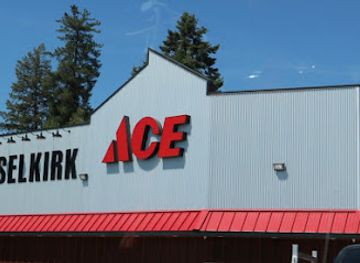
Hardware store
Selkirk Ace
Discover Selkirk Ace in Oldtown, Idaho - your ultimate destination for all hardware and home improvement needs.
-
Antique store
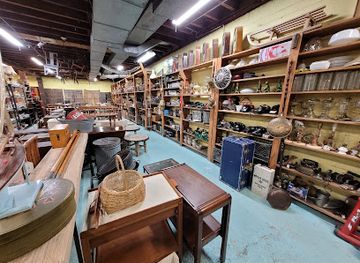
Antiques & Oddities
Explore unique treasures at Antiques & Oddities in Cook, WA, where history and nostalgia come to life through a curated collection of vintage items.
-
Gift shop
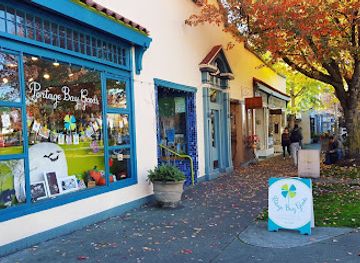
Portage Bay Goods
Explore Portage Bay Goods in Fremont, Seattle, for unique local gifts that embody the spirit of the Pacific Northwest.
-
Gift shop
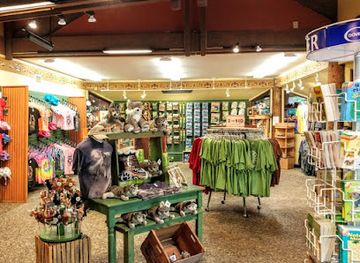
Gift Shop At NW Trek
Explore the Gift Shop at NW Trek for unique souvenirs, handmade crafts, and eco-friendly products inspired by the beauty of the Pacific Northwest.
Get your free copy of our complete guide to The Selkirk Mountains, delivered straight to you.
Everything on this page, from attractions and restaurants to essentials and local phrases, in one PDF you can read offline, print or share.
Already have an account? Sign in
Your The Selkirk Mountains guide is ready.
We'll send it to · Not you? Sign out

Getting your guide ready…
We are putting together a fresh copy of the The Selkirk Mountains guide. This can take up to a minute.
This can take a few moments. If your browser asks, choose Allow so the download can start. You'll find the guide in your Downloads folder.
Nothing happened? Download it again
Sorry, the guide is taking longer than usual. Please try again in a minute, or get it by email instead.
The Selkirk Mountains essentials
Currency and Payment
Safety
Emergency Situations
Do's and Don'ts
Local Tips
From Eve
Local phrases worth knowing
You don't need to get them perfect. A few words go a long way, and locals appreciate the effort.
Basics
| English | Local | Say it |
|---|---|---|
| Hello | Hey there | [Hay thare] |
| Goodbye | See you later | [See yew lay-ter] |
| Yes | Yep | [Yep] |
| No | Nope | [Nope] |
| Please/You're welcome | Sure thing | [Shur thing] |
| Thank you | Thanks a lot | [Thangs a lot] |
| Excuse me/Sorry | Sorry about that | [Sor-ree abowt that] |
| How are you? | How's it going? | [How's it goin'?] |
| Fine. And you? | Good. You? | [Good. Yew?] |
| Do you speak English? | Do ya talk English? | [Doo ya talk Ing-lish?] |
| I don't understand | I ain't following | [I ain't follerin'] |
Eating & Drinking
| English | Local | Say it |
|---|---|---|
| I'd like to see the menu, please | Can I see the menu? | [Can I see the men-yoo?] |
| I don't eat meat | I'm a vegetarian | [I'm a veg-e-tair-ee-an] |
| Cheers! | Bottoms up! | [Bot-toms up!] |
| I would like to pay, please | Can I get the check? | [Can I get the check?] |
Emergencies
| English | Local | Say it |
|---|---|---|
| Help! | Help me! | [Help me!] |
| Go away! | Leave me alone! | [Leev me alon!] |
| Call the Police! | Call the cops! | [Call the cops!] |
| Call a doctor! | Get a doctor! | [Get a doc-tor!] |
| I'm lost | I'm turned around | [I'm turned around] |
| I'm ill | I'm not feeling well | [I'm not feelin' well] |
Shopping
| English | Local | Say it |
|---|---|---|
| I'd like to buy... | I wanna buy... | [I wanna buy...] |
| I'm just looking | Just browsing | [Just brow-zing] |
| How much is it? | What's the price? | [What's the price?] |
| That's too expensive | That's a bit pricey | [That's a bit pricy] |
| Can you lower the price? | Can you cut the price? | [Can you cut the price?] |
Time & Numbers
| English | Local | Say it |
|---|---|---|
| What time is it? | What’s the time? | [What’s the time?] |
| It's one o'clock | It's one | [It's one] |
| Half past (10) | Half past ten | [Half past ten] |
| Morning | Morning | [Mornin'] |
| Afternoon | Afternoon | [Aft-er-noon] |
| Evening | Evening | [Eve-ning] |
| Yesterday | Yesterday | [Yest-er-day] |
| Today | Today | [To-day] |
| Tomorrow | Tomorrow | [To-mor-row] |
| 1 | One | [One] |
| 2 | Two | [Two] |
| 3 | Three | [Three] |
| 4 | Four | [Four] |
| 5 | Five | [Five] |
| 6 | Six | [Six] |
| 7 | Seven | [Seven] |
| 8 | Eight | [Eight] |
| 9 | Nine | [Nine] |
| 10 | Ten | [Ten] |
Transport & Directions
| English | Local | Say it |
|---|---|---|
| Where's a/the...? | Where's the...? | [Where's the...?] |
| What's the address? | What's the address? | [What's the address?] |
| Can you show me (on the map)? | Can you point it out? | [Can you point it out?] |
| When's the next (bus)? | When's the next bus? | [When's the next bus?] |
| A ticket (to ....) | A ticket to... | [A ticket to...] |
History of The Selkirk Mountains
Indigenous homelands and river networks
The Selkirk region lies within the longstanding cultural landscapes of Indigenous peoples including the Kalispel and Sinixt, while the wider north-east Washington area is also closely connected with the Confederated Tribes of the Colville Reservation. Rivers, lakes, mountain passes and seasonal camps supported fishing, hunting, gathering and travel long before American settlement. The Pend Oreille and Columbia corridors linked communities across what are now international and state boundaries. Visitors should understand the mountains as lived cultural landscapes rather than empty wilderness, even where modern conservation designations limit development.
Fur trade and boundary-era exploration
During the early nineteenth century, fur-trade networks and exploratory journeys connected the Columbia, Kootenay and Pend Oreille watersheds with trading posts and routes farther north and east. The Selkirks were difficult terrain, but their valleys and river corridors formed part of a wider inland network used by Indigenous travellers, traders and later surveyors. The eventual international boundary and the creation of Washington Territory imposed political lines across a much older pattern of movement, leaving the mountains divided between the United States and Canada.
Mining and settlement in the nineteenth century
Mineral exploration and mining intensified in north-east Washington during the late nineteenth century, drawing prospectors and promoting small settlements in mountain valleys. Lead, zinc, silver and other ores were worked in the broader Pend Oreille and Boundary districts, though the scale and longevity of individual operations varied. Mining brought roads, mills, shops and speculative growth, while also leaving altered landscapes and contaminated sites in some areas. Metaline Falls and neighbouring communities retain visible links to this period of resource-led settlement.
Timber, railways and small-town economies
Commercial timber became a major force in the regional economy as railways and improved roads made it possible to move logs and products beyond the mountain valleys. Towns such as Newport, Ione and Metaline Falls developed around combinations of forestry, transport, agriculture, mining and river commerce rather than a single urban centre. The result was a dispersed settlement pattern that still shapes travel today: services are concentrated in a few communities, while large tracts of forest separate them.
Colville National Forest and public-land management
The establishment of Colville National Forest in 1907 placed much of Washington’s Selkirk country within a federal system intended to manage forests, watersheds and extractive use. Over time, recreation, wildlife protection, fire management, timber production and grazing have all influenced decisions on these public lands. The forest is not untouched wilderness in the strict sense, but a managed landscape containing roads, working forests, recreation sites and areas preserved for their ecological and scenic value.
Dams, power and the Pend Oreille River
Hydroelectric development transformed the Pend Oreille corridor during the twentieth century. Boundary Dam, completed near Metaline Falls in the 1960s, created a major power-generating installation and altered parts of the river environment, while communities and roads developed around the project. The dam reflects the region’s continuing tension between rugged scenery, industrial infrastructure and economic use of natural resources. It is also a reminder that the Selkirks are not an entirely undeveloped mountain landscape.
Modern conservation and outdoor recreation
Late twentieth-century conservation efforts protected important high-country and old-growth habitats, including the Salmo-Priest Wilderness, while recreation expanded through hiking, camping, boating, fishing and wildlife tourism. Contemporary management must balance habitat protection with wildfire risk, access, timber interests and the needs of nearby communities. The modern visitor encounters this layered history in wilderness boundaries, forest roads, working towns, interpretive sites and the continuing presence of Indigenous communities and cultural interests.
The Selkirk Mountains in Photos
Browse through our photo collection highlighting the charm and character of the destination.
Neighbouring regions of The Selkirk Mountains
The closest regions to The Selkirk Mountains, if you have time for more than one.
-
-

-

-

-


Swipe for more regions
Explore more

Explore more of Washington
Explore Washington State: From the vibrant streets of Seattle to the tranquil beauty of the Olympic Peninsula, discover the diverse landscapes, culture, and adventures awaiting you.
Explore Washington