

Free The Palouse Travel Guide & Mobile App
Explore The Palouse with free travel guides. Discover regional history, expert tips, proposed trips, and audio guides on web or mobile app.


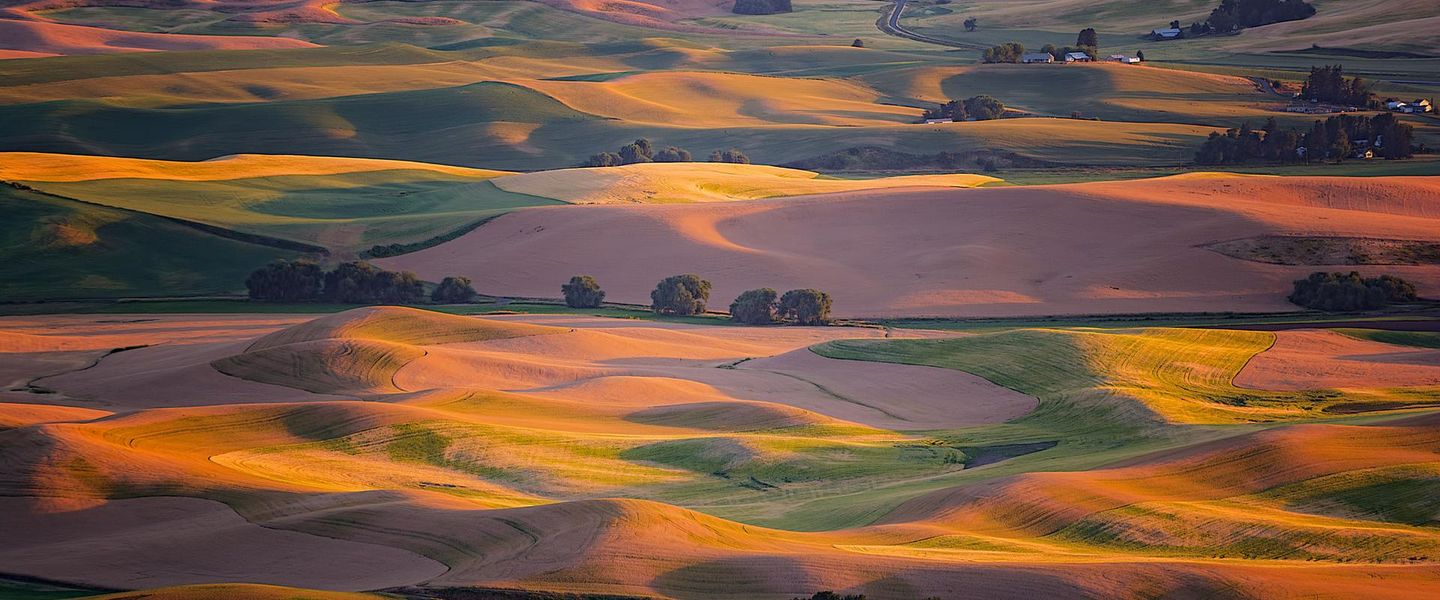


Explore Washington's Palouse through rolling wheat hills, historic small towns, university culture, scenic viewpoints and seasonal farm country.
Read more about The Palouse
Getting to and around The Palouse
How to get there
Transportation
Top city travel guides in The Palouse
The cities of The Palouse, and the easiest places to base yourself.

Swipe for more cities
Best attractions in The Palouse
The Palouse's principal attraction is its landscape: rounded loess hills, broad agricultural horizons and roads that repeatedly reveal new patterns of light and colour. Steptoe Butte State Park is the region's most celebrated viewpoint, with a road and viewing areas overlooking the farm country, while Kamiak Butte County Park provides wooded walking terrain and elevated views near Pullman. The parks are especially different from the open cultivated hills below them, making the contrast between native vegetation, woodland and farmland easier to understand. Pullman offers Washington State University, museums, galleries, public art and a programme of lectures and performances that gives the rural region an academic centre. Colfax, Palouse and other small communities contribute historic streets, local museums, cafés and community events rather than large-scale visitor complexes. The Palouse Discovery Science Center in Pullman provides an educational indoor attraction, particularly useful for families. Scenic drives through the central and northern hills are rewarding, but visitors should remember that much of the land is privately owned and actively farmed. Outdoor interests include walking, birdwatching, photography and cycling, with conditions varying considerably by season and road.
-
Park
McEuen Park and Dog Park
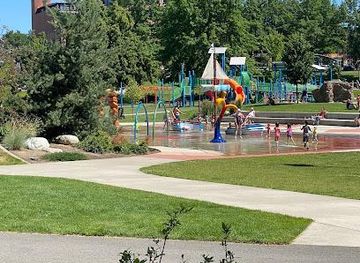
Explore the beauty of McEuen Park in Coeur d'Alene, where nature, recreation, and relaxation come together for an unforgettable experience.
-
Park
McEuen Park
Experience the beauty and tranquility of McEuen Park in Coeur d'Alene, Idaho, where nature meets recreation in a picturesque setting.
-
Park
Tubbs Hill
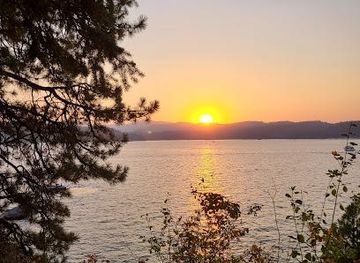
Discover Tubbs Hill, a stunning natural park in Coeur d'Alene, offering scenic trails, breathtaking views, and a perfect outdoor getaway for families and adventurers.
-
Tourist attraction
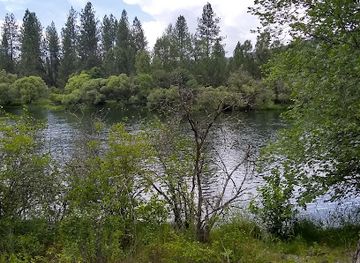
Riverside State Park
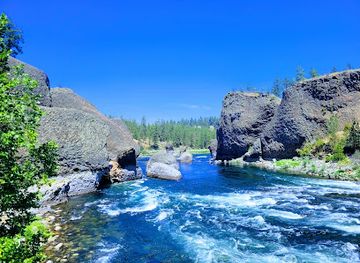
Discover the breathtaking landscapes and outdoor adventures at Riverside State Park, a premier natural retreat in Washington for nature enthusiasts.


Best landmarks in The Palouse
Steptoe Butte is the Palouse's most recognisable natural landmark, rising as an isolated elevation above the surrounding wheat country and providing a defining view of the region's folded hills. Kamiak Butte is another prominent high point, distinguished by woodland and a more park-like setting near Pullman. In the towns, the historic commercial streets of Colfax and Palouse express the region's late nineteenth- and early twentieth-century prosperity, when railways, grain and agricultural services supported substantial civic development. Pullman's Washington State University campus forms a major architectural and cultural landmark, reflecting the long role of land-grant education and agricultural research in the area. Farm buildings, grain facilities and railway remnants are less monumental but equally important, because they show how settlement and transport organised the landscape. The most powerful landmark is ultimately the cultivated terrain itself: deep rolling hills extending across the horizon, with isolated buttes, small towns and grain infrastructure providing scale. These places should be viewed respectfully, since many apparent scenic stopping points lie beside private land or active farm roads.
-
State park
Riverside State Park
Explore Riverside State Park: A Natural Playground for Outdoor Adventures Near Spokane, WA.
-
Historical place
Spokane House Interpretive Center
Explore the Spokane House Interpretive Center: A journey through history and nature in the heart of Spokane, WA, showcasing the region's rich cultural heritage.
-
Historical landmark
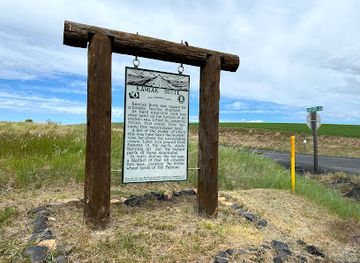
WA Historical Marker #32 - Kamiak Butte
Discover the historical significance and breathtaking views at WA Historical Marker #32 - Kamiak Butte in the heart of Washington's scenic Palouse region.
Explore The Palouse on the map
Plan your trip on one map. See where the top cities, national parks and sights are, and book hotels and experiences in a few clicks.
Best hotels in The Palouse
Best restaurants in The Palouse
Dining in the Washington Palouse combines university-town variety with the straightforward food traditions of agricultural communities. Pullman has the widest choice, including cafés, bakeries, international restaurants, casual American dining, breweries and restaurants serving students, residents and visitors. Colfax, Palouse and smaller towns generally offer a more limited selection centred on cafés, diners, taverns and community-oriented eateries. Regional produce is shaped by wheat, lentils, peas, barley and other crops grown across the Palouse, while nearby inland Northwest farms contribute meat, dairy, fruit and vegetables. Menus may not always present these ingredients as a formal regional cuisine, but the agricultural connection is central to the area's food economy. Farmers' markets and seasonal community events can provide local produce and baked goods when operating, with dates varying through the year. The presence of Washington State University also gives Pullman a more varied international and contemporary dining scene than might be expected from its rural setting.
-
Grill
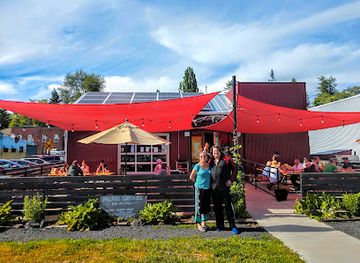
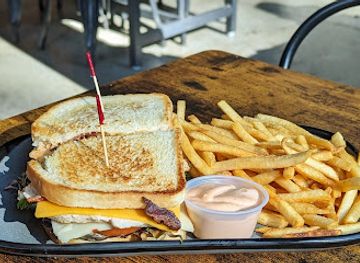
Palouse Caboose Bar And Grill
Experience delectable dishes and vibrant ambiance at Palouse Caboose Bar And Grill in Washington - perfect for families and friends!
-
Brewpub
Palouse Brewing Company
Experience exceptional craft beers and delicious food at Palouse Brewing Company in Washington's charming town of Palouse.
Best bars in The Palouse
Evening life in the Washington Palouse is concentrated in Pullman, where Washington State University's student population supports pubs, breweries, casual bars, live music, coffee shops and occasional cultural programming. The atmosphere and availability of venues can change markedly during university holidays and between term time and summer. Colfax and Palouse have a quieter social scene, generally based on traditional bars, restaurants, community gatherings and local events rather than a large nightclub circuit. Rural evenings are more likely to centre on dining, conversation or seasonal activities than late-night entertainment. Visitors should not assume that small communities have taxis or venues open late, so transport and closing arrangements are worth considering in advance. The region's breweries and taprooms, where available, offer a local way to sample the wider inland Northwest craft-beverage culture, while non-alcoholic cafés and university arts events provide alternative evening options.
-
European
The Old European Restaurant
Experience the best of European breakfast and brunch at The Old European Restaurant in Pullman, WA, where tradition meets flavor.
-
American
South Fork Public House
Discover the heart of American cuisine at South Fork Public House, where delicious flavors and a welcoming atmosphere await you in Pullman, WA.
-
American
Birch and Barley
Discover the heart of American cuisine at Birch and Barley in Pullman, WA, where comfort food meets a vibrant atmosphere.
-
Grill
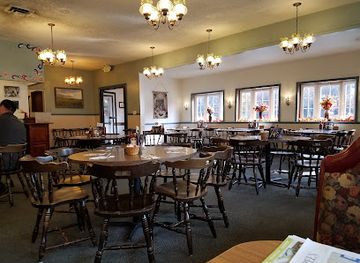
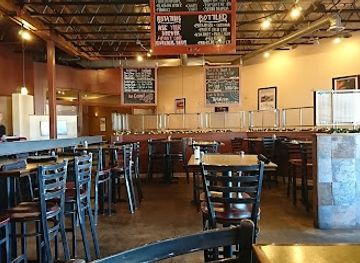
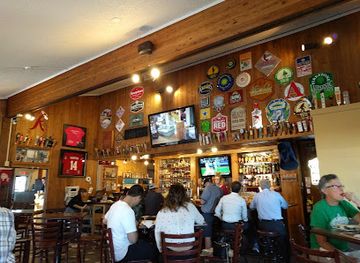
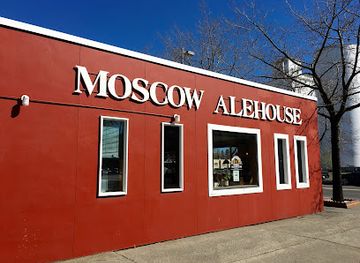
Moscow Alehouse
Experience the best of Idaho's grill cuisine at Moscow Alehouse, where delicious food meets a vibrant atmosphere for all visitors.
Best nightclubs in The Palouse
Evening life in the Washington Palouse is concentrated in Pullman, where Washington State University's student population supports pubs, breweries, casual bars, live music, coffee shops and occasional cultural programming. The atmosphere and availability of venues can change markedly during university holidays and between term time and summer. Colfax and Palouse have a quieter social scene, generally based on traditional bars, restaurants, community gatherings and local events rather than a large nightclub circuit. Rural evenings are more likely to centre on dining, conversation or seasonal activities than late-night entertainment. Visitors should not assume that small communities have taxis or venues open late, so transport and closing arrangements are worth considering in advance. The region's breweries and taprooms, where available, offer a local way to sample the wider inland Northwest craft-beverage culture, while non-alcoholic cafés and university arts events provide alternative evening options.
-
Grill
Palouse Caboose Bar And Grill
Experience the delightful flavors of Palouse Caboose Bar and Grill, where exceptional food meets a warm and inviting atmosphere.
Best shops in The Palouse
-
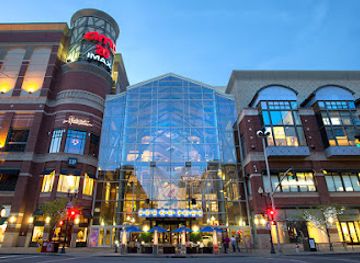
Shopping mall
River Park Square
Experience the best of shopping, dining, and entertainment at River Park Square in Downtown Spokane – a vibrant hub for locals and tourists alike.
-
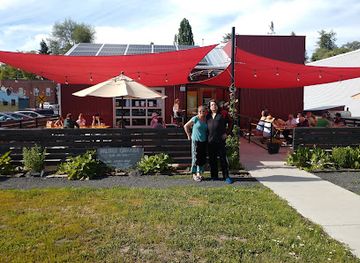
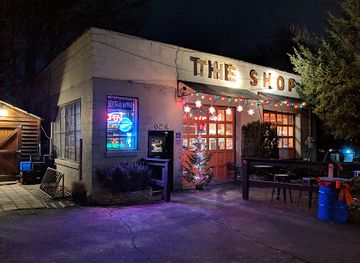
Bakery
The Shop
Discover Spokane's hidden gem, The Shop Bakery, where delightful pastries and fresh-baked goods meet a warm and inviting atmosphere.
-
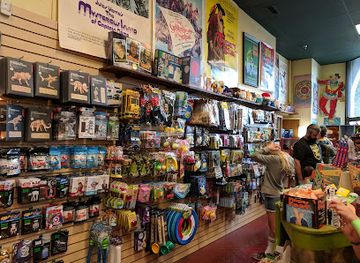
Gift shop
Boo Radley's
Explore Boo Radley's, a unique gift and toy store in Downtown Spokane, where quirky treasures await every visitor.
-
Shopping mall
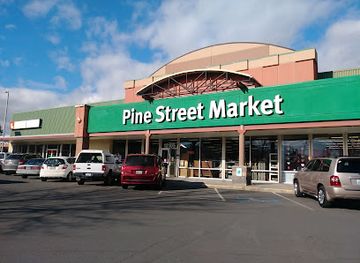
Pine Street Market & Boutique
Explore Pine Street Market & Boutique in Spokane Valley for unique artisanal goods, local crafts, and an unforgettable shopping experience.
Get your free copy of our complete guide to The Palouse, delivered straight to you.
Everything on this page, from attractions and restaurants to essentials and local phrases, in one PDF you can read offline, print or share.
Already have an account? Sign in
Your The Palouse guide is ready.
We'll send it to · Not you? Sign out

Getting your guide ready…
We are putting together a fresh copy of the The Palouse guide. This can take up to a minute.
This can take a few moments. If your browser asks, choose Allow so the download can start. You'll find the guide in your Downloads folder.
Nothing happened? Download it again
Sorry, the guide is taking longer than usual. Please try again in a minute, or get it by email instead.
The Palouse essentials
Currency and Payment
Safety
Emergency Situations
Do's and Don'ts
Local Tips
From Eve
Local phrases worth knowing
You don't need to get them perfect. A few words go a long way, and locals appreciate the effort.
Basics
| English | Local | Say it |
|---|---|---|
| Hello | Howdy | [hau-dee] |
| Goodbye | See ya later | [see yah lay-ter] |
| Yes | Yup | [yuhp] |
| No | Nah | [nah] |
| Please/You're welcome | Sure thing | [shur thing] |
| Thank you | Thanks a bunch | [thangs a bunch] |
| Excuse me/Sorry | Pardon me | [par-dun me] |
| How are you? | How's it going? | [how's it goin'?] |
| Fine. And you? | Good. And you? | [good. and you?] |
| Do you speak English? | You speakin' English? | [yoo speakin' ing-glish?] |
| I don't understand | I'm not following | [I'm not followin'] |
Eating & Drinking
| English | Local | Say it |
|---|---|---|
| I'd like to see the menu, please | Can I see the menu? | [can I see the menu?] |
| I don't eat meat | I'm a vegetarian | [I'm a vege-tarian] |
| Cheers! | Cheers! | [cheers] |
| I would like to pay, please | Can I get the check? | [can I get the check?] |
Emergencies
| English | Local | Say it |
|---|---|---|
| Help! | Help! | [help] |
| Go away! | Leave me alone! | [leave me alone] |
| Call the Police! | Call the cops! | [call the cops] |
| Call a doctor! | Get a doctor! | [get a doctor] |
| I'm lost | I'm turned around | [I'm turned around] |
| I'm ill | I'm not feeling well | [I'm not feelin' well] |
Shopping
| English | Local | Say it |
|---|---|---|
| I'd like to buy... | I'm looking to buy... | [I'm lookin' to buy...] |
| I'm just looking | Just browsing | [just browsin'] |
| How much is it? | What's the price? | [what's the price?] |
| That's too expensive | That's a bit steep | [that's a bit steep] |
| Can you lower the price? | Can you make it cheaper? | [can you make it cheaper?] |
Time & Numbers
| English | Local | Say it |
|---|---|---|
| What time is it? | What's the time? | [what's the time?] |
| It's one o'clock | It's one | [it's one] |
| Half past (10) | Half past ten | [half past ten] |
| Morning | Morning | [morning] |
| Afternoon | Afternoon | [afternoon] |
| Evening | Evening | [evening] |
| Yesterday | Yesterday | [yesterday] |
| Today | Today | [today] |
| Tomorrow | Tomorrow | [tomorrow] |
| 1 | One | [one] |
| 2 | Two | [two] |
| 3 | Three | [three] |
| 4 | Four | [four] |
| 5 | Five | [five] |
| 6 | Six | [six] |
| 7 | Seven | [seven] |
| 8 | Eight | [eight] |
| 9 | Nine | [nine] |
| 10 | Ten | [ten] |
Transport & Directions
| English | Local | Say it |
|---|---|---|
| Where's a/the...? | Where's the...? | [where's the...?] |
| What's the address? | What's the address? | [what's the address?] |
| Can you show me (on the map)? | Can you point it out? | [can you point it out?] |
| When's the next (bus)? | When's the next bus? | [when's the next bus?] |
| A ticket (to ....) | A ticket to... | [a ticket to...] |
History of The Palouse
Indigenous Palus and Nez Perce Homelands
Before Euro-American settlement, the Palouse landscape was part of the homelands and travel networks of Indigenous peoples including the Palus and the Nimi'ipuu, commonly known in English as the Nez Perce. Rivers, grasslands and seasonal resources shaped movement and exchange across what is now south-eastern Washington and neighbouring Idaho. The regional name is generally linked to the Palus people, although its precise linguistic history has been discussed by scholars. Indigenous presence did not end with later settlement, and tribal communities remain part of the wider cultural history of the inland Pacific Northwest.
Exploration and Changing Territorial Control
The early nineteenth century brought increasing contact between Indigenous communities, fur traders, missionaries and explorers. The Lewis and Clark Expedition travelled through the wider inland Northwest in 1805 and 1806, while subsequent missionary and commercial activity altered established patterns of trade and movement. Treaties and the expansion of United States authority placed severe pressure on Indigenous sovereignty and landholding. The Palouse was subsequently incorporated into the changing administrative structures of the Oregon and Washington territories before Washington achieved statehood in 1889.
Settlement and Dryland Agriculture
From the late nineteenth century, Euro-American settlers transformed the Palouse grasslands into one of the most productive dryland farming areas in the United States. The region's deep wind-deposited soils supported wheat and later a wider range of crops, but farming also brought soil erosion, habitat loss and dependence on fluctuating commodity markets. Farmsteads, grain elevators, country roads and small service towns developed around this agricultural economy. Much of the landscape visible today is therefore the result of generations of cultivation rather than untouched prairie.
Railways and the Growth of Towns
Railway construction in the late nineteenth and early twentieth centuries connected Palouse communities with larger markets and helped determine the location and prosperity of towns. Colfax became an important county and transport centre, while Pullman, Palouse, Rosalia, Oakesdale and other settlements developed commercial roles linked to farming and shipping. Rail lines reduced the isolation of rural producers and encouraged grain storage, banking, hotels, shops and civic construction. Although many former railway services have disappeared, historic town centres and railway-related buildings still reflect this period.
The Founding of Washington State University
Washington State University began in Pullman in 1890 as Washington State's land-grant college, initially known as the Agricultural College, Experiment Station and School of Science. Its research and teaching have long been connected with the region's farming environment, particularly crop science and agricultural technology. The institution expanded Pullman's population, architecture and cultural life, gradually making the town the Palouse's principal educational centre. Its presence also created a strong connection between local communities, agricultural research and wider national and international academic networks.
Modern Agricultural and Environmental Change
During the twentieth and early twenty-first centuries, Palouse agriculture became increasingly mechanised and commercially integrated, while farmers and researchers continued to address erosion, water management, crop diversity and changing markets. Wheat remains a defining crop, but pulses and other grains are also significant. Conservation practices have sought to reduce the effects of cultivation on the region's steep slopes and waterways. At the same time, Pullman's university economy and the preservation of small-town heritage have added educational, cultural and recreational dimensions to a landscape still fundamentally shaped by farming.
The Palouse in Photos
Browse through our photo collection highlighting the charm and character of the destination.
Neighbouring regions of The Palouse
The closest regions to The Palouse, if you have time for more than one.
-

-

-

-

-


Swipe for more regions
Explore more

Explore more of Washington
Explore Washington State: From the vibrant streets of Seattle to the tranquil beauty of the Olympic Peninsula, discover the diverse landscapes, culture, and adventures awaiting you.
Explore Washington