

Free The Okanogan Travel Guide & Mobile App
Explore The Okanogan with free travel guides. Discover regional history, expert tips, proposed trips, and audio guides on web or mobile app.


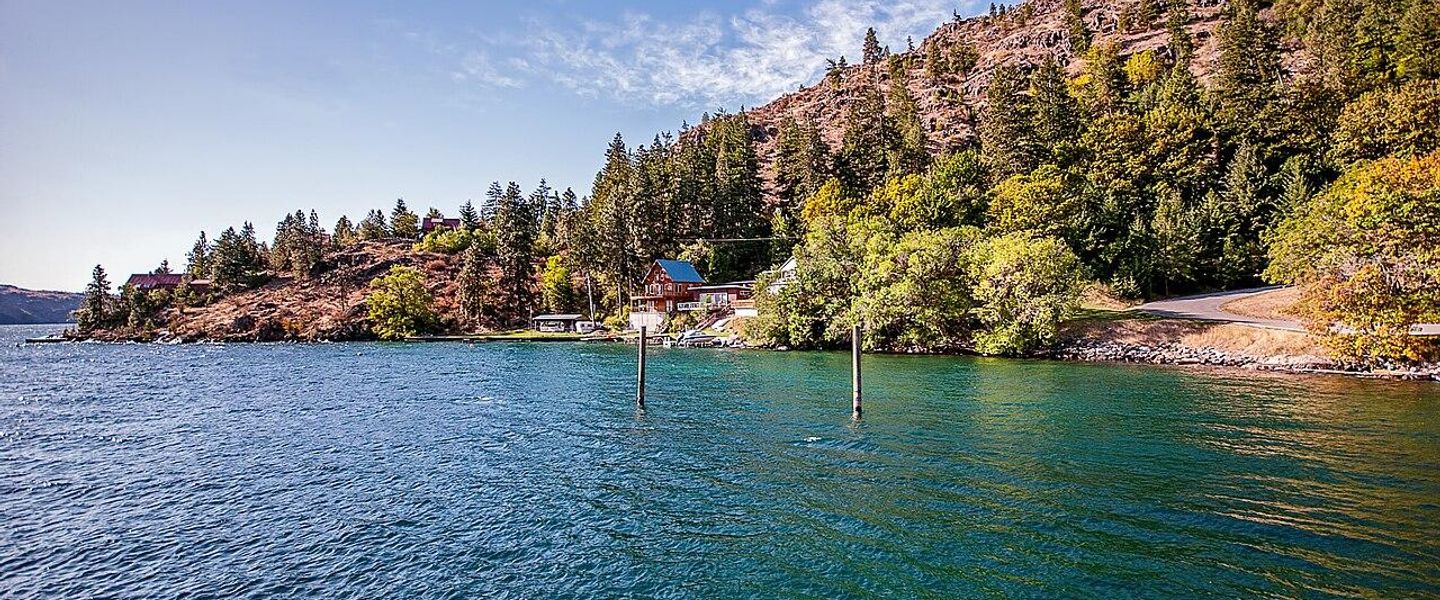


The Okanogan pairs Washington's dry river valleys and orchard country with North Cascade wilderness, historic towns and year-round outdoor pursuits.
Read more about The Okanogan
Getting to and around The Okanogan
How to get there
Transportation
Destinations in The Okanogan
Resorts, valleys and scenic spots worth a trip of their own.
-
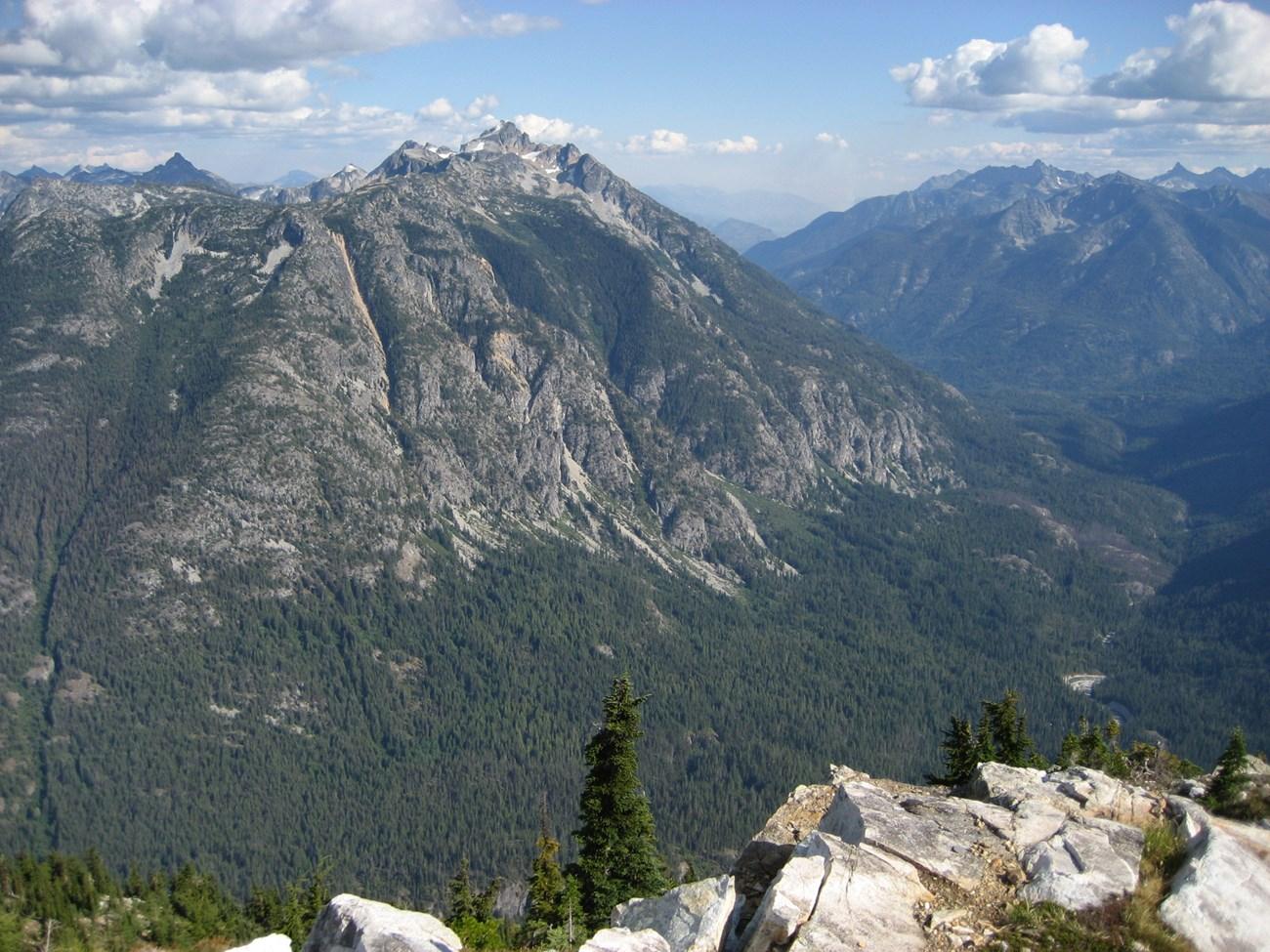 North Cascades National Park
 in Washington offers glaciers, alpine lakes, jagged peaks, wilderness trails and scenic drives through the American mountains.
North Cascades National Park
North Cascades National Park in Washington offers glaciers, alpine lakes, jagged peaks, wilderness trails and scenic drives through the American mountains.
-

-
-


Swipe for more destinations
Best attractions in The Okanogan
The Okanogan's attractions range from river-valley history to high mountain wilderness. Fort Okanogan State Park near Brewster interprets the early fur trade, while the Okanogan County Historical Museum in Okanogan provides context for Indigenous, settler, agricultural and mining histories. The Omak Stampede grounds are associated with one of the region's best-known annual events. Around the Methow Valley, Winthrop's western-style streets, Twisp's arts scene and the trail systems near Mazama provide different ways to experience a landscape shaped by ranching and recreation. Pearrygin Lake and Conconully state parks offer camping, boating and water-based activities, while the Okanogan-Wenatchee National Forest and Pasayten Wilderness open into extensive hiking, riding, fishing and winter recreation country. The western edge of the region reaches North Cascades National Park, where access and road conditions vary by season. In the lower valleys, orchard roads, open hills and Columbia River viewpoints create a more spacious, dry-country experience than the forested mountains farther west.
-
Scenic spot
Washington Pass Observation Site
Discover the stunning vistas and hiking trails at the Washington Pass Observation Site, a gem in the heart of the North Cascades.
-
Historical place museum
Okanogan County Historical Museum
Explore the captivating history of Okanogan County at the Historical Museum, where stories and artifacts illuminate the past.
-
Park
Fort Okanogan Interpretive Center - Colville Confederated Tribes
Discover the culture, history, and natural beauty at Fort Okanogan Interpretive Center, a unique park showcasing the Colville Confederated Tribes.


Best landmarks in The Okanogan
The Okanogan River is the region's defining geographical landmark, running north through orchard country and linking communities that developed around water, transport and agriculture. At its southern end, the historic Fort Okanogan site near the Columbia River marks an important chapter in the fur trade and river commerce. In Omak, the Okanogan County Courthouse is a notable civic presence, while the Omak Stampede grounds represent the continuing public importance of rodeo and ranching culture. Winthrop's preserved western-style commercial streets form one of the region's most recognisable built landscapes, although their appearance reflects a modern historic-design effort as well as earlier settlement. Farther west, the rugged skyline of the North Cascades, the Pasayten Wilderness and the high country above the Methow Valley provide natural landmarks of much greater scale. Washington Pass, on the high route west of the Methow Valley, is particularly associated with dramatic mountain scenery, but access is seasonal and road conditions demand advance checking.
-
Historical place museum
Okanogan County Historical Museum
Discover Okanogan County's rich history at the Okanogan County Historical Museum, where local culture and heritage come to life through captivating exhibits.
-
Historical landmark
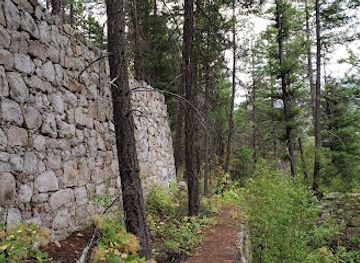
China Wall
Explore the enchanting China Wall in Okanogan, WA, where stunning natural beauty meets intriguing historical significance.
-
Historical landmark
WA State Historical Marker #28 - Fort Okanogan
Explore the history and natural beauty at Fort Okanogan, a key historical landmark in Washington State known for its rich cultural heritage and scenic views.
-
Historical landmark
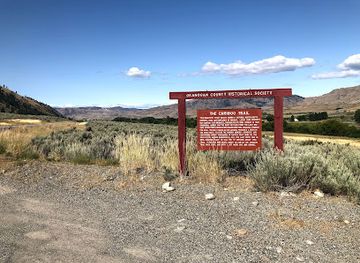
The Cariboo Trail Historic Marker
Explore the Cariboo Trail Historic Marker in Okanogan, WA, a captivating site that showcases the rich history of the Cariboo Gold Rush and its impact on the region.
Explore The Okanogan on the map
Plan your trip on one map. See where the top cities, national parks and sights are, and book hotels and experiences in a few clicks.
Best hotels in The Okanogan
Best restaurants in The Okanogan
Dining in the Okanogan reflects a rural agricultural economy and the distances between communities. Omak, Okanogan, Tonasket, Twisp and Winthrop provide the broadest choice of cafés, family restaurants, bakeries, pubs and contemporary kitchens, while smaller settlements may have only a few places to eat. Irrigated valleys produce apples, pears, cherries and other fruit, and seasonal farm stands and markets are useful places to find local harvests, preserves and baked goods. Ranching also shapes menus, although beef and other American staples are part of the wider national food culture rather than exclusively regional traditions. In the Methow Valley, cafés and restaurants cater to hikers, cyclists and skiers, while river and orchard communities offer practical, informal dining. Check availability before travelling between towns, particularly outside summer, and remember that some rural businesses operate seasonally or close on particular days.
-
Italian
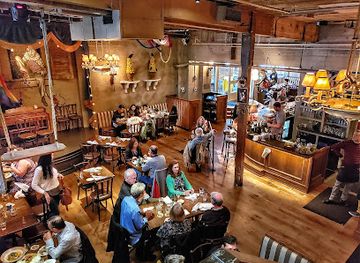
The Pink Door
Experience exquisite Italian cuisine at The Pink Door in Seattle's charming Post Alley—where delicious food meets captivating entertainment.
-
Casino
12 Tribes Omak Casino Hotel
Discover thrilling gaming and luxurious accommodations at 12 Tribes Omak Casino Hotel—your ultimate destination for entertainment in Washington.
-
Grill
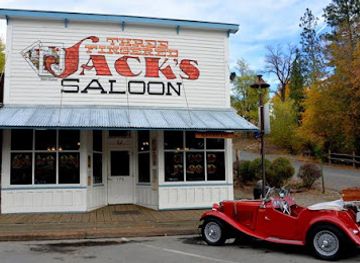
Three Fingered Jack’s Saloon
Discover delicious meals and vibrant entertainment at Three Fingered Jack's Saloon in Winthrop - a family-friendly grill with something for everyone!
-
Hotel
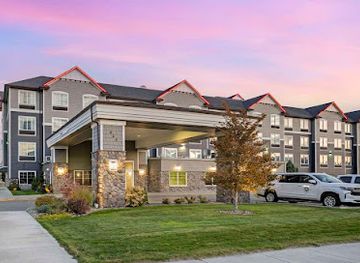
Best Western Plus Peppertree Inn at Omak
Experience comfort and convenience at Best Western Plus Peppertree Inn in Omak, WA – your gateway to exploring Washington's scenic beauty.

Best bars in The Okanogan
Evening life in the Okanogan is centred on traditional pubs, restaurants, breweries, bars and occasional live music rather than a large nightclub circuit. Winthrop and Twisp have the most recognisable visitor-oriented evening scenes in the Methow Valley, with a mixture of historic-style bars, dining rooms and small entertainment venues. Omak and Okanogan serve as the main social centres farther south, while smaller communities generally become quiet after dinner. The Omak Stampede and other seasonal gatherings can bring temporary energy to the towns, but they should not be confused with permanent nightlife districts. Rural evening culture is often best approached through a meal, a local drink, conversation or an early start for the following day's outdoor activity. Check current arrangements locally, as opening patterns can change with the season and staffing.
-
Casino
12 Tribes Omak Casino Hotel
Discover the ultimate blend of gaming, relaxation, and dining at 12 Tribes Omak Casino Hotel in Washington State.
-
Restaurant
Breadline Cafe
Discover the flavors of Omak at Breadline Cafe, where homemade food meets a cozy atmosphere, perfect for a delightful dining experience.
-
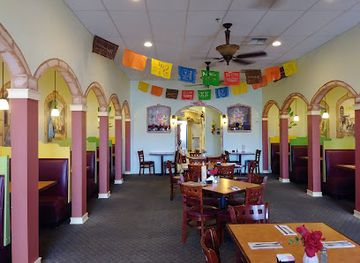
Mexican
El Portal
Experience authentic Mexican flavors and vibrant cocktails at El Portal in Omak, a family-friendly gem perfect for any occasion.
-
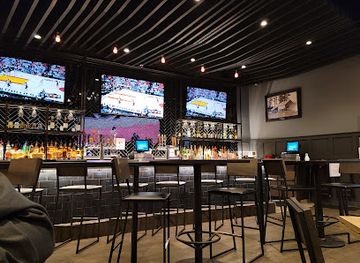
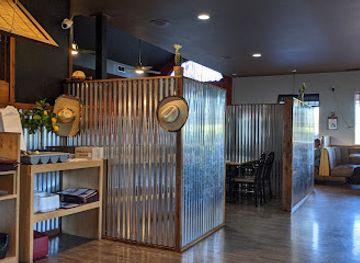
Bar
El Torito Bar & Grill
Experience the vibrant flavors of El Torito Bar & Grill in Omak, WA, where delicious food meets a lively atmosphere for an unforgettable dining experience.

Best nightclubs in The Okanogan
Evening life in the Okanogan is centred on traditional pubs, restaurants, breweries, bars and occasional live music rather than a large nightclub circuit. Winthrop and Twisp have the most recognisable visitor-oriented evening scenes in the Methow Valley, with a mixture of historic-style bars, dining rooms and small entertainment venues. Omak and Okanogan serve as the main social centres farther south, while smaller communities generally become quiet after dinner. The Omak Stampede and other seasonal gatherings can bring temporary energy to the towns, but they should not be confused with permanent nightlife districts. Rural evening culture is often best approached through a meal, a local drink, conversation or an early start for the following day's outdoor activity. Check current arrangements locally, as opening patterns can change with the season and staffing.
-
Night club
Sarajevo Nightclub
Discover the electric nightlife at Sarajevo Nightclub in Seattle, where dance, music, and unforgettable experiences await you.
-
Grill
The Club
Experience the vibrant flavors of The Club in Okanogan, where delicious grilled dishes meet a lively atmosphere for an unforgettable dining experience.
-
Asian
The Red Light Bar and Restaurant
Experience the best of Asian cuisine at The Red Light Bar and Restaurant in Okanogan, WA, where flavors delight and ambiance enchants.
-
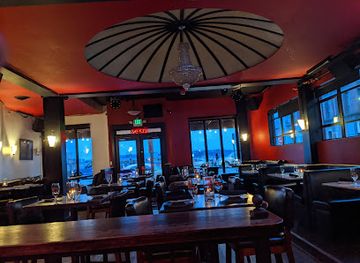
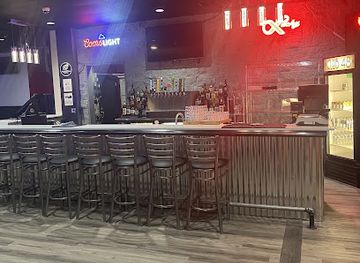
Night club
Club 48, LLC
Discover the vibrant nightlife of Yakima at Club 48, a thrilling night club that combines bar vibes with casino excitement.


Best shops in The Okanogan
Shopping in the Okanogan is concentrated in the main towns rather than in large retail centres. Omak and Okanogan provide everyday shops and services, while Winthrop and Twisp have more visitor-oriented selections of outdoor equipment, books, galleries, locally made goods and small independent retailers. Tonasket and Oroville serve northern valley communities and are useful stops for supplies. Seasonal farmers' markets and orchard stands are the best places to look for apples, cherries, pears, preserves, honey and other agricultural products, subject to harvest timing. Galleries and craft shops in the Methow Valley may feature ceramics, paintings, textiles, jewellery and woodwork connected to the surrounding landscape. Winthrop's western-themed shops sell souvenirs and clothing, but visitors should distinguish locally made goods from generic frontier-style merchandise. In rural districts, stock can be limited and trading hours variable, so buy essential outdoor supplies before leaving the larger towns.
-
Shopping mall
Omache Shopping Center
Experience shopping like never before at the Omache Shopping Center, your go-to destination for retail therapy in Omak, Washington.
-
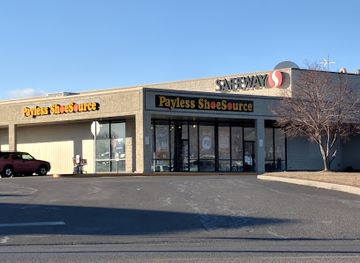
General store
North 40 Outfitters
Explore North 40 Outfitters in Omak, WA, your ultimate destination for outdoor gear, pet supplies, and unique western apparel.
-
Grocery store
Okanogan IGA Market
Discover the Okanogan IGA Market, your one-stop grocery shop for fresh produce, local specialties, and everyday essentials in Okanogan, WA.
-
Gift shop
Smallwood Farms
Explore Smallwood Farms in Okanogan for fresh produce, unique gifts, and a cozy café experience, all in a beautiful rural setting.
Get your free copy of our complete guide to The Okanogan, delivered straight to you.
Everything on this page, from attractions and restaurants to essentials and local phrases, in one PDF you can read offline, print or share.
Already have an account? Sign in
Your The Okanogan guide is ready.
We'll send it to · Not you? Sign out

Getting your guide ready…
We are putting together a fresh copy of the The Okanogan guide. This can take up to a minute.
This can take a few moments. If your browser asks, choose Allow so the download can start. You'll find the guide in your Downloads folder.
Nothing happened? Download it again
Sorry, the guide is taking longer than usual. Please try again in a minute, or get it by email instead.
The Okanogan essentials
Currency and Payment
Safety
Emergency Situations
Do's and Don'ts
Local Tips
From Eve
Local phrases worth knowing
You don't need to get them perfect. A few words go a long way, and locals appreciate the effort.
Basics
| English | Local | Say it |
|---|---|---|
| Hello | Hi | [hai] |
| Goodbye | See you later | [si yu layter] |
| Yes | Yep | [yehp] |
| No | Nope | [nohp] |
| Please/You're welcome | Sure thing | [shoer thing] |
| Thank you | Thanks | [thangs] |
| Excuse me/Sorry | Sorry about that | [sorree abowt that] |
| How are you? | How's it going? | [howz it goin] |
| Fine. And you? | Doing good, you? | [dooing good, yu] |
| Do you speak English? | Can you talk English? | [kan yu talk inglish] |
| I don't understand | I'm not getting it | [im not getting it] |
Eating & Drinking
| English | Local | Say it |
|---|---|---|
| I'd like to see the menu, please | Can I see the menu? | [kan I see thuh menu] |
| I don't eat meat | I'm a vegetarian | [im a vejetarian] |
| Cheers! | Cheers! | [cheers] |
| I would like to pay, please | Can I get the bill? | [kan I get thuh bil] |
Emergencies
| English | Local | Say it |
|---|---|---|
| Help! | Help! | [help] |
| Go away! | Leave me alone! | [leave me alone] |
| Call the Police! | Call 911! | [call nine one one] |
| Call a doctor! | Get a doctor! | [get a doktor] |
| I'm lost | I'm lost | [im lost] |
| I'm ill | I'm not feeling well | [im not feeling well] |
Shopping
| English | Local | Say it |
|---|---|---|
| I'd like to buy... | I want to buy... | [I want to buy...] |
| I'm just looking | Just browsing | [just browsing] |
| How much is it? | What's the price? | [whats thuh price] |
| That's too expensive | That's a bit pricey | [thats a bit pricey] |
| Can you lower the price? | Can you make it cheaper? | [kan yu make it cheeper] |
Time & Numbers
| English | Local | Say it |
|---|---|---|
| What time is it? | What time is it? | [what time is it] |
| It's one o'clock | It's one | [its one] |
| Half past (10) | Half past ten | [half past ten] |
| Morning | Morning | [morning] |
| Afternoon | Afternoon | [afternoon] |
| Evening | Evening | [evening] |
| Yesterday | Yesterday | [yesterday] |
| Today | Today | [today] |
| Tomorrow | Tomorrow | [tomorrow] |
| 1 | One | [wun] |
| 2 | Two | [too] |
| 3 | Three | [three] |
| 4 | Four | [for] |
| 5 | Five | [fiv] |
| 6 | Six | [siks] |
| 7 | Seven | [sev-en] |
| 8 | Eight | [ate] |
| 9 | Nine | [nien] |
| 10 | Ten | [ten] |
Transport & Directions
| English | Local | Say it |
|---|---|---|
| Where's a/the...? | Where's the...? | [wheres thuh...?] |
| What's the address? | What's the address? | [whats thuh address] |
| Can you show me (on the map)? | Can you point it out? | [kan yu point it out] |
| When's the next (bus)? | When's the next bus? | [whens thuh next bus] |
| A ticket (to ....) | One ticket to... | [won tiket to...] |
History of The Okanogan
Indigenous Okanogan River Cultures
The Okanogan River and its tributaries have supported Indigenous communities for thousands of years through fishing, hunting, gathering and seasonal movement. The wider region is associated with Okanagan-speaking peoples and with communities of the Confederated Tribes of the Colville Reservation, whose reservation occupies a substantial area south of the Columbia River. Traditional knowledge, place names and continuing cultural practices remain important to the region. Visitors should understand that many landscapes are living cultural places rather than empty wilderness, and that access to tribal lands and cultural events is governed by local rules.
Fur Trade and Fort Okanogan
In the early nineteenth century, the North West Company established Fort Okanogan near the junction of the Okanogan and Columbia rivers. The post later came under the Hudson's Bay Company and operated as a trading and supply centre for the interior Pacific Northwest. Its position connected river routes, Indigenous trade networks and the company's wider system of posts. The original buildings have not survived, but Fort Okanogan State Park near present-day Brewster interprets the site's role through a reconstructed fort and museum exhibits.
Boundary-Making and American Settlement
The international boundary in the Pacific Northwest was established in the nineteenth century, dividing the Okanogan Valley between what became British Columbia and the United States. American settlement increased after the creation of Washington Territory, although Indigenous communities continued to experience land loss and political pressure. Towns and transport routes gradually developed along the river corridors and over the mountain passes. The modern Okanogan therefore reflects overlapping Indigenous, Canadian, American, agricultural and extractive histories rather than a single settlement narrative.
Mining, Ranching and Orchard Development
Mining attracted prospectors to parts of the Okanogan Highlands during the late nineteenth and early twentieth centuries, while ranching became a durable foundation of the valley economy. Irrigation then helped transform warmer lowland districts into productive orchard country, particularly around communities such as Okanogan, Omak, Tonasket and Oroville. Apples, pears and other tree fruit connected the region to national markets. Remnants of mining camps, ranch buildings, irrigation works, packing operations and historic commercial streets still reveal how strongly land use was shaped by transport, water and seasonal labour.
Roads, Railways and Regional Towns
Improved roads and railway connections altered the scale of trade and settlement across north-central Washington. The Great Northern Railway reached the Okanogan Valley in the early twentieth century, helping move agricultural products, livestock and people between the interior and larger markets. Towns became service centres for extensive rural districts, and roads eventually made mountain recreation more accessible. Today, the region's highways still follow the geography of rivers and passes, while the relative lack of dense urban development preserves much of its open, inter-valley character.
The Methow Valley and Outdoor Recreation
The Methow Valley developed from a ranching and farming landscape into one of Washington's best-known centres for outdoor recreation without losing its agricultural identity. Winthrop's western-style commercial architecture emerged from a twentieth-century effort to reinforce its frontier character, while cross-country skiing, hiking, cycling and mountain tourism expanded around the valley. The creation and management of protected areas in the surrounding mountains, including the Pasayten Wilderness and lands within the Okanogan-Wenatchee National Forest, shaped modern patterns of conservation, recreation and seasonal employment.
The Omak Stampede and Contemporary Cultural Life
First held in 1933, the Omak Stampede developed into a major annual rodeo and community event, associated with ranching traditions and the region's summer calendar. Its programme and cultural context deserve respectful, informed interpretation, particularly where Indigenous participation and regional history are involved. Contemporary Okanogan life also includes orchard agriculture, tribal communities, small businesses, arts, conservation work and outdoor tourism. These modern activities coexist with continuing debates about water, wildfire, land management, housing and the economic future of rural communities.
The Okanogan in Photos
Browse through our photo collection highlighting the charm and character of the destination.
Neighbouring regions of The Okanogan
The closest regions to The Okanogan, if you have time for more than one.
-

-

-

-
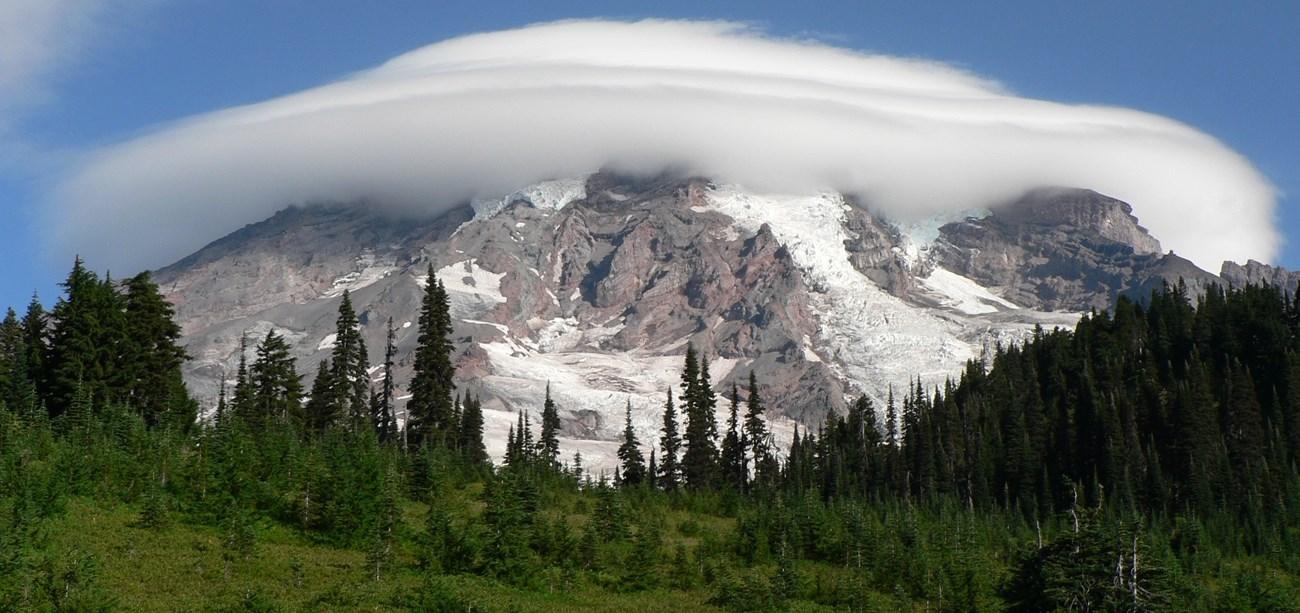 Central Washington
Explore Central Washington for mountain towns, orchard valleys, Columbia Plateau landscapes, river recreation, wine and farm-to-table flavours.
Central Washington
Explore Central Washington for mountain towns, orchard valleys, Columbia Plateau landscapes, river recreation, wine and farm-to-table flavours.
-


Swipe for more regions
Explore more

Explore more of Washington
Explore Washington State: From the vibrant streets of Seattle to the tranquil beauty of the Olympic Peninsula, discover the diverse landscapes, culture, and adventures awaiting you.
Explore Washington