

Free Central Wisconsin Travel Guide & Mobile App
Explore Central Wisconsin with free travel guides. Discover regional history, expert tips, proposed trips, and audio guides on web or mobile app.


Central Wisconsin combines Wausau and Stevens Point with river trails, forests, cranberry country, arts, wildlife and year-round outdoor recreation.
Read more about Central Wisconsin
Getting to and around Central Wisconsin
How to get there
Transportation
Top city travel guides in Central Wisconsin
The cities of Central Wisconsin, and the easiest places to base yourself.

Swipe for more cities
Best attractions in Central Wisconsin
Central Wisconsin's attractions combine river recreation, conservation areas, museums and the remnants of timber and agricultural communities. Around Wausau, Rib Mountain State Park provides hiking, viewpoints and winter recreation, while the Leigh Yawkey Woodson Art Museum gives the city an important cultural focus. Stevens Point offers the Green Circle Trail, Schmeeckle Reserve and the Wisconsin River, with opportunities for walking, cycling, paddling and wildlife observation. South of the main urban centres, the cranberry-growing landscape around Wisconsin Rapids can be explored through seasonal farm experiences and local interpretation. Mead Wildlife Area, near Milladore, protects a broad wetland and grassland environment for birdwatching and nature study. Marshfield adds Wildwood Park and Wildwood Station, combining a zoo, natural areas and heritage interpretation. Across the region, local historical museums, railway-era districts, farmers' markets and community arts venues offer a more intimate understanding of working Central Wisconsin than a simple circuit of headline attractions.
-
State park
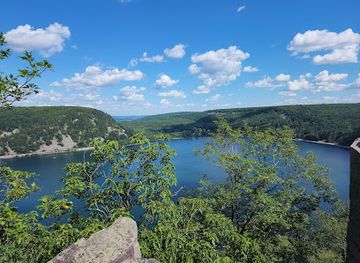
Devil's Lake State Park
Explore the natural wonders of Devil's Lake State Park, where adventure meets breathtaking scenery in the heart of Wisconsin.
-
Heritage museum
Harley-Davidson Museum
Discover the rich history of Harley-Davidson at the iconic museum in Milwaukee, where motorcycles meet culture in a celebration of freedom and adventure.
-
Art museum
Milwaukee Art Museum
Discover breathtaking art and stunning architecture at the Milwaukee Art Museum, a cultural icon on the shores of Lake Michigan.
-
Tourist attraction
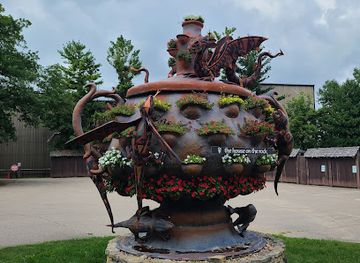
The House on the Rock
Discover the enchanting House on the Rock, where imagination meets artistry in a breathtaking blend of architecture and nature.


Best landmarks in Central Wisconsin
The Wisconsin River is Central Wisconsin's defining natural landmark, passing Wausau, Stevens Point and Wisconsin Rapids and shaping settlement, industry, recreation and transport. At Wausau, Rib Mountain is a prominent geological and visual feature, rising above the city and preserved within Rib Mountain State Park. Former mill towns and railway corridors along the river retain civic buildings and commercial architecture that reflect the timber and manufacturing era. In Stevens Point, the historic downtown and riverfront express the city's development as a transport, trading and educational centre. Wisconsin Rapids is closely associated with the engineered landscapes of cranberry cultivation, where bogs, ditches and woodland form a distinctive agricultural setting. The region's forests, wetlands and open glacial plains are landmarks in a broader geographical sense: they explain why logging, farming, wildlife conservation and outdoor recreation developed here. Unlike a region dominated by monumental castles or cathedrals, Central Wisconsin's most recognisable places are working landscapes, river structures, wooded heights and carefully preserved community buildings.
-
Tourist attraction
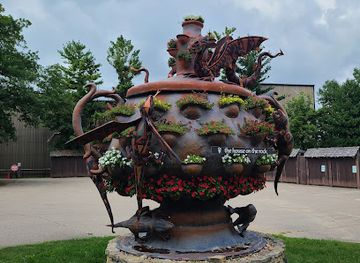
The House on the Rock
Discover the surreal artistry of The House on the Rock, a unique Wisconsin attraction that blends stunning architecture with whimsical collections.
-
Tourist attraction
Cave of the Mounds
Discover the stunning geological formations and natural beauty of the Cave of the Mounds, an unforgettable adventure in Wisconsin's wilderness.
-
Historical place museum
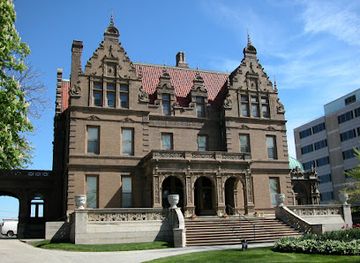
Pabst Mansion
Discover the opulent Pabst Mansion, a historical gem in Milwaukee showcasing exquisite 19th-century architecture and rich family heritage.
-
History museum
Circus World | A Wisconsin Historic Site
Explore the enchanting world of circus history at Circus World in Baraboo, Wisconsin—a captivating attraction for families and history enthusiasts alike.


Explore Central Wisconsin on the map
Plan your trip on one map. See where the top cities, national parks and sights are, and book hotels and experiences in a few clicks.
Best hotels in Central Wisconsin
Best restaurants in Central Wisconsin
Dining in Central Wisconsin reflects Midwestern agriculture, river towns and a strong connection to locally produced food. Restaurants in Wausau, Stevens Point, Marshfield and Wisconsin Rapids range from cafés and family-owned diners to brew-centred venues, contemporary restaurants and traditional supper-club-style establishments. Cheese, dairy products, sausages, burgers, fish and seasonal vegetables are common on menus, while cranberries appear in drinks, sauces, baked goods and preserves, particularly around Wisconsin Rapids. Farmers' markets and farm shops provide opportunities to buy local produce, maple products, preserves and prepared foods. Wisconsin's wider brewing culture is well represented, and locally made beer often accompanies casual dining. In rural areas, opening days and evening choices are more limited, so planning ahead is sensible. Visitors should also expect portions and service customs associated with the United States, including table-service tipping, rather than assuming every dish marketed as local is exclusive to Central Wisconsin.
-
Restaurant
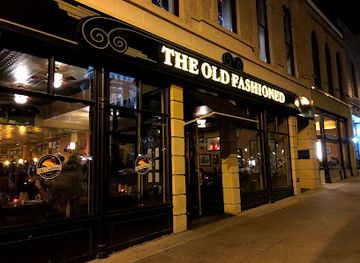
The Old Fashioned
Discover authentic American cuisine at The Old Fashioned in Madison - where tradition meets taste in every bite.
-
Fondue
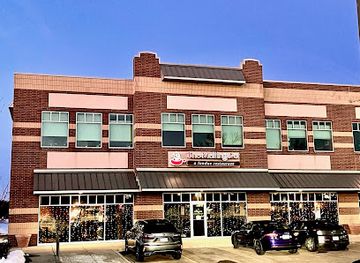
The Melting Pot
Experience the art of fondue at The Melting Pot in Madison - where every meal becomes a delightful culinary adventure.
-
Fine Dining
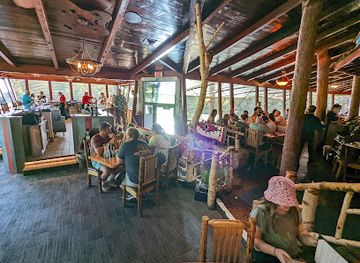
Ishnala Supper Club
Experience fine dining at Ishnala Supper Club with stunning lake views and exquisite seafood and steak dishes in Wisconsin.
-
Seafood
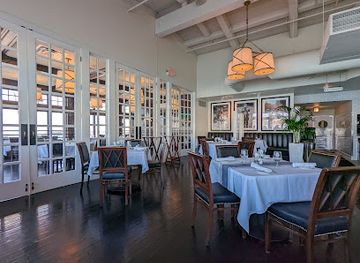
Harbor House
Experience the finest seafood dining at Harbor House in Milwaukee with stunning lake views and exceptional service.
Best bars in Central Wisconsin
Central Wisconsin's evening life is concentrated in Wausau and Stevens Point, with smaller scenes in Marshfield and Wisconsin Rapids. Traditional pubs, taverns, brewery taprooms, casual restaurants and live-music venues are more characteristic than large nightclub districts. Stevens Point's university population contributes a youthful atmosphere in selected parts of the city, while Wausau offers a broader mix of bars, arts events and restaurants. In smaller towns, evenings generally centre on established local bars, supper clubs and community performances rather than late-night venues. Seasonal festivals, theatre programmes and concerts can add variety, but dates and participation change regularly. Rural districts are quiet after dark, with driving distances between venues and limited late transport, so visitors should arrange a safe return journey rather than relying on an informal ride. Alcohol is available in many establishments, but the region's evening culture also includes cafés, arts events and outdoor activities in warmer months.
-
Grill
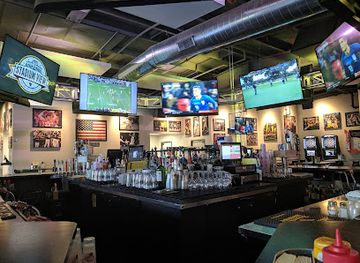
Stadium View Bar, Restaurant, & Event Halls
Experience the ultimate dining and sports atmosphere at Stadium View Bar, Restaurant, & Event Halls in Green Bay, WI, perfect for every occasion.
-
Irish pub
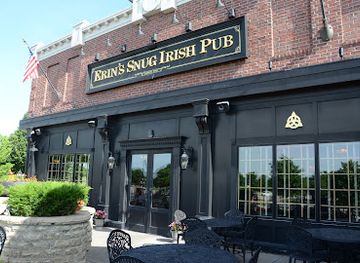
Erin's Snug Irish Pub and Restaurant
Discover the warmth and flavors of Ireland at Erin's Snug Irish Pub and Restaurant in Madison, where traditional dishes meet a lively atmosphere.
-
Brewery
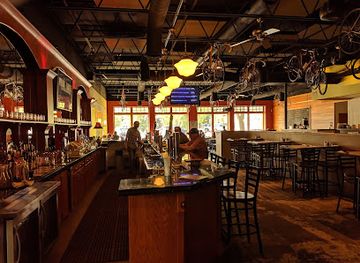
Red Eye Brewing Company
Discover the best craft beers and delicious American cuisine at Wausau's Red Eye Brewing Company, a must-visit brewery and gastropub.
-
Amusement center
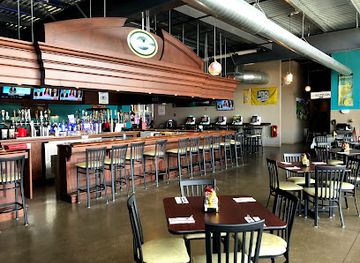
Wausau On Water (WOW Family Entertainment Center)
Discover endless fun at Wausau On Water, the ultimate family entertainment center in Wisconsin, featuring laser tag, arcade games, and delicious dining options.
Best nightclubs in Central Wisconsin
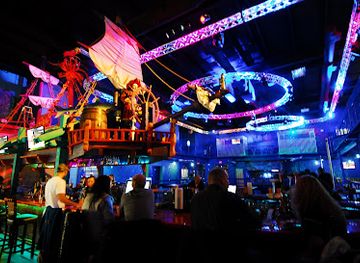
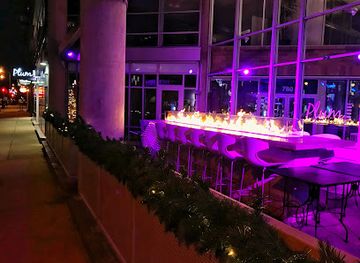
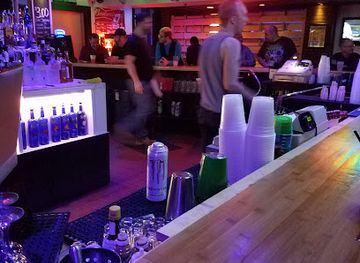
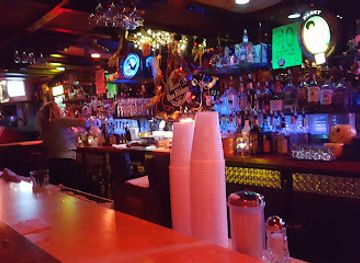
Central Wisconsin's evening life is concentrated in Wausau and Stevens Point, with smaller scenes in Marshfield and Wisconsin Rapids. Traditional pubs, taverns, brewery taprooms, casual restaurants and live-music venues are more characteristic than large nightclub districts. Stevens Point's university population contributes a youthful atmosphere in selected parts of the city, while Wausau offers a broader mix of bars, arts events and restaurants. In smaller towns, evenings generally centre on established local bars, supper clubs and community performances rather than late-night venues. Seasonal festivals, theatre programmes and concerts can add variety, but dates and participation change regularly. Rural districts are quiet after dark, with driving distances between venues and limited late transport, so visitors should arrange a safe return journey rather than relying on an informal ride. Alcohol is available in many establishments, but the region's evening culture also includes cafés, arts events and outdoor activities in warmer months.
-
Bar
The Reef
Discover the vibrant nightlife at The Reef in Lake Delton, featuring live music, dancing, and a lively bar atmosphere perfect for tourists.
-
Night club
Room Seven
Dive into Milwaukee's nightlife at Room Seven, where the energy is electric and the drinks flow freely in a stylish, vibrant setting!
-
Gay night club
FIVE Nightclub
Experience the vibrant nightlife at FIVE Nightclub in Madison, where inclusivity meets electrifying entertainment and unforgettable memories.
-
Night club
Mad Planet
Discover the vibrant nightlife at Mad Planet, Milwaukee's go-to night club and bar for an unforgettable evening of music and dancing.
Best shops in Central Wisconsin
Shopping in Central Wisconsin is centred on the main streets, commercial districts and independent businesses of Wausau, Stevens Point, Wisconsin Rapids and Marshfield rather than on a single regional retail quarter. Visitors will find practical high-street shopping alongside bookshops, galleries, antique dealers, craft retailers, cafés and locally focused gift shops. Farmers' markets are useful for seasonal vegetables, cheese, preserves, baked goods, maple products and cranberries, although locations and schedules vary by community and season. Around cranberry country, products made with dried or preserved cranberries make a recognisable regional purchase, while Wisconsin-made food and beer provide broader souvenirs. Wausau's arts institutions and Stevens Point's university-town character support independent creative businesses, but the range is more local and small-scale than luxury-oriented. In rural areas, farm stands and specialist producers may operate seasonally, so visitors should check access and payment arrangements rather than expecting permanent shop hours.
-
Outlet mall
Pleasant Prairie Premium Outlets
Discover incredible savings and a variety of shopping options at Pleasant Prairie Premium Outlets in Wisconsin.
-
Outlet mall
Johnson Creek Premium Outlets
Explore incredible savings at Johnson Creek Premium Outlets, where top brands meet unbeatable prices in a vibrant shopping environment.
-
Department store
Fleet Farm
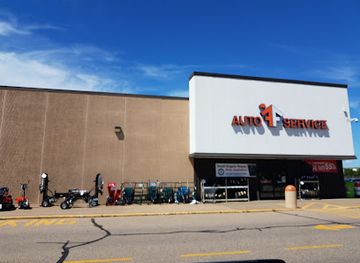
Discover Fleet Farm in Stevens Point: Your ultimate destination for clothes, camping gear, garden supplies, and more in Wisconsin!
-
Gift shop
Volume One & The Local Store
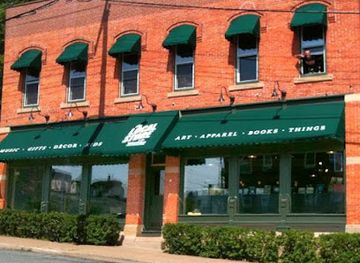
Explore the unique charm of Volume One & The Local Store, a creative hub for art, literature, and locally-sourced gifts in Eau Claire, Wisconsin.


Get your free copy of our complete guide to Central Wisconsin, delivered straight to you.
Everything on this page, from attractions and restaurants to essentials and local phrases, in one PDF you can read offline, print or share.
Already have an account? Sign in
Your Central Wisconsin guide is ready.
We'll send it to · Not you? Sign out

Getting your guide ready…
We are putting together a fresh copy of the Central Wisconsin guide. This can take up to a minute.
This can take a few moments. If your browser asks, choose Allow so the download can start. You'll find the guide in your Downloads folder.
Nothing happened? Download it again
Sorry, the guide is taking longer than usual. Please try again in a minute, or get it by email instead.
Central Wisconsin essentials
Currency and Payment
Safety
Emergency Situations
Do's and Don'ts
Local Tips
From Eve
Local phrases worth knowing
You don't need to get them perfect. A few words go a long way, and locals appreciate the effort.
Basics
| English | Local | Say it |
|---|---|---|
| Hello | Howdy | [How-dee] |
| Goodbye | See ya | [See ya] |
| Yes | Yep | [Yep] |
| No | Nope | [Nope] |
| Please/You're welcome | Sure thing | [Shur thing] |
| Thank you | Thanks | [Thanks] |
| Excuse me/Sorry | Pardon me | [Pardon me] |
| How are you? | How's it goin'? | [How's it goin'?] |
| Fine. And you? | Good, you? | [Good, you?] |
| Do you speak English? | You speak English? | [You speak English?] |
| I don't understand | I don’t get it | [I don’t get it] |
Eating & Drinking
| English | Local | Say it |
|---|---|---|
| I'd like to see the menu, please | Can I see the menu? | [Can I see the menu?] |
| I don't eat meat | I’m not a meat eater | [I’m not a meat eater] |
| Cheers! | Cheers! | [Cheers!] |
| I would like to pay, please | Can I get the check, please? | [Can I get the check, please?] |
Emergencies
| English | Local | Say it |
|---|---|---|
| Help! | Help! | [Help!] |
| Go away! | Leave me alone! | [Leave me alone!] |
| Call the Police! | Call the cops! | [Call the cops!] |
| Call a doctor! | Get a doctor! | [Get a doctor!] |
| I'm lost | I’m lost | [I’m lost] |
| I'm ill | I’m not feeling well | [I’m not feeling well] |
Shopping
| English | Local | Say it |
|---|---|---|
| I'd like to buy... | I wanna buy... | [I wanna buy...] |
| I'm just looking | Just browsing | [Just browsing] |
| How much is it? | What’s the price? | [What’s the price?] |
| That's too expensive | That’s a bit pricey | [That’s a bit pricey] |
| Can you lower the price? | Can you make it cheaper? | [Can you make it cheaper?] |
Time & Numbers
| English | Local | Say it |
|---|---|---|
| What time is it? | What time is it? | [What time is it?] |
| It's one o'clock | It’s one o’clock | [It’s one o’clock] |
| Half past (10) | Half past ten | [Half past ten] |
| Morning | Morning | [Morning] |
| Afternoon | Afternoon | [Afternoon] |
| Evening | Evening | [Evening] |
| Yesterday | Yesterday | [Yesterday] |
| Today | Today | [Today] |
| Tomorrow | Tomorrow | [Tomorrow] |
| 1 | One | [One] |
| 2 | Two | [Two] |
| 3 | Three | [Three] |
| 4 | Four | [Four] |
| 5 | Five | [Five] |
| 6 | Six | [Six] |
| 7 | Seven | [Seven] |
| 8 | Eight | [Eight] |
| 9 | Nine | [Nine] |
| 10 | Ten | [Ten] |
Transport & Directions
| English | Local | Say it |
|---|---|---|
| Where's a/the...? | Where’s the...? | [Where’s the...?] |
| What's the address? | What’s the address? | [What’s the address?] |
| Can you show me (on the map)? | Can you point it out? | [Can you point it out?] |
| When's the next (bus)? | When’s the next bus? | [When’s the next bus?] |
| A ticket (to ....) | One ticket to... | [One ticket to...] |
History of Central Wisconsin
Indigenous Homelands and River Networks
Central Wisconsin lies within the historic homelands and travel networks of Indigenous peoples, including the Ho-Chunk and Menominee, with other Native nations connected to the wider region through movement, trade and treaty history. The Wisconsin River and its tributaries provided routes for fishing, hunting and exchange long before Euro-American settlement. Contemporary visitors should understand that Indigenous history is not simply archaeological background: Native communities remain part of Wisconsin's present-day cultural and political landscape.
The Fur Trade and Early U.S. Settlement
During the late eighteenth and early nineteenth centuries, the central Wisconsin river system became connected to the fur trade and expanding commercial networks. American military and surveying activity followed, while treaties and land cessions transformed Indigenous control of the region. Towns later developed at river crossings and transport points, but the process was accompanied by displacement and major changes to Native communities. This period established the routes and settlement patterns that later developments would exploit.
Logging and the Wisconsin River, Nineteenth Century
White pine forests and the Wisconsin River drove Central Wisconsin's nineteenth-century economy. Logging camps, splash dams, sawmills and river drives moved timber towards mills and markets, helping towns such as Wausau and other river communities expand. The industry brought railways, immigrant labour and commercial institutions, while also causing extensive deforestation and environmental change. Many local museums, historic buildings and town layouts retain traces of this lumber era, even though the original forests and river economy were transformed.
Railways, Agriculture and Permanent Towns
Railway construction in the second half of the nineteenth century linked Central Wisconsin to larger markets and reduced dependence on river transport. As logging declined in some districts, agriculture became more important, with dairy farming, grain production and specialised crops developing on cleared land. Rail connections supported the growth of Stevens Point, Marshfield, Wisconsin Rapids and Wausau as commercial centres. Churches, schools, stores, depots and public buildings from this period helped give many communities their enduring civic character.
Paper, Manufacturing and Hydroelectric Power
The river, timber supply and expanding rail network encouraged paper-making and other manufacturing in Central Wisconsin. Hydroelectric development altered parts of the Wisconsin River and supplied power for industry, while mills provided long-term employment after the great logging boom had passed. Paper and related manufacturing remain important parts of the region's industrial story, although the sector has faced substantial economic change. River dams, mill sites and industrial corridors demonstrate how strongly modern settlement was tied to water and energy.
Cranberry Cultivation and Agricultural Specialisation
Central Wisconsin became one of the United States' most important cranberry-producing areas, particularly around Wisconsin Rapids and the surrounding central sands. Commercial cultivation expanded from the late nineteenth century as growers developed systems of bog management, irrigation and seasonal harvesting. Cranberries became both an agricultural product and a regional identity, celebrated through local tours, farm experiences and community events. The bog landscape also illustrates the relationship between specialised farming, wetlands, water management and changing rural economies.
Modern Universities, Arts and Conservation
Twentieth-century Central Wisconsin saw the growth of public education, healthcare, conservation and cultural institutions alongside established industries. The University of Wisconsin-Stevens Point helped establish the city as a centre for teaching, environmental studies and the arts, while museums and nature reserves broadened the region's cultural life. State and local conservation work protected forests, river corridors, wetlands and wildlife habitat. Together, these developments helped diversify a region once defined mainly by timber, farming and manufacturing.
Central Wisconsin in Photos
Browse through our photo collection highlighting the charm and character of the destination.
Neighbouring regions of Central Wisconsin
The closest regions to Central Wisconsin, if you have time for more than one.
-

-

-

-

-


Swipe for more regions
Explore more

Explore more of Wisconsin
Discover Wisconsin: A Midwestern gem offering stunning natural landscapes, rich cultural experiences, and a taste of America's finest dairy products.
Explore Wisconsin