

Free Central Sands Travel Guide & Mobile App
Explore Central Sands with free travel guides. Discover regional history, expert tips, proposed trips, and audio guides on web or mobile app.


Explore Central Sands, Wisconsin, for cranberry country, pine forests, river towns, wildlife areas, trails and relaxed outdoor travel.
Read more about Central Sands
Getting to and around Central Sands
How to get there
Transportation
Top city travel guides in Central Sands
The cities of Central Sands, and the easiest places to base yourself.
-

-

-

-


Swipe for more cities
Destinations in Central Sands
Resorts, valleys and scenic spots worth a trip of their own.
-

-


Swipe for more destinations
Best attractions in Central Sands
Central Sands attractions are primarily landscape-based, with public access to forests, wetlands, rivers, sandstone formations and managed wildlife habitat. Roche-A-Cri State Park near Friendship combines hiking and views from a prominent rock formation with a site containing Native American petroglyphs, while Sandhill Wildlife Area near Babcock offers a large mosaic of pine, prairie, marsh and oak habitat where wildlife observation is central. The Wisconsin River provides opportunities for paddling, fishing and riverside recreation around Wisconsin Rapids, Port Edwards and Stevens Point, although access points and water conditions vary. County parks, rail trails and snowmobile or cross-country ski routes broaden the possibilities by season. Wisconsin Rapids and Stevens Point add museums, civic history, university culture and river-related heritage, while cranberry farms and farm markets give the agricultural landscape a human dimension. The most rewarding itinerary is usually a sequence of short walks, scenic drives and town stops rather than a single concentrated attraction district.
-
Tourist attraction
The House on the Rock
Discover the magical and whimsical world of The House on the Rock in Spring Green, Wisconsin, where imagination and eccentricity collide in a stunning architectural marvel.
-
Tourist attraction
Cave of the Mounds
Explore the mesmerizing Cave of the Mounds, a stunning limestone marvel in Wisconsin, offering guided tours and beautiful nature trails to uncover.
-
Park
Cave Point County Park
Explore the stunning landscapes and outdoor adventures at Cave Point County Park in Sturgeon Bay, Wisconsin, where nature's beauty awaits.
-
Historical place museum
Taliesin Preservation: Frank Lloyd Wright Visitor Center
Explore the architectural genius of Frank Lloyd Wright at Taliesin Preservation, a historical landmark in Spring Green, Wisconsin, combining art, nature, and history.


Best landmarks in Central Sands
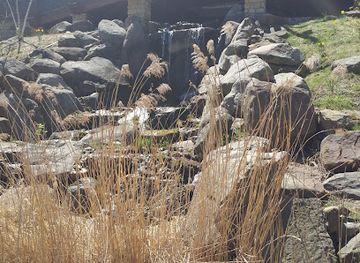
The Wisconsin River is Central Sands’ defining natural and industrial landmark, particularly where its broad channel and historic power and mill infrastructure shape Wisconsin Rapids and Port Edwards. Roche-A-Cri is the region’s most recognisable geological landmark: the sandstone bluff rises above the surrounding plain and preserves Native American rock art, linking natural history with cultural heritage. The extensive cranberry landscapes around Wisconsin Rapids and neighbouring Wood County are agricultural landmarks rather than a single monument, with ditches, bogs and seasonal flooded fields creating a distinctive landscape. At Stevens Point, the river corridor and historic civic core express the relationship between settlement, transport and waterpower. Sandhill Wildlife Area is a landmark of conservation rather than architecture, representing the Central Sands’ characteristic blend of pine, prairie, marsh and managed habitat.
-
Historical landmark
Villa Louis Historic Site
Experience the elegance of 19th-century life at Villa Louis Historic Site, a historical landmark in Wisconsin showcasing rich heritage and beautiful gardens.
-
Historical landmark
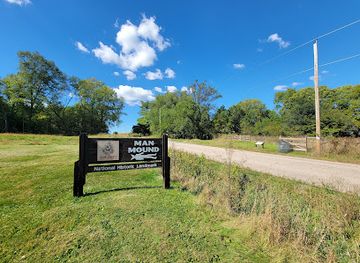
Man Mound Park
Explore Man Mound Park, a historical landmark in Baraboo, WI, featuring an ancient effigy mound and serene natural beauty for an enriching outdoor experience.
-
Historical place
Historic Point Basse Inc
Uncover the history of early settlers at Historic Point Basse, a beautifully preserved village in Nekoosa, Wisconsin.
-
Hiking area
Ice Age Trail - Plover River Segment
Explore the breathtaking Plover River Segment of the Ice Age Trail, a natural wonder showcasing stunning landscapes and diverse wildlife in Wisconsin.


Explore Central Sands on the map
Plan your trip on one map. See where the top cities, national parks and sights are, and book hotels and experiences in a few clicks.
Best hotels in Central Sands
Best restaurants in Central Sands
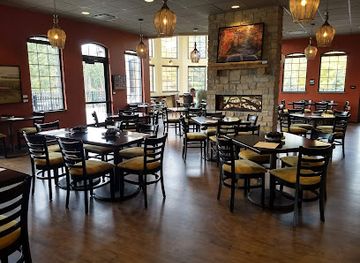
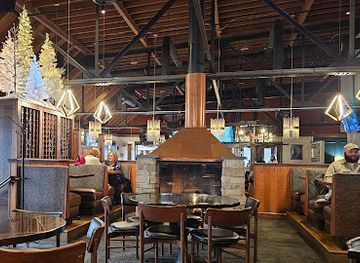
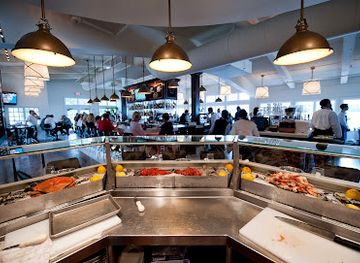
Dining in Central Sands reflects central Wisconsin’s mixture of farming, forestry and river-town life. Wisconsin Rapids, Stevens Point, Wautoma and other larger communities offer cafés, family restaurants, supper clubs, breweries and contemporary kitchens, while rural roads lead to taverns and inns serving substantial American and Wisconsin-style meals. Cranberries are the region’s best-known agricultural symbol and appear in seasonal products, preserves, baked goods and drinks, though they are not the basis of every local dish. Potatoes, dairy products, locally raised meat and freshwater fish also feature in the wider food culture. Farmers’ markets and farm stands are useful for finding berries, vegetables, preserves, bakery goods and other regional produce when in season. Visitors should expect generous portions and a mixture of casual dining and more polished restaurants rather than a narrowly defined regional cuisine.
-
Swedish
Al Johnson’s Swedish Restaurant & Butik
Savor authentic Swedish dishes in a unique setting with goats on the roof at Al Johnson’s Swedish Restaurant & Butik in Sister Bay.
-
Restaurant
Pier 500
Experience delightful American cuisine at Pier 500 in Hudson, WI – where every meal comes with stunning river views.
-
Seafood
Harbor House
Discover Harbor House: Milwaukee's premier seafood restaurant offering breathtaking lake views and exquisite dishes in an elegant setting.
-
Grill
Kurtev's Backyard Bar and Grill
Experience the vibrant flavors at Kurtev's Backyard Bar and Grill in Fond du Lac - where great food meets an inviting atmosphere.

Best bars in Central Sands
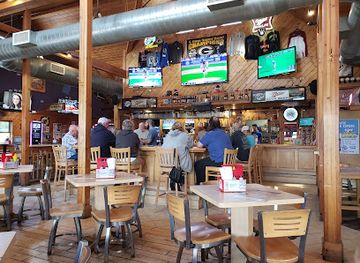
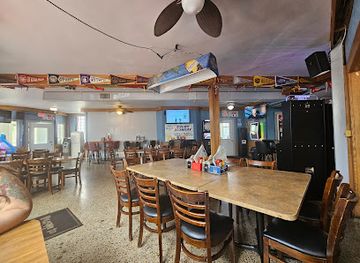
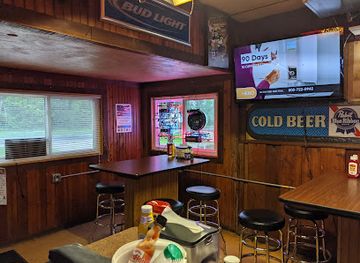
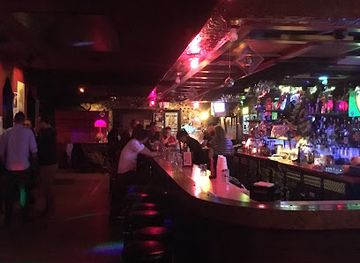
Evening life in Central Sands is concentrated in Stevens Point and Wisconsin Rapids, with smaller communities relying on traditional taverns, supper clubs, breweries, restaurants and occasional live-music venues. Stevens Point’s university population contributes a younger bar scene, while Wisconsin Rapids combines neighbourhood establishments with dining and river-town social life. Outside these centres, evenings are generally quieter and may centre on a local pub, a restaurant or seasonal community events rather than dedicated nightclubs. Craft beer has a visible place in Wisconsin’s wider drinking culture, and some establishments offer locally produced or regional beers, but visitors should plan transport responsibly because rural distances and limited late-night services make driving after drinking particularly hazardous. Opening arrangements and entertainment schedules vary, especially outside the larger towns.
-
Grill
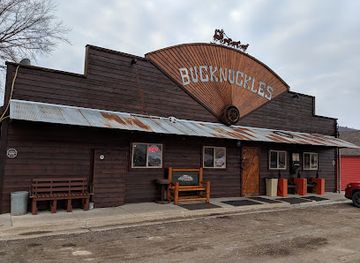
Bucknuckles Bar & Grill
Discover the perfect blend of delicious grilled cuisine and local charm at Bucknuckles Bar & Grill, a top dining destination in Alma, Wisconsin.
-
Grill
Curly's Waterfront Sports Bar & Grill
Discover a delightful blend of lakeside dining, live music, and sports at Curly's Waterfront Sports Bar & Grill in Pewaukee, Wisconsin.
-
Offal pot cooking restaurant
Sand Bar
Discover the bold and unique flavors of offal pot cooking at Sand Bar in Wisconsin Dells, a must-visit for food enthusiasts.
-
Grill
Connell's Cedar Shack
Discover Connell's Cedar Shack in Adams, Wisconsin, where delicious burgers, live music, and a vibrant atmosphere await you.
Best nightclubs in Central Sands
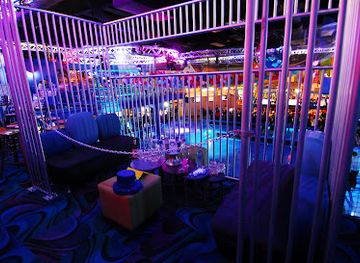
Evening life in Central Sands is concentrated in Stevens Point and Wisconsin Rapids, with smaller communities relying on traditional taverns, supper clubs, breweries, restaurants and occasional live-music venues. Stevens Point’s university population contributes a younger bar scene, while Wisconsin Rapids combines neighbourhood establishments with dining and river-town social life. Outside these centres, evenings are generally quieter and may centre on a local pub, a restaurant or seasonal community events rather than dedicated nightclubs. Craft beer has a visible place in Wisconsin’s wider drinking culture, and some establishments offer locally produced or regional beers, but visitors should plan transport responsibly because rural distances and limited late-night services make driving after drinking particularly hazardous. Opening arrangements and entertainment schedules vary, especially outside the larger towns.
-
Bar
The Reef
Discover The Reef, where vibrant nightlife meets unforgettable live music in the heart of Wisconsin Dells.
-
Night club
Mad Planet
Discover the heart of Milwaukee's nightlife at Mad Planet, a night club that offers great music, affordable drinks, and a lively atmosphere.
-
Bar
CONGRESS CLUB
Discover the lively atmosphere of Congress Club in Stevens Point, a must-visit bar for locals and tourists seeking great drinks and good company.
-
Bar
Brickhause Tavern
Discover the ultimate nightlife experience at Brickhause Tavern, where cocktails, dancing, and great company come together in Stevens Point.


Best shops in Central Sands
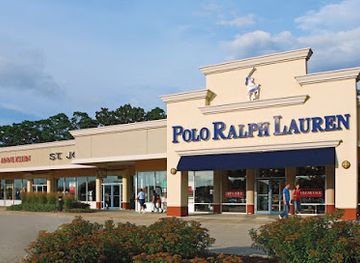
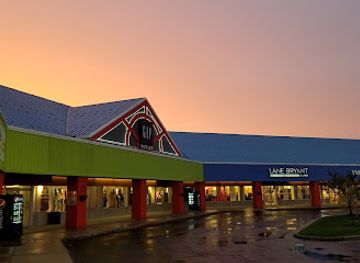
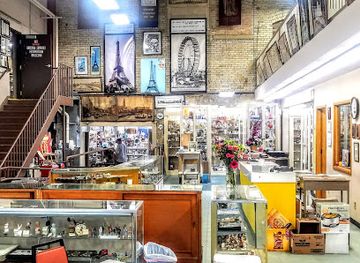
Shopping in Central Sands is centred on the main streets and commercial districts of Stevens Point, Wisconsin Rapids, Wautoma, Adams and nearby communities rather than on a major luxury retail scene. Independent shops, bookshops, galleries, antique dealers, outdoor retailers and locally owned cafés are useful places to browse between outdoor excursions. Farmers’ markets and seasonal farm stands offer cranberries, preserves, vegetables, baked goods and other Wisconsin products, with availability changing through the year. Local breweries and food producers may provide packaged products suitable for gifts, subject to United States transport and customs rules when taking them home. In smaller towns, retail hours can be limited and some vendors operate seasonally, so visitors should not leave essential purchases until late in the day or assume that every rural stop accepts cards.
-
Outlet mall
Pleasant Prairie Premium Outlets
Discover unbeatable deals and a vibrant shopping atmosphere at Pleasant Prairie Premium Outlets, where fashion meets value in Wisconsin.
-
Outlet mall
Johnson Creek Premium Outlets
Discover unbeatable deals at Johnson Creek Premium Outlets, the ultimate shopping destination in Wisconsin for fashion lovers and bargain hunters.
-
Outlet mall
The Outlet Shoppes at Oshkosh
Discover unbeatable deals at The Outlet Shoppes at Oshkosh, the ultimate shopping destination for tourists in Wisconsin.
-
Antique store
Columbus Antique Mall
Explore the Columbus Antique Mall for a unique blend of history and treasures in the heart of Wisconsin, perfect for collectors and casual shoppers alike.

Get your free copy of our complete guide to Central Sands, delivered straight to you.
Everything on this page, from attractions and restaurants to essentials and local phrases, in one PDF you can read offline, print or share.
Already have an account? Sign in
Your Central Sands guide is ready.
We'll send it to · Not you? Sign out

Getting your guide ready…
We are putting together a fresh copy of the Central Sands guide. This can take up to a minute.
This can take a few moments. If your browser asks, choose Allow so the download can start. You'll find the guide in your Downloads folder.
Nothing happened? Download it again
Sorry, the guide is taking longer than usual. Please try again in a minute, or get it by email instead.
Central Sands essentials
Currency and Payment
Safety
Emergency Situations
Do's and Don'ts
Local Tips
From Eve
Local phrases worth knowing
You don't need to get them perfect. A few words go a long way, and locals appreciate the effort.
Basics
| English | Local | Say it |
|---|---|---|
| Hello | Hi | [Hah-ee] |
| Goodbye | See ya | [See yah] |
| Yes | Yep | [Yep] |
| No | Nope | [Nope] |
| Please/You're welcome | Sure thing | [Shoor thing] |
| Thank you | Thanks | [Thangs] |
| Excuse me/Sorry | Pardon me | [Pardon me] |
| How are you? | How's it going? | [How's it goin'?] |
| Fine. And you? | Good. You? | [Good. You?] |
| Do you speak English? | Do ya speak English? | [Doo yah speak English?] |
| I don't understand | I ain't gettin' it | [I ain't gettin' it] |
Eating & Drinking
| English | Local | Say it |
|---|---|---|
| I'd like to see the menu, please | Can I see the menu? | [Can I see the menu?] |
| I don't eat meat | I'm a vegetarian | [I'm a vege-tair-ian] |
| Cheers! | Cheers! | [Cheers!] |
| I would like to pay, please | Can I get the check? | [Can I get the check?] |
Emergencies
| English | Local | Say it |
|---|---|---|
| Help! | Help! | [Help!] |
| Go away! | Leave me alone! | [Leave me alone!] |
| Call the Police! | Call 911! | [Call nine-one-one!] |
| Call a doctor! | Get a doctor! | [Get a doctor!] |
| I'm lost | I'm turned around | [I'm turned around] |
| I'm ill | I don't feel good | [I don't feel good] |
Shopping
| English | Local | Say it |
|---|---|---|
| I'd like to buy... | I wanna buy... | [I wanna buy...] |
| I'm just looking | Just browsin' | [Just browsin'] |
| How much is it? | What’s the price? | [What’s the price?] |
| That's too expensive | That's pricey | [That's pricey] |
| Can you lower the price? | Can ya make it cheaper? | [Can ya make it cheaper?] |
Time & Numbers
| English | Local | Say it |
|---|---|---|
| What time is it? | What time is it? | [What time is it?] |
| It's one o'clock | It's one o'clock | [It's one o'clock] |
| Half past (10) | Half past ten | [Half past ten] |
| Morning | Morning | [Morning] |
| Afternoon | Afternoon | [Afternoon] |
| Evening | Evening | [Evening] |
| Yesterday | Yesterday | [Yesterday] |
| Today | Today | [Today] |
| Tomorrow | Tomorrow | [Tomorrow] |
| 1 | One | [One] |
| 2 | Two | [Two] |
| 3 | Three | [Three] |
| 4 | Four | [Four] |
| 5 | Five | [Five] |
| 6 | Six | [Six] |
| 7 | Seven | [Seven] |
| 8 | Eight | [Eight] |
| 9 | Nine | [Nine] |
| 10 | Ten | [Ten] |
Transport & Directions
| English | Local | Say it |
|---|---|---|
| Where's a/the...? | Where's the...? | [Where's the...?] |
| What's the address? | What's the address? | [What's the address?] |
| Can you show me (on the map)? | Can ya show me on the map? | [Can ya show me on the map?] |
| When's the next (bus)? | When's the next bus? | [When's the next bus?] |
| A ticket (to ....) | A ticket to... | [A ticket to...] |
History of Central Sands
Indigenous Homelands and River Travel
The Central Sands lies within the long-established homelands and travelling routes of Indigenous peoples, including the Ho-Chunk and Menominee, with Ojibwe influence and presence also important in the wider region. Rivers, wetlands, forests and prairie supplied routes, food and materials, while prominent sandstone formations such as Roche-A-Cri carried cultural significance. European-American settlement later altered these landscapes, but Indigenous history remains visible through archaeological resources, place names and continuing tribal communities in Wisconsin.
Glacial Landscapes and Sand Plain Ecology
The region’s sandy plains, wetlands and isolated sandstone formations were shaped by the advance and retreat of continental ice sheets and by meltwater associated with glacial drainage. These processes left soils that were often difficult for conventional agriculture but well suited to pine, oak, wetland plants and, later, specialised crops. The resulting mosaic of barrens, marshes and open sand is an important ecological distinction between the Central Sands and many of Wisconsin’s richer agricultural districts.
Logging and the Wisconsin River, Nineteenth Century
During the nineteenth century, white pine and other timber from central Wisconsin were cut and moved along the Wisconsin River and its tributaries. River towns such as Wisconsin Rapids and Port Edwards developed around sawmilling, lumber transport and river power. Logging transformed forests and waterways, encouraged railroad construction and brought rapid population growth, but also left a legacy of depleted timber stands, altered riverbanks and industrial sites that later economies would reuse.
Railroads, Settlement and Commercial Agriculture
Rail connections helped turn the Central Sands from a remote timber district into a more integrated market region. Towns expanded around depots, mills, stores and agricultural services, while settlers experimented with crops suited to sandy soils. Potatoes became particularly important in parts of the region, and rail transport allowed agricultural products and timber-based goods to reach larger markets. The resulting pattern of compact towns, farms and broad rural distances still shapes travel through central Wisconsin.
The Rise of Wisconsin’s Cranberry Industry
Cranberry cultivation became one of the region’s defining agricultural developments, especially around the wetlands and sandy soils of Wood County and neighbouring areas. Growers modified bogs, managed water and developed harvesting methods suited to a crop that thrives in acidic conditions. Cranberries are now closely associated with Wisconsin’s identity and economy, although modern production is highly organised and commercial. The flooded harvest landscape is a seasonal feature rather than a traditional wild-food activity.
Paper, Hydroelectric Power and Industrial Towns
The Wisconsin River provided both transport and energy for the growth of paper and related manufacturing in towns including Wisconsin Rapids, Port Edwards and Stevens Point. Dams and hydroelectric development changed the river’s flow and supported industrial expansion, while paper mills became major employers and civic influences. Although the industry has faced restructuring and environmental pressures, river works, mill districts and community institutions continue to reflect the region’s industrial history.
Conservation of Forests, Marshes and Wildlife
Twentieth-century conservation efforts recognised that the Central Sands contained habitats poorly represented elsewhere in the state. Public ownership, wildlife management and state-park development helped protect pine barrens, marshes, river corridors and sandstone features. Sandhill Wildlife Area and Roche-A-Cri State Park are among the places where visitors can see this conservation legacy. Management remains active: prescribed fire, water control, habitat restoration and seasonal access rules are part of maintaining these landscapes.
Central Sands in Photos
Browse through our photo collection highlighting the charm and character of the destination.
Neighbouring regions of Central Sands
The closest regions to Central Sands, if you have time for more than one.
-

-

-

-

-


Swipe for more regions
Explore more

Explore more of Wisconsin
Discover Wisconsin: A Midwestern gem offering stunning natural landscapes, rich cultural experiences, and a taste of America's finest dairy products.
Explore Wisconsin