

Free Glacial Lake Wisconsin Travel Guide & Mobile App
Explore Glacial Lake Wisconsin with free travel guides. Discover regional history, expert tips, proposed trips, and audio guides on web or mobile app.


Explore Glacial Lake Wisconsin through sandstone river scenery, Ice Age landscapes, wetlands, outdoor recreation and central Wisconsin heritage.
Read more about Glacial Lake Wisconsin
Getting to and around Glacial Lake Wisconsin
How to get there
Transportation
Top city travel guides in Glacial Lake Wisconsin
The cities of Glacial Lake Wisconsin, and the easiest places to base yourself.

Swipe for more cities
Destinations in Glacial Lake Wisconsin
Resorts, valleys and scenic spots worth a trip of their own.

Swipe for more destinations
Best attractions in Glacial Lake Wisconsin
The attraction landscape of Glacial Lake Wisconsin is led by the Wisconsin River and the geological forms it created. Wisconsin Dells offers boat excursions, scenic overlooks, walking areas and family-oriented entertainment, but the sandstone gorge itself is the primary natural attraction. Around Portage, visitors can explore waterways and heritage connected with the Wisconsin–Fox river crossing, while Lake Wisconsin provides opportunities for boating, fishing, shoreline walks and birdwatching on a modern reservoir. The wider central Wisconsin landscape includes sandy forests, wetlands, farm country and river terraces rather than a continuous chain of formal sights. Public recreation areas and wildlife habitats reward visitors interested in paddling, cycling, hiking and observing waterfowl. Museums and local heritage venues in towns such as Portage, Wisconsin Dells and Wisconsin Rapids add context about Indigenous history, transport, forestry and industry. The region is best experienced as a combination of geological scenery, water-based recreation and working river communities, with developed attractions concentrated around the Dells and quieter outdoor experiences farther along the Wisconsin River.
-
Tourist attraction
The House on the Rock
Explore the enchanting House on the Rock in Wisconsin, a unique attraction filled with art, history, and breathtaking views.
-
Tourist attraction
Cave of the Mounds
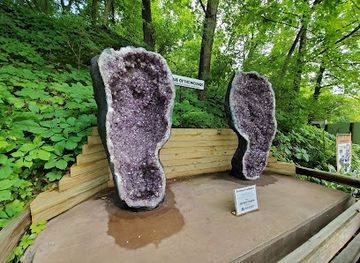
Explore the stunning limestone formations and vibrant ecosystem at the Cave of the Mounds, a unique natural wonder in Wisconsin.
-
Park
Cave Point County Park
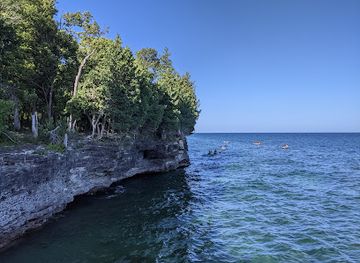
Explore the breathtaking cliffs and serene trails of Cave Point County Park, a natural haven on the shores of Lake Michigan in Wisconsin.
-
Nature preserve
Dells of the Wisconsin River State Natural Area
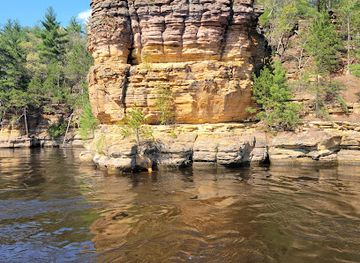
Discover the breathtaking beauty of the Dells of the Wisconsin River State Natural Area, a stunning nature preserve in Wisconsin Dells, perfect for outdoor enthusiasts.
Best landmarks in Glacial Lake Wisconsin
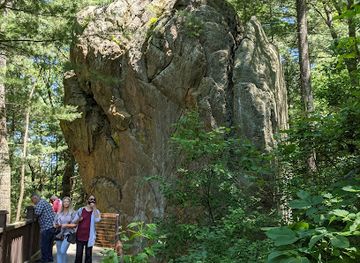
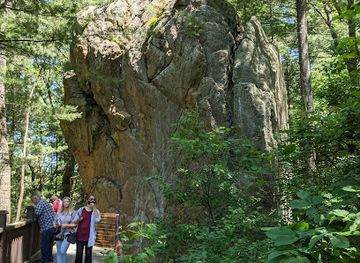
The sandstone gorge and cliffs of Wisconsin Dells are the defining physical landmarks of the Glacial Lake Wisconsin landscape. Weathered rock walls, narrow channels and wooded islands along the Wisconsin River record the meltwater drainage that reshaped the ancient lake basin, while formations such as Stand Rock are recognised features of the Dells scenery. Portage's position between the Wisconsin and Fox rivers is another important geographical landmark, linking the region's natural drainage pattern with its canal and transport history. Lake Wisconsin forms a prominent modern landmark farther south: its broad reservoir, wooded inlets and dam-controlled water level are products of twentieth-century engineering rather than Ice Age geology. The Wisconsin River itself remains the region's continuous visual reference, changing from confined sandstone scenery to open floodplain, sand terrace and reservoir shore. Away from the water, low sandy plains and forested ridges may appear unremarkable, but their contrast reveals the sediments and drainage left by the retreating ice sheet.
-
Tourist attraction
The House on the Rock
Experience the extraordinary at The House on the Rock, a captivating blend of architecture, art, and nature in Spring Green, Wisconsin.
-
Nature preserve
Parfrey's Glen State Natural Area
Discover the breathtaking beauty of Parfrey's Glen State Natural Area, a serene nature preserve perfect for hiking, wildlife watching, and relaxation in Wisconsin.
-
Park
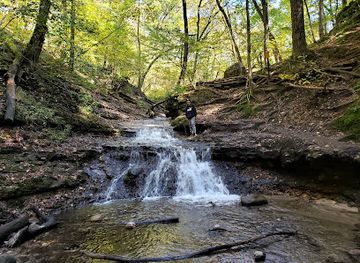
Wilke Glen and Cascade Falls
Explore the enchanting Wilke Glen and Cascade Falls in Osceola, Wisconsin - a perfect escape for nature lovers and adventure seekers.
-
Nature preserve
Glacial Park Conservation Area
Explore Glacial Park Conservation Area - a breathtaking nature preserve in Illinois, perfect for hiking, wildlife observation, and enjoying serene landscapes.


Explore Glacial Lake Wisconsin on the map
Plan your trip on one map. See where the top cities, national parks and sights are, and book hotels and experiences in a few clicks.
Best hotels in Glacial Lake Wisconsin
Best restaurants in Glacial Lake Wisconsin
Dining reflects central Wisconsin's agricultural and river heritage rather than a single cuisine exclusive to the ancient lake basin. Wisconsin cheese, dairy products, cranberries, apples, sweet corn and other seasonal produce appear in farm shops, markets, cafés and restaurant menus, while freshwater fish and traditional American dishes are available in riverside communities. Wisconsin Dells has the broadest range of family restaurants, bakeries, casual dining and resort food, whereas Portage, Lake Wisconsin and smaller towns offer local cafés, supper-club traditions, pubs and independently run restaurants. In the wider area, cranberry products are especially associated with central Wisconsin, although production is concentrated in particular parts of the state rather than everywhere around the former lake. Visitors can also find craft beer and regional wines alongside familiar American beverages. Farmers' markets and food stands provide a useful way to encounter seasonal produce, while rural dining often follows practical opening patterns and may require checking availability in advance.
-
Fine Dining
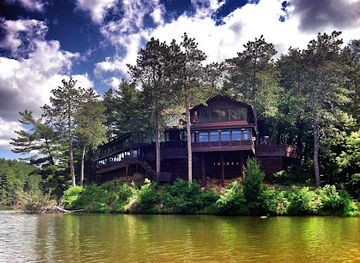
Ishnala Supper Club
Experience fine dining at Ishnala Supper Club with exquisite seafood and steak while enjoying breathtaking views of Mirror Lake.
-
Seafood
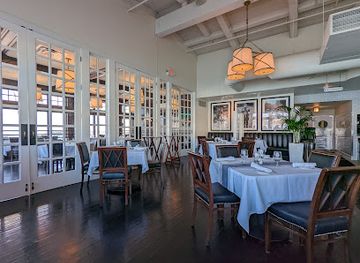
Harbor House
Discover exquisite seafood dining at Harbor House with stunning lake views in Milwaukee.
-
 Resort hotel
Lake Lawn Resort
Discover unparalleled relaxation and recreation at Lake Lawn Resort on Delavan Lake – your perfect getaway in Wisconsin.
-
Grill
Waterfront Warehouse
Discover delectable grilled dishes and creative gastropub fare at Waterfront Warehouse in Kenosha's scenic waterfront.
Best bars in Glacial Lake Wisconsin
Evening life is concentrated in Wisconsin Dells and the larger river towns rather than spread evenly across the Glacial Lake Wisconsin landscape. The Dells has the most developed visitor-oriented scene, including resort bars, casual pubs, live entertainment and seasonal venues, while Portage, Wisconsin Rapids and Stevens Point offer locally focused pubs, breweries, restaurants and occasional live music. Lake Wisconsin communities are generally oriented towards lakeside dining and informal socialising rather than late-night clubbing. Rural areas become quiet after dinner, and transport options can be limited, so visitors should arrange a safe return rather than rely on finding a late taxi. The region's evening culture is best understood through food, conversation, music and waterfront recreation, with nightlife varying substantially between the busy summer tourism season and quieter periods of the year.
-
American
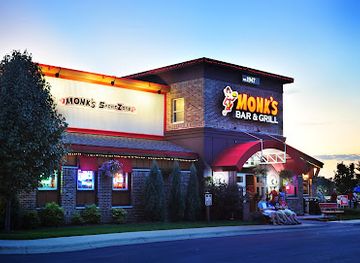
Monk's Bar & Grill
Experience the best of American cuisine at Monk's Bar & Grill in Lake Delton, where vibrant flavors meet a welcoming atmosphere.
-
Steak
Ponderosa
Discover Ponderosa, the ultimate steakhouse experience in Wisconsin Dells, where quality meets flavor in every bite.
-
Restaurant
Summer House Grill & Bar
Experience mouthwatering dishes and breathtaking views at Summer House Grill & Bar, the ultimate dining destination in Wisconsin Dells.
-
Fast Food
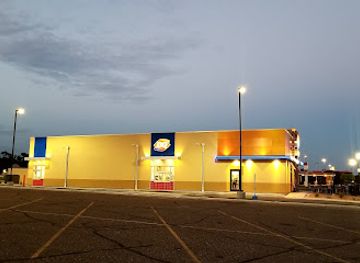
Dairy Queen Grill & Chill
Experience the iconic flavors of Dairy Queen Grill & Chill with delicious fast food and mouthwatering ice cream treats in St. Croix Falls, Wisconsin.
Best nightclubs in Glacial Lake Wisconsin
Evening life is concentrated in Wisconsin Dells and the larger river towns rather than spread evenly across the Glacial Lake Wisconsin landscape. The Dells has the most developed visitor-oriented scene, including resort bars, casual pubs, live entertainment and seasonal venues, while Portage, Wisconsin Rapids and Stevens Point offer locally focused pubs, breweries, restaurants and occasional live music. Lake Wisconsin communities are generally oriented towards lakeside dining and informal socialising rather than late-night clubbing. Rural areas become quiet after dinner, and transport options can be limited, so visitors should arrange a safe return rather than rely on finding a late taxi. The region's evening culture is best understood through food, conversation, music and waterfront recreation, with nightlife varying substantially between the busy summer tourism season and quieter periods of the year.
-
Bar
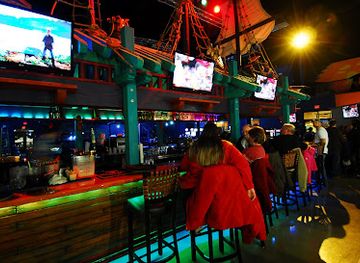
The Reef
Experience the vibrant nightlife at The Reef in Lake Delton, where dancing, live music, and great drinks create unforgettable memories.
-
Night club
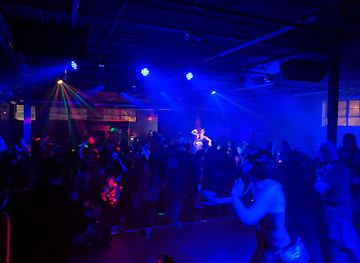
Crucible
Experience unforgettable nights at Crucible, Madison's lively night club with electrifying music and a vibrant atmosphere.
-
Gay night club
FIVE Nightclub
Discover the vibrant nightlife at FIVE Nightclub, Madison's premier gay nightclub with electrifying music and a welcoming atmosphere.
-
Night club
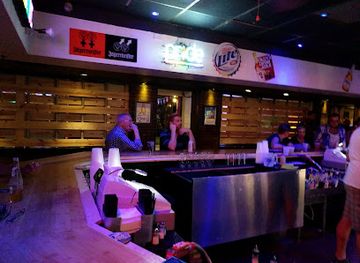
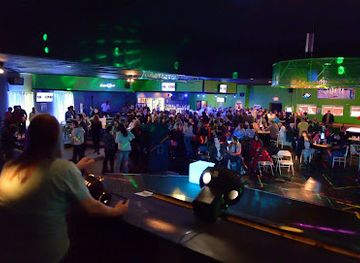
The ReMixx, Your NightLife Destination
Discover Neenah's lively nightlife at The ReMixx, where great music, dancing, and unforgettable entertainment await you.
Best shops in Glacial Lake Wisconsin
Shopping is strongest in Wisconsin Dells, where a large visitor economy supports souvenir shops, outdoor equipment, confectionery, clothing and family-oriented retail. Portage and Wisconsin Rapids provide more conventional small-city high streets, practical services, independent stores and seasonal markets, while rural communities offer fewer shops but may have farm stands, orchards, food producers and craft outlets. Regional purchases include Wisconsin cheeses, cranberry products, maple goods, bakery items, preserves and locally made beer or spirits where permitted for sale. Antiques, handmade objects and art are more likely to be found through independent galleries, seasonal fairs and market-town businesses than through a single dominant shopping district. Visitors interested in the landscape can look for locally produced outdoor gear and maps, but should distinguish authentic regional products from generic souvenirs made elsewhere. Opening arrangements vary considerably outside the main tourism centres, particularly in winter.
-
Outlet mall
Outlets at the Dells
Explore the Outlets at the Dells: A premier shopping destination with brand-name stores, dining options, and exciting seasonal events in Wisconsin.
-
Department store
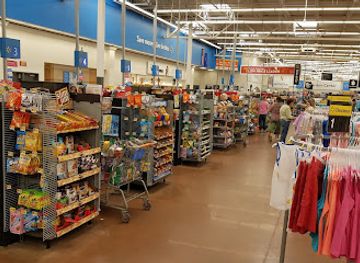
Walmart Supercenter
Shop at Walmart Supercenter in St. Croix Falls for groceries, apparel, electronics, and more—all at budget-friendly prices.
-
Clothing store
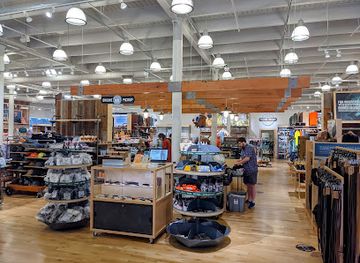
Duluth Trading Company
Discover quality clothing and outdoor gear at Duluth Trading Company in La Crosse, where adventure meets practicality for all your clothing needs.
-
Grocery store
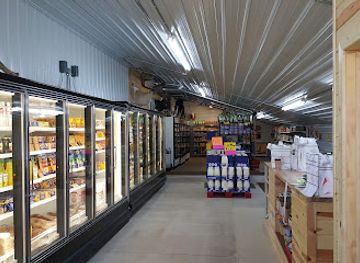
Glacier Lakes Foods LLC
Experience local flavors and exceptional service at Glacier Lakes Foods LLC, the go-to grocery store in Rice Lake, Wisconsin.

Get your free copy of our complete guide to Glacial Lake Wisconsin, delivered straight to you.
Everything on this page, from attractions and restaurants to essentials and local phrases, in one PDF you can read offline, print or share.
Already have an account? Sign in
Your Glacial Lake Wisconsin guide is ready.
We'll send it to · Not you? Sign out

Getting your guide ready…
We are putting together a fresh copy of the Glacial Lake Wisconsin guide. This can take up to a minute.
This can take a few moments. If your browser asks, choose Allow so the download can start. You'll find the guide in your Downloads folder.
Nothing happened? Download it again
Sorry, the guide is taking longer than usual. Please try again in a minute, or get it by email instead.
Glacial Lake Wisconsin essentials
Currency and Payment
Safety
Emergency Situations
Do's and Don'ts
Local Tips
From Eve
Local phrases worth knowing
You don't need to get them perfect. A few words go a long way, and locals appreciate the effort.
Basics
| English | Local | Say it |
|---|---|---|
| Hello | Hi | [Hai] |
| Goodbye | See ya | [See yah] |
| Yes | Yep | [Yep] |
| No | Nope | [Nope] |
| Please/You're welcome | Sure thing | [Shur thing] |
| Thank you | Thanks | [Thangs] |
| Excuse me/Sorry | Sorry 'bout that | [Sorry 'bout that] |
| How are you? | How's it going? | [How's it goin'?] |
| Fine. And you? | Good, you? | [Good, you?] |
| Do you speak English? | Can you talk English? | [Can ya talk English?] |
| I don't understand | I don't get it | [I don't get it] |
Eating & Drinking
| English | Local | Say it |
|---|---|---|
| I'd like to see the menu, please | Can I see the menu? | [Can I see the menu?] |
| I don't eat meat | I’m vegetarian | [I'm veggie-tarian] |
| Cheers! | Cheers! | [Cheers!] |
| I would like to pay, please | Can I get the check? | [Can I get the check?] |
Emergencies
| English | Local | Say it |
|---|---|---|
| Help! | Help! | [Help!] |
| Go away! | Leave me alone! | [Leave me alone!] |
| Call the Police! | Call the cops! | [Call the cops!] |
| Call a doctor! | Get a doctor! | [Get a doctor!] |
| I'm lost | I'm turned around | [I'm turned around] |
| I'm ill | I'm not feeling well | [I'm not feelin' well] |
Shopping
| English | Local | Say it |
|---|---|---|
| I'd like to buy... | I want to get... | [I want to get...] |
| I'm just looking | Just browsing | [Just browsing] |
| How much is it? | What's the price? | [What's the price?] |
| That's too expensive | That's pricey | [That's pricey] |
| Can you lower the price? | Can you give me a deal? | [Can you give me a deal?] |
Time & Numbers
| English | Local | Say it |
|---|---|---|
| What time is it? | What time you got? | [What time ya got?] |
| It's one o'clock | It's one | [It's one] |
| Half past (10) | Half past ten | [Half past ten] |
| Morning | Morning | [Morning] |
| Afternoon | Afternoon | [Afternoon] |
| Evening | Evening | [Evening] |
| Yesterday | Yesterday | [Yesterday] |
| Today | Today | [Today] |
| Tomorrow | Tomorrow | [Tomorrow] |
| 1 | One | [One] |
| 2 | Two | [Two] |
| 3 | Three | [Three] |
| 4 | Four | [Four] |
| 5 | Five | [Five] |
| 6 | Six | [Six] |
| 7 | Seven | [Seven] |
| 8 | Eight | [Eight] |
| 9 | Nine | [Nine] |
| 10 | Ten | [Ten] |
Transport & Directions
| English | Local | Say it |
|---|---|---|
| Where's a/the...? | Where's the...? | [Where's the...?] |
| What's the address? | What's the address? | [What's the address?] |
| Can you show me (on the map)? | Can you point it out? | [Can ya point it out?] |
| When's the next (bus)? | When's the next bus? | [When's the next bus?] |
| A ticket (to ....) | A ticket to... | [A ticket to...] |
History of Glacial Lake Wisconsin
The Formation of Glacial Lake Wisconsin
During the retreat of the last continental ice sheet, meltwater was temporarily trapped in central Wisconsin, forming the body now known as Glacial Lake Wisconsin. Its exact shoreline changed as ice blocked drainage routes and sediment accumulated. The lake occupied a broad basin associated with the Wisconsin River and left behind sand, gravel, terraces and wetland depressions. Although the lake has long disappeared, its deposits remain visible in the flat sandy country and riverine landscapes of central Wisconsin. The term is geological rather than administrative, and modern visitors encounter its legacy across a wide area rather than at one preserved shoreline.
The Wisconsin River Outlet and the Dells
As water levels fell and drainage reorganised, meltwater forced a route through resistant sandstone near present-day Wisconsin Dells. Erosion enlarged the passage into the cliffs, narrow channels and rock formations associated with the Dells. The gorge is therefore both a natural landmark and a record of major changes at the end of the Ice Age. Long before modern tourism, the river corridor was significant to Indigenous peoples travelling through central Wisconsin. The striking sandstone scenery later became one of the state's best-known landscape attractions.
Ho-Chunk and Other Indigenous Homelands
Central Wisconsin has long been home to Indigenous peoples, especially the Ho-Chunk, whose historic homeland included the Wisconsin River country. Menominee, Sauk, Meskwaki and other nations also have important historical connections with the wider region. Indigenous communities used the river, forests, wetlands and prairies for travel, hunting, fishing and gathering, and maintained political and cultural relationships with the landscape. European-American settlement and United States treaty-making brought dispossession and forced movement, but Indigenous presence continues in Wisconsin today and remains essential to understanding the region's history.
Fur Trade, Mission Routes and Early Settlement
The Wisconsin River became a route for trade and communication as French, British and later American interests expanded through the interior. Portage gained particular importance because its short overland connection linked the Wisconsin River with the Fox River, creating a natural route between the Mississippi system and Lake Michigan. Traders, missionaries and government officials used the corridor, while later settlers established farms, mills and river communities. The combination of water transport, fertile lowlands and accessible timber helped turn the ancient lake basin into a working landscape.
The Portage Canal and Nineteenth-Century Transport
In the nineteenth century, engineers sought to improve the water connection between the Wisconsin and Fox rivers at Portage. The Portage Canal was part of a larger effort to create a navigable route across Wisconsin, although railways and changing transport economics limited its long-term importance. The project nevertheless illustrates how the region's geography shaped political and commercial ambitions. Portage's historic waterways, canal traces and museums preserve the memory of a period when rivers were expected to compete with roads and railways as the principal arteries of inland trade.
Lumber, Railways and River Towns
From the nineteenth century into the early twentieth, logging and sawmilling transformed the Wisconsin River corridor. Timber harvested farther north was floated downstream, while railways connected river towns with growing markets. Wisconsin Rapids, Stevens Point and other communities developed around lumber, agriculture, manufacturing and transport. The industry brought employment and infrastructure but also altered forests and waterways. When the great logging era declined, paper production, farming, public forestry and tourism became more prominent, leaving a mixed economic heritage rather than a single industrial identity.
Dams, Reservoirs and Modern Recreation
Hydroelectric and flood-control projects changed the Wisconsin River during the twentieth century. The construction of the Wisconsin River's dams created reservoirs, including Lake Wisconsin, and reshaped shorelines, habitats and patterns of settlement. These waters now support boating, fishing and lakeside recreation, although they are modern engineered landscapes rather than remnants of Glacial Lake Wisconsin. At the same time, Wisconsin Dells developed into a major leisure destination, turning geological scenery into the setting for boat tours, parks, accommodation and family entertainment while the wider river corridor retained its older environmental and industrial character.
Glacial Lake Wisconsin in Photos
Browse through our photo collection highlighting the charm and character of the destination.
Neighbouring regions of Glacial Lake Wisconsin
The closest regions to Glacial Lake Wisconsin, if you have time for more than one.
-

-

-

-

-


Swipe for more regions
Explore more

Explore more of Wisconsin
Discover Wisconsin: A Midwestern gem offering stunning natural landscapes, rich cultural experiences, and a taste of America's finest dairy products.
Explore Wisconsin