

Western Uplands, Wisconsin Travel Guide
Discover the serene beauty and rich history of Wisconsin's Western Uplands, a perfect blend of outdoor adventure and charming small-town culture.
Nestled in the heart of America's Dairyland, the Western Uplands of Wisconsin offer a scenic retreat for nature lovers and adventure seekers. This region is famous for its rolling hills, lush forests, and winding rivers, making it a paradise for hiking, fishing, and wildlife watching. The Western Uplands also boast a rich history, with charming small towns that offer a glimpse into Wisconsin's past. One of the highlights of the Western Uplands is the Driftless Area, an untouched landscape that escaped the flattening effects of glaciers during the last Ice Age. Here, you can explore deep valleys, rocky outcrops, and pristine streams. It's a great spot for birdwatching, especially in the spring and fall when many migratory species pass through. The region's state parks, such as Governor Dodge and Wildcat Mountain, provide excellent opportunities for camping and picnicking. These parks are also popular for their well-marked trails, where you can enjoy everything from gentle walks to challenging hikes. Don't forget to visit the picturesque waterfalls that dot the landscape, offering perfect photo opportunities. For those interested in local culture, the Western Uplands are home to several historic sites and museums. You can learn about the area's Native American heritage, early settlers, and agricultural history. Many small towns host seasonal festivals celebrating local traditions, food, and crafts, providing a great way to experience the local community. Whether you're looking to unwind in nature or delve into local history, the Western Uplands of Wisconsin offer a unique and memorable experience.

Know before you go
Hi, I'm Eve. Here are a few practical things to know before exploring Western Uplands.
- Visit in the fall for stunning foliage and cooler hiking conditions.
- Bring binoculars for birdwatching in the Driftless Area.
- Check local event calendars for seasonal festivals and farmers markets.
- Pack a picnic to enjoy at one of the scenic state parks.
- Wear sturdy hiking boots for exploring the rugged terrain.
Top City Travel Guides in Western Uplands
The cities of Western Uplands, and the easiest places to base yourself.


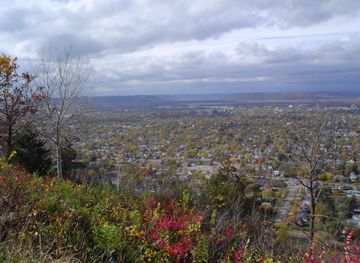

Destinations in Western Uplands
Resorts, valleys and scenic spots worth a trip of their own.


Explore Western Uplands: Things to Do, Places to Eat, Hotels & More
Handpicked recommendations for top attractions, local dining, accommodations, and more

Top Attractions & Sightseeing in Western Uplands
Top-rated picks
Best Attractions

The House on the Rock
Discover the magical world of The House on the Rock in Wisconsin, where creativity meets stunning architecture and enchanting displays.

Cave of the Mounds
Explore the breathtaking limestone formations and natural beauty at the Cave of the Mounds in Wisconsin - a true geological gem.

Cave Point County Park
Explore the breathtaking landscapes and outdoor adventures at Cave Point County Park, a natural treasure in Sturgeon Bay, Wisconsin.

Willow River State Park
Explore the breathtaking landscapes and diverse wildlife at Willow River State Park, a hidden gem for nature lovers in Wisconsin.

Best landmarks in Western Uplands
Top-rated picks
Best Landmarks

The House on the Rock
Discover the captivating wonders of The House on the Rock in Spring Green, Wisconsin—an architectural marvel filled with eclectic exhibits and breathtaking views.

Pabst Mansion
Explore the exquisite Pabst Mansion, a historical museum showcasing the opulence of Milwaukee's Gilded Age and the legacy of the Pabst brewing family.

Circus World | A Wisconsin Historic Site
Explore the rich history of the circus at Circus World in Baraboo, Wisconsin, where live performances and engaging exhibits await visitors of all ages.

Old World Wisconsin
Explore Wisconsin's rich heritage at Old World Wisconsin, a captivating living history museum featuring restored 19th-century buildings and engaging cultural experiences.

Best restaurants in Western Uplands
Top-rated picks
Best Restaurants
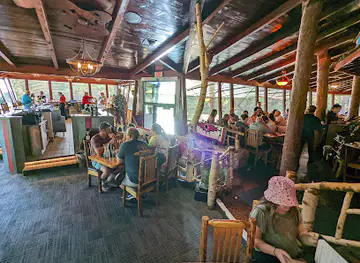
Ishnala Supper Club
Experience fine dining at Ishnala Supper Club with exquisite steaks and seafood in a breathtaking lakeside setting.

Harbor House
Discover exceptional seafood dining at Harbor House in Milwaukee with stunning lake views and an exquisite menu crafted for discerning palates.

Maxie's
Experience the vibrant flavors of American cuisine at Maxie's in Milwaukee – where Southern charm meets modern dining.

High Rock Cafe
Experience generous portions and unique recipes at High Rock Cafe, an American restaurant nestled in the heart of Wisconsin Dells.

Best bars in Western Uplands
Top-rated picks
Best Bars

Sayner Pub
Experience the heartwarming flavors of Sayner Pub, a cozy American restaurant and sports bar in Wisconsin, perfect for food lovers and sports fans alike.

The Flying Hound Alehouse
Experience the warmth of The Flying Hound Alehouse, a cozy Fitchburg gem offering delicious meals and an impressive selection of local craft beers.

Brazen Head Pub
Discover the vibrant atmosphere and delicious American cuisine at Brazen Head Pub, a must-visit dining destination in West Bend, Wisconsin.

Aztalan Inn Bar & Grill
Experience the heart of Wisconsin dining at Aztalan Inn Bar & Grill, where flavorful dishes and a vibrant atmosphere await.

Best nightclubs in Western Uplands
Top-rated picks
Best Nightclubs

FIVE Nightclub
Discover Madison's premier gay night club, FIVE Nightclub, where vibrant nightlife meets inclusive community spirit.

XS Nightclub
Experience unforgettable nights at XS Nightclub, the quintessential destination for lively music and vibrant nightlife in Green Bay, WI.

The ReMixx, Your NightLife Destination
Experience the heartbeat of Neenah's nightlife at The ReMixx, where music, dance, and affordable fun collide.

Night School Night Club and Venue
Discover the best of Schofield's nightlife at Night School Night Club, a premier venue for dancing, live music, and dining.

Best shops in Western Uplands
Top-rated picks
Best Shops

The Outlet Shoppes at Oshkosh
Explore The Outlet Shoppes at Oshkosh - a shopping haven featuring top brands and amazing deals in a vibrant outdoor setting.

The Shops At Woodlake Kohler
Explore the charming boutiques and unique gift shops at The Shops At Woodlake Kohler for an unforgettable shopping experience.

School Days Mall Antiques
Discover unique antiques and collectibles at School Days Mall Antiques, a nostalgic treasure trove in Sturtevant, Wisconsin.

Wampum Shop
Explore the Wampum Shop: Your destination for unique gifts and local treasures in Mercer, Wisconsin.

Explore Western Uplands on the Map
A handpicked selection of must-see spots in Western Uplands, mapped for you.
Western Uplands Essentials
-
The Western Uplands in Wisconsin can be accessed via several major highways. If you are flying, the nearest major airports are Dane County Regional Airport in Madison and Minneapolis-Saint Paul International Airport in Minnesota. From these airports, you can rent a car or take a shuttle service to reach your destination. Amtrak also offers rail services that connect to cities close to the Western Uplands such as La Crosse and Wisconsin Dells.
-
Transportation within the Western Uplands is primarily car-dependent. Renting a car is highly recommended for the freedom to explore the region's natural beauty at your own pace. Public transportation options are limited, but some towns offer local bus services and taxis. Biking is also a popular way to travel, especially on the many scenic trails.
-
The currency used is the US Dollar (USD). Credit and debit cards are widely accepted in hotels, restaurants, and shops. However, some rural areas might only accept cash, so it's advisable to carry some with you. ATMs are available in most towns, but make sure to have enough cash if you plan to venture into more remote areas.
-
The Western Uplands is generally a safe area for tourists. However, it's always wise to exercise common safety precautions. Avoid isolated areas at night and keep your belongings secure in crowded places. There are no specific high-crime areas targeting tourists, but staying vigilant is always a good practice.
-
In case of an emergency, dial 911 for immediate assistance. The region has several hospitals and urgent care facilities. It's a good idea to have travel insurance that covers medical emergencies. For minor health issues, pharmacies are available in most towns where you can purchase over-the-counter medications.
-
Fashion: Do dress comfortably and in layers, as weather can be unpredictable. Avoid overly flashy clothing. Religion: Do respect local religious customs, especially if visiting historical churches. Public Transport: Do be patient and courteous if using local buses. Don’t expect frequent services in rural areas. Greetings: Do greet people with a friendly 'hello' or a handshake. Don’t be overly familiar with strangers. Eating & Drinking: Do try local Wisconsin cheeses and craft beers. Don’t leave without tasting a traditional fish fry.
-
To experience the Western Uplands like a local, visit farmer's markets for fresh produce and artisanal goods. Engage with locals at community events and festivals, which are common in small towns. Don’t miss outdoor activities such as hiking, fishing, and canoeing. For a unique experience, visit during the fall to see the stunning autumn foliage.
When is the best time to visit Western Uplands?
Useful Local Phrases for Western Uplands
You don't need to speak the language perfectly. Even learning a few simple words can make conversations warmer—and locals usually appreciate the effort.
— Eve

Here are the phrases I use most often in Western Uplands. Try a few—you'll be surprised how far they go! 😊
❤️
-
- HelloHowdy
[Hau-dee] - GoodbyeSee ya
[See yah] - YesYup
[Yup] - NoNope
[Nope] - Please/You're welcomePlease / No problem
[Please / No prob-lum] - Thank youThanks
[Thanks] - Excuse me/SorryExcuse me / Sorry
[Ex-cuse me / Sor-ree] - How are you?How ya doin'?
[How yah doin'?] - Fine. And you?Good. And you?
[Good. And you?] - Do you speak English?Do ya speak English?
[Do yah speak English?] - I don't understandI don't get it
[I don't get it]
- HelloHowdy
-
- I'd like to see the menu, pleaseCan I see the menu, please?
[Can I see the men-u, please?] - I don't eat meatI don't eat meat
[I don't eat meat] - Cheers!Cheers!
[Cheers!] - I would like to pay, pleaseI'd like to settle up, please
[I'd like to set-tle up, please]
- I'd like to see the menu, pleaseCan I see the menu, please?
-
- Help!Help!
[Help!] - Go away!Leave me alone!
[Leave me a-lone!] - Call the Police!Call the cops!
[Call the cops!] - Call a doctor!Get a doctor!
[Get a doc-tor!] - I'm lostI'm turned around
[I'm turned a-round] - I'm illI'm not feeling well
[I'm not feel-ing well]
- Help!Help!
-
- I'd like to buy...I want to buy...
[I want to buy...] - I'm just lookingJust browsing
[Just brows-ing] - How much is it?What’s the price?
[What’s the price?] - That's too expensiveThat's a bit pricey
[That's a bit pry-see] - Can you lower the price?Can you bring the price down?
[Can you bring the price down?]
- I'd like to buy...I want to buy...
-
- What time is it?What time ya got?
[What time yah got?] - It's one o'clockIt's one
[It's one] - Half past (10)Half past ten
[Half past ten] - MorningMorning
[Morn-ing] - AfternoonAfternoon
[Af-ter-noon] - EveningEvening
[Eve-ning] - YesterdayYesterday
[Yes-ter-day] - TodayToday
[To-day] - TomorrowTomorrow
[To-morrow] - 1One
[One] - 2Two
[Two] - 3Three
[Three] - 4Four
[Four] - 5Five
[Five] - 6Six
[Six] - 7Seven
[Seven] - 8Eight
[Eight] - 9Nine
[Nine] - 10Ten
[Ten]
- What time is it?What time ya got?
-
- Where's a/the...?Where's the...?
[Where's the...?] - What's the address?What’s the address?
[What’s the ad-dress?] - Can you show me (on the map)?Can ya show me on the map?
[Can yah show me on the map?] - When's the next (bus)?When’s the next bus?
[When's the next bus?] - A ticket (to ....)A ticket to...
[A tick-et to...]
- Where's a/the...?Where's the...?
History of Western Uplands
-
The Western Uplands of Wisconsin were shaped by ancient geological processes over millions of years. Unlike the glaciated Central Plains, this region remains rugged and hilly due to its escape from the flattening effects of glaciers during the last Ice Age. The Driftless Area, as it is known, features deeply carved river valleys, steep ridges, and unique topographical features that have fascinated geologists and travelers alike.
-
Long before European settlers arrived, the Western Uplands were home to Native American tribes, including the Ho-Chunk, Sauk, and Fox tribes. These tribes utilized the region's resources for hunting, fishing, and agriculture. Effigy mounds, which are earthen mounds constructed in the shapes of animals, are scattered throughout the area, offering a glimpse into the spiritual and cultural practices of these early inhabitants.
-
In 1832, the Western Uplands were the backdrop for the Black Hawk War, a conflict between the United States and Native American tribes led by the Sauk leader Black Hawk. This brief but significant war was a result of tensions over land treaties and encroachment by European settlers. The conflict culminated in the tragic Battle of Bad Axe, which marked the end of major Native American resistance in the region.
-
The early 19th century saw a lead mining boom in the Western Uplands, attracting settlers and prospectors to the area. Towns such as Mineral Point became bustling centers of commerce and trade. The region's rich deposits of galena (lead ore) were highly sought after, and the mining industry played a crucial role in the economic development of the area. The legacy of this era is still visible in the preserved historic buildings and mining museums.
-
Following the decline of the lead mining industry, agriculture became the dominant economic activity in the Western Uplands. The fertile soil and favorable climate allowed for the growth of diverse crops, including corn, soybeans, and tobacco. Dairy farming also became a significant industry, with Wisconsin eventually earning the nickname 'America's Dairyland.' The region's agricultural heritage is celebrated at numerous county fairs and festivals.
-
One of the most notable cultural landmarks in the Western Uplands is Taliesin, the home and studio of the renowned architect Frank Lloyd Wright. Located near Spring Green, Taliesin served as Wright's primary residence and architectural laboratory for nearly fifty years. The estate showcases Wright's innovative design principles and his deep connection to the landscape of the Western Uplands. Today, Taliesin is a UNESCO World Heritage Site and a popular destination for architecture enthusiasts.
-
Established in 1989, the Driftless Area National Wildlife Refuge aims to protect the unique ecosystems and endangered species of the Western Uplands. The refuge encompasses over 700 acres of diverse habitats, including prairies, forests, and wetlands. It provides sanctuary for species such as the endangered Hine's emerald dragonfly and the Iowa Pleistocene snail. The refuge is a testament to the region's ecological significance and offers visitors the opportunity to explore its natural beauty.
Neighbouring Regions of Western Uplands
The closest regions to Western Uplands, if you have time for more than one.



Your all‑in‑one travel companion app
Explore expert travel guides, compare and book tours, experiences, hotels, and more—all from the palm of your hand. Download now for seamless trip planning wherever your wanderlust takes you.


Explore More of Wisconsin

Looking beyond Western Uplands? Discover Wisconsin for broader travel guides, local hot-spots, and regional highlights.
Explore WisconsinWestern Uplands in Photos
Browse through our photo collection highlighting the charm and character of the destination.


The Enchanting Western Uplands of Wisconsin
Nestled in the heart of America's Dairyland, the Western Uplands of Wisconsin offer a scenic retreat for nature lovers and adventure seekers. This region is famous for its rolling hills, lush forests, and winding rivers, making it a paradise for hiking, fishing, and wildlife watching. The Western Uplands also boast a rich history, with charming small towns that offer a glimpse into Wisconsin's past. One of the highlights of the Western Uplands is the Driftless Area, an untouched landscape that escaped the flattening effects of glaciers during the last Ice Age. Here, you can explore deep valleys, rocky outcrops, and pristine streams. It's a great spot for birdwatching, especially in the spring and fall when many migratory species pass through. The region's state parks, such as Governor Dodge and Wildcat Mountain, provide excellent opportunities for camping and picnicking. These parks are also popular for their well-marked trails, where you can enjoy everything from gentle walks to challenging hikes. Don't forget to visit the picturesque waterfalls that dot the landscape, offering perfect photo opportunities. For those interested in local culture, the Western Uplands are home to several historic sites and museums. You can learn about the area's Native American heritage, early settlers, and agricultural history. Many small towns host seasonal festivals celebrating local traditions, food, and crafts, providing a great way to experience the local community. Whether you're looking to unwind in nature or delve into local history, the Western Uplands of Wisconsin offer a unique and memorable experience.