

Free Coulee Region Travel Guide & Mobile App
Explore Coulee Region with free travel guides. Discover regional history, expert tips, proposed trips, and audio guides on web or mobile app.


Explore Wisconsin’s Coulee Region for Mississippi River towns, wooded bluffs, scenic drives, local food and outdoor adventures in the Driftless Area.
Read more about Coulee Region
Getting to and around Coulee Region
How to get there
Transportation
Best attractions in Coulee Region
The Coulee Region’s attractions are spread across riverfronts, bluffs, historic towns and working countryside rather than concentrated in a single resort area. La Crosse combines Riverside Park, museums, a historic commercial centre, river excursions and the long views from Grandad Bluff. Along the Mississippi, Perrot State Park near Trempealeau protects marshes, wooded slopes and island-studded water important to migrating birds, while Merrick State Park near Fountain City offers access to backwaters and floodplain scenery. The Great River Road links these landscapes with communities such as Alma and Genoa, where scenic overlooks and small-town heritage complement outdoor activities. Inland, Wildcat Mountain State Park and the Kickapoo Valley Reserve provide hiking, paddling and ridge-top views in steep-sided valleys. Prairie du Chien contributes important historic attractions, including Villa Louis and Fort Crawford Museum, while rural Vernon and Crawford counties are known for farms, orchards, local food producers and quiet roads. Activities change with the seasons: boating and cycling are strongest in warmer months, birdwatching follows migration patterns, and hiking, cross-country skiing and scenic drives remain popular in cooler weather when conditions permit.
-
Park
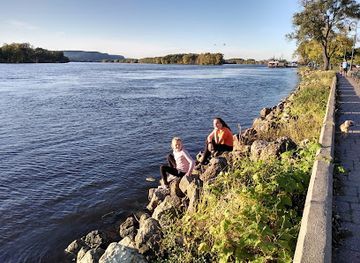
Riverside Park
Explore Riverside Park in La Crosse, WI – a serene park featuring scenic views, vibrant gardens, and endless recreational activities along the beautiful Mississippi River.
-
Park
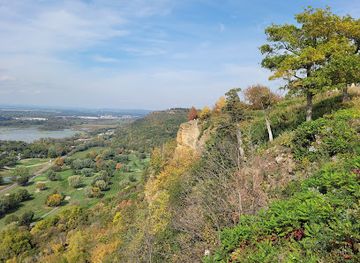
Grandad Bluff Park
Experience breathtaking views and lush landscapes at Grandad Bluff Park, a must-see natural attraction in La Crosse, Wisconsin.
-
Children's museum
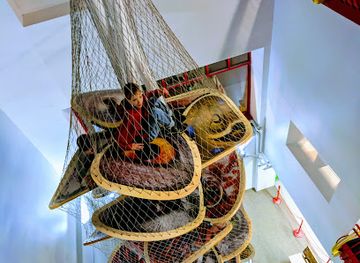
Children's Museum of La Crosse
Experience endless fun and learning at the Children's Museum of La Crosse, where imagination knows no bounds for children and families.
-
Museum
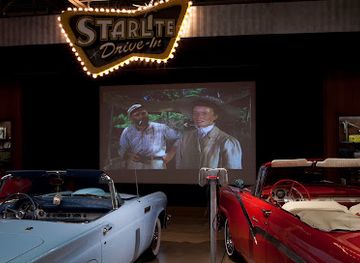
Dahl Auto Museum
Explore the rich automotive history and impressive classic car collection at Dahl Auto Museum in La Crosse, Wisconsin.
Best landmarks in Coulee Region
Grandad Bluff, rising above La Crosse, is the Coulee Region’s most recognisable natural landmark and illustrates the dramatic elevation changes created by the Driftless landscape. The Mississippi River itself is another defining feature, widening into backwaters and wetlands beside towns such as Alma, Fountain City and Trempealeau. Historic La Crosse retains substantial nineteenth- and early twentieth-century architecture in its downtown, including commercial buildings that reflect the city’s development as a river and railway centre. Prairie du Chien’s Villa Louis, an Italianate nineteenth-century mansion overlooking the Mississippi, represents the area’s mercantile and political history, while Fort Crawford Museum occupies the former military hospital associated with the old frontier garrison. In the northern river corridor, Perrot State Park’s bluffs and marshes provide a landmark landscape as well as recreational access. The steep ridges of Wildcat Mountain and the winding Kickapoo Valley further define the region visually, showing why local geography has shaped settlement, farming, transport and recreation for generations.
-
Historical landmark
Wisconsin State Historical Marker 209: The Coulee Region
Explore the Coulee Region of Wisconsin: A stunning mix of natural beauty and rich historical significance awaits every visitor.
-
Historical landmark
Wisconsin State Historical Marker 198: Coulee Country
Discover Coulee Country, a historical landmark that offers a glimpse into Wisconsin's rich heritage and stunning natural beauty along I-90.


Explore Coulee Region on the map
Plan your trip on one map. See where the top cities, national parks and sights are, and book hotels and experiences in a few clicks.
Best hotels in Coulee Region
Best restaurants in Coulee Region
Dining in the Coulee Region reflects western Wisconsin’s agricultural and river setting. La Crosse has the broadest choice, from cafés and breweries to contemporary restaurants, traditional taverns and supper-club-style dining. Across the countryside, menus commonly draw on Wisconsin cheese, dairy products, beef, pork, freshwater fish, seasonal vegetables, apples, berries and maple products, while bakeries and farm shops provide regional produce for self-catering. Mississippi towns offer casual meals and river-oriented dining, although choices can be limited outside peak visitor periods. Farmers’ markets and seasonal stands are useful for discovering local ingredients, and the Driftless Area’s small farms support a growing interest in direct-to-consumer food. Craft beer is prominent in La Crosse, but the wider regional food culture also includes classic American breakfasts, burgers, fish dishes, pies and locally made preserves. Opening days and evening service can vary considerably in rural communities, so plan meals rather than assuming every small town will have late dining.
-
Steak
Digger's Sting Restaurant
Experience exquisite steak dining at Digger's Sting Restaurant in La Crosse - where quality meets elegance.
-
Fine Dining
Lovechild
Discover Lovechild in La Crosse: where fine dining meets artisanal cocktails in an unforgettable culinary experience.
-
Restaurant
The Restaurant at The Charmant Hotel
Experience exquisite dining and local flavors at The Restaurant at The Charmant Hotel in La Crosse, Wisconsin.
-
American
Three Rivers River View Restaurant & Bar
Experience delightful American cuisine at Three Rivers River View Restaurant & Bar with stunning river views in La Crosse, Wisconsin.

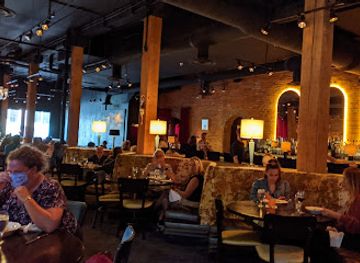
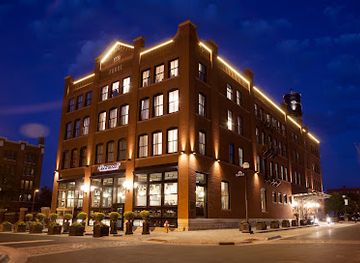
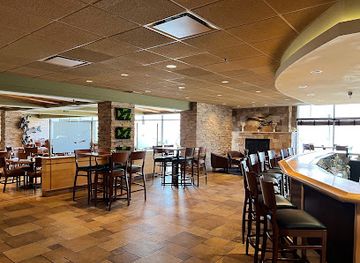
Best bars in Coulee Region
Evening life is centred on La Crosse, where a university population, downtown restaurants, breweries, live-music venues and traditional Wisconsin bars create the region’s most varied nightlife. The city’s historic centre is generally the easiest place to move between restaurants and drinks, though individual venues and schedules change. Smaller river towns and rural communities tend to favour taverns, historic inns, supper clubs and seasonal events rather than dedicated nightclubs. Local breweries and taprooms provide opportunities to sample regional beer, while live music may feature in bars, festivals and community venues. Prairie du Chien and other larger towns offer additional evening options, but the overall pace is distinctly more relaxed than in a major metropolitan centre. In the countryside, distances, limited taxis and dark roads make arranging a safe journey important; drinking is not necessary to enjoy the region’s evening culture, which also includes riverside walks, theatre, dining and seasonal community gatherings.
-
Steak
The Freighthouse Restaurant
Discover the exquisite flavors at The Freighthouse Restaurant, a fine dining gem in La Crosse, Wisconsin, specializing in steak and seafood.
-
American
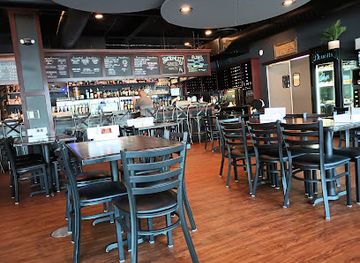
Piggy's Restaurant and Lounge
Discover an exquisite dining experience at Piggy's Restaurant and Lounge, where American cuisine meets a warm, inviting atmosphere in La Crosse.
-
Tapas
4 Sisters Wine Bar & Tapas Restaurant
Experience the rich flavors of Spanish tapas and fine wines at 4 Sisters Wine Bar & Tapas Restaurant in La Crosse, Wisconsin.
-
Lounge
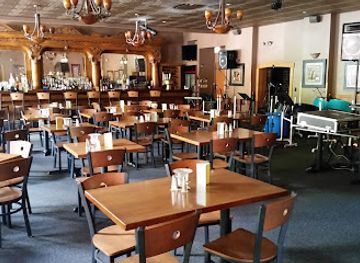
The Starlite Lounge
Experience La Crosse's vibrant nightlife at The Starlite Lounge, known for its signature cocktails and lively atmosphere perfect for unwinding.
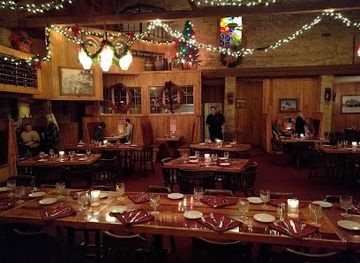
Best nightclubs in Coulee Region
Evening life is centred on La Crosse, where a university population, downtown restaurants, breweries, live-music venues and traditional Wisconsin bars create the region’s most varied nightlife. The city’s historic centre is generally the easiest place to move between restaurants and drinks, though individual venues and schedules change. Smaller river towns and rural communities tend to favour taverns, historic inns, supper clubs and seasonal events rather than dedicated nightclubs. Local breweries and taprooms provide opportunities to sample regional beer, while live music may feature in bars, festivals and community venues. Prairie du Chien and other larger towns offer additional evening options, but the overall pace is distinctly more relaxed than in a major metropolitan centre. In the countryside, distances, limited taxis and dark roads make arranging a safe journey important; drinking is not necessary to enjoy the region’s evening culture, which also includes riverside walks, theatre, dining and seasonal community gatherings.
-
Lounge
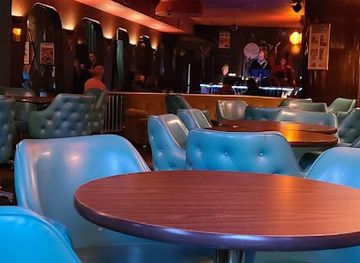
The Starlite Lounge
Discover La Crosse's vibrant nightlife at The Starlite Lounge, where expertly crafted cocktails meet a chic ambiance for an unforgettable experience.
-
Lounge
Cavalier Theater and Lounge
Discover the Cavalier Theater and Lounge in La Crosse, where cocktails meet captivating performances for an unforgettable night out.
-
Gay bar
Chances R
Experience the vibrant nightlife and welcoming atmosphere at Chances R, La Crosse's premier gay bar, perfect for all visitors looking to celebrate.
-
Bar
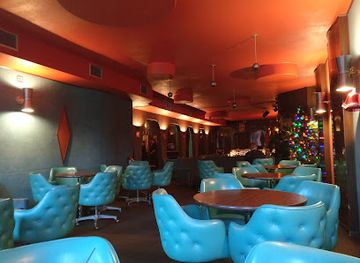
Yesterdays
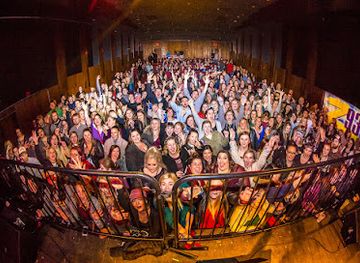
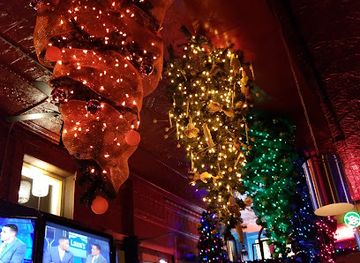
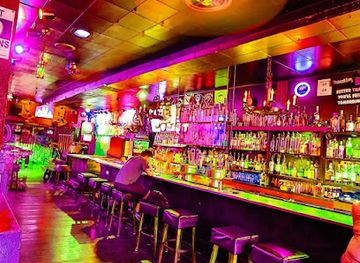
Experience the nostalgic charm and lively atmosphere of Yesterdays, the ultimate bar and pool hall in La Crosse, Wisconsin, where good times abound.
Best shops in Coulee Region
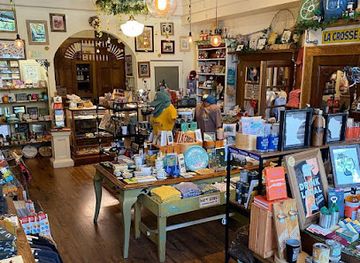
Shopping is strongest in La Crosse, where historic downtown streets contain independent retailers, galleries, bookshops, gift shops, cafés and businesses selling Wisconsin foods and locally made goods. The city also provides practical household and outdoor shopping for visitors using it as a regional base. Smaller communities such as Viroqua, Prairie du Chien, Trempealeau, Alma and Fountain City offer more specialised browsing, including antiques, art, craft goods and traditional high-street stores, though opening patterns vary. Farmers’ markets and farm stands are particularly useful for cheese, maple products, fruit, vegetables, baked goods, preserves and other seasonal provisions. Local breweries and food producers may sell packaged products suitable for travel, subject to American alcohol and transport rules. In rural areas, shopping is part of the journey rather than a large retail district: allow time for scattered stores, seasonal produce outlets and galleries, and do not expect metropolitan luxury shopping or extensive late-opening retail outside La Crosse.
-
Women's clothing store
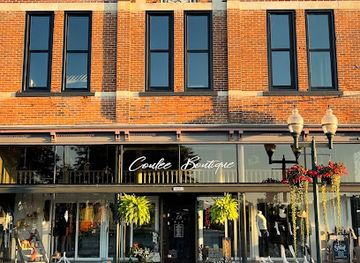
Coulee Boutique
Explore unique women's fashion at Coulee Boutique in Galesville, where style meets personalized shopping experience.
-
Gift shop
Drift Mercantile
Explore Drift Mercantile in La Crosse, WI for unique gifts and local treasures celebrating Wisconsin's charm and culture.
Get your free copy of our complete guide to Coulee Region, delivered straight to you.
Everything on this page, from attractions and restaurants to essentials and local phrases, in one PDF you can read offline, print or share.
Already have an account? Sign in
Your Coulee Region guide is ready.
We'll send it to · Not you? Sign out

Getting your guide ready…
We are putting together a fresh copy of the Coulee Region guide. This can take up to a minute.
This can take a few moments. If your browser asks, choose Allow so the download can start. You'll find the guide in your Downloads folder.
Nothing happened? Download it again
Sorry, the guide is taking longer than usual. Please try again in a minute, or get it by email instead.
Coulee Region essentials
Currency and Payment
Safety
Emergency Situations
Do's and Don'ts
Local Tips
From Eve
Local phrases worth knowing
You don't need to get them perfect. A few words go a long way, and locals appreciate the effort.
Basics
| English | Local | Say it |
|---|---|---|
| Hello | Howdy | [Hau-dee] |
| Goodbye | See ya later | [See ya lay-ter] |
| Yes | Yep | [Yep] |
| No | Nah | [Nah] |
| Please/You're welcome | Sure thing | [Shur thing] |
| Thank you | Thanks a lot | [Thanks a lot] |
| Excuse me/Sorry | Pardon me | [Par-dun me] |
| How are you? | How ya doin’? | [How ya doin’] |
| Fine. And you? | I’m good. And you? | [I’m good. An' you?] |
| Do you speak English? | Do ya speak English? | [Do ya speak English?] |
| I don't understand | I don’t get it | [I don’t get it] |
Eating & Drinking
| English | Local | Say it |
|---|---|---|
| I'd like to see the menu, please | Can I see the menu? | [Can I see the menu?] |
| I don't eat meat | I’m a vegetarian | [I’m a vege-tarian] |
| Cheers! | Cheers! | [Cheers!] |
| I would like to pay, please | Can I get the check? | [Can I get the check?] |
Emergencies
| English | Local | Say it |
|---|---|---|
| Help! | Help! | [Help!] |
| Go away! | Get lost! | [Get lost!] |
| Call the Police! | Call the cops! | [Call the cops!] |
| Call a doctor! | Get a doctor! | [Get a doctor!] |
| I'm lost | I’m turned around | [I’m turned around] |
| I'm ill | I’m not feeling well | [I’m not feeling well] |
Shopping
| English | Local | Say it |
|---|---|---|
| I'd like to buy... | I wanna buy... | [I wanna buy...] |
| I'm just looking | Just browsing | [Just browsing] |
| How much is it? | What’s the price? | [What’s the price?] |
| That's too expensive | That’s a bit pricey | [That’s a bit pricey] |
| Can you lower the price? | Can ya give me a deal? | [Can ya give me a deal?] |
Time & Numbers
| English | Local | Say it |
|---|---|---|
| What time is it? | What time ya got? | [What time ya got?] |
| It's one o'clock | It’s 1 o’clock | [It’s 1 o’clock] |
| Half past (10) | Half past 10 | [Half past 10] |
| Morning | Morning | [Morning] |
| Afternoon | Afternoon | [Afternoon] |
| Evening | Evening | [Evening] |
| Yesterday | Yesterday | [Yesterday] |
| Today | Today | [Today] |
| Tomorrow | Tomorrow | [Tomorrow] |
| 1 | One | [One] |
| 2 | Two | [Two] |
| 3 | Three | [Three] |
| 4 | Four | [Four] |
| 5 | Five | [Five] |
| 6 | Six | [Six] |
| 7 | Seven | [Seven] |
| 8 | Eight | [Eight] |
| 9 | Nine | [Nine] |
| 10 | Ten | [Ten] |
Transport & Directions
| English | Local | Say it |
|---|---|---|
| Where's a/the...? | Where’s the...? | [Where’s the...?] |
| What's the address? | What’s the address? | [What’s the address?] |
| Can you show me (on the map)? | Can ya point it out? | [Can ya point it out?] |
| When's the next (bus)? | When’s the next bus? | [When’s the next bus?] |
| A ticket (to ....) | A ticket to... | [A ticket to...] |
History of Coulee Region
Indigenous Homelands and River Networks
The Coulee Region lies within the traditional homeland of the Ho-Chunk, whose communities maintain an enduring relationship with the valleys, ridges and waterways of western Wisconsin. The Mississippi and its tributaries supported travel, fishing, hunting and exchange long before European settlement, while archaeological evidence records much earlier Indigenous societies in the wider Driftless Area. Visitors should understand the landscape not as an empty wilderness awaiting settlers, but as a place shaped by Indigenous knowledge, movement and stewardship over many centuries.
French Trade and the Mississippi Frontier
French-speaking explorers, missionaries and traders entered the upper Mississippi valley during the seventeenth and eighteenth centuries, connecting the region to wider networks of exchange. European trade introduced new goods and political pressures but did not displace established Indigenous authority overnight. Later, British and American interests competed for control of the river frontier. The Coulee Region’s location at the meeting of river routes helps explain why trade, military movement and settlement repeatedly followed the Mississippi and its tributaries.
Fort Crawford and Prairie du Chien
Prairie du Chien, at the southern end of the region, became an important strategic and commercial settlement because of its position on the Mississippi. Fort Crawford was established by the United States in the nineteenth century, and the area was involved in the conflicts and treaty-making that accompanied American expansion into the upper Midwest. The surviving Brisbois House and Villa Louis, together with Fort Crawford Museum, help interpret the town’s overlapping French, Indigenous, military and river-trade histories.
La Crosse and the Rise of River Commerce
La Crosse grew rapidly during the nineteenth century as a river port and commercial centre. Steamboats carried timber, grain and other goods along the Mississippi, while mills, warehouses and merchants linked the town to inland farms and northern forests. Railways later reinforced its position and reduced dependence on river navigation. The city’s historic downtown and riverside setting retain traces of this transition, even as modern La Crosse has developed into the region’s principal service, educational and cultural centre.
Lumber, Railways and Agricultural Settlement
Nineteenth-century Wisconsin development was driven by lumbering, transport and farming. Timber moved downriver from northern forests, while rail lines connected river ports with inland communities. In the coulees, steep terrain limited large-scale field agriculture but encouraged mixed farms, dairying, orchards and small settlements adapted to valley soils and upland pastures. Many rural roads, farmhouses, barns and village main streets reflect this era. Agriculture remains important, although the regional economy is now more diversified than in the period of river and rail expansion.
A Landscape of Conservation and Recreation
During the twentieth century, public agencies and local communities increasingly protected floodplain forests, wetlands, bluffs and river corridors from development. State parks and wildlife areas created opportunities for hiking, boating, fishing and birdwatching while conserving habitats shaped by the Mississippi and its tributaries. The preservation of historic districts and river landmarks followed a similar recognition that the region’s identity rests on both natural scenery and working landscapes. Today, recreation and heritage tourism complement agriculture, education, healthcare and manufacturing.
Contemporary Driftless Identity
The modern Coulee Region is defined less by a single administrative boundary than by shared geography and cultural connections across western Wisconsin. La Crosse provides urban services and institutions, while smaller towns and rural communities sustain farming, seasonal festivals, local food businesses and river-based traditions. Conservation, cycling, paddling and scenic tourism have become important parts of the visitor economy. At the same time, Ho-Chunk presence, agricultural heritage and the continuing life of Mississippi communities remain essential to understanding the region beyond its scenic appeal.
Coulee Region in Photos
Browse through our photo collection highlighting the charm and character of the destination.
Neighbouring regions of Coulee Region
The closest regions to Coulee Region, if you have time for more than one.
-

-

-

-

-


Swipe for more regions
Explore more

Explore more of Wisconsin
Discover Wisconsin: A Midwestern gem offering stunning natural landscapes, rich cultural experiences, and a taste of America's finest dairy products.
Explore Wisconsin