

Free Kickapoo Valley Travel Guide & Mobile App
Explore Kickapoo Valley with free travel guides. Discover regional history, expert tips, proposed trips, and audio guides on web or mobile app.


Kickapoo Valley in Wisconsin offers winding river trips, Driftless Area trails, wooded ridges, small towns and rural landscapes shaped by water and geology.
Read more about Kickapoo Valley
Getting to and around Kickapoo Valley
How to get there
Transportation
Best attractions in Kickapoo Valley
The Kickapoo Valley Reserve is the central attraction, combining a winding river corridor with forested ridges, steep ravines, floodplain, wildlife habitat and a network of trails. Hiking, birdwatching, fishing and wildlife observation are the main pursuits on land, while canoeing and kayaking provide the clearest sense of the river’s extraordinary bends. Wildcat Mountain State Park, near Ontario, adds wooded hiking routes, steep valley scenery, picnic areas and viewpoints within the wider Kickapoo Valley travel area. The surrounding Driftless countryside offers scenic driving, farm landscapes, spring-fed streams and quiet back roads rather than a concentration of built attractions. Small museums, local historical displays, cafés and community events in nearby settlements provide useful cultural context, while the former dam landscape offers a distinctive lesson in conservation and public-land history. Visitors should check conditions, access rules and seasonal arrangements for each activity, particularly after heavy rain or during periods of high water.
-
Tourist attraction
The House on the Rock
Discover the wonder of The House on the Rock in Spring Green, Wisconsin, where imagination meets breathtaking architecture and captivating exhibits.
-
State park
Wildcat Mountain State Park
Explore the majestic landscapes of Wildcat Mountain State Park, a natural wonder in Wisconsin offering hiking, camping, and breathtaking views.
-
State park
Mill Bluff State Park
Explore the breathtaking landscapes and rich wildlife of Mill Bluff State Park, a premier destination for outdoor adventure in Wisconsin.
-
Nelson Dewey State Park
Explore the scenic beauty and outdoor adventures at Nelson Dewey State Park in Wisconsin, a perfect destination for nature lovers and outdoor enthusiasts.

Best landmarks in Kickapoo Valley
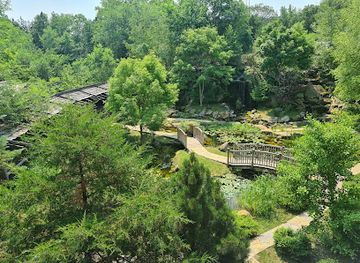
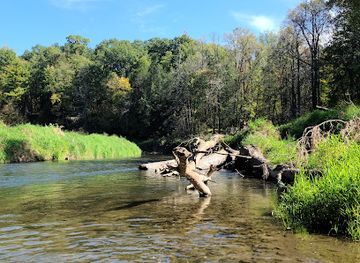
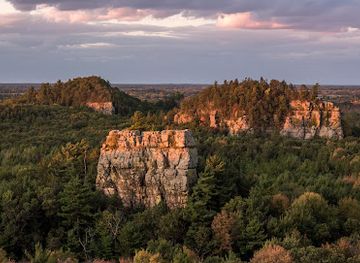
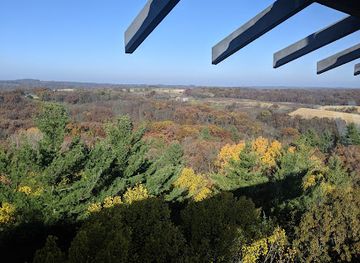
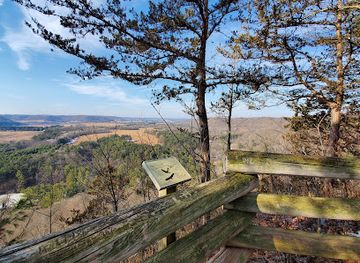
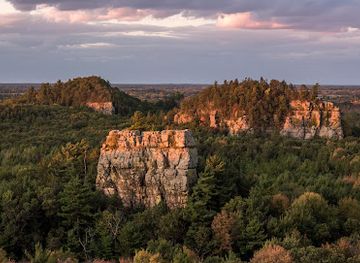
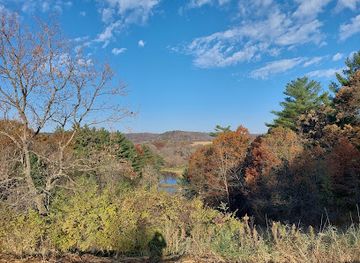
The Kickapoo River is the valley’s most recognisable natural landmark, distinguished by its unusually sinuous course through wooded hills and open agricultural country. The river’s repeated bends are best appreciated from a canoe, a bridge or an elevated road through the surrounding ridges. The Kickapoo Valley Reserve is also a landmark in historical terms: its public landscape embodies the abandoned dam project and the later decision to conserve the valley for recreation and habitat. Near Ontario, Wildcat Mountain’s steep wooded slopes and views across the Kickapoo valley form one of the area’s most prominent topographical features. The valley’s limestone bluffs, spring-fed tributaries, deeply cut hollows and exposed rock are characteristic expressions of the Driftless Area. In the villages, modest civic buildings, churches, historic commercial streets and farm structures provide quieter reminders of settlement history, while the Ho-Chunk presence gives the wider landscape cultural significance that is not captured by scenery alone.
-
Tourist attraction
The House on the Rock
Discover the surreal beauty and eccentric charm of The House on the Rock, a unique tourist attraction in Spring Green, Wisconsin, that ignites the imagination.
-
State park
Wildcat Mountain State Park
Explore the stunning landscapes and outdoor adventures at Wildcat Mountain State Park in Wisconsin, a natural haven for every nature enthusiast.
-
State park
Mill Bluff State Park
Explore Mill Bluff State Park in Wisconsin, where stunning bluffs and diverse wildlife await outdoor enthusiasts in a serene natural setting.
-
Tourist information center
Kickapoo Valley Reserve Visitor Center
Explore the stunning landscapes and rich history at Kickapoo Valley Reserve Visitor Center, your gateway to Wisconsin's natural wonders.
Explore Kickapoo Valley on the map
Plan your trip on one map. See where the top cities, national parks and sights are, and book hotels and experiences in a few clicks.
Best hotels in Kickapoo Valley
Best restaurants in Kickapoo Valley
Dining in Kickapoo Valley is closely tied to the rural economy and the small communities of the Driftless Area. Local taverns, cafés, supper-club-style restaurants and family-run eateries generally provide practical meals rather than a dense restaurant scene. Wisconsin staples such as cheese, dairy products, burgers, fish fries, sandwiches and baked goods are common, while seasonal farm produce appears at markets and roadside stands. The area’s dairy heritage is especially visible in farm shops and regional food producers, although individual products and opening arrangements vary. La Farge, Ontario and nearby towns are the main places to look for meals and provisions, with fewer options once visitors are deep in the countryside. Plan ahead for paddling or hiking days, when carrying lunch and water is sensible. Local food is best understood as part of the valley’s working agricultural culture, complemented by informal hospitality in cafés and taverns rather than by a formal culinary district.
-
Grill
Kurtev's Backyard Bar and Grill
Experience delicious grilled favorites at Kurtev's Backyard Bar and Grill in Fond du Lac - where flavor meets fun!
-
Grill
Schmitty's Bar & Grill
Experience the best burgers and vibrant atmosphere at Schmitty's Bar & Grill in Fond du Lac, where every meal is a celebration of flavors.
-
Restaurant
The Sweet & Salty Pig
Experience unique flavors at The Sweet & Salty Pig in Fond du Lac – where sweet meets savory in every delicious dish.
-
Seafood
Salty's Seafood & Spirits
Discover fresh seafood delights at Salty's Seafood & Spirits in Fond du Lac - where flavor meets hospitality in every dish.
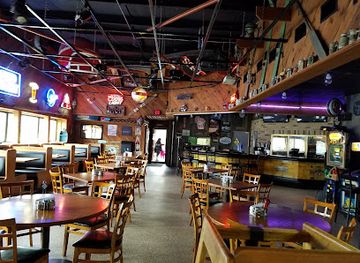
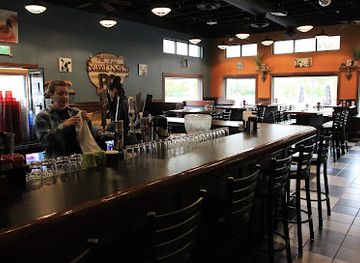
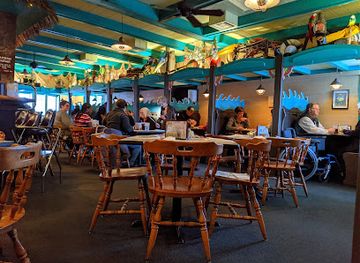
Best bars in Kickapoo Valley
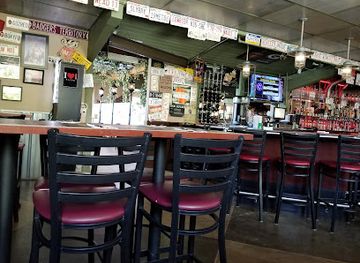
Evening life in Kickapoo Valley is predominantly rural and centres on taverns, casual restaurants, community gatherings and quiet conversation rather than nightclubs. La Farge, Ontario, Readstown and other nearby settlements provide the principal places for a drink, a meal or occasional live music, while the surrounding countryside becomes very dark after sunset. Wisconsin’s tavern tradition is visible in locally oriented bars that may serve food and function as meeting places, but visitors should not assume late-night hours or extensive entertainment. Breweries and craft-drink venues are more characteristic of the wider Driftless Wisconsin region than of the valley itself, so check locations and transport carefully before making plans. After an outdoor day, many visitors choose an early dinner, stargazing or a porch rather than a formal nightlife itinerary. Never drink and drive on the valley’s winding rural roads.
-
Grill
Sweetwater Spirits & Resort
Discover the vibrant atmosphere of Sweetwater Spirits & Resort, where delicious grill cuisine meets live music in the heart of Eagle River, Wisconsin.
-
Grill
Lumpy's Bar & Grill
Discover the vibrant atmosphere, delicious grill fare, and local charm at Lumpy's Bar & Grill in Eagle River, Wisconsin.
-
Restaurant
Kickapoo Corners
Experience the taste of Wisconsin at Kickapoo Corners, where fresh ingredients and homemade dishes create a delightful dining adventure.
-
American
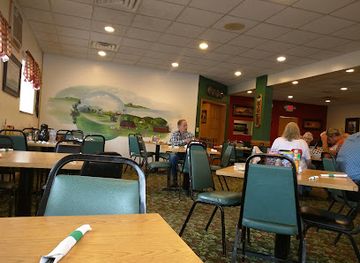
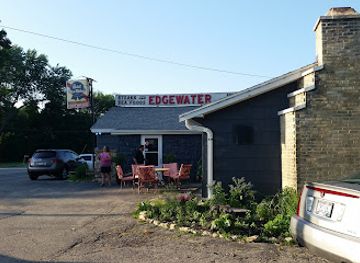
The Edgewater Supper Club
Discover a culinary oasis at The Edgewater Supper Club, offering delectable American dishes, fresh seafood, and juicy steaks in a charming setting.
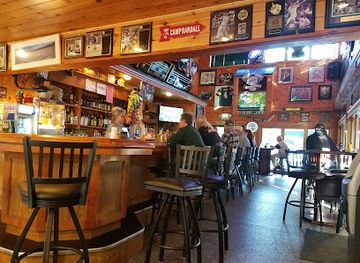

Best nightclubs in Kickapoo Valley
Evening life in Kickapoo Valley is predominantly rural and centres on taverns, casual restaurants, community gatherings and quiet conversation rather than nightclubs. La Farge, Ontario, Readstown and other nearby settlements provide the principal places for a drink, a meal or occasional live music, while the surrounding countryside becomes very dark after sunset. Wisconsin’s tavern tradition is visible in locally oriented bars that may serve food and function as meeting places, but visitors should not assume late-night hours or extensive entertainment. Breweries and craft-drink venues are more characteristic of the wider Driftless Wisconsin region than of the valley itself, so check locations and transport carefully before making plans. After an outdoor day, many visitors choose an early dinner, stargazing or a porch rather than a formal nightlife itinerary. Never drink and drive on the valley’s winding rural roads.
-
American
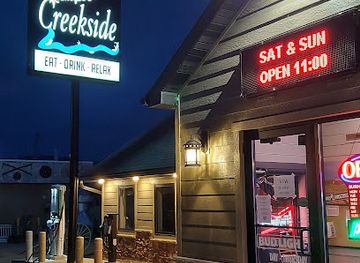
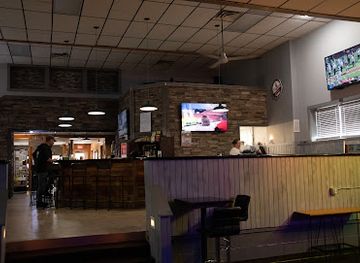
Kickapoo Creekside
Experience the heart of American dining at Kickapoo Creekside in Readstown, Wisconsin, where delicious food meets warm hospitality.
-
Wine bar
Twisted Raven Lounge
Discover Twisted Raven Lounge, a charming wine bar in La Farge, Wisconsin, offering a curated selection of wines and an inviting atmosphere.
-
Night club
Owl Farm
Discover the vibrant nightlife at Owl Farm in La Farge, Wisconsin, where local culture and entertainment blend for an unforgettable experience.

Best shops in Kickapoo Valley
Shopping in Kickapoo Valley is practical, local and closely linked to agriculture rather than concentrated in large retail centres. La Farge, Ontario, Readstown and nearby market towns provide small shops, groceries, cafés and locally oriented services, while seasonal farm stands and community markets may offer produce, preserves, baked goods, maple products, honey or dairy-related foods. Availability varies with the season and with the day of the week, so visitors should buy essential provisions before heading into the reserve or remote countryside. Independent galleries, craft shops and antique outlets occur across the wider Driftless Area, with work often reflecting rural life, woodcraft, pottery, textiles and landscape-inspired art. Useful souvenirs include regional food products, locally made crafts and books about the Kickapoo River, the Driftless geology or Ho-Chunk history. The valley is not a destination for designer shopping or extensive malls; its strongest retail character lies in direct connections with farms, makers and small-town businesses.
-
Antique store
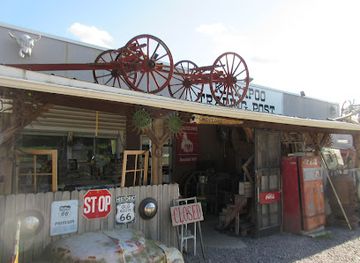
Kickapoo Trading Post
Explore a unique collection of antiques and curios at Kickapoo Trading Post in Readstown, Wisconsin, and discover the charm of vintage treasures.
Get your free copy of our complete guide to Kickapoo Valley, delivered straight to you.
Everything on this page, from attractions and restaurants to essentials and local phrases, in one PDF you can read offline, print or share.
Already have an account? Sign in
Your Kickapoo Valley guide is ready.
We'll send it to · Not you? Sign out

Getting your guide ready…
We are putting together a fresh copy of the Kickapoo Valley guide. This can take up to a minute.
This can take a few moments. If your browser asks, choose Allow so the download can start. You'll find the guide in your Downloads folder.
Nothing happened? Download it again
Sorry, the guide is taking longer than usual. Please try again in a minute, or get it by email instead.
Kickapoo Valley essentials
Currency and Payment
Safety
Emergency Situations
Do's and Don'ts
Local Tips
From Eve
Local phrases worth knowing
You don't need to get them perfect. A few words go a long way, and locals appreciate the effort.
Basics
| English | Local | Say it |
|---|---|---|
| Hello | Boozhoo | [Boo-zhoo] |
| Goodbye | Aaniin | [Ah-nee] |
| Yes | Ee | [Ee] |
| No | Nii | [Nee] |
| Please/You're welcome | Miigwech | [Mee-gwech] |
| Thank you | Miigwech | [Mee-gwech] |
| Excuse me/Sorry | Nin giiwan | [Nin gee-wan] |
| How are you? | Aaniin ezhi-ayaad? | [Ah-nee-eh-zhih-ah-yahd] |
| Fine. And you? | Niiwii. Naagaj | [Nee-wee. Nah-gahj] |
| Do you speak English? | Gii-zhichigewin English? | [Ghee-zhi-chi-geh-win English] |
| I don't understand | Nin gii-zhichigewin | [Nin gee-zhi-chi-geh-win] |
Eating & Drinking
| English | Local | Say it |
|---|---|---|
| I'd like to see the menu, please | Nin gii-nishkaadiz, miigwech | [Nin gee-nee-shka-diz, mee-gwech] |
| I don't eat meat | Nin gii-nagamoog | [Nin gee-nah-gah-moog] |
| Cheers! | Kikwe | [Kee-kweh] |
| I would like to pay, please | Nin gii-nishiime, miigwech | [Nin gee-nee-shee-meh, mee-gwech] |
Emergencies
| English | Local | Say it |
|---|---|---|
| Help! | Nin wii-gashkigwa | [Nin wee-gash-kee-gwah] |
| Go away! | Daga gii-ziigwan | [Dah-gah gee-zee-gwan] |
| Call the Police! | Gii-nishkaadiz gii-wiigamig | [Ghee-nee-shka-diz gee-wee-gah-mig] |
| Call a doctor! | Gii-nishkaadiz gii-gikendaas | [Ghee-nee-shka-diz gee-gee-ken-dahs] |
| I'm lost | Nin gii-nashkaw | [Nin gee-nash-kahw] |
| I'm ill | Nin gii-bagid | [Nin gee-bah-gid] |
Shopping
| English | Local | Say it |
|---|---|---|
| I'd like to buy... | Nin gii-mikwen... | [Nin gee-mee-kwehn] |
| I'm just looking | Nin gii-bakwan | [Nin gee-bah-kwan] |
| How much is it? | Aaniin ezhi-bagid | [Ah-nee-eh-zhih-bah-gid] |
| That's too expensive | Daga gii-ziigwan | [Dah-gah gee-zee-gwan] |
| Can you lower the price? | Gii-zhichigewin gii-nikewin? | [Ghee-zhi-chi-geh-win gee-nee-keh-win] |
Time & Numbers
| English | Local | Say it |
|---|---|---|
| What time is it? | Aaniin ezhi-gii-zhichigewin? | [Ah-nee-eh-zhih-gee-zhih-geh-win] |
| It's one o'clock | Nin gii-wiisin | [Nin gee-wee-sin] |
| Half past (10) | Niiwa gii-mikwen (10) | [Nee-wah gee-mee-kwehn (10)] |
| Morning | Niiwin | [Nee-win] |
| Afternoon | Niiwii | [Nee-wee] |
| Evening | Nii-zhii | [Nee-zhee] |
| Yesterday | Nishka | [Nish-kah] |
| Today | Nin gii-nisid | [Nin gee-nee-sid] |
| Tomorrow | Nin gii-bagid | [Nin gee-bah-gid] |
| 1 | Nii | [Nee] |
| 2 | Niiw | [Nee-w] |
| 3 | Nis | [Nis] |
| 4 | Niiwii | [Nee-wee] |
| 5 | Niswi | [Nis-wee] |
| 6 | Niswi gii-zhichigewin | [Nis-wee gee-zhi-chi-geh-win] |
| 7 | Niswi gii-nagamoog | [Nis-wee gee-nah-gah-moog] |
| 8 | Niswi gii-nishkaadiz | [Nis-wee gee-nee-shka-diz] |
| 9 | Niswi gii-daga | [Nis-wee gee-dah-gah] |
| 10 | Niswi gii-zhichigewin | [Nis-wee gee-zhi-chi-geh-win] |
Transport & Directions
| English | Local | Say it |
|---|---|---|
| Where's a/the...? | Aaniin gii-zhichigewin...? | [Ah-nee-eh ghee-zhih-chih-geh-win] |
| What's the address? | Aaniin ezhi-gii-nagamoog? | [Ah-nee-eh-zhih-gee-nah-gah-moog] |
| Can you show me (on the map)? | Gii-zhichigewin gii-nishkaadiz (gii-zhichigewin)? | [Ghee-zhi-chi-geh-win gee-nee-shka-diz (ghee-zhi-chi-geh-win)] |
| When's the next (bus)? | Aaniin gii-ziigwan gii-bagid? | [Ah-nee-eh gee-zee-gwan gee-bah-gid] |
| A ticket (to ....) | Nin gii-bagid (to ....) | [Nin gee-bah-gid (to ....)] |
History of Kickapoo Valley
Ho-Chunk Homeland and Indigenous Continuity
The Kickapoo Valley lies within the ancestral homeland of the Ho-Chunk Nation, whose history in south-western Wisconsin predates the arrival of European-American settlers by many centuries. Rivers, springs, wooded ridges and productive valleys formed part of a broader cultural landscape rather than an empty wilderness. Forced removals and federal policies caused profound disruption during the nineteenth century, but Ho-Chunk people remain connected to Wisconsin and maintain a living presence through the Ho-Chunk Nation. Understanding this continuity adds essential context to the valley’s later farming, conservation and recreation history.
Settlement in the Driftless Landscape
European-American settlement expanded through the Kickapoo Valley during the nineteenth century, following a pattern shaped by the difficult terrain. Farms occupied valley floors and more manageable uplands, while steep wooded slopes limited large-scale cultivation. The Kickapoo River supported small communities, mills and local commerce, although its erratic bends and susceptibility to flooding also imposed practical limits. La Farge, Ontario and other nearby settlements developed as service centres for surrounding farms. The enduring pattern of scattered agricultural holdings, narrow roads and compact villages remains one of the valley’s clearest historical characteristics.
Agriculture, Dairy and Rural Communities
Like much of western Wisconsin, the Kickapoo Valley was shaped by family farming, especially dairy production, livestock grazing and hay cultivation. The Driftless terrain encouraged a patchwork of pastures, woodlots and fields rather than a uniform agricultural plain. Creameries, feed businesses, general stores and local institutions connected farms with the valley’s towns. Although farming has changed through consolidation and modern equipment, dairy barns, fenced hillsides and working farms continue to define the scenery. The region’s food culture, community events and local commerce still reflect this agricultural foundation.
The Proposed Kickapoo River Dam
During the twentieth century, flood control and water management plans led to a proposal for a large dam and reservoir on the Kickapoo River. Land was acquired for the project, displacing residents and altering roads and farms in the intended reservoir area. Technical, financial and environmental concerns eventually contributed to the project’s abandonment in the 1970s. The episode left a complicated local legacy: people had lost homes and land for a reservoir that was never built, while the cleared and acquired landscape later became the basis for public conservation. The valley’s present form cannot be understood without this controversy.
Creation of the Kickapoo Valley Reserve
After the dam project was abandoned, responsibility for the land and its future became a matter of sustained public and regional discussion. The resulting Kickapoo Valley Reserve preserves a large corridor of hills, forests, ravines and river frontage between the valley communities. Its development reflected cooperation and negotiation involving the State of Wisconsin, the federal government, local interests and the Ho-Chunk Nation. The reserve transformed a landscape marked by displacement and an unfinished engineering scheme into one centred on conservation, outdoor recreation and public access.
The Driftless Area Conservation Movement
In the later twentieth century, growing recognition of the Driftless Area’s geological and ecological importance strengthened conservation across south-western Wisconsin. The absence of glacial deposits left steep ridges, deeply cut valleys, springs and unusual habitats that differ from much of the surrounding Upper Midwest. In the Kickapoo Valley, protection of river corridors and wooded slopes complemented wider efforts to conserve forests, wetlands, trout streams and working rural landscapes. Contemporary tourism is therefore closely connected with environmental stewardship rather than large-scale resort development.
Kickapoo Valley in Photos
Browse through our photo collection highlighting the charm and character of the destination.
Neighbouring regions of Kickapoo Valley
The closest regions to Kickapoo Valley, if you have time for more than one.
-

-

-

-

-


Swipe for more regions
Explore more

Explore more of Wisconsin
Discover Wisconsin: A Midwestern gem offering stunning natural landscapes, rich cultural experiences, and a taste of America's finest dairy products.
Explore Wisconsin