

Free Door County Travel Guide & Mobile App
Plan your Door County trip with Evendo. Get free guides to top attractions, restaurants, hotels, and bars. Web access or download the mobile app.


Door County, Wisconsin, pairs Lake Michigan shorelines with lighthouses, cherry orchards, state parks, galleries and island excursions and historic harbour towns
A Peninsula Shaped by Water
Door County extends between Green Bay and Lake Michigan in north-eastern Wisconsin, a long, narrow peninsula whose shoreline is divided into quiet bays, limestone cliffs, islands and working harbours. Sturgeon Bay, the county seat, anchors the southern portion with shipyards, maritime history and a practical town centre, while communities such as Egg Harbor, Fish Creek, Ephraim, Sister Bay and Baileys Harbor become progressively more resort-oriented towards the peninsula’s tip. The landscape changes quickly: orchards and farm fields give way to cedar forests, rocky beaches and coves where the water can appear almost inland and lake-like.Read more about Door County
Villages, Parks and Lighthouses
Art, Food and Seasonal Rhythms
When is the best time to visit Door County?
Best: June–August · 24–27°C| Month | High (°C) | Rainfall (mm) |
|---|---|---|
| January | -4 | 38 |
| February | -3 | 33 |
| March | 4 | 46 |
| April | 12 | 56 |
| May | 18 | 66 |
| June (best) | 24 | 76 |
| July (best) | 27 | 86 |
| August (best) | 25 | 81 |
| September | 21 | 71 |
| October | 14 | 61 |
| November | 7 | 51 |
| December | -1 | 41 |
Getting to and around Door County
How to get there
Transportation
Best attractions in Door County
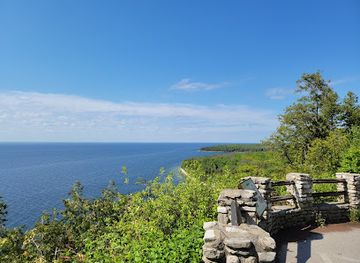
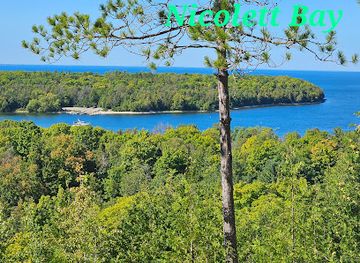
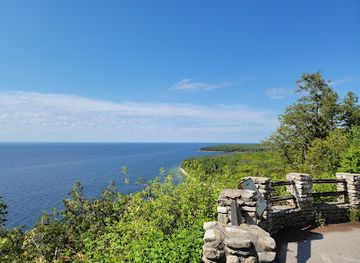
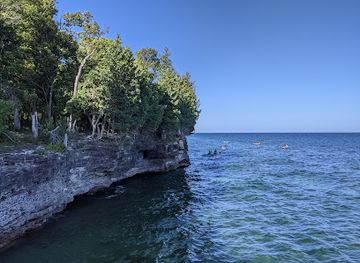
Door County’s attractions range from maritime museums and shipyards in Sturgeon Bay to wooded parks and shoreline communities farther north. The Door County Maritime Museum explains the peninsula’s relationship with shipbuilding, lighthouses and Lake Michigan, while the Peninsula State Park combines forest trails, a scenic shoreline, Eagle Bluff views and the historic Eagle Bluff Lighthouse. Cave Point County Park presents wave-carved limestone ledges and clear water along the eastern shore, and Cana Island Lighthouse adds a ferry-accessible chapter to the county’s navigational history. In Fish Creek, the galleries, shops and cultural venues of the village sit close to Peninsula Players Theatre, one of the area’s established performing-arts institutions. Washington Island introduces quieter roads, beaches and island landscapes, reached by a ferry crossing from Northport. Across the county, orchards, farm stands, harbours and small museums provide a slower, place-specific form of sightseeing between the better-known parks and lighthouses.
-
Tourist attraction
Peninsula State Park
Experience the breathtaking beauty and outdoor adventures at Peninsula State Park, a top tourist attraction in Door County, Wisconsin.
35 min drive · 15 km from city centre
-
Tourist attraction
Peninsula State Park
Explore the stunning landscapes and endless outdoor adventures at Peninsula State Park in Wisconsin's Door County.
35 min drive · 15 km from city centre
-
Park
Cave Point County Park
Explore the breathtaking landscapes and natural beauty of Cave Point County Park in Sturgeon Bay, Wisconsin, a top destination for outdoor adventures.
41 min drive · 21 km from city centre
-
Tour agency
Door County Trolley
Discover the enchanting landscapes and rich history of Door County with a delightful trolley tour through this picturesque Wisconsin region.
38 min drive · 18 km from city centre


Best landmarks in Door County
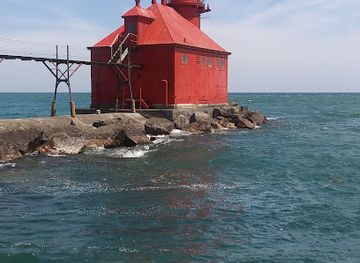
Door County’s landmarks are closely tied to navigation, maritime work and the peninsula’s distinctive settlements. Cana Island Lighthouse, reached from the Baileys Harbor area, is one of the county’s best-known navigational structures, while the Eagle Bluff Lighthouse in Peninsula State Park overlooks Green Bay from a forested bluff. The Sturgeon Bay Ship Canal and its associated lighthouses represent the engineering and commercial importance of the water route opened in 1881. In Baileys Harbor, the historic Range Lights mark another chapter in Great Lakes navigation. Sturgeon Bay’s waterfront, shipyards and maritime museum preserve the county’s industrial identity, while Ephraim’s historic village setting reflects its nineteenth-century Scandinavian and religious heritage. Washington Island’s Stavkirke, a modern wooden church inspired by medieval Norwegian stave churches, provides a distinctive expression of the region’s Scandinavian cultural influence rather than an ancient monument.
-
State park
Peninsula State Park
Explore the breathtaking landscapes and rich history of Peninsula State Park, the perfect outdoor adventure destination in Door County, Wisconsin.
35 min drive · 15 km from city centre
-
Park
Cave Point County Park
Explore the breathtaking landscapes and outdoor adventures at Cave Point County Park, a hidden gem in Sturgeon Bay, Wisconsin.
41 min drive · 21 km from city centre
-
Tour agency
Door County Trolley
Discover the scenic beauty and rich history of Door County with unforgettable trolley tours, charming shops, and local experiences.
38 min drive · 18 km from city centre
-
Inn
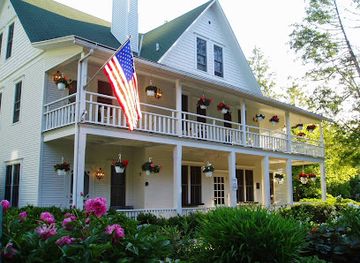
White Gull Inn
Discover the charm of the White Gull Inn in Fish Creek, Wisconsin, where rustic elegance meets warm hospitality amidst Door County's stunning landscapes.
36 min drive · 16 km from city centre
Explore Door County on the map
Plan your Door County trip on one map. See where the top attractions, landmarks, restaurants, bars and hotels are, find what's near where you're staying, and book hotels and experiences in a few clicks.
Best hotels in Door County
Best restaurants in Door County
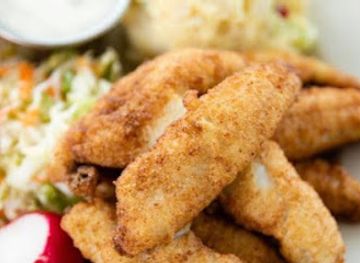
Door County’s food culture reflects its shoreline, orchards and rural communities. Traditional fish boils are the county’s best-known dining ritual, with whitefish or other local catch cooked outdoors in large kettles, while Lake Michigan fish also appears in casual cafés, supper clubs and harbour restaurants. Tart cherries are central to the region’s agricultural identity and are used in pies, preserves, baked goods, sauces and drinks; farm stands and seasonal markets often provide the most direct connection to the orchards. Restaurants in Sturgeon Bay and the northern villages range from informal cafés and bakeries to contemporary dining rooms, with Wisconsin cheese, beef, vegetables and locally produced wine or cider appearing on many menus. Dining districts are dispersed rather than concentrated in one centre, with notable clusters around Sturgeon Bay, Egg Harbor, Fish Creek, Ephraim and Sister Bay. Seasonal opening patterns are common, particularly outside summer.
-
Swedish
Al Johnson’s Swedish Restaurant & Butik
Discover authentic Swedish flavors and charming souvenirs at Al Johnson’s Swedish Restaurant & Butik in Sister Bay.
32 min drive · 12 km from city centre
-
Pizza
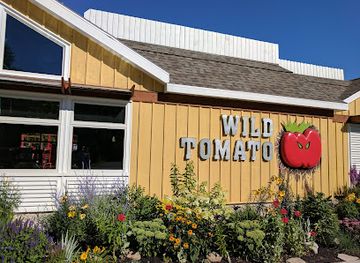
Wild Tomato Wood-Fired Pizza & Grille Sister Bay
Experience artisanal wood-fired pizzas made with fresh local ingredients at Wild Tomato Wood-Fired Pizza & Grille in Sister Bay.
32 min drive · 12 km from city centre
-
Grill
Husby's Food & Spirits
Experience the flavors of Door County at Husby's Food & Spirits - where great food meets a vibrant atmosphere.
32 min drive · 12 km from city centre
-
Seafood
Pelletier's Restaurant & Fish Boil
Discover the authentic taste of Door County at Pelletier's Restaurant & Fish Boil – home of the traditional fish boil and fresh seafood delights.
36 min drive · 16 km from city centre
Best bars in Door County
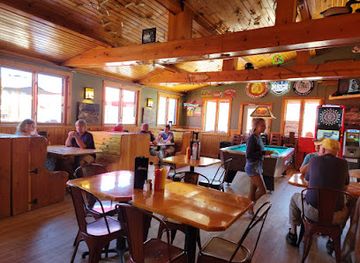
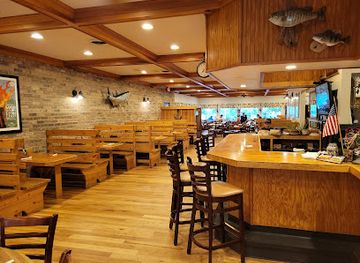
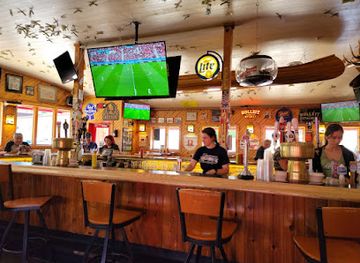
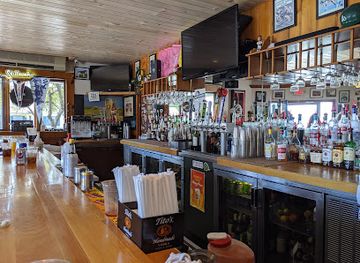
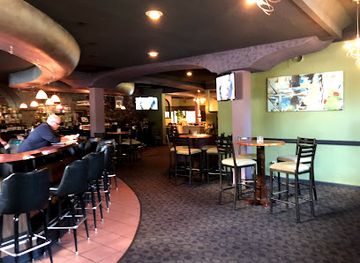
Door County’s nightlife is generally social and low-key rather than club-focused. Sturgeon Bay and the larger northern villages have bars, breweries, wine rooms and taverns where evenings centre on conversation, local drinks and live music, while supper clubs provide a distinctly Wisconsin setting for relaxed dinners and drinks. Fish Creek and Ephraim add theatre and performing arts to the evening calendar, with Peninsula Players Theatre offering a long-established outdoor theatre tradition during its season. Sister Bay and Fish Creek tend to have the broadest concentration of seasonal evening activity, although quieter communities become subdued after dinner. Winery, cider and brewery visits are more characteristic than late-night dancing, and visitors should expect substantial variation in opening patterns between summer, autumn and the off-season. Lakefront sunsets and harbour walks are popular evening activities when weather permits.
-
Irish pub
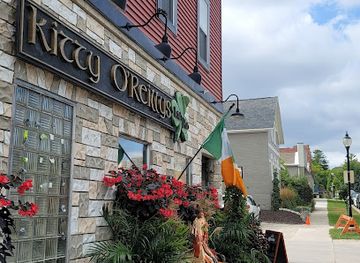
Kitty O'Reillys Irish Pub
Discover authentic Irish flavors and a lively atmosphere at Kitty O'Reilly's Irish Pub in Sturgeon Bay, Wisconsin.
1 h drive · 40 km from city centre
-
Grill
Husby's Food & Spirits
Discover Husby's Food & Spirits, the ultimate grill and sports bar in Sister Bay, Wisconsin, offering delicious food, craft drinks, and a vibrant atmosphere.
32 min drive · 12 km from city centre
-
American
Baileys Harbor Cornerstone Pub
Discover the heart of Baileys Harbor at Cornerstone Pub, offering delicious American fare and a lively pub atmosphere perfect for all visitors.
20 min drive · 6.7 km from city centre
-
Steak
Alexander's of Door County
Experience the finest steaks and exceptional dining at Alexander's of Door County, a culinary treasure in Fish Creek, Wisconsin.
33 min drive · 13 km from city centre
Best nightclubs in Door County
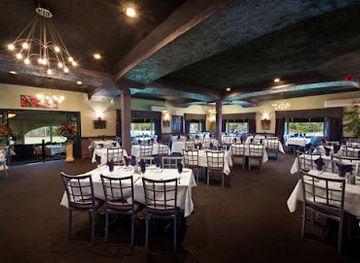
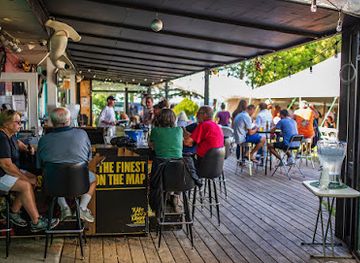
Door County’s nightlife is generally social and low-key rather than club-focused. Sturgeon Bay and the larger northern villages have bars, breweries, wine rooms and taverns where evenings centre on conversation, local drinks and live music, while supper clubs provide a distinctly Wisconsin setting for relaxed dinners and drinks. Fish Creek and Ephraim add theatre and performing arts to the evening calendar, with Peninsula Players Theatre offering a long-established outdoor theatre tradition during its season. Sister Bay and Fish Creek tend to have the broadest concentration of seasonal evening activity, although quieter communities become subdued after dinner. Winery, cider and brewery visits are more characteristic than late-night dancing, and visitors should expect substantial variation in opening patterns between summer, autumn and the off-season. Lakefront sunsets and harbour walks are popular evening activities when weather permits.
-
Bar
Alexander's of Door County
Experience the finest steakhouse dining at Alexander's of Door County, where culinary excellence meets the charm of Fish Creek, Wisconsin.
33 min drive · 13 km from city centre
-
Grill
Waterfront Mary's
Experience the flavors of Sturgeon Bay at Waterfront Mary's, where delicious grilled dishes meet breathtaking waterfront views.
59 min drive · 39 km from city centre
-
Bar
Sister Bay Bowl
Discover Sister Bay Bowl, a vibrant bowling alley and restaurant in Wisconsin offering delicious food, drinks, and a fun-filled atmosphere for all ages.
32 min drive · 12 km from city centre
-
Bar
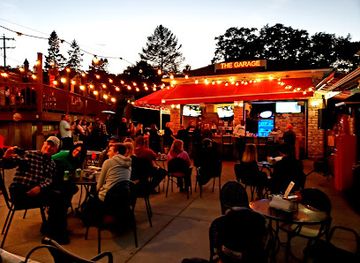
The Garage
Discover the lively atmosphere and local music scene at The Garage, the premier bar in Sister Bay, Wisconsin, perfect for unwinding and socializing.
32 min drive · 12 km from city centre
Best shops in Door County
Shopping in Door County is spread through village main streets, harbour areas, galleries, farm stands and seasonal markets rather than concentrated in a single retail district. Sturgeon Bay offers the broadest range of everyday shops, independent retailers and maritime-themed businesses, while Fish Creek, Ephraim, Egg Harbor and Sister Bay are known for galleries, craft shops, clothing, homewares and locally made gifts. Door County’s arts tradition is visible in studios and exhibitions featuring pottery, glass, woodwork, paintings, jewellery and textiles. Cherry preserves, baked goods, dried fruit, wine, cider and other farm products make more distinctive edible purchases than generic souvenirs, particularly around orchard areas and roadside stands. Visitors should distinguish locally made work from mass-produced merchandise and allow for seasonal trading patterns, as some small businesses and farm outlets operate on shorter schedules outside the main visitor season.
-
Farmers' market
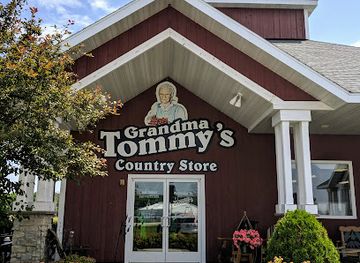
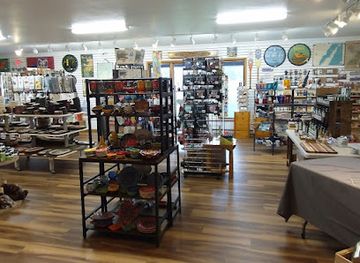
Grandma Tommy's
Experience the essence of Wisconsin at Grandma Tommy's Farmers' Market, where fresh produce meets artisanal delights in Sturgeon Bay.
54 min drive · 34 km from city centre
-
Shopping mall
Main Street Shops
Discover unique boutiques, local artisans, and delightful eateries at Main Street Shops in Egg Harbor, Wisconsin, where shopping meets charm.
39 min drive · 19 km from city centre
-
Irish goods store
O'Meara's Irish House LLC
Explore authentic Irish goods at O'Meara's Irish House LLC, your one-stop shop for unique clothing, jewelry, and gifts in Fish Creek, Wisconsin.
35 min drive · 15 km from city centre
-
Gift shop
Bliss
Explore Bliss in Sturgeon Bay, Wisconsin—a unique gift shop filled with local art, fashion, and home decor treasures.
59 min drive · 39 km from city centre
Get your free copy of our complete guide to Door County, delivered straight to you.
Everything on this page, from attractions and restaurants to essentials and local phrases, in one PDF you can read offline, print or share.
Already have an account? Sign in
Your Door County guide is ready.
We'll send it to · Not you? Sign out

Getting your guide ready…
We are putting together a fresh copy of the Door County guide. This can take up to a minute.
This can take a few moments. If your browser asks, choose Allow so the download can start. You'll find the guide in your Downloads folder.
Nothing happened? Download it again
Sorry, the guide is taking longer than usual. Please try again in a minute, or get it by email instead.
Door County essentials
Currency and Payment
Safety
Emergency Situations
Do's and Don'ts
Local Tips
From Eve
Local phrases worth knowing
You don't need to get them perfect. A few words go a long way, and locals appreciate the effort.
Basics
| English | Local | Say it |
|---|---|---|
| Hello | Howdy | [hou-dee] |
| Goodbye | So long | [so long] |
| Yes | Yeah | [yah] |
| No | Nah | [nah] |
| Please/You're welcome | Please/No problem | [pleez/no problem] |
| Thank you | Thanks | [thanks] |
| Excuse me/Sorry | Pardon me/My bad | [par-dun me/my bad] |
| How are you? | How ya doin'? | [how ya doin'] |
| Fine. And you? | Just fine. And you? | [just fine. and you?] |
| Do you speak English? | Ya speak English? | [yah speak English?] |
| I don't understand | I don't get it | [I don't get it] |
Eating & Drinking
| English | Local | Say it |
|---|---|---|
| I'd like to see the menu, please | Could I take a peek at the menu, please | [could I take a peek at the menu, please] |
| I don't eat meat | I'm vegetarian | [I'm vegetarian] |
| Cheers! | Prost! | [prost!] |
| I would like to pay, please | I'll settle the bill, please | [I'll settle the bill, please] |
Emergencies
| English | Local | Say it |
|---|---|---|
| Help! | Assistance needed! | [assistance needed!] |
| Go away! | Get lost! | [get lost!] |
| Call the Police! | Dial the Sheriff! | [dial the sheriff!] |
| Call a doctor! | Fetch a doc! | [fetch a doc!] |
| I'm lost | I'm disoriented | [I'm disoriented] |
| I'm ill | I'm unwell | [I'm unwell] |
Shopping
| English | Local | Say it |
|---|---|---|
| I'd like to buy... | I'm interested in purchasing... | [I'm interested in purchasing...] |
| I'm just looking | I'm just browsing | [I'm just browsing] |
| How much is it? | What's the price? | [what's the price?] |
| That's too expensive | That's steep | [that's steep] |
| Can you lower the price? | Any chance for a discount? | [any chance for a discount?] |
Time & Numbers
| English | Local | Say it |
|---|---|---|
| What time is it? | What's the time? | [what's the time?] |
| It's one o'clock | It's one | [it's one] |
| Half past (10) | Ten-thirty | [ten-thirty] |
| Morning | Mornin' | [mornin'] |
| Afternoon | Afternoon | [afternoon] |
| Evening | Evenin' | [evenin'] |
| Yesterday | Yest'day | [yest'day] |
| Today | Today | [today] |
| Tomorrow | Tomorrah | [tomorrah] |
| 1 | One | [one] |
| 2 | Two | [two] |
| 3 | Three | [three] |
| 4 | Four | [four] |
| 5 | Five | [five] |
| 6 | Six | [six] |
| 7 | Seven | [seven] |
| 8 | Eight | [eight] |
| 9 | Nine | [nine] |
| 10 | Ten | [ten] |
Transport & Directions
| English | Local | Say it |
|---|---|---|
| Where's a/the...? | Where's the...? | [where's the...?] |
| What's the address? | What's the addy? | [what's the addy?] |
| Can you show me (on the map)? | Can ya show me (on the map)? | [can ya show me (on the map)?] |
| When's the next (bus)? | When's the next (bus)? | [when's the next (bus)?] |
| A ticket (to ....) | A pass (to ....) | [a pass (to ....)] |
History of Door County
Indigenous Homelands and Water Routes
The Door Peninsula and surrounding waters are Indigenous homelands with long histories of travel, fishing, hunting and exchange. Menominee, Ho-Chunk and other Native peoples maintained relationships with the region before European settlement, while the waterways connected communities around Green Bay and Lake Michigan. French traders and missionaries later recorded the treacherous passage between the peninsula and Washington Island as Porte des Morts, or Death’s Door, a name associated with hazardous currents, reefs and storms. European activity did not erase Indigenous presence, although nineteenth-century treaties, land cessions and expanding American settlement profoundly altered control of the peninsula. The region’s bays and islands therefore represent both an important transportation landscape and a history that predates the county’s modern communities.
American Settlement and County Formation
Door County was created in 1836, when Wisconsin was still a territory, and Sturgeon Bay developed as an important settlement on the peninsula’s western side. Early newcomers were drawn by timber, fertile land, water access and commercial fishing. Scandinavian immigrants, particularly Norwegian and Danish settlers, helped shape the cultural character of many communities, while other migrants arrived from the eastern United States and Europe. Small harbours supported fishing and shipping, and farms increasingly supplemented the forest economy. The settlements that later became Fish Creek, Ephraim, Baileys Harbor and Sister Bay grew around combinations of agriculture, lumber, fishing, religious life and maritime trade rather than a single urban centre.
Lumber, Shipbuilding and the Sturgeon Bay Canal
During the nineteenth century, timber cutting and maritime commerce transformed Door County’s economy. Sturgeon Bay became especially significant after the Sturgeon Bay Ship Canal opened in 1881, creating a navigable connection between Lake Michigan and Green Bay and allowing vessels to avoid the difficult route around the peninsula’s northern tip. Shipbuilding expanded in Sturgeon Bay, where yards constructed and repaired commercial vessels, fishing boats and later larger lake craft. The canal also strengthened the town’s position as a regional transport and industrial centre. Remnants of this maritime history remain visible in shipyards, canal structures, lighthouses and museums, while the working waterfront continues to distinguish Sturgeon Bay from the county’s more tourism-focused villages.
Farming, Cherries and Early Tourism
Agriculture became an enduring part of Door County’s identity as settlers cleared land for orchards, fields and dairy farms. The peninsula’s soils and climate proved suitable for tart cherries, whose commercial cultivation expanded during the late nineteenth and early twentieth centuries. At the same time, improved roads, steamer services and the growth of leisure travel brought visitors from Wisconsin and the wider Great Lakes region. Resorts, summer cottages and campgrounds appeared beside the water, while attractions such as scenic bluffs, lighthouses and rural villages gained a reputation beyond the county. Tourism did not replace agriculture or maritime work, but it increasingly shaped the seasonal economy and the built character of the northern peninsula.
Parks, Preservation and Cultural Identity
The twentieth century brought a stronger emphasis on conserving Door County’s shoreline, forests and historic character. Peninsula State Park, established in 1910, helped protect a substantial stretch of the western peninsula and became a foundation of outdoor recreation. Other parks and protected natural areas followed, including spaces preserving limestone shore formations, wetlands and woodland habitats. Historic lighthouses and village buildings acquired new importance as reminders of the county’s maritime and settler past. At the same time, theatres, galleries, artisan studios and music institutions developed a cultural economy that complemented farming and tourism. Modern Door County is consequently defined by several overlapping legacies: Indigenous history, maritime industry, orchards, conservation and an arts scene rooted in seasonal communities.
Door County in Photos
Browse through our photo collection highlighting the charm and character of the destination.
Cities near Door County
The closest cities to Door County, if you have time for more than one stop.
-

-

-

-

-



Swipe for more cities
Explore more

Explore more of Wisconsin
Discover Wisconsin: A Midwestern gem offering stunning natural landscapes, rich cultural experiences, and a taste of America's finest dairy products.
Explore Wisconsin