

Free Great Divide Basin Travel Guide & Mobile App
Explore Great Divide Basin with free travel guides. Discover regional history, expert tips, proposed trips, and audio guides on web or mobile app.


Explore Wyoming’s Great Divide Basin for remote Red Desert scenery, vast dunes, volcanic formations, wildlife and wide-open backcountry.
Read more about Great Divide Basin
Getting to and around Great Divide Basin
How to get there
Transportation
Top city travel guides in Great Divide Basin
The cities of Great Divide Basin, and the easiest places to base yourself.

Swipe for more cities
Best attractions in Great Divide Basin
-
Event venue
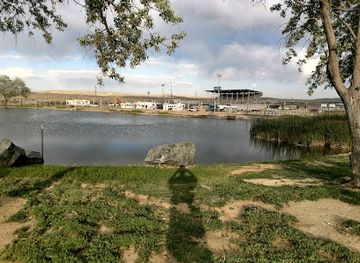
Sweetwater Events Complex
Discover the excitement at Sweetwater Events Complex, a premier venue for concerts, rodeos, and community events in beautiful Rock Springs, Wyoming.
-
Recreation center
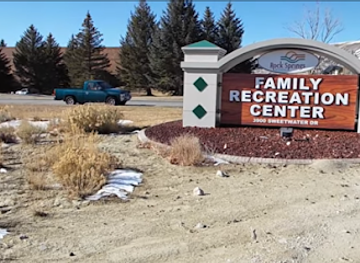
Rock Springs Family Recreation Center
Explore the Rock Springs Family Recreation Center for an exciting blend of swimming, ice skating, and family-friendly activities in Wyoming.
-
Tourist attraction
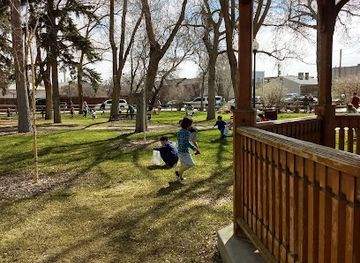
Bunning Park
Discover the serene beauty of Bunning Park in Rock Springs, Wyoming—a perfect retreat for nature lovers and families with its lush landscapes and recreational activities.
-
Tourist attraction
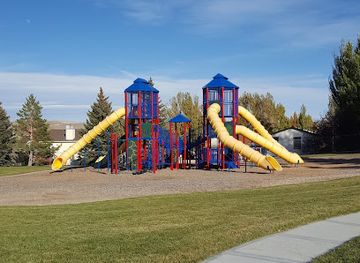
Centennial Park
Discover the serene beauty of Centennial Park in Rock Springs, Wyoming, an ideal destination for relaxation, recreation, and family fun.
Best landmarks in Great Divide Basin
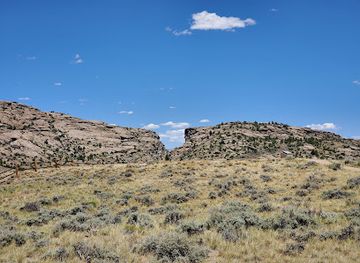
The Great Divide Basin’s landmarks are broad natural forms rather than civic monuments. Boar’s Tusk, a resistant volcanic neck rising above the surrounding Red Desert, is the region’s most immediately recognisable geological feature and a powerful illustration of the basin’s volcanic past. The Killpecker Sand Dunes create a shifting landmark on a far larger scale, with active sand ridges extending across an otherwise subdued sagebrush landscape. Oregon Buttes, near the historic overland corridors of southern Wyoming, are distinctive buttes associated with the wider South Pass country and should be understood in relation to, rather than confused with, the basin’s exact interior. The basin itself is also a geographical landmark: the Continental Divide divides around it, creating an enclosed drainage area whose waters do not naturally reach the ocean. Dry lakebeds, alkaline flats, low escarpments and expansive horizons complete the visual identity. Historic trail traces and dispersed archaeological remains add cultural importance, but they are not objects to climb, collect from or disturb.
-
Historical landmark
Devil’s Gate Historic Site
Explore the rich history and stunning views of Devil’s Gate Historic Site, a must-visit landmark in scenic Wyoming.
Explore Great Divide Basin on the map
Plan your trip on one map. See where the top cities, national parks and sights are, and book hotels and experiences in a few clicks.
Best hotels in Great Divide Basin
Best restaurants in Great Divide Basin
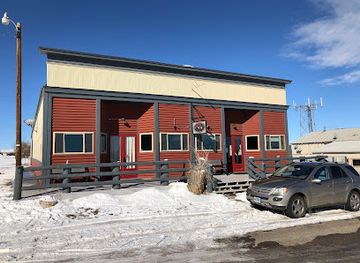
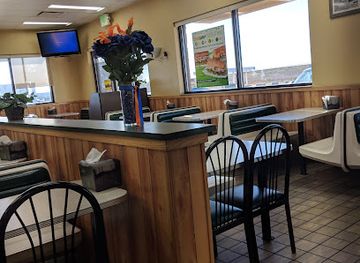
There is no established restaurant scene within the remote Great Divide Basin, so dining requires planning rather than spontaneous restaurant-hopping. Visitors typically buy provisions in Rock Springs, Rawlins or Wamsutter, all outside or near the basin, and carry food for the duration of their excursion. Roadside cafés, diners and casual restaurants in these gateway communities reflect broader Wyoming tastes, including burgers, steaks, breakfast plates and substantial packed-food supplies for long drives. The region itself is better suited to a carefully prepared picnic or camp meal, provided that food is stored securely and all waste is removed. Water is an essential logistical concern rather than a restaurant amenity. Travellers interested in local food traditions can seek Wyoming beef, baked goods and regional ranch produce in nearby towns, but should not expect farm shops, cafés or supplies to appear once they enter the backcountry. Check fire restrictions before cooking outdoors and avoid leaving food that could attract wildlife.
-
Restaurant
The Divide Restaurant & Lounge
Experience exquisite dining at The Divide Restaurant & Lounge in Encampment - where local flavors meet warm hospitality.
-
Sandwich
Subway
Enjoy fresh sandwiches and salads at Subway in Wamsutter - your ideal stop for a quick bite on the go.
Best bars in Great Divide Basin
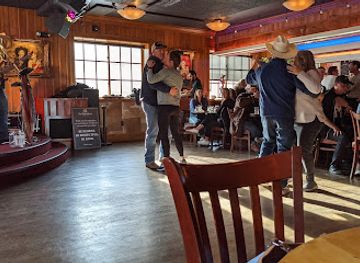
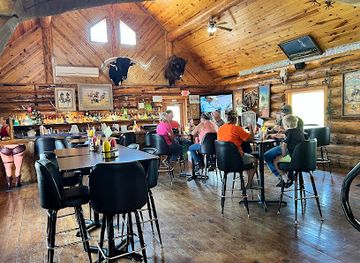
Evening entertainment in the Great Divide Basin is limited to camp-based stargazing, photography and the quiet of the open desert; there are no nightlife districts or dependable venues in the basin itself. Social life and licensed drinking establishments are concentrated in gateway communities outside it. Rock Springs has the broadest choice nearby, with traditional pubs, bars, restaurants and occasional live-music settings, while Rawlins provides comparable services farther east. Wamsutter is a small service community where options are more limited and practical than late-night. Alcohol should never be combined with long-distance driving, off-road travel or exposure in remote country, and visitors should observe United States licensing and drinking laws. The most distinctive night-time feature is the dark, expansive sky, although moonlight, wind and cold can change conditions quickly; carry warm clothing and avoid trespassing on private or industrial land.
-
Bar
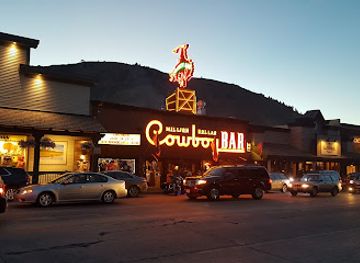
Million Dollar Cowboy Bar
Discover the iconic Million Dollar Cowboy Bar in Jackson, Wyoming—where the spirit of the Wild West meets vibrant nightlife and live music.
-
Grill
Silver Dollar Bar
Discover the lively atmosphere of Silver Dollar Bar in Jackson, Wyoming, where delicious American cuisine meets live music and a unique silver dollar bar counter.
-
Family-friendly
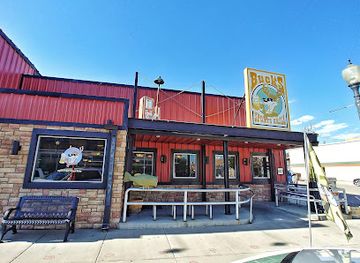
Buck's Sports Grill
Experience the lively atmosphere of Buck's Sports Grill in Rawlins, WY, where delicious American cuisine meets the thrill of sports.
-
Bar
The Diamond Bar at Devils Tower
Experience the charm of The Diamond Bar at Devils Tower, where delicious food, local crafts, and breathtaking views come together in a unique travel experience.
Best nightclubs in Great Divide Basin
Evening entertainment in the Great Divide Basin is limited to camp-based stargazing, photography and the quiet of the open desert; there are no nightlife districts or dependable venues in the basin itself. Social life and licensed drinking establishments are concentrated in gateway communities outside it. Rock Springs has the broadest choice nearby, with traditional pubs, bars, restaurants and occasional live-music settings, while Rawlins provides comparable services farther east. Wamsutter is a small service community where options are more limited and practical than late-night. Alcohol should never be combined with long-distance driving, off-road travel or exposure in remote country, and visitors should observe United States licensing and drinking laws. The most distinctive night-time feature is the dark, expansive sky, although moonlight, wind and cold can change conditions quickly; carry warm clothing and avoid trespassing on private or industrial land.
-
Bar
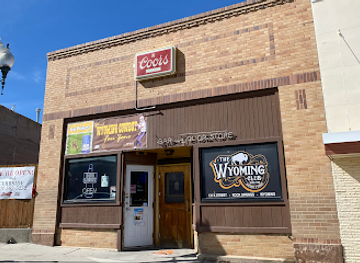
Wyoming Club
Experience the warm hospitality of the Wyoming Club, a charming bar in Rock Springs, offering a diverse drink selection and a friendly local atmosphere.
Best shops in Great Divide Basin
Shopping within the Great Divide Basin is limited because the area has no resident commercial centre. Stock up on fuel, water, food, maps and outdoor supplies in Rock Springs or Rawlins, outside the basin, while Wamsutter near the southern margin may provide only basic roadside services. The most appropriate regional purchases are practical rather than luxury-oriented: Wyoming-made food products, western clothing, books about local geology and history, and locally produced crafts found in gateway-town shops or visitor facilities. Do not remove rocks, fossils, artefacts or natural materials from public lands, and be especially careful around archaeological sites. Local markets and independent retailers in nearby communities may offer ranch-related goods, artwork and souvenirs connected with the Red Desert, but availability is seasonal and changeable. Because the basin is a remote landscape rather than a retail destination, thoughtful preparation before departure is more important than browsing once inside it.
-
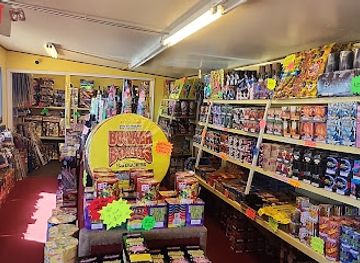
Fireworks store
Bandit Fireworks
Explore Bandit Fireworks in Wamsutter, WY, for an exciting range of fireworks perfect for every celebration and event.
-
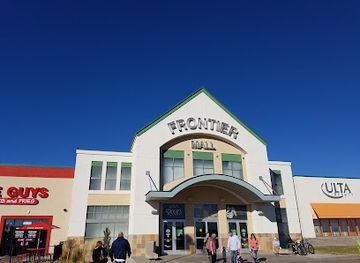
Shopping mall
Frontier Mall
Explore Frontier Mall in Cheyenne, Wyoming - your ultimate shopping destination with diverse stores, dining, and entertainment options for everyone.
-
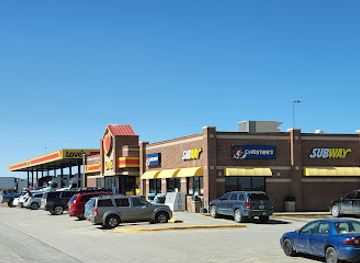
Truck stop
Love's Travel Stop
Explore Love's Travel Stop in Wamsutter, Wyoming—a perfect blend of convenience, comfort, and community for every traveler.
-
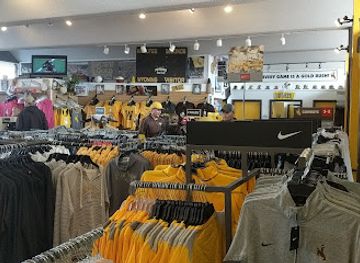
Clothing store
Brown and Gold Outlet
Explore the best clothing selection in Laramie, Wyoming, at the renowned Brown and Gold Outlet, where quality meets affordability.
Get your free copy of our complete guide to Great Divide Basin, delivered straight to you.
Everything on this page, from attractions and restaurants to essentials and local phrases, in one PDF you can read offline, print or share.
Already have an account? Sign in
Your Great Divide Basin guide is ready.
We'll send it to · Not you? Sign out

Getting your guide ready…
We are putting together a fresh copy of the Great Divide Basin guide. This can take up to a minute.
This can take a few moments. If your browser asks, choose Allow so the download can start. You'll find the guide in your Downloads folder.
Nothing happened? Download it again
Sorry, the guide is taking longer than usual. Please try again in a minute, or get it by email instead.
Great Divide Basin essentials
Currency and Payment
Safety
Emergency Situations
Do's and Don'ts
Local Tips
From Eve
Local phrases worth knowing
You don't need to get them perfect. A few words go a long way, and locals appreciate the effort.
Basics
| English | Local | Say it |
|---|---|---|
| Hello | Howdy | [Haʊdi] |
| Goodbye | See ya later | [Si jə ˈleɪtər] |
| Yes | Yep | [Jɛp] |
| No | Nope | [Noʊp] |
| Please/You're welcome | Sure thing | [ʃʊr θɪŋ] |
| Thank you | Thanks | [θæŋks] |
| Excuse me/Sorry | Pardon me | [ˈpɑrdən mi] |
| How are you? | How's it going? | [Haʊz ɪt ˈɡoʊɪŋ] |
| Fine. And you? | Good. And you? | [ɡʊd. ənd ju] |
| Do you speak English? | Do ya speak English? | [Du jə spiːk ˈɪŋɡlɪʃ] |
| I don't understand | I ain't got it | [aɪ eɪnt ɡɑt ɪt] |
Eating & Drinking
| English | Local | Say it |
|---|---|---|
| I'd like to see the menu, please | Can I see the menu, please? | [kæn aɪ si ðə ˈmɛnjuː pliz] |
| I don't eat meat | I ain't no meat eater | [aɪ eɪnt noʊ miːt ˈiːtər] |
| Cheers! | Cheers! | [ʧɪrz] |
| I would like to pay, please | Can I pay, please? | [kæn aɪ peɪ pliz] |
Emergencies
| English | Local | Say it |
|---|---|---|
| Help! | Help! | [hɛlp] |
| Go away! | Scram! | [skræm] |
| Call the Police! | Call the cops! | [kɔl ðə kɑps] |
| Call a doctor! | Get a doc! | [ɡɛt ə dɑk] |
| I'm lost | I'm turned around | [aɪm tɜrnd əˈraʊnd] |
| I'm ill | I'm not feeling good | [aɪm nɑt ˈfiːlɪŋ ɡʊd] |
Shopping
| English | Local | Say it |
|---|---|---|
| I'd like to buy... | I wanna buy... | [aɪ ˈwɑnə baɪ] |
| I'm just looking | Just browsing | [dʒʌst ˈbraʊzɪŋ] |
| How much is it? | What’s the price? | [wʌts ðə praɪs] |
| That's too expensive | That's a bit rich | [ðæts ə bɪt rɪʧ] |
| Can you lower the price? | Can ya cut the price? | [kæn jə kʌt ðə praɪs] |
Time & Numbers
| English | Local | Say it |
|---|---|---|
| What time is it? | What time ya got? | [wʌt taɪm jə ɡɑt] |
| It's one o'clock | It's one | [ɪts wʌn] |
| Half past (10) | Half past ten | [hæf pæst tɛn] |
| Morning | Mornin' | [ˈmɔrnɪn] |
| Afternoon | After noon | [ˈæftər nun] |
| Evening | Evenin' | [ˈivnɪn] |
| Yesterday | Yestiddy | [jɛstɪdi] |
| Today | Today | [təˈdeɪ] |
| Tomorrow | Tomorra | [təˈmɔroʊ] |
| 1 | One | [wʌn] |
| 2 | Two | [tu] |
| 3 | Three | [θri] |
| 4 | Four | [fɔr] |
| 5 | Five | [faɪv] |
| 6 | Six | [sɪks] |
| 7 | Seven | [ˈsɛvən] |
| 8 | Eight | [eɪt] |
| 9 | Nine | [naɪn] |
| 10 | Ten | [tɛn] |
Transport & Directions
| English | Local | Say it |
|---|---|---|
| Where's a/the...? | Where's the...? | [wɛrz ðə] |
| What's the address? | What’s the address? | [wʌts ði əˈdrɛs] |
| Can you show me (on the map)? | Can ya point it out? | [kæn jə pɔɪnt ɪt aʊt] |
| When's the next (bus)? | When's the next bus? | [wɛnz ðə nɛkst bʌs] |
| A ticket (to ....) | A ticket to... | [ə ˈtɪkɪt tə] |
History of Great Divide Basin
Indigenous Travel and Cultural Landscapes
The Great Divide Basin lies within a wider interior landscape used by Indigenous peoples for travel, hunting and seasonal resource gathering long before American settlement. Shoshone, Northern Arapaho and Ute histories are connected with the broader deserts, mountains and migration corridors of southern and central Wyoming, although modern tribal geographies do not map neatly onto one isolated basin. Archaeological traces across the Red Desert demonstrate repeated human use, while rock art, artefacts and culturally significant places require protection and should never be disturbed or removed.
Fur Trade and Early Exploration
During the early nineteenth century, trappers and explorers travelled through southern Wyoming’s river valleys, mountain passes and open basins. The region’s springs, game and routes between the Rockies and the interior plains shaped movement even where permanent settlement was impractical. European American descriptions often portrayed the Red Desert as empty, but that language obscured its Indigenous history and the knowledge required to cross an arid landscape. Early exploration helped establish routes later followed by emigrants, surveyors and commercial enterprises.
Emigrant Trails and Oregon Buttes
The broad country around the Great Divide Basin formed part of the overland travel system linking the Missouri frontier with Oregon, California and other western destinations. The main wagon corridors generally followed reliable water and passes rather than crossing every part of the basin, but nearby Oregon Buttes and South Pass became prominent reference points. South Pass, outside the basin’s core, offered a relatively manageable crossing of the Continental Divide and helped make this section of Wyoming central to nineteenth-century migration. Ruts, campsites and surviving route alignments remain reminders of that movement.
Railways and the Opening of Southern Wyoming
The arrival of the transcontinental railway across southern Wyoming in the 1860s transformed travel through the region. Rail transport reduced the time and cost of crossing the interior and connected emerging settlements with national markets. Although the Great Divide Basin itself remained lightly populated, nearby railway communities such as Rawlins, Rock Springs and later smaller service settlements provided bases for freight, ranching, mining and government administration. Roads and modern energy corridors continue to reflect the importance of transport across this otherwise remote country.
Ranching, Homesteading and Desert Adaptation
From the late nineteenth century, ranchers and homesteaders attempted to make a living in the Red Desert and adjacent basins. Water scarcity, severe winters, wind and limited agricultural soil restricted settlement, favouring extensive grazing rather than dense farms. Some homesteads endured only briefly, while established ranches depended on wells, springs and careful management of open range. The resulting cultural landscape is less visible than the ranch country of greener valleys, yet it helped define the basin as a working landscape rather than an untouched wilderness.
Energy Development and Modern Conservation
Petroleum, natural gas, coal and uranium have all influenced the economy of southern and central Wyoming, with exploration and extraction expanding at different times during the twentieth and twenty-first centuries. Wamsutter and other nearby communities grew in relation to energy and transport activity, while public concern increased over effects on wildlife, migration routes, archaeological sites and the desert’s water-limited ecology. Today, conservation areas, recreation, grazing and energy development coexist uneasily across the wider Red Desert, making land management an important part of the basin’s contemporary history.
Great Divide Basin in Photos
Browse through our photo collection highlighting the charm and character of the destination.
Neighbouring regions of Great Divide Basin
The closest regions to Great Divide Basin, if you have time for more than one.
-

-

-

-

-


Swipe for more regions
Explore more

Explore more of Wyoming
Discover Wyoming: A Land of Unspoiled Beauty, Rich History, and Boundless Outdoor Adventures in the Heart of the American West.
Explore Wyoming