

Free Carbon County Travel Guide & Mobile App
Explore Carbon County with free travel guides. Discover regional history, expert tips, proposed trips, and audio guides on web or mobile app.


Explore Carbon County, Wyoming, for railroad heritage, mountain forests, hot springs, reservoirs, ranch country and wide-open western landscapes.
Read more about Carbon County
Getting to and around Carbon County
How to get there
Transportation
Top city travel guides in Carbon County
The cities of Carbon County, and the easiest places to base yourself.

Swipe for more cities
Destinations in Carbon County
Resorts, valleys and scenic spots worth a trip of their own.
-

-


Swipe for more destinations
Best attractions in Carbon County
Carbon County's attractions range from railroad and industrial history to large-scale outdoor landscapes. In Rawlins, the Wyoming Frontier Prison and Carbon County Museum explain the county's civic, penal, ranching and mining past, while the surrounding city streets retain evidence of railway-era development. Saratoga's mineral springs and North Platte setting provide a more restorative focus, with fishing, river recreation and access to the Medicine Bow National Forest. South of Saratoga, Encampment and Riverside lead towards the Sierra Madre, where hiking, camping, fishing, wildlife watching and scenic drives are central activities. Seminoe State Park offers boating, angling, camping and birdwatching around a reservoir set among dry, rugged hills. The Snowy Range, approached through routes that may be seasonal, adds alpine scenery, lakes and high-elevation trails. Ranch country, historic mining areas and wide public-land horizons fill the spaces between the towns, but visitors should check access, weather and fire restrictions before setting out.
-
Tourist attraction
Saratoga Hobo Hot Springs
Discover the soothing mineral waters of Saratoga Hobo Hot Springs, a must-visit destination in Wyoming for relaxation and rejuvenation.
-
Tourist attraction
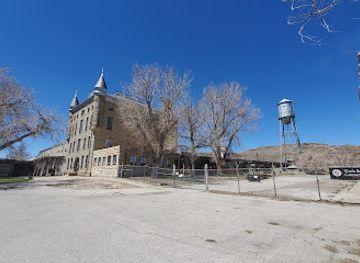
Wyoming Frontier Prison Museum
Explore the chilling history of the Wild West at the Wyoming Frontier Prison Museum, a unique historical experience in Rawlins, Wyoming.
-
Local history museum
Carbon County Museum
Explore the captivating history of Carbon County at the Carbon County Museum, where local heritage comes alive through engaging exhibits and artifacts.
-
Museum
Parco Sinclair Museum
Explore the rich history of Sinclair, Wyoming, at the Parco Sinclair Museum, where captivating exhibits bring local stories to life.
Best landmarks in Carbon County
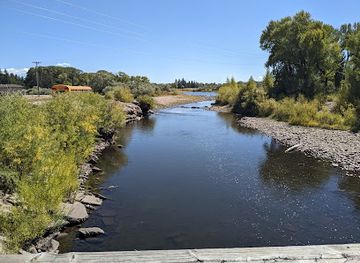
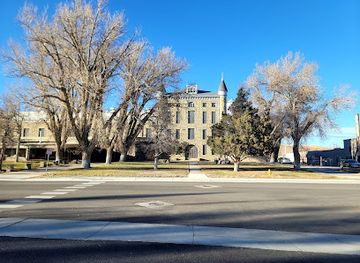
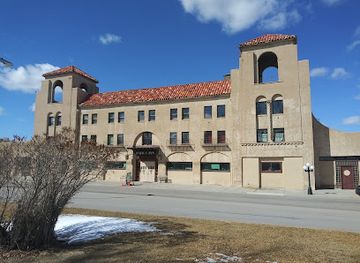
The Wyoming Frontier Prison in Rawlins is one of Carbon County's most recognisable historic structures, with its stone walls and surviving complex recalling the period when Rawlins served as Wyoming's territorial prison centre. The Union Pacific corridor is another defining landmark, not a single monument but a continuing line of railway infrastructure that explains the location and growth of several communities. In Sinclair, refinery towers and industrial buildings form a striking modern landscape beside the open plains. Saratoga's mineral springs are a natural and cultural landmark, tied to the town's identity and the North Platte valley. The Encampment and Riverside area is marked by the wooded Sierra Madre and the remnants of a mining and timber economy. Seminoe Reservoir creates a powerful geographical landmark amid dry hills and broad water, while the Snowy Range and Medicine Bow landscapes provide the county's most prominent natural backdrop, changing from sagebrush basins to alpine terrain with elevation.
-
Museum
Wyoming Frontier Prison Museum
Discover the chilling history of law enforcement at the Wyoming Frontier Prison Museum, a captivating blend of history and heritage in Rawlins, Wyoming.
-
Historical landmark
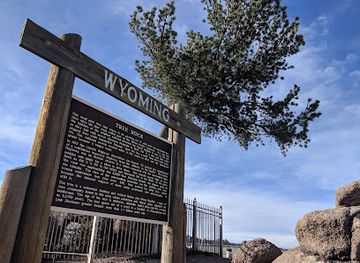
Tree In The Rock, Historical Site
Experience the breathtaking Tree In The Rock in Buford, Wyoming, a historical landmark that beautifully blends nature and heritage.
-
State park
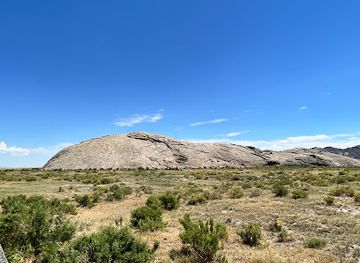
Independence Rock State Historic Site
Explore Independence Rock State Historic Site in Wyoming, where history meets stunning natural beauty amidst the pioneer legacy of America.
-
Historical landmark
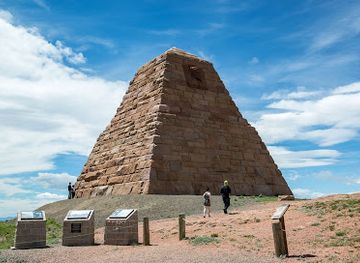
Ames Monument State Historic Site
Explore the Ames Monument State Historic Site in Wyoming, a captivating tribute to railroad history surrounded by stunning natural beauty and rich heritage.
Explore Carbon County on the map
Plan your trip on one map. See where the top cities, national parks and sights are, and book hotels and experiences in a few clicks.
Best hotels in Carbon County
Best restaurants in Carbon County
Dining in Carbon County reflects Wyoming's ranching, railway and resource-based character rather than a single narrowly defined cuisine. Rawlins has the broadest choice of diners, cafés, grills and full-service restaurants, while Saratoga and Encampment offer relaxed meals suited to travellers exploring the mountains and North Platte valley. Expect familiar western staples such as beef, burgers, steaks, sandwiches and hearty breakfasts, alongside pizzas, Mexican-influenced cooking and contemporary American menus. Small-town cafés and traditional eateries are useful places to find generous portions and practical road-trip meals. The region's cattle and agricultural connections may appear through locally sourced meat and seasonal produce, although availability varies. Around the hot springs and mountain communities, restaurants, bakeries and coffee shops provide a quieter complement to outdoor days. Farmers' markets and local food events, when operating seasonally, are good opportunities to find Wyoming produce and handmade goods, but schedules should be checked before travelling.
-
Steak
FireRock Steakhouse
Experience culinary excellence at FireRock Steakhouse in Casper - where every steak tells a story.
-
Truck stop
Akal Travel Center
Discover a unique blend of Armenian and Indian flavors at Akal Travel Center - your ultimate roadside destination in Laramie.
-
Steak
Gun Barrel Steak and Game House
Discover exquisite steaks and unique game dishes at Gun Barrel Steak and Game House in Jackson, Wyoming - where fine dining meets rustic charm.
-
Live music bar
Mangy Moose Jackson Hole
Experience live music and American cuisine at Mangy Moose Jackson Hole – the ultimate spot for relaxation after outdoor adventures.
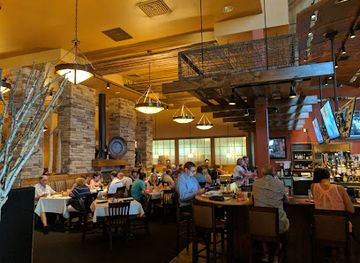
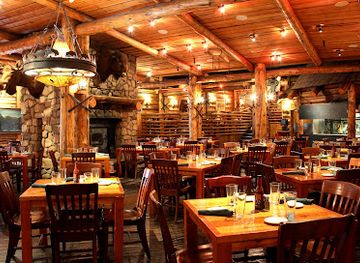
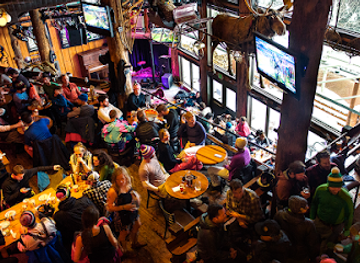
Best bars in Carbon County
Evening life in Carbon County is concentrated in its towns and is generally more sociable and low-key than club-oriented. Rawlins has the widest selection of bars, casual restaurants and venues where residents and travellers gather, with some establishments offering live music or televised sport. Saratoga and Encampment centre their evening scene on historic-style pubs, bars, restaurants and community events, while smaller settlements have fewer choices and earlier closing patterns. Traditional Wyoming bar culture is part of the local landscape, but visitors need not drink to engage with the region; cafés, hot-spring facilities, restaurants and occasional performances offer alternatives. Nightclubs are not a defining feature of the county, and entertainment can be seasonal or event-based. Plan transport in advance, especially outside Rawlins, and never drive after drinking on the county's long, dark rural roads.
-
Family-friendly
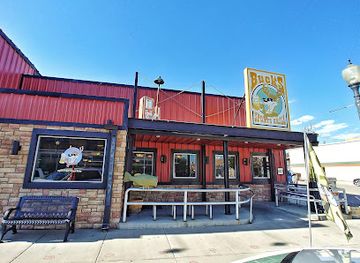
Buck's Sports Grill
Experience the perfect blend of family-friendly dining and sports excitement at Buck's Sports Grill in Rawlins, WY.
-
American
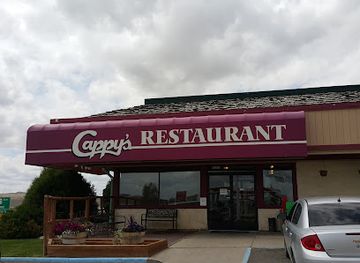
Cappy's Restaurant & Bar
Experience the flavors of America and beyond at Cappy's Restaurant & Bar, a warm and welcoming dining haven in Rawlins, Wyoming.
-
Japanese steakhouse
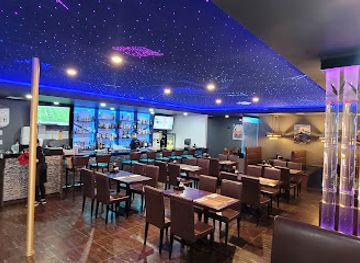
Ichiban Japanese Steakhouse
Experience authentic Japanese cuisine at Ichiban Japanese Steakhouse in Rawlins, where culinary artistry meets cultural flair in a vibrant setting.
-
Italian
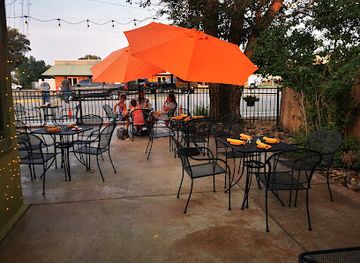
Bella's Bistro
Experience the best of Italian fine dining at Bella's Bistro in Saratoga, where exquisite seafood and unique cocktails await.
Best nightclubs in Carbon County
-
Bar
Outlaw Saloon
Experience the vibrant atmosphere and live music at Outlaw Saloon in Cheyenne, a perfect blend of local culture and hearty fare.
-
Bar
Beacon Club
Experience the lively atmosphere at The Beacon Club, Mills' premier bar and club, perfect for nightlife enthusiasts and social gatherings.
-
Bar
Cadillac Ranch Bar
Discover the lively nightlife at Cadillac Ranch Bar in Cheyenne, Wyoming, where locals and tourists unite for great drinks and a fun atmosphere.
-
Bar
Buckhorn Bar & Parlor
Discover the lively nightlife and rich history at Buckhorn Bar & Parlor, a premier bar in Laramie, Wyoming, ideal for tourists and locals alike.



Best shops in Carbon County
Shopping in Carbon County is practical, local and closely connected to its western setting. Rawlins has the greatest concentration of everyday retail, independent businesses, galleries, antiques and souvenirs, with historic commercial streets offering more character than a conventional roadside stop. Saratoga and Encampment provide smaller selections of outdoor equipment, gifts, books, art and locally made items, particularly useful for visitors travelling into the surrounding forests. Look for regional products such as Wyoming-themed clothing, Western-style goods, handmade crafts, artwork, books about local history and food products from nearby producers. Farmers' markets and seasonal community markets may offer produce, baked goods and crafts, but dates vary. The best purchases are often tied to place: a museum publication, a locally made object or a product reflecting ranching, mining and mountain life. Large-scale designer shopping is not a feature of the county, so complete specialist retail errands in a larger regional city before heading into remote areas.
-
Truck stop
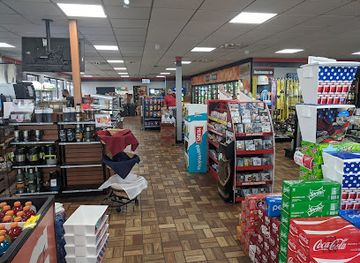
TA Travel Center
Discover the TA Travel Center in Rawlins, Wyoming—your one-stop destination for fuel, food, and truck services on the road.
-
Grocery store
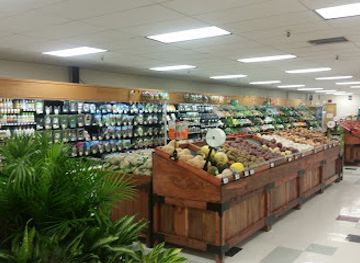
City Market
Discover the culinary delights at City Market in Rawlins, Wyoming, your go-to spot for fresh produce, artisanal foods, and local flavors.
-
Coffee shop
Deb B's Family Espresso
Discover the warm and inviting atmosphere of Deb B's Family Espresso, a top coffee shop in Rawlins, Wyoming, where every cup tells a story.
-
Cafe
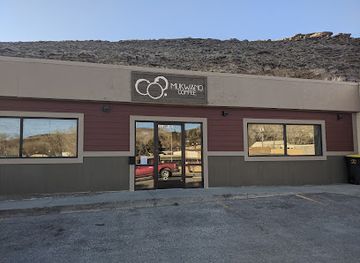
Mukwano Coffee
Discover Mukwano Coffee in Rawlins, Wyoming – a cozy café offering exceptional brews and a welcoming atmosphere for all coffee lovers.

Get your free copy of our complete guide to Carbon County, delivered straight to you.
Everything on this page, from attractions and restaurants to essentials and local phrases, in one PDF you can read offline, print or share.
Already have an account? Sign in
Your Carbon County guide is ready.
We'll send it to · Not you? Sign out

Getting your guide ready…
We are putting together a fresh copy of the Carbon County guide. This can take up to a minute.
This can take a few moments. If your browser asks, choose Allow so the download can start. You'll find the guide in your Downloads folder.
Nothing happened? Download it again
Sorry, the guide is taking longer than usual. Please try again in a minute, or get it by email instead.
Carbon County essentials
Currency and Payment
Safety
Emergency Situations
Do's and Don'ts
Local Tips
From Eve
Local phrases worth knowing
You don't need to get them perfect. A few words go a long way, and locals appreciate the effort.
Basics
| English | Local | Say it |
|---|---|---|
| Hello | Howdy | [Hau-dee] |
| Goodbye | See ya | [See yah] |
| Yes | Yep | [Yep] |
| No | Nah | [Nah] |
| Please/You're welcome | Please/No problem | [Pleeze/No prob-lem] |
| Thank you | Thanks | [Thangs] |
| Excuse me/Sorry | Pardon me/Sorry | [Pahr-dun mee/Sor-ee] |
| How are you? | How ya doin'? | [How yah doin'?] |
| Fine. And you? | Good. And you? | [Good. And you?] |
| Do you speak English? | Do ya speak English? | [Doo yah speek Ing-lish?] |
| I don't understand | I don't get it | [I don't get it] |
Eating & Drinking
| English | Local | Say it |
|---|---|---|
| I'd like to see the menu, please | Can I see the menu, please? | [Can I see the menu, pleeze?] |
| I don't eat meat | I don't eat meat | [I don't eat meat] |
| Cheers! | Cheers! | [Cheers!] |
| I would like to pay, please | Can I get the check, please? | [Can I get the check, pleeze?] |
Emergencies
| English | Local | Say it |
|---|---|---|
| Help! | Help! | [Help!] |
| Go away! | Get lost! | [Get lost!] |
| Call the Police! | Call the cops! | [Call the cops!] |
| Call a doctor! | Get a doctor! | [Get a doctor!] |
| I'm lost | I’m lost | [I'm lost] |
| I'm ill | I ain't feelin' good | [I ain't feelin' good] |
Shopping
| English | Local | Say it |
|---|---|---|
| I'd like to buy... | I wanna buy... | [I wanna buy...] |
| I'm just looking | Just lookin' | [Just lookin'] |
| How much is it? | What’s the price? | [What's the price?] |
| That's too expensive | That’s way too much | [That’s way too much] |
| Can you lower the price? | Can ya drop the price? | [Can yah drop the price?] |
Time & Numbers
| English | Local | Say it |
|---|---|---|
| What time is it? | What time ya got? | [What time ya got?] |
| It's one o'clock | It's one o'clock | [It's one o'clock] |
| Half past (10) | Half past ten | [Half past ten] |
| Morning | Mornin' | [Mornin'] |
| Afternoon | Afternoon | [Afternoon] |
| Evening | Evenin' | [Evenin'] |
| Yesterday | Yesterday | [Yesterday] |
| Today | Today | [Today] |
| Tomorrow | Tomorrow | [Tomorrow] |
| 1 | One | [One] |
| 2 | Two | [Two] |
| 3 | Three | [Three] |
| 4 | Four | [Four] |
| 5 | Five | [Five] |
| 6 | Six | [Six] |
| 7 | Seven | [Seven] |
| 8 | Eight | [Eight] |
| 9 | Nine | [Nine] |
| 10 | Ten | [Ten] |
Transport & Directions
| English | Local | Say it |
|---|---|---|
| Where's a/the...? | Where's the...? | [Where's the...?] |
| What's the address? | What's the address? | [What's the address?] |
| Can you show me (on the map)? | Can ya show me on the map? | [Can yah show me on the map?] |
| When's the next (bus)? | When's the next bus? | [When's the next bus?] |
| A ticket (to ....) | One ticket to... | [One ticket to...] |
History of Carbon County
Indigenous Homelands and Early Trails
Carbon County lies within a landscape long used by Indigenous peoples, including Western and Eastern Shoshone, Arapaho and other communities whose travel, hunting and trading routes crossed the plains and mountain ranges. Later emigrant roads followed some of these natural corridors. The Overland Trail and the Cherokee Trail passed through the wider region, linking the central plains with routes towards the Rocky Mountain West. Indigenous history remains essential to understanding the county, even though many visible historic interpretations focus on later settlement.
The Union Pacific Railway, 1860s
The arrival of the Union Pacific Railroad transformed southern Wyoming during the 1860s. Rawlins was established as a railway community and named for General John Aaron Rawlins, while other settlements developed around sidings, water supplies and freight facilities. The railway made large-scale movement of people, livestock, minerals and goods possible across a previously difficult landscape. Its route still defines much of the county's northern economic geography, and Interstate 80 later followed a broadly comparable east-west corridor.
Coal, Coke and the Rise of Hanna
Coal became one of Carbon County's defining industries in the late nineteenth and early twentieth centuries. Mines around Hanna supplied fuel for railways and industry, while coal operations elsewhere supported the Union Pacific system and local communities. Hanna's story includes dangerous working conditions and the 1903 mine disaster, one of Wyoming's most significant mining tragedies. Although large-scale coal employment has declined, spoil heaps, historic structures, cemeteries and settlement patterns preserve the importance of mining to the county's development.
Ranching, Timber and Mountain Mining
Cattle and sheep ranching expanded across the county's basins and foothills as transport improved, while timber and mineral extraction shaped the communities of the Sierra Madre and Medicine Bow ranges. Encampment grew in connection with copper mining and later timber activity, and Saratoga developed around ranching, river travel and the area's mineral springs. These industries linked mountain settlements to railheads and markets, creating a regional economy that combined seasonal work, natural-resource extraction and livestock production.
Rawlins, the Prison and Civic Development
Rawlins became an important administrative and commercial centre as Wyoming developed from a territory into a state. The Wyoming Territorial Prison opened in 1888 and operated until 1903, when the institution moved to Laramie outside Carbon County. Its surviving buildings now interpret nineteenth-century imprisonment and territorial justice. Rawlins's historic commercial streets, civic buildings and museums reflect the town's role as a railway, ranching and government centre rather than simply a roadside settlement.
Oil, Refining and Modern Energy Landscapes
Petroleum added another layer to Carbon County's industrial history. The community of Sinclair grew around a refinery established in the early twentieth century, and refining remains a prominent presence beside the Union Pacific corridor. Elsewhere, coal, natural gas, wind energy and other resource activities have contributed to the county's modern economy. This continuing relationship with energy is visible in the contrast between industrial facilities, working ranches and protected mountain and reservoir landscapes.
Carbon County in Photos
Browse through our photo collection highlighting the charm and character of the destination.
Neighbouring regions of Carbon County
The closest regions to Carbon County, if you have time for more than one.
-

-

-

-

-


Swipe for more regions
Explore more

Explore more of Wyoming
Discover Wyoming: A Land of Unspoiled Beauty, Rich History, and Boundless Outdoor Adventures in the Heart of the American West.
Explore Wyoming