

Free Laramie County Travel Guide & Mobile App
Explore Laramie County with free travel guides. Discover regional history, expert tips, proposed trips, and audio guides on web or mobile app.


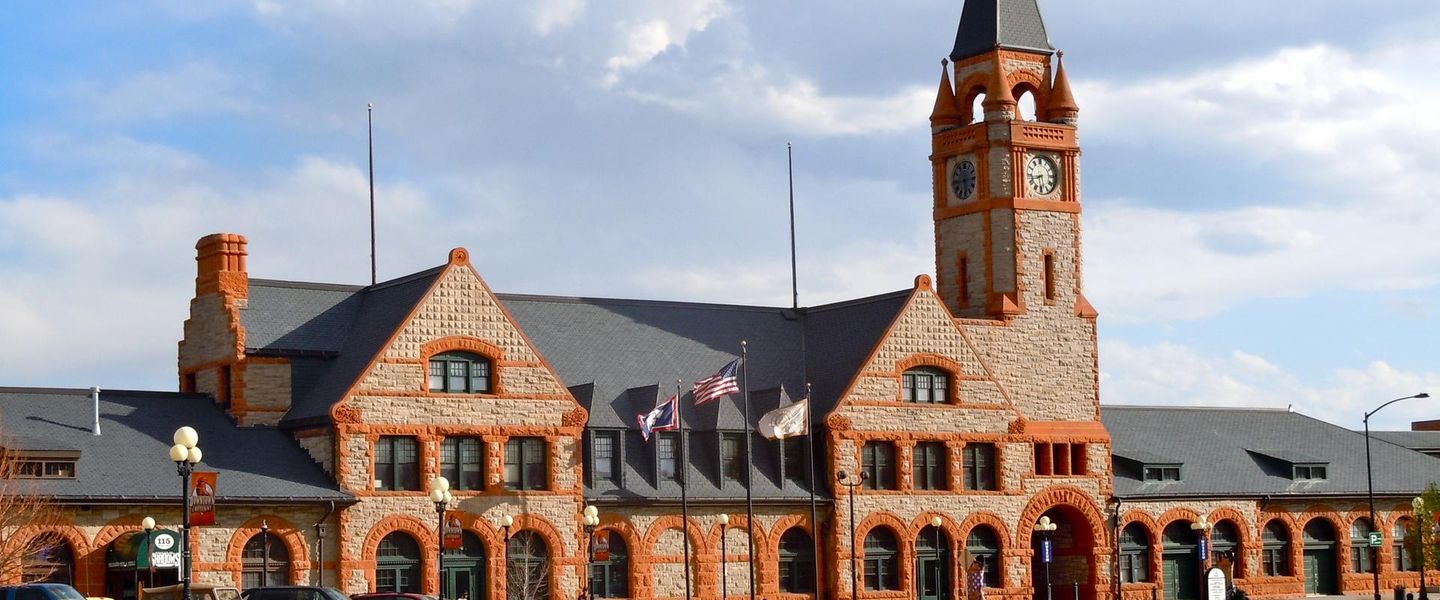


Explore Laramie County for Cheyenne's railway and rodeo heritage, Wyoming history, ranch landscapes, prairie skies and High Plains road trips.
Read more about Laramie County
Getting to and around Laramie County
How to get there
Transportation
Top city travel guides in Laramie County
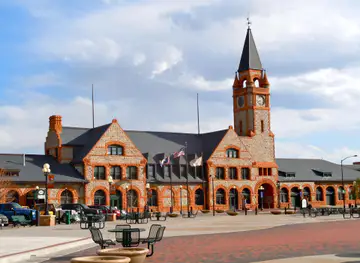
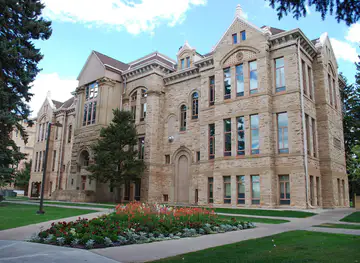
The cities of Laramie County, and the easiest places to base yourself.
-
-


Swipe for more cities
Best attractions in Laramie County
Laramie County's attractions centre on Cheyenne but extend into a broad rural landscape. Downtown, the Wyoming State Museum and the Wyoming State Capitol introduce the state's political, natural and cultural history, while the Cheyenne Frontier Days Old West Museum examines rodeo, western performance and the material culture of ranching. The Cheyenne Depot Museum, housed in the city's historic Union Pacific depot, explains the railway's role in creating the settlement and its regional influence. During the annual Cheyenne Frontier Days period, the rodeo grounds become a major focus for competitions, parades, concerts and western exhibitions. South of Cheyenne, Terry Bison Ranch offers a visitor-oriented encounter with ranch scenery and outdoor activities. Beyond the city, the county's attractions are less concentrated: small communities, open prairie, agricultural views and the changing light of the High Plains form part of the experience. This is not a region of dense theme-park sightseeing; its appeal lies in combining museums and civic heritage with an understanding of the working landscapes, transport routes and seasonal events that shaped southeastern Wyoming.
-
Monument
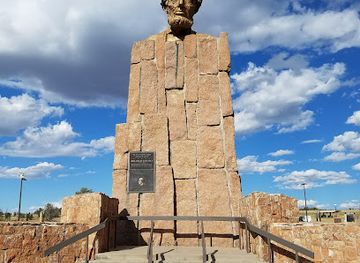
Abraham Lincoln Memorial Monument
Discover the Abraham Lincoln Memorial Monument in Laramie, Wyoming, a stunning tribute to America's 16th president, surrounded by beautiful landscapes.
-
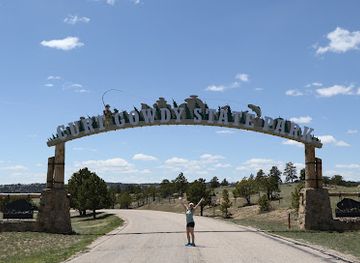
Curt Gowdy State Park
Explore the breathtaking beauty of Curt Gowdy State Park, Wyoming's outdoor gem for hiking, boating, and unforgettable nature experiences.
-
Tourist attraction
Wyoming Historic Governors' Mansion State Historic Site
Experience the rich history of Wyoming at the Historic Governors' Mansion, a captivating museum showcasing the state's political legacy and elegant architecture.
-
Tourist attraction
Wyoming Metal Art Roadside Attraction
Explore the whimsical Wyoming Metal Art Roadside Attraction, where creativity meets the open road in a stunning display of metal artistry.


Best landmarks in Laramie County
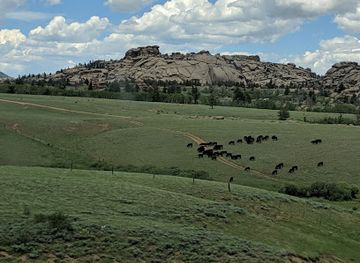
The Wyoming State Capitol is Laramie County's most prominent civic landmark, with its sandstone exterior, dome and richly restored interior expressing Cheyenne's role as the state capital since territorial days. Nearby government buildings create a coherent historic district rather than an isolated monument. Cheyenne Depot, a substantial nineteenth-century Union Pacific railway building, is the county's defining transport landmark and a reminder that the city grew from a railway settlement. The Cheyenne Frontier Days Old West Museum and rodeo grounds represent a different kind of landmark: a modern symbol of the county's enduring association with western performance and ranch culture. Fort D. A. Russell's historic military landscape, now connected with F. E. Warren Air Force Base, reflects the strategic importance of the railway corridor and federal presence, although access to active military property is controlled. Beyond the built environment, the open prairie itself is a geographical landmark. The county's low-relief plains, distant ranges, grain fields and enormous skies explain its settlement patterns and give even ordinary roads a strong sense of place.
-
National forest
Medicine Bow-Routt National Forest
Discover the breathtaking landscapes and endless adventures in the Medicine Bow-Routt National Forest, a true gem of Wyoming's natural beauty.
-
Monument
Abraham Lincoln Memorial Monument
Explore the Abraham Lincoln Memorial Monument in Laramie, Wyoming—an inspiring tribute to a great leader surrounded by breathtaking landscapes.
-
Visitor center
Southeast Wyoming Welcome Center
Explore Wyoming's wonders at the Southeast Wyoming Welcome Center, your starting point for adventure and discovery in the heart of the West.
-
State park
Curt Gowdy State Park
Discover the natural beauty and outdoor adventures at Curt Gowdy State Park, a perfect escape for hiking, fishing, and camping in Wyoming.
Explore Laramie County on the map
Plan your trip on one map. See where the top cities, national parks and sights are, and book hotels and experiences in a few clicks.
Best hotels in Laramie County
Best restaurants in Laramie County
Cheyenne's dining scene combines familiar American western fare with contemporary cafés, independent restaurants, diners, breweries and hotel dining. Beef, burgers, steaks and hearty breakfasts reflect the county's ranching setting, while seasonal produce and locally made products appear in changing menus rather than in one fixed regional cuisine. Visitors will find opportunities to sample Wyoming-associated game and bison dishes, although availability and provenance vary by establishment. Downtown and the areas around central Cheyenne provide the greatest concentration of restaurants, coffee shops and casual evening meals; outside the city, options are fewer and may follow small-town or roadside patterns. Farmers' markets and local food events can supplement restaurant dining when in season, offering baked goods, preserves and produce from the wider plains region. Tipping is customary in table-service venues, and American menu prices generally exclude sales tax. The strongest culinary experience comes from treating food as part of the county's western and railway-influenced character rather than expecting a narrowly defined local dish.
-
Steak
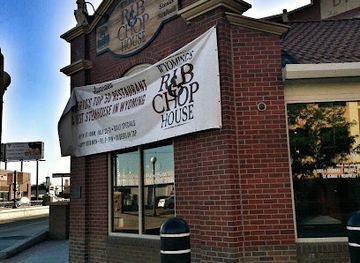
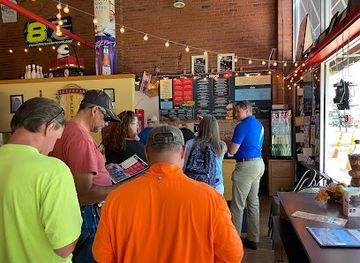
Wyoming's Rib & Chop House - Cheyenne
Experience the best of American cuisine at Wyoming's Rib & Chop House in Cheyenne - where every meal is a celebration of flavor.
-
American
2 Doors Down
Discover Cheyenne's culinary gem: 2 Doors Down offers delicious American and Italian dishes in a welcoming family-friendly atmosphere.
-
Steak
T-Joe's Steakhouse & Saloon
Savor mouthwatering steaks and fresh seafood at T-Joe's Steakhouse & Saloon in Cheyenne - where great taste meets lively atmosphere.
-
Grill
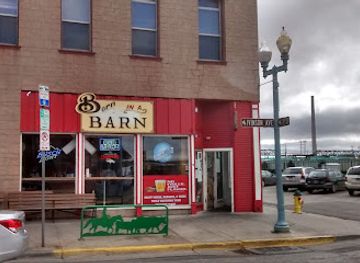
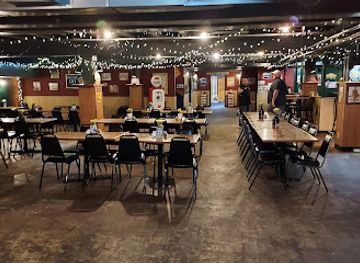
Born In A Barn
Discover unique American grilling at Born In A Barn in Laramie—where classic meets contemporary in every delicious bite.

Best bars in Laramie County
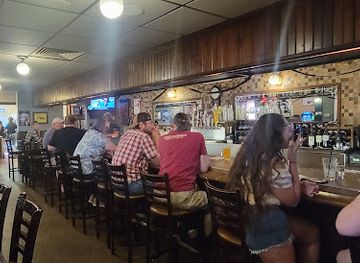
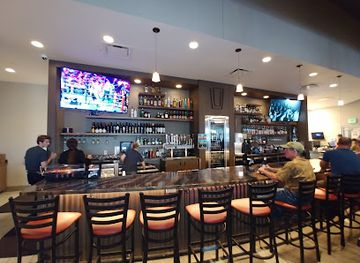
Evening life in Laramie County is concentrated in Cheyenne, where traditional pubs, saloons, breweries, cocktail-oriented rooms, restaurants and live-music venues provide more choice than the surrounding rural communities. Historic downtown streets are the natural starting point for an evening, with venues ranging from relaxed places serving local and national beers to establishments built around music or western themes. Cheyenne Frontier Days brings a temporary surge of concerts and late-evening activity in July, making advance planning especially important. Outside the capital, nightlife generally means a local bar, restaurant or community event rather than a dedicated club scene; Pine Bluffs and other small communities have a quieter evening rhythm. Visitors should check current venue arrangements, as performances and businesses change. Alcohol is not necessary to engage with the region's evening culture: museums, seasonal events, live music, dining and the illuminated historic centre offer alternatives.
-
Grill
Sanford's Grub & Pub
Discover Sanford's Grub & Pub in Cheyenne, Wyoming – a vibrant grill offering delicious burgers, grilled favorites, and a warm, inviting atmosphere.
-
American
The Albany
Experience the heart of American cuisine at The Albany, Cheyenne's lively restaurant and bar, offering delicious dishes and refreshing drinks.
-
Grill
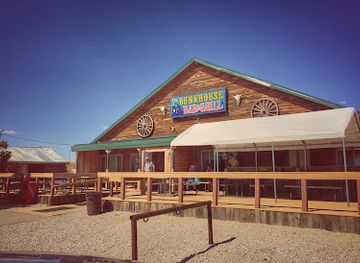
Bunkhouse Bar & Grill
Experience the best of American cuisine at Bunkhouse Bar & Grill in Cheyenne, WY, where great food meets live music in a warm atmosphere.
-
Grill
The Office Bar and Grill
Indulge in delicious meals and vibrant atmosphere at The Office Bar and Grill in Cheyenne, a culinary gem for all tastes.
Best nightclubs in Laramie County
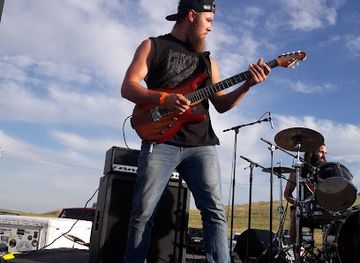
Evening life in Laramie County is concentrated in Cheyenne, where traditional pubs, saloons, breweries, cocktail-oriented rooms, restaurants and live-music venues provide more choice than the surrounding rural communities. Historic downtown streets are the natural starting point for an evening, with venues ranging from relaxed places serving local and national beers to establishments built around music or western themes. Cheyenne Frontier Days brings a temporary surge of concerts and late-evening activity in July, making advance planning especially important. Outside the capital, nightlife generally means a local bar, restaurant or community event rather than a dedicated club scene; Pine Bluffs and other small communities have a quieter evening rhythm. Visitors should check current venue arrangements, as performances and businesses change. Alcohol is not necessary to engage with the region's evening culture: museums, seasonal events, live music, dining and the illuminated historic centre offer alternatives.
-
Bar
Outlaw Saloon
Outlaw Saloon in Cheyenne, Wyoming offers a vibrant atmosphere with live music, delicious food, and a taste of the Wild West for an unforgettable night out.
-
Bar
Cadillac Ranch Bar
Discover the vibrant nightlife at Cadillac Ranch Bar in Cheyenne, where great drinks, live music, and a lively atmosphere await every visitor.
-
Cocktail bar
Paramount Ballroom
Discover the eclectic vibe of Paramount Ballroom in Cheyenne, where unique cocktails and vegetarian cuisine meet in a trendy lounge atmosphere.
-
Adult entertainment club
The Den Gentlemen's Club
Discover an unforgettable nightlife at The Den Gentlemen's Club in Cheyenne, blending adult entertainment with a vibrant bar atmosphere.


Best shops in Laramie County
Shopping in Laramie County is concentrated in Cheyenne, where downtown's historic streets offer independent retailers, western wear, books, gifts, antiques, galleries and locally themed souvenirs alongside everyday services. Visitors looking for a durable reminder of Wyoming may find leather goods, boots, hats, jewellery, artwork, regional food products and items associated with ranch or rodeo culture, but quality and provenance vary, so ask whether a product was made locally. Farmers' markets and seasonal community markets provide opportunities for baked goods, preserves, crafts and produce when operating. Larger shopping areas on Cheyenne's commercial corridors are more practical for clothing, groceries and travel necessities than for distinctive regional purchases. In smaller county communities such as Pine Bluffs, retail is limited and primarily serves local needs. Cheyenne Frontier Days creates additional temporary merchandise opportunities in July, but the permanent shopping character is best represented by independent downtown businesses, western outfitting and locally produced food or craft items rather than luxury retail.
-
Department store
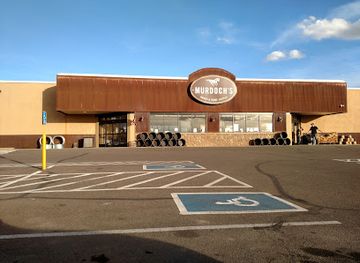
Murdoch's Ranch & Home Supply
Discover Murdoch's Ranch & Home Supply in Laramie, Wyoming, your ultimate destination for clothing, hardware, and sporting goods.
-
Music store
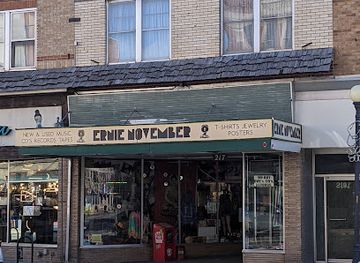
Ernie November Inc.
Discover the vibrant music scene of Cheyenne at Ernie November Inc., your go-to destination for vinyl records and local musical treasures.
-
Clothing store
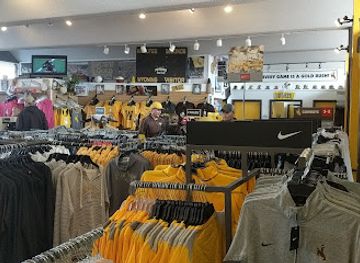
Brown and Gold Outlet
Explore a unique blend of fashion and local culture at Brown and Gold Outlet in Laramie, Wyoming. Discover quality clothing at great prices.
-
Consignment shop
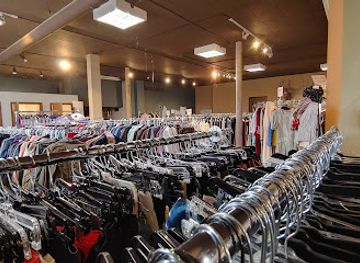
NU2U
Explore NU2U, Laramie's charming consignment shop offering vintage clothing, local art, and unique treasures for every treasure hunter.
Get your free copy of our complete guide to Laramie County, delivered straight to you.
Everything on this page, from attractions and restaurants to essentials and local phrases, in one PDF you can read offline, print or share.
Already have an account? Sign in
Your Laramie County guide is ready.
We'll send it to · Not you? Sign out

Getting your guide ready…
We are putting together a fresh copy of the Laramie County guide. This can take up to a minute.
This can take a few moments. If your browser asks, choose Allow so the download can start. You'll find the guide in your Downloads folder.
Nothing happened? Download it again
Sorry, the guide is taking longer than usual. Please try again in a minute, or get it by email instead.
Laramie County essentials
Currency and Payment
Safety
Emergency Situations
Do's and Don'ts
Local Tips
From Eve
Local phrases worth knowing
You don't need to get them perfect. A few words go a long way, and locals appreciate the effort.
Basics
| English | Local | Say it |
|---|---|---|
| Hello | Howdy | [hau-dee] |
| Goodbye | See ya | [see yah] |
| Yes | Yep | [yehp] |
| No | Nah | [nah] |
| Please/You're welcome | Sure thing | [shoer thing] |
| Thank you | Thanks a lot | [thangs a lawt] |
| Excuse me/Sorry | Pardon me | [par-dun mee] |
| How are you? | How ya doin'? | [how yah doin'?] |
| Fine. And you? | Good. And you? | [good. and you?] |
| Do you speak English? | You speakin' English? | [yoo spee-kin' ing-lish?] |
| I don't understand | I ain't gettin' it | [I ayn't gettin' it] |
Eating & Drinking
| English | Local | Say it |
|---|---|---|
| I'd like to see the menu, please | Can I see the menu? | [kan I see the men-yoo?] |
| I don't eat meat | I don’t do meat | [I don’t do meet] |
| Cheers! | Cheers! | [cheerz] |
| I would like to pay, please | Can I get the check? | [kan I get the chek?] |
Emergencies
| English | Local | Say it |
|---|---|---|
| Help! | Help! | [help] |
| Go away! | Leave me be! | [leeve me bee!] |
| Call the Police! | Call the cops! | [kal the kops!] |
| Call a doctor! | Get a doc! | [get a dok!] |
| I'm lost | I’m turned around | [I'm turnd a-round] |
| I'm ill | I ain’t feelin’ well | [I ayn't feelin' wel] |
Shopping
| English | Local | Say it |
|---|---|---|
| I'd like to buy... | I wanna buy... | [I wanna buy...] |
| I'm just looking | Just browsin' | [just brow-zin'] |
| How much is it? | What’s the price? | [wut's the prys?] |
| That's too expensive | That’s pricey | [that’s pry-see] |
| Can you lower the price? | Can you cut me a deal? | [kan you kut me a deel?] |
Time & Numbers
| English | Local | Say it |
|---|---|---|
| What time is it? | What time ya got? | [wut time ya got?] |
| It's one o'clock | It’s one o’clock | [its wun uh-clock] |
| Half past (10) | Half past ten | [haf past ten] |
| Morning | Mornin' | [mornin'] |
| Afternoon | Afternoon | [afternun] |
| Evening | Evenin' | [evenin'] |
| Yesterday | Yesterday | [yesterdai] |
| Today | Today | [tuh-dai] |
| Tomorrow | Tomorrow | [tuh-mor-row] |
| 1 | One | [wun] |
| 2 | Two | [too] |
| 3 | Three | [three] |
| 4 | Four | [for] |
| 5 | Five | [fiv] |
| 6 | Six | [siks] |
| 7 | Seven | [sev-en] |
| 8 | Eight | [ate] |
| 9 | Nine | [nain] |
| 10 | Ten | [ten] |
Transport & Directions
| English | Local | Say it |
|---|---|---|
| Where's a/the...? | Where’s the...? | [wher's the...?] |
| What's the address? | What’s the address? | [wut's the ad-dress?] |
| Can you show me (on the map)? | Can you show me on the map? | [kan you sho me on the map?] |
| When's the next (bus)? | When’s the next bus? | [wenz the nekst bus?] |
| A ticket (to ....) | A ticket to ... | [a tik-it to ...] |
History of Laramie County
Indigenous High Plains Homelands
Long before Cheyenne was founded, the plains of present-day Laramie County were used and travelled by Indigenous peoples, including the Cheyenne, Arapaho, Lakota and other communities whose histories extend across the wider High Plains. Hunting, seasonal movement, trade and later encounters with emigrant and military routes shaped the area. Modern roads and settlements occupy only part of this deeper landscape, and visitors should understand that the county's so-called frontier history followed much older Indigenous geographies.
Overland Routes and Territorial Expansion
During the nineteenth century, emigrant trails, stage routes and military movements crossed southeastern Wyoming. The region formed part of a contested corridor connecting the Missouri River with the Rocky Mountains and the Great Basin. Federal expansion, treaty-making, military campaigns and the displacement of Indigenous peoples transformed the plains. Although some of the best-known forts and trail sites lie outside Laramie County, the routes through the county helped establish its later importance as a transport and settlement corridor.
The Union Pacific and the Founding of Cheyenne
The Union Pacific Railroad reached the site of Cheyenne in 1867 during construction of the first transcontinental railway. The new settlement quickly became a division point, supply centre and commercial hub, drawing railway workers, merchants, ranchers and public officials. Cheyenne's street plan, depot district and early commercial buildings reflect this sudden railway-driven growth. The railroad also connected local cattle and agricultural production with markets beyond Wyoming and helped make the town a durable regional capital.
Fort D. A. Russell and Military Cheyenne
Fort D. A. Russell was established near Cheyenne in 1867 to protect the railway and maintain a federal military presence in the region. The post expanded over time and became closely linked to the city's economy and identity. Renamed Fort Francis E. Warren in 1930, it later developed into an important United States Air Force installation associated with strategic missile operations. Military land and institutions remain a significant part of Laramie County's modern landscape.
Wyoming Statehood and Civic Development
Wyoming became a US territory in 1868 and entered the Union as the forty-fourth state in 1890. Cheyenne, already the territorial capital, continued as the state capital and gained the civic buildings and institutions expected of a growing government centre. The Wyoming State Capitol and nearby public buildings embody this transition from frontier settlement to permanent state administration. Wyoming's early political history also included notable advances in women's voting rights, first adopted while it was still a territory.
Ranching, Livestock and the High Plains Economy
Cattle ranching became central to the economy around Cheyenne as rail connections made it possible to move livestock to distant markets. Stockyards, freight facilities, ranch supply businesses and seasonal livestock activity shaped the county's development. Agriculture remains visible east of the city, where open fields and grazing land continue towards the Nebraska border. The modern economy is more varied, but ranching and the cultural language of the American West remain influential in local institutions and public events.
Cheyenne Frontier Days and Western Performance
Cheyenne Frontier Days began in 1897 as a local frontier celebration and developed into one of the United States' major professional rodeo and western festivals. Its rodeo competitions, parades, concerts and associated exhibitions have helped define Cheyenne's public image for more than a century. The event is both a continuation of regional ranch and livestock traditions and a large contemporary production requiring careful consideration of animal welfare, commercial entertainment and the changing meanings of western heritage.
Laramie County in Photos
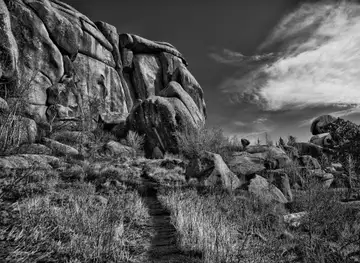
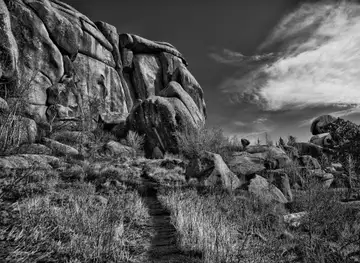
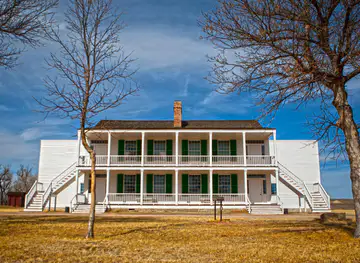
Browse through our photo collection highlighting the charm and character of the destination.
Neighbouring regions of Laramie County
The closest regions to Laramie County, if you have time for more than one.
-
-
-
-

-


Swipe for more regions
Explore more

Explore more of Wyoming
Discover Wyoming: A Land of Unspoiled Beauty, Rich History, and Boundless Outdoor Adventures in the Heart of the American West.
Explore Wyoming