

Free Laramie Travel Guide & Mobile App
Plan your Laramie trip with Evendo. Get free guides to top attractions, restaurants, hotels, and bars. Web access or download the mobile app.


Laramie, Wyoming pairs Old West history, University of Wyoming culture, mountain landscapes and lively downtown streets with accessible outdoor adventures.
Railroad City and University Town
Laramie sits at roughly 7,200 feet on the high plains of southeastern Wyoming, between the Laramie Range and the Medicine Bow Mountains. Established alongside the Union Pacific Railroad in 1868, it retains the broad streets, brick commercial buildings and independent businesses associated with a frontier railway town, while the University of Wyoming gives the city a youthful, intellectual character. The university campus anchors museums, galleries, performances and sporting events, and its presence brings a steady rhythm to a city otherwise shaped by open skies, ranching country and winter weather.Read more about Laramie
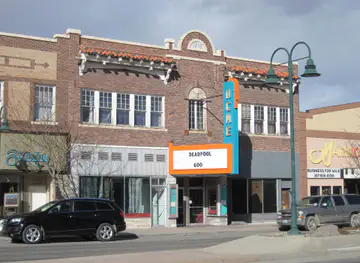
Historic Streets and Mountain Landscapes
When is the best time to visit Laramie?
Best: June–August · 21–24°C| Month | High (°C) | Rainfall (mm) |
|---|---|---|
| January | 2 | 13 |
| February | 3 | 13 |
| March | 5 | 20 |
| April | 10 | 30 |
| May | 16 | 40 |
| June (best) | 21 | 30 |
| July (best) | 24 | 30 |
| August (best) | 24 | 30 |
| September | 19 | 25 |
| October | 12 | 20 |
| November | 3 | 20 |
| December | 1 | 13 |
Getting to and around Laramie
How to get there
Transportation
Best attractions in Laramie
Laramie’s attractions combine frontier history, university collections and access to open western landscapes. The Wyoming Territorial Prison State Historic Site preserves the former penitentiary complex, where exhibitions explain prison life and nineteenth-century industry. At the University of Wyoming, the Geological Museum displays fossils and minerals from Wyoming and beyond, while the UW Art Museum presents changing exhibitions in a modern campus setting. The American Heritage Center holds extensive archival material relating to the American West, politics and popular culture, with public exhibitions offering a more accessible introduction. The Laramie Plains Museum at Ivinson Mansion evokes the city’s prosperous late-nineteenth-century society through its period interiors and collections. Downtown provides a manageable route through historic commercial architecture, independent shops and cafés, and the surrounding plains lead towards Medicine Bow National Forest and the granite formations of Vedauwoo, both outside the city and particularly appealing to hikers, climbers and photographers.
-
Historical place museum
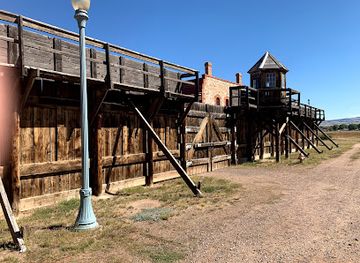
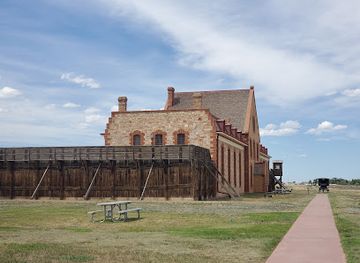
Wyoming Territorial Prison State Historic Site
Discover the haunting history of the Old West at the Wyoming Territorial Prison State Historic Site, where tales of justice and intrigue come alive.
5 min drive · 1.6 km from city centre
-
Historical place museum
Wyoming Territorial Prison State Historic Site
Discover the intriguing history of the American West at the Wyoming Territorial Prison State Historic Site, where the past comes to life.
5 min drive · 1.6 km from city centre
-
Tourist attraction
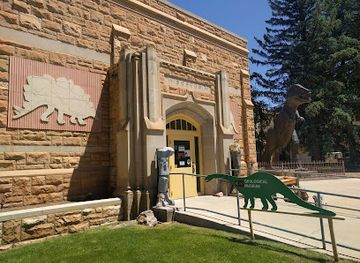
Geological Museum
Discover the Geological Museum in Laramie, Wyoming - a treasure trove of fossils, minerals, and hands-on exhibits showcasing Earth's natural history.
9 min walk · 0.7 km from city centre
-
Tourist attraction
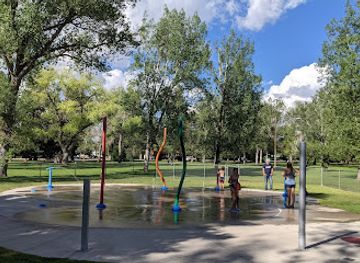
Undine Park
Discover the tranquility of Undine Park in Laramie, Wyoming, where nature meets recreation for a perfect family getaway.
8 min walk · 0.7 km from city centre

Best landmarks in Laramie
Laramie’s landmarks reveal its development from railway settlement to territorial institution and university city. The Wyoming Territorial Prison State Historic Site is the most distinctive surviving reminder of the federal presence and penal system that accompanied nineteenth-century expansion. Ivinson Mansion, now the Laramie Plains Museum, represents the ambitions and domestic world of an influential early Laramie family. The Union Pacific Railroad Depot, associated with the city’s founding and continuing railway history, points to the transport network that gave Laramie its original economic purpose. On campus, the University of Wyoming’s historic buildings and public spaces express the importance of education to the state since 1886. Downtown’s late-nineteenth- and early-twentieth-century commercial façades, together with churches and civic buildings, complete a streetscape in which railway commerce, territorial society and western university culture remain visible.
-
Grill
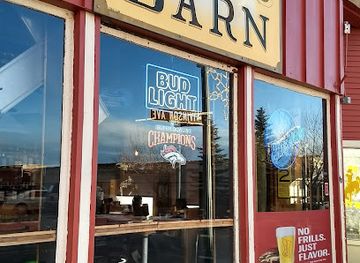
Born In A Barn
Experience the heart of American cuisine at Born In A Barn, a grill and restaurant in Laramie, WY, known for its flavorful dishes and inviting atmosphere.
5 min walk · 0.4 km from city centre
-
Mexican
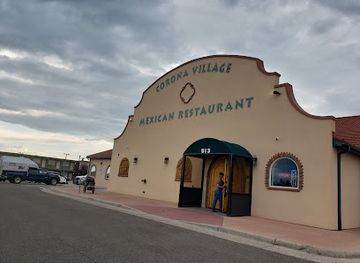
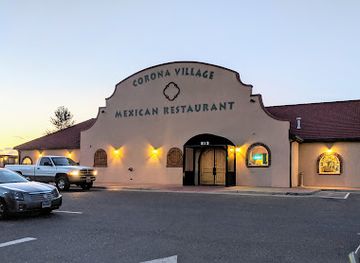
Corona Village
Discover the vibrant flavors of Mexico at Corona Village, Laramie's top choice for authentic Mexican and Latin American cuisine.
17 min walk · 1.3 km from city centre
-
Breakfast
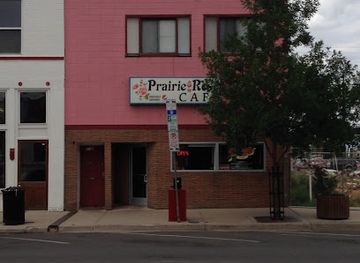
J's Prairie Rose
Experience a delightful breakfast at J's Prairie Rose in Laramie, where fresh ingredients and home-cooked meals create a cozy dining atmosphere.
5 min walk · 0.4 km from city centre
-
Historical place museum
Wyoming Territorial Prison State Historic Site
Explore the historic Wyoming Territorial Prison State Historic Site in Laramie, a fascinating journey through the Old West and its infamous prisoners.
5 min drive · 1.6 km from city centre

Explore Laramie on the map
Plan your Laramie trip on one map. See where the top attractions, landmarks, restaurants, bars and hotels are, find what's near where you're staying, and book hotels and experiences in a few clicks.
Best hotels in Laramie
Best restaurants in Laramie
Laramie’s dining scene reflects Wyoming’s ranching culture, university population and position on a major east-west road corridor. Beef and bison appear frequently on local menus, while trout and other mountain-influenced ingredients may feature alongside familiar American cooking. Downtown is the principal area for independent restaurants, cafés, bakeries, bars and casual eateries, with student demand supporting varied and informal options. The university also brings international influences and changing seasonal rhythms, while longer-established establishments retain a western-town atmosphere. Visitors can find locally produced beer and spirits in addition to coffee and baked goods, and the farmers market offers seasonal produce and small-scale food products when operating. Dining choices are generally concentrated rather than spread across numerous districts, making the historic centre and areas near campus useful starting points for exploring Laramie’s food culture.
-
Grill
Born In A Barn
Experience authentic American cuisine at Born In A Barn in Laramie, Wyoming - where every meal is a celebration of flavor and hospitality.
5 min walk · 0.4 km from city centre
-
Mexican
Corona Village
Savor the rich flavors of Mexico at Corona Village in Laramie - where every dish tells a story.
17 min walk · 1.3 km from city centre
-
Breakfast
J's Prairie Rose
Discover Laramie's hidden gem for breakfast at J's Prairie Rose - where hearty meals meet warm hospitality in Wyoming.
5 min walk · 0.4 km from city centre
-
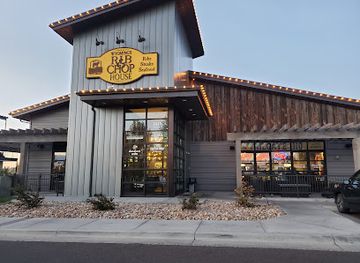
Steak
Wyoming's Rib & Chop House - Laramie
Experience mouthwatering steaks and delightful barbecue at Wyoming's Rib & Chop House in Laramie—where every bite tells a story.
7 min drive · 2.4 km from city centre
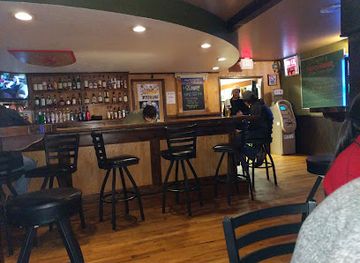
Best bars in Laramie
Laramie’s evening life is shaped by the University of Wyoming and the compact downtown, where bars, pubs, cafés and live-music venues serve students, residents and visitors. The atmosphere ranges from relaxed conversation over local beer to busier nights linked to university events, concerts and sporting fixtures. The Gryphon Theatre is an established downtown performance venue, while other stages and campus spaces contribute music, theatre and cultural programming. Nightlife is modest compared with a major city, and entertainment schedules can vary with the academic calendar, holidays and the season. Downtown is the most practical area for moving between venues on foot, although normal late-night precautions remain sensible. Evening cultural events, public talks and gallery programmes can be as characteristic of Laramie as club nights, particularly when the university is in session.
-
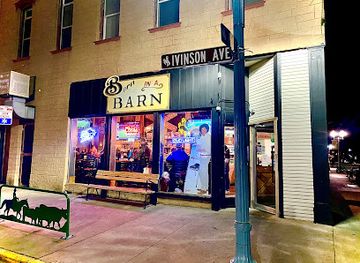
Grill
Born In A Barn
Experience the best of American grill cuisine at Born In A Barn in Laramie, Wyoming, where flavor meets a welcoming atmosphere.
5 min walk · 0.4 km from city centre
-
Grill
Crowbar & Grill
Experience the vibrant atmosphere and delicious flavors at Crowbar & Grill, Laramie's top spot for grilled delights and refreshing drinks.
4 min walk · 0.3 km from city centre
-
Restaurant
O'Dwyers Public House
Experience the vibrant flavors and welcoming ambiance of O'Dwyers Public House in Laramie, Wyoming, a perfect blend of dining and local culture.
17 min walk · 1.3 km from city centre
-
Bar
Chili's Grill & Bar
Experience vibrant American and Tex-Mex flavors at Chili's Grill & Bar in Laramie, perfect for family gatherings or a night out with friends.
8 min drive · 2.6 km from city centre
Best nightclubs in Laramie
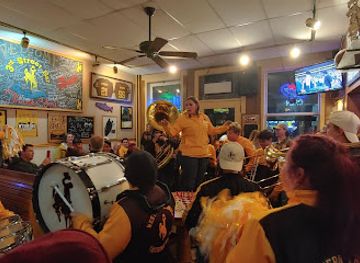
Laramie’s evening life is shaped by the University of Wyoming and the compact downtown, where bars, pubs, cafés and live-music venues serve students, residents and visitors. The atmosphere ranges from relaxed conversation over local beer to busier nights linked to university events, concerts and sporting fixtures. The Gryphon Theatre is an established downtown performance venue, while other stages and campus spaces contribute music, theatre and cultural programming. Nightlife is modest compared with a major city, and entertainment schedules can vary with the academic calendar, holidays and the season. Downtown is the most practical area for moving between venues on foot, although normal late-night precautions remain sensible. Evening cultural events, public talks and gallery programmes can be as characteristic of Laramie as club nights, particularly when the university is in session.
-
Bar
Buckhorn Bar & Parlor
Discover the lively nightlife and rich history at Buckhorn Bar & Parlor, a premier bar in Laramie, Wyoming, ideal for tourists and locals alike.
5 min walk · 0.4 km from city centre
-
Grill
3rd Street Bar
Discover the vibrant atmosphere and mouthwatering flavors at 3rd Street Bar, Laramie's top spot for grills and drinks.
3 min walk · 0.2 km from city centre
-
Bar
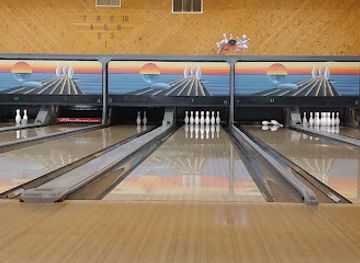
Laramie Lanes Lounge & Liquor
Discover Laramie Lanes Lounge & Liquor, where bowling meets relaxation in a lively bar setting, perfect for tourists seeking fun and socializing.
17 min walk · 1.4 km from city centre
-
Bar
Mingle's Lounge
Experience the vibrant nightlife at Mingle's Lounge in Laramie, Wyoming, with a great selection of drinks and a lively atmosphere for all.
9 min drive · 3.0 km from city centre


Best shops in Laramie
Shopping in Laramie centres on the historic downtown and the commercial areas serving the University of Wyoming and surrounding neighbourhoods. Independent boutiques, bookshops, cafés, galleries, outdoor retailers and second-hand shops give the centre a local character, while larger everyday stores are located beyond the older grid. Visitors may find Western-style clothing, locally made art, jewellery, books about Wyoming, outdoor equipment and regional food products, with some craft goods and souvenirs reflecting ranching and mountain culture. The Laramie Farmers Market adds seasonal produce, baked goods and handmade items when it is operating. The downtown streets are compact enough to browse on foot, and the University of Wyoming area offers additional cultural retail opportunities connected with campus life. Availability of specialist goods is more limited than in a large city, so shopping is best approached as part of exploring Laramie’s independent commercial scene.
-
Department store
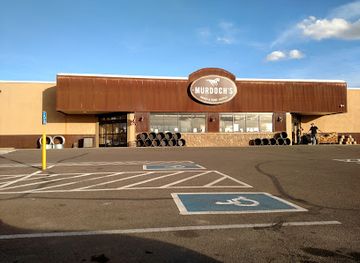
Murdoch's Ranch & Home Supply
Discover a unique shopping experience at Murdoch's Ranch & Home Supply, where you’ll find everything from outdoor gear to local treasures in Laramie, Wyoming.
10 min drive · 3.2 km from city centre
-
Coffee shop
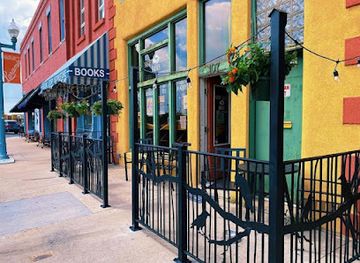
Night Heron Books & Coffeehouse
Discover the perfect blend of coffee, pastries, and literature at Night Heron Books & Coffeehouse in Laramie, Wyoming, a must-visit for any traveler.
5 min walk · 0.4 km from city centre
-
Shopping mall
Gateway Plaza
Explore Gateway Plaza in Laramie, WY for a vibrant shopping experience filled with unique clothing stores and local charm.
9 min walk · 0.7 km from city centre
-
Antique furniture store
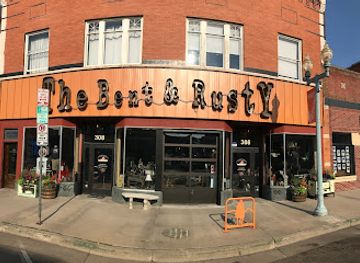
The Bent & Rusty
Explore Laramie's The Bent & Rusty for unique antique furniture and home goods that blend history with modern design.
4 min walk · 0.3 km from city centre
Get your free copy of our complete guide to Laramie, delivered straight to you.
Everything on this page, from attractions and restaurants to essentials and local phrases, in one PDF you can read offline, print or share.
Already have an account? Sign in
Your Laramie guide is ready.
We'll send it to · Not you? Sign out

Getting your guide ready…
We are putting together a fresh copy of the Laramie guide. This can take up to a minute.
This can take a few moments. If your browser asks, choose Allow so the download can start. You'll find the guide in your Downloads folder.
Nothing happened? Download it again
Sorry, the guide is taking longer than usual. Please try again in a minute, or get it by email instead.
Laramie essentials
Currency and Payment
Safety
Emergency Situations
Do's and Don'ts
Local Tips
From Eve
Local phrases worth knowing
You don't need to get them perfect. A few words go a long way, and locals appreciate the effort.
Basics
| English | Local | Say it |
|---|---|---|
| Hello | Howdy | [haʊ-di] |
| Goodbye | See ya | [siː jə] |
| Yes | Yep | [jɛp] |
| No | Nope | [noʊp] |
| Please/You're welcome | Please/You're welcome | [pliːz/jʊr ˈwɛlkəm] |
| Thank you | Thanks | [θæŋks] |
| Excuse me/Sorry | Pardon me/My bad | [ˈpɑrdn mi/maɪ bæd] |
| How are you? | Howdy, how's it goin'? | [haʊ-di, haʊz ɪt ˈɡoʊɪn] |
| Fine. And you? | Fine. And you? | [faɪn. ænd jə] |
| Do you speak English? | Ya speak English? | [jə spiːk ˈɪŋɡlɪʃ] |
| I don't understand | I don't get it | [aɪ doʊnt ˌʌndərˈstænd] |
Eating & Drinking
| English | Local | Say it |
|---|---|---|
| I'd like to see the menu, please | I'll take a look at the menu, please | [aɪl teɪk ə lʊk æt ðə ˈmɛnju, pliːz] |
| I don't eat meat | I don't do meat | [aɪ doʊnt du mɛt] |
| Cheers! | Cheers! | [ʧɪrz] |
| I would like to pay, please | I'll settle up, please | [aɪl ˈsɛtl ʌp, pliːz] |
Emergencies
| English | Local | Say it |
|---|---|---|
| Help! | Help! | [hɛlp] |
| Go away! | Get outta here! | [ɡɛt ˈaʊtə hɪr] |
| Call the Police! | Call the cops! | [kɔl ðə kɑps] |
| Call a doctor! | Get a doc! | [ɡɛt ə dɑk] |
| I'm lost | I'm lost | [aɪm lɔst] |
| I'm ill | I'm sick | [aɪm sɪk] |
Shopping
| English | Local | Say it |
|---|---|---|
| I'd like to buy... | I'm lookin' to buy... | [aɪm ˈlʊkɪn tə baɪ] |
| I'm just looking | Just browsin' | [ʤʌst ˈbraʊzɪn] |
| How much is it? | How much? | [haʊ ˈmʌtʃ] |
| That's too expensive | That's steep | [ðæts stip] |
| Can you lower the price? | Can ya knock it down? | [kæn jə nɑk ɪt daʊn] |
Time & Numbers
| English | Local | Say it |
|---|---|---|
| What time is it? | What's the time? | [wɑts ðə taɪm] |
| It's one o'clock | It's one | [ɪts wʌn] |
| Half past (10) | Half past (10) | [hæf pæst (10)] |
| Morning | Mornin' | [ˈmɔrnɪn] |
| Afternoon | Afternoon | [ˌæftərˈnun] |
| Evening | Evenin' | [ˈivnɪn] |
| Yesterday | Yesterday | [ˈjɛstərˌdeɪ] |
| Today | Today | [təˈdeɪ] |
| Tomorrow | Tomorrow | [təˈmɑroʊ] |
| 1 | One | [wʌn] |
| 2 | Two | [tu] |
| 3 | Three | [θri] |
| 4 | Four | [fɔr] |
| 5 | Five | [faɪv] |
| 6 | Six | [sɪks] |
| 7 | Seven | [ˈsɛvən] |
| 8 | Eight | [eɪt] |
| 9 | Nine | [naɪn] |
| 10 | Ten | [tɛn] |
Transport & Directions
| English | Local | Say it |
|---|---|---|
| Where's a/the...? | Where's the...? | [wɛərz ðə] |
| What's the address? | What's the address? | [wɑts ðə ˈædrɛs] |
| Can you show me (on the map)? | Can ya show me (on the map)? | [kæn jə ʃoʊ mi (ɒn ðə mæp)] |
| When's the next (bus)? | When's the next (bus)? | [wɛnz ðə nɛkst (bʌs)] |
| A ticket (to ....) | A ticket (to ....) | [ə ˈtɪkɪt (tu ....)] |
History of Laramie
Indigenous Plains and Mountain Country
Long before the arrival of the railway, the region around present-day Laramie formed part of the wider cultural and trading landscape of the Southern and Central Plains. Arapaho, Cheyenne, Lakota and other Indigenous peoples travelled through and used the plains, river corridors and mountain country of what is now southeastern Wyoming. The Laramie River and nearby passes provided routes through a landscape later reshaped by roads, railways, ranching and American military expansion. Place names and regional history preserve traces of the competing Indigenous, federal and commercial interests that defined the nineteenth-century transformation of Wyoming, although the city itself emerged only with the arrival of Euro-American settlement and the Union Pacific.
The Union Pacific Settlement
Laramie was established in 1868 as the Union Pacific Railroad crossed the plains during construction of the transcontinental route. The city took its name from Jacques La Ramie, a French or French-Canadian fur trader associated with the region in the early nineteenth century, although details of his life are limited and sometimes presented differently in local tradition. The railway brought workers, merchants, freight and rapid population growth, turning Laramie into an important service point in the Wyoming Territory. Its original commercial grid, broad streets and surviving nineteenth-century buildings reflect the practical needs of a railway town rather than a pre-existing colonial settlement.
Territorial Institutions and Frontier Justice
As Laramie grew, it became a centre for commerce, government and social life in southern Wyoming. The Wyoming Territorial Prison opened in 1872 and operated until 1903, housing federal prisoners and manufacturing distinctive prison-made goods, including brooms. The surviving complex, now the Wyoming Territorial Prison State Historic Site, conveys the institutional side of frontier development often overshadowed by railway and ranching stories. Laramie also occupies an important place in the history of women’s political participation: Louisa Swain cast a ballot in the city in 1870, soon after Wyoming Territory extended voting rights to women in 1869. The Territory’s early experiment became part of the state’s enduring political identity.
The University Shapes the City
The University of Wyoming was founded in Laramie in 1886, four years before Wyoming achieved statehood. Its establishment gave the young city an institution devoted to higher education, research and professional training, adding a more permanent civic dimension to the transient economy of the railroad. The university expanded through the twentieth century, and its campus became a repository for art, geological specimens, archives and regional scholarship. Museums such as the Geological Museum, the UW Art Museum and the American Heritage Center connect Laramie with the natural and cultural history of Wyoming, while university events continue to influence the city’s calendar, population and public life.
Modern Laramie and the High Plains
Twentieth-century Laramie developed beyond its railway origins through education, government, ranching, retail and transport links across southeastern Wyoming. Historic commercial buildings and residential districts remain alongside newer university facilities and contemporary businesses. The city’s identity is also shaped by its setting: the surrounding high plains and nearby Medicine Bow Mountains support hiking, climbing, skiing, wildlife observation and scientific study. Rather than becoming a large urban centre, Laramie has retained the scale of a small regional city with a significant university, a substantial historic legacy and close access to public landscapes. Its present character rests on the interaction of those three forces.
Laramie in Photos
Browse through our photo collection highlighting the charm and character of the destination.
Cities near Laramie
The closest cities to Laramie, if you have time for more than one stop.
-

-
-

-

-


Swipe for more cities
Explore more

Explore more of Wyoming
Discover Wyoming: A Land of Unspoiled Beauty, Rich History, and Boundless Outdoor Adventures in the Heart of the American West.
Explore Wyoming