

Free Laramie Plains Travel Guide & Mobile App
Explore Laramie Plains with free travel guides. Discover regional history, expert tips, proposed trips, and audio guides on web or mobile app.


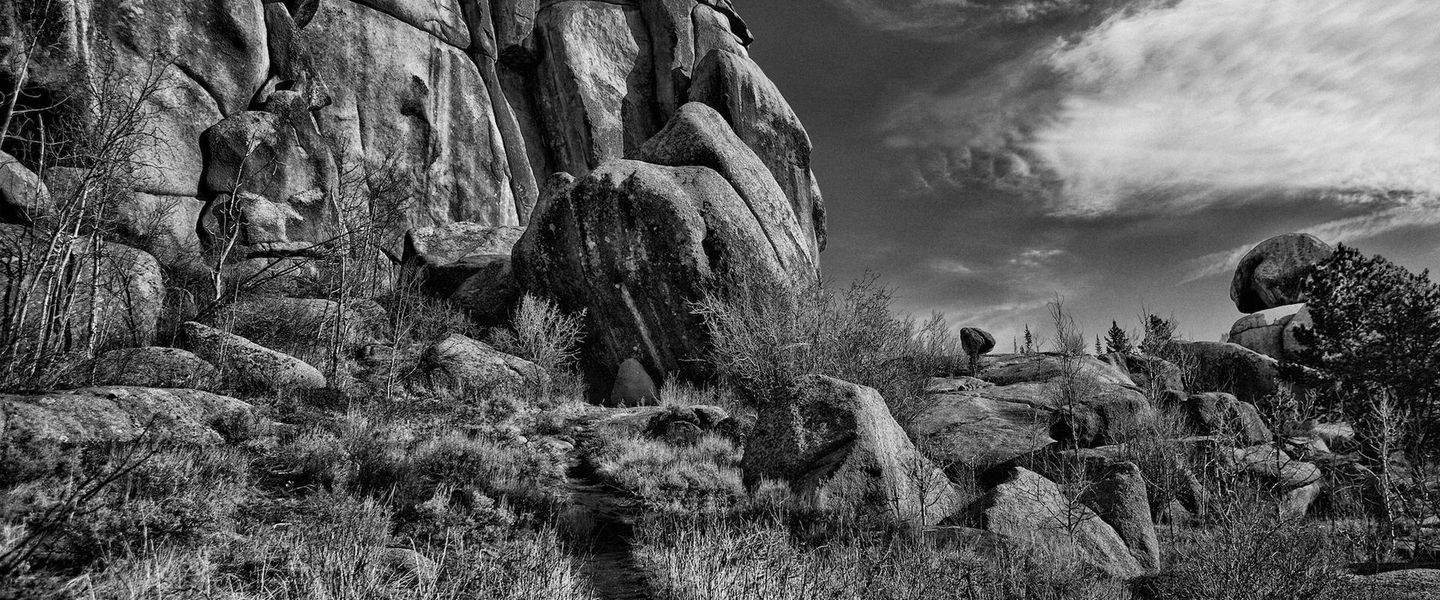


Explore Laramie Plains for high-elevation prairie, university culture, frontier history, mountain recreation and wide-open Wyoming landscapes.
Read more about Laramie Plains
Getting to and around Laramie Plains
How to get there
Transportation
Top city travel guides in Laramie Plains
The cities of Laramie Plains, and the easiest places to base yourself.
-

-


Swipe for more cities
Destinations in Laramie Plains
Resorts, valleys and scenic spots worth a trip of their own.
-

-


Swipe for more destinations
Best attractions in Laramie Plains
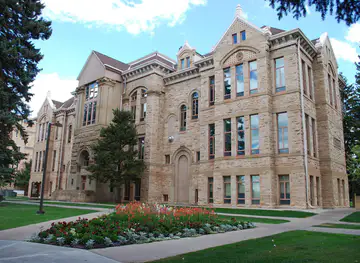
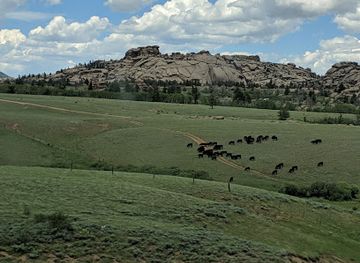
Laramie Plains combines urban museums and historic sites with broad, lightly settled recreation country. In Laramie, the Wyoming Territorial Prison State Historic Site interprets the territory's legal and penal history, while the University of Wyoming campus includes the American Heritage Center and collections that illuminate Wyoming's political, cultural and natural past. The Laramie Plains Museum at the Ivinson Mansion presents the city's domestic and civic history in a late nineteenth-century setting. The surrounding grasslands are well suited to scenic driving, birdwatching and understanding the scale of the high plains. West of the city, the Medicine Bow National Forest leads towards the Snowy Range, with opportunities for hiking, camping, fishing and winter sports; conditions and access vary by season and elevation. On the eastern side, Vedauwoo's granite formations attract climbers, walkers and picnickers, while Curt Gowdy State Park, nearer the Cheyenne side of the wider region, offers reservoirs, trails and mountain biking. The attraction landscape is defined less by a dense chain of visitor sites than by the contrast between a university town, working prairie and accessible mountain country.
-
National forest
Medicine Bow-Routt National Forest
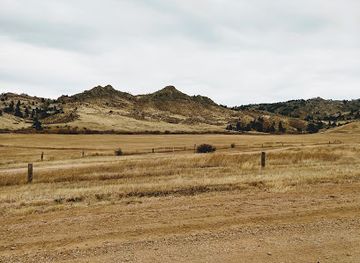
Explore the breathtaking landscapes of Medicine Bow-Routt National Forest, where adventure meets natural beauty in Wyoming's wilderness.
-
Monument
Abraham Lincoln Memorial Monument
Explore the iconic Abraham Lincoln Memorial Monument in Laramie, Wyoming, a serene tribute celebrating Lincoln's legacy surrounded by stunning natural beauty.
-
State park
Curt Gowdy State Park
Explore the natural beauty of Curt Gowdy State Park in Wyoming - a paradise for hiking, fishing, and camping enthusiasts amidst stunning landscapes.
-
Historical place
Fort Laramie National Historic Site
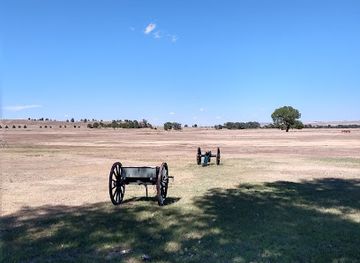
Explore the historical significance and captivating stories of Fort Laramie National Historic Site, a must-visit destination in Wyoming for history lovers and adventurers.
Best landmarks in Laramie Plains
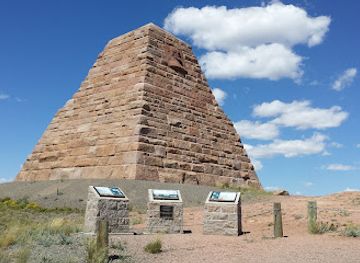
Laramie's most important historic landmark is the Wyoming Territorial Prison State Historic Site, a surviving institutional complex that embodies the territory's early courts, penal system and settlement history. The Ivinson Mansion, now the Laramie Plains Museum, is a prominent reminder of the wealth and civic ambition that developed after the railway arrived. The University of Wyoming campus provides a different kind of landmark landscape, combining public buildings, cultural collections and the long institutional presence that has shaped modern Laramie. On the eastern side of the broader plains, the Ames Monument marks the transcontinental railway era and commemorates Oakes and Oliver Ames, whose financial support helped the Union Pacific construct its western route. In the natural landscape, Vedauwoo's weathered Sherman Granite formations are among the region's most recognisable geological features, while the Snowy Range forms a powerful western horizon from the open grasslands. Together these places express the area's principal themes: Indigenous geography, railway expansion, territorial government, education and the enduring presence of high plains and mountain geology.
-
Monument
Abraham Lincoln Memorial Monument
Explore the Abraham Lincoln Memorial Monument in Laramie, Wyoming – a historical tribute to one of America's greatest presidents amid stunning natural beauty.
-
Historical place museum
Wyoming Territorial Prison State Historic Site
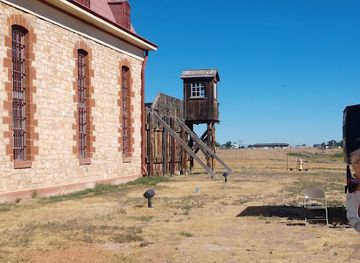
Explore the rich history of the Old West at the Wyoming Territorial Prison State Historic Site, a preserved prison turned museum in Laramie, Wyoming.
-
Historical landmark
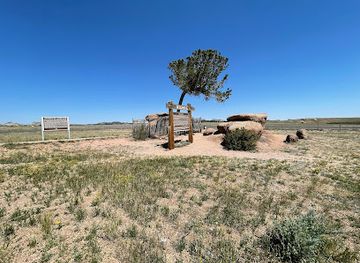
Tree In The Rock, Historical Site
Discover the Tree In The Rock, a stunning historical landmark in Wyoming that combines natural beauty with rich American history for an unforgettable visit.
-
Historical landmark
Ames Monument State Historic Site
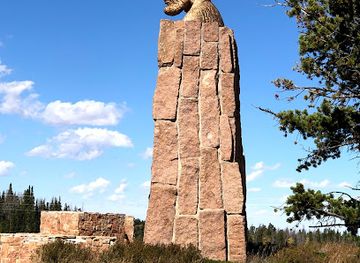
Explore the Ames Monument State Historic Site, a historic landmark honoring the Ames brothers and the expansion of the American West amidst stunning Wyoming landscapes.
Explore Laramie Plains on the map
Plan your trip on one map. See where the top cities, national parks and sights are, and book hotels and experiences in a few clicks.
Best hotels in Laramie Plains
Best restaurants in Laramie Plains
Dining in Laramie reflects the city's mix of university life, ranching communities, railway history and passing travellers. Downtown and the university area offer cafés, bakeries, casual restaurants, bars with food and contemporary kitchens alongside traditional American fare. Beef is prominent in the wider Wyoming food culture, while menus commonly draw on burgers, steaks, regional game where available and hearty dishes suited to a cold high-altitude climate. Breweries and coffee shops are part of the local social scene, and independent restaurants often provide more variety than the region's rural population might suggest. In the surrounding plains, dining options become more dispersed and may centre on classic diners, road-trip stops or community establishments rather than destination restaurants. Farmers' markets and local food events can provide seasonal produce, baked goods and prepared foods, but dates and availability vary. Visitors should not expect a single dish to define Laramie Plains; its culinary identity lies in western American staples combined with the broader choices brought by the university and an internationally connected student population.
-
Truck stop
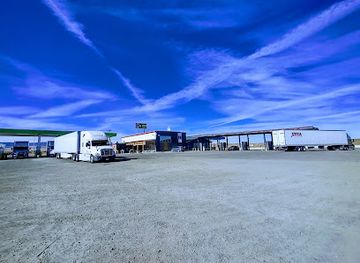
Akal Travel Center
Experience diverse flavors at Akal Travel Center in Laramie – your ultimate truck stop for Armenian and Indian cuisine!
-
Grill
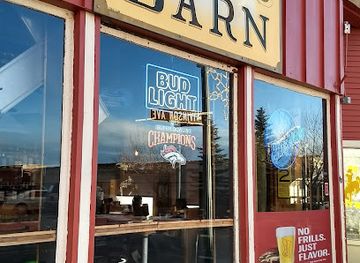
Born In A Barn
Discover authentic American cuisine at Born In A Barn in Laramie - where hearty meals meet rustic charm.
-
Mexican
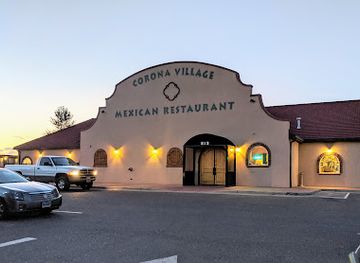
Corona Village
Experience authentic Mexican flavors at Corona Village in Laramie—where every meal is a celebration of Latin American cuisine.
-
Breakfast
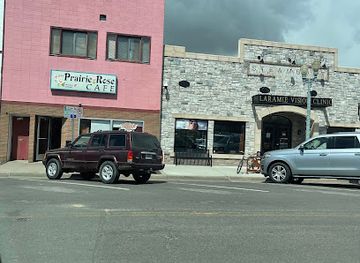
J's Prairie Rose
Discover delicious breakfast delights at J's Prairie Rose in Laramie - where every meal is made with love and local ingredients.
Best bars in Laramie Plains
Laramie is the main evening centre for Laramie Plains, with a compact choice of pubs, breweries, bars, cafés and venues associated with live music or university events. Downtown tends to provide the greatest concentration of evening activity, while the university area contributes a younger and more changing social calendar. The atmosphere ranges from informal western-style drinking places to quieter restaurants and craft-beverage venues, and entertainment can include performances, lectures and cultural programming rather than nightlife alone. Outside Laramie, evening options are sparse and generally focus on local bars, restaurants or community events in small settlements. There is not a large metropolitan club scene across the plains, and opening arrangements may vary with the academic calendar and season. Visitors should arrange transport in advance when staying outside the city, particularly in winter, and should never drive after drinking.
-
Grill
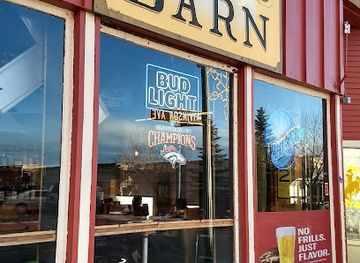
Born In A Barn
Experience the rustic charm and flavor of Born In A Barn, Laramie's premier grill serving delicious American cuisine in a cozy atmosphere.
-
Breakfast
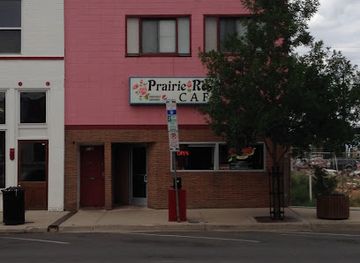
J's Prairie Rose
Discover the heart of Laramie's breakfast scene at J's Prairie Rose, where delicious meals and a cozy atmosphere await every morning.
-
Steak
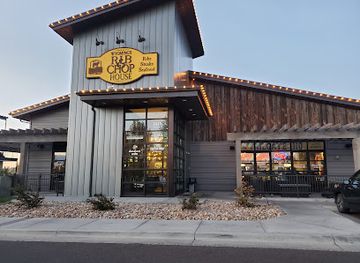
Wyoming's Rib & Chop House - Laramie
Discover the culinary delights at Wyoming's Rib & Chop House in Laramie, where exquisite steaks, barbecue, and seafood await in a family-friendly setting.
-
Restaurant
Sweet Melissa
Experience the vibrant flavors of Sweet Melissa, a culinary gem in Laramie, WY, offering a delightful menu and a lively atmosphere.
Best nightclubs in Laramie Plains
Laramie is the main evening centre for Laramie Plains, with a compact choice of pubs, breweries, bars, cafés and venues associated with live music or university events. Downtown tends to provide the greatest concentration of evening activity, while the university area contributes a younger and more changing social calendar. The atmosphere ranges from informal western-style drinking places to quieter restaurants and craft-beverage venues, and entertainment can include performances, lectures and cultural programming rather than nightlife alone. Outside Laramie, evening options are sparse and generally focus on local bars, restaurants or community events in small settlements. There is not a large metropolitan club scene across the plains, and opening arrangements may vary with the academic calendar and season. Visitors should arrange transport in advance when staying outside the city, particularly in winter, and should never drive after drinking.
-
Bar
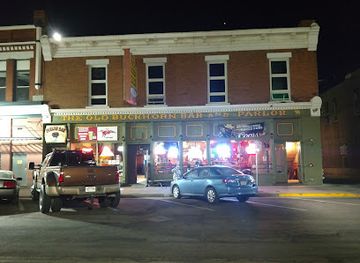
Buckhorn Bar & Parlor
Discover Laramie's vibrant nightlife and local flavors at Buckhorn Bar & Parlor, a must-visit bar for a true Wyoming experience.
-
Bar
Cadillac Ranch Bar
Discover the lively Cadillac Ranch Bar in Cheyenne, Wyoming, where fun meets a vibrant nightlife experience in a unique Western setting.
-
Grill
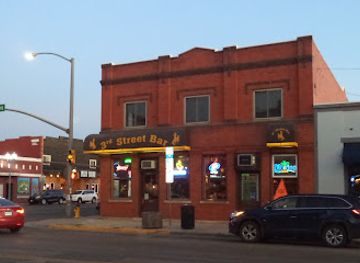
3rd Street Bar
Discover the vibrant 3rd Street Bar in Laramie, WY, a perfect blend of delicious grill cuisine and a lively bar atmosphere for tourists.
-
Bar
Laramie Lanes Lounge & Liquor
Discover the lively atmosphere of Laramie Lanes Lounge & Liquor, where bowling, drinks, and good times create unforgettable memories in Laramie.


Best shops in Laramie Plains
Shopping in Laramie is concentrated in the historic downtown, university surroundings and ordinary commercial areas serving local residents. Independent bookshops, clothing stores, galleries, outdoor retailers and cafés reflect the university population and the region's access to mountain recreation. Visitors seeking regional products may find Wyoming-themed gifts, western wear, locally made art, jewellery, crafts, books and goods connected with ranching or outdoor life, while supermarkets and specialist food shops are practical places to stock up before travelling into the forest. Seasonal farmers' markets can offer produce, baked items and prepared foods, although schedules vary. The city is better suited to independent browsing and useful expedition supplies than to luxury or designer shopping. Rural communities around the plains have fewer retail choices, but local stores and community markets can provide a more direct connection with everyday life. When buying Native-inspired art or cultural objects, ask about provenance and support established artists rather than purchasing items with unclear or misleading cultural claims.
-
Department store
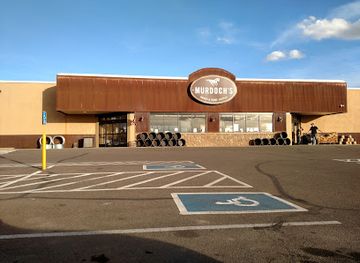
Murdoch's Ranch & Home Supply
Discover an array of quality products at Murdoch's Ranch & Home Supply, where local charm meets diverse shopping in Laramie, Wyoming.
-
Grocery store
Big Hollow Food Co-Op
Explore local flavors and sustainable choices at Big Hollow Food Co-Op, Laramie's premier grocery store for organic and community-sourced products.
-
Shopping mall
Gateway Plaza
Explore Gateway Plaza in Laramie, a vibrant shopping destination with diverse stores and unique boutiques for an unforgettable retail experience.
-
Antique furniture store
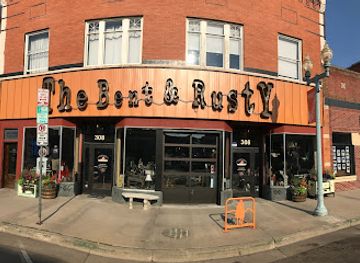
The Bent & Rusty
Explore the charm of Laramie at The Bent & Rusty, your destination for unique antique furniture and home decor treasures.
Get your free copy of our complete guide to Laramie Plains, delivered straight to you.
Everything on this page, from attractions and restaurants to essentials and local phrases, in one PDF you can read offline, print or share.
Already have an account? Sign in
Your Laramie Plains guide is ready.
We'll send it to · Not you? Sign out

Getting your guide ready…
We are putting together a fresh copy of the Laramie Plains guide. This can take up to a minute.
This can take a few moments. If your browser asks, choose Allow so the download can start. You'll find the guide in your Downloads folder.
Nothing happened? Download it again
Sorry, the guide is taking longer than usual. Please try again in a minute, or get it by email instead.
Laramie Plains essentials
Currency and Payment
Safety
Emergency Situations
Do's and Don'ts
Local Tips
From Eve
Local phrases worth knowing
You don't need to get them perfect. A few words go a long way, and locals appreciate the effort.
Basics
| English | Local | Say it |
|---|---|---|
| Hello | Howdy | [haʊdi] |
| Goodbye | See ya later | [si jə ˈleɪtər] |
| Yes | Yep | [jɛp] |
| No | Nope | [noʊp] |
| Please/You're welcome | Sure thing | [ʃʊr θɪŋ] |
| Thank you | Thanks a lot | [θæŋks ə lɑt] |
| Excuse me/Sorry | Pardon me | [ˈpɑrdən mi] |
| How are you? | How's it going? | [haʊz ɪt ˈgoʊɪŋ] |
| Fine. And you? | Good. And you? | [gʊd. ənd ju] |
| Do you speak English? | Do ya speak English? | [du jə spiːk ˈɪŋɡlɪʃ] |
| I don't understand | I ain't got it | [aɪ eɪnt gɑt ɪt] |
Eating & Drinking
| English | Local | Say it |
|---|---|---|
| I'd like to see the menu, please | Can I see the menu? | [kæn aɪ si ðə ˈmɛnju] |
| I don't eat meat | I don't do meat | [aɪ doʊnt du mit] |
| Cheers! | Cheers! | [tʃɪrz] |
| I would like to pay, please | Can I get the check, please? | [kæn aɪ ɡɛt ðə tʃɛk pliz] |
Emergencies
| English | Local | Say it |
|---|---|---|
| Help! | Help! | [hɛlp] |
| Go away! | Get lost! | [ɡɛt lɔst] |
| Call the Police! | Call the cops! | [kɔl ðə kɑps] |
| Call a doctor! | Get me a doctor! | [ɡɛt mi ə ˈdɑktər] |
| I'm lost | I'm turned around | [aɪm tɜrnd əˈraʊnd] |
| I'm ill | I'm not feeling well | [aɪm nɑt ˈfiːlɪŋ wɛl] |
Shopping
| English | Local | Say it |
|---|---|---|
| I'd like to buy... | I want to buy... | [aɪ wɑnt tə baɪ] |
| I'm just looking | Just browsing | [dʒʌst ˈbraʊzɪŋ] |
| How much is it? | What's the price? | [wʌts ðə praɪs] |
| That's too expensive | That's a bit steep | [ðæts ə bɪt stip] |
| Can you lower the price? | Can ya bring the price down? | [kæn jə brɪŋ ðə praɪs daʊn] |
Time & Numbers
| English | Local | Say it |
|---|---|---|
| What time is it? | What time ya got? | [wʌt taɪm jə ɡɑt] |
| It's one o'clock | It's one | [ɪts wʌn] |
| Half past (10) | Half past ten | [hæf pæst tɛn] |
| Morning | Mornin' | [ˈmɔrnɪn] |
| Afternoon | Afternoon | [ˌæftərˈnun] |
| Evening | Evenin' | [ˈivnɪn] |
| Yesterday | Yesterday | [ˈjɛstərdeɪ] |
| Today | Today | [təˈdeɪ] |
| Tomorrow | Tomorrow | [təˈmɔroʊ] |
| 1 | One | [wʌn] |
| 2 | Two | [tu] |
| 3 | Three | [θri] |
| 4 | Four | [fɔr] |
| 5 | Five | [faɪv] |
| 6 | Six | [sɪks] |
| 7 | Seven | [ˈsɛvən] |
| 8 | Eight | [eɪt] |
| 9 | Nine | [naɪn] |
| 10 | Ten | [tɛn] |
Transport & Directions
| English | Local | Say it |
|---|---|---|
| Where's a/the...? | Where's the...? | [wɛrz ðə] |
| What's the address? | What's the address? | [wʌts ði əˈdrɛs] |
| Can you show me (on the map)? | Can ya point it out? | [kæn jə pɔɪnt ɪt aʊt] |
| When's the next (bus)? | When's the next bus? | [wɛnʔs ðə nɛkst bʌs] |
| A ticket (to ....) | One ticket to... | [wʌn ˈtɪkɪt tə] |
History of Laramie Plains
Indigenous Homelands and High-Plains Travel
The Laramie Plains formed part of a wider cultural landscape used by Indigenous peoples for hunting, seasonal movement and trade long before the arrival of the United States. Arapaho, Cheyenne, Ute and Lakota communities, among others, held connections with the plains and surrounding mountain ranges, although political control and patterns of use changed over time. The region's trails and water sources mattered because the high grassland linked the central Great Plains with the Rocky Mountains. Visitors should understand later forts, railways and towns as developments imposed upon an older Indigenous geography rather than as the beginning of the area's history.
Emigrant Trails and the Overland Route
During the nineteenth-century movement west, emigrants and traders crossed south-eastern Wyoming along routes that followed practical grades, water and passes. The Overland Trail and related corridors passed near the Laramie area, carrying families, freight, mail and military traffic towards the Great Basin and the Pacific coast. Travel was difficult at high altitude, with exposure, scarce timber and unpredictable weather adding to the hardships of prairie crossings. The surviving landscape is often subtle rather than monumental, but the region's roads and historic sites preserve the importance of this transcontinental movement.
Fort Sanders and United States Expansion
Fort Sanders was established south of present-day Laramie in 1866 as the United States expanded military protection along the overland routes and sought to control movement through the region. The post supported troops during a period of conflict and intense disruption affecting Indigenous nations, emigrants, railway workers and settlers. Although the fort itself did not survive as a complete historic complex, its establishment helped make Laramie an important military and logistical centre. The episode belongs to the broader history of United States expansion, treaty violations and the forced transformation of Indigenous homelands.
The Railroad and the Founding of Laramie
The Union Pacific Railroad reached the Laramie area in 1868 during its westward construction across Wyoming. Rail access accelerated settlement, commerce and livestock shipment, while creating demand for hotels, workshops, warehouses and services. Laramie developed rapidly as a railway town and became one of the principal urban settlements on the high plains. The railway also altered Indigenous travel patterns and enabled much larger flows of migrants and manufactured goods. Historic buildings and the continuing prominence of Interstate 80 reflect the region's enduring role as a transport corridor.
Territorial Government, Law and the Prison
Wyoming Territory was created in 1868, and Laramie became an important centre of judicial and civic life during the territory's early decades. The Wyoming Territorial Prison opened in Laramie in 1872 and operated until 1903, housing prisoners within a system that reflected nineteenth-century ideas about punishment, labour and institutional reform. The restored site, now a state historic attraction, offers a tangible way to examine the territory's legal development. Laramie's civic importance also grew through schools, churches, commercial enterprises and the expanding ranching economy around the plain.
The University of Wyoming and Modern Laramie
The University of Wyoming was established in Laramie in 1886, before Wyoming achieved statehood in 1890. Its presence shaped the city's intellectual, cultural and economic life, bringing research, teaching, museums, arts programming and generations of residents to the high plains. The university's collections, including the American Heritage Center and geological displays, help interpret Wyoming's political, environmental and social history. Alongside education, ranching, transport, public administration and outdoor recreation have continued to influence the region, giving contemporary Laramie a more varied identity than its nineteenth-century railway origins suggest.
Laramie Plains in Photos
Browse through our photo collection highlighting the charm and character of the destination.
Neighbouring regions of Laramie Plains
The closest regions to Laramie Plains, if you have time for more than one.
-

-

-

-
-


Swipe for more regions
Explore more

Explore more of Wyoming
Discover Wyoming: A Land of Unspoiled Beauty, Rich History, and Boundless Outdoor Adventures in the Heart of the American West.
Explore Wyoming