

Free Copperbelt Travel Guide & Mobile App
Explore Copperbelt with free travel guides. Discover regional history, expert tips, proposed trips, and audio guides on web or mobile app.


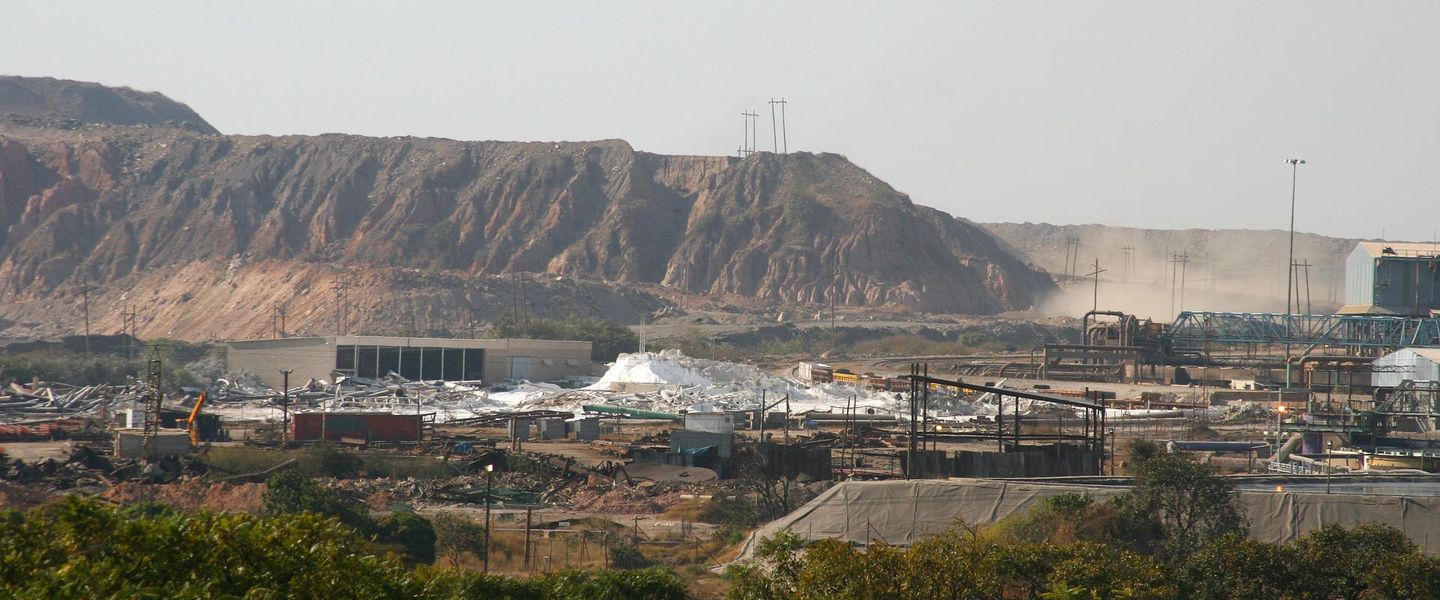


Explore Copperbelt Zambia for mining heritage, lively towns, woodland landscapes, chimpanzee conservation and the stories behind its copper economy.
Read more about Copperbelt
When is the best time to visit Copperbelt?
Best: May, July–August · 23–26°C| Month | High (°C) | Rainfall (mm) |
|---|---|---|
| January | 26 | 230 |
| February | 26 | 200 |
| March | 27 | 150 |
| April | 27 | 70 |
| May (best) | 25 | 15 |
| June | 23 | 2 |
| July (best) | 23 | 2 |
| August (best) | 26 | 3 |
| September | 29 | 15 |
| October | 30 | 60 |
| November | 28 | 140 |
| December | 27 | 200 |
Getting to and around Copperbelt
How to get there
Transportation
Top city travel guides in Copperbelt
The cities of Copperbelt, and the easiest places to base yourself.
-

-
-

-


Swipe for more cities
Destinations in Copperbelt
Resorts, valleys and scenic spots worth a trip of their own.

Swipe for more destinations
Best attractions in Copperbelt
Copperbelt attractions are shaped by industry, urban life and the surrounding miombo woodland rather than by a concentration of monumental heritage. The Copperbelt Museum in Ndola provides an accessible introduction to local history, culture and the mining economy, while the surviving layouts of company-built neighbourhoods and industrial towns offer context for the province’s twentieth-century development. In Kitwe, Mufulira, Chingola and Luanshya, mining landscapes and civic spaces can be appreciated from public areas, but active facilities and restricted land should never be entered without authorisation. Chimfunshi Wildlife Orphanage, near Chingola, is the region’s best-known conservation attraction, combining chimpanzee care with environmental education. Woodland, dams and open-country areas create opportunities for birdwatching, fishing and relaxed day outings, including around Mindolo Dam near Kitwe and other locally managed recreational sites. Urban markets, sporting events, churches and cultural activities reveal contemporary Copperbelt life more effectively than a hurried circuit of industrial viewpoints. Visitors should arrange specialist mine visits, conservation visits and rural excursions ahead of time, as transport and access are less predictable than in major national tourism centres.
-
Park
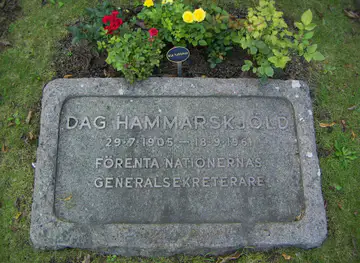
Beracah Gardens
Discover the natural beauty and peaceful vibes of Beracah Gardens in Luanshya, Zambia, a perfect destination for families and nature enthusiasts.
-
Tourist attraction
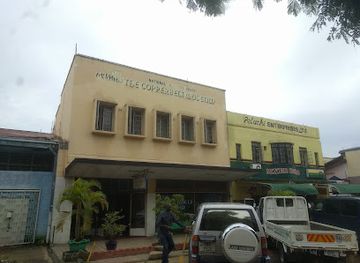
Copperbelt Museum
Explore the Copperbelt Museum in Ndola for an insightful journey into Zambia's mining history and cultural heritage.
-
Historical landmark
Luanshya Town Roundabout
Discover Luanshya Town Roundabout, a vibrant historical landmark embodying the spirit and culture of Zambia's rich heritage.
-
Tourist attraction
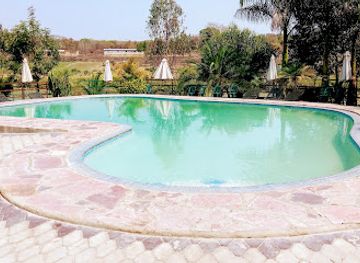
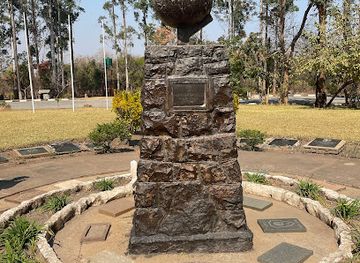
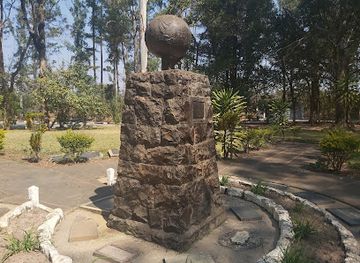
Dag Hammarskjöld Crash Site Memorial
Visit the Dag Hammarskjöld Crash Site Memorial in Ndola to reflect on the legacy of peace and diplomacy in a serene historical setting.


Best landmarks in Copperbelt
The Copperbelt’s most meaningful landmarks are closely connected with mining, urban growth and national history. The Copperbelt Museum in Ndola is an important cultural landmark because it interprets the province’s communities, archaeological background and industrial transformation in one setting. The Ndola memorial to Dag Hammarskjöld marks the place associated with the 1961 plane crash that killed the United Nations secretary-general during the Congo crisis, giving the area international historical significance. In Kitwe, the established urban form around the former Nkana mining complex illustrates how company planning, housing and industry created a modern town. Similar mining-era landscapes survive in Mufulira, Luanshya, Chingola and Chililabombwe, although many working installations are private or restricted. The Copperbelt’s woodland, dams and broad red-earth roads are less monumental but equally characteristic, expressing the environmental setting from which the mining towns developed. Visitors should treat active industrial structures and memorial sites respectfully and seek permission before taking close-up photographs.
-
Museum
Copperbelt Museum
Uncover the essence of Zambian history and culture at the Copperbelt Museum in Ndola, where heritage and storytelling come alive.
-
Historical place
Dag Hammarskjöld Crash Site Memorial
Discover the Dag Hammarskjöld Crash Site Memorial in Ndola, a poignant tribute to a leader in global diplomacy and peace.
-
Nature preserve
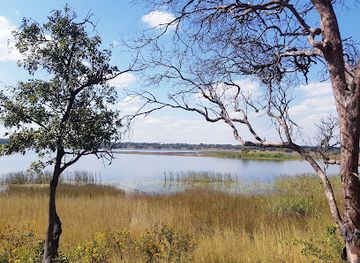
Chembe Bird Sanctuary
Explore the untouched beauty of Chembe Bird Sanctuary in Kalulushi, where vibrant birdlife and serene landscapes await your discovery.
-
Tourist attraction
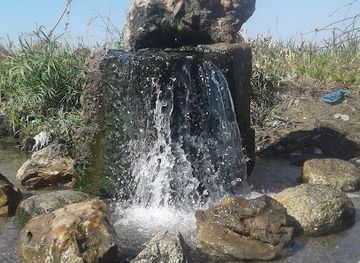
Kapisha Hot Spring
Immerse yourself in the therapeutic waters of Kapisha Hot Spring, a tranquil oasis in Chingola, perfect for relaxation and rejuvenation.
Explore Copperbelt on the map
Plan your trip on one map. See where the top cities, national parks and sights are, and book hotels and experiences in a few clicks.
Best hotels in Copperbelt
Best restaurants in Copperbelt
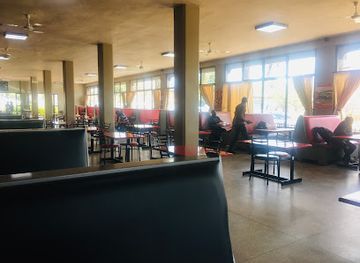
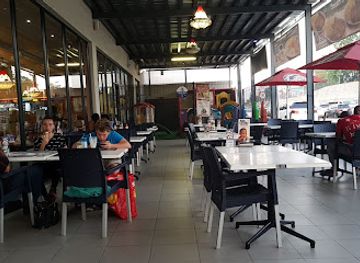
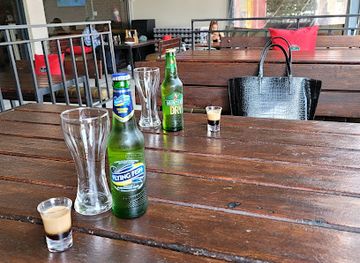
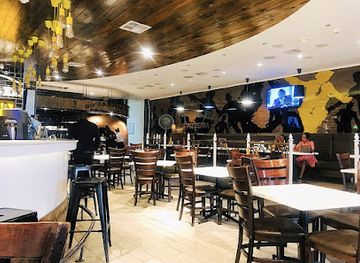
Dining in the Copperbelt reflects Zambia’s urban and mining history, with local cooking alongside Indian, Chinese, European and fast-food influences. In Ndola, Kitwe and the larger mining towns, restaurants, hotel dining rooms and cafés serve nshima with relishes such as vegetables, beans, kapenta or meat, while grilled chicken, beef and freshwater fish are common choices. Seasonal produce from surrounding farms appears in markets and informal food stalls, including maize, leafy vegetables, tomatoes, pumpkins and fruit. Fritters, buns and other fried snacks are useful breakfast or roadside foods, and visitors will find bottled soft drinks and local beers widely available. Indian-influenced dishes are particularly familiar in many Zambian towns, reflecting long-established commercial communities. Rural inns and guesthouses generally offer simpler menus, so advance meal planning is sensible outside the principal urban centres. Markets are valuable for observing everyday food commerce, but visitors should choose busy, clean-looking stalls and use bottled or treated water when uncertain about local supplies.
-
Restaurant
After Ten
Experience the taste of Zambia at After Ten, where delicious takeout meets vibrant dining in Kitwe.
-
Restaurant
Copper Eagle Spur
Experience the rich flavors of Zambia at Copper Eagle Spur - where African cuisine meets international favorites in a family-friendly atmosphere.
-
Restaurant
Keg & Coppersmith
Experience the vibrant flavors of Zambia at Keg & Coppersmith in Kitwe's Mukuba Mall, where great food meets local culture.
-
Restaurant
Bo'Jangles Pub Grill & Pizzeria
Discover Bo'Jangles Pub Grill & Pizzeria: A Culinary Gem in Ndola's Kafubu Mall Offering Delicious Pizza and Grilled Delights.
Best bars in Copperbelt
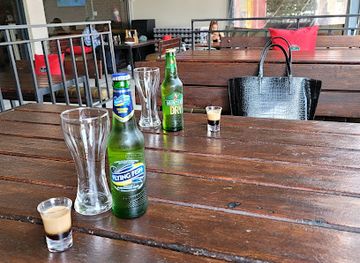
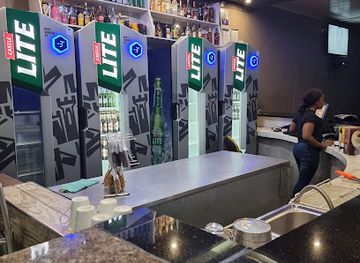
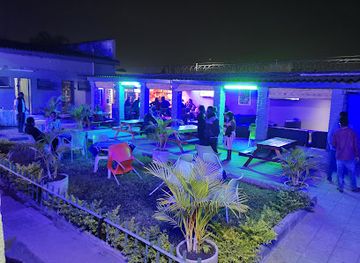
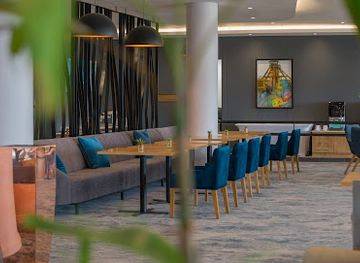
Evening life in the Copperbelt is concentrated in Ndola, Kitwe and the larger mining towns, where hotel bars, restaurants, sports venues, contemporary lounges and traditional pubs serve local residents, business travellers and mine communities. Kitwe and Ndola generally offer the broadest choice of music, televised sport and late dining, while smaller centres tend to quieten earlier and rely more on neighbourhood bars, social clubs and guesthouse restaurants. Live music and locally popular dance styles may feature at particular venues, but programmes and opening arrangements change frequently. Breweries, cafés and hotel lounges provide quieter alternatives to nightlife centred on alcohol. Visitors should use reputable taxis or pre-arranged transport after dark, keep phones and valuables discreet and ask accommodation staff which venues are currently operating. The Copperbelt’s evening culture is best experienced as part of its urban social life rather than as a dedicated clubbing destination.
-
Restaurant
Keg & Coppersmith
Discover Keg & Coppersmith in Kitwe: where local flavors meet a vibrant pub atmosphere, perfect for tourists seeking culinary delights.
-
Grill
The x place
Discover the vibrant flavors of Kitwe at The X Place, a premier grill restaurant offering delicious meals in a welcoming atmosphere.
-
Grill
SOSOLISO - THE PLEX PUB
Discover the lively SOSOLISO - The Plex Pub in Kitwe, where delicious grilled dishes and vibrant atmosphere create unforgettable moments.
-
Bar
Copper Club Restaurant
Discover the vibrant flavors of Kitwe at Copper Club Restaurant, a perfect blend of local and international cuisine in a lively bar setting.
Best nightclubs in Copperbelt
Evening life in the Copperbelt is concentrated in Ndola, Kitwe and the larger mining towns, where hotel bars, restaurants, sports venues, contemporary lounges and traditional pubs serve local residents, business travellers and mine communities. Kitwe and Ndola generally offer the broadest choice of music, televised sport and late dining, while smaller centres tend to quieten earlier and rely more on neighbourhood bars, social clubs and guesthouse restaurants. Live music and locally popular dance styles may feature at particular venues, but programmes and opening arrangements change frequently. Breweries, cafés and hotel lounges provide quieter alternatives to nightlife centred on alcohol. Visitors should use reputable taxis or pre-arranged transport after dark, keep phones and valuables discreet and ask accommodation staff which venues are currently operating. The Copperbelt’s evening culture is best experienced as part of its urban social life rather than as a dedicated clubbing destination.
-
Bar
The Basket
Experience the vibrant nightlife at The Basket in Kitwe, where locals and tourists gather for drinks, music, and unforgettable memories.
-
Sports bar
Bank Of Zambia Social Club
Discover the lively ambiance of Bank Of Zambia Social Club, a top sports bar in Ndola, blending local culture with delicious food and drinks.
-
Pub
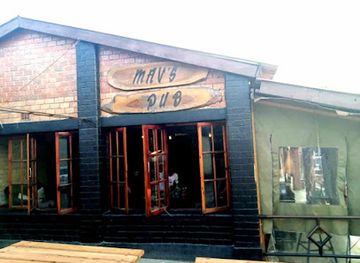
Mavs Pub
Experience the vibrant atmosphere of Mavs Pub in Chingola, where locals meet for drinks and delicious food in a welcoming setting.
-
Night club
Ravens Club
Discover the electrifying atmosphere of Ravens Club, Kitwe's premier night club for an unforgettable nightlife experience.

Best shops in Copperbelt
Shopping in the Copperbelt is primarily urban and practical, with Ndola and Kitwe offering the widest range of supermarkets, department stores, independent retailers, mobile-phone shops, pharmacies and informal markets. Central markets are useful for seasonal produce, clothing, household goods, fabrics and everyday glimpses of local commerce, while roadside stalls sell fruit, snacks and small craft items. Visitors can look for woven goods, carved objects, beadwork and locally produced food products, although quality and provenance vary and bargaining should remain courteous. Mufulira, Chingola, Luanshya and smaller mining towns have busy high streets and neighbourhood markets rather than extensive specialist retail. Copper-themed souvenirs can be found, but buyers should ask about sourcing and avoid purchasing minerals or old industrial material when origin is unclear. Contemporary shopping centres and hotel-linked retailers in the larger towns provide more predictable prices and card payment, while market shopping is more dependent on cash and changing stock.
-
Shopping mall
Kafubu Shopping Mall
Explore Kafubu Shopping Mall in Ndola for a unique shopping experience with diverse retail shops, dining options, and entertainment attractions.
-
Grocery store
Shoprite Kafubu Mall
Explore the vibrant Shoprite Kafubu Mall in Ndola, where local flavors and convenient shopping come together for an unforgettable experience.
-
Shopping mall
Jacaranda Mall
Discover the vibrant shopping scene at Jacaranda Mall in Ndola, where local culture meets modern retail and dining experiences.
-
Shopping mall
Z-MART Shopping Mall
Discover endless shopping and entertainment at Z-MART Shopping Mall in Ndola - your ultimate shopping destination in Zambia.


Get your free copy of our complete guide to Copperbelt, delivered straight to you.
Everything on this page, from attractions and restaurants to essentials and local phrases, in one PDF you can read offline, print or share.
Already have an account? Sign in
Your Copperbelt guide is ready.
We'll send it to · Not you? Sign out

Getting your guide ready…
We are putting together a fresh copy of the Copperbelt guide. This can take up to a minute.
This can take a few moments. If your browser asks, choose Allow so the download can start. You'll find the guide in your Downloads folder.
Nothing happened? Download it again
Sorry, the guide is taking longer than usual. Please try again in a minute, or get it by email instead.
Copperbelt essentials
Currency and Payment
Safety
Emergency Situations
Do's and Don'ts
Local Tips
From Eve
Local phrases worth knowing
You don't need to get them perfect. A few words go a long way, and locals appreciate the effort.
Basics
| English | Local | Say it |
|---|---|---|
| Hello | Shani | [sha-nee] |
| Goodbye | Tuleya bwino | [too-leh-yah bwee-noh] |
| Yes | Eya | [eh-yah] |
| No | Awe | [ah-weh] |
| Please/You're welcome | Ndakutemwa | [ndah-koo-tem-wah] |
| Thank you | Natotela | [nah-toh-teh-lah] |
| Excuse me/Sorry | Ndiseni | [n-dee-seh-nee] |
| How are you? | Muli bwanji? | [moo-lee b-wahn-gee] |
| Fine. And you? | Ndili bwino. Nanu? | [ndee-lee bwee-noh. nah-noo?] |
| Do you speak English? | Mukalankhula Chingerezi? | [moo-kah-lahn-khoo-lah cheen-geh-reh-zee?] |
| I don't understand | Sindikumva | [seen-dee-koo-mvah] |
Eating & Drinking
| English | Local | Say it |
|---|---|---|
| I'd like to see the menu, please | Nifuna kuona menyu, ndapota | [nee-foo-nah koo-oh-nah men-yoo, n-dah-poh-tah] |
| I don't eat meat | Sindikudya nyama | [seen-dee-koo-dyah nyah-mah] |
| Cheers! | Tiwonane! | [tee-woh-nah-neh] |
| I would like to pay, please | Nifuna kulipilila, ndapota | [nee-foo-nah koo-lee-pee-lee-lah, n-dah-poh-tah] |
Emergencies
| English | Local | Say it |
|---|---|---|
| Help! | Thandizeni! | [than-dee-zeh-nee] |
| Go away! | Tengani! | [teh-ngah-nee] |
| Call the Police! | Fonani boma! | [foh-nah-nee boh-mah] |
| Call a doctor! | Fonani dokotala! | [foh-nah-nee doh-koh-tah-lah] |
| I'm lost | Ndakwasala | [ndah-kwa-sah-lah] |
| I'm ill | Ndili pa chibende | [ndee-lee pah chee-ben-deh] |
Shopping
| English | Local | Say it |
|---|---|---|
| I'd like to buy... | Nifuna kugula... | [nee-foo-nah koo-goo-lah] |
| I'm just looking | Ndikungotengera | [ndee-koon-goo-ten-geh-rah] |
| How much is it? | Ichi chingati? | [ee-chee cheen-gah-tee?] |
| That's too expensive | Ichi chakuipa | [ee-chee chah-koo-ee-pah] |
| Can you lower the price? | Mungandipushe mtengo? | [moon-gah-ndee-poo-sheh em-ten-goh?] |
Time & Numbers
| English | Local | Say it |
|---|---|---|
| What time is it? | Ndi nthawi iyi? | [ndee-n-thah-wee ee-yee?] |
| It's one o'clock | Ndi sa 1 | [ndee sah one] |
| Half past (10) | Kuyenda kwa (10) | [koo-yehn-dah kwah ten] |
| Morning | M'mawa | [mm-mah-wah] |
| Afternoon | Pachithunzi | [pah-chee-thoon-zee] |
| Evening | Madzulo | [mah-dzoo-loh] |
| Yesterday | Kale | [kah-leh] |
| Today | Lero | [leh-roh] |
| Tomorrow | Mmawa | [mm-mah-wah] |
| 1 | Imodzi | [ee-moh-dzee] |
| 2 | Ziwiri | [zee-wee-ree] |
| 3 | Zitatu | [zee-tah-too] |
| 4 | Zina | [zee-nah] |
| 5 | Zitano | [zee-tah-noh] |
| 6 | Zitatu | [zee-tah-too] |
| 7 | Zisanu | [zee-sah-noo] |
| 8 | Zisanu ndi imodzi | [zee-sah-noo n-dee ee-moh-dzee] |
| 9 | Zitatu ndi imodzi | [zee-tah-too n-dee ee-moh-dzee] |
| 10 | Zina ndi imodzi | [zee-nah n-dee ee-moh-dzee] |
Transport & Directions
| English | Local | Say it |
|---|---|---|
| Where's a/the...? | Kuli kuti...? | [koo-lee koo-tee?] |
| What's the address? | Ndi chiyani cha adiresi? | [ndee chee-yah-nee chah ah-deh-reh-see?] |
| Can you show me (on the map)? | Mungandionetse (pa mtembo)? | [moon-gahndee-oh-neh-tseh pah m-teh-mbo?] |
| When's the next (bus)? | Ndi liti (basi) yotsatira? | [ndee lee-tee bah-see yoh-tsah-tee-rah?] |
| A ticket (to ....) | Tikiti (ku ...) | [tee-kee-tee koo ...] |
History of Copperbelt
Early Copper Working and Local Kingdoms
Copper working in the wider Copperbelt predates European mining, with local communities extracting and processing ore on a small scale for tools, ornaments and exchange. The region has long been associated with Lamba-speaking communities, while Bemba, Lunda and other peoples also shaped its settlement and trading history. Copper and other goods moved through regional networks before the creation of colonial borders. Although much of the modern urban landscape is recent, older patterns of farming, woodland use, chiefly authority and regional commerce remain important to understanding the Copperbelt.
Colonial Rule and the Rise of Northern Rhodesia’s Mines
The area became part of Northern Rhodesia under British colonial rule, and the discovery of commercially exploitable copper deposits transformed its economic importance. Industrial mining expanded during the 1920s and 1930s around Roan Antelope at Luanshya and Nkana at Kitwe, followed by major development at Mufulira and Chingola. Railways, roads, company housing, hospitals and schools were built to serve the mines. European-controlled companies recruited African labour from across Northern Rhodesia and neighbouring territories, producing the urban, multilingual society that still characterises the province.
Mineworkers, Labour Politics and African Urban Life
The Copperbelt became one of the most important centres of African urban life in colonial Zambia. Mineworkers developed strong forms of organisation and collective action, and disputes over wages, conditions and racial inequality contributed to the growth of African political consciousness. The 1940 mineworkers’ strike was a major confrontation in Northern Rhodesia, while later labour activism helped create an influential political constituency. Company towns also developed churches, sporting clubs, cinemas, markets and social institutions, giving the Copperbelt a cultural influence beyond its industrial function.
Independence and the National Mining Industry
When Zambia became independent in 1964, copper was central to the new country’s economy and the Copperbelt was its principal industrial region. The post-independence state increased control over the mining sector, culminating in the creation of Zambia Consolidated Copper Mines in the early 1980s. Mining financed national development and provided extensive employment and social services, but the region remained vulnerable to fluctuations in world copper prices. Ndola, Kitwe, Mufulira, Chingola and Luanshya all grew around this largely state-directed industrial system.
Privatisation and Economic Restructuring
Falling copper prices, rising production costs and wider economic pressures placed Zambia’s mining industry under severe strain in the late twentieth century. The mines were subsequently divided and transferred to private operators during the 1990s and early 2000s. Privatisation brought new investment and modernisation in some operations, while also causing job losses and changing the relationship between companies and mining communities. Its legacy remains visible in former company housing, industrial sites, labour debates and the continuing importance of copper to the province’s economy.
Copperbelt Zambia in the Twenty-First Century
Today the Copperbelt remains a major centre of copper production, engineering, transport, education and trade, while facing the environmental and social pressures associated with intensive extraction. Zambia’s copper economy has gained further international importance as demand for the metal grows. At the same time, towns are diversifying into retail, services, construction, agriculture and conservation-related tourism. Museums, memorials and surviving mining landscapes provide ways to examine both the achievements and the costs of the industry that created the modern Copperbelt.
Copperbelt in Photos
Browse through our photo collection highlighting the charm and character of the destination.
Neighbouring regions of Copperbelt
The closest regions to Copperbelt, if you have time for more than one.
-

-

-

-

-


Swipe for more regions
Explore more

Explore more of Zambia
Discover Zambia: A Safari Haven with Stunning Waterfalls, Rich Culture, and Unforgettable Wildlife Encounters.
Explore Zambia