

Bangweulu Wetlands, Zambia Travel Guide
Discover the enchanting Bangweulu Wetlands in Zambia, a haven for rare wildlife, vibrant birdlife, and rich cultural heritage, offering an unforgettable adventure.
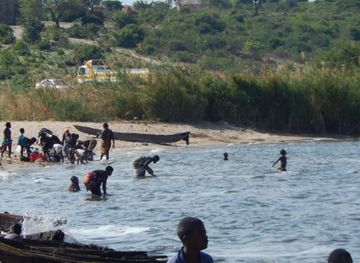
The Bangweulu Wetlands, located in the heart of Zambia, is a unique and enchanting destination for nature lovers and adventure seekers alike. Spanning over 15,000 square kilometers, this pristine ecosystem is a haven for wildlife and offers an unforgettable experience for those who venture into its lush landscapes. Home to a diverse range of flora and fauna, the Bangweulu Wetlands are particularly renowned for their birdlife. Birdwatchers will be thrilled by the sight of the elusive Shoebill stork, one of the rarest birds in the world, as well as a plethora of other avian species that call this wetland paradise home. The wetlands also boast an abundance of fish, making it a popular spot for fishing enthusiasts. Beyond its natural beauty, the Bangweulu Wetlands hold cultural significance as well. The local communities, primarily made up of the Bemba people, have lived in harmony with this environment for centuries. Their traditional fishing methods and rich cultural heritage add an additional layer of intrigue to any visit. Whether you're navigating the waterways in a canoe, exploring the vast floodplains on foot, or simply soaking in the serene beauty of your surroundings, the Bangweulu Wetlands promise an enriching and immersive experience that will leave you with memories to last a lifetime.

Know before you go
Hi, I'm Eve. Here are a few practical things to know before exploring Bangweulu Wetlands.
- Visit during the dry season (May to November) for the best wildlife viewing opportunities.
- Hire a local guide to enhance your experience and learn about the area's unique ecosystems and cultural heritage.
- Pack insect repellent and sun protection to stay comfortable during your visit.
- Bring binoculars for birdwatching, as the wetlands are home to many rare and beautiful species.
- Consider staying in one of the eco-friendly lodges in the area to support sustainable tourism.
Destinations in Bangweulu Wetlands
Resorts, valleys and scenic spots worth a trip of their own.


Explore Bangweulu Wetlands: Things to Do, Places to Eat, Hotels & More
Handpicked recommendations for top attractions, local dining, accommodations, and more

Top Attractions & Sightseeing in Bangweulu Wetlands
Top-rated picks
Best Attractions

Mokřady Bangweulu
Discover the enchanting landscapes and vibrant wildlife at Mokrády Bangweulu, Zambia's stunning wetland paradise, home to the longest bridge in the country.

Nkwali Camp
Discover the wild beauty of Zambia at Nkwali Camp, where luxury meets adventure in the heart of South Luangwa National Park.

Livingstone Memorial site
Explore the Livingstone Memorial, a tribute to the adventurous spirit of David Livingstone, immerse yourself in Zambia's rich history and culture.

Bangweulu Swamps
Experience the breathtaking beauty and diverse wildlife of Bangweulu Swamps, a unique wetland paradise in Zambia, perfect for nature lovers and eco-tourists alike.

Best landmarks in Bangweulu Wetlands
Top-rated picks
Best Landmarks

Munda Wanga Environmental Park
Discover the natural beauty of Munda Wanga Environmental Park, a family-friendly oasis for wildlife and nature lovers in Chilanga, Zambia.

Lower Zambezi National Park
Discover the breathtaking landscapes and diverse wildlife of Lower Zambezi National Park, a true African adventure awaits you.

Kafue National Park
Explore the breathtaking landscapes and diverse wildlife of Kafue National Park, a prime destination for nature lovers and adventure seekers in Zambia.

South Luangwa National Park
Explore South Luangwa National Park, Zambia's wildlife gem, offering breathtaking safaris, stunning landscapes, and unforgettable encounters with nature.

Best restaurants in Bangweulu Wetlands
Top-rated picks
Best Restaurants

3 Trees Cafe
Discover the delightful flavors of Lusaka at 3 Trees Cafe—where local ingredients meet cozy dining.

Avani Victoria Falls Resort
Discover luxury and adventure at Avani Victoria Falls Resort, where breathtaking views meet exceptional hospitality near one of nature's wonders.

The Lookout Cafe - Wild Horizons
Experience breathtaking views and delicious cuisine at The Lookout Cafe in Victoria Falls, Zimbabwe – where nature meets gastronomy.

Marlin Restaurant
Experience the best of Zambian hospitality at Marlin Restaurant in Lusaka – where exquisite steaks meet vibrant dining.

Best bars in Bangweulu Wetlands
Top-rated picks
Best Bars

Buffalo Wings
Discover the vibrant flavors of Solwezi at Buffalo Wings, a grill paradise offering delectable wings and a lively atmosphere perfect for all.

SOSOLISO - THE PLEX PUB
Discover the vibrant flavors and welcoming atmosphere at SOSOLISO - THE PLEX PUB, a top dining destination in Kitwe for grilled delights.

Kwacha Blue Mint
Discover the lively Kwacha Blue Mint bar in Ndola, Zambia, where vibrant nightlife meets local culture and refreshing drinks.

Ekab Lodge and The Tipsy Falls Pub & Grill
Experience the ultimate blend of comfort and local flavors at Ekab Lodge and The Tipsy Falls Pub & Grill in Livingstone, Zambia.

Best nightclubs in Bangweulu Wetlands
Top-rated picks
Best Nightclubs

Limpo's PUB & Grill
Discover the lively atmosphere of Limpo's PUB & Grill in Livingstone, where delicious food, local music, and vibrant nightlife come together.

The Old Crow Pub
Discover the lively atmosphere of The Old Crow Pub, a popular bar in Lusaka known for its karaoke nights and eclectic decor, perfect for socializing.

Chez Ntemba
Discover the vibrant nightlife of Lusaka at Chez Ntemba, a top night club offering electrifying music and a lively atmosphere for all tourists.

Qube Night Club
Discover the electrifying nightlife at Qube Night Club in Lusaka, where music, dancing, and vibrant energy create unforgettable experiences.

Best shops in Bangweulu Wetlands
Top-rated picks
Best Shops

Lake Bangweulu
Discover the breathtaking beauty of Lake Bangweulu, where tranquil waters meet a vibrant ecosystem, perfect for nature enthusiasts and peace seekers.

Mokřady Bangweulu
Explore the breathtaking Mokřady Bangweulu, Zambia's hidden gem of wetlands and diverse wildlife, perfect for nature lovers and adventurers.

Tribal Textiles
Discover the vibrant culture of Zambia at Tribal Textiles, a unique cafe and home goods store in Mfuwe, perfect for relaxation and shopping.

Project Luangwa
Explore Project Luangwa: A vibrant craft store in Mfuwe showcasing local artistry and supporting community development.

Explore Bangweulu Wetlands on the Map
A handpicked selection of must-see spots in Bangweulu Wetlands, mapped for you.
Bangweulu Wetlands Essentials
-
Bangweulu Wetlands is located in the northern part of Zambia. The nearest major town is Samfya, approximately 50 kilometers away. The closest airport with regular commercial flights is Kenneth Kaunda International Airport in Lusaka, about 700 kilometers south of the wetlands. From Lusaka, you can either take a domestic flight to Samfya or opt for a road journey. The road trip typically takes around 10-12 hours by bus or car. Once in Samfya, you can hire a local guide or use a 4x4 vehicle to reach the wetlands.
-
Within the Bangweulu Wetlands area, transportation options are limited. Most visitors prefer to hire 4x4 vehicles suitable for the rugged terrain. Local guides are available and highly recommended for navigating the wetlands. Boats are also a common mode of transport for exploring the waterways. Remember to check the condition of roads and water levels before planning your trips, as they can vary significantly with seasons.
-
The official currency in Zambia is the Zambian Kwacha (ZMW). Credit cards are rarely accepted in the wetlands area, so it is advisable to carry sufficient cash. ATMs are available in Samfya, but they may not always be reliable. It is recommended to withdraw enough cash in Lusaka or other major towns before heading to the wetlands.
-
Bangweulu Wetlands is generally a safe destination for tourists; however, standard precautions are advised. Avoid walking alone at night and keep your belongings secure. There are no particular high-crime areas targeting tourists, but it's always best to stay vigilant. The wildlife in the area can pose risks, so always follow the guidance of local guides and adhere to park rules and regulations.
-
In case of emergency, contact local authorities or your guide immediately. The nearest medical facilities are in Samfya, but for serious medical emergencies, it is advisable to travel to Lusaka. Having travel insurance that covers medical emergencies and evacuation is highly recommended. For quick assistance, keep a list of important contact numbers, such as local police, your embassy, and nearby medical facilities.
-
Fashion: Do wear lightweight, breathable clothing suitable for warm weather, and sturdy shoes for walking. Avoid wearing bright colors that might attract wildlife. Religion: Do respect local customs and traditions. Public Transport: Do be prepared for limited public transport options. Private vehicles or hired guides are more reliable. Greetings: Do greet locals with a handshake and a friendly smile. Eating & Drinking: Do try local dishes and fresh fish from the wetlands. Don’t drink tap water; always opt for bottled water.
-
To experience Bangweulu Wetlands like a local, engage with the local fishermen and learn about their traditional fishing techniques. Visit during the annual Bangweulu Wetlands Conservation Festival to witness local culture and conservation efforts. Birdwatchers should bring binoculars to spot the famous Shoebill stork. For an authentic experience, consider staying in community-run lodges which contribute to local conservation and development.
When is the best time to visit Bangweulu Wetlands?
Useful Local Phrases for Bangweulu Wetlands
You don't need to speak the language perfectly. Even learning a few simple words can make conversations warmer—and locals usually appreciate the effort.
— Eve

Here are the phrases I use most often in Bangweulu Wetlands. Try a few—you'll be surprised how far they go! 😊
❤️
-
- HelloShani
[Shah-nee] - GoodbyeTwalumba
[Twah-lum-bah] - YesEya
[Eh-yah] - NoAwe
[Ah-weh] - Please/You’re welcomeNshakafye
[Nshah-kah-fyeh] - Thank youNatotela
[Nah-toh-teh-lah] - Excuse me/SorryNshani
[Nshah-nee] - How are you?Muli shani?
[Moo-lee shah-nee?] - Fine. And you?Ndi bwino. Ndewe?
[Ndee bee-nwo. Ndeh-weh?] - Do you speak English?Ulibe na English?
[Oo-lee-beh nah English?] - I don't understandNdimwe na kupeleka
[Ndee-mweh nah koo-peh-leh-kah]
- HelloShani
-
- I’d like to see the menu, pleaseNingalila kuwona menu, nshakafye
[Nin-gah-lee-lah koo-woh-nah meh-noo, n-shah-kah-fyeh] - I don’t eat meatNdisakila nyama
[Ndee-sah-kee-lah nyah-mah] - Cheers!Nshakafye!
[Nshah-kah-fyeh!] - I would like to pay, pleaseNingalila kulipa, nshakafye
[Nin-gah-lee-lah koo-lee-pah, n-shah-kah-fyeh]
- I’d like to see the menu, pleaseNingalila kuwona menu, nshakafye
-
- Help!Chindika!
[Cheen-dee-kah!] - Go away!Taya!
[Tah-yah!] - Call the Police!Funa police!
[Foo-nah poh-lees!] - Call a doctor!Funa daktari!
[Foo-nah dahk-tah-ree!] - I’m lostNdimwe na kutaya
[Ndee-mweh nah koo-tah-yah] - I’m illNdimwe na bupuba
[Ndee-mweh nah boo-poo-bah]
- Help!Chindika!
-
- I’d like to buy...Ningalila kutenga...
[Nin-gah-lee-lah koo-ten-gah...] - I’m just lookingNimangala fye
[Nee-mahn-gah-lah fye] - How much is it?Ili pa chimo?
[Ee-lee pah chee-moh?] - That’s too expensiveIli pa chimo chikulu
[Ee-lee pah chee-moh chee-koo-loo] - Can you lower the price?Ulongoshe chimo?
[Oo-loh-ngoh-sheh chee-moh?]
- I’d like to buy...Ningalila kutenga...
-
- What time is it?Nyi shani?
[Nyee shah-nee?] - It’s one o’clockIli na nkhani imwe
[Ee-lee nah n-khah-nee eem-weh] - Half past (10)Ili pa nkhani 10
[Ee-lee pah n-khah-nee 10] - MorningMawa
[Mah-wah] - AfternoonPasheni
[Pah-sheh-nee] - EveningKakuli
[Kah-koo-lee] - YesterdayKale
[Kah-leh] - TodayLelo
[Leh-loh] - TomorrowKukaya
[Koo-kah-yah] - 1Imwe
[Eem-weh] - 2Ibi
[Ee-bee] - 3Itatu
[Ee-tah-too] - 4Ine
[Ee-neh] - 5Ishanu
[Ee-shah-noo] - 6Ita
[Ee-tah] - 7Ishitu
[Ee-shee-too] - 8Ishimwe
[Ee-sheem-weh] - 9Ishineng'e
[Ee-shee-neh-ng'eh] - 10Ishanu
[Ee-shah-noo]
- What time is it?Nyi shani?
-
- Where's a/the...?Kuli ...?
[Koo-lee ...?] - What’s the address?Nyi address?
[Nyee ad-dress?] - Can you show me (on the map)?Ulongoshe bana (pa map)?
[Oo-loh-ngoh-sheh bah-nah (pah map)?] - When's the next (bus)?Kuli bus ya nkhani?
[Koo-lee bus yah n-khah-nee?] - A ticket (to ....)Ticket (ku ....)
[Tee-ket (koo ....)]
- Where's a/the...?Kuli ...?
History of Bangweulu Wetlands
-
The Bangweulu Wetlands, located in northeastern Zambia, are a unique and vital ecosystem formed by the confluence of several rivers including the Chambeshi River. The name 'Bangweulu' means 'where the water meets the sky' in the local Bemba language, an apt description of the expansive floodplains that characterize the area. The wetlands cover approximately 15,000 square kilometers and include a mix of swamps, lagoons, and seasonally flooded grasslands.
-
Archaeological evidence suggests that the Bangweulu Wetlands have been inhabited for thousands of years. Early hunter-gatherer communities were attracted to the area due to its abundant wildlife and aquatic resources. These communities gradually transitioned into more settled lifestyles, practicing fishing and rudimentary forms of agriculture.
-
The Bemba people, one of Zambia’s largest ethnic groups, have a rich history intertwined with the Bangweulu Wetlands. Known for their fishing prowess, the Bemba have traditionally relied on the wetlands for sustenance. The region is also significant in Bemba mythology and folklore. Traditional ceremonies, such as the 'Chishinga' fishing festival, celebrate the community’s deep connection to the wetlands.
-
The Bangweulu Wetlands are famously known as the place where the renowned Scottish explorer, Dr. David Livingstone, met his end. In 1873, Livingstone died in the village of Chitambo, near the wetlands, while searching for the source of the Nile. His heart was buried under a tree in Zambia, while his body was transported to the coast for shipment back to England. This event marked a significant moment in the history of European exploration in Africa.
-
During the colonial period, the Bangweulu Wetlands were largely left undisturbed due to their remote location. However, the British colonial administration recognized the ecological importance of the area and initiated early conservation efforts. These efforts laid the groundwork for the establishment of the Bangweulu Wetlands as a protected area in the post-independence era.
-
Since Zambia's independence in 1964, the Bangweulu Wetlands have seen various development and conservation initiatives. The Zambian government, in collaboration with international conservation organizations, has worked to balance the needs of local communities with the preservation of the region’s unique biodiversity. Efforts include sustainable fishing practices, wildlife protection, and eco-tourism initiatives aimed at providing economic benefits to the local population.
-
Today, the Bangweulu Wetlands are recognized as a Ramsar Site, highlighting their importance as a wetland of international significance. The area supports a rich array of wildlife, including the endangered shoebill stork and the black lechwe antelope. The wetlands also play a crucial role in local livelihoods, providing resources for fishing, agriculture, and tourism, thereby contributing to Zambia’s cultural and natural heritage.
Neighbouring Regions of Bangweulu Wetlands
The closest regions to Bangweulu Wetlands, if you have time for more than one.


Your all‑in‑one travel companion app
Explore expert travel guides, compare and book tours, experiences, hotels, and more—all from the palm of your hand. Download now for seamless trip planning wherever your wanderlust takes you.


Explore More of Zambia

Looking beyond Bangweulu Wetlands? Discover Zambia for broader travel guides, local hot-spots, and regional highlights.
Explore ZambiaBangweulu Wetlands in Photos
Browse through our photo collection highlighting the charm and character of the destination.


The Mystical Bangweulu Wetlands of Zambia
The Bangweulu Wetlands, located in the heart of Zambia, is a unique and enchanting destination for nature lovers and adventure seekers alike. Spanning over 15,000 square kilometers, this pristine ecosystem is a haven for wildlife and offers an unforgettable experience for those who venture into its lush landscapes. Home to a diverse range of flora and fauna, the Bangweulu Wetlands are particularly renowned for their birdlife. Birdwatchers will be thrilled by the sight of the elusive Shoebill stork, one of the rarest birds in the world, as well as a plethora of other avian species that call this wetland paradise home. The wetlands also boast an abundance of fish, making it a popular spot for fishing enthusiasts. Beyond its natural beauty, the Bangweulu Wetlands hold cultural significance as well. The local communities, primarily made up of the Bemba people, have lived in harmony with this environment for centuries. Their traditional fishing methods and rich cultural heritage add an additional layer of intrigue to any visit. Whether you're navigating the waterways in a canoe, exploring the vast floodplains on foot, or simply soaking in the serene beauty of your surroundings, the Bangweulu Wetlands promise an enriching and immersive experience that will leave you with memories to last a lifetime.