

Kafue Flats, Zambia Travel Guide
Discover the Kafue Flats in Zambia, a stunning wetland teeming with wildlife, where seasonal floods create a haven for birdwatchers and nature enthusiasts.
The Kafue Flats in Zambia are a vast and mesmerizing wetland area, stretching across the southern part of the country. This unique landscape is a haven for nature lovers and wildlife enthusiasts. The flats are part of the larger Kafue River Basin and host a variety of ecosystems, including floodplains, grasslands, and woodlands. The seasonal flooding of the Kafue River creates a dynamic environment teeming with life. The Kafue Flats are renowned for their rich biodiversity. The area is home to a wide array of bird species, making it a paradise for birdwatchers. You can spot the majestic African Fish Eagle, the striking Wattled Crane, and many other rare and beautiful birds. The flats are also a crucial habitat for several mammal species, including the elusive sitatunga antelope and the African buffalo. Visitors to the Kafue Flats can enjoy a range of activities, from guided wildlife safaris to boat trips along the Kafue River. These experiences offer a chance to immerse yourself in the natural beauty and tranquility of this remarkable destination. Whether you're an avid photographer, a keen birder, or simply someone who appreciates the wonders of nature, the Kafue Flats provide an unforgettable adventure.

Know before you go
Hi, I'm Eve. Here are a few practical things to know before exploring Kafue Flats.
- Visit during the dry season (May to October) for easier access and better wildlife viewing opportunities.
- Bring binoculars and a good camera for birdwatching and capturing the stunning scenery.
- Hire a local guide to enhance your experience and learn more about the area's unique ecosystem.
- Pack insect repellent and sun protection, as the wetlands can be both sunny and buggy.
- Stay in nearby lodges or campsites to fully appreciate the natural surroundings and maximize your time in the area.
Destinations in Kafue Flats
Resorts, valleys and scenic spots worth a trip of their own.
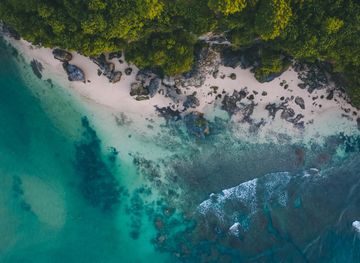
Explore Kafue Flats: Things to Do, Places to Eat, Hotels & More
Handpicked recommendations for top attractions, local dining, accommodations, and more

Top Attractions & Sightseeing in Kafue Flats
Top-rated picks
Best Attractions

Lochinvar National Park
Explore the stunning landscapes and vibrant wildlife of Lochinvar National Park, a hidden paradise for nature lovers and adventure seekers in Zambia.

Blue Lagoon National Park
Experience the breathtaking beauty and tranquility of Blue Lagoon National Park, a serene escape for nature lovers and adventure seekers in Kapanda.

Meanwood Mutumbi Waterfall
Explore the enchanting Meanwood Mutumbi Waterfall in Lusaka, a serene escape into Zambia's stunning natural landscapes, perfect for adventurers and nature lovers.

Mountain ben mwiiga
Discover the breathtaking beauty of Mountain Ben Mwiiga, a must-visit tourist attraction near Mazabuka, Zambia, perfect for adventurers and nature lovers.

Best landmarks in Kafue Flats
Top-rated picks
Best Landmarks

Levy Junction Shopping Mall
Experience the lively ambiance of Levy Junction Shopping Mall, a shopping paradise in Lusaka, blending local culture with modern retail and entertainment.

Taj Pamodzi | Lusaka
Experience luxury and comfort at Taj Pamodzi in Lusaka, where world-class amenities meet the vibrant culture of Zambia.

Cosmopolitan Mall
Explore the vibrant Cosmopolitan Mall in Lusaka, a shopping paradise offering diverse brands, dining, and entertainment experiences for every tourist.

Neelkanth Sarovar Premiere
Discover unparalleled luxury and comfort at Neelkanth Sarovar Premiere in Lusaka, offering exquisite accommodations and exceptional service.

Best restaurants in Kafue Flats
Top-rated picks
Best Restaurants

3 Trees Cafe
Discover the delightful culinary offerings at 3 Trees Cafe in Lusaka – where every meal is an experience steeped in Zambian warmth.

Harry's Grill Restaurant ,Bar and pool
Discover exquisite dining at Harry's Grill Restaurant in Lilayi—where local flavors meet relaxation by the pool.

Marlin Restaurant
Experience the best steaks in Lusaka at Marlin Restaurant – where flavor meets tradition in an inviting setting.
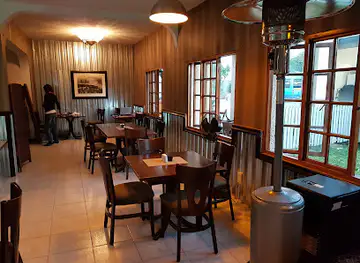
Urban Yard
Experience the vibrant flavors of Urban Yard in Lusaka – where every dish tells a story.

Best bars in Kafue Flats
Top-rated picks
Best Bars

The Old Crow Pub
Discover the lively atmosphere and local charm at The Old Crow Pub in Lusaka, a must-visit bar for a taste of Zambian nightlife.

Chukams Pub And Grill
Experience the lively atmosphere at Chukams Pub And Grill in Lusaka, where delicious food and drinks meet great entertainment.

Dingi's Gardens
Discover the fusion of fresh produce and grilled delights at Dingi's Gardens, a unique pub experience in Kafue, Zambia.

Muyanganas Waterfront
Experience the tranquil beauty and diverse flavors at Muyanganas Waterfront, a must-visit restaurant in Kafue, Zambia.

Best nightclubs in Kafue Flats
Top-rated picks
Best Nightclubs

Edgar's Night Club
Discover the electrifying nightlife of Lusaka at Edgar's Night Club, where music, dance, and unforgettable moments await.

Club Ebony
Discover the vibrant nightlife of Kitwe at Club Ebony, where music, dance, and local culture come alive in an unforgettable experience.

Qube Night Club
Discover the vibrant nightlife of Lusaka at Qube Night Club, where music, cocktails, and unforgettable experiences await you.

Fika lounge
Discover the electric nightlife at Fika Lounge in Lusaka, where great music, delicious drinks, and vibrant atmosphere await.

Best shops in Kafue Flats
Top-rated picks
Best Shops

EastPark Mall
Experience the best shopping, dining, and entertainment at EastPark Mall in Lusaka, Zambia's premier shopping destination.

Levy Junction Shopping Mall
Discover the vibrant shopping experience at Levy Junction Mall in Lusaka, featuring diverse stores, exciting dining, and entertainment options for all.

Arcades Shopping Mall
Explore the vibrant Arcades Shopping Mall in Lusaka, Zambia, a perfect blend of shopping, dining, and entertainment for every traveler.

Kafubu Shopping Mall
Explore Kafubu Shopping Mall in Ndola for a unique blend of shopping, dining, and vibrant local culture in Zambia's Copperbelt.

Explore Kafue Flats on the Map
A handpicked selection of must-see spots in Kafue Flats, mapped for you.
Kafue Flats Essentials
-
Kafue Flats is located in the southern part of Zambia. The nearest major city is Lusaka, which is approximately 200 kilometers away. The most convenient way to get there is by flying into Kenneth Kaunda International Airport in Lusaka. From there, you can rent a car or hire a taxi to reach Kafue Flats. The drive typically takes around 3 to 4 hours. Alternatively, you can take a bus from Lusaka to the town of Kafue and then arrange for local transportation to the flats.
-
Within the Kafue Flats area, the most common modes of transportation are 4x4 vehicles due to the terrain. Local taxis are available in nearby towns, but for exploring the flats, renting a car is recommended. Some areas may require a boat to navigate the waterways. Public buses connect major towns, but these are not the most reliable for reaching remote areas. It's advisable to arrange transportation in advance through a local tour operator.
-
The official currency in Zambia is the Zambian Kwacha (ZMW). Credit cards are accepted in larger hotels and some restaurants, but it is essential to carry cash, especially for smaller establishments and rural areas. ATMs are available in major towns, but it is wise to withdraw sufficient cash in Lusaka before traveling to Kafue Flats. Ensure you have small denominations for easier transactions.
-
Kafue Flats is generally safe for tourists, but it is advisable to take standard precautions. Avoid walking alone at night and keep an eye on your belongings in crowded places. The town of Kafue and surrounding areas have low crime rates, but it is always best to stay vigilant. When exploring remote areas, it is recommended to travel in groups and inform someone of your plans.
-
In case of emergency, dial 991 for immediate assistance. The nearest medical facilities are in the town of Kafue, and there are hospitals and clinics in Lusaka. It is recommended to have travel insurance that covers medical emergencies. For minor health issues, there are pharmacies in Kafue where you can purchase over-the-counter medications. Always carry a basic first-aid kit when exploring remote areas.
-
Fashion: Do dress modestly, especially in rural and conservative areas. Avoid wearing revealing clothing. Religion: Do respect local customs and traditions. When visiting religious sites, dress conservatively and remove your shoes if required. Public Transport: Do be respectful and patient. Public transport can be crowded and schedules may not be strict. Don't eat or drink on public transport. Greetings: Do greet people with a handshake. A courteous 'Muli bwanji?' (How are you?) is appreciated. Eating & Drinking: Do try local delicacies and accept food offerings graciously. Don't refuse hospitality, as it is considered impolite.
-
To experience Kafue Flats like a local, visit the local markets in the town of Kafue where you can buy fresh produce and traditional Zambian crafts. Engage with locals, as they are often friendly and willing to share stories about the area's history and culture. Don't miss visiting the Blue Lagoon National Park and Lochinvar National Park for exceptional birdwatching and wildlife viewing. For a unique experience, consider a guided boat tour on the Kafue River to see the diverse aquatic life and lush landscapes.
When is the best time to visit Kafue Flats?
Useful Local Phrases for Kafue Flats
You don't need to speak the language perfectly. Even learning a few simple words can make conversations warmer—and locals usually appreciate the effort.
— Eve

Here are the phrases I use most often in Kafue Flats. Try a few—you'll be surprised how far they go! 😊
❤️
-
- HelloShani
[sha-nee] - GoodbyeTukamalila
[too-kah-mah-lee-lah] - YesEya
[eh-yah] - NoAyi
[ah-yee] - Please/You're welcomeNshamisheni
[n-sha-mee-sheh-nee] - Thank youNatotela
[nah-toh-teh-lah] - Excuse me/SorryNshakufwa
[n-shah-koo-fwah] - How are you?Uli bwanji?
[oo-lee b-wan-gee] - Fine. And you?Nde ni bwino. Kuti iwe?
[nday nee bwee-noh. koo-tee ee-weh?] - Do you speak English?Ulemona Chingerezi?
[oo-leh-moh-nah cheen-geh-reh-zee] - I don't understandNshikala bwino
[n-shee-kah-lah bwee-noh]
- HelloShani
-
- I'd like to see the menu, pleaseNifuna kuwona menu, nshamisheni
[nee-foo-nah koo-woh-nah meh-noo, n-sha-mee-sheh-nee] - I don't eat meatNshikala nyama
[n-shee-kah-lah nyah-mah] - Cheers!Tukumbukila!
[too-kum-boo-kee-lah] - I would like to pay, pleaseNifuna kulipa, nshamisheni
[nee-foo-nah koo-lee-pah, n-sha-mee-sheh-nee]
- I'd like to see the menu, pleaseNifuna kuwona menu, nshamisheni
-
- Help!Thandizeni!
[than-dee-zeh-nee] - Go away!Tengani!
[ten-gah-nee] - Call the Police!Fonani polisi!
[foh-nah-nee poh-lee-see] - Call a doctor!Fonani dokotala!
[foh-nah-nee doh-koh-tah-lah] - I'm lostNdakulowekela
[ndah-koo-loh-weh-keh-lah] - I'm illNdiye ndifwa
[n-dee-yeh n-dee-fwah]
- Help!Thandizeni!
-
- I'd like to buy...Nifuna kutenga...
[nee-foo-nah koo-ten-gah] - I'm just lookingNdiye ndang'anda
[n-dee-yeh n-dang-ahn-dah] - How much is it?Kuli bwanji?
[koo-lee b-wan-gee] - That's too expensiveIyi ni ndalama zambiri
[ee-yee nee n-dah-lah-mah zahm-bee-ree] - Can you lower the price?Unga chita ushewi?
[oon-gah chee-tah oo-sheh-wee]
- I'd like to buy...Nifuna kutenga...
-
- What time is it?Kuli nthawi iyi?
[koo-lee n-tah-whee ee-yee] - It's one o'clockKuli sa 1
[koo-lee sah 1] - Half past (10)Kuli 10:30
[koo-lee 10:30] - MorningMawa
[mah-wah] - AfternoonMasana
[mah-sah-nah] - EveningPachikomo
[pah-chee-koh-moh] - YesterdayLelo
[leh-loh] - TodayLelo
[leh-loh] - TomorrowMwa mweo
[mwah mw-eh-oh] - 1Imwe
[eem-weh] - 2Iwili
[ee-wee-lee] - 3Ithree
[ee-three] - 4Ine
[ee-neh] - 5Itano
[ee-tah-noh] - 6Ita
[ee-tah] - 7Iseti
[ee-seh-tee] - 8Ishanu
[ee-shah-noo] - 9Itatu
[ee-tah-too] - 10Ikumi
[ee-koo-mee]
- What time is it?Kuli nthawi iyi?
-
- Where's a/the...?Kuli kuti...?
[koo-lee koo-tee] - What's the address?Nyi address?
[nee-yee address] - Can you show me (on the map)?Ungandiwonetse (pa map)?
[oon-gah-nee-woh-neh-tseh] - When's the next (bus)?Ndi chani choti chifuna?
[n-dee chah-nee cho-tee chee-foo-nah] - A ticket (to ....)Tikiti (ku....)
[tee-kee-tee]
- Where's a/the...?Kuli kuti...?
History of Kafue Flats
-
The Kafue Flats have been inhabited for thousands of years by indigenous peoples such as the Ila and the Balundwe. These communities lived in harmony with the region's rich biodiversity, relying on fishing, hunting, and farming for their sustenance. Traditional ceremonies, dances, and folklore play an essential role in preserving their cultural heritage.
-
During the late 19th and early 20th centuries, the Kafue Flats came under British colonial rule. The area was less affected by colonial agricultural projects compared to other parts of Zambia, but it saw the establishment of Kafue National Park in 1950. This park, which extends into the flats, was created to protect the region's unique ecosystems and wildlife, such as the Kafue lechwe, from poaching and habitat destruction.
-
In the 1970s, the construction of the Kafue Gorge Dam significantly altered the landscape and ecology of the Kafue Flats. The dam, built to generate hydroelectric power for Zambia, led to changes in water flow and flooding patterns. While it provided essential energy resources, it also raised concerns about the impact on local wildlife and agricultural practices.
-
In recent decades, there have been concerted efforts to balance development and conservation within the Kafue Flats. Organizations such as the World Wildlife Fund (WWF) and local stakeholders have initiated projects to restore natural habitats, protect endangered species, and support sustainable livelihoods for local communities. These initiatives aim to ensure that the ecological and cultural significance of the Kafue Flats is preserved for future generations.
-
Traditional leaders, known as chiefs, have played a crucial role in the stewardship of the Kafue Flats. They mediate between modern conservation efforts and traditional practices, ensuring that the needs and rights of indigenous communities are respected. Through their leadership, they help maintain the cultural identity and ecological balance of the region.
Neighbouring Regions of Kafue Flats
The closest regions to Kafue Flats, if you have time for more than one.



Your all‑in‑one travel companion app
Explore expert travel guides, compare and book tours, experiences, hotels, and more—all from the palm of your hand. Download now for seamless trip planning wherever your wanderlust takes you.


Explore More of Zambia

Looking beyond Kafue Flats? Discover Zambia for broader travel guides, local hot-spots, and regional highlights.
Explore ZambiaKafue Flats in Photos
Browse through our photo collection highlighting the charm and character of the destination.


The Enchanting Kafue Flats of Zambia
The Kafue Flats in Zambia are a vast and mesmerizing wetland area, stretching across the southern part of the country. This unique landscape is a haven for nature lovers and wildlife enthusiasts. The flats are part of the larger Kafue River Basin and host a variety of ecosystems, including floodplains, grasslands, and woodlands. The seasonal flooding of the Kafue River creates a dynamic environment teeming with life. The Kafue Flats are renowned for their rich biodiversity. The area is home to a wide array of bird species, making it a paradise for birdwatchers. You can spot the majestic African Fish Eagle, the striking Wattled Crane, and many other rare and beautiful birds. The flats are also a crucial habitat for several mammal species, including the elusive sitatunga antelope and the African buffalo. Visitors to the Kafue Flats can enjoy a range of activities, from guided wildlife safaris to boat trips along the Kafue River. These experiences offer a chance to immerse yourself in the natural beauty and tranquility of this remarkable destination. Whether you're an avid photographer, a keen birder, or simply someone who appreciates the wonders of nature, the Kafue Flats provide an unforgettable adventure.