

Free North-Western Province Travel Guide & Mobile App
Explore North-Western Province with free travel guides. Discover regional history, expert tips, proposed trips, and audio guides on web or mobile app.


Explore Zambia’s North-Western Province for Solwezi’s copper heritage, remote national parks, Zambezi headwaters, waterfalls and diverse local cultures.
Read more about North-Western Province
When is the best time to visit North-Western Province?
Best: May–July · 24–25°C| Month | High (°C) | Rainfall (mm) |
|---|---|---|
| January | 26 | 230 |
| February | 26 | 180 |
| March | 26 | 140 |
| April | 26 | 50 |
| May (best) | 25 | 10 |
| June (best) | 24 | 0 |
| July (best) | 24 | 0 |
| August | 28 | 0 |
| September | 30 | 5 |
| October | 31 | 20 |
| November | 28 | 100 |
| December | 27 | 220 |
Getting to and around North-Western Province
How to get there
Transportation
Top city travel guides in North-Western Province
The cities of North-Western Province, and the easiest places to base yourself.
-

-
-

-


Swipe for more cities
Destinations in North-Western Province
Resorts, valleys and scenic spots worth a trip of their own.
-
-

-
-


Swipe for more destinations
Best attractions in North-Western Province
North-Western Province’s attractions combine remote nature, living culture and the visible legacy of copper mining. Around Solwezi, Kifubwa’s rock-art shelters provide an important archaeological perspective on the region’s deep human history, while the nearby mining landscape explains the economic force that has reshaped the provincial capital. West Lunga National Park offers woodland, wetland and riverine habitats away from Zambia’s heavily visited safari routes; arrangements are more basic and wildlife encounters depend strongly on season, access and local guidance. In the Mwinilunga and Ikelenge area, waterfalls and streams associated with the upper Zambezi provide rewarding scenery, particularly when the rains have replenished the rivers. Ntumbachushi Falls is among the better-known natural sites in this part of the province. Farther west, Chavuma’s Zambezi rapids and river setting reveal the province’s connection with Angola and the wider Zambezi basin. Traditional ceremonies, village markets and local food offer cultural experiences, but they should be approached through permission and respectful guidance rather than treated as staged entertainment.
-
Tourist attraction
Mutanda Falls
Experience the breathtaking beauty of Mutanda Falls, a serene tourist attraction in Zambia, perfect for nature enthusiasts and adventure seekers alike.
-
Tourist attraction
Mwenda (Kawambwa-Mansa-Luwingu Junction
Explore Mwenda, the serene junction offering a scenic break on your travels through Zambia, surrounded by lush landscapes and local charm.
-
 Mountain peak
Lwanga
Discover Lwanga Peak in Zambia – a breathtaking mountain destination perfect for hiking, photography, and immersing in nature's beauty.


Best landmarks in North-Western Province
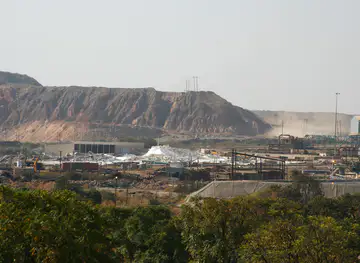
Kifubwa’s rock-art shelters near Solwezi are among North-Western Province’s most significant cultural landmarks, preserving evidence of ancient artistic and human activity in the woodland landscape. The Kansanshi mining complex is a powerful modern landmark, not generally a visitor attraction, but its scale and importance make the relationship between copper extraction and Solwezi impossible to overlook. In the far west, the Zambezi at Chavuma forms a geographical landmark as the river passes through rapids near the Angolan border, marking the province’s connection to a major southern African waterway. The upper-Zambezi landscape around Ikelenge and Mwinilunga is defined by streams, wetland and waterfalls, including Ntumbachushi Falls, whose appearance changes markedly between dry and wet seasons. West Lunga’s broad woodland and river environments are natural rather than architectural landmarks, representing one of the province’s less developed protected landscapes. Local chiefdom areas, historic routes and community sites may also carry considerable significance, but access and interpretation should be arranged respectfully.
-
Shopping mall
Levy Junction Shopping Mall
Discover the vibrant shopping and dining experience at Levy Junction Shopping Mall, Lusaka's premier destination for retail therapy and entertainment.
-
Tourist attraction
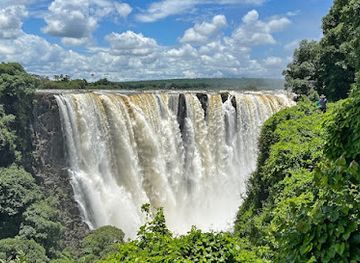
Victoria Falls
Explore the awe-inspiring Victoria Falls, a UNESCO World Heritage site, where adventure meets breathtaking natural beauty in Southern Africa.
-
Shopping mall
Novare Great North Mall
Experience the best of shopping and dining at Novare Great North Mall in Lusaka, where modern retail meets Zambian culture.
-
Shopping mall
Kapiji Mall
Discover a vibrant shopping experience at Kapiji Mall in Solwezi, where local culture meets international retail and delightful dining.



Explore North-Western Province on the map
Plan your trip on one map. See where the top cities, national parks and sights are, and book hotels and experiences in a few clicks.
Best hotels in North-Western Province
Best restaurants in North-Western Province
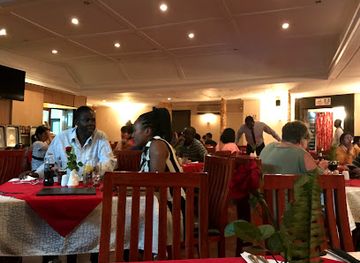
Dining in North-Western Province is centred on Solwezi and the larger mining communities, where hotels, independent restaurants, cafés and informal food stalls serve a broader range of meals than is usually available in remote districts. Everyday Zambian food includes nshima accompanied by vegetables, beans, fish, chicken or meat, with seasonal produce supplied through local markets and small farms. Dried or fresh river fish is particularly relevant in communities connected to the Zambezi and its tributaries, while maize, cassava and leafy greens are common staples. In rural areas, meals are more likely to be arranged through a lodge, guesthouse or host than found through a formal restaurant. Visitors can look for fritters, grilled meat, seasonal fruit and simple tea or coffee at markets and roadside stops, while Solwezi offers imported products and more international cooking because of its mining economy. Food availability can be limited on long journeys, so carrying water and snacks is sensible.
-
Restaurant
3 Trees Cafe
Discover the warmth of Zambian hospitality at 3 Trees Cafe - where every meal is an unforgettable experience.
-
Restaurant
Harry's Grill Restaurant ,Bar and pool
Discover culinary delights at Harry's Grill Restaurant in Lilayi – where local flavors meet international cuisine amidst stunning surroundings.
-
Steak
Marlin Restaurant
Experience exceptional steak dishes and vibrant Zambian culture at Marlin Restaurant in Lusaka.
-
Steak
Turn n' Tender Steakhouse
Discover culinary excellence at Turn n' Tender Steakhouse in Kabulonga - where every steak is an experience.



Best bars in North-Western Province
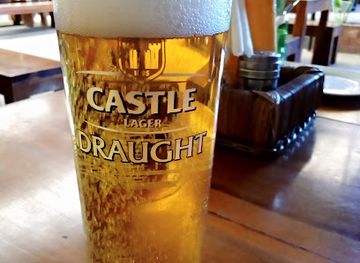
Evening life is concentrated in Solwezi and other substantial mining or trading centres rather than spread evenly across the province. Bars attached to hotels and lodges, informal drinking places, restaurants and venues with music provide the main options, while some larger settlements have clubs or late-night entertainment whose operating arrangements can change. The atmosphere is generally more social and local than a dedicated international nightlife scene, with music, football broadcasts and conversation often as important as dancing. In Mwinilunga, Zambezi, Kasempa and smaller towns, evenings tend to centre on local bars, guesthouses and community gatherings, and may quieten early. Remote safari or waterfall areas usually offer little organised nightlife beyond a lodge meal or campfire. Check transport arrangements before going out, avoid isolated roads after dark and respect local customs around alcohol, music and photography.
-
Grill
Chicago's Reloaded
Experience the vibrant atmosphere and mouthwatering grilled dishes at Chicago's Reloaded in Lusaka, where culinary excellence meets creative mixology.
-
Sports bar
Keg and Lion
Experience the excitement of live sports and vibrant social life at Keg and Lion, Lusaka's premier sports bar.
-
Bar
Limpo's PUB & Grill
Discover the vibrant nightlife and tasty local dishes at Limpo's PUB & Grill in Livingstone, a must-visit destination for every traveler.
-
Restaurant
Floriana Lodge
Experience the blend of local Zambian cuisine and international flavors in a tranquil setting at Floriana Lodge, Solwezi.


Best nightclubs in North-Western Province
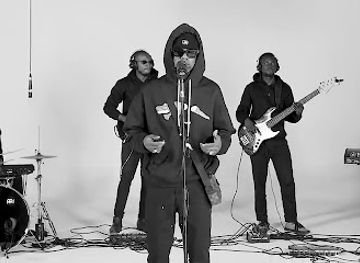
Evening life is concentrated in Solwezi and other substantial mining or trading centres rather than spread evenly across the province. Bars attached to hotels and lodges, informal drinking places, restaurants and venues with music provide the main options, while some larger settlements have clubs or late-night entertainment whose operating arrangements can change. The atmosphere is generally more social and local than a dedicated international nightlife scene, with music, football broadcasts and conversation often as important as dancing. In Mwinilunga, Zambezi, Kasempa and smaller towns, evenings tend to centre on local bars, guesthouses and community gatherings, and may quieten early. Remote safari or waterfall areas usually offer little organised nightlife beyond a lodge meal or campfire. Check transport arrangements before going out, avoid isolated roads after dark and respect local customs around alcohol, music and photography.
-
Disco club
B Club
Experience the vibrant nightlife at B Club in Lusaka, where the music, dance, and energy create an unforgettable experience.
-
Night club
Chez Ntemba
Experience the vibrant nightlife of Lusaka at Chez Ntemba, a premier nightclub offering electrifying music and an unforgettable atmosphere.
-
Disco club
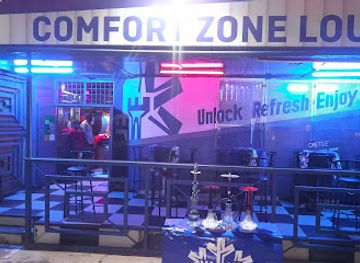
Comfort Zone Lounge
Discover Lusaka's nightlife at Comfort Zone Lounge, a dynamic disco club with electrifying music, refreshing drinks, and a vibrant atmosphere for all.
-
Night club
Ravens Club
Experience the vibrant nightlife of Kitwe at Ravens Club, where great music and dancing create unforgettable moments.

Best shops in North-Western Province
Shopping in North-Western Province is most substantial in Solwezi, where supermarkets, general stores, market stalls and small independent businesses serve a population shaped by mining, farming and regional trade. Open markets are useful for fresh vegetables, fruit, cassava, maize products, dried fish and everyday household goods, although displays and trading activity vary by season. Smaller towns such as Mwinilunga, Kasempa, Kabompo and Zambezi offer practical local markets rather than extensive souvenir retail. Visitors may find woven goods, carved objects, baskets, textiles and locally produced food, but quality and provenance should be considered carefully; do not buy archaeological material, wildlife products or anything that may have been taken from a protected area. Packaged Zambian foods, coffee where available, groundnuts and dried produce can make appropriate regional purchases. Carry cash outside Solwezi, bargain courteously where bargaining is customary, and remember that rural trading centres may close early.
-
Shopping mall
EastPark Mall
Experience the best of shopping, dining, and entertainment at EastPark Mall, Lusaka's premier shopping destination.
-
Shopping mall
Levy Junction Shopping Mall
Discover the vibrant shopping and dining scene at Levy Junction Shopping Mall in Lusaka, where local culture meets modern retail experience.
-
Shopping mall
Manda Hill Shopping Mall
Discover Lusaka's vibrant shopping scene at Manda Hill Shopping Mall, where fashion, dining, and entertainment await.
-
Shopping mall
Arcades Shopping Mall
Explore the bustling Arcades Shopping Mall in Lusaka for a unique blend of shopping, dining, and entertainment experiences.


Get your free copy of our complete guide to North-Western Province, delivered straight to you.
Everything on this page, from attractions and restaurants to essentials and local phrases, in one PDF you can read offline, print or share.
Already have an account? Sign in
Your North-Western Province guide is ready.
We'll send it to · Not you? Sign out

Getting your guide ready…
We are putting together a fresh copy of the North-Western Province guide. This can take up to a minute.
This can take a few moments. If your browser asks, choose Allow so the download can start. You'll find the guide in your Downloads folder.
Nothing happened? Download it again
Sorry, the guide is taking longer than usual. Please try again in a minute, or get it by email instead.
North-Western Province essentials
Currency and Payment
Safety
Emergency Situations
Do's and Don'ts
Local Tips
From Eve
Local phrases worth knowing
You don't need to get them perfect. A few words go a long way, and locals appreciate the effort.
Basics
| English | Local | Say it |
|---|---|---|
| Hello | Shani | [sha-nee] |
| Goodbye | Twalumba | [twa-lum-ba] |
| Yes | Eya | [eh-yah] |
| No | Awe | [ah-weh] |
| Please/You're welcome | Nshakafwako | [n-sha-ka-fwa-ko] |
| Thank you | Natotela | [na-to-teh-la] |
| Excuse me/Sorry | Nshiwa | [n-shee-wah] |
| How are you? | Uli bwanji? | [oo-lee b-wan-jee] |
| Fine. And you? | Ndi bwino. Nawe? | [n-dee bwee-no. nah-weh?] |
| Do you speak English? | Ulye mulandu wa Chingereza? | [ool-yeh moo-lan-doo wah cheen-ge-reh-zah?] |
| I don't understand | Nshingalande | [n-shee-ngah-lan-deh] |
Eating & Drinking
| English | Local | Say it |
|---|---|---|
| I'd like to see the menu, please | Ndefwaya kuona menu, nshakafwako | [n-deh-fwah-yah koo-nah meh-noo, n-sha-ka-fwa-ko] |
| I don't eat meat | Ndefwaya kudya nyama | [n-deh-fwah-yah koo-dyah nyah-mah] |
| Cheers! | Nshakafwako! | [n-sha-ka-fwa-ko] |
| I would like to pay, please | Ndefwaya kulipa, nshakafwako | [n-deh-fwah-yah koo-lee-pah, n-sha-ka-fwa-ko] |
Emergencies
| English | Local | Say it |
|---|---|---|
| Help! | Chimfya! | [cheem-fyah] |
| Go away! | Tepwa! | [teh-pwah] |
| Call the Police! | Fonani Police! | [fo-nah-nee poh-lees] |
| Call a doctor! | Fonani doctor! | [fo-nah-nee dok-tah] |
| I'm lost | Ndi kupwa | [n-dee koo-pwah] |
| I'm ill | Ndi na chibanda | [n-dee nah chee-bahn-dah] |
Shopping
| English | Local | Say it |
|---|---|---|
| I'd like to buy... | Ndefwaya kutenga... | [n-deh-fwah-yah koo-ten-gah] |
| I'm just looking | Ndi kuonera fye | [n-dee koo-oh-neh-rah fye] |
| How much is it? | Kuli malonda anga? | [koo-lee mah-lon-dah ah-n-gah?] |
| That's too expensive | Icho chikali pakuipa | [ee-cho chah-kee-lee pah-koo-ee-pah] |
| Can you lower the price? | Nshakafwa kupitisha price? | [n-sha-ka-fwa koo-pee-tee-shah price?] |
Time & Numbers
| English | Local | Say it |
|---|---|---|
| What time is it? | Kuli liti? | [koo-lee lee-tee?] |
| It's one o'clock | Kuli liti lumo | [koo-lee lee-tee loo-mo] |
| Half past (10) | Mali 10 | [mah-lee ten] |
| Morning | Mwaume | [m-wah-oo-meh] |
| Afternoon | Mwapula | [m-wah-pool-ah] |
| Evening | Mweshi | [m-weh-shee] |
| Yesterday | Lelo lyashakale | [leh-loh lyah-shah-kah-leh] |
| Today | Lelo | [leh-loh] |
| Tomorrow | Buli liti | [boo-lee lee-tee] |
| 1 | Mosi | [moh-see] |
| 2 | Bili | [bee-lee] |
| 3 | Tatu | [tah-too] |
| 4 | Nye | [nyeh] |
| 5 | Tano | [tah-no] |
| 6 | Sita | [see-tah] |
| 7 | Saba | [sah-bah] |
| 8 | Sukulu | [soo-koo-loo] |
| 9 | Ika | [ee-kah] |
| 10 | Kumi | [koo-mee] |
Transport & Directions
| English | Local | Say it |
|---|---|---|
| Where's a/the...? | Kuli ...? | [koo-lee ...?] |
| What's the address? | Kuli address? | [koo-lee ad-dress?] |
| Can you show me (on the map)? | Nshakafwa kunditolela (pa map)? | [n-sha-ka-fwa koon-dee-toh-leh-lah (pah map)?] |
| When's the next (bus)? | Kuli liti bus inshi? | [koo-lee lee-tee bus een-shee?] |
| A ticket (to ....) | Tiket (ku ...) | [tee-ket (koo ...)] |
History of North-Western Province
Early settlement and Kifubwa rock art
The Kifubwa rock shelter complex near Solwezi preserves prehistoric paintings and engravings associated with the long human occupation of the region. The imagery is part of a wider central African rock-art tradition and demonstrates that the woodland plateau was inhabited and used long before the creation of modern provincial boundaries. Archaeology in the area also reflects changing patterns of hunting, gathering, farming and movement. These sites are culturally sensitive rather than conventional open-air monuments, so their interpretation and protection depend on local custodianship and responsible visiting.
Lunda, Kaonde and related political traditions
Before colonial rule, North-Western Province was connected to several political and cultural systems rather than governed as one unified territory. Kaonde communities were especially influential around the Solwezi and Kasempa areas, while Lunda and related groups shaped the western districts and maintained links with kingdoms and chiefdoms across present-day Angola and the Democratic Republic of the Congo. Luvale, Luchazi, Chokwe, Mbunda and other communities also formed part of interconnected migration, trade and cultural networks. Chieftaincies, oral histories, languages and ceremonies remain important expressions of this history.
Trade, migration and the Zambezi corridor
The rivers and woodland routes of the province connected inland communities to wider regional systems of exchange. Goods, ideas and people moved towards the upper Zambezi, Angola, the Congo basin and the territories that later became Zambia. Chavuma and the western river districts were particularly linked to the Zambezi corridor, while Mwinilunga stood near routes leading towards the Congo and Angola. These connections help explain the province’s linguistic and cultural diversity, which cannot be reduced to a single ethnic or historical identity.
Colonial rule and Northern Rhodesia
In the late nineteenth and early twentieth centuries, the territory was drawn into British colonial administration and eventually became part of Northern Rhodesia. Colonial borders divided older networks that had previously crossed freely between present-day Zambia, Angola and the Democratic Republic of the Congo. Administration, missionary activity, taxation, labour recruitment and new transport links altered local economies and political relationships. The north-west remained less urbanised than the Copperbelt, but its mineral resources and strategic position gradually increased its importance within the colonial territory.
Copper mining and the growth of Solwezi
Copper has been worked in the north-west for many decades, building on older knowledge of mineral deposits and becoming increasingly industrialised in the twentieth century. Kansanshi, close to Solwezi, developed into one of the province’s defining mining centres, and modern large-scale operations later expanded around Lumwana. Mining drew workers, contractors and traders from across Zambia and neighbouring countries, accelerating Solwezi’s growth and reshaping roads, housing, services and local land-use debates. The industry remains central to the province’s economy, while also presenting significant environmental and social responsibilities.
Independence and modern provincial development
Zambia became independent in 1964, and North-Western Province developed within the new republic through a combination of agriculture, public investment, mining and cross-border trade. Improved roads and expanding commercial centres strengthened Solwezi’s role as a regional hub, while remote districts continued to depend heavily on seasonal roads and local services. The province’s contemporary identity reflects both modern mineral wealth and older rural institutions. National parks, waterfalls, heritage sites and river landscapes now offer possibilities for tourism diversification, although infrastructure remains uneven outside the principal towns.
North-Western Province in Photos
Browse through our photo collection highlighting the charm and character of the destination.
Neighbouring regions of North-Western Province
The closest regions to North-Western Province, if you have time for more than one.
-

-

-

-
-


Swipe for more regions
Explore more

Explore more of Zambia
Discover Zambia: A Safari Haven with Stunning Waterfalls, Rich Culture, and Unforgettable Wildlife Encounters.
Explore Zambia