

Central Province, Zambia Travel Guide
Discover the natural beauty, thrilling wildlife, and rich cultural heritage in Central Province, Zambia - a true hidden gem in the heart of Africa.
Central Province in Zambia is a hidden gem waiting to be discovered. This region, located at the core of the country, offers a rich mix of natural beauty, history, and cultural experiences. From the vast wilderness of the Kafue National Park to the serene shores of Lake Itezhi-Tezhi, there is something for every type of traveler. For wildlife enthusiasts, the Kafue National Park is a must-visit. It is one of the largest national parks in Africa and home to a diverse array of animals including lions, elephants, and leopards. The park's wetlands, grasslands, and woodlands provide a stunning backdrop for game drives and walking safaris. History buffs will be fascinated by the colonial architecture in Kabwe, the provincial capital. This town played a significant role during Zambia's struggle for independence and offers several historical sites. Don't miss the chance to visit the Broken Hill Mine, where the famous Kabwe skull was discovered. Cultural experiences abound in Central Province. Engage with local communities and learn about their traditions and way of life. The region is also known for its vibrant markets where you can purchase handmade crafts and taste local delicacies. Whether you are seeking adventure, history, or culture, Central Province in Zambia will leave you with unforgettable memories.

Know before you go
Hi, I'm Eve. Here are a few practical things to know before exploring Central Province.
- Visit Kafue National Park during the dry season (May to October) for the best wildlife sightings.
- Hire a local guide to explore the historical sites in Kabwe for deeper insights into Zambia’s past.
- Bring cash as ATMs are scarce in remote areas and credit card facilities may not be available.
- Attend a local market to experience the vibrant culture and purchase unique handmade crafts.
- Respect local traditions and ask for permission before taking photos of people.
Top City Travel Guides in Central Province
The cities of Central Province, and the easiest places to base yourself.


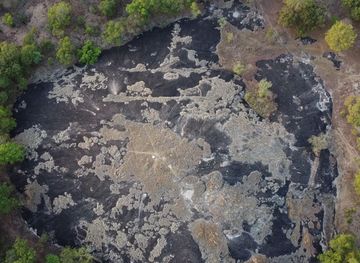
Destinations in Central Province
Resorts, valleys and scenic spots worth a trip of their own.


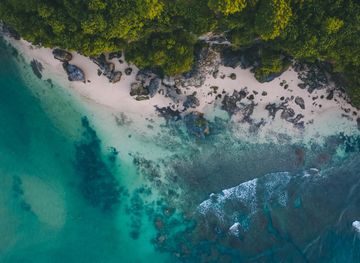
Explore Central Province: Things to Do, Places to Eat, Hotels & More
Handpicked recommendations for top attractions, local dining, accommodations, and more

Top Attractions & Sightseeing in Central Province
Top-rated picks
Best Attractions

Chaminuka Lodge
Discover the magic of Chaminuka Lodge, where luxury meets nature in Zambia's stunning landscapes and vibrant cultural experiences.

Monkey Pools
Explore the serene beauty of Monkey Pools in Lusaka, a perfect escape with crystal-clear waters and lush surroundings for nature lovers.
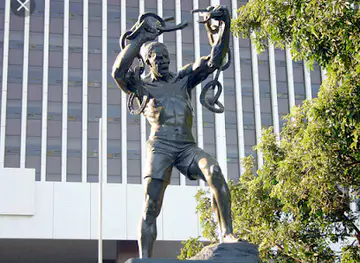
Freedom Statue
Explore the Freedom Statue in Lusaka, a monumental symbol of Zambia's independence and a must-see for every traveler seeking cultural insight.

Lusaka National Park
Discover the tranquility of Lusaka National Park, where nature enthusiasts can explore Zambia's stunning landscapes and diverse wildlife in the heart of Lusaka.

Best landmarks in Central Province
Top-rated picks
Best Landmarks

Levy Junction Shopping Mall
Discover the vibrant shopping experience at Levy Junction Shopping Mall in Lusaka, where local culture meets international retail in a lively atmosphere.

Victoria Falls
Explore the breathtaking beauty and thrilling adventures at Victoria Falls, one of the world's largest waterfalls and a UNESCO World Heritage Site.

Manda Hill Shopping Mall
Explore the vibrant shopping, dining, and entertainment experiences at Manda Hill Shopping Mall, Lusaka's premier retail destination.

Arcades Shopping Mall
Explore Arcades Shopping Mall in Lusaka for a mix of shopping, dining, and entertainment, capturing the vibrant spirit of Zambian culture.

Best restaurants in Central Province
Top-rated picks
Best Restaurants

Grandaddy’s Shoka Nyama
Experience the best of Zambian grilled cuisine at Grandaddy’s Shoka Nyama - where flavor meets hospitality.

Radisson Blu Hotel, Lusaka
Discover unparalleled luxury at Radisson Blu Hotel in Lusaka – your gateway to Zambian culture and comfort.

Neelkanth Sarovar Premiere
Discover unparalleled luxury at Neelkanth Sarovar Premiere in Lusaka – where comfort meets elegance for every traveler.

3 Trees Cafe
Experience the unique flavors and welcoming atmosphere at 3 Trees Cafe in Lusaka - A must-visit culinary destination!

Best bars in Central Province
Top-rated picks
Best Bars

Keg and Lion
Discover Keg and Lion, Lusaka's lively sports bar, where great food, drinks, and live sports create unforgettable moments.

The Gathering Zambia
Experience the flavors of Zambia at The Gathering, where culinary excellence meets vibrant nightlife in Lusaka.

#social Rhodespark
Discover vibrant dining and entertainment at #social Rhodespark, the perfect family-friendly restaurant and pub in Lusaka.

Cafe Choconilla
Discover the flavors of Kabwe at Cafe Choconilla, where local ingredients meet global culinary traditions in a cozy atmosphere.

Best nightclubs in Central Province
Top-rated picks
Best Nightclubs

The Old Crow Pub
Experience the vibrant nightlife of Lusaka at The Old Crow Pub, where great drinks and karaoke nights await in a lively atmosphere.

Chukams Pub And Grill
Experience the vibrant nightlife and delicious cuisine at Chukams Pub And Grill, a must-visit bar in the heart of Lusaka.

Kabs Mall
Discover the excitement of Lusaka's nightlife at Kabs Mall, a premier disco club and bar offering unforgettable music and vibrant atmosphere.

Eliba Executive Lodge
Discover the heartbeat of Lusaka's nightlife at Eliba Executive Lodge, a stylish venue offering vibrant entertainment and exquisite dining.

Best shops in Central Province
Top-rated picks
Best Shops

EastPark Mall
Experience a lively shopping adventure at EastPark Mall in Lusaka, featuring diverse stores, delightful dining, and entertainment for all.

Levy Junction Shopping Mall
Explore Levy Junction Shopping Mall, Lusaka's ultimate shopping destination with diverse retail, dining, and entertainment options for every traveler.

Manda Hill Shopping Mall
Explore Manda Hill Shopping Mall in Lusaka for a vibrant shopping experience with dining and entertainment options for every taste.

Arcades Shopping Mall
Explore the lively Arcades Shopping Mall in Lusaka, where shopping meets entertainment in a vibrant atmosphere filled with local culture.

Explore Central Province on the Map
A handpicked selection of must-see spots in Central Province, mapped for you.
Central Province Essentials
-
Central Province in Zambia can be accessed through Kenneth Kaunda International Airport in Lusaka, which is the nearest international gateway. From Lusaka, you can take a bus or hire a taxi to reach various parts of Central Province. The journey by road typically takes around 2 to 4 hours, depending on your destination within the province. Alternatively, you can rent a car for more flexibility in exploring the region.
-
Within Central Province, you can use a combination of buses, taxis, and rental cars to get around. Public buses and minibuses (commonly known as 'matatus') operate between major towns and cities. Taxis are readily available in urban areas, and it's advisable to agree on a fare before starting your journey. If you prefer more independence, renting a car is a convenient option, though be prepared for varying road conditions.
-
The official currency in Zambia is the Zambian Kwacha (ZMW). Credit cards are accepted in major hotels, restaurants, and supermarkets in larger towns, but it's advisable to carry cash, especially when traveling to rural areas. ATMs are available in main towns like Kabwe and Kapiri Mposhi, but it's wise to withdraw sufficient cash in Lusaka before traveling deeper into the province.
-
Central Province is generally safe for tourists, but it's important to remain cautious. Avoid walking alone at night in unfamiliar areas and keep an eye on your belongings in crowded places. While crime rates targeting tourists are not significantly high, areas like Kabwe and Kapiri Mposhi have reported occasional incidents. It's always best to stay vigilant and aware of your surroundings.
-
In case of emergency, dial 991 for immediate assistance. Major towns have police stations and hospitals for urgent needs. It's recommended to have travel insurance that covers medical emergencies. Pharmacies are available in urban centers where you can purchase over-the-counter medications. Always carry a list of emergency contacts, including your embassy or consulate.
-
Fashion: Do dress modestly, especially in rural areas and religious sites. Avoid wearing revealing clothing. Religion: Do respect local customs and traditions. Always show respect when visiting churches or traditional ceremonies. Public Transport: Do be respectful and patient when using public transport. Don't eat or drink on public buses or matatus. Greetings: Do greet people with a handshake, and use the right hand as a sign of respect. Eating & Drinking: Do try local dishes and accept food offerings graciously. Don't refuse hospitality, as it is considered impolite.
-
To experience Central Province like a local, visit local markets where you can purchase fresh produce and traditional Zambian crafts. Engage with the locals, who are often friendly and eager to share their culture. Don't miss visiting the Mulungushi Rock of Authority and Kundalila Falls for breathtaking natural beauty. For a unique experience, attend a traditional ceremony or festival to witness the rich cultural heritage of the region.
When is the best time to visit Central Province?
Useful Local Phrases for Central Province
You don't need to speak the language perfectly. Even learning a few simple words can make conversations warmer—and locals usually appreciate the effort.
— Eve

Here are the phrases I use most often in Central Province. Try a few—you'll be surprised how far they go! 😊
❤️
-
- HelloShani
[sha-nee] - GoodbyeTwapapata
[twa-pa-pa-ta] - YesEya
[eh-yah] - NoAwe
[ah-weh] - Please/You're welcomeNshakufwa
[nsha-koo-fwah] - Thank youNatotela
[na-to-teh-lah] - Excuse me/SorryNshakufwa
[nsha-koo-fwah] - How are you?Muli shani?
[moo-lee sha-nee] - Fine. And you?Nashalapo. Nawe?
[nah-shah-lah-po. nah-weh] - Do you speak English?Ulisha chingelezi?
[oo-lee-shah chin-ge-leh-zee] - I don't understandNshakumvisha
[nsha-koo-mvee-shah]
- HelloShani
-
- I'd like to see the menu, pleaseNdifuna kuwona menu, nshakufwa
[ndi-foo-nah koo-woh-nah meh-noo, nsha-koo-fwah] - I don't eat meatNshikala nyama
[nshi-kah-lah nyah-mah] - Cheers!Nshakufwa!
[nsha-koo-fwah!] - I would like to pay, pleaseNdifuna kulipa, nshakufwa
[ndi-foo-nah koo-lee-pah, nsha-koo-fwah]
- I'd like to see the menu, pleaseNdifuna kuwona menu, nshakufwa
-
- Help!Chonde!
[chon-deh] - Go away!Twaluka!
[twa-loo-kah] - Call the Police!Fonani polisi!
[fo-nah-nee poh-lee-see] - Call a doctor!Fonani ch dokter!
[fo-nah-nee chee dok-teh] - I'm lostNdi kuli
[ndi koo-lee] - I'm illNdi pa chibale
[ndi pah chee-bah-leh]
- Help!Chonde!
-
- I'd like to buy...Ndifuna kupitisha...
[ndi-foo-nah koo-pee-tee-shah...] - I'm just lookingNdefwaya
[n-deh-fwah-yah] - How much is it?Nifuna ndalama zingati?
[nee-foo-nah n-dah-lah-mah zing-gah-tee] - That's too expensiveIyi ni yakali
[ee-yee nee yah-kah-lee] - Can you lower the price?Ungaika bwino?
[oon-gah-ee-kah bwee-no?]
- I'd like to buy...Ndifuna kupitisha...
-
- What time is it?Ninshi ni nthawi?
[neen-shee nee n-thah-wee] - It's one o'clockNisanga nkana
[nee-sah-ngah n-kah-nah] - Half past (10)Kukonda (10)
[koo-kohn-dah (10)] - MorningMawa
[mah-wah] - AfternoonPashale
[pah-shah-leh] - EveningPang’ono
[pahn-goh-no] - YesterdayKale
[kah-leh] - TodayLelo
[leh-loh] - TomorrowKuswila
[koo-swee-lah] - 1Mosi
[moh-see] - 2Pili
[pee-lee] - 3Tatatu
[tah-tah-too] - 4Nchini
[n-chee-nee] - 5Tano
[tah-no] - 6Tatu
[tah-too] - 7Saba
[sah-bah] - 8Songo
[soh-ngoh] - 9Tatu
[tah-too] - 10Kumi
[koo-mee]
- What time is it?Ninshi ni nthawi?
-
- Where's a/the...?Kuli...?
[koo-lee...?] - What's the address?Ninshi ni adiresi?
[neen-shee nee ah-dee-reh-see?] - Can you show me (on the map)?Ungaika bwanji (pa mpanga)?
[oon-gah-ee-kah bwan-jee (pah m-pahn-gah)?] - When's the next (bus)?Ninshi ni mwakukonda (basa)?
[neen-shee nee mwah-koo-kohn-dah (bah-sah)?] - A ticket (to ....)Ng’anda (ku ...)
[ng'ahn-dah (koo ...)]
- Where's a/the...?Kuli...?
History of Central Province
-
The Lala people, one of the earliest inhabitants of Central Province, established a structured kingdom characterized by chieftaincy and traditional governance. The Lala's rich cultural heritage includes intricate ceremonies, vibrant dances, and oral traditions that have been passed down through generations.
-
In the 18th century, the Bemba people migrated into Central Province, bringing with them their distinct language and customs. This migration significantly influenced the social and cultural landscape of the region, leading to the amalgamation of Bemba and Lala traditions.
-
The colonial period in Central Province was marked by the discovery of minerals, most notably at the Broken Hill Mine in Kabwe. Opened in 1902 by British colonialists, the mine became a significant source of lead and zinc, attracting workers from various parts of Zambia and beyond. This era also saw the establishment of colonial infrastructure and administration.
-
In 1921, miners at the Broken Hill Mine unearthed the Kabwe Skull, a significant archaeological find. The skull, belonging to a Homo heidelbergensis, is one of the oldest human fossils found in Africa and has provided invaluable insights into human evolution. Today, it is housed in the Natural History Museum in London, though it remains a point of cultural pride and scientific interest in Zambia.
-
Central Province played a crucial role in Zambia's struggle for independence from British colonial rule. Prominent figures from the region, such as Simon Mwansa Kapwepwe, were instrumental in mobilizing support and advocating for self-governance. The province was a hotbed of political activity and resistance leading up to Zambia's independence in 1964.
-
Following independence, Central Province saw significant development in infrastructure, education, and health services. The establishment of the Mulungushi Rock of Authority as a political and cultural venue marked the province's importance in national governance. The region also saw the growth of agricultural activities, particularly maize and tobacco farming, contributing to Zambia's economy.
Neighbouring Regions of Central Province
The closest regions to Central Province, if you have time for more than one.
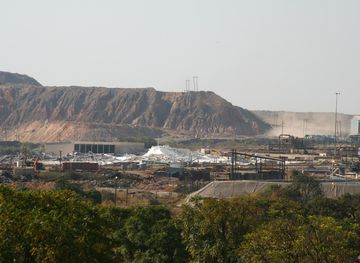



Your all‑in‑one travel companion app
Explore expert travel guides, compare and book tours, experiences, hotels, and more—all from the palm of your hand. Download now for seamless trip planning wherever your wanderlust takes you.


Explore More of Zambia

Looking beyond Central Province? Discover Zambia for broader travel guides, local hot-spots, and regional highlights.
Explore ZambiaCentral Province in Photos
Browse through our photo collection highlighting the charm and character of the destination.


The Heartbeat of Zambia: Central Province
Central Province in Zambia is a hidden gem waiting to be discovered. This region, located at the core of the country, offers a rich mix of natural beauty, history, and cultural experiences. From the vast wilderness of the Kafue National Park to the serene shores of Lake Itezhi-Tezhi, there is something for every type of traveler. For wildlife enthusiasts, the Kafue National Park is a must-visit. It is one of the largest national parks in Africa and home to a diverse array of animals including lions, elephants, and leopards. The park's wetlands, grasslands, and woodlands provide a stunning backdrop for game drives and walking safaris. History buffs will be fascinated by the colonial architecture in Kabwe, the provincial capital. This town played a significant role during Zambia's struggle for independence and offers several historical sites. Don't miss the chance to visit the Broken Hill Mine, where the famous Kabwe skull was discovered. Cultural experiences abound in Central Province. Engage with local communities and learn about their traditions and way of life. The region is also known for its vibrant markets where you can purchase handmade crafts and taste local delicacies. Whether you are seeking adventure, history, or culture, Central Province in Zambia will leave you with unforgettable memories.