

Free Southern Province Travel Guide & Mobile App
Explore Southern Province with free travel guides. Discover regional history, expert tips, proposed trips, and audio guides on web or mobile app.


Southern Province, Zambia combines Victoria Falls, Zambezi wildlife, Tonga culture, Lake Kariba and open agricultural landscapes.
Read more about Southern Province
When is the best time to visit Southern Province?
Best: May, August–September · 22–25°C| Month | High (°C) | Rainfall (mm) |
|---|---|---|
| January | 28 | 150 |
| February | 28 | 125 |
| March | 28 | 100 |
| April | 26 | 75 |
| May (best) | 23 | 25 |
| June | 20 | 10 |
| July | 20 | 10 |
| August (best) | 22 | 25 |
| September (best) | 25 | 50 |
| October | 28 | 75 |
| November | 29 | 100 |
| December | 29 | 150 |
Getting to and around Southern Province
How to get there
Transportation
Top city travel guides in Southern Province
The cities of Southern Province, and the easiest places to base yourself.
-

-

-

-


Swipe for more cities
Destinations in Southern Province
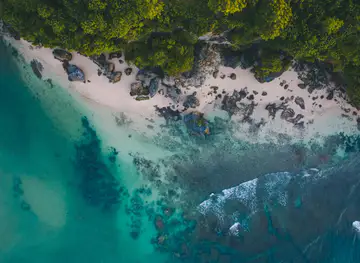
Resorts, valleys and scenic spots worth a trip of their own.
-

-
-


Swipe for more destinations
Best attractions in Southern Province
Southern Province's attractions are led by Victoria Falls, or Mosi-oa-Tunya, where viewpoints, guided walks and river-based activities present different aspects of the Zambezi gorge and cataracts. Livingstone also offers museums and railway heritage, as well as access to Mosi-oa-Tunya National Park, a compact wildlife area where guided drives may encounter elephant, giraffe, buffalo and rhinoceros. Away from Livingstone, the character changes. Lochinvar National Park protects floodplain and lagoon habitats on the Kafue Flats, with birdwatching and seasonal wildlife viewing dependent on water levels and road conditions. Lake Kariba provides a broad setting for fishing, boating and quiet lakeside stays near Sinazongwe, while the southern plateau offers agricultural scenery and cultural visits around Choma and Monze. These attractions are dispersed rather than concentrated in one resort zone, and remote areas have fewer facilities, making local guides, advance arrangements and flexible timing valuable.
-
Tourist attraction
Munda Wanga Environmental Park
Explore Munda Wanga Environmental Park: A Wildlife Sanctuary and Educational Hub in Chilanga, Zambia, Perfect for Nature Enthusiasts and Families.
-
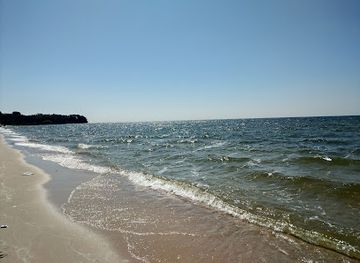
Lake
Lake Bangweulu
Experience the breathtaking beauty and tranquility of Lake Bangweulu, Zambia's pristine freshwater paradise, perfect for nature lovers and adventurers.
-
Wildlife park
Parays Animal Sanctuary
Explore the enchanting Parays Animal Sanctuary in Lusaka, Zambia, where wildlife, nature trails, and family fun come together in a harmonious adventure.
-
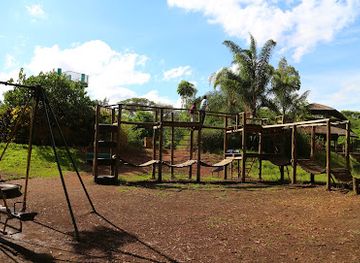
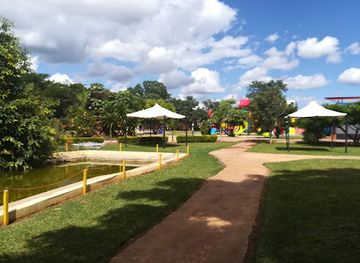
Palms Play Park
Explore the beauty and tranquility of Palms Play Park in Chilanga, a perfect spot for relaxation and family fun amidst nature.

Best landmarks in Southern Province
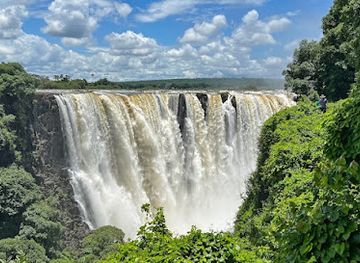
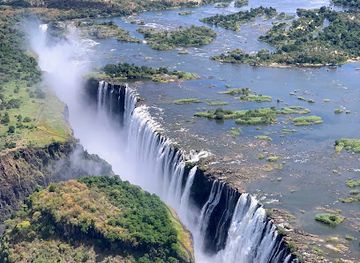
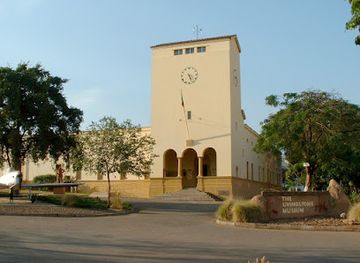
Victoria Falls is Southern Province's defining landmark: the Zambezi plunges into a series of gorges along a dramatic basalt escarpment, producing the spray and thunder described by its local name, Mosi-oa-Tunya. The river and gorge are also central to the visual identity of Livingstone, whose historic railway buildings and colonial-era townscape recall the transport networks that opened the area to long-distance travel. The Livingstone Museum is an important civic landmark for interpreting regional archaeology, history and culture, while nearby Mosi-oa-Tunya National Park preserves a rare wildlife landscape close to an urban centre. Further south, Lake Kariba forms an immense horizontal landmark rather than a single monument, with its shoreline, changing water levels and settlement history defining the Zambezi valley around Sinazongwe. On the plateau, open agricultural country and the Kafue Flats provide geographical landmarks whose importance lies in their scale, seasonal character and role in local livelihoods.
-
Tourist attraction
Victoria Falls
Experience the breathtaking beauty of Victoria Falls, one of the world's largest waterfalls, where adventure meets natural wonder on the Zambezi River.
-
National park
Mosi-oa-Tunya National Park
Explore Mosi-oa-Tunya National Park, where breathtaking landscapes and diverse wildlife meet the majestic Victoria Falls in Zambia.
-
Museum
Livingstone Museum
Discover the historical treasures of Zambia at Livingstone Museum, a cultural gem showcasing the legacy of David Livingstone and the nation's rich heritage.
-
Resort hotel
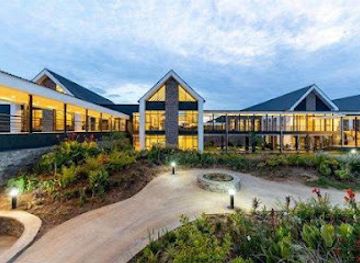
Ciêla, Lusaka, a Tribute Portfolio Resort and Spa
Experience unparalleled luxury and tranquility at Ciela, Lusaka, a premier resort and spa in the heart of Zambia, perfect for relaxation and exploration.
Explore Southern Province on the map
Plan your trip on one map. See where the top cities, national parks and sights are, and book hotels and experiences in a few clicks.
Best hotels in Southern Province
Best restaurants in Southern Province
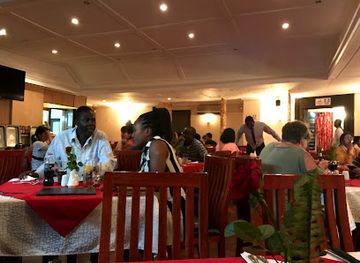
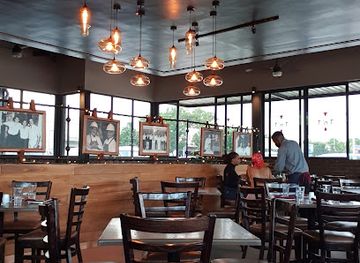
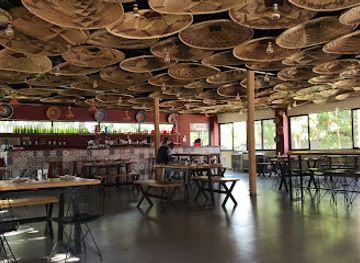
Dining in Southern Province ranges from international and Zambian menus in Livingstone's hotels and restaurants to simple cafés, market stalls, roadside food and family-run eateries in the provincial towns. Local meals commonly draw on maize meal, vegetables, beans, chicken, beef and freshwater fish, with nshima serving as a central accompaniment. Around the Zambezi and Lake Kariba, bream and other locally caught fish may feature when available, while farming districts supply maize and seasonal produce. Livingstone has the widest choice, including restaurants aimed at international visitors, bakeries, cafés and places serving contemporary versions of regional food. In Choma, Monze and smaller settlements, dining is generally more informal and opening arrangements can be limited outside daytime and early evening. Ask about ingredients and preparation where necessary, and carry provisions on journeys into remote parks or lake country.
-
Steak
Marlin Restaurant
Experience exceptional steak dining at Marlin Restaurant in Lusaka - where quality meets flavor in every bite.
-
Steak
Turn n' Tender Steakhouse
Discover culinary excellence at Turn n' Tender Steakhouse - where succulent steaks meet unforgettable dining experiences in Lusaka.
-
 Hotel
HotelLilayi Lodge
Discover tranquility and luxury at Lilayi Lodge - your gateway to Zambian wildlife and exquisite dining experiences.
-
Restaurant
The Gathering Zambia
Discover the vibrant flavors of Zambia at The Gathering Zambia - where exquisite cuisine meets innovative cocktails in Lusaka's heart.
Best bars in Southern Province
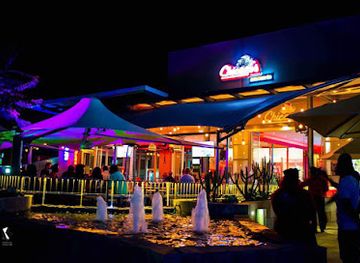
Livingstone has Southern Province's broadest evening scene, with hotel bars, restaurants, casual pubs, live entertainment and venues oriented towards visitors near the town centre and tourism areas. Some establishments offer views or excursions associated with the Zambezi, but river conditions and seasonal operations vary, so arrangements should be confirmed locally. Choma and other larger towns have informal bars, cafés and social venues, while evenings in rural districts tend to centre on local taverns, lodges or private gatherings rather than a substantial club circuit. Lake Kariba lodges may provide relaxed drinks and evening meals, but nightlife is generally quiet and location-dependent. Visitors should use reliable transport after dark, respect local communities and avoid assuming that alcohol is the only way to participate in local evening life.
-
Grill
Chicago's Reloaded
Experience the vibrant flavors of Chicago's Reloaded in Lusaka, where grilled delights meet a welcoming atmosphere for an unforgettable culinary adventure.
-
Restaurant
Harry's Grill Restaurant ,Bar and pool
Discover a culinary gem in Lilayi at Harry's Grill Restaurant, where exquisite dining meets a relaxing atmosphere by the pool.
-
Grill
Keg & Fig Tree Waterfalls
Discover Keg & Fig Tree Waterfalls in Lusaka: where exquisite grill cuisine meets vibrant live music and sports in a beautiful setting.
-
Restaurant
#social Rhodespark
Experience the vibrant culinary scene of Lusaka at #social Rhodespark, where diverse flavors and a welcoming atmosphere await every visitor.
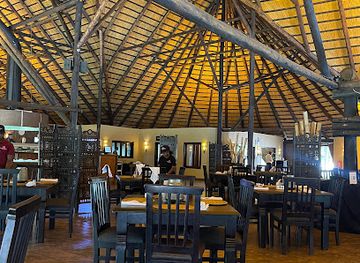
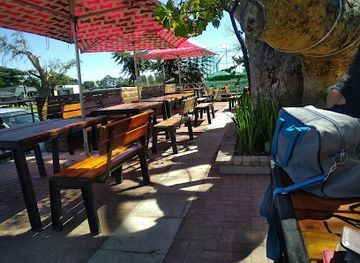

Best nightclubs in Southern Province
Livingstone has Southern Province's broadest evening scene, with hotel bars, restaurants, casual pubs, live entertainment and venues oriented towards visitors near the town centre and tourism areas. Some establishments offer views or excursions associated with the Zambezi, but river conditions and seasonal operations vary, so arrangements should be confirmed locally. Choma and other larger towns have informal bars, cafés and social venues, while evenings in rural districts tend to centre on local taverns, lodges or private gatherings rather than a substantial club circuit. Lake Kariba lodges may provide relaxed drinks and evening meals, but nightlife is generally quiet and location-dependent. Visitors should use reliable transport after dark, respect local communities and avoid assuming that alcohol is the only way to participate in local evening life.
-
Disco club
B Club
Discover the lively nightlife at B Club, Lusaka's premier disco club, where music, dance, and culture come together for an unforgettable experience.
-
Disco club
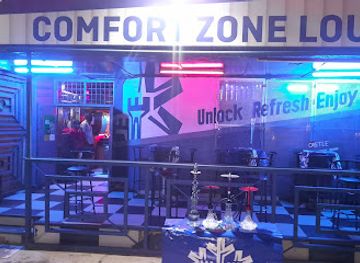
Comfort Zone Lounge
Discover the lively nightlife of Lusaka at Comfort Zone Lounge, a vibrant disco club where music, dancing, and camaraderie come together.
-
Night club
Ravens Club
Experience the vibrant nightlife of Kitwe at Ravens Club, where music, dance, and camaraderie come alive in an unforgettable atmosphere.
-
Disco club
Edgar's Night Club
Explore Lusaka's vibrant nightlife at Edgar's Night Club, a premier disco club for unforgettable music, dancing, and local culture.
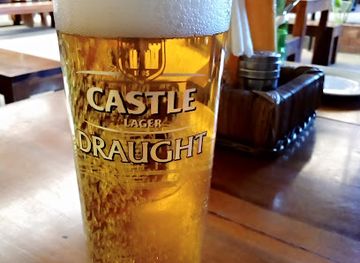
Best shops in Southern Province
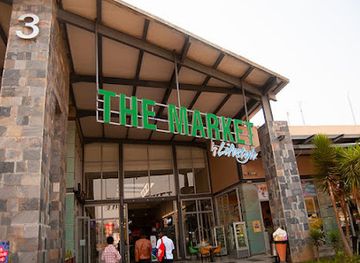
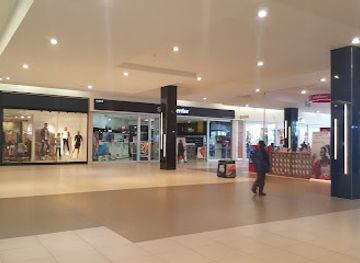
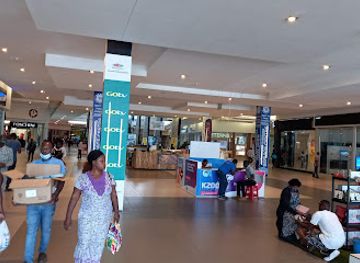
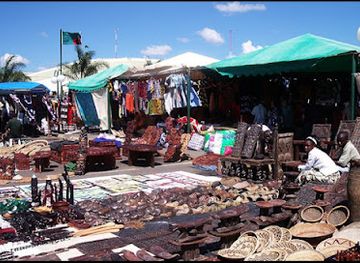
Livingstone offers the province's most developed shopping for visitors, with craft markets, gallery-style outlets, hotel shops and independent sellers offering woodcarvings, baskets, textiles, artworks and jewellery. Buy thoughtfully: ask about materials and provenance, avoid wildlife products and check Zambia's export rules before purchasing antiques, cultural objects or protected natural materials. Food shops and markets in Livingstone, Choma and other towns are useful for fruit, vegetables, baked goods and everyday supplies, while rural roadside stalls may sell seasonal produce and locally made items. Choma is a practical stop for regional crafts and provisions rather than a large-scale retail destination. The main towns have ordinary high-street shops and supermarkets, but shopping becomes sparse around Lochinvar and Lake Kariba. Bargaining may be customary in some informal markets, though it should remain polite and proportionate.
-
Shopping mall
EastPark Mall
Experience the ultimate shopping, dining, and entertainment destination at EastPark Mall, Lusaka's vibrant retail hub.
-
Shopping mall
Levy Junction Shopping Mall
Explore a vibrant shopping experience at Levy Junction Mall in Lusaka, featuring diverse shops, delightful dining, and entertaining activities.
-
Shopping mall
Manda Hill Shopping Mall
Discover Lusaka's shopping gem at Manda Hill Shopping Mall, where retail, dining, and entertainment come together for an unforgettable experience.
-
Shopping mall
Arcades Shopping Mall
Discover the charm of Lusaka at Arcades Shopping Mall, your one-stop destination for shopping, dining, and entertainment.
Get your free copy of our complete guide to Southern Province, delivered straight to you.
Everything on this page, from attractions and restaurants to essentials and local phrases, in one PDF you can read offline, print or share.
Already have an account? Sign in
Your Southern Province guide is ready.
We'll send it to · Not you? Sign out

Getting your guide ready…
We are putting together a fresh copy of the Southern Province guide. This can take up to a minute.
This can take a few moments. If your browser asks, choose Allow so the download can start. You'll find the guide in your Downloads folder.
Nothing happened? Download it again
Sorry, the guide is taking longer than usual. Please try again in a minute, or get it by email instead.
Southern Province essentials
Currency and Payment
Safety
Emergency Situations
Do's and Don'ts
Local Tips
From Eve
Local phrases worth knowing
You don't need to get them perfect. A few words go a long way, and locals appreciate the effort.
Basics
| English | Local | Say it |
|---|---|---|
| Hello | Shani | [sha-nee] |
| Goodbye | Twalumba | [twa-lum-ba] |
| Yes | Eya | [eh-yah] |
| No | Awe | [ah-weh] |
| Please/You're welcome | Ndakuwamya | [ndah-koo-wah-mya] |
| Thank you | Natotela | [nah-toh-teh-lah] |
| Excuse me/Sorry | Nisungile | [nee-soon-gee-leh] |
| How are you? | Muli bwanji? | [moo-lee bwan-jee] |
| Fine. And you? | Ndine bwino. Iwe wanga? | [n-dee-neh bwee-noh. ee-weh wan-gah] |
| Do you speak English? | Ulibe na chingerezi? | [oo-lee-beh nah cheen-geh-reh-zee] |
| I don't understand | Sikuwona | [see-koo-won-ah] |
Eating & Drinking
| English | Local | Say it |
|---|---|---|
| I'd like to see the menu, please | Nshakufwaya ukubona menu, ndakuwamya | [n-shah-koo-fwah-yah oo-koo-boh-nah meh-noo, ndah-koo-wah-mya] |
| I don't eat meat | Sikudya nyama | [see-koo-dyah nyah-mah] |
| Cheers! | Nshakukumbatya! | [n-shah-koo-kum-ba-tyah!] |
| I would like to pay, please | Nshakufwaya ukukabay, ndakuwamya | [n-shah-koo-fwah-yah oo-koo-kah-bah-y, ndah-koo-wah-mya] |
Emergencies
| English | Local | Say it |
|---|---|---|
| Help! | Tiwemwena! | [tee-weh-mweh-nah!] |
| Go away! | Tepanga! | [teh-pah-ngah!] |
| Call the Police! | Nifika ku Police! | [nee-fee-kah koo poh-lees!] |
| Call a doctor! | Nifika kwa doctor! | [nee-fee-kah kwa dok-tah!] |
| I'm lost | Ndi walilika | [n-dee wah-lee-lee-kah] |
| I'm ill | Ndi na chibanda | [n-dee nah chee-bahn-dah] |
Shopping
| English | Local | Say it |
|---|---|---|
| I'd like to buy... | Nshakufwaya ukuthenga... | [n-shah-koo-fwah-yah oo-koo-then-gah...] |
| I'm just looking | Ndi kuwona chabe | [n-dee koo-won-ah chah-beh] |
| How much is it? | Chaka chani? | [chah-kah chah-nee] |
| That's too expensive | Icho chikalamba | [ee-cho chee-kah-lahm-bah] |
| Can you lower the price? | Unga pangisha price? | [oon-gah pan-gee-shah price] |
Time & Numbers
| English | Local | Say it |
|---|---|---|
| What time is it? | Nshani ya nsiku? | [n-shah-nee yah n-see-koo?] |
| It's one o'clock | Ndi saana imwe | [n-dee sah-nah eem-weh] |
| Half past (10) | Ndi faasi (10) | [n-dee fah-see (10)] |
| Morning | Muli | [moo-lee] |
| Afternoon | Pasheni | [pah-sheh-nee] |
| Evening | Nshikala | [n-shee-kah-lah] |
| Yesterday | Kale | [kah-leh] |
| Today | Lelo | [leh-loh] |
| Tomorrow | Kumuka | [koo-moo-kah] |
| 1 | Chimo | [chee-mo] |
| 2 | Mbili | [m-bee-lee] |
| 3 | Tatatu | [tah-tah-too] |
| 4 | Nne | [n-neh] |
| 5 | Tano | [tah-noh] |
| 6 | Tatu | [tah-too] |
| 7 | Saba | [sah-bah] |
| 8 | Sungani | [soon-gah-nee] |
| 9 | Tatu na chenga | [tah-too nah cheng-ah] |
| 10 | Kumi | [koo-mee] |
Transport & Directions
| English | Local | Say it |
|---|---|---|
| Where's a/the...? | Kuli kuti...? | [koo-lee koo-tee...?] |
| What's the address? | Kuli kuli? | [koo-lee koo-lee?] |
| Can you show me (on the map)? | Unga nshowa (pa map)? | [oon-gah n-show-ah (pah map)?] |
| When's the next (bus)? | Chikala chani (bus)? | [chee-kah-lah chah-nee (bus)?] |
| A ticket (to ....) | Ticket (ku ...) | [tee-ket (koo ...)] |
History of Southern Province
Early Settlement and the Tonga Cultural Landscape
Southern Province has a long history of human settlement shaped by the Zambezi, the Kafue Flats and the surrounding plateau. Tonga-speaking communities developed agricultural, fishing and cattle-keeping economies adapted to seasonal rivers and grasslands, while neighbouring Ila and other communities contributed to the region's cultural diversity. Archaeological evidence across southern Zambia points to settlement and trade over many centuries, although surviving heritage is often less monumental than the region's natural landscapes. The continuity of local languages, food traditions and land-based livelihoods remains an important part of the province's identity.
Nineteenth-Century Trade and Missionary Encounters
During the nineteenth century, the Zambezi corridor connected southern Zambia with wider networks of trade, migration and political power. European missionaries and explorers travelled through the region, and David Livingstone's journeys brought international attention to the Zambezi and its cataracts. His 1855 visit to the falls, which he named Victoria Falls in honour of Queen Victoria, entered the European mapping and colonial record, although the falls were already known locally as Mosi-oa-Tunya. These encounters altered regional politics and helped establish routes later used by colonial administrators and commercial interests.
Colonial Rule and the Railway
Southern Province became part of Northern Rhodesia under British colonial rule. The railway was central to the colonial economy, linking mining centres farther north with southern routes and ports, while roads and administrative stations expanded around older settlements. Livingstone developed as an important transport and administrative centre near the falls, and agriculture became increasingly commercialised on the plateau. Colonial boundaries and institutions reshaped land use and authority, often sidelining existing systems of governance. Railway buildings, town plans and surviving civic structures in Livingstone still reflect this period.
The Kariba Dam and the Zambezi Valley, 1950s
The construction of Kariba Dam on the Zambezi, completed in the late 1950s, transformed the valley shared by present-day Zambia and Zimbabwe. The reservoir generated hydroelectric power and created a major inland fishing and boating economy, but its construction also displaced communities and altered riverine environments. In Zambia, settlements around the developing lake, including areas near Sinazongwe, became part of this new economic and ecological landscape. The project remains a powerful example of the social costs and large-scale ambitions of late colonial infrastructure development.
Independence and Regional Change, 1964
Zambia became independent in 1964, with Kenneth Kaunda as its first president. Southern Province entered national life with an economy based on agriculture, cattle, transport links and tourism around Livingstone. Post-independence governments expanded education, public administration and agricultural services, while the province's border position gave it continuing importance for trade and travel. The political and economic changes of the independence era also encouraged stronger recognition of local cultural identities within the Zambian nation.
Livingstone and the Growth of Tourism
From the late twentieth century onwards, Livingstone became one of Zambia's leading tourism centres, built around Victoria Falls, the Zambezi River and cross-border travel with Zimbabwe. Hotels, lodges, guiding companies and adventure operators expanded, while conservation initiatives developed in and around Mosi-oa-Tunya National Park. Tourism has brought employment and international visibility, but it is also seasonal and sensitive to water levels, economic conditions and conservation pressures. The town's contemporary character combines heritage, hospitality and access to one of Africa's most important natural landmarks.
Conservation and Contemporary Rural Economies
Modern Southern Province is shaped by the interaction of conservation, farming, fishing, tourism and expanding transport networks. Lochinvar National Park protects part of the Kafue Flats, while Mosi-oa-Tunya National Park safeguards habitat close to Livingstone. Around Lake Kariba, fishing and lake-based livelihoods remain significant, although changing water conditions and environmental pressures affect communities. Agricultural production around the plateau continues to play a major role in the provincial economy. These overlapping uses make land management, community participation and wildlife protection central issues in the region's future.
Southern Province in Photos
Browse through our photo collection highlighting the charm and character of the destination.
Neighbouring regions of Southern Province
The closest regions to Southern Province, if you have time for more than one.
-

-

-

-

-


Swipe for more regions
Explore more

Explore more of Zambia
Discover Zambia: A Safari Haven with Stunning Waterfalls, Rich Culture, and Unforgettable Wildlife Encounters.
Explore Zambia