

Free Chirundu Valley Travel Guide & Mobile App
Explore Chirundu Valley with free travel guides. Discover regional history, expert tips, proposed trips, and audio guides on web or mobile app.


Chirundu Valley combines the Zambezi River, Lower Zambezi safaris, fossil forests and a lively cross-border gateway south of Lusaka.
Read more about Chirundu Valley
When is the best time to visit Chirundu Valley?
Best: June–August · 25–27°C| Month | High (°C) | Rainfall (mm) |
|---|---|---|
| January | 30 | 200 |
| February | 31 | 150 |
| March | 31 | 100 |
| April | 29 | 50 |
| May | 27 | 10 |
| June (best) | 25 | 5 |
| July (best) | 25 | 5 |
| August (best) | 27 | 5 |
| September | 30 | 10 |
| October | 32 | 15 |
| November | 33 | 100 |
| December | 31 | 150 |
Getting to and around Chirundu Valley
How to get there
Transportation
Best attractions in Chirundu Valley
Chirundu Valley’s attractions centre on the meeting of river, woodland, geology and wildlife. The Zambezi provides opportunities for boating, canoeing, fishing and birdwatching, although activities should be arranged through experienced operators who understand seasonal currents and wildlife conditions. The wider Lower Zambezi area, including Lower Zambezi National Park on Zambia’s northern bank, is known for guided game viewing in a riverine setting where elephants, hippos, crocodiles and a range of antelope and bird species may be encountered. The park is distinct from Chirundu town, but the valley is an important access area for it. On land, the Chirundu Fossil Forest offers a very different experience: petrified tree remains reveal the deep geological history beneath the modern valley. Roadside markets and local settlements provide insight into contemporary commerce, while guided walks and lodge-based activities introduce the vegetation and seasonal ecology of the Zambezi lowlands. The region is best explored through a combination of planned excursions rather than a dense circuit of formal museums or urban attractions.
-
Hydroelectric power plant
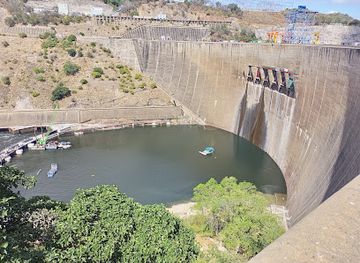
Kariba Dam
Explore the breathtaking Kariba Dam, a stunning hydroelectric power plant and tourist attraction nestled between Zimbabwe and Zambia, surrounded by natural beauty.
-
Tourist attraction
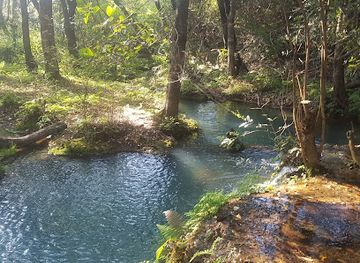
Monkey Pools
Explore the beauty of Monkey Pools in Lusaka, a perfect spot for picnics, swimming, and enjoying nature's serenity in Zambia.
-
Park
The Cross park
Discover the serene beauty of The Cross Park in Lusaka, a lush retreat offering picnic spots, trails, and a vibrant wildlife experience.
-
National park
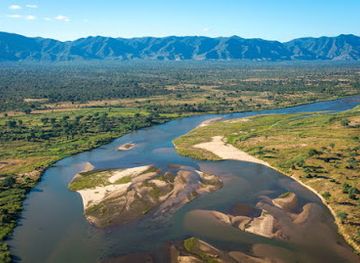
Mana Pools National Park
Explore Mana Pools National Park, a UNESCO World Heritage Site in Zimbabwe, perfect for wildlife encounters, breathtaking landscapes, and serene adventures.

Best landmarks in Chirundu Valley
The Zambezi River is Chirundu Valley’s most recognisable natural landmark, defining the settlement’s geography and its relationship with neighbouring Zimbabwe. The Chirundu Bridge is an important modern structure as well as a practical symbol of the valley’s role in regional transport, replacing the older ferry crossing on the international route. Above the lowlands, the escarpment road provides a marked change in elevation and landscape as travellers move between the plateau and the river basin. The Chirundu Fossil Forest is the area’s most distinctive geological landmark: its petrified tree remains connect the present-day valley with ancient environments preserved in stone. Within the wider Lower Zambezi landscape, the Zambezi’s channels, lagoons and wooded banks form a memorable natural setting, although individual wildlife locations should be visited with guides and are not all immediately beside Chirundu town. Together these features show why the valley matters as more than a border stop: it is a meeting point of river geography, geological time, modern infrastructure and conservation land.
-
Park
Munda Wanga Environmental Park
Discover Munda Wanga Environmental Park: A Nature Lover's Paradise in Chilanga, Zambia, Featuring Wildlife, Botanical Gardens, and Educational Experiences.
-
Lodge
Mthuzi Nadi Lodge
Experience tranquility and adventure at Mthuzi Nadi Lodge, where nature and comfort meet along the Zambezi River.
-
Lodge
Gwabi River Lodge
Discover the enchanting Gwabi River Lodge, a tranquil retreat in Zambia offering breathtaking views, outdoor adventures, and cozy accommodations along the Zambezi River.
-
 Lodge
LodgeNsofu Lodge
Experience the tranquil beauty of Nsofu Lodge at the confluence of the Kafue and Zambezi rivers, a perfect blend of adventure and relaxation.
Explore Chirundu Valley on the map
Plan your trip on one map. See where the top cities, national parks and sights are, and book hotels and experiences in a few clicks.
Best hotels in Chirundu Valley
Best restaurants in Chirundu Valley
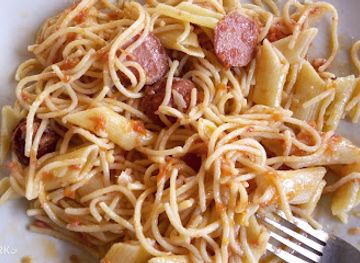
Dining in Chirundu Valley is shaped by lodge kitchens, roadside eateries and local food traditions rather than a large restaurant scene. Visitors can expect familiar Zambian staples such as nshima served with relish, vegetables, beans, fish or meat, alongside grilled dishes and simple breakfast fare. Fresh fish from the Zambezi may feature where supplies and regulations allow, but availability is seasonal and should not be assumed at every establishment. Lodges serving the Lower Zambezi area generally provide pre-arranged meals suited to safari schedules, often with packed options for early departures. In Chirundu town, informal food outlets and market sellers offer a more everyday perspective, though hygiene standards and opening arrangements vary. Carrying snacks and drinking water is sensible for road journeys and excursions. Meals are often social and unhurried, and visitors should ask about ingredients when dietary requirements are important. Imported drinks and basic refreshments are more readily found at established accommodation than in remote areas.
-
Chicken
Hungry Lion Chirundu
Discover delicious fried chicken and fast food delights at Hungry Lion Chirundu - where flavor meets convenience!
-
Restaurant
Rendezvous Restaurant
Discover the flavors of Zambia at Rendezvous Restaurant in Chirundu - where culinary tradition meets warm hospitality.
-
Restaurant
Tikondane Restaurant
Experience the essence of Zambian cuisine at Tikondane Restaurant in Chirundu – where flavor meets culture.
-
Restaurant
Zameal Restaurant
Discover the heart of Zambia through its flavors at Zameal Restaurant near Chirundu border.

Best bars in Chirundu Valley
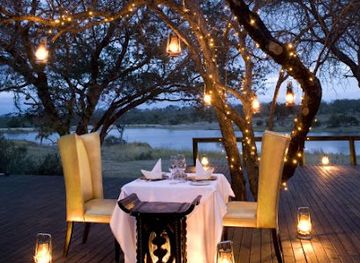
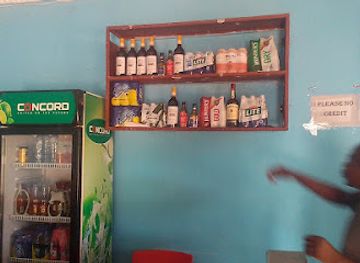
Nightlife in Chirundu Valley is modest and generally connected with lodges, guesthouses, roadside drinking places and the social life of the town rather than dedicated clubs. Accommodation in the Lower Zambezi area may offer a bar, an evening meal and a quiet place to watch the river or discuss the day’s activities, but this is a rural setting where early starts are common. Chirundu’s transport role creates informal evening activity around its commercial areas, although venues and hours can change. Live music, conversation and community gatherings are more realistic expectations than a large nightclub circuit. Drink responsibly, particularly in the heat, and do not take alcohol onto boats or into wildlife activities unless an operator expressly permits it. Visitors crossing into Zimbabwe should remember that the border is an international checkpoint, not an evening entertainment district, and should plan accommodation on the correct side of the river.
-
Chicken
Hungry Lion Chirundu
Discover the mouthwatering fried chicken and delightful sides at Hungry Lion Chirundu, a fast food gem in the heart of Chirundu.
-
Bar
Kombe Pub and Grill
Discover the lively charm of Kombe Pub and Grill in Chirundu, where local flavors, vibrant atmosphere, and friendly faces await every traveler.
-
Restaurant
Rendezvous Restaurant
Discover the rich culinary scene of Chirundu at Rendezvous Restaurant, where local flavors meet international cuisine in a cozy setting.
-
Disco club
Grants Night Spot
Discover the vibrant nightlife at Grants Night Spot, Chirundu's go-to disco club for an unforgettable evening of music and dancing.

Best nightclubs in Chirundu Valley
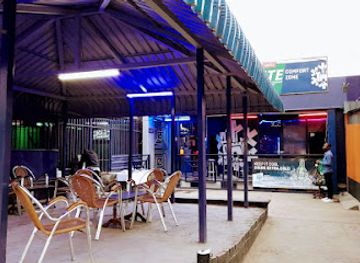
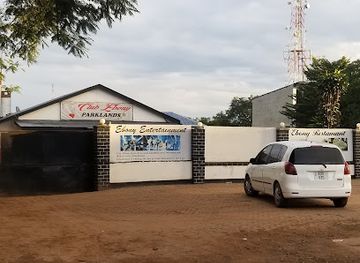
Nightlife in Chirundu Valley is modest and generally connected with lodges, guesthouses, roadside drinking places and the social life of the town rather than dedicated clubs. Accommodation in the Lower Zambezi area may offer a bar, an evening meal and a quiet place to watch the river or discuss the day’s activities, but this is a rural setting where early starts are common. Chirundu’s transport role creates informal evening activity around its commercial areas, although venues and hours can change. Live music, conversation and community gatherings are more realistic expectations than a large nightclub circuit. Drink responsibly, particularly in the heat, and do not take alcohol onto boats or into wildlife activities unless an operator expressly permits it. Visitors crossing into Zimbabwe should remember that the border is an international checkpoint, not an evening entertainment district, and should plan accommodation on the correct side of the river.
-
Bar
Club Amnesia
Unleash your nightlife spirit at Club Amnesia in Lusaka, where vibrant beats and creative cocktails create unforgettable memories.
-
Bar
The Old Crow Pub
Discover the vibrant nightlife and unique charm of The Old Crow Pub in Lusaka, where great drinks and entertainment await you.
-
Disco club
Comfort Zone Lounge
Explore Lusaka's nightlife at Comfort Zone Lounge, a top disco club offering vibrant music, lively crowds, and unforgettable experiences.
-
Night club
Club Ebony
Discover the vibrant nightlife of Kitwe at Club Ebony – a hotspot for music, dance, and unforgettable experiences.

Best shops in Chirundu Valley
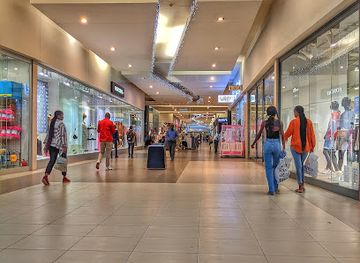
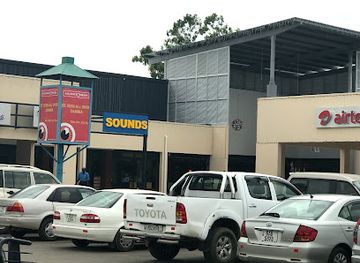
Shopping in Chirundu Valley is practical and local rather than focused on large retail centres. Roadside stalls and market areas in and around Chirundu sell fruit, vegetables, drinks, basic provisions and everyday household goods, reflecting the town’s role as a transport and border settlement. Visitors may find locally made baskets, carved objects, textiles or other small crafts, but quality and availability vary, so purchases should be made directly and respectfully rather than treating community production as a staged attraction. Lodges sometimes stock souvenirs connected with Zambian craft traditions, wildlife and the Lower Zambezi, while regional food products may include dried foods, packaged snacks and locally sourced produce. Carrying sufficient cash in smaller Zambian kwacha notes is useful for informal purchases. Do not buy fossils, wildlife products, archaeological material or items made from protected species; ask sellers about provenance when a material appears uncertain. Larger shopping requirements are more sensibly handled in Lusaka before travelling into the valley.
-
Shopping mall
EastPark Mall
Explore EastPark Mall in Lusaka - a vibrant shopping destination offering retail therapy, diverse dining options, and family-friendly entertainment.
-
Shopping mall
Levy Junction Shopping Mall
Discover Levy Junction Shopping Mall in Lusaka: A premier shopping destination with diverse retail, dining, and entertainment options.
-
Shopping mall
Manda Hill Shopping Mall
Discover a world of shopping, dining, and entertainment at Manda Hill Shopping Mall, Lusaka's premier retail destination.
-
Shopping mall
Arcades Shopping Mall
Explore Arcades Shopping Mall in Lusaka, a vibrant hub for shopping, dining, and entertainment, showcasing the best of Zambian culture.

Get your free copy of our complete guide to Chirundu Valley, delivered straight to you.
Everything on this page, from attractions and restaurants to essentials and local phrases, in one PDF you can read offline, print or share.
Already have an account? Sign in
Your Chirundu Valley guide is ready.
We'll send it to · Not you? Sign out

Getting your guide ready…
We are putting together a fresh copy of the Chirundu Valley guide. This can take up to a minute.
This can take a few moments. If your browser asks, choose Allow so the download can start. You'll find the guide in your Downloads folder.
Nothing happened? Download it again
Sorry, the guide is taking longer than usual. Please try again in a minute, or get it by email instead.
Chirundu Valley essentials
Currency and Payment
Safety
Emergency Situations
Do's and Don'ts
Local Tips
From Eve
Local phrases worth knowing
You don't need to get them perfect. A few words go a long way, and locals appreciate the effort.
Basics
| English | Local | Say it |
|---|---|---|
| Hello | Shani | [sha-nee] |
| Goodbye | Tiwonana | [tee-woh-nah-nah] |
| Yes | Ehe | [eh-heh] |
| No | Awe | [ah-weh] |
| Please/You're welcome | Nimwandi | [nim-wan-dee] |
| Thank you | Natotela | [nah-toh-teh-lah] |
| Excuse me/Sorry | Nimukashani | [nee-moo-kah-shah-nee] |
| How are you? | Muli shani? | [moo-lee shah-nee] |
| Fine. And you? | Ndi bwino, iwe? | [ndee bwee-no, ee-weh] |
| Do you speak English? | Ulya boma chingele? | [ool-yah boh-mah chin-geh-leh] |
| I don't understand | Ndisakumbwa | [ndee-sah-kum-bwah] |
Eating & Drinking
| English | Local | Say it |
|---|---|---|
| I'd like to see the menu, please | Nifuna kuona menyu, nimwandi | [nee-foo-nah koo-nah men-yoo, nim-wan-dee] |
| I don't eat meat | Ndisakudya nyama | [ndee-sah-koo-jah nyah-mah] |
| Cheers! | Nshani! | [n-shah-nee] |
| I would like to pay, please | Nifuna kulipa, nimwandi | [nee-foo-nah koo-lee-pah, nim-wan-dee] |
Emergencies
| English | Local | Say it |
|---|---|---|
| Help! | Chindika! | [chin-dee-kah] |
| Go away! | Fuma! | [foo-mah] |
| Call the Police! | Mupempe polisi! | [moo-pehm-peh poh-lee-see] |
| Call a doctor! | Mupempe dokita! | [moo-pehm-peh doh-kee-tah] |
| I'm lost | Ndi pa chibwana | [ndee pah chee-bwah-nah] |
| I'm ill | Ndi walwa | [ndee wah-lwah] |
Shopping
| English | Local | Say it |
|---|---|---|
| I'd like to buy... | Nifuna kugula... | [nee-foo-nah koo-goo-lah] |
| I'm just looking | Nili kulinga | [nee-lee koo-ling-ah] |
| How much is it? | Ili pa ndalama zingati? | [ee-lee pah ndah-lah-mah zing-ah-tee] |
| That's too expensive | Ili pamutengo wakuipa | [ee-lee pah-moo-ten-go wah-koo-ee-pah] |
| Can you lower the price? | Unga punguza mutengo? | [oon-gah poon-goo-za moo-ten-go] |
Time & Numbers
| English | Local | Say it |
|---|---|---|
| What time is it? | Nshi na nshita? | [n-shee nah n-shee-tah] |
| It's one o'clock | Nshi na namba imwe | [n-shee nah nam-bah eem-weh] |
| Half past (10) | Nshi na namba 10 na chila | [n-shee nah nam-bah ten nah chee-lah] |
| Morning | Shamuka | [sha-moo-kah] |
| Afternoon | Pashangwe | [pah-shan-gweh] |
| Evening | Nshikashi | [n-shee-kah-shee] |
| Yesterday | Lelo lili | [leh-loh lee-lee] |
| Today | Leelo | [leh-loh] |
| Tomorrow | Mwanjanja | [mwan-jahn-jah] |
| 1 | Imwe | [eem-weh] |
| 2 | Ili | [ee-lee] |
| 3 | Ikatatu | [ee-kah-tah-too] |
| 4 | Ikatatu | [ee-kah-tah-too] |
| 5 | Ishanu | [ee-shah-noo] |
| 6 | Ishanu | [ee-shah-noo] |
| 7 | Ikasanu | [ee-kah-sah-noo] |
| 8 | Ikasanu | [ee-kah-sah-noo] |
| 9 | Ikatatu | [ee-kah-tah-too] |
| 10 | Ishanu | [ee-shah-noo] |
Transport & Directions
| English | Local | Say it |
|---|---|---|
| Where's a/the...? | Nshi pa ...? | [n-shee pah ...] |
| What's the address? | Nshi pa adiresi? | [n-shee pah ah-deh-ree-see] |
| Can you show me (on the map)? | Unga ndempe kwati (pa mape)? | [oon-gah n-dem-peh kwah-tee (pah mah-peh)] |
| When's the next (bus)? | Nshi pa bus inshi? | [n-shee pah boos een-shee] |
| A ticket (to ....) | Nifuna tiketi (ku ...) | [nee-foo-nah tee-keh-tee (koo ...)] |
History of Chirundu Valley
Ancient Zambezi and Karoo landscapes
The valley’s geological story reaches far beyond human settlement. Around Chirundu, petrified tree remains in the Chirundu Fossil Forest preserve evidence of ancient vegetation buried and mineralised over geological time. These fossils are associated with the sedimentary environments of the Karoo succession, whose rocks occur widely across southern Africa. They demonstrate that the modern Zambezi valley, with its hot woodland and river channels, developed on a landscape that has undergone profound climatic and geological change.
Tonga communities and the Zambezi
The Zambezi valley has long been shaped by Tonga-speaking communities whose livelihoods have included fishing, cultivation, cattle keeping and trade. River knowledge, seasonal movement and relationships with the floodplain remain important elements of local life. Chirundu’s location at a natural crossing helped connect communities on both banks, although the modern border divides Zambia from Zimbabwe. Visitors should understand that the valley is a lived cultural landscape rather than an empty wilderness reserved solely for tourism.
Pre-colonial trade and river crossings
Before modern roads and bridges, the Zambezi served both as a resource and as an obstacle to movement. Local crossings supported communication and exchange between communities, while wider trade networks linked the valley with the plateau and the interior. The eventual development of formal colonial routes changed the scale and direction of movement, turning the Chirundu crossing into part of a major north–south corridor. The present town’s transport-oriented character reflects this layered history.
Colonial roads and the Great North Route
Under British colonial rule, road building and administrative boundaries connected the Zambezi crossing more closely with Lusaka and the territory then known as Northern Rhodesia. The descent from the plateau into the valley became a demanding but strategically important route for people, goods and government traffic. These links helped establish Chirundu as a recognised transport settlement and contributed to the contrasting identities of the cooler plateau and the hotter river lowlands.
Independence and the Zambezi border
Zambia became independent in 1964, while the river continued to mark an international boundary with Zimbabwe, which became independent in 1980. Chirundu therefore developed within a post-colonial landscape where national administration, cross-border commerce and local relationships overlap. Customs and immigration procedures are now central to the town’s practical importance, while the border also influences the movement of traders, transport workers and travellers between the two countries.
The modern Chirundu Bridge and tourism economy
The modern bridge at Chirundu replaced the former ferry crossing and strengthened the road connection between Zambia and Zimbabwe. It improved the movement of freight and passengers while reinforcing the town’s position on the route from Lusaka towards southern Africa. At the same time, the Zambezi and neighbouring conservation areas supported a growing safari and adventure economy. Lodges, guides, fishing operators and conservation initiatives now add tourism to the valley’s older roles in transport, river use and trade.
Chirundu Valley in Photos
Browse through our photo collection highlighting the charm and character of the destination.
Neighbouring regions of Chirundu Valley
The closest regions to Chirundu Valley, if you have time for more than one.
-

-

-

-

-


Swipe for more regions
Explore more

Explore more of Zambia
Discover Zambia: A Safari Haven with Stunning Waterfalls, Rich Culture, and Unforgettable Wildlife Encounters.
Explore Zambia