

Zambezi Basin, Zambia Travel Guide
Discover the Zambezi Basin in Zambia, a land of majestic waterfalls, diverse wildlife, and thrilling adventures, where nature and culture intertwine in perfect harmony.
The Zambezi Basin in Zambia is a treasure trove of natural beauty and adventure. This vast region is home to the fourth longest river in Africa, the mighty Zambezi, which carves its way through diverse landscapes and provides a lifeline to the wildlife and communities that inhabit its shores. The river's journey is marked by dramatic waterfalls, rich floodplains, and serene riverine forests, making it a haven for nature lovers and adventure seekers alike. One of the most iconic attractions in the Zambezi Basin is Victoria Falls, known locally as Mosi-oa-Tunya, or 'The Smoke that Thunders'. This UNESCO World Heritage site is one of the largest and most spectacular waterfalls in the world, offering breathtaking views and thrilling activities such as bungee jumping, white-water rafting, and walking safaris. The nearby town of Livingstone serves as a gateway to the falls, providing tourists with a range of accommodation options, from luxury lodges to budget-friendly hostels. Beyond Victoria Falls, the Zambezi Basin offers a wealth of experiences. The Lower Zambezi National Park is a prime spot for wildlife safaris, where visitors can see elephants, lions, and an array of bird species. The park's unique landscape, with its mix of woodland, grassland, and riverbanks, offers excellent opportunities for canoeing and fishing. For those interested in culture, a visit to local villages provides a glimpse into the traditional way of life of the Zambian people, with opportunities to learn about their customs, crafts, and cuisine.

Know before you go
Hi, I'm Eve. Here are a few practical things to know before exploring Zambezi Basin.
- Visit Victoria Falls during the rainy season (February to May) for the most impressive flow.
- Wear comfortable walking shoes and bring a raincoat for the misty conditions around Victoria Falls.
- Book guided tours and safaris in advance, especially during peak tourist seasons.
- Respect local customs and traditions when visiting villages.
- Carry insect repellent and sun protection to stay comfortable during outdoor activities.
Top City Travel Guides in Zambezi Basin
The cities of Zambezi Basin, and the easiest places to base yourself.


Destinations in Zambezi Basin
Resorts, valleys and scenic spots worth a trip of their own.


Explore Zambezi Basin: Things to Do, Places to Eat, Hotels & More
Handpicked recommendations for top attractions, local dining, accommodations, and more

Top Attractions & Sightseeing in Zambezi Basin
Top-rated picks
Best Attractions

Livingstone Crocodile Park
Explore Livingstone Crocodile Park, a wildlife refuge where education meets adventure in the heart of Zambia, perfect for families and wildlife lovers alike.

Matusadona National Park
Discover Matusadona National Park, where stunning landscapes and diverse wildlife create an unforgettable adventure on the shores of Lake Kariba.

Mukuni Big Five Safaris
Discover Zambia's rich wildlife at Mukuni Big Five Safaris, a premier animal park offering unforgettable encounters with Africa's majestic creatures.

Maano Adventures - Zambezi Rafting
Unleash your adventurous spirit at Maano Adventures, where thrilling Zambezi rafting and stunning landscapes await every traveler.

Best landmarks in Zambezi Basin
Top-rated picks
Best Landmarks

Victoria Falls
Experience the breathtaking beauty of Victoria Falls, where nature's power meets stunning landscapes and thrilling adventures await.

Victoria Falls National Park
Discover the breathtaking beauty and adventure of Victoria Falls National Park, a world-renowned natural wonder in Zimbabwe.
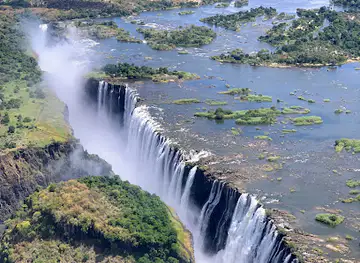
Mosi-oa-Tunya National Park
Experience the awe-inspiring beauty of Mosi-oa-Tunya National Park, home to Victoria Falls and diverse wildlife in Livingstone, Zambia.

Zambezi River
Explore the breathtaking Zambezi River, where adventure meets tranquility amidst stunning landscapes and rich wildlife.

Best restaurants in Zambezi Basin
Top-rated picks
Best Restaurants

The Three Monkeys Restaurant & Bar, Victoria Falls
Experience vibrant dining at The Three Monkeys Restaurant & Bar in Victoria Falls—where local flavors meet global cuisine.

Avani Victoria Falls Resort
Discover luxury at Avani Victoria Falls Resort with stunning views, local cuisine, and adventure just steps away from one of nature's wonders.

The Lookout Cafe - Wild Horizons
Experience breathtaking views and delicious local cuisine at The Lookout Cafe overlooking Batoka Gorge near Victoria Falls.

The Boma - Dinner & Drum Show
Discover authentic African culture through food and performance at The Boma - Dinner & Drum Show in Victoria Falls.

Best bars in Zambezi Basin
Top-rated picks
Best Bars

The Three Monkeys Restaurant & Bar, Victoria Falls
Experience the vibrant flavors and lively atmosphere at The Three Monkeys Restaurant & Bar in Victoria Falls, a dining destination like no other.

Avani Victoria Falls Resort
Discover the ultimate luxury experience at Avani Victoria Falls Resort, where breathtaking nature meets exceptional hospitality.

The Lookout Cafe - Wild Horizons
Experience breathtaking views and exquisite cuisine at The Lookout Cafe, the perfect spot for tourists visiting Victoria Falls.

The Boma - Dinner & Drum Show
Immerse yourself in the heart of Zimbabwean culture at The Boma, where delicious food meets exhilarating performances in Victoria Falls.

Best nightclubs in Zambezi Basin
Top-rated picks
Best Nightclubs

LUKUNDO LIGHT LIQUOR STORE, BAR & NIGHT CLUB
Discover the vibrant nightlife and diverse drink selection at Lukundo Light Liquor Store, Bar & Night Club in Lusaka, the heart of Zambian entertainment.

Club Amnesia
Discover the lively nightlife of Lusaka at Club Amnesia, where vibrant music and refreshing drinks create unforgettable experiences.

The Old Crow Pub
Discover the vibrant charm of The Old Crow Pub in Lusaka, a lively bar known for its karaoke nights and welcoming atmosphere.

Chez Ntemba
Discover the vibrant nightlife of Lusaka at Chez Ntemba, a premier nightclub offering an unforgettable party experience with diverse music and lively ambiance.

Best shops in Zambezi Basin
Top-rated picks
Best Shops

EastPark Mall
Explore EastPark Mall in Lusaka for a unique shopping experience, featuring diverse brands, dining, and entertainment for the whole family.

Levy Junction Shopping Mall
Discover a vibrant shopping experience at Levy Junction Shopping Mall in Lusaka, where diverse retail, dining, and entertainment options await every visitor.

Manda Hill Shopping Mall
Discover the vibrant shopping experience at Manda Hill Shopping Mall in Lusaka, offering diverse stores, dining, and entertainment for every visitor.

Arcades Shopping Mall
Discover the perfect blend of shopping, dining, and entertainment at Lusaka's Arcades Shopping Mall, a vibrant hub for tourists and locals alike.

Explore Zambezi Basin on the Map
A handpicked selection of must-see spots in Zambezi Basin, mapped for you.
Zambezi Basin Essentials
-
The Zambezi Basin in Zambia can be accessed via Kenneth Kaunda International Airport (LUN) in Lusaka, the capital of Zambia. From Lusaka, you can take a domestic flight to Harry Mwanga Nkumbula International Airport in Livingstone, which is the gateway to the Zambezi Basin. Alternatively, you can travel by road from Lusaka to Livingstone, which takes approximately 6-7 hours.
-
Within the Zambezi Basin, transportation options include taxis, rental cars, and guided tours. Taxis are available in Livingstone and can be hired for local trips. Renting a car allows for flexibility, but it is advisable to have a 4x4 vehicle if you plan to explore more remote areas. Guided tours are a popular choice and provide transportation as well as expert knowledge about the region. Buses and minibuses (commonly known as 'matatus') are available for longer distances, but they can be crowded and less reliable.
-
The official currency in Zambia is the Zambian Kwacha (ZMW). Credit cards are accepted in major hotels, restaurants, and shops in Livingstone, but it is advisable to carry cash for smaller establishments and rural areas. ATMs are available in Livingstone, but it is wise to withdraw sufficient cash before venturing into more remote parts of the basin. Currency exchange services are also available in major cities and at the airports.
-
The Zambezi Basin is generally safe for tourists, but it is important to take standard precautions. Avoid walking alone at night, especially in poorly lit areas. Be cautious with your belongings and avoid displaying valuables. Areas with higher crime rates targeting tourists include some parts of Livingstone, so remain vigilant and stay in well-populated areas. It is advisable to use reputable taxi services and avoid traveling alone after dark.
-
In case of emergency, dial 991 for immediate assistance in Zambia. There are hospitals and clinics in Livingstone where you can seek medical help. It is recommended to have travel insurance that covers medical emergencies. For minor health issues, pharmacies are available in Livingstone where you can purchase over-the-counter medications. Keep emergency contact numbers and your insurance details handy at all times.
-
Fashion: Do dress modestly, especially when visiting local villages or religious sites. Avoid wearing revealing clothing. Religion: Do respect local customs and traditions. Always ask for permission before taking photos of people or religious sites. Public Transport: Do be respectful and patient when using public transport. Don't argue with drivers or other passengers. Greetings: Do greet people with a handshake and a smile. A simple 'hello' or 'muli bwanji' (meaning 'how are you?' in local language) is appreciated. Eating & Drinking: Do try local delicacies and accept food offerings graciously. Don't refuse hospitality, as it is considered impolite.
-
To experience the Zambezi Basin like a local, visit the local markets in Livingstone where you can buy fresh produce, crafts, and traditional goods. Engage with locals, as they are often friendly and willing to share stories about their culture and history. Don't miss visiting Victoria Falls, one of the Seven Natural Wonders of the World. For a unique experience, take a sunset cruise on the Zambezi River, offering breathtaking views and opportunities to see wildlife.
When is the best time to visit Zambezi Basin?
Useful Local Phrases for Zambezi Basin
You don't need to speak the language perfectly. Even learning a few simple words can make conversations warmer—and locals usually appreciate the effort.
— Eve

Here are the phrases I use most often in Zambezi Basin. Try a few—you'll be surprised how far they go! 😊
❤️
-
- HelloShani
[sha-nee] - GoodbyeTsalani bwino
[tsa-la-nee bwee-no] - YesInde
[in-deh] - NoAyi
[ah-yee] - Please/You’re welcomeChonde
[chon-deh] - Thank youZikomo
[zee-ko-mo] - Excuse me/SorryPepani
[peh-pah-nee] - How are you?Muli bwanji?
[moo-lee bwan-gee] - Fine. And you?Ndili bwino. Inu mukuchita bwanji?
[n-dee-lee bwee-no. ee-noo moo-koo-chee-ta bwan-gee] - Do you speak English?Mukayankhula Chingerezi?
[moo-ka-yank-hu-la chin-ge-re-zee] - I don't understandSindikudziwa
[sin-dee-koo-dzi-wah]
- HelloShani
-
- I’d like to see the menu, pleaseNdikufuna kuona menyu, chonde
[n-dee-koo-fu-na koo-na men-yoo, chon-deh] - I don't eat meatSindikudya nyama
[sin-dee-koo-dya nyam-ah] - Cheers!Muli bwanji
[moo-lee bwan-gee] - I would like to pay, pleaseNdikufuna kulipira, chonde
[n-dee-koo-fu-na koo-li-pee-ra, chon-deh]
- I’d like to see the menu, pleaseNdikufuna kuona menyu, chonde
-
- Help!Thandizeni!
[than-dee-zeh-nee] - Go away!Pitani!
[pee-tah-nee] - Call the Police!Fonani police!
[fo-nah-nee po-lee-che] - Call a doctor!Fonani daktari!
[fo-nah-nee dahk-tah-ree] - I’m lostNdakhalapo
[n-dah-kha-lah-po] - I’m illNdine wokhumudwa
[n-dee-neh wo-khoo-moo-dwah]
- Help!Thandizeni!
-
- I’d like to buy...Ndikufuna kugula...
[n-dee-koo-fu-na koo-goo-la] - I’m just lookingNdikungotengera
[n-dee-koon-go-ten-ge-ra] - How much is it?Ndalama zingati?
[n-da-la-ma zing-gah-tee] - That’s too expensiveIyi ndi mtengo wapamwamba
[ee-yee ndee m-ten-go wah-pam-ba-m-bah] - Can you lower the price?Mukhoza kuthetsetsa mtengo?
[moo-kho-za koo-thet-set-sah m-ten-go]
- I’d like to buy...Ndikufuna kugula...
-
- What time is it?Ndi nthawi yanji?
[n-dee n-tha-wee yan-jee] - It’s one o'clockNdi saizi imodzi
[n-dee sigh-zee ee-moh-dzee] - Half past (10)Pafupifupi (10)
[pa-foo-pee-foo-pee (ten)] - MorningM'mawa
[m-mah-wah] - AfternoonPachikondi
[pa-chee-kohn-dee] - EveningMadzulo
[ma-dzu-lo] - YesterdayKachisi
[ka-chee-see] - TodayLero
[leh-ro] - TomorrowM'tsogolo
[m-tso-go-lo] - 1Imodzi
[ee-moh-dzee] - 2Ziwiri
[zee-wee-ree] - 3Zitatu
[zee-tah-too] - 4Zina
[zee-nah] - 5Zitano
[zee-tah-no] - 6Zisanu
[zee-sah-noo] - 7Zisanu ndi imodzi
[zee-sah-noo n-dee ee-moh-dzee] - 8Zisanu ndi ziwiri
[zee-sah-noo n-dee zee-wee-ree] - 9Zisanu ndi zitatu
[zee-sah-noo n-dee zee-tah-too] - 10Zisanu ndi zina
[zee-sah-noo n-dee zee-nah]
- What time is it?Ndi nthawi yanji?
-
- Where's a/the...?Kuti ndi...?
[koo-tee n-dee] - What's the address?Ndi adiresi yanji?
[n-dee ah-dee-re-see yan-jee] - Can you show me (on the map)?Mukandionetsa (pamakadi)?
[moo-kahn-dee-oh-nee-tsah (pa-ma-kah-dee)] - When's the next (bus)?Ndi liti (basi) ikubwera?
[n-dee lee-tee (bah-see) ee-koo-bweh-rah] - A ticket (to ....)Tiketi (ku ...)
[tee-keh-tee (koo ...)]
- Where's a/the...?Kuti ndi...?
History of Zambezi Basin
-
The Zambezi Basin has been inhabited by various ethnic groups for thousands of years. The indigenous Batwa people were among the earliest known inhabitants, living as hunter-gatherers and utilizing the rich natural resources of the basin. They were later joined by Bantu-speaking tribes who migrated into the area, bringing with them agricultural practices and iron-working skills.
-
One of the most significant historical polities in the Zambezi Basin is the Kingdom of Barotseland. Established by the Lozi people, Barotseland became a powerful and influential kingdom in the 17th century. The Lozi developed sophisticated irrigation systems and constructed canals to manage the annual flooding of the Zambezi River, facilitating agriculture and trade.
-
In the late 19th century, the Zambezi Basin came under the influence of European colonial powers. The British South Africa Company, led by Cecil Rhodes, sought to control the region for its mineral wealth and strategic location. By 1890, Barotseland had signed a treaty with the company, which effectively brought the area under British colonial administration.
-
One of the most transformative events in the modern history of the Zambezi Basin was the construction of the Kariba Dam. Completed in 1959, the dam created Lake Kariba, one of the largest man-made lakes in the world. The project provided hydroelectric power to both Zambia and Zimbabwe but also displaced tens of thousands of local residents and had significant environmental impacts.
-
Zambia gained independence from British colonial rule in 1964. Since then, the Zambezi Basin has continued to play a crucial role in the country's economy and culture. Efforts to promote sustainable development and conservation have been ongoing, with initiatives to protect the basin's diverse ecosystems and support the livelihoods of local communities.
-
The Zambezi Basin is rich in cultural heritage, with numerous traditions and practices that reflect the diverse history of its inhabitants. The Kuomboka ceremony of the Lozi people is one of the most famous cultural events in the region, symbolizing the movement of the king from the flooded plains to higher ground. Traditional crafts, music, and dances are also integral parts of the region's cultural identity.
Neighbouring Regions of Zambezi Basin
The closest regions to Zambezi Basin, if you have time for more than one.


Your all‑in‑one travel companion app
Explore expert travel guides, compare and book tours, experiences, hotels, and more—all from the palm of your hand. Download now for seamless trip planning wherever your wanderlust takes you.


Explore More of Zambia

Looking beyond Zambezi Basin? Discover Zambia for broader travel guides, local hot-spots, and regional highlights.
Explore ZambiaZambezi Basin in Photos
Browse through our photo collection highlighting the charm and character of the destination.




Exploring the Majestic Zambezi Basin
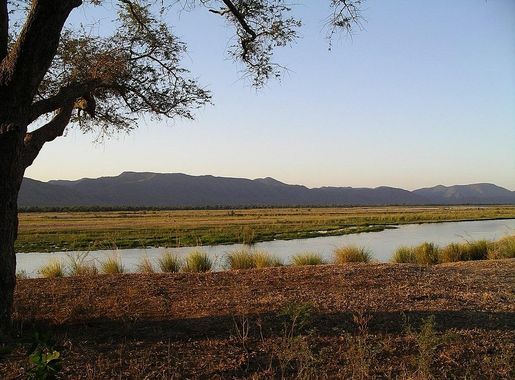
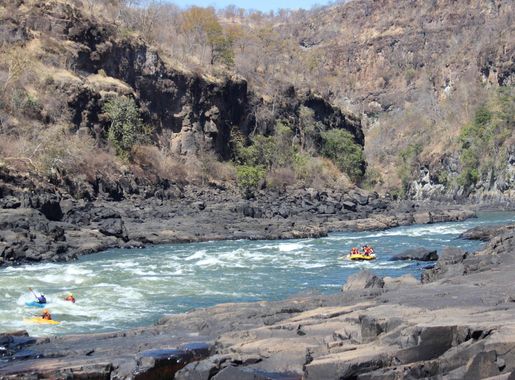
The Zambezi Basin in Zambia is a treasure trove of natural beauty and adventure. This vast region is home to the fourth longest river in Africa, the mighty Zambezi, which carves its way through diverse landscapes and provides a lifeline to the wildlife and communities that inhabit its shores. The river's journey is marked by dramatic waterfalls, rich floodplains, and serene riverine forests, making it a haven for nature lovers and adventure seekers alike. One of the most iconic attractions in the Zambezi Basin is Victoria Falls, known locally as Mosi-oa-Tunya, or 'The Smoke that Thunders'. This UNESCO World Heritage site is one of the largest and most spectacular waterfalls in the world, offering breathtaking views and thrilling activities such as bungee jumping, white-water rafting, and walking safaris. The nearby town of Livingstone serves as a gateway to the falls, providing tourists with a range of accommodation options, from luxury lodges to budget-friendly hostels. Beyond Victoria Falls, the Zambezi Basin offers a wealth of experiences. The Lower Zambezi National Park is a prime spot for wildlife safaris, where visitors can see elephants, lions, and an array of bird species. The park's unique landscape, with its mix of woodland, grassland, and riverbanks, offers excellent opportunities for canoeing and fishing. For those interested in culture, a visit to local villages provides a glimpse into the traditional way of life of the Zambian people, with opportunities to learn about their customs, crafts, and cuisine.