

Lake Kariba, Zambia Travel Guide
Discover the enchanting beauty of Lake Kariba in Zambia, where breathtaking sunsets, abundant wildlife, and serene waters create a perfect escape into nature.
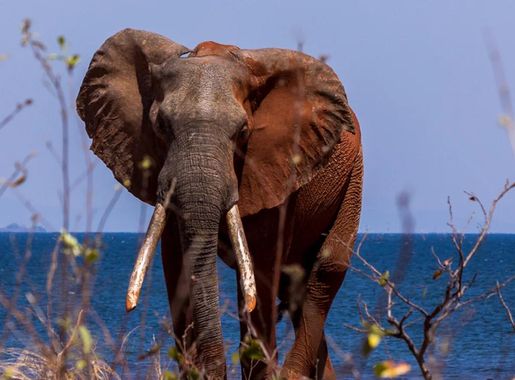
Lake Kariba, stretching between Zambia and Zimbabwe, is the world’s largest man-made lake and reservoir. This stunning body of water is a testament to human ingenuity and nature’s beauty. Created in the late 1950s, it spans over 5,500 square kilometers and offers a plethora of activities for the adventurous traveler. From fishing to boating and wildlife viewing, Lake Kariba is a paradise for nature enthusiasts. One of the highlights of Lake Kariba is its spectacular sunsets. The horizon paints a mesmerizing picture as the sun dips below the water, casting vibrant hues across the sky. The lake is also home to an array of wildlife, including hippos, crocodiles, and a variety of bird species, making it a perfect spot for photographers. Houseboats and lodges along the shoreline provide comfortable accommodations, allowing visitors to fully immerse themselves in the tranquil atmosphere. Local fishing villages around the lake offer a glimpse into the lives of the people who call this area home. Engaging with the local community can provide a deeper understanding of the region's culture and traditions. Additionally, the nearby game reserves and parks, such as Matusadona National Park, add an extra dimension to your visit, where you can experience safari adventures alongside the serene waters of Lake Kariba.

Know before you go
Hi, I'm Eve. Here are a few practical things to know before exploring Lake Kariba.
- Best time to visit is during the dry season from May to October for optimal wildlife viewing and comfortable weather.
- Carry insect repellent, especially during the evening, to protect against mosquitoes.
- Hiring a houseboat is a unique way to explore the lake and enjoy the scenic beauty from the water.
- Engage with local fishing communities to learn about their way of life and support local businesses.
- Ensure you have a good camera with a zoom lens for capturing the diverse wildlife and stunning landscapes.
Explore Lake Kariba: Things to Do, Places to Eat, Hotels & More
Handpicked recommendations for top attractions, local dining, accommodations, and more

Top Attractions & Sightseeing in Lake Kariba
Top-rated picks
Best Attractions

Choma Museum
Explore the cultural treasures of Choma Museum, where history, art, and local traditions come together to tell the story of Zambia's vibrant heritage.

Family Safari - Monze
Experience the thrill of wildlife at Family Safari - Monze, a family-friendly destination showcasing Zambia's stunning natural beauty and diverse fauna.

Kariba, Zimbabwe
Explore the stunning landscapes and vibrant wildlife of Kariba, Zimbabwe, home to the magnificent Lake Kariba and a rich tapestry of local culture.

Bumi Hills Safari Lodge
Discover the luxury and natural beauty of Bumi Hills Safari Lodge, a serene escape in Zimbabwe's stunning Kariba region.

Best landmarks in Lake Kariba
Top-rated picks
Best Landmarks

Victoria Falls
Experience the breathtaking beauty of Victoria Falls, a UNESCO World Heritage site, where nature's majesty meets thrilling adventure.

Mosi-oa-Tunya National Park
Explore Mosi-oa-Tunya National Park, a natural wonder in Zambia known for its diverse wildlife, stunning landscapes, and breathtaking views of the Zambezi River.

A'zambezi River Lodge
Experience the beauty of the Zambezi River at A'zambezi River Lodge, your ultimate retreat near Victoria Falls, Zimbabwe.

Lake Kariba Inns
Experience the serene beauty of Lake Kariba Inns, a perfect retreat for relaxation and adventure with stunning views and local culture.

Best restaurants in Lake Kariba
Top-rated picks
Best Restaurants

The Lookout Cafe - Wild Horizons
Experience breathtaking views and delightful cuisine at The Lookout Cafe in Victoria Falls - your perfect retreat over Batoka Gorge.
A'zambezi River Lodge
A'zambezi River Lodge: Your Gateway to Serenity and Adventure Along the Zambezi River.

Lake Kariba Inns
Discover tranquility at Lake Kariba Inns – your serene escape on the shores of Zambia's breathtaking Lake Kariba.

Lake Safari Lodge
Discover tranquility at Lake Safari Lodge with stunning views over Lake Kariba; perfect for relaxation or exciting outdoor adventures.

Best bars in Lake Kariba
Top-rated picks
Best Bars

Lake Kariba Inns
Experience the tranquility of Lake Kariba Inns, where stunning lake views meet exceptional hospitality in a perfect getaway.

Lake Safari Lodge
Discover the serenity of Lake Safari Lodge, a perfect blend of luxury and adventure on the shores of Lake Kariba.

Caribbea Bay Hotel
Discover the serene beauty of Lake Kariba at Caribbea Bay Hotel, your gateway to adventure and relaxation in Zimbabwe.

Kariba Dam
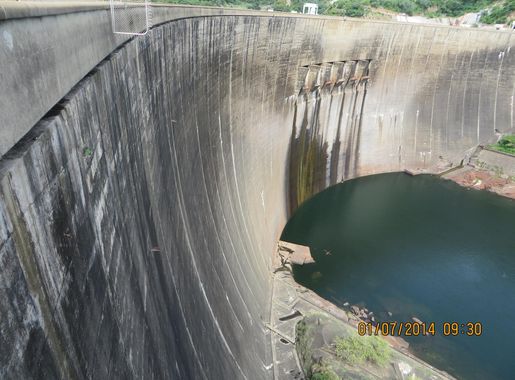
Explore the stunning Kariba Dam, a hydroelectric marvel on the Zambezi River, offering breathtaking views and rich wildlife experiences.

Best nightclubs in Lake Kariba
Top-rated picks
Best Nightclubs

Lake Kariba Inns
Discover the serene beauty of Lake Kariba Inns, a perfect retreat for relaxation and adventure in Siavonga, Zambia.

Caribbea Bay Hotel
Experience the serenity and adventure at Caribbea Bay Hotel, where luxury meets the breathtaking beauty of Lake Kariba in Zimbabwe.

Club Amnesia
Discover the vibrant nightlife of Lusaka at Club Amnesia, where great drinks and lively music create unforgettable memories.

The Old Crow Pub
Experience the vibrant nightlife at The Old Crow Pub in Lusaka, where great drinks and karaoke nights await every visitor.

Best shops in Lake Kariba
Top-rated picks
Best Shops

Lake Kariba Inns
Discover the tranquil beauty and adventure of Lake Kariba Inns, a perfect getaway for families and nature enthusiasts in Siavonga.
Lake Safari Lodge
Discover the serene beauty and adventure at Lake Safari Lodge, your ultimate lakeside getaway in Siavonga, Zambia.

Kariba Dam
Discover the breathtaking Kariba Dam, a stunning hydroelectric power plant and a top tourist attraction in the heart of Southern Africa.
Eagle's Rest Resort
Discover serenity and adventure at Eagle's Rest Resort, your gateway to the stunning landscapes of Siavonga and Lake Kariba.

Explore Lake Kariba on the Map
A handpicked selection of must-see spots in Lake Kariba, mapped for you.
Lake Kariba Essentials
-
Lake Kariba is located on the border between Zambia and Zimbabwe. The nearest major airport on the Zambian side is Kenneth Kaunda International Airport in Lusaka, approximately 400 kilometers away. From Lusaka, you can either take a domestic flight to Kariba Airport, which is closer to the lake, or travel by road. The road journey typically takes around 6 to 8 hours by bus or car. Alternatively, you can reach Lake Kariba via the town of Siavonga, which is a popular access point for the lake.
-
Once at Lake Kariba, transportation options include local taxis, car rentals, and boats. Many lodges and resorts offer boat transfers and tours around the lake. Public buses also operate in the area, connecting major towns like Siavonga. For a more flexible experience, renting a car is advisable, especially if you plan to explore the surrounding areas.
-
The official currency of Zambia is the Zambian Kwacha (ZMW). Credit cards are accepted in most lodges, hotels, and larger restaurants, but it's advisable to carry cash for smaller establishments and local markets. ATMs are available in major towns like Siavonga, but it is wise to withdraw sufficient cash beforehand, as ATMs may not always be reliable.
-
Lake Kariba is generally a safe destination for tourists. However, it is important to take standard precautions. Avoid isolated areas at night and keep an eye on your belongings in crowded places. Certain areas in nearby towns may have higher crime rates, so it is best to stay in well-populated and well-lit areas. Always follow local advice and guidelines for a safer experience.
-
In case of emergency, dial the local emergency number 991 for police assistance. Medical facilities are available in Siavonga and other major towns around the lake. It is highly recommended to have travel insurance that covers medical emergencies. For minor health issues, pharmacies are accessible in larger towns. Always keep a list of emergency contacts and the address of your accommodation.
-
Fashion: Do wear lightweight and comfortable clothing, but avoid overly revealing attire. A hat and sunscreen are essential due to the strong sun. Religion: Do respect local customs and traditions. When visiting religious sites, dress modestly and remove your shoes if required. Public Transport: Do be respectful and courteous to fellow passengers. Don’t be loud or disruptive on public buses. Greetings: Do greet people with a friendly handshake. A smile and a nod are also appreciated. Eating & Drinking: Do try local Zambian dishes and drinks. Don’t refuse food or drink offerings, as it may be considered impolite.
-
To experience Lake Kariba like a local, consider visiting the local markets, where you can buy fresh fish and produce. Engage with the local fishermen and learn about their daily lives. Don’t miss the sunset cruises, which offer stunning views of the lake and its wildlife. Additionally, visiting during a local festival can provide a unique cultural experience.
When is the best time to visit Lake Kariba?
Useful Local Phrases for Lake Kariba
You don't need to speak the language perfectly. Even learning a few simple words can make conversations warmer—and locals usually appreciate the effort.
— Eve

Here are the phrases I use most often in Lake Kariba. Try a few—you'll be surprised how far they go! 😊
❤️
-
- HelloMhoro
[mho-ro] - GoodbyeSara zvakanaka
[sah-rah zva-na-ka-na-ka] - YesEhe
[eh-he] - NoKwete
[kwe-teh] - Please/You’re welcomeNdapota
[n-dah-po-tah] - Thank youNdatenda
[n-dah-ten-dah] - Excuse me/SorryPamusoroi
[pah-moo-soh-roy] - How are you?Wakadini zvako?
[wah-kah-dee-nee zva-koh] - Fine. And you?Zvakanaka. Iwe?
[zva-na-ka-na-ka. ee-weh?] - Do you speak English?Unotaura Chirungu here?
[oo-no-tah-oo-rah chee-roo-ngoo heh-reh] - I don't understandHandinzwisise
[han-dee-nzwi-see-seh]
- HelloMhoro
-
- I’d like to see the menu, pleaseNdinoda kuona menyu, ndapota
[n-dee-no-dah koo-oh-nah men-yoo, n-dah-po-tah] - I don't eat meatHandidye nyama
[han-dee-dye n-yah-mah] - Cheers!Kuwasha!
[koo-wah-shah] - I would like to pay, pleaseNdinoda kubhadhara, ndapota
[n-dee-no-dah koo-bah-dah-rah, n-dah-po-tah]
- I’d like to see the menu, pleaseNdinoda kuona menyu, ndapota
-
- Help!Rubatsiro!
[roo-ba-tsee-ro] - Go away!Enda fuura!
[en-dah foo-rah] - Call the Police!Dai wotumira mapurisa!
[dah-ee wo-too-mee-rah mah-poo-ree-sah] - Call a doctor!Dai wotumira chiremba!
[dah-ee wo-too-mee-rah chee-rem-bah] - I’m lostNdakanganwa
[n-dah-kah-ngah-nah] - I’m illNdakaremara
[n-dah-kah-reh-mah-rah]
- Help!Rubatsiro!
-
- I’d like to buy...Ndinoda kutenga...
[n-dee-no-dah koo-ten-gah] - I’m just lookingNdiri kungotarisa
[n-dee-ree koon-go-tah-ree-sah] - How much is it?Zvakadini?
[zva-kah-dee-nee] - That’s too expensiveIzvo zvakawandisa
[ee-zvo zva-kah-wan-dee-sah] - Can you lower the price?Unogona kudzikisa mutengo here?
[oo-no-go-nah koo-dzee-kee-sah moo-ten-go heh-reh]
- I’d like to buy...Ndinoda kutenga...
-
- What time is it?Ndeipi nguva?
[n-dee-pi n-goo-vah] - It’s one o'clockNdiye imwe
[n-dee-yeh eem-weh] - Half past (10)Hafu kune (10)
[ha-foo koo-neh] - MorningMangwanani
[ma-ngwah-nah-nee] - AfternoonMasikati
[ma-see-kah-tee] - EveningManheru
[ma-nhe-roo] - YesterdayNezuro
[neh-zoo-roh] - TodayNhasi
[n-ha-see] - TomorrowMangwana
[ma-ngwah-nah] - 1Imwe
[eem-weh] - 2Piri
[pee-ree] - 3Tatu
[tah-too] - 4China
[chee-nah] - 5Chishanu
[chee-shah-noo] - 6Chitanhatu
[chee-tahn-hah-too] - 7Chinomwe
[chee-noh-mweh] - 8Chisere
[chee-seh-reh] - 9Chitatu
[chee-tah-too] - 10Gumi
[goo-mee]
- What time is it?Ndeipi nguva?
-
- Where's a/the...?Kupi ...?
[koo-pee] - What's the address?Chikero chii?
[chee-keh-ro chee-ee] - Can you show me (on the map)?Unogona kundi ratidza (pamamepu)?
[oo-no-go-nah koon-dee rah-tee-dzah (pah-mah-meh-poo)] - When's the next (bus)?Ndeipi pendi inotevera?
[n-deh-ee-pee pen-dee ee-no-teh-veh-rah] - A ticket (to ....)Tikiti (ku ...)
[tee-kee-tee (koo ...)]
- Where's a/the...?Kupi ...?
History of Lake Kariba
-
The construction of Kariba Dam began in 1955 and was completed in 1959. This engineering marvel was built on the Zambezi River and created Lake Kariba, one of the world's largest man-made lakes. The dam was constructed to provide hydroelectric power to Zambia and Zimbabwe, significantly boosting the economies of both countries.
-
Before the creation of Lake Kariba, the Tonga people lived in the Zambezi Valley for centuries. The construction of the dam forced the relocation of approximately 57,000 Tonga people. They were moved to less fertile lands and their traditional way of life was disrupted, leading to significant cultural and social changes.
-
Operation Noah was a wildlife rescue operation conducted between 1958 and 1964, led by Rupert Fothergill. As the waters of Lake Kariba began to rise, many animals were stranded on small islands. The operation saved over 6,000 animals, including elephants, rhinos, and antelopes, relocating them to safer areas.
-
Nyaminyami, the river god of the Tonga people, is believed to reside in the Zambezi River. The Tonga people interpret the construction of the Kariba Dam and subsequent flooding as a disruption caused by the anger of Nyaminyami. The legend of Nyaminyami remains a vital part of the local culture and folklore.
-
Lake Kariba has become a major source of hydroelectric power for Zambia and Zimbabwe. The dam generates over 1,300 megawatts of electricity, which has been crucial for industrial development. Additionally, the lake supports a thriving fishing industry and has become a popular tourist destination, contributing to the local economy.
-
Lake Kariba is renowned for its stunning sunsets, diverse wildlife, and recreational opportunities. Tourists flock to the lake for activities such as fishing, boating, and wildlife safaris. The lake's islands and surrounding parks, such as Matusadona National Park, offer unique experiences for nature enthusiasts.
-
Lake Kariba faces several environmental challenges, including fluctuating water levels, sedimentation, and invasive species. These issues impact both the local ecosystem and the livelihoods of communities dependent on the lake. Efforts are being made to address these challenges through various conservation and management initiatives.
Neighbouring Regions of Lake Kariba
The closest regions to Lake Kariba, if you have time for more than one.


Your all‑in‑one travel companion app
Explore expert travel guides, compare and book tours, experiences, hotels, and more—all from the palm of your hand. Download now for seamless trip planning wherever your wanderlust takes you.


Explore More of Zambia

Looking beyond Lake Kariba? Discover Zambia for broader travel guides, local hot-spots, and regional highlights.
Explore ZambiaLake Kariba in Photos
Browse through our photo collection highlighting the charm and character of the destination.






Majestic Waters of Lake Kariba
Lake Kariba, stretching between Zambia and Zimbabwe, is the world’s largest man-made lake and reservoir. This stunning body of water is a testament to human ingenuity and nature’s beauty. Created in the late 1950s, it spans over 5,500 square kilometers and offers a plethora of activities for the adventurous traveler. From fishing to boating and wildlife viewing, Lake Kariba is a paradise for nature enthusiasts. One of the highlights of Lake Kariba is its spectacular sunsets. The horizon paints a mesmerizing picture as the sun dips below the water, casting vibrant hues across the sky. The lake is also home to an array of wildlife, including hippos, crocodiles, and a variety of bird species, making it a perfect spot for photographers. Houseboats and lodges along the shoreline provide comfortable accommodations, allowing visitors to fully immerse themselves in the tranquil atmosphere. Local fishing villages around the lake offer a glimpse into the lives of the people who call this area home. Engaging with the local community can provide a deeper understanding of the region's culture and traditions. Additionally, the nearby game reserves and parks, such as Matusadona National Park, add an extra dimension to your visit, where you can experience safari adventures alongside the serene waters of Lake Kariba.