

Liuwa Plain, Zambia Travel Guide
Discover Liuwa Plain National Park, Zambia's hidden gem known for its vast grasslands, diverse wildlife, and the spectacular annual wildebeest migration.
Liuwa Plain National Park is one of Zambia's best-kept secrets. This untouched wilderness is located in the western part of the country and offers an authentic safari experience. Here, vast grasslands stretch as far as the eye can see, providing a home for an incredible array of wildlife. The park is famous for its annual wildebeest migration, the second largest in Africa, where thousands of these majestic animals traverse the plains in search of fresh grazing grounds. This natural spectacle is a sight to behold and draws nature enthusiasts from around the world. The park is not just about wildebeest; it is also home to a variety of other species, including lions, cheetahs, hyenas, and a myriad of bird species. One of the park's most iconic residents was Lady Liuwa, a lone lioness who became a symbol of resilience and survival. Although she has passed, her legacy lives on, and her story adds a poignant touch to the Liuwa experience. Bird watchers will also find paradise here, with over 300 bird species recorded in the park. Liuwa Plain is a remote destination, which means fewer tourists and a more intimate experience with nature. The park's isolation ensures that it remains a pristine environment where wildlife can thrive. Visitors can explore the plains through guided game drives, walking safaris, and even hot air balloon rides, offering different perspectives of this stunning landscape. For those seeking a truly immersive experience, camping under the African sky is an option, providing a unique opportunity to connect with the wild in a way that few other places can offer.

Know before you go
Hi, I'm Eve. Here are a few practical things to know before exploring Liuwa Plain.
- Visit between October and December to witness the wildebeest migration.
- Pack light and breathable clothing for the hot days and a warm jacket for the cool nights.
- Bring binoculars and a good camera with a zoom lens to capture the wildlife.
- Consider booking a guided tour for a more informative and safe experience.
- Stay hydrated and use sunscreen to protect yourself from the sun.
Destinations in Liuwa Plain
Resorts, valleys and scenic spots worth a trip of their own.

Explore Liuwa Plain: Things to Do, Places to Eat, Hotels & More
Handpicked recommendations for top attractions, local dining, accommodations, and more

Top Attractions & Sightseeing in Liuwa Plain


Best restaurants in Liuwa Plain
Top-rated picks
Best Restaurants

3 Trees Cafe
Experience the vibrant culinary scene at 3 Trees Cafe in Lusaka, where local flavors meet cozy ambiance for an unforgettable dining experience.

Hungry Lion Kabwe
Discover delicious fried chicken and fast food delights at Hungry Lion Kabwe - where flavor meets convenience.

Lilayi Lodge
Discover tranquility at Lilayi Lodge – your gateway to luxury accommodations and unforgettable wildlife experiences in Zambia.

Cafe Choconilla
Discover the delightful tastes of Zambia at Café Choconilla - where every bite tells a story.

Best bars in Liuwa Plain
Top-rated picks
Best Bars

Limpo's PUB & Grill
Discover the lively spirit of Livingstone at Limpo's PUB & Grill, where delicious food meets vibrant entertainment for an unforgettable experience.

The Old Crow Pub
Experience the vibrant nightlife of Lusaka at The Old Crow Pub, where local culture meets lively entertainment in a welcoming atmosphere.

Champs VIP lounge
Experience the vibrant nightlife at Champs VIP Lounge in Lusaka, where great music and refreshing drinks create unforgettable memories.

Wooden Cabin Pub & Grill
Discover the Wooden Cabin Pub & Grill: A barbecue haven in Lusaka offering delicious flavors and a cozy atmosphere.

Best nightclubs in Liuwa Plain
Top-rated picks
Best Nightclubs

East Point
Discover the vibrant atmosphere and electrifying music scene at East Point, Lusaka's premier disco club for an unforgettable night out.

The Old Crow Pub
Discover vibrant nightlife at The Old Crow Pub in Lusaka, where unique decor and karaoke nights create an unforgettable experience.

Liuwa Plain National Park
Experience the awe-inspiring wildlife and stunning landscapes of Liuwa Plain National Park, a hidden gem in Zambia's rich natural heritage.

Shawl's Nights Bar
Discover the lively atmosphere and local flavors at Shawl's Nights Bar, a must-visit hotspot in Lusaka's vibrant nightlife.

Best shops in Liuwa Plain
Top-rated picks
Best Shops

Levy Junction Shopping Mall
Discover a vibrant shopping experience at Levy Junction Shopping Mall in Lusaka, featuring diverse shops, dining options, and entertainment for all.

Arcades Shopping Mall
Discover shopping, dining, and entertainment at Arcades Shopping Mall in Lusaka, the heart of Zambia's vibrant retail scene.

YELLOW SHOP
Explore local flavors and everyday essentials at Yellow Shop, a charming supermarket in Kamwala, South Zambia.

Liuwa Plain National Park
Explore the breathtaking landscapes and diverse wildlife of Liuwa Plain National Park in Zambia, a true haven for nature lovers and adventure seekers.

Explore Liuwa Plain on the Map
A handpicked selection of must-see spots in Liuwa Plain, mapped for you.
Liuwa Plain Essentials
-
Liuwa Plain National Park is situated in the western part of Zambia. The closest major city is Lusaka, the capital of Zambia. From Lusaka, you can take a domestic flight to Kalabo, which is the nearest town to Liuwa Plain. Kalabo is approximately 30 kilometers from the park's entrance. Alternatively, you can drive from Lusaka to Kalabo, a journey that takes about 10-12 hours, depending on road conditions. Be prepared for some rough terrain, especially during the rainy season.
-
Within Liuwa Plain National Park, the primary mode of transportation is 4x4 vehicles due to the rugged terrain. Self-driving is an option, but it is recommended to hire a local guide who is familiar with the area. In Kalabo, you can find local taxis and car hire services. There are also seasonal boat services that can be used to navigate some of the waterways in and around the park.
-
The official currency in Zambia is the Zambian Kwacha (ZMW). Credit cards are not widely accepted in remote areas like Liuwa Plain, so it is advisable to carry sufficient cash. There are a few ATMs in Kalabo, but they can be unreliable, so it's best to withdraw cash in Lusaka before traveling. Some lodges and camps may accept payment in US dollars.
-
Liuwa Plain is generally safe for tourists. However, it is important to follow park guidelines and stay within designated areas to avoid encounters with wildlife. There are no specific high-crime areas targeting tourists, but standard precautions should be taken. Avoid traveling alone at night, keep valuables secure, and be aware of your surroundings. Always inform your lodge or guide of your travel plans.
-
In case of emergency, contact the local authorities or your lodge immediately. The emergency number in Zambia is 999. There are basic medical facilities in Kalabo, but for serious medical emergencies, evacuation to Lusaka or another major city may be necessary. It is highly recommended to have comprehensive travel insurance that includes medical evacuation coverage.
-
Fashion: Do wear lightweight, breathable clothing and sturdy footwear. Avoid bright colors that may attract insects or disturb wildlife. Religion: Do respect local customs and traditions. While Liuwa Plain is not a religious site, be mindful when interacting with local communities. Public Transport: Do be prepared for long journeys and rough roads. Don’t expect punctuality. Greetings: Do greet people with a friendly 'Muli bwanji' (How are you?). A handshake is also common. Eating & Drinking: Do try local dishes if offered. Don’t drink tap water; always use bottled or purified water.
-
To experience Liuwa Plain like a local, visit during the annual wildebeest migration, which is one of the park’s highlights. Engage with local guides who can provide insights into the area's rich history and culture. Participate in community tours to learn about the traditions and way of life of the Lozi people. Don't miss the chance to taste local cuisine, such as nshima (a maize-based staple) and fresh fish from the Zambezi River.
When is the best time to visit Liuwa Plain?
Useful Local Phrases for Liuwa Plain
You don't need to speak the language perfectly. Even learning a few simple words can make conversations warmer—and locals usually appreciate the effort.
— Eve

Here are the phrases I use most often in Liuwa Plain. Try a few—you'll be surprised how far they go! 😊
❤️
-
- HelloShani
[sha-nee] - GoodbyeTwapapata
[twa-pa-pa-ta] - YesEya
[eh-yah] - NoAwe
[ah-weh] - Please/You're welcomeNshakafunda
[n-sha-ka-fun-da] - Thank youNatotela
[na-to-te-la] - Excuse me/SorryNshakufwa
[n-sha-ku-fwa] - How are you?Muli shani?
[moo-lee sha-nee] - Fine. And you?Ndi bwino. Nanu shani?
[n-dee bwee-no. na-nu sha-nee] - Do you speak English?Ulye muingilish?
[ool-yeh moo-een-gil-ish] - I don't understandNdisakufwa
[n-dee-sa-ku-fwa]
- HelloShani
-
- I'd like to see the menu, pleaseNshakafuna kuona menu, nshakafunda
[n-sha-ka-fu-na koo-na me-nu, n-sha-ka-fun-da] - I don't eat meatNdisakudya nyama
[n-dee-sa-ku-dya nya-ma] - Cheers!Nshakafunda!
[n-sha-ka-fun-da] - I would like to pay, pleaseNshakafuna kulipila, nshakafunda
[n-sha-ka-fu-na koo-lee-pee-la, n-sha-ka-fun-da]
- I'd like to see the menu, pleaseNshakafuna kuona menu, nshakafunda
-
- Help!Chonde!
[chon-de] - Go away!Tepela!
[te-pe-la] - Call the Police!Fonani Police!
[fo-na-ni po-lees] - Call a doctor!Fonani daktari!
[fo-na-ni da-ka-ta-ri] - I'm lostNdi chibwana
[n-dee chee-bwa-na] - I'm illNdi mulwele
[n-dee mul-we-le]
- Help!Chonde!
-
- I'd like to buy...Nshakafuna kutenga...
[n-sha-ka-fu-na koo-ten-ga] - I'm just lookingNdi bwino kuonera
[n-dee bwee-no koo-o-ne-ra] - How much is it?Nifipi?
[nee-fee-pee] - That's too expensiveIyi ni yakukonda
[ee-yee nee ya-ku-kon-da] - Can you lower the price?Unga chita shinga?
[oon-ga chee-ta sheen-ga]
- I'd like to buy...Nshakafuna kutenga...
-
- What time is it?Nifipi na chalo?
[nee-fee-pee na cha-lo] - It's one o'clockNimwene chalo
[nee-mwe-ne cha-lo] - Half past (10)Chimwene na (10)
[chee-mwe-ne na (10)] - MorningMawa
[ma-wa] - AfternoonMasana
[ma-sa-na] - EveningManja
[man-ja] - YesterdayLelo
[le-lo] - TodayLelo
[le-lo] - TomorrowKale
[ka-le] - 1Imwe
[eem-we] - 2Ibi
[ee-bee] - 3Ikatatu
[ee-ka-ta-tu] - 4Ine
[ee-ne] - 5Ishanu
[ee-sha-nu] - 6Ishano
[ee-sha-no] - 7Ichibiri
[ee-chee-bee-ree] - 8Ichisatu
[ee-chee-sa-tu] - 9Ichitatu
[ee-chee-ta-tu] - 10Icikumi
[ee-chee-ku-mi]
- What time is it?Nifipi na chalo?
-
- Where's a/the...?Kuli kuti...?
[koo-lee koo-tee] - What's the address?Nifipi na adiresi?
[nee-fee-pee na a-dee-re-see] - Can you show me (on the map)?Unga nshowa (pa map)?
[oon-ga n-show-a (pa map)] - When's the next (bus)?Nifipi na bus yandi?
[nee-fee-pee na bus yan-dee] - A ticket (to ....)Chitiki (ku ....)
[chee-ti-kee (koo ....)]
- Where's a/the...?Kuli kuti...?
History of Liuwa Plain
-
Liuwa Plain has been home to various indigenous tribes for centuries, including the Lozi people. The Lozi, known for their rich cultural heritage and traditional governance system, have lived in harmony with the land and its wildlife. Their deep knowledge of the environment and sustainable living practices have significantly shaped the region's history.
-
Liuwa Plain is part of the larger Barotse Floodplain, which is a vital ecological and cultural landscape. Historically, the annual flooding of the Zambezi River created a fertile environment that supported agriculture and fishing, which were central to the local economy and way of life. The Lozi people developed a unique adaptation to these seasonal changes, including the construction of traditional stilted homes.
-
The arrival of European explorers and colonial administrators in the 19th century brought significant changes to Liuwa Plain. Figures such as David Livingstone documented the region, attracting global attention. Colonial rule introduced new administrative systems and altered traditional land use and governance, impacting the indigenous way of life.
-
Liuwa Plain was designated a national park in 1972, primarily to protect its unique ecosystem and diverse wildlife. The park's establishment was a milestone in conservation efforts, aiming to preserve the region's natural beauty and biodiversity. This move also sought to boost eco-tourism and provide economic benefits to local communities.
-
In 2003, African Parks, a conservation NGO, took over the management of Liuwa Plain National Park. They have been instrumental in restoring the park's wildlife populations, including the reintroduction of species such as cheetahs and lions. Their efforts focus on sustainable conservation practices, community involvement, and enhancing the park's global reputation as a premier wildlife destination.
-
Liuwa Plain is renowned for its annual wildebeest migration, the second largest in Africa. This natural spectacle sees thousands of wildebeest, along with zebras and other herbivores, traverse the plains in search of fresh grazing grounds. The migration is not only a critical ecological event but also a cultural highlight, drawing visitors from around the world.
-
Liuwa Plain is a vibrant cultural hub where traditional festivals and ceremonies play a significant role. One notable event is the Kuomboka festival, celebrated by the Lozi people to mark the end of the rainy season and the move of the Litunga (king) from the flooded plains to higher ground. This festival showcases traditional music, dance, and customs, offering a glimpse into the rich cultural tapestry of the region.
Neighbouring Regions of Liuwa Plain
The closest regions to Liuwa Plain, if you have time for more than one.




Your all‑in‑one travel companion app
Explore expert travel guides, compare and book tours, experiences, hotels, and more—all from the palm of your hand. Download now for seamless trip planning wherever your wanderlust takes you.


Explore More of Zambia

Looking beyond Liuwa Plain? Discover Zambia for broader travel guides, local hot-spots, and regional highlights.
Explore ZambiaLiuwa Plain in Photos
Browse through our photo collection highlighting the charm and character of the destination.





Liuwa Plain: Zambia's Untamed Wilderness
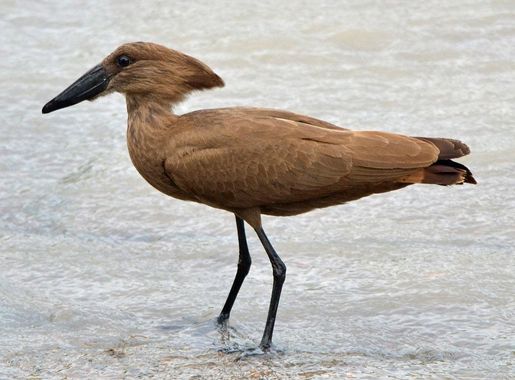
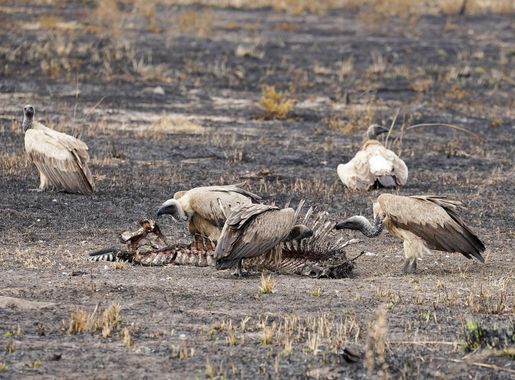
Liuwa Plain National Park is one of Zambia's best-kept secrets. This untouched wilderness is located in the western part of the country and offers an authentic safari experience. Here, vast grasslands stretch as far as the eye can see, providing a home for an incredible array of wildlife. The park is famous for its annual wildebeest migration, the second largest in Africa, where thousands of these majestic animals traverse the plains in search of fresh grazing grounds. This natural spectacle is a sight to behold and draws nature enthusiasts from around the world. The park is not just about wildebeest; it is also home to a variety of other species, including lions, cheetahs, hyenas, and a myriad of bird species. One of the park's most iconic residents was Lady Liuwa, a lone lioness who became a symbol of resilience and survival. Although she has passed, her legacy lives on, and her story adds a poignant touch to the Liuwa experience. Bird watchers will also find paradise here, with over 300 bird species recorded in the park. Liuwa Plain is a remote destination, which means fewer tourists and a more intimate experience with nature. The park's isolation ensures that it remains a pristine environment where wildlife can thrive. Visitors can explore the plains through guided game drives, walking safaris, and even hot air balloon rides, offering different perspectives of this stunning landscape. For those seeking a truly immersive experience, camping under the African sky is an option, providing a unique opportunity to connect with the wild in a way that few other places can offer.