

Barotseland, Zambia Travel Guide
Explore Barotseland in Zambia, a land of vibrant culture, stunning natural beauty, and fascinating history. Discover the heart of the Lozi kingdom and its unique traditions.
Barotseland, located in the western part of Zambia, is a region known for its rich cultural heritage and breathtaking landscapes. The Lozi people, who inhabit this area, have a unique way of life deeply rooted in tradition and history. The most famous cultural event in Barotseland is the Kuomboka Ceremony, a vibrant festival marking the annual movement of the Lozi king from the floodplains to higher ground. This spectacular event is a must-see for anyone visiting the region. Nature lovers will find Barotseland a paradise with its diverse ecosystems. The Zambezi River, one of Africa's longest rivers, flows majestically through the region, offering opportunities for fishing, boating, and wildlife viewing. The Liuwa Plain National Park, known for its stunning wildebeest migration and birdlife, provides a unique safari experience away from the more crowded tourist spots. Barotseland is also a place of historical significance, with many ancient structures and relics that tell the story of the Lozi kingdom. Visitors can explore traditional villages, meet local artisans, and learn about the region's history and customs. Whether you're interested in culture, nature, or history, Barotseland offers a rich and varied experience that will leave a lasting impression.

Know before you go
Hi, I'm Eve. Here are a few practical things to know before exploring Barotseland.
- Visit during the Kuomboka Ceremony to experience the most vibrant cultural event of the Lozi people.
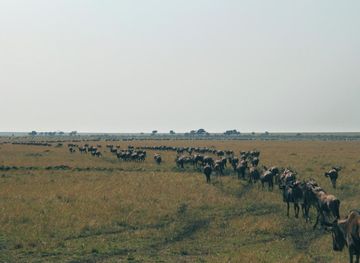
- Bring binoculars for bird watching in the Liuwa Plain National Park, especially during the wildebeest migration.
- Respect local customs and traditions; always ask for permission before taking photos of people.
- Hire a local guide to gain deeper insights into the history and culture of Barotseland.
- Pack light, breathable clothing as temperatures can be high, especially during the dry season.
Top City Travel Guides in Barotseland
The cities of Barotseland, and the easiest places to base yourself.


Destinations in Barotseland
Resorts, valleys and scenic spots worth a trip of their own.


Explore Barotseland: Things to Do, Places to Eat, Hotels & More
Handpicked recommendations for top attractions, local dining, accommodations, and more

Top Attractions & Sightseeing in Barotseland
Top-rated picks
Best Attractions

Soweto Market
Experience the heart of Lusaka at Soweto Market, where culture, cuisine, and craftsmanship come alive in a vibrant marketplace.

Trade Fair Grounds
Discover the vibrant culture and lively atmosphere of the Trade Fair Grounds in Ndola, a must-visit destination for every traveler.

Livingstone Crocodile Park
Experience the thrill of nature at Livingstone Crocodile Park, home to majestic crocodiles and diverse wildlife in Zambia's picturesque Livingstone.

Dola Hill Lying Dragon Game Centre
Discover endless fun at Dola Hill Lying Dragon Game Centre in Ndola, where families create unforgettable memories with exciting games and attractions.

Best landmarks in Barotseland
Top-rated picks
Best Landmarks

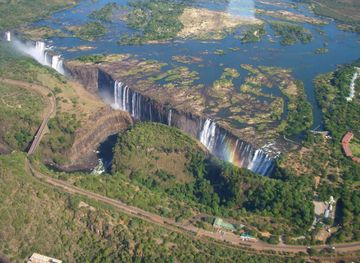
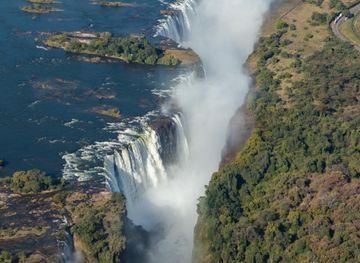
Victoria Falls
Explore the stunning Victoria Falls, a UNESCO World Heritage Site, and immerse yourself in nature's grandeur and thrilling adventures.
Livingstone Museum
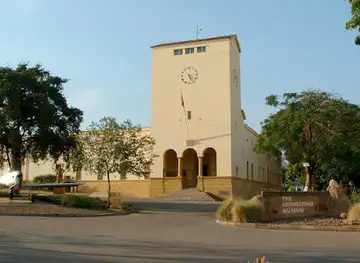
Explore Zambia's history at Livingstone Museum, the largest museum showcasing artifacts that narrate the journey from ancient times to modernity in Livingstone.

Lower Zambezi National Park
Experience the breathtaking landscapes and diverse wildlife at Lower Zambezi National Park, a premier destination for adventure and tranquility in Zambia.

Lake Chila Lodge
Experience the serene beauty and local culture at Lake Chila Lodge, your perfect retreat in Mbala, Zambia.

Best restaurants in Barotseland
Top-rated picks
Best Restaurants

3 Trees Cafe
Discover the flavors of Zambia at 3 Trees Cafe in Lusaka - where delicious cuisine meets inviting ambiance.

Marlin Restaurant
Discover culinary excellence at Marlin Restaurant in Lusaka - where every steak is a masterpiece.
Lilayi Lodge
Experience culinary excellence at Lilayi Lodge - where fine dining meets nature's beauty in Zambia's serene landscapes.

Nando's Ndola
Experience the essence of South African cuisine at Nando's Ndola with flame-grilled peri-peri chicken and family-friendly ambiance.

Best bars in Barotseland
Top-rated picks
Best Bars

Hungry Lion Barotse Mall
Discover the best fried chicken in Mongu at Hungry Lion Barotse Mall, where flavor meets convenience for an unforgettable dining experience.

Beluga Pub
Experience the vibrant nightlife at Beluga Pub in Lusaka, where great drinks, live music, and delicious food come together for an unforgettable evening.

Barotse Tarven
Experience the vibrant culture of Mazabuka at Barotse Tavern, where local drinks and warm hospitality await you.
Barotse Night Club
Discover the lively nightlife of Sesheke at Barotse Night Club, where music, dancing, and local culture come together for an unforgettable experience.

Best nightclubs in Barotseland
Top-rated picks
Best Nightclubs

East Point
Discover the vibrant nightlife of Lusaka at East Point, a premier disco club where music, dance, and fun unite in an unforgettable experience.

Kabs Mall
Discover the vibrant nightlife at Kabs Mall, Lusaka's premier disco club offering a lively atmosphere and a diverse drink selection for an unforgettable experience.

B Club
Experience Lusaka's vibrant nightlife at B Club, a premier disco spot known for its electrifying atmosphere and diverse music selection.

Chez Ntemba
Discover Lusaka's nightlife at Chez Ntemba, where vibrant music and lively crowds create an unforgettable clubbing experience.

Best shops in Barotseland
Top-rated picks
Best Shops

Levy Junction Shopping Mall
Explore Levy Junction Shopping Mall in Lusaka for a vibrant shopping experience, featuring local and international brands, dining, and entertainment.

Manda Hill Shopping Mall
Explore the vibrant Manda Hill Shopping Mall in Lusaka, where shopping, dining, and entertainment unite for an unforgettable experience.

Arcades Shopping Mall
Explore Arcades Shopping Mall: Lusaka's vibrant shopping destination with diverse stores, delightful eateries, and family-friendly entertainment.

Lewanika Mall
Experience the essence of Lusaka at Lewanika Mall, where shopping, dining, and entertainment come together in a vibrant atmosphere.

Explore Barotseland on the Map
A handpicked selection of must-see spots in Barotseland, mapped for you.
Barotseland Essentials
-
Barotseland is located in the western part of Zambia. The nearest major airport is Harry Mwanga Nkumbula International Airport in Livingstone. From Livingstone, you can take a domestic flight to Mongu, the capital of Barotseland. Alternatively, you can travel by road; the journey from Lusaka to Mongu by bus or car takes approximately 8-10 hours. For a more scenic route, consider taking a boat along the Zambezi River.
-
Within Barotseland, the most common forms of transportation are buses, minibuses, and taxis. Buses and minibuses connect major towns and villages but can be crowded and sometimes unreliable. Taxis are more comfortable and can be hired for both short distances and day trips. For a unique experience, consider hiring a local guide to navigate the region's waterways by canoe or traditional mokoro.
-
The official currency of Zambia is the Zambian Kwacha (ZMW). Credit cards are accepted in some hotels, restaurants, and larger shops, but it is advisable to carry cash, especially in rural areas. ATMs are available in major towns such as Mongu, but it is wise to withdraw sufficient cash before traveling to more remote areas. Always check for currency exchange rates and fees before making transactions.
-
Barotseland is generally a safe destination for tourists. However, it is important to take standard precautions, such as avoiding walking alone at night and keeping an eye on your belongings in crowded places. Some areas in Mongu and other larger towns may have higher crime rates, particularly pickpocketing and petty theft. Always be vigilant and aware of your surroundings.
-
In case of emergency, dial 999 for immediate assistance. The local police station and medical facilities are available in Mongu and other major towns. It is highly recommended to have travel insurance that covers medical emergencies and evacuation. For minor health issues, there are pharmacies in major towns where you can purchase over-the-counter medications.
-
Fashion: Do dress modestly, especially when visiting villages and traditional ceremonies. Avoid wearing revealing clothing. Religion: Do respect local customs and traditions. Always ask for permission before taking photos during religious or cultural events. Public Transport: Do be respectful and give up your seat to elderly passengers. Don't eat or drink on public transport. Greetings: Do greet people with a handshake and a smile. It is also polite to ask about someone's well-being before engaging in conversation. Eating & Drinking: Do try local delicacies and accept food offerings graciously. Don't refuse hospitality, as it is considered impolite.
-
To experience Barotseland like a local, visit the local markets where you can buy fresh produce and traditional crafts. Engage with locals, who are often friendly and willing to share stories about their culture and traditions. Don't miss the Kuomboka Ceremony, an annual event marking the movement of the Lozi king from the floodplain to higher ground. For a unique experience, explore the region's waterways by traditional mokoro and visit the Liuwa Plain National Park for wildlife viewing.
When is the best time to visit Barotseland?
Useful Local Phrases for Barotseland
You don't need to speak the language perfectly. Even learning a few simple words can make conversations warmer—and locals usually appreciate the effort.
— Eve

Here are the phrases I use most often in Barotseland. Try a few—you'll be surprised how far they go! 😊
❤️
-
- HelloShani
[sha-nee] - GoodbyeTwalumba
[twa-lum-ba] - YesEe
[ee] - NoAwe
[a-we] - Please/You're welcomeNshikamo
[nshi-ka-mo] - Thank youNatotela
[na-to-te-la] - Excuse me/SorryNshindika
[nshi-ndi-ka] - How are you?Wabuka bwanji?
[wa-bu-ka bwan-ji] - Fine. And you?Nandi bwino. Naye iwe?
[nan-di bwi-no. na-ye ee-we] - Do you speak English?Ulibe na chingeleshi?
[u-li-be na chin-ge-leshi] - I don't understandNdefwaya
[n-de-fwa-ya]
- HelloShani
-
- I'd like to see the menu, pleaseNingalanga kuti ndileke menu, nshikamo
[nin-ga-lan-ga ku-ti n-di-le-ke me-nu, nshi-ka-mo] - I don't eat meatNdefwaya nyama
[n-de-fwa-ya n-ya-ma] - Cheers!Kuwanga!
[ku-wan-ga] - I would like to pay, pleaseNingalanga kuti ndileke kubwila, nshikamo
[nin-ga-lan-ga ku-ti n-di-le-ke ku-bwi-la, nshi-ka-mo]
- I'd like to see the menu, pleaseNingalanga kuti ndileke menu, nshikamo
-
- Help!Chindika!
[chin-di-ka] - Go away!Twalilako!
[twa-li-la-ko] - Call the Police!Fumya mapolisi!
[fu-mya ma-po-li-si] - Call a doctor!Fumya ch doctor!
[fu-mya chi-doc-tor] - I'm lostNdiikala kuli
[ndi-i-ka-la ku-li] - I'm illNdiikala bwino
[ndi-i-ka-la bwi-no]
- Help!Chindika!
-
- I'd like to buy...Ningalanga kuti ndikate...
[nin-ga-lan-ga ku-ti n-di-ka-te] - I'm just lookingNdikufuna kuwona
[n-di-ku-fu-na ku-wo-na] - How much is it?Ili na chingani?
[i-li na chin-ga-ni] - That's too expensiveIli na chingani chikulu
[i-li na chin-ga-ni chi-ku-lu] - Can you lower the price?Ulitontonkanya mutengo?
[u-li-ton-ton-kanya mu-ten-go]
- I'd like to buy...Ningalanga kuti ndikate...
-
- What time is it?Nangu mulili wanji?
[nan-gu mu-li-li wan-ji] - It's one o'clockNangula chisanga chimo
[nan-gu-la chi-sanga chi-mo] - Half past (10)Chisanga chimo chali na fufu
[chi-sanga chi-mo cha-li na fu-fu] - MorningMuli
[mu-li] - AfternoonMuli wa chenda
[mu-li wa chen-da] - EveningMuli wa nyali
[mu-li wa nya-li] - YesterdayLelo lishili
[le-lo li-shi-li] - TodayLelo
[le-lo] - TomorrowLelo lishili
[le-lo li-shi-li] - 1Mung'anda
[mun-g'an-da] - 2Mabili
[ma-bi-li] - 3Matu
[ma-tu] - 4Mine
[mi-ne] - 5Tano
[ta-no] - 6Tandi
[tan-di] - 7Chisambo
[chi-sam-bo] - 8Chisumo
[chi-su-mo] - 9Chitatu
[chi-ta-tu] - 10Kumi
[ku-mi]
- What time is it?Nangu mulili wanji?
-
- Where's a/the...?Kuli na...?
[ku-li na] - What's the address?Nangu mulili wa kuli?
[nan-gu mu-li-li wa ku-li] - Can you show me (on the map)?Ulitontonkanya ku map?
[u-li-ton-ton-kanya ku map] - When's the next (bus)?Nangula bus ijo?
[nan-gu-la bus i-jo] - A ticket (to ....)Ticket (ku ...)
[ti-ket (ku ...)]
- Where's a/the...?Kuli na...?
History of Barotseland
-
Barotseland, historically known as Bulozi or Lyondo, has been the homeland of the Lozi people since the 16th century. According to oral traditions, the Lozi kingdom was founded by the legendary leader, Mwambwa, and later consolidated by her son, Mboo, who established the first centralized administration.
-
In the early 19th century, Barotseland faced a significant upheaval when the Kololo people, led by Sebetwane, invaded the region. The Kololo dominated Barotseland for nearly three decades, introducing their language and culture, which greatly influenced the Lozi. This period ended when the Lozi, under the leadership of Lewanika, successfully reclaimed their territory.
-
King Lewanika, who ruled from 1878 to 1916 with a brief interruption, is considered one of Barotseland's most influential figures. He sought to modernize the kingdom by establishing formal relations with European powers. Lewanika’s diplomatic efforts led to the signing of treaties with the British South Africa Company, which ultimately placed Barotseland under British protection in the early 20th century.
-
From 1900, Barotseland became a British Protectorate, which allowed it to retain a degree of autonomy under the oversight of the British colonial administration. During this period, Barotseland maintained its traditional structures and customs, while also integrating some aspects of Western governance and education.
-
Upon Zambia’s independence in 1964, Barotseland was incorporated into the newly formed nation under the Barotseland Agreement 1964. This agreement promised to uphold Barotseland's autonomy within Zambia, but tensions arose over its implementation. The region’s quest for greater autonomy has remained a significant aspect of its political landscape.
-
Barotseland is renowned for its rich cultural heritage, most notably the Kuomboka ceremony. This annual event marks the movement of the Lozi King, or Litunga, from the floodplains to higher ground. The ceremony is a vibrant display of traditional music, dance, and color, attracting visitors from all over the world. Additionally, the Lozi people are known for their intricate handicrafts, including basketry and beadwork.
-
Today, Barotseland is a blend of traditional and modern influences. While preserving their cultural identity, the people of Barotseland are also part of Zambia's broader economic and social framework. The region is known for its hospitality, scenic landscapes, and significant historical landmarks, making it a fascinating destination for travelers interested in both history and culture.
Neighbouring Regions of Barotseland
The closest regions to Barotseland, if you have time for more than one.



Your all‑in‑one travel companion app
Explore expert travel guides, compare and book tours, experiences, hotels, and more—all from the palm of your hand. Download now for seamless trip planning wherever your wanderlust takes you.


Explore More of Zambia

Looking beyond Barotseland? Discover Zambia for broader travel guides, local hot-spots, and regional highlights.
Explore ZambiaBarotseland in Photos
Browse through our photo collection highlighting the charm and character of the destination.


Barotseland: The Heart of Zambian Culture and Nature
Barotseland, located in the western part of Zambia, is a region known for its rich cultural heritage and breathtaking landscapes. The Lozi people, who inhabit this area, have a unique way of life deeply rooted in tradition and history. The most famous cultural event in Barotseland is the Kuomboka Ceremony, a vibrant festival marking the annual movement of the Lozi king from the floodplains to higher ground. This spectacular event is a must-see for anyone visiting the region. Nature lovers will find Barotseland a paradise with its diverse ecosystems. The Zambezi River, one of Africa's longest rivers, flows majestically through the region, offering opportunities for fishing, boating, and wildlife viewing. The Liuwa Plain National Park, known for its stunning wildebeest migration and birdlife, provides a unique safari experience away from the more crowded tourist spots. Barotseland is also a place of historical significance, with many ancient structures and relics that tell the story of the Lozi kingdom. Visitors can explore traditional villages, meet local artisans, and learn about the region's history and customs. Whether you're interested in culture, nature, or history, Barotseland offers a rich and varied experience that will leave a lasting impression.