

Free Western Province Travel Guide & Mobile App
Explore Western Province with free travel guides. Discover regional history, expert tips, proposed trips, and audio guides on web or mobile app.


Explore Western Province’s Zambezi waterways, Lozi heritage, seasonal floodplains, Liuwa Plain wildlife and remote south-western landscapes.
Read more about Western Province
When is the best time to visit Western Province?
Best: June–August · 26–28°C| Month | High (°C) | Rainfall (mm) |
|---|---|---|
| January | 30 | 150 |
| February | 30 | 130 |
| March | 30 | 120 |
| April | 30 | 90 |
| May | 28 | 40 |
| June (best) | 26 | 10 |
| July (best) | 26 | 5 |
| August (best) | 28 | 15 |
| September | 31 | 30 |
| October | 32 | 50 |
| November | 32 | 90 |
| December | 31 | 130 |
Getting to and around Western Province
How to get there
Transportation
Top city travel guides in Western Province
The cities of Western Province, and the easiest places to base yourself.
-

-

-


Swipe for more cities
Destinations in Western Province
Resorts, valleys and scenic spots worth a trip of their own.
-

-
-

-


Swipe for more destinations
Best attractions in Western Province
Western Province’s attractions are defined by landscape and living culture as much as by built monuments. Mongu provides access to the Barotse Floodplain, local markets, Zambezi-related activities and introductions to Lozi history, while the annual Kuomboka ceremony offers an important cultural context when it takes place. Liuwa Plain National Park is the province’s best-known wildlife destination, with open grasslands, seasonal wetlands and large concentrations of wildebeest at certain times of year; its remote setting requires careful planning. In the south-west, Sioma and the Zambezi corridor offer river experiences, birdwatching and access to the rapids of Ngonye Falls. Sioma Ngwezi National Park presents a much less developed wilderness experience, with broad woodland and open country near Zambia’s western frontier. Fishing communities, floodplain scenery and guided canoe or boat excursions provide insight into how people live with seasonal water. The province is best suited to travellers interested in conservation, cultural landscapes, photography, birdlife and slow overland journeys rather than a dense sequence of conventional attractions.
-
Wildlife rescue service
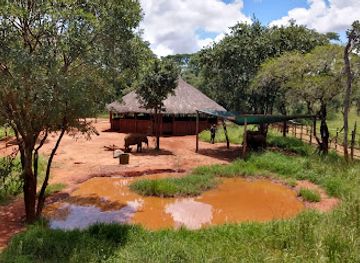
Elephant Orphanage Project (Game Rangers International)
Experience the magic of the Elephant Orphanage Project in Lusaka, where rescued elephants receive love, care, and a second chance at life.
-
National park
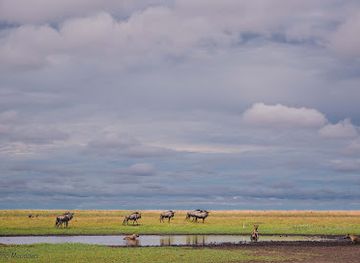
Liuwa Plain National Park
Explore the breathtaking Liuwa Plain National Park, a hidden paradise in Zambia, renowned for its wildlife migration and stunning landscapes.
-
Waterfall
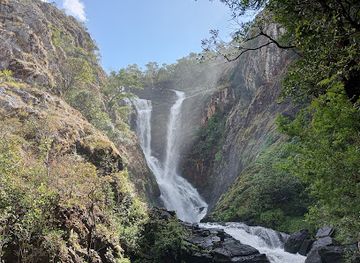
Kundalila Falls
Explore Kundalila Falls, a breathtaking waterfall in Zambia, perfect for nature lovers seeking adventure and tranquility amidst stunning landscapes.
-
Traditional market
New Market
Experience the vibrant culture of Mwinilunga at New Market, where local produce, crafts, and community spirit come together in a lively traditional setting.
Best landmarks in Western Province
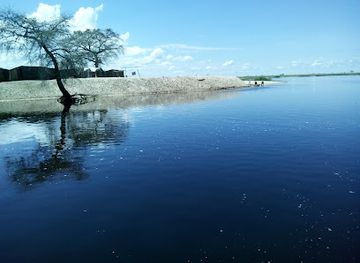
The Zambezi River is Western Province’s defining natural landmark, not only as a major waterway but also as the force that creates the Barotse Floodplain and influences settlement, transport and ceremony. Mongu’s position beside this seasonal landscape gives the town its distinctive geographical identity. The royal barge tradition associated with Kuomboka is one of the province’s most recognisable cultural symbols, although the ceremony itself is an event rather than a permanent monument and its timing varies. Ngonye Falls near Sioma marks a dramatic narrowing of the Zambezi, where rapids and exposed rock interrupt the river’s broad, calmer stretches. The open grasslands of Liuwa Plain are another major regional landmark, combining wide skies with a landscape shaped by annual flooding and wildlife movement. Farther south-west, the remote woodland and plains of Sioma Ngwezi National Park express the frontier character of the province. In and around Mongu, traditional royal and civic institutions are best understood through local interpretation rather than through isolated architectural sights.
-
Tourist attraction
Victoria Falls
Experience the breathtaking beauty of Victoria Falls, one of the largest and most magnificent waterfalls in the world, a must-visit destination for every traveler.
-
Shopping mall
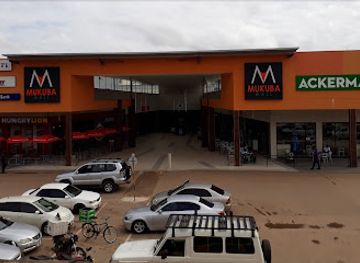
Mukuba Shopping Mall
Explore Mukuba Shopping Mall in Kitwe for a vibrant blend of shopping, dining, and entertainment in the heart of Zambia.
-
Shopping mall
Lewanika Mall
Discover the vibrant shopping experience at Lewanika Mall in Lusaka, offering fashion, food, and fun for every traveler.
-
 Shopping mall
Novare Great North Mall
Explore the Novare Great North Mall in Lusaka for a delightful mix of shopping, dining, and entertainment in a vibrant atmosphere.

Explore Western Province on the map
Plan your trip on one map. See where the top cities, national parks and sights are, and book hotels and experiences in a few clicks.
Best hotels in Western Province
Best restaurants in Western Province
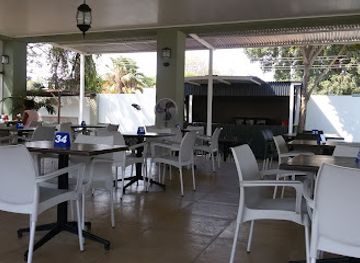
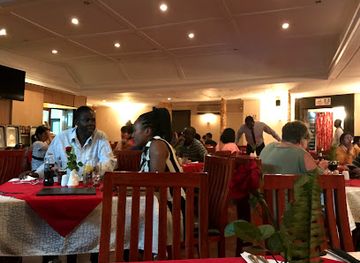
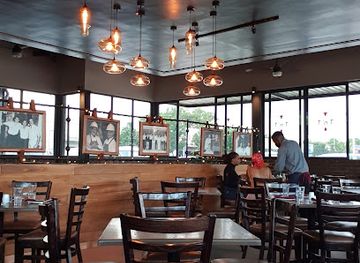
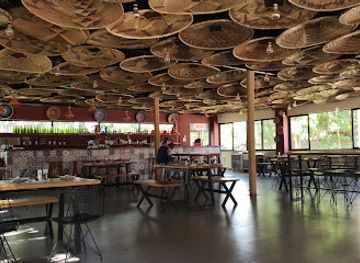
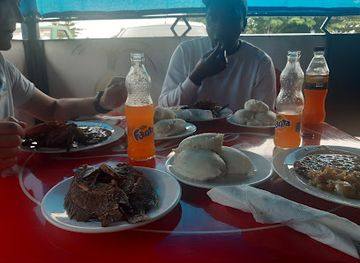
Dining in Western Province is closely tied to the Zambezi, floodplain agriculture and the everyday food traditions of Zambia. In Mongu, visitors find simple restaurants, cafés, market stalls and lodges serving nshima with relishes, freshwater fish and familiar Zambian dishes. Fish is particularly important along the Zambezi and its channels, although availability varies by season and location. Local meals may also include leafy vegetables, beans, chicken and goat, while maize remains a central staple. In rural areas, food is generally more limited and should not be assumed to be available at every stop, so travellers heading towards parks should carry suitable provisions or arrange meals with their camp. Markets are useful for fruit, bread and basic supplies, but hygiene and refrigeration standards vary. Lodge dining in wildlife areas tends to be pre-arranged and straightforward rather than a showcase of a separate regional cuisine. Visitors should ask about ingredients, drinking water and meal times before remote excursions.
-
Restaurant
3 Trees Cafe
Experience the unique ambience and delightful cuisine at 3 Trees Cafe in Lusaka – A must-visit dining destination for every traveler.
-
Steak
Marlin Restaurant
Discover the culinary delight of Marlin Restaurant in Lusaka - where exceptional steaks meet Zambian hospitality.
-
Steak
Turn n' Tender Steakhouse
Experience culinary excellence at Turn n' Tender Steakhouse in Kabulonga - where every steak is a masterpiece waiting to be savored.
-
Restaurant
The Gathering Zambia
Experience the vibrant culinary scene at The Gathering Zambia in Lusaka - where exquisite dishes meet expertly crafted cocktails.
Best bars in Western Province
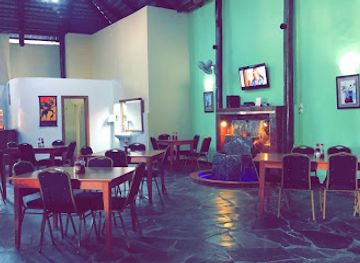
Mongu is the main centre for evening activity in Western Province, with local bars, hotel lounges, restaurants and places where people gather for music and conversation. The atmosphere is generally social and informal rather than driven by a large club scene. Outside the provincial capital, evening life is quieter and centres on community venues, small bars, lodge dining and conversation after dark. In Sioma and near park areas, accommodation providers may offer drinks or a simple bar, but facilities can be limited and usually close earlier than nightlife venues in major Zambian cities. Visitors should not rely on finding late-night entertainment in remote districts, and should arrange transport rather than walk unfamiliar roads after dark. Local beers and soft drinks are commonly available, while regional craft production is not the defining feature of the province’s nightlife. Cultural performances, when arranged by communities or lodges, should be experienced respectfully and without assuming that performers are available on demand.
-
Restaurant
OK Restaurant, Take -Away & Shisha Lounge
Explore the rich flavors of Zambian cuisine at OK Restaurant, Take-Away & Shisha Lounge in Mongu, a perfect blend of local and international dishes.
-
Bar
Moonlight
Unwind at Moonlight Bar in Mongu, where vibrant nightlife meets local culture, offering a delightful array of drinks in a lively atmosphere.
-
Bar
Kanyambi Mubonda-KM Bar
Experience the vibrant nightlife of Mongu at Kanyambi Mubonda-KM Bar, where local culture meets refreshing drinks.
-
Bar
Mongu Club
Discover the lively Mongu Club, a vibrant bar that blends local culture, refreshing drinks, and an inviting atmosphere for an unforgettable night out.
Best nightclubs in Western Province
Mongu is the main centre for evening activity in Western Province, with local bars, hotel lounges, restaurants and places where people gather for music and conversation. The atmosphere is generally social and informal rather than driven by a large club scene. Outside the provincial capital, evening life is quieter and centres on community venues, small bars, lodge dining and conversation after dark. In Sioma and near park areas, accommodation providers may offer drinks or a simple bar, but facilities can be limited and usually close earlier than nightlife venues in major Zambian cities. Visitors should not rely on finding late-night entertainment in remote districts, and should arrange transport rather than walk unfamiliar roads after dark. Local beers and soft drinks are commonly available, while regional craft production is not the defining feature of the province’s nightlife. Cultural performances, when arranged by communities or lodges, should be experienced respectfully and without assuming that performers are available on demand.
-
Night club
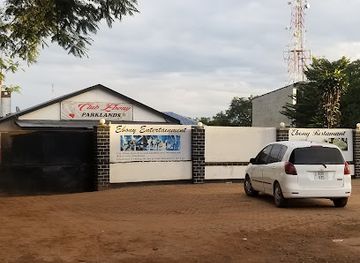
Club Ebony
Discover the heart of Kitwe's nightlife at Club Ebony, a dynamic night club offering unforgettable music and dance experiences.
-
Night club
Mindolo Club
Discover the lively nightlife at Mindolo Club in Chingola, offering dancing, music, and a vibrant atmosphere for an unforgettable experience.
-
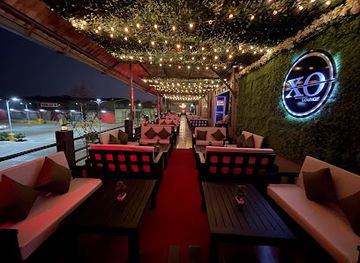
Disco club
XO Lounge
Dance the night away at XO Lounge in Ndola, a premier disco club offering vibrant nightlife, great music, and unforgettable experiences.
-
Disco club
THE HUNTERS NIGHT CLUB
Experience the vibrant nightlife at The Hunters Night Club in Kitwe, where dancing, delicious food, and unforgettable memories await.
Best shops in Western Province
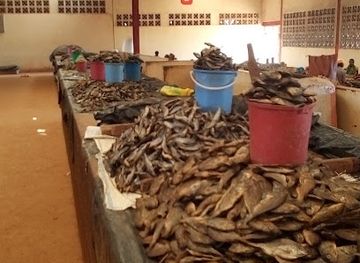
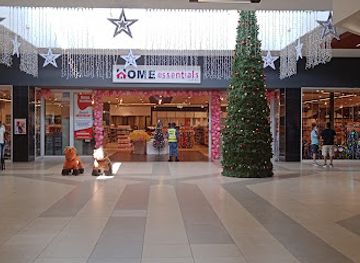
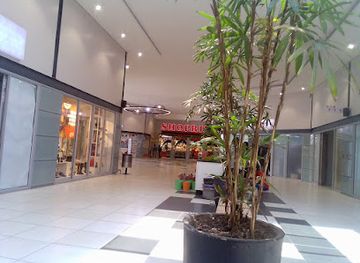
Shopping in Western Province is concentrated in Mongu, where markets, small independent shops and roadside traders supply food, clothing, household goods and travel necessities. The town is a practical place to buy bottled water, snacks, basic toiletries and locally available produce before travelling to remote parks or river settlements. Market activity reflects the province’s floodplain economy, with fish and agricultural products appearing according to season and local supply. Visitors may also find woven items, baskets, mats and other practical crafts made from locally available plant materials, though stock and quality vary between sellers. Small craft purchases are best made directly and respectfully, with prices agreed before buying and without treating traditional work as disposable souvenirs. Outside Mongu, retail choices are limited and should not be confused with a dedicated tourist shopping district. Regional food products, handmade objects and photographs purchased through reputable community or lodge initiatives can provide more meaningful support than generic imported souvenirs.
-
Shopping mall
Levy Junction Shopping Mall
Levy Junction Shopping Mall: A vibrant shopping and dining destination in Lusaka, showcasing local and international brands and entertainment.
-
Shopping mall
Mukuba Shopping Mall
Discover the ultimate shopping and dining experience at Mukuba Shopping Mall, the heart of Kitwe, Zambia, featuring diverse shops and delicious cuisines.
-
Shopping mall
Barotse Mall
Experience shopping, dining, and local culture at Barotse Mall in Mongu, Zambia's premier shopping destination.
-
Clothing store
Zara Outlet Zambia
Explore Zara Outlet Zambia in Lusaka for trendy fashion at unbeatable prices, blending local charm with global style in a vibrant shopping atmosphere.

Get your free copy of our complete guide to Western Province, delivered straight to you.
Everything on this page, from attractions and restaurants to essentials and local phrases, in one PDF you can read offline, print or share.
Already have an account? Sign in
Your Western Province guide is ready.
We'll send it to · Not you? Sign out

Getting your guide ready…
We are putting together a fresh copy of the Western Province guide. This can take up to a minute.
This can take a few moments. If your browser asks, choose Allow so the download can start. You'll find the guide in your Downloads folder.
Nothing happened? Download it again
Sorry, the guide is taking longer than usual. Please try again in a minute, or get it by email instead.
Western Province essentials
Currency and Payment
Safety
Emergency Situations
Do's and Don'ts
Local Tips
From Eve
Local phrases worth knowing
You don't need to get them perfect. A few words go a long way, and locals appreciate the effort.
Basics
| English | Local | Say it |
|---|---|---|
| Hello | Shani | [sha-nee] |
| Goodbye | Sindikila | [sin-dee-kee-lah] |
| Yes | Ee | [ee] |
| No | Awe | [ah-weh] |
| Please/You're welcome | Ndeshako | [n-deh-shah-koh] |
| Thank you | Natotela | [nah-toh-teh-lah] |
| Excuse me/Sorry | Ndisankala | [n-dee-sahn-kah-lah] |
| How are you? | Uli bwanji? | [oo-lee b-wan-ji] |
| Fine. And you? | Ndi bwino. Nawe? | [n-dee bwee-no. nah-weh] |
| Do you speak English? | Uliyandi boma? | [oo-lee-yahn-dee boh-mah] |
| I don't understand | Ndisakumbuka | [n-dee-sah-koo-mboo-kah] |
Eating & Drinking
| English | Local | Say it |
|---|---|---|
| I'd like to see the menu, please | Ndeshako kuti nsee menu | [n-deh-shah-koh koo-tee n-see meh-noo] |
| I don't eat meat | Ndisakula nyama | [n-dee-sah-koo-lah nyah-mah] |
| Cheers! | Muli bwanji! | [moo-lee b-wan-ji] |
| I would like to pay, please | Ndeshako kuti ndilange | [n-deh-shah-koh koo-tee n-dee-lah-ngay] |
Emergencies
| English | Local | Say it |
|---|---|---|
| Help! | Chonde! | [chon-deh] |
| Go away! | Saka! | [sah-kah] |
| Call the Police! | Fonani boma! | [foh-nah-nee boh-mah] |
| Call a doctor! | Fonani dokotala! | [foh-nah-nee doh-koh-tah-lah] |
| I'm lost | Ndisakalila | [n-dee-sah-kah-lee-lah] |
| I'm ill | Ndi na ulesi | [n-dee nah oo-leh-see] |
Shopping
| English | Local | Say it |
|---|---|---|
| I'd like to buy... | Ndeshako kugula... | [n-deh-shah-koh koo-goo-lah] |
| I'm just looking | Ndi kumangala | [n-dee koo-mah-ngah-lah] |
| How much is it? | Ili bwanji? | [ee-lee b-wan-ji] |
| That's too expensive | Ili nafula | [ee-lee nah-foo-lah] |
| Can you lower the price? | Ungafula chabe? | [oon-gah-foo-lah chah-beh] |
Time & Numbers
| English | Local | Say it |
|---|---|---|
| What time is it? | Nyi bwanji? | [nee b-wan-ji] |
| It's one o'clock | Ili na chimo | [ee-lee nah chee-moh] |
| Half past (10) | Chikumi na maphosa | [chee-koo-mee nah mah-poh-sah] |
| Morning | Mawa | [mah-wah] |
| Afternoon | Panasaka | [pah-nah-sah-kah] |
| Evening | Nkhondo | [n-khon-doh] |
| Yesterday | Lelo | [leh-loh] |
| Today | Lelo | [leh-loh] |
| Tomorrow | Maambo | [mah-am-boh] |
| 1 | Mumwena | [mum-weh-nah] |
| 2 | Mbili | [mbee-lee] |
| 3 | Tatu | [tah-too] |
| 4 | Mine | [mee-neh] |
| 5 | Tanu | [tah-noo] |
| 6 | Tano | [tah-no] |
| 7 | Satu | [sah-too] |
| 8 | Sambiri | [sahm-bee-ree] |
| 9 | Iswalu | [ee-swah-loo] |
| 10 | Kumi | [koo-mee] |
Transport & Directions
| English | Local | Say it |
|---|---|---|
| Where's a/the...? | Pano kuti? | [pah-no koo-tee] |
| What's the address? | Nyi adiresi? | [nee ah-dee-reh-see] |
| Can you show me (on the map)? | Ungandionekela? | [oon-gahn-dee-oh-neh-keh-lah] |
| When's the next (bus)? | Nyi bwanji bus yachikumi? | [nee b-wan-ji boos yah-chee-koo-mee] |
| A ticket (to ....) | Chiketi (ku ...) | [chee-keh-tee koo] |
History of Western Province
Early settlement and the Zambezi floodplain
Western Zambia’s history has been closely connected to the Zambezi and its shifting channels, lagoons and floodplains. Communities developed livelihoods based on fishing, flood-recession cultivation, cattle keeping, craft production and exchange between river settlements. Archaeological evidence across the wider Upper Zambezi region points to long-established human occupation, although the surviving historical record is uneven. The floodplain was not an empty wilderness but a managed cultural landscape in which seasonal movement and knowledge of water levels were central to economic life.
The Luyana and the rise of the Lozi kingdom
The political traditions associated with the Luyana, and later the Lozi, became the foundation of the Barotseland kingdom centred on the Upper Zambezi. Authority was organised through the Litunga and a network of local leaders, with political and ceremonial life closely linked to the floodplain. The royal capital’s seasonal movement between the floodplain and higher ground helped express this relationship with water. Many contemporary cultural institutions and ceremonies in Western Province continue to reflect this kingdom’s historical influence.
Kololo rule and the restoration of the Lozi monarchy
In the nineteenth century, the Kololo, led by Sebetwane, conquered the Lozi kingdom and established control over much of the Upper Zambezi area. Kololo rule altered political structures and regional power relations, but it was comparatively brief. After the death of Sebetwane and internal disruption, Lozi forces restored the monarchy in the 1860s under Sipopa. This period remains important because it shaped later memories of sovereignty, authority and the political identity of Barotseland.
Lewanika and the colonial transition
King Lewanika, who ruled for much of the late nineteenth and early twentieth centuries, faced growing pressure from European commercial and imperial interests. Agreements made during his reign brought Barotseland into a treaty relationship with the British, while allowing the Litunga and aspects of the kingdom’s internal administration to continue. The territory was subsequently incorporated into Northern Rhodesia, the colonial predecessor of Zambia. Colonial rule introduced new administrative systems and commercial connections but did not erase the authority or cultural significance of the Lozi monarchy.
The Barotseland Agreement and Zambian independence
The Barotseland Agreement of 1964 formed part of the political arrangements surrounding Zambia’s independence from Britain. It recognised aspects of Barotseland’s distinctive position within the new state, although subsequent constitutional and administrative developments changed how those arrangements operated. Its legacy remains significant in discussions of regional identity and political history. For visitors, the subject is best approached with care: Barotseland is a historical and cultural region within Zambia, and contemporary views about its status are not uniform.
Modern conservation and changing rural economies
Since independence, Western Province has experienced changes in transport, education, market access and conservation. Road improvements and tourism initiatives have made parts of the province more accessible, while parks such as Liuwa Plain and Sioma Ngwezi have brought new attention to wildlife protection and community relationships with conservation. Livelihoods remain linked to fishing, farming, cattle and trade, with seasonal flooding continuing to shape movement and production. Modern Western Province therefore combines longstanding floodplain knowledge with evolving economic and environmental priorities.
Western Province in Photos
Browse through our photo collection highlighting the charm and character of the destination.
Neighbouring regions of Western Province
The closest regions to Western Province, if you have time for more than one.
-

-

-

-

-


Swipe for more regions

