

Free Mashonaland West Travel Guide & Mobile App
Explore Mashonaland West with free travel guides. Discover regional history, expert tips, proposed trips, and audio guides on web or mobile app.


Explore Mashonaland West for Chinhoyi Caves, Lake Kariba, Zambezi Valley wildlife, remote safaris and wide Zimbabwean landscapes.
Read more about Mashonaland West
When is the best time to visit Mashonaland West?
Best: May, August–September · 23–26°C| Month | High (°C) | Rainfall (mm) |
|---|---|---|
| January | 29 | 150 |
| February | 29 | 140 |
| March | 28 | 130 |
| April | 26 | 100 |
| May (best) | 23 | 50 |
| June | 20 | 30 |
| July | 20 | 20 |
| August (best) | 23 | 15 |
| September (best) | 26 | 30 |
| October | 29 | 70 |
| November | 29 | 110 |
| December | 29 | 130 |
Getting to and around Mashonaland West
How to get there
Transportation
Top city travel guides in Mashonaland West
The cities of Mashonaland West, and the easiest places to base yourself.
-

-

-

-


Swipe for more cities
Destinations in Mashonaland West
Resorts, valleys and scenic spots worth a trip of their own.

Swipe for more destinations
Best attractions in Mashonaland West
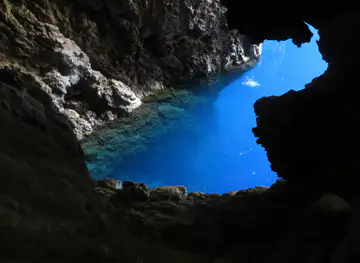
Mashonaland West’s attractions range from geological formations and provincial towns to vast wilderness and water-based recreation. The Chinhoyi Caves are the region’s best-known natural attraction, with limestone chambers and a striking blue underground pool reached through a managed visitor site near Chinhoyi. Around Lake Kariba, visitors can arrange boating, fishing, sunset cruises and wildlife excursions, while the shoreline provides a setting for understanding the engineering and social history of the dam. Mana Pools National Park offers canoeing, guided walking and game viewing across a Zambezi floodplain noted for elephants, hippos, wild dogs and abundant birdlife. Matusadona National Park combines lake shore, woodland and escarpment habitats, although access and accommodation require careful planning. Inland, farming districts, gold-mining towns and rural markets reveal an important working landscape beyond the safari circuit. The province is best experienced through a combination of bases rather than a single touring route, since poor-weather conditions can affect distant roads and park access.
-
National park
Chinhoyi Caves
Discover the stunning Chinhoyi Caves, a national park in Zimbabwe known for its breathtaking limestone formations and serene blue pools, a true natural wonder.
-
Hydroelectric power plant
Kariba Dam
Explore the stunning Kariba Dam, a hydroelectric marvel nestled on Lake Kariba's shores, offering breathtaking views and rich cultural experiences.
-
Wildlife and safari park
Haka Camp Game Park
Discover the beauty of wildlife at Haka Camp Game Park, a premier safari destination in Harare, Zimbabwe, offering immersive nature experiences.
-
Observation deck
Kariba Heights Observation Point
Discover stunning vistas of Lake Kariba at Kariba Heights Observation Point, a perfect spot for photography and relaxation amidst nature's beauty.


Best landmarks in Mashonaland West
The Chinhoyi Caves are Mashonaland West’s most distinctive natural landmark: their deep blue Sleeping Pool and surrounding limestone chambers have made the site a symbol of the province’s geology. Kariba Dam is an equally powerful human-made landmark, stretching across the Zambezi and creating the immense Lake Kariba; its walls, power infrastructure and viewpoints express both the ambition and the social cost of mid-twentieth-century engineering. Along the lake, the outline of the Zambezi escarpment and wooded shore forms a defining landscape rather than a single monument. In the north-west, the floodplain and channels of Mana Pools provide an internationally recognised wilderness landmark, with mature trees and seasonal water shaping the park’s appearance. Matusadona’s combination of lake, mountain backdrop and bushland gives the southern Zambezi Valley its own visual character. The historic mining and farming towns of the interior are less monumental, but their streets, commercial buildings and railway connections help explain how Mashonaland West developed beyond its wilderness areas.
-
Park
Harare Gardens
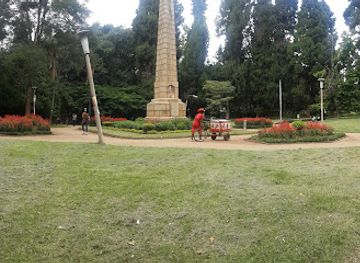
Discover the serene beauty and vibrant culture of Harare Gardens, a must-visit oasis in Zimbabwe's bustling capital.
-
Wildlife and safari park
Mukuvisi Woodlands
Explore Mukuvisi Woodlands, a beautiful wildlife park in Harare, offering nature trails, diverse wildlife, and family-friendly activities amidst stunning landscapes.
-
Tourist attraction
Chinhoyi Caves
Discover the breathtaking beauty and rich history of Chinhoyi Caves, a must-see natural attraction in Zimbabwe with stunning underground landscapes.
-
Lake
Lake Kariba
Explore the breathtaking landscapes and rich wildlife at Lake Kariba, a stunning destination for nature lovers and adventure seekers in Southern Africa.


Explore Mashonaland West on the map
Plan your trip on one map. See where the top cities, national parks and sights are, and book hotels and experiences in a few clicks.
Best hotels in Mashonaland West
Best restaurants in Mashonaland West
Dining in Mashonaland West is shaped by Zimbabwean home cooking, safari hospitality and the produce of the central plateau. In Chinhoyi, Kadoma, Chegutu and Kariba, visitors will find restaurants, hotel dining rooms and informal cafés serving familiar regional staples such as sadza with vegetables, beans, chicken or meat, alongside rice, stews and grilled dishes. Lake Kariba supports a fishing culture, and some lodges and hotels feature freshwater fish when supplies are available, although menus vary. Safari camps typically provide structured meals, packed lunches and outdoor dining, with menus designed around logistics rather than a single local cuisine. Markets and roadside sellers may offer seasonal fruit, roasted maize and other simple foods; buy cautiously where refrigeration and water hygiene are uncertain. Zimbabwean tea, coffee, soft drinks and locally produced beers are widely encountered, while lodges may offer more international wine and spirits. Vegetarian visitors should explain requirements clearly, particularly in remote camps.
-
Restaurant
Gavas Restaurant
Discover Gavas Restaurant in Harare for an unforgettable culinary journey through authentic Zimbabwean flavors in a warm and inviting setting.
-
Restaurant
Chop Chop Grill House
Experience authentic Zimbabwean cuisine at Chop Chop Grill House in Harare – where flavor meets culture.
-
Portuguese
Coimbra Restaurant
Discover authentic Portuguese cuisine at Coimbra Restaurant in Harare – where every dish tells a story.
-
Restaurant
Alo Alo Restaurant
Experience authentic Zimbabwean cuisine at Alo Alo Restaurant in Harare – where tradition meets flavor in a cozy setting.


Best bars in Mashonaland West
Nightlife in Mashonaland West is modest and closely tied to town life, lodges and the lakeside setting rather than a large club scene. Chinhoyi, Kadoma and Chegutu have local pubs, hotel bars and social venues, while Kariba provides the province’s most recognisable evening atmosphere, with resort bars, restaurant terraces and occasional live entertainment overlooking the water. Safari lodges generally offer quiet drinks, fireside conversation and early starts rather than late-night venues; night movement is restricted in many wildlife areas for safety. Rural evenings tend to centre on community and hospitality rather than formal nightlife, and entertainment schedules can be seasonal or change without notice. Drink responsibly, arrange transport in advance and follow lodge rules around wildlife after dark. Visitors should not assume that a busy holiday period or a private event represents the normal year-round scene.
-
Bar
The Jam Tree
Experience the vibrant culinary culture of Harare at The Jam Tree, a lively bar and grill offering delicious food and drinks in a welcoming atmosphere.
-
Grill
Tin Roof Bucket Bar and Bistro
Discover the lively Tin Roof Bucket Bar and Bistro in Harare, a perfect blend of local flavors and vibrant nightlife, ideal for tourists seeking unforgettable experiences.
-
Bar
Jongwe Corner Bar
Unwind at Jongwe Corner Bar, a lively Harare hotspot for drinks, local culture, and unforgettable social experiences.
-
Cocktail bar
The Venue
Experience the vibrant nightlife of Harare at The Venue, a cocktail bar renowned for its innovative drinks and lively atmosphere.


Best nightclubs in Mashonaland West
Nightlife in Mashonaland West is modest and closely tied to town life, lodges and the lakeside setting rather than a large club scene. Chinhoyi, Kadoma and Chegutu have local pubs, hotel bars and social venues, while Kariba provides the province’s most recognisable evening atmosphere, with resort bars, restaurant terraces and occasional live entertainment overlooking the water. Safari lodges generally offer quiet drinks, fireside conversation and early starts rather than late-night venues; night movement is restricted in many wildlife areas for safety. Rural evenings tend to centre on community and hospitality rather than formal nightlife, and entertainment schedules can be seasonal or change without notice. Drink responsibly, arrange transport in advance and follow lodge rules around wildlife after dark. Visitors should not assume that a busy holiday period or a private event represents the normal year-round scene.
-
Night club
Evitro Lounge, Bar and Club
Experience the vibrant nightlife of Harare at Evitro Lounge, Bar and Club, where music and dance come alive in an electrifying atmosphere.
-
Disco club
WOOD Sensations Club & Craft Beer House
Unwind at WOOD Sensations Club & Craft Beer House for an unforgettable disco night with exquisite craft beers in Harare.
-
Grill
Big Apple Night Club
Discover the lively Big Apple Night Club in Harare, where delicious grill cuisine meets an electrifying nightlife experience, perfect for tourists.
-
Disco club
Dreams Nightlife
Discover the heartbeat of Harare's nightlife at Dreams Nightlife, where music, dance, and vibrant energy come alive.



Best shops in Mashonaland West
Shopping in Mashonaland West is practical and locally focused. Chinhoyi, Kadoma and Chegutu have ordinary high streets, supermarkets, small independent retailers and informal trading areas, while Kariba’s tourism-oriented shops and craft stalls are the most likely places to find lake- and safari-related gifts. Markets may offer seasonal produce, woven goods, carved items and everyday household products, but availability varies by town and day. Visitors should distinguish genuinely locally made crafts from imported souvenirs and ask about materials when buying wood or wildlife-related products. Lodge shops commonly stock small artworks, textiles, books and conservation-themed items, though prices and ranges differ. Regional food products such as dried produce, maize-based goods or honey may be available through markets or farms, subject to transport and customs rules. Carry cash for smaller purchases, check export restrictions before taking cultural objects or wildlife materials out of Zimbabwe, and avoid buying anything that appears to have been taken from a protected natural or archaeological site.
-
Shopping mall
Sam Levy's Village
Discover shopping, dining, and entertainment at Harare's premier shopping destination, Sam Levy's Village, where local culture meets modern convenience.
-
Grocery store
TM Pick n Pay Supermarket
Explore local flavors and essentials at TM Pick n Pay Supermarket in Chinhoyi, your go-to grocery store during your travels.
-
Supermarket
TM Supermarket
Explore TM Supermarket in Kariba for a diverse range of groceries and local products, perfect for tourists looking to experience the flavors of Zimbabwe.
-
Clothing store
Jet - Chinhoyi
Discover the latest in fashion at Jet - Chinhoyi, your one-stop clothing store in Harare offering styles for everyone in the family.


Get your free copy of our complete guide to Mashonaland West, delivered straight to you.
Everything on this page, from attractions and restaurants to essentials and local phrases, in one PDF you can read offline, print or share.
Already have an account? Sign in
Your Mashonaland West guide is ready.
We'll send it to · Not you? Sign out

Getting your guide ready…
We are putting together a fresh copy of the Mashonaland West guide. This can take up to a minute.
This can take a few moments. If your browser asks, choose Allow so the download can start. You'll find the guide in your Downloads folder.
Nothing happened? Download it again
Sorry, the guide is taking longer than usual. Please try again in a minute, or get it by email instead.
Mashonaland West essentials
Currency and Payment
Safety
Emergency Situations
Do's and Don'ts
Local Tips
From Eve
Local phrases worth knowing
You don't need to get them perfect. A few words go a long way, and locals appreciate the effort.
Basics
| English | Local | Say it |
|---|---|---|
| Hello | Mhoro | [m-ho-ro] |
| Goodbye | Sarudzo | [sa-ru-dzo] |
| Yes | Ehe | [e-he] |
| No | Aiwa | [ai-wa] |
| Please/You're welcome | Ndinokumbirawo | [n-di-no-kum-bi-ra-wo] |
| Thank you | Ndatenda | [n-da-ten-da] |
| Excuse me/Sorry | Pamusoroi | [pa-mu-so-roi] |
| How are you? | Wakadini zvako? | [wa-ka-di-ni zvi-ka-ko] |
| Fine. And you? | Ndiri bho. Iwe? | [n-di-ri bho. i-we] |
| Do you speak English? | Unotaura Chirungu here? | [u-no-ta-u-ra chi-run-gu he-re] |
| I don't understand | Handinzwisise | [han-di-nzwi-si-se] |
Eating & Drinking
| English | Local | Say it |
|---|---|---|
| I'd like to see the menu, please | Ndinoda kuona menyu, ndapota | [n-di-no-da ku-o-na me-n-yu, n-da-po-ta] |
| I don't eat meat | Handidye nyama | [han-di-dye nya-ma] |
| Cheers! | Kwaziwai! | [kwa-zi-wa-i] |
| I would like to pay, please | Ndinoda kubhadhara, ndapota | [n-di-no-da ku-bha-dha-ra, n-da-po-ta] |
Emergencies
| English | Local | Say it |
|---|---|---|
| Help! | Rubatsiro! | [ru-ba-tsi-ro] |
| Go away! | Enda kure! | [en-da ku-re] |
| Call the Police! | Fona mapurisa! | [fo-na ma-pu-ri-sa] |
| Call a doctor! | Fona chiremba! | [fo-na chi-rem-ba] |
| I'm lost | Ndakakanganiswa | [n-da-ka-kan-gi-niswa] |
| I'm ill | Ndiri kurwara | [n-di-ri ku-rwa-ra] |
Shopping
| English | Local | Say it |
|---|---|---|
| I'd like to buy... | Ndinoda kutenga... | [n-di-no-da ku-ten-ga] |
| I'm just looking | Ndiri kungotarisa | [n-di-ri kung-o-ta-ri-sa] |
| How much is it? | Zvinodhura zvakadini? | [zhi-no-dhu-ra zvaka-di-ni] |
| That's too expensive | Izvo zvinodhura zvikuru | [i-zvo zhi-no-dhu-ra zvi-ku-ru] |
| Can you lower the price? | Unogona kudzikisa mutengo here? | [u-no-go-na ku-dzi-ki-sa mu-ten-go he-re] |
Time & Numbers
| English | Local | Say it |
|---|---|---|
| What time is it? | Ndeipi nguva? | [n-dei-pi n-gu-va] |
| It's one o'clock | Inguva imwe | [in-gu-va im-we] |
| Half past (10) | Hafu ye (10) | [ha-fu ye] |
| Morning | Mangwanani | [mang-wan-a-ni] |
| Afternoon | Masikati | [ma-si-ka-ti] |
| Evening | Manheru | [man-he-ru] |
| Yesterday | Nezuro | [ne-zu-ro] |
| Today | Nhasi | [nha-si] |
| Tomorrow | Mangwana | [mang-wa-na] |
| 1 | Imwe | [im-we] |
| 2 | Piri | [pi-ri] |
| 3 | Tatu | [ta-tu] |
| 4 | China | [chi-na] |
| 5 | Chishanu | [chi-sha-nu] |
| 6 | Chitanhatu | [chi-ta-nha-tu] |
| 7 | Chinomuhukwe | [chi-no-mu-hu-kwe] |
| 8 | Chisere | [chi-se-re] |
| 9 | Chitatu | [chi-ta-tu] |
| 10 | Gumi | [gu-mi] |
Transport & Directions
| English | Local | Say it |
|---|---|---|
| Where's a/the...? | Kupi...? | [ku-pi] |
| What's the address? | Ndeipi kero? | [n-dei-pi ke-ro] |
| Can you show me (on the map)? | Unogona kundi ratidza (pamepu)? | [u-no-go-na kun-di ra-ti-dza pa-me-pu] |
| When's the next (bus)? | Rinhi bhazi rinotevera? | [rin-hi bha-zi ri-no-te-ve-ra] |
| A ticket (to ....) | Tikiti (ku....) | [ti-ki-ti] |
History of Mashonaland West
Early Farming Communities and Ironworking
Mashonaland West has a long archaeological record of hunter-gatherer activity, farming communities and ironworking societies. Rock shelters, pottery traditions and remains associated with Iron Age settlement show how people adapted to the plateau, river valleys and lower Zambezi environments over many centuries. Communities cultivated crops, kept livestock, traded and used the region’s rivers and woodland resources. The archaeological record is uneven and often less monumental than Zimbabwe’s famous stone-built sites, but it provides important evidence of settled life before colonial rule.
Shona States and Regional Trade
Before European conquest, the region formed part of a wider network of Shona-speaking societies and chiefly territories linked through agriculture, cattle keeping, craft production and exchange. The Zambezi corridor connected inland communities with trading routes farther north, while the plateau supported established villages and farming settlements. Political authority was organised through local rulers and kinship structures rather than a single state covering the modern province. These earlier histories remain important to understanding the cultural landscape around the central plateau and Zambezi Valley.
Colonial Conquest and Settler Agriculture
From the late nineteenth century, the area was incorporated into the British South Africa Company’s expanding system of colonial control, later becoming part of Southern Rhodesia. Land alienation, taxation, labour demands and new administrative boundaries altered African communities and access to land. Settler farming developed across parts of the plateau, while roads and railways connected agricultural districts with growing towns and markets. Many present-day settlement patterns, commercial farms and transport routes reflect this colonial transformation, although their economic benefits were distributed unequally.
Railways, Mining and the Growth of Provincial Towns
Transport development helped towns such as Kadoma, Chegutu and Chinhoyi become administrative, agricultural and commercial centres. Gold mining around Kadoma and neighbouring districts became particularly significant, alongside farming and associated processing industries. Railway and road connections enabled movement of minerals, crops, livestock and manufactured goods through the province. Mining remained economically important but also brought environmental pressures and changing labour patterns. The resulting urban network gives Mashonaland West a more varied economic character than its wilderness reputation alone suggests.
Kariba Dam and the Displacement of the Zambezi Valley
The construction of Kariba Dam across the Zambezi in the 1950s created one of the world’s largest artificial lakes and supplied hydroelectric power to the region. The project also flooded river communities and led to the displacement of tens of thousands of people, including Tonga communities on both sides of the border. Resettlement disrupted established relationships with the river, fields, fisheries and sacred places. Kariba’s fisheries, tourism and boating economy are therefore inseparable from a difficult history of engineering, colonial development and social upheaval.
Independence, Conservation and Contemporary Tourism
Zimbabwe’s independence in 1980 brought new national priorities, while conservation areas in Mashonaland West continued to protect major Zambezi ecosystems. Mana Pools National Park, later recognised as part of a transboundary UNESCO World Heritage property, became internationally known for wilderness safaris, walking and canoeing. Matusadona and the Kariba shoreline developed their own conservation and tourism roles. Today the province balances wildlife protection, agriculture, mining, fishing, rural livelihoods and tourism, with debates about displacement, access and sustainable resource management remaining relevant.
Mashonaland West in Photos
Browse through our photo collection highlighting the charm and character of the destination.
Neighbouring regions of Mashonaland West
The closest regions to Mashonaland West, if you have time for more than one.
-

-

-

-

-


Swipe for more regions
Explore more

Explore more of Zimbabwe
Discover Zimbabwe: A land of majestic waterfalls, abundant wildlife, ancient ruins, and vibrant culture. Perfect for adventure seekers and history enthusiasts alike.
Explore Zimbabwe