

Free Mashonaland Central Travel Guide & Mobile App
Explore Mashonaland Central with free travel guides. Discover regional history, expert tips, proposed trips, and audio guides on web or mobile app.


Explore Mashonaland Central for Zimbabwean highveld farms, gold-mining towns, Korekore heritage, rugged escarpments and northern wilderness.
Read more about Mashonaland Central
When is the best time to visit Mashonaland Central?
Best: July–September · 20–25°C| Month | High (°C) | Rainfall (mm) |
|---|---|---|
| January | 27 | 150 |
| February | 27 | 140 |
| March | 26 | 120 |
| April | 25 | 70 |
| May | 22 | 30 |
| June | 19 | 5 |
| July (best) | 20 | 5 |
| August (best) | 22 | 5 |
| September (best) | 25 | 20 |
| October | 27 | 50 |
| November | 27 | 90 |
| December | 27 | 130 |
Getting to and around Mashonaland Central
How to get there
Transportation
Top city travel guides in Mashonaland Central
The cities of Mashonaland Central, and the easiest places to base yourself.
-

-


Swipe for more cities
Best attractions in Mashonaland Central
Mashonaland Central's attractions are dispersed rather than concentrated in a single tourism circuit. Around Bindura, Mazowe and Shamva, visitors encounter mining landscapes, farming country, granite outcrops, dams and rural roads that reveal the province's working character. The Dande Valley provides access to hot lowveld scenery, woodland, river habitats and wildlife, while the Mavuradonha Wilderness offers more rugged terrain, wooded mountains, streams and opportunities for guided walking, birdwatching and wilderness travel. The escarpment around Muzarabani is particularly appealing to landscape photographers and hikers who are prepared for limited facilities and changing access conditions. Northern safari areas can provide encounters with elephants, antelope, birds and other wildlife, although experiences depend on season, conservation conditions and pre-arranged operators. Cultural interest is equally important: village landscapes, agricultural practices, oral history and Korekore traditions are best explored respectfully with local guidance. This is a province for deliberate journeys, where the attraction lies in the combination of wilderness, working countryside, geological scenery and living communities rather than in a long sequence of formal visitor sites.
-
Park
Bradley Connect
Experience the natural beauty and cultural significance of Bradley Connect Park in Chitungwiza, a tranquil escape for nature lovers visiting Zimbabwe.
-
Tourist attraction
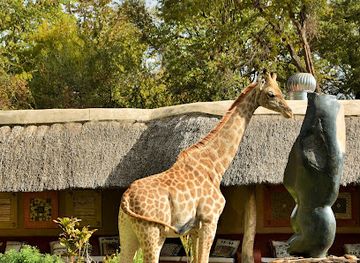
Pamuzinda Safari Lodge
Discover the beauty of Zimbabwe at Pamuzinda Safari Lodge, where adventure meets luxury in the heart of nature.
-
Bird watching area
Kuimba Shiri Bird Park
Explore the wonders of nature at Kuimba Shiri Bird Park, a breathtaking sanctuary for birdwatching and relaxation near Lake Chivero, Zimbabwe.
-
Wildlife refuge
Wild Is Life & ZEN
Explore the heart of Zimbabwe's wildlife at Wild Is Life & ZEN, a sanctuary dedicated to animal rescue and conservation efforts.

Best landmarks in Mashonaland Central
The most recognisable landmarks of Mashonaland Central are often landscapes and working places rather than monumental urban architecture. The granite hills and cultivated valleys around Mazowe and Bindura express the province's highveld character, while the descent towards the Dande Valley marks a dramatic geographical transition from cooler farming country to hotter lowveld woodland. The Mavuradonha mountain and escarpment country forms a distinctive natural landmark, with ridges and valleys that contrast sharply with the surrounding plains. Muzarabani is also notable for its escarpment scenery and broad views across northern Zimbabwe. Bindura's identity is closely linked to its mining heritage, and the wider Shamva and Bindura districts retain visible evidence of gold extraction and associated settlement. In rural areas, large baobabs, river courses, wooded kopjes and seasonal wetlands act as local reference points and carry cultural as well as visual importance. Access to some of these places is through private land, conservation areas or community territory, so their significance should be appreciated without treating unmarked landscapes as freely accessible attractions.
-
National park
Nyanga National Park
Discover the breathtaking landscapes and rich biodiversity of Nyanga National Park, a gem in Eastern Zimbabwe perfect for nature enthusiasts and adventurers.
-
Tourist attraction
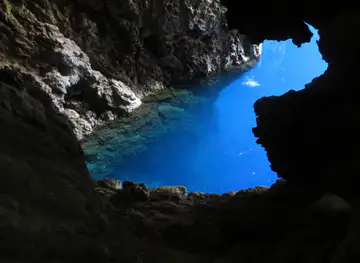
Chinhoyi Caves
Discover the breathtaking beauty of Chinhoyi Caves, an enchanting natural wonder in Zimbabwe, perfect for adventure enthusiasts and nature lovers.
-
Monument
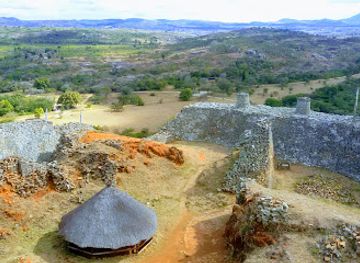
Great Zimbabwe National Monument
Discover the breathtaking Great Zimbabwe National Monument, a UNESCO World Heritage site showcasing ancient architecture and rich cultural history.
-
Tourist attraction
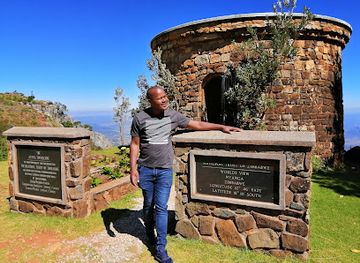
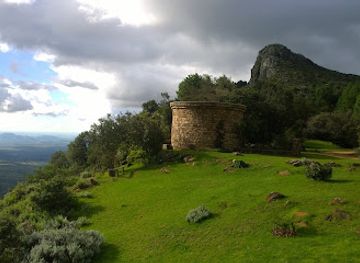
Worlds View
Discover the breathtaking vistas of Zimbabwe at World's View in Nyanga, where nature and tranquility unite for an unforgettable experience.

Explore Mashonaland Central on the map
Plan your trip on one map. See where the top cities, national parks and sights are, and book hotels and experiences in a few clicks.
Best hotels in Mashonaland Central
Best restaurants in Mashonaland Central
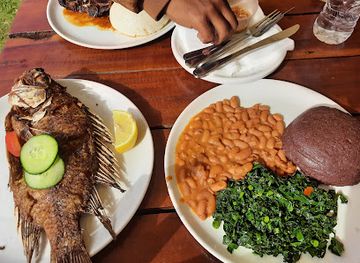
Dining in Mashonaland Central is closely tied to Zimbabwean home cooking, rural markets and the produce of the province's farms. In Bindura, Mazowe and other larger centres, visitors can find straightforward cafés, hotel dining rooms, takeaways and informal restaurants serving staples such as sadza with meat, vegetables or relish, alongside rice, grilled chicken and seasonal produce. Rural meals may include maize-based dishes, leafy greens, beans, groundnuts and locally available game or fish where legally and appropriately sourced. Mazowe's farming district is associated with citrus and other horticultural produce, while roadside stalls and markets may offer fruit when in season. Accommodation in safari or wilderness areas generally provides pre-arranged meals rather than a choice of nearby restaurants, so visitors should confirm dietary needs in advance and carry snacks for long drives. Zimbabwean tea, coffee, soft drinks and locally available beers are common, while menus and supplies become more limited as journeys approach the Zambezi Valley.
-
Restaurant
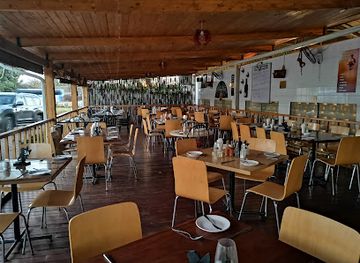
Gavas Restaurant
Savor authentic Zimbabwean flavors at Gavas Restaurant in Harare – where every dish tells a story.
-
Restaurant
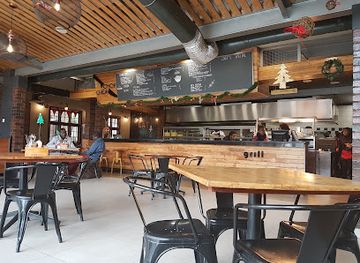
Chop Chop Grill House
Experience authentic Zimbabwean cuisine at Chop Chop Grill House in Harare – where flavor meets culture in every dish.
-
Restaurant
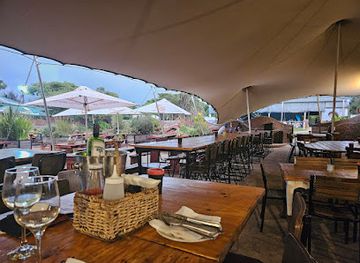
The Jam Tree
Experience Harare's vibrant culinary scene at The Jam Tree – where delicious food meets lively ambiance in a stunning setting.
-
Portuguese
Paula's Place
Discover the authentic taste of Portugal at Paula's Place in Harare – where culinary tradition meets modern flair.
Best bars in Mashonaland Central
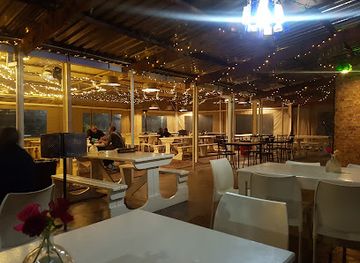
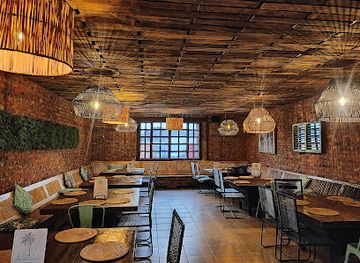
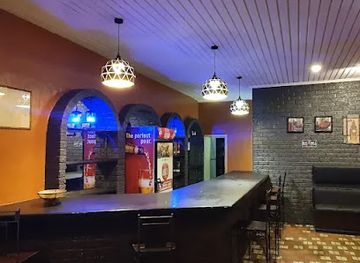
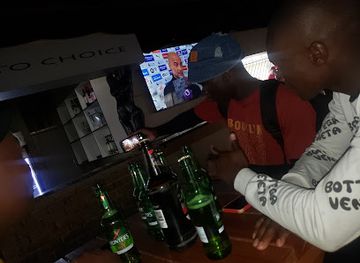
Nightlife in Mashonaland Central is modest and concentrated in Bindura, Mazowe and other larger settlements rather than spread across a major club circuit. Hotel bars, neighbourhood taverns, bottle stores and informal social venues provide the main evening options, with music and conversation often more important than elaborate cocktail culture. In mining and market towns, certain venues may be lively at weekends, but opening arrangements and atmosphere can change, so local advice is useful. Wilderness lodges and safari camps generally offer quiet evenings around a meal, campfire or viewing area rather than conventional nightlife. Rural evenings are often shaped by family gatherings, community events and early starts, and visitors should not assume that alcohol is central to local hospitality. Driving after drinking is particularly inappropriate on poorly lit rural roads, where distances to assistance can be considerable.
-
Bar
The Jam Tree
Experience the vibrant atmosphere and delicious culinary delights at The Jam Tree, Harare's premier bar and grill.
-
Grill
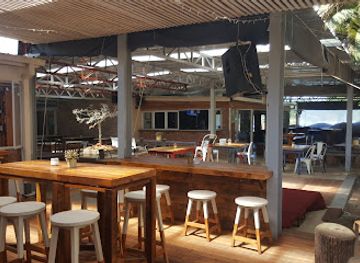
Tin Roof Bucket Bar and Bistro
Discover the lively flavors of Harare at Tin Roof Bucket Bar and Bistro, where great food meets a vibrant atmosphere.
-
Bar
Beach house
Discover the perfect blend of relaxation and local flavor at Beach House, Harare's charming bar-restaurant.
-
Sports bar
Londoners
Discover the lively spirit of Harare at Londoners, the ultimate sports bar for great food, drinks, and live sports action.
Best nightclubs in Mashonaland Central
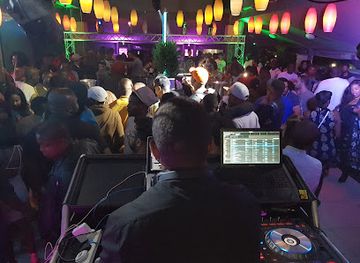
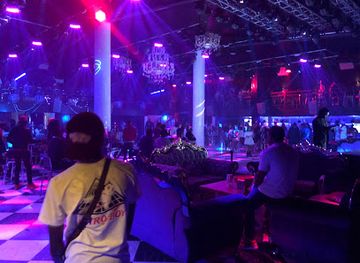
Nightlife in Mashonaland Central is modest and concentrated in Bindura, Mazowe and other larger settlements rather than spread across a major club circuit. Hotel bars, neighbourhood taverns, bottle stores and informal social venues provide the main evening options, with music and conversation often more important than elaborate cocktail culture. In mining and market towns, certain venues may be lively at weekends, but opening arrangements and atmosphere can change, so local advice is useful. Wilderness lodges and safari camps generally offer quiet evenings around a meal, campfire or viewing area rather than conventional nightlife. Rural evenings are often shaped by family gatherings, community events and early starts, and visitors should not assume that alcohol is central to local hospitality. Driving after drinking is particularly inappropriate on poorly lit rural roads, where distances to assistance can be considerable.
-
Club
Pabloz VIP & Deck
Discover the essence of Harare's nightlife at Pabloz VIP & Deck, an upscale club offering vibrant entertainment and a late-night menu.
-
Night club
Evitro Lounge, Bar and Club
Experience electrifying nights at Evitro Lounge, Bar and Club, Harare's vibrant hub for music, dance, and unforgettable memories.
-
Disco club
WOOD Sensations Club & Craft Beer House
Discover the heartbeat of Harare's nightlife at WOOD Sensations Club & Craft Beer House, where craft beers and disco vibes collide.
-
Grill
Big Apple Night Club
Discover the vibrant nightlife at Big Apple Night Club in Harare, where delicious grills and lively music create an unforgettable experience.

Best shops in Mashonaland Central
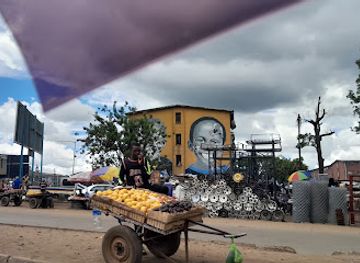
Shopping in Mashonaland Central is primarily practical and local, with Bindura serving as the province's main commercial centre and Mazowe and other district towns providing smaller high streets, markets and service shops. Visitors can look for seasonal fruit, vegetables, groundnuts, maize products and other agricultural produce, while roadside stalls may sell simple baskets, carvings or locally made household goods. Rural markets are useful for observing everyday commerce, but stock, trading days and payment methods vary considerably. Zimbabwean crafts, textiles, carved wooden objects and paintings may be available through accommodation providers, informal sellers or community initiatives, though quality and provenance should be considered carefully. In mining areas, avoid purchasing minerals or archaeological objects unless their legal origin is clear, and never remove material from protected or historic sites. The most appropriate souvenirs are usually durable craftwork, locally produced food items and responsibly sourced artwork bought directly from established makers or trusted outlets.
-
Shopping mall
Sam Levy's Village
Experience the vibrant shopping and dining at Sam Levy's Village in Harare, where modern retail meets local charm and entertainment.
-
Flea market
Mupedza nhamo flea market
Explore the vibrant Mupedza Nhamo Flea Market in Harare for unique treasures, local crafts, and a taste of authentic Zimbabwean culture.
-
Baby clothing store
Kwame Mall: shop 50
Explore stylish baby clothing at Kwame Mall: Shop 50 in Harare, where quality meets affordability for your little ones.
-
Shopping mall
Gweshe Shopping Centre
Discover local shopping and cultural experiences at Gweshe Shopping Centre in Howard Institute, a vibrant destination for tourists and locals alike.

Get your free copy of our complete guide to Mashonaland Central, delivered straight to you.
Everything on this page, from attractions and restaurants to essentials and local phrases, in one PDF you can read offline, print or share.
Already have an account? Sign in
Your Mashonaland Central guide is ready.
We'll send it to · Not you? Sign out

Getting your guide ready…
We are putting together a fresh copy of the Mashonaland Central guide. This can take up to a minute.
This can take a few moments. If your browser asks, choose Allow so the download can start. You'll find the guide in your Downloads folder.
Nothing happened? Download it again
Sorry, the guide is taking longer than usual. Please try again in a minute, or get it by email instead.
Mashonaland Central essentials
Currency and Payment
Safety
Emergency Situations
Do's and Don'ts
Local Tips
From Eve
Local phrases worth knowing
You don't need to get them perfect. A few words go a long way, and locals appreciate the effort.
Basics
| English | Local | Say it |
|---|---|---|
| Hello | Mhoro | [mho-ro] |
| Goodbye | Sara zvakanaka | [sah-rah zvah-kah-nah-kah] |
| Yes | Ehe | [eh-heh] |
| No | Kwete | [kweh-teh] |
| Please/You're welcome | Ndokumbirawo | [n-doh-kum-bee-rah-woh] |
| Thank you | Ndatenda | [n-dah-ten-dah] |
| Excuse me/Sorry | Pamusoroi | [pah-moo-soh-roy] |
| How are you? | Uri sei? | [oo-ree say-ee] |
| Fine. And you? | Ndiri bhoo. Ko iwe? | [n-dee-ree boh-oh. koh ee-weh] |
| Do you speak English? | Unotaura chiRungu here? | [oo-no-tah-oo-rah chee-roong-go heh-reh] |
| I don't understand | Handinzwisisi | [han-deen-zwee-see-see] |
Eating & Drinking
| English | Local | Say it |
|---|---|---|
| I'd like to see the menu, please | Ndingada kuona menyu, ndapota | [ndeen-gah-dah koo-oh-nah men-yoo, n-dah-poh-tah] |
| I don't eat meat | Handidye nyama | [han-dee-dye nyah-mah] |
| Cheers! | Kwakukwira! | [kwah-koo-kwee-rah] |
| I would like to pay, please | Ndingada kubhadhara, ndapota | [ndeen-gah-dah koo-bah-dhah-rah, n-dah-poh-tah] |
Emergencies
| English | Local | Say it |
|---|---|---|
| Help! | Rubatsiro! | [roo-bah-tsee-roh] |
| Go away! | Enda! | [en-dah] |
| Call the Police! | Dai wadzinga mapurisa! | [dye wah-dzee-ngah mah-poo-ree-sah] |
| Call a doctor! | Dai wadzinga chiremba! | [dye wah-dzee-ngah chee-rem-bah] |
| I'm lost | Ndakanyorwa | [n-dah-kah-nyoh-rah] |
| I'm ill | Ndiri kurwara | [n-dee-ree koo-rah-rah] |
Shopping
| English | Local | Say it |
|---|---|---|
| I'd like to buy... | Ndingada kutenga... | [ndeen-gah-dah koo-teng-ah] |
| I'm just looking | Ndiri kungotarisa | [n-dee-ree koon-goh-tah-ree-sah] |
| How much is it? | Inotenga marii? | [ee-no-teng-ah mah-ree] |
| That's too expensive | Izvozvo zvinodhura | [ee-zvoh-zvoh zee-no-dhoo-rah] |
| Can you lower the price? | Ungadzora mutengo here? | [oon-gah-dzo-rah moo-ten-go heh-reh] |
Time & Numbers
| English | Local | Say it |
|---|---|---|
| What time is it? | Ndeipi nguva? | [n-deh-ee-pee n-goo-vah] |
| It's one o'clock | Iyi inguva imwe | [ee-yee een-goo-vah eem-weh] |
| Half past (10) | Napadivi pe(10) | [nah-pah-dee-vee peh(10)] |
| Morning | Mangwanani | [mahn-gwah-nah-nee] |
| Afternoon | Masikati | [mah-see-kah-tee] |
| Evening | Manheru | [mahn-heh-roo] |
| Yesterday | Nezuro | [neh-zoo-roh] |
| Today | Nhasi | [n-hah-see] |
| Tomorrow | Mangwana | [mahn-gwah-nah] |
| 1 | 1 | [1] |
| 2 | 2 | [2] |
| 3 | 3 | [3] |
| 4 | 4 | [4] |
| 5 | 5 | [5] |
| 6 | 6 | [6] |
| 7 | 7 | [7] |
| 8 | 8 | [8] |
| 9 | 9 | [9] |
| 10 | 10 | [10] |
Transport & Directions
| English | Local | Say it |
|---|---|---|
| Where's a/the...? | Kupi ...? | [koo-pee] |
| What's the address? | Chii chiri kero? | [chee-ee chee-ree keh-roh] |
| Can you show me (on the map)? | Ungandiratidza here (pamepu)? | [oon-gahn-dee-rah-tsee-dzah heh-reh (pah-meh-poo)] |
| When's the next (bus)? | Ndeipi inotevera (bhazi)? | [n-deh-ee-pee ee-no-teh-veh-rah (b-hah-zee)] |
| A ticket (to ....) | Tiketi (ku ...) | [tee-keh-tee (koo ...)] |
History of Mashonaland Central
Early Farming Communities and Iron Age Settlement
Mashonaland Central has long been shaped by communities practising farming, livestock keeping, ironworking and regional exchange. Archaeological traces across northern Zimbabwe point to successive Iron Age societies that cultivated crops, worked metals and established settlements near reliable water and fertile soils. Granite hills, river valleys and the routes leading towards the Zambezi supported movement and trade. Although many sites are not developed as conventional tourist attractions, the region's settlement history remains visible in cultivated landscapes, traditional homesteads, oral histories and the continued importance of local ecological knowledge.
The Mutapa State and Northern Shona Political Traditions
From the late medieval period, northern Zimbabwe formed part of the broader world of Shona-speaking states, including the Mutapa polity whose influence extended towards the Zambezi and the gold-producing regions of the interior. Political authority depended on agriculture, tribute, control of trade routes and relationships between rulers, spiritual authorities and local communities. Mashonaland Central's Dande and Zambezi-facing districts lay within this wider historical sphere. The legacy is not confined to ruins: ideas about ancestry, sacred landscapes, leadership and land continue to inform cultural life among communities in the province.
Portuguese Trade and the Zambezi Frontier
From the sixteenth century, Portuguese traders and missionaries sought access to the gold, ivory and agricultural wealth of the interior through the Zambezi corridor. Their influence was uneven and depended on alliances with African rulers and local trading communities. The northern landscapes of present-day Mashonaland Central were connected to this frontier economy even when European settlements remained limited. Trade brought new goods and political pressures, while African authorities continued to determine much of the movement and exchange within the region. The Zambezi Valley's later importance as a transport and administrative frontier reflects these earlier connections.
Colonial Occupation and the Development of Mining
The occupation of Mashonaland by the British South Africa Company in the 1890s transformed landholding, administration and commercial production. European settlers and companies claimed land, introduced new forms of taxation and expanded mining and commercial agriculture. Gold deposits around Bindura, Shamva and other parts of the province became central to the colonial economy, while African communities faced restrictions and labour demands. Roads, administrative centres and mining settlements developed around these industries. Their legacy remains visible in the province's mining towns, agricultural estates, altered land patterns and the continuing importance of mineral production.
Commercial Agriculture and Rural Transformation
During the twentieth century, parts of southern and central Mashonaland Central became associated with commercial farming, including tobacco, maize, livestock and citrus production. Mazowe in particular developed a reputation for fertile farmland and orchards, while smaller farmers and communal areas maintained their own systems of cultivation and exchange. The agricultural economy was shaped by colonial land policy, unequal access to infrastructure and changing markets. After independence in 1980, land reform and wider economic change altered ownership and production patterns, but farming remained a defining feature of the province's landscape and livelihoods.
The Liberation Struggle and Independence
Mashonaland Central was involved in the armed struggle against colonial rule that culminated in Zimbabwean independence in 1980. Rural communities experienced military patrols, political mobilisation, displacement and disruption to farming, while local people supported or resisted nationalist movements in different ways. The province's difficult terrain and proximity to the northern frontier gave some areas strategic significance. The history is remembered through family accounts, local commemorations and the political culture of post-independence Zimbabwe. Visitors should approach liberation-war sites and personal stories with respect, since many remain emotionally significant to local communities.
Contemporary Mashonaland Central
Since independence, Mashonaland Central has continued to combine farming, mining, conservation and expanding rural settlements. Bindura developed as the provincial administrative and educational centre, while gold mining and small-scale mineral production remained economically important in several districts. Conservation initiatives in the Mavuradonha and Dande landscapes have sought to protect wildlife, woodland and watersheds while recognising local communities' land and livelihood needs. Today the province reflects both long-term continuities and considerable change: traditional culture, modern schools and services, commercial agriculture, informal enterprise and conservation all operate within the same wide regional landscape.
Mashonaland Central in Photos
Browse through our photo collection highlighting the charm and character of the destination.
Neighbouring regions of Mashonaland Central
The closest regions to Mashonaland Central, if you have time for more than one.
-

-

-

-

-


Swipe for more regions
Explore more

Explore more of Zimbabwe
Discover Zimbabwe: A land of majestic waterfalls, abundant wildlife, ancient ruins, and vibrant culture. Perfect for adventure seekers and history enthusiasts alike.
Explore Zimbabwe