

Zambezi Valley, Zimbabwe Travel Guide
Discover the Zambezi Valley in Zimbabwe: A stunning wilderness teeming with wildlife, adventure, and cultural heritage along the iconic Zambezi River.
Nestled in the heart of Zimbabwe, the Zambezi Valley is a true gem for nature lovers and adventure seekers alike. This vast region, characterized by its sweeping landscapes, lush vegetation, and the mighty Zambezi River, offers an unparalleled experience of Africa's wild beauty. The valley is home to diverse flora and fauna, making it a prime destination for wildlife enthusiasts. From the majestic elephants and cunning predators to the vibrant birdlife, the Zambezi Valley promises unforgettable sightings. The Zambezi River, one of Africa's longest rivers, meanders through the valley, creating a lifeline for the rich ecosystems that thrive here. The river is not only a vital resource for wildlife but also a playground for tourists. Visitors can engage in thrilling activities such as white-water rafting, canoeing, and fishing. For a more relaxed experience, sunset cruises offer a serene way to soak in the stunning landscapes while witnessing the golden hues of the African sunset. History buffs will find the Zambezi Valley equally fascinating. The region is steeped in cultural heritage, with ancient rock art and historical sites that tell the story of the valley's past inhabitants. Engaging with local communities provides a deeper understanding of their traditions and ways of life, adding a rich, human element to the natural allure of the valley.

Know before you go
Hi, I'm Eve. Here are a few practical things to know before exploring Zambezi Valley.
- Visit in the dry season (May to October) for the best wildlife viewing opportunities.
- Always carry insect repellent to protect against mosquitoes.
- Hire a local guide for a more informative and safe exploration of the area.
- Bring binoculars for birdwatching and spotting distant wildlife.
Top City Travel Guides in Zambezi Valley
The cities of Zambezi Valley, and the easiest places to base yourself.

Destinations in Zambezi Valley
Resorts, valleys and scenic spots worth a trip of their own.

Explore Zambezi Valley: Things to Do, Places to Eat, Hotels & More
Handpicked recommendations for top attractions, local dining, accommodations, and more

Top Attractions & Sightseeing in Zambezi Valley
Top-rated picks
Best Attractions

Chinhoyi Caves
Discover the stunning geological wonders and rich history of the Chinhoyi Caves in Zimbabwe, where adventure meets natural beauty.

Great Zimbabwe National Monument
Discover the ancient marvels of the Great Zimbabwe National Monument, a majestic site that showcases Africa's rich heritage and cultural history.

Matobo National Park
Explore the stunning landscapes and rich cultural heritage of Matobo National Park, a UNESCO World Heritage site in Zimbabwe, perfect for nature lovers and adventurers.

Kariba Dam
Experience the grandeur of Kariba Dam in Siavonga, a breathtaking hydroelectric marvel surrounded by stunning landscapes and rich wildlife.

Best landmarks in Zambezi Valley
Top-rated picks
Best Landmarks

Victoria Falls
Experience the breathtaking beauty of Victoria Falls, a natural wonder where vibrant rainbows and thundering cascades create unforgettable moments.

Nyanga National Park
Explore the stunning landscapes and rich biodiversity of Nyanga National Park, a must-visit destination for nature lovers in Zimbabwe.

Chinhoyi Caves
Discover the natural beauty and historical significance of Chinhoyi Caves, a breathtaking tourist attraction in Zimbabwe's stunning landscape.

Great Zimbabwe National Monument
Discover the rich history and breathtaking architecture of the Great Zimbabwe National Monument, a UNESCO World Heritage Site in the heart of Zimbabwe.

Best restaurants in Zambezi Valley
Top-rated picks
Best Restaurants

Queen of Hearts
Discover exquisite dining at Queen of Hearts in Harare - where local flavors meet international cuisine in an inviting atmosphere.

Avani Victoria Falls Resort
Discover unparalleled luxury and breathtaking views at Avani Victoria Falls Resort, your gateway to Zambia's natural wonders.

The Lookout Cafe - Wild Horizons
Experience breathtaking views and delightful cuisine at The Lookout Cafe near Victoria Falls - your perfect retreat after exploring nature's wonders.

The Boma - Dinner & Drum Show
Discover the flavors and rhythms of Africa at The Boma - Dinner & Drum Show in Victoria Falls for an unforgettable cultural experience.

Best bars in Zambezi Valley
Top-rated picks
Best Bars

Queen of Hearts
Experience the heart of Harare through the flavors at Queen of Hearts, a culinary delight blending local and international cuisine.

A'zambezi River Lodge
Experience the magic of Victoria Falls at A'zambezi River Lodge, a serene retreat by the Zambezi River offering luxury and adventure.

The Lookout Cafe - Wild Horizons
Experience breathtaking views and delicious cuisine at The Lookout Cafe, nestled in Batoka Gorge near Victoria Falls.

The Boma - Dinner & Drum Show
Delight in a unique cultural dining experience at The Boma - Dinner & Drum Show, where African cuisine meets vibrant performances in Victoria Falls.

Best nightclubs in Zambezi Valley
Top-rated picks
Best Nightclubs

Evitro Lounge, Bar and Club
Discover the vibrant nightlife at Evitro Lounge, Bar and Club in Harare, where unforgettable music and cocktails create unforgettable memories.

Big Apple Night Club
Discover the vibrant nightlife at Big Apple Night Club in Harare, a premier destination for delicious grills and lively entertainment.

Dreams Nightlife
Experience the vibrant nightlife of Harare at Dreams Nightlife, where music, dance, and unforgettable moments come together.

Club Zone Zimbabwe
Discover the ultimate nightlife experience at Club Zone Zimbabwe, where vibrant music and delicious cuisine come together in Harare's premier disco club.

Best shops in Zambezi Valley
Top-rated picks
Best Shops

Victoria Falls
Experience the breathtaking beauty of Victoria Falls, a UNESCO World Heritage Site and one of the world's largest waterfalls, offering adventure and awe.

Sam Levy's Village
Explore Sam Levy's Village in Harare for a vibrant shopping experience filled with dining, entertainment, and local culture.

Zambezi River
Experience the breathtaking beauty and adventure of the Zambezi River, where nature meets excitement in the heart of Africa.

The Lookout Cafe - Wild Horizons
Experience the breathtaking views and delicious cuisine at The Lookout Cafe, a perfect blend of relaxation and adventure near Victoria Falls.

Explore Zambezi Valley on the Map
A handpicked selection of must-see spots in Zambezi Valley, mapped for you.
Zambezi Valley Essentials
-
The Zambezi Valley is accessible via several routes. The nearest international airport is Harare International Airport in Harare, approximately 350 kilometers away. From Harare, you can take a domestic flight to Kariba or Victoria Falls, which are closer to the Zambezi Valley. Alternatively, you can drive from Harare, which takes around 6-8 hours depending on your exact destination in the valley. Buses and shuttle services are also available, though they might take longer.
-
Within the Zambezi Valley, transportation options include car rentals, taxis, and local minibuses. Car rentals provide the most flexibility, particularly for exploring remote areas. Taxis are available in major towns like Kariba and Victoria Falls, and they are relatively inexpensive. Local minibuses (kombis) are a common mode of transport but can be crowded and less comfortable. For river-based activities, boat rentals and guided tours are also available.
-
The official currency in Zimbabwe is the Zimbabwean Dollar (ZWL), but US Dollars (USD) are widely accepted. Major hotels, restaurants, and shops in tourist areas often accept credit cards, but it is advisable to carry cash for smaller establishments and rural areas. ATMs are available in larger towns, but it is wise to withdraw sufficient cash before venturing into more remote areas of the valley.
-
The Zambezi Valley is generally safe for tourists, but standard precautions are necessary. Avoid walking alone at night, especially in poorly lit or unfamiliar areas. Be cautious in crowded places to avoid pickpocketing. Higher crime rates have been reported in some neighborhoods of larger towns like Kariba, particularly targeting tourists. Always keep your belongings secure and be vigilant.
-
In case of emergency, dial 999 for immediate assistance. Local police stations and medical facilities are available in larger towns such as Kariba and Victoria Falls. It is strongly recommended to have travel insurance that covers medical emergencies. For minor health issues, pharmacies are available in the towns where you can purchase over-the-counter medications. Keep emergency contact numbers handy.
-
Fashion: Do dress modestly, especially in rural areas and when visiting religious sites. Avoid wearing overly revealing clothing. Religion: Do respect local customs and traditions. If visiting religious sites, dress conservatively and remove shoes if required. Public Transport: Do be respectful and offer your seat to elderly passengers. Avoid eating or drinking on public transport. Greetings: Do greet people with a handshake. A respectful nod or slight bow is also appreciated. Eating & Drinking: Do try local delicacies and accept food offerings graciously. Don't refuse hospitality as it is considered impolite.
-
To experience the Zambezi Valley like a local, visit local markets where you can buy fresh produce and traditional Zimbabwean goods. Engage with locals, as they are often friendly and willing to share stories about the area's history and culture. Don't miss the opportunity to take a sunset cruise on the Zambezi River, which offers stunning views and a chance to see wildlife. For a unique experience, consider participating in a traditional fishing trip with local fishermen.
When is the best time to visit Zambezi Valley?
Useful Local Phrases for Zambezi Valley
You don't need to speak the language perfectly. Even learning a few simple words can make conversations warmer—and locals usually appreciate the effort.
— Eve

Here are the phrases I use most often in Zambezi Valley. Try a few—you'll be surprised how far they go! 😊
❤️
-
- HelloMhoro
[m-ho-ro] - GoodbyeSara zvakanaka
[sa-ra zva-na-ka] - YesEhe
[e-he] - NoKwete
[kwe-te] - Please/You're welcomeNdapota
[n-da-po-ta] - Thank youNdatenda
[n-da-ten-da] - Excuse me/SorryNdineurombo
[n-di-ne-u-rom-bo] - How are you?Wakadini zvako?
[wa-ka-di-ni zva-ko] - Fine. And you?Ndiri bhoo. Iwe?
[n-di-ri bhoo. i-we] - Do you speak English?Unotaura Chirungu here?
[u-no-ta-u-ra chi-run-gu he-re] - I don't understandHandisi kunzwisisa
[han-di-si kun-zwi-si-sa]
- HelloMhoro
-
- I'd like to see the menu, pleaseNdinoda kuona menyu, ndapota
[n-di-no-da ku-o-na me-nyu, n-da-po-ta] - I don't eat meatHandidye nyama
[han-di-dye n-ya-ma] - Cheers!Kusvikira!
[ku-svi-ki-ra] - I would like to pay, pleaseNdinoda kubhadhara, ndapota
[n-di-no-da ku-bha-dha-ra, n-da-po-ta]
- I'd like to see the menu, pleaseNdinoda kuona menyu, ndapota
-
- Help!Rubatsiro!
[ru-ba-tsi-ro] - Go away!Enda kure!
[en-da ku-re] - Call the Police!Fona mapurisa!
[fo-na ma-pu-ri-sa] - Call a doctor!Fona chiremba!
[fo-na chi-rem-ba] - I'm lostNdakurasika
[n-da-ku-ra-si-ka] - I'm illNdiri kurwara
[n-di-ri ku-rwa-ra]
- Help!Rubatsiro!
-
- I'd like to buy...Ndinoda kutenga...
[n-di-no-da ku-ten-ga] - I'm just lookingNdiri kungotarisa
[n-di-ri kung-o-ta-ri-sa] - How much is it?Zvinotenga zvakadini?
[zvi-no-ten-ga zva-ka-di-ni] - That's too expensiveIzvo zvakadhura
[i-zvo zva-ka-dhu-ra] - Can you lower the price?Unogona kudzikisa mutengo here?
[u-no-go-na ku-dzi-ki-sa mu-ten-go he-re]
- I'd like to buy...Ndinoda kutenga...
-
- What time is it?Inguva ipi?
[in-gu-va i-pi] - It's one o'clockIri paawa imwe
[i-ri pa-a-wa i-mwe] - Half past (10)Hafu yapfuura (10)
[ha-fu ya-pfu-ra] - MorningMangwanani
[man-gwa-na-ni] - AfternoonMasikati
[ma-si-ka-ti] - EveningManheru
[man-he-ru] - YesterdayNezuro
[ne-zu-ro] - TodayNhasi
[n-ha-si] - TomorrowMangwana
[man-gwa-na] - 1Imwe
[i-mwe] - 2Piri
[pi-ri] - 3Tatu
[ta-tu] - 4China
[chi-na] - 5Chishanu
[chi-sha-nu] - 6Chitanhatu
[chi-tan-ha-tu] - 7Chinomwe
[chi-no-mwe] - 8Chisere
[chi-se-re] - 9Chitatu
[chi-ta-tu] - 10Gumi
[gu-mi]
- What time is it?Inguva ipi?
-
- Where's a/the...?Kupi...?
[ku-pi] - What's the address?Chii chiri pamutemo?
[chi-i chi-ri pa-mu-te-mo] - Can you show me (on the map)?Unogona kundiratidza (pamepu)?
[u-no-go-na kun-di-ra-ti-dza pa-me-pu] - When's the next (bus)?Nguva ipi inotevera (bazi)?
[ngu-va i-pi i-no-te-ve-ra] - A ticket (to ....)Tikiti (ku....)
[ti-ki-ti ku]
- Where's a/the...?Kupi...?
History of Zambezi Valley
-
The Zambezi Valley has been inhabited since prehistoric times, with archaeological evidence suggesting that early hunter-gatherer communities settled in the area over 100,000 years ago. Stone tools and rock paintings found in the region provide a glimpse into the lives of these ancient peoples.
-
The Zambezi Valley was part of the greater region influenced by the Shona-speaking people who built the Great Zimbabwe civilization between the 11th and 15th centuries. Later, the Rozvi Empire, which emerged in the 17th century, extended its influence into the valley, with the Rozvi known for their military prowess and resistance against Portuguese colonizers.
-
In the late 19th century, the Zambezi Valley became a focal point of European colonial ambitions. The British South Africa Company, led by Cecil Rhodes, established control over the area, leading to the colonization of what was then known as Southern Rhodesia. The valley's rich natural resources, including minerals and fertile land, attracted settlers and sparked conflicts with local communities.
-
One of the most significant events in the modern history of the Zambezi Valley is the construction of the Kariba Dam in the 1950s. The dam, built on the Zambezi River, created Lake Kariba, one of the world's largest man-made lakes. This massive engineering project aimed to provide hydroelectric power to both Zambia and Zimbabwe but also led to the displacement of thousands of indigenous people and significant ecological changes.
-
Following a protracted liberation struggle, Zimbabwe gained independence from British rule in 1980. The Zambezi Valley, with its rich cultural heritage and natural beauty, has since become an important part of Zimbabwe's identity. Efforts have been made to preserve the valley's unique ecosystems and to promote sustainable tourism that benefits local communities.
-
The Zambezi Valley is home to a diverse array of ethnic groups, each with their own rich cultural traditions. The Tonga people, who have lived in the valley for centuries, are known for their distinct language, music, and dance. Traditional ceremonies, such as the Kuomboka festival, celebrate the end of the rainy season and the movement of the Lozi king from his floodplain palace to higher ground.
-
The Zambezi Valley is renowned for its biodiversity, including iconic species such as elephants, lions, and hippos. Conservation efforts have been ongoing to protect these species and their habitats. National parks and wildlife reserves, such as Mana Pools National Park, have been established to safeguard the valley's natural treasures and promote eco-tourism.
Neighbouring Regions of Zambezi Valley
The closest regions to Zambezi Valley, if you have time for more than one.
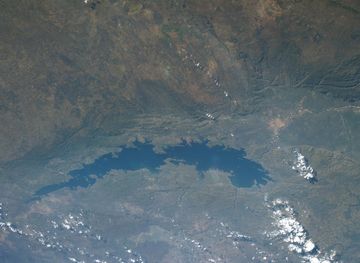


Your all‑in‑one travel companion app
Explore expert travel guides, compare and book tours, experiences, hotels, and more—all from the palm of your hand. Download now for seamless trip planning wherever your wanderlust takes you.


Explore More of Zimbabwe

Looking beyond Zambezi Valley? Discover Zimbabwe for broader travel guides, local hot-spots, and regional highlights.
Explore ZimbabweZambezi Valley in Photos
Browse through our photo collection highlighting the charm and character of the destination.


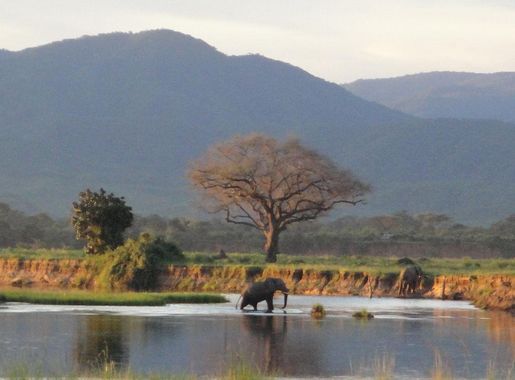


The Enchanting Zambezi Valley: A Wilderness Haven
Nestled in the heart of Zimbabwe, the Zambezi Valley is a true gem for nature lovers and adventure seekers alike. This vast region, characterized by its sweeping landscapes, lush vegetation, and the mighty Zambezi River, offers an unparalleled experience of Africa's wild beauty. The valley is home to diverse flora and fauna, making it a prime destination for wildlife enthusiasts. From the majestic elephants and cunning predators to the vibrant birdlife, the Zambezi Valley promises unforgettable sightings. The Zambezi River, one of Africa's longest rivers, meanders through the valley, creating a lifeline for the rich ecosystems that thrive here. The river is not only a vital resource for wildlife but also a playground for tourists. Visitors can engage in thrilling activities such as white-water rafting, canoeing, and fishing. For a more relaxed experience, sunset cruises offer a serene way to soak in the stunning landscapes while witnessing the golden hues of the African sunset. History buffs will find the Zambezi Valley equally fascinating. The region is steeped in cultural heritage, with ancient rock art and historical sites that tell the story of the valley's past inhabitants. Engaging with local communities provides a deeper understanding of their traditions and ways of life, adding a rich, human element to the natural allure of the valley.