

Free Mashonaland East Travel Guide & Mobile App
Explore Mashonaland East with free travel guides. Discover regional history, expert tips, proposed trips, and audio guides on web or mobile app.


Explore Mashonaland East for granite hills, rural markets, wildlife reserves, Shona heritage and productive farmland east of Harare.
Read more about Mashonaland East
When is the best time to visit Mashonaland East?
Best: May, August–September · 22–26°C| Month | High (°C) | Rainfall (mm) |
|---|---|---|
| January | 28 | 150 |
| February | 28 | 130 |
| March | 27 | 110 |
| April | 25 | 40 |
| May (best) | 22 | 10 |
| June | 20 | 2 |
| July | 20 | 2 |
| August (best) | 23 | 2 |
| September (best) | 26 | 10 |
| October | 28 | 40 |
| November | 28 | 80 |
| December | 28 | 130 |
Getting to and around Mashonaland East
How to get there
Transportation
Top city travel guides in Mashonaland East
The cities of Mashonaland East, and the easiest places to base yourself.
-

-

-

-


Swipe for more cities
Destinations in Mashonaland East
Resorts, valleys and scenic spots worth a trip of their own.
-

-


Swipe for more destinations
Best attractions in Mashonaland East
Mashonaland East's attractions are spread across a large agricultural province rather than concentrated in one city. Around Marondera, Imire provides opportunities for guided wildlife viewing and conservation-focused activities in a landscape of open bush, woodland and granite outcrops. The town also offers access to the surrounding farming country and the eastern road corridor. Domboshawa and other granite landscapes near the Harare-facing districts combine dramatic rock formations with archaeological and cultural interest, including rock-art sites that should be visited respectfully and, where necessary, with local guidance. Murehwa and Mutoko offer rural scenery, traditional market life and distinctive geological formations, while Mutoko's fruit-growing country gives road travel a strongly agricultural character. The province's quieter appeal lies in its outdoor settings: walking around kopjes, birdwatching, observing seasonal farmland and exploring conservation areas. Facilities and interpretation are more developed at established lodges than at remote heritage sites, so independent visitors should organise transport, directions and access in advance. In the north-east, the landscape becomes hotter and more sparsely settled, offering a markedly different experience from the cultivated Highveld around Marondera.
-
Park
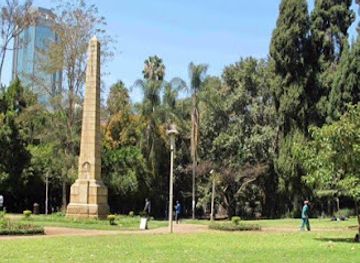
Harare Gardens
Experience tranquility and natural beauty at Harare Gardens, a lush park in Zimbabwe's capital city, perfect for relaxation and cultural events.
-
Wildlife and safari park
Mukuvisi Woodlands
Explore the tranquil beauty of Mukuvisi Woodlands, an urban wildlife park in Harare showcasing diverse flora and fauna for nature lovers and families.
-
Art gallery
National Gallery of Zimbabwe
Explore the vibrant artistic heritage of Zimbabwe at the National Gallery, showcasing local and international art in a stunning setting.
-
Tourist attraction
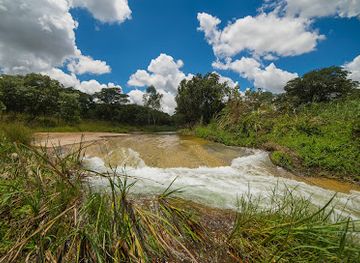
Lake Chivero Recreational Park
Discover the serene beauty and diverse wildlife at Lake Chivero Recreational Park, a premier destination for nature lovers and adventure seekers in Zimbabwe.

Best landmarks in Mashonaland East
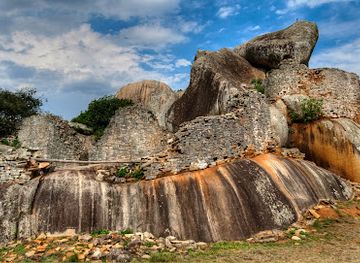
The granite kopjes around Domboshawa, Murehwa and Mutoko are among Mashonaland East's most recognisable physical landmarks. Their rounded rock faces and elevated viewpoints define the province's visual character and have long been connected with settlement, spiritual practice and archaeological evidence. Domboshawa's rock-art environment is particularly significant because it links a striking geological setting with the early history of human occupation, although the paintings and surrounding sites should be protected from touching or disturbance. Marondera's historic role on the eastern transport corridor is reflected in its railway and civic landscape, even though it is less architecturally concentrated than Zimbabwe's older heritage towns. In the countryside, traditional homesteads, cultivated hills and legally protected conservation landscapes provide a more dispersed form of landmark. Imire's granite-studded wildlife setting is notable for the way it combines natural scenery with modern conservation. Towards Mutoko, isolated granite formations rise above fruit farms and rural settlements, creating a landscape landmark rather than a single monumental building. Together these places express the province's relationship between geology, agriculture, archaeology and living cultural traditions.
-
Tourist attraction
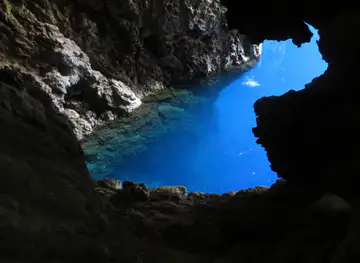
Chinhoyi Caves
Explore the stunning Chinhoyi Caves, a natural wonder in Zimbabwe filled with breathtaking limestone formations and vibrant wildlife, perfect for all adventurers.
-
Monument
Great Zimbabwe National Monument
Explore the Great Zimbabwe National Monument, a UNESCO World Heritage site showcasing ancient stone ruins and rich cultural heritage.
-
Tourist attraction
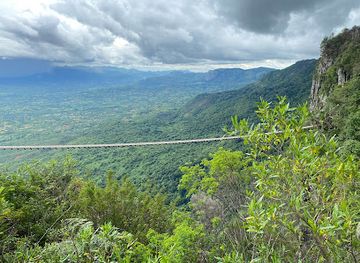
Mutarazi Falls Skywalk and Skyline
Discover the breathtaking Mutarazi Falls Skywalk and Skyline in Nyanga, Zimbabwe – where adventure meets stunning natural beauty.
-
Tourist attraction
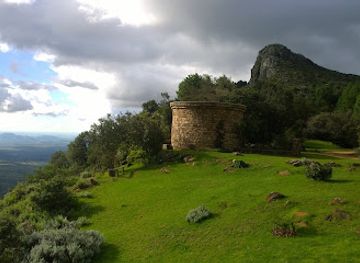
Worlds View
Discover the breathtaking vistas of World's View in Nyanga, a serene escape in Zimbabwe's stunning Eastern Highlands.

Explore Mashonaland East on the map
Plan your trip on one map. See where the top cities, national parks and sights are, and book hotels and experiences in a few clicks.
Best hotels in Mashonaland East
Best restaurants in Mashonaland East
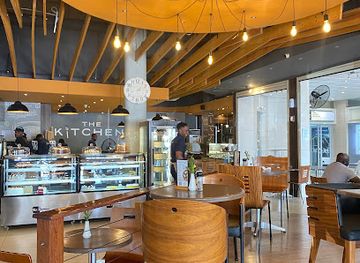
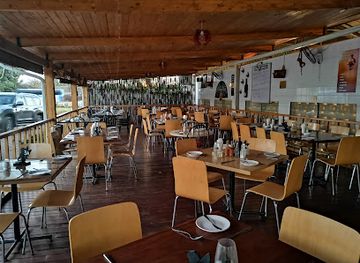
Dining in Mashonaland East reflects Zimbabwe's wider food culture while drawing strongly on local farming. Sadza, usually made from maize meal and served with vegetables, beans, meat or chicken, is common in family kitchens, cafés and informal restaurants. Roadside stalls and markets may offer seasonal fruit, roasted maize, groundnuts and other simple snacks, with Mutoko particularly associated with productive horticultural and fruit-growing areas. Marondera has the broadest choice of hotel restaurants, cafés, takeaways and pub meals, while lodges and rural guesthouses often provide pre-arranged menus based on familiar Zimbabwean dishes. Visitors may encounter locally produced vegetables, dairy products and poultry alongside imported drinks and packaged foods. In smaller towns, opening patterns and menu choice can be limited, so it is sensible to order ahead at accommodation outside Marondera and carry provisions for long drives. Farmers' markets and produce stalls are useful for experiencing the region's agricultural character, but food hygiene and refrigeration standards can vary, making established vendors the safer choice.
-
Restaurant
Gavas Restaurant
Discover authentic Zimbabwean flavors at Gavas Restaurant in Harare's Belgravia Sports Club – where culinary excellence meets vibrant atmosphere.
-
Restaurant
The Jam Tree
Experience culinary delight at The Jam Tree in Harare – where grilled perfection meets vibrant atmosphere.
-
Restaurant
Cafe Nush Avondale
Experience the vibrant culinary scene at Cafe Nush Avondale – where local flavors meet international flair in Harare's heart.
-
Portuguese
Paula's Place
Experience authentic Portuguese cuisine at Paula's Place in Harare – where every dish tells a story.

Best bars in Mashonaland East
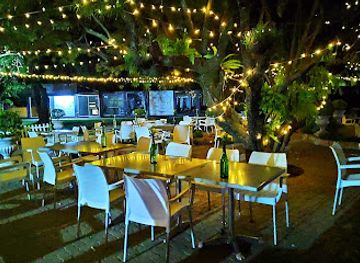
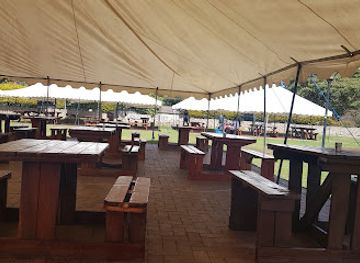
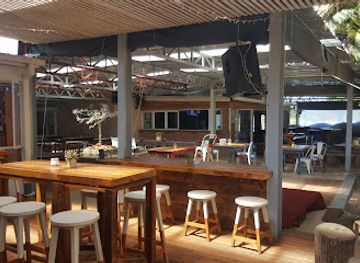
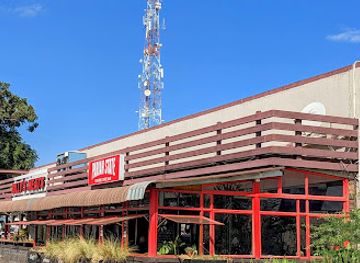
Evening life in Mashonaland East is centred on pubs, hotel bars, restaurants and social venues in Marondera, Ruwa, Murehwa and Mutoko rather than a large, dedicated nightclub circuit. Marondera offers the widest choice, with local drinking places, sports viewing and occasional live music, while rural lodges generally provide a quieter bar atmosphere for resident guests. In smaller settlements, nightlife is more closely tied to community venues and weekend gatherings, and closing times or entertainment schedules can change. Traditional beer halls and informal drinking places are part of the wider Zimbabwean social landscape, but visitors should choose reputable venues, arrange transport in advance and avoid walking long distances after dark. Some lodges and conservation properties offer evening meals, fireside drinks or guided night activities, subject to their own arrangements. The atmosphere is generally more relaxed and locally focused than in central Harare.
-
Restaurant
Queen of Hearts
Discover Queen of Hearts in Harare: A charming restaurant offering a delightful menu and serene ambiance for an unforgettable dining experience.
-
Restaurant
Gavas Restaurant
Savor the authentic taste of Zimbabwe at Gavas Restaurant, where local flavors and warm hospitality come together in Harare's vibrant dining scene.
-
Bar
The Jam Tree
Discover The Jam Tree in Harare for a delightful blend of local cuisine, vibrant nightlife, and a cozy atmosphere perfect for any occasion.
-
Grill
Pariah State Borrowdale
Discover the vibrant flavors of Pariah State Borrowdale, a top grill and coffee destination in Harare, offering delightful dishes and an inviting atmosphere.
Best nightclubs in Mashonaland East
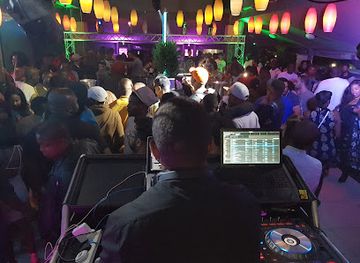
Evening life in Mashonaland East is centred on pubs, hotel bars, restaurants and social venues in Marondera, Ruwa, Murehwa and Mutoko rather than a large, dedicated nightclub circuit. Marondera offers the widest choice, with local drinking places, sports viewing and occasional live music, while rural lodges generally provide a quieter bar atmosphere for resident guests. In smaller settlements, nightlife is more closely tied to community venues and weekend gatherings, and closing times or entertainment schedules can change. Traditional beer halls and informal drinking places are part of the wider Zimbabwean social landscape, but visitors should choose reputable venues, arrange transport in advance and avoid walking long distances after dark. Some lodges and conservation properties offer evening meals, fireside drinks or guided night activities, subject to their own arrangements. The atmosphere is generally more relaxed and locally focused than in central Harare.
-
Club
Pabloz VIP & Deck
Discover the upscale nightlife at Pabloz VIP & Deck in Harare, where electrifying music meets exquisite dining and vibrant social scenes.
-
Night club
Evitro Lounge, Bar and Club
Experience the vibrant nightlife of Harare at Evitro Lounge, where great music and unforgettable moments await you.
-
Dance club
Olympus Lounge 263
Discover the vibrant heart of Harare's nightlife at Olympus Lounge 263, where electrifying music and unforgettable experiences await every night.
-
Disco club
WOOD Sensations Club & Craft Beer House
Unleash your night at WOOD Sensations Club & Craft Beer House, Harare's top disco club for music lovers and craft beer enthusiasts.



Best shops in Mashonaland East
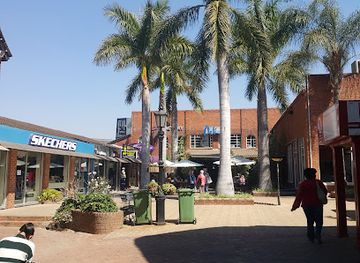
Shopping in Mashonaland East is primarily local and practical, with the strongest choices in Marondera and smaller high streets and markets in Murehwa and Mutoko. Visitors can find everyday goods, clothing, household items and basic travel supplies, while open markets and roadside stalls provide seasonal fruit, vegetables, maize, groundnuts and other farm produce. Mutoko is especially associated with horticultural landscapes, making locally grown fruit a natural purchase when in season. Craft shopping is less concentrated than in Zimbabwe's major tourist centres, but rural traders and independent sellers may offer woven items, carvings or small souvenirs; quality and provenance vary, so buy within local rules and avoid objects made from protected wildlife materials. Marondera's supermarkets are useful for provisions before journeys into less serviced districts, while lodges may sell a small selection of locally made products. Bargaining is appropriate in some informal markets but not in fixed-price shops, and cash remains useful outside established businesses.
-
Shopping mall
Sam Levy's Village
Explore Sam Levy's Village: Harare's premier shopping mall blending retail, dining, and cultural experiences in a vibrant atmosphere.
-
Art gallery
National Gallery of Zimbabwe
Discover the vibrant art scene of Zimbabwe at the National Gallery, showcasing local and international masterpieces in Harare.
-
Botanical garden
Harare Botanical Gardens
Explore the lush beauty of Harare Botanical Gardens, a serene retreat filled with diverse flora and tranquil landscapes perfect for relaxation and exploration.
-
Museum
Zimbabwe Museum of Human Sciences
Explore the Zimbabwe Museum of Human Sciences for a captivating journey through the rich cultural and historical tapestry of Zimbabwe.

Get your free copy of our complete guide to Mashonaland East, delivered straight to you.
Everything on this page, from attractions and restaurants to essentials and local phrases, in one PDF you can read offline, print or share.
Already have an account? Sign in
Your Mashonaland East guide is ready.
We'll send it to · Not you? Sign out

Getting your guide ready…
We are putting together a fresh copy of the Mashonaland East guide. This can take up to a minute.
This can take a few moments. If your browser asks, choose Allow so the download can start. You'll find the guide in your Downloads folder.
Nothing happened? Download it again
Sorry, the guide is taking longer than usual. Please try again in a minute, or get it by email instead.
Mashonaland East essentials
Currency and Payment
Safety
Emergency Situations
Do's and Don'ts
Local Tips
From Eve
Local phrases worth knowing
You don't need to get them perfect. A few words go a long way, and locals appreciate the effort.
Basics
| English | Local | Say it |
|---|---|---|
| Hello | Mhoro | [m-ho-ro] |
| Goodbye | Sara zvakanaka | [sa-ra zva-na-ka] |
| Yes | Ehe | [e-he] |
| No | Kwete | [k-we-te] |
| Please/You’re welcome | Ndapota | [n-da-po-ta] |
| Thank you | Ndatenda | [n-da-ten-da] |
| Excuse me/Sorry | Pamusoroi | [pa-mu-so-ro-i] |
| How are you? | Uri sei? | [u-ri se-i] |
| Fine. And you? | Ndiri bhoo, uye iwe? | [n-di-ri b-hoo, u-ye i-we] |
| Do you speak English? | Unotaura Chirungu here? | [u-no-ta-u-ra chi-run-gu he-re] |
| I don’t understand | Handisi kunzwisisa | [han-di-si kun-zwi-si-sa] |
Eating & Drinking
| English | Local | Say it |
|---|---|---|
| I’d like to see the menu, please | Ndingade kuona menyu, ndapota | [n-din-ga-de ku-o-na me-nyu, n-da-po-ta] |
| I don’t eat meat | Handidye nyama | [han-di-dye n-ya-ma] |
| Cheers! | Kwaziwai! | [kwa-zi-wai] |
| I would like to pay, please | Ndingade kubhadhara, ndapota | [n-din-ga-de ku-bha-dha-ra, n-da-po-ta] |
Emergencies
| English | Local | Say it |
|---|---|---|
| Help! | Rubatsiro! | [ru-ba-tsi-ro] |
| Go away! | Enda! | [en-da] |
| Call the Police! | Diala mapurisa! | [di-a-la ma-pu-ri-sa] |
| Call a doctor! | Diala chiremba! | [di-a-la chi-rem-ba] |
| I’m lost | Ndakatsakatika | [n-da-ka-tsa-ka-ti-ka] |
| I’m ill | Ndiri kurwara | [n-di-ri ku-rwa-ra] |
Shopping
| English | Local | Say it |
|---|---|---|
| I’d like to buy... | Ndingade kutenga... | [n-din-ga-de ku-ten-ga] |
| I’m just looking | Ndiri kungotarisa | [n-di-ri kun-go-ta-ri-sa] |
| How much is it? | Zvakadini? | [zva-ka-di-ni] |
| That’s too expensive | Izvi zvakawandisa | [i-zvi zva-ka-wan-di-sa] |
| Can you lower the price? | Unogona kudzikisa mutengo here? | [u-no-go-na ku-dzi-ki-sa mu-ten-go he-re] |
Time & Numbers
| English | Local | Say it |
|---|---|---|
| What time is it? | Ngawani? | [nga-wa-ni] |
| It’s one o’clock | Inguva imwe | [in-gu-va im-we] |
| Half past (10) | Hafu yechigumi | [ha-fu ye-chi-gu-mi] |
| Morning | Mangwanani | [man-gwa-na-ni] |
| Afternoon | Masikati | [ma-si-ka-ti] |
| Evening | Manheru | [man-he-ru] |
| Yesterday | Nezuro | [ne-zu-ro] |
| Today | Nhasi | [nha-si] |
| Tomorrow | Mangwana | [man-gwa-na] |
| 1 | Imwe | [im-we] |
| 2 | Piri | [pi-ri] |
| 3 | Tatu | [ta-tu] |
| 4 | China | [chi-na] |
| 5 | Chishanu | [chi-sha-nu] |
| 6 | Chitanhatu | [chi-ta-nha-tu] |
| 7 | Chinomuhwe | [chi-no-mu-hwe] |
| 8 | Chisere | [chi-se-re] |
| 9 | Chitatu | [chi-ta-tu] |
| 10 | Gumi | [gu-mi] |
Transport & Directions
| English | Local | Say it |
|---|---|---|
| Where's a/the...? | Kupi...? | [ku-pi] |
| What’s the address? | Chii chiri kero? | [chi-i chi-ri ke-ro] |
| Can you show me (on the map)? | Unogona kundiratidza (pamepu)? | [u-no-go-na kun-di-ra-ti-dza pa-me-pu] |
| When's the next (bus)? | Bhasikoro rinotevera riini? | [bha-si-ko-ro ri-no-te-ve-ra ri-i-ni] |
| A ticket (to ....) | Tikiti (ku....) | [ti-ki-ti] |
History of Mashonaland East
Early settlement and rock art
Granite hills and sheltered rock overhangs across Mashonaland East preserve evidence of long human occupation. Hunter-gatherer communities produced rock paintings in parts of the province, while later farming societies settled the fertile uplands and valleys. These sites are valuable not only for their imagery but also for what they reveal about changing relationships with animals, water and the landscape. Some locations remain culturally sensitive, and the archaeological record should be understood with local guidance rather than separated from living traditions.
Iron Age farming communities
From the first millennium CE onwards, farming communities in the region cultivated crops, kept livestock and worked iron. Settlement patterns developed around reliable water and productive soils, while pottery, tools and cattle became markers of economic and social life. Mashonaland East formed part of the wider Shona-speaking cultural world whose communities were connected through trade, kinship and political alliances. Although many early settlements survive only as archaeological traces, farming remains central to the province's identity.
Shona chiefly traditions and regional states
Before colonial rule, the area was organised through a range of Shona chiefly authorities and local political communities rather than a single uniform kingdom. The Korekore and related Shona cultural traditions have particular importance in northern and central parts of the province, while eastern districts developed their own chiefly histories and connections. Leadership, land, rainfall and cattle shaped political life, and sacred hills and ancestral places continue to influence how certain landscapes are understood today.
Colonial occupation and the eastern route
The occupation of the territory by the British South Africa Company in the 1890s brought new administrative boundaries, settler land claims, taxation and transport routes. The eastern corridor linking Salisbury, now Harare, with Umtali, now Mutare, passed through the Marondera area and helped integrate the district into the colonial economy. The town developed under the name Marandellas before later adopting Marondera. Commercial agriculture expanded, often at the expense of African land access and established systems of authority.
The First Chimurenga, 1896–1897
Mashonaland was one of the principal theatres of the uprising against colonial rule in 1896–97, remembered in Zimbabwe as the First Chimurenga. Religious and political leaders, including Nehanda and Kaguvi, became important symbols of resistance, while communities across the region challenged taxation, land seizure and colonial administration. The revolt was suppressed, but its memory remained powerful. In independent Zimbabwe, Nehanda in particular became an emblem of anti-colonial resistance and national history.
Agriculture, railways and twentieth-century change
During the twentieth century, rail connections and road improvements strengthened Marondera and other eastern settlements as agricultural service centres. Commercial farms produced tobacco, maize, dairy products and horticultural crops, while African communal areas developed their own market networks and farming systems. Urban growth around Harare also spread into parts of Goromonzi and Ruwa. These changes created a region of sharp contrasts between commercial agriculture, expanding settlements and rural districts where access to land and services remained contested.
The liberation struggle and post-independence land reform
Rural communities in Mashonaland East were involved in the Second Chimurenga, Zimbabwe's 1970s liberation war, through political mobilisation, supply networks and military activity. Independence in 1980 brought new national institutions and a reshaping of local administration. Later land reform transformed the ownership and use of many commercial farms, with outcomes varying between districts. Today the province's economy still reflects this layered history through communal agriculture, resettlement areas, commercial production, market gardening and expanding peri-urban settlements.
Mashonaland East in Photos
Browse through our photo collection highlighting the charm and character of the destination.
Neighbouring regions of Mashonaland East
The closest regions to Mashonaland East, if you have time for more than one.
-

-

-

-

-


Swipe for more regions
Explore more

Explore more of Zimbabwe
Discover Zimbabwe: A land of majestic waterfalls, abundant wildlife, ancient ruins, and vibrant culture. Perfect for adventure seekers and history enthusiasts alike.
Explore Zimbabwe