

Free Great Dyke Travel Guide & Mobile App
Explore Great Dyke with free travel guides. Discover regional history, expert tips, proposed trips, and audio guides on web or mobile app.


Explore Zimbabwe’s Great Dyke for ancient geology, mining heritage, rural landscapes and distinctive communities between Harare, Gweru and Bulawayo.
Read more about Great Dyke
When is the best time to visit Great Dyke?
Best: April–May, September · 21–24°C| Month | High (°C) | Rainfall (mm) |
|---|---|---|
| January | 27 | 220 |
| February | 27 | 200 |
| March | 26 | 170 |
| April (best) | 24 | 50 |
| May (best) | 21 | 20 |
| June | 18 | 10 |
| July | 18 | 5 |
| August | 20 | 10 |
| September (best) | 24 | 20 |
| October | 27 | 50 |
| November | 28 | 120 |
| December | 29 | 200 |
Getting to and around Great Dyke
How to get there
Transportation
Best attractions in Great Dyke
The Great Dyke’s attractions are primarily geological, landscape-based and industrial rather than concentrated in formal visitor complexes. Across the belt, exposed ridges, layered rock faces and isolated hills reveal why the formation is important to earth scientists, while changing vegetation and wide plateau views provide rewarding scenery for careful road exploration. The northern and central sections around Darwendale, Ngezi and Mutorashanga combine rural landscapes with working mineral country; farther south, Shurugwi and Zvishavane are associated with long-established mining environments and access to the platinum and base-metal belt. Mine tours are not generally open-access experiences, and any visit must be arranged with the relevant company or an authorised local guide. Wildlife and birdwatching excursions may be possible in surrounding countryside and protected areas, but visitors should verify boundaries and access rather than assuming that every natural site is part of the Great Dyke. Town markets, churches, workshops and mining-era streets offer a more grounded view of regional life. The principal attraction is the relationship between ancient rocks, modern extraction and rural settlement, making the area particularly suited to travellers interested in geology, environmental change, industrial history and less conventional overland routes.
-
Wildlife and safari park
Mukuvisi Woodlands
Explore the breathtaking Mukuvisi Woodlands in Harare, a sanctuary for wildlife and nature lovers, featuring scenic trails and diverse ecosystems.
-
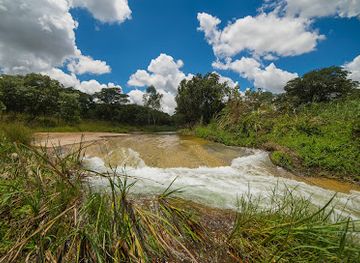
Tourist attraction
Chinhoyi Caves
Discover the stunning natural beauty of Chinhoyi Caves in Zimbabwe, where adventure meets breathtaking limestone formations and rich cultural history.
-
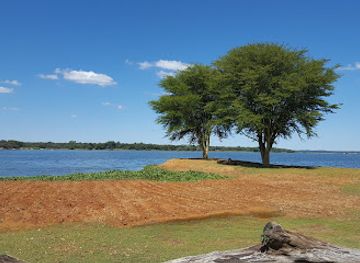
Tourist attraction
Lake Chivero Recreational Park
Experience the natural beauty and tranquility of Lake Chivero Recreational Park, a perfect getaway for nature lovers and adventure seekers in Zimbabwe.
-
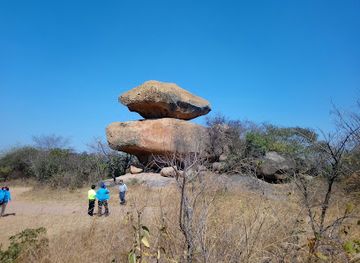
Tourist attraction
Epworth Balancing Rocks
Experience the breathtaking beauty of Epworth Balancing Rocks, a stunning natural attraction showcasing incredible geological formations in Zimbabwe.

Best landmarks in Great Dyke
The Great Dyke itself is the region’s principal landmark: a long, narrow geological feature whose ridges and rocky exposures can be seen across central Zimbabwe. Its visual impact varies from prominent, weathered hills to subtler bands incorporated into cultivated plateau and mining country. The chrome and platinum landscapes around Mutorashanga, Ngezi, Shurugwi and Zvishavane are significant industrial landmarks, although active mines, processing plants and security areas are working sites rather than public monuments. Settlement landmarks include mining-era administrative buildings, workers’ accommodation and civic infrastructure in older company towns, where accessible examples should be viewed from public areas and photographed only with permission. The southern Dyke near Shurugwi and Zvishavane is particularly associated with Zimbabwe’s modern platinum and base-metal economy, while the northern reaches around Darwendale and Mutorashanga show the transition between rural plateau and mineral development. The most meaningful landmark experience is therefore cumulative: individual ridges, road cuttings, tailings landscapes and town plans together reveal how an ancient rock formation has influenced modern Zimbabwe.
-
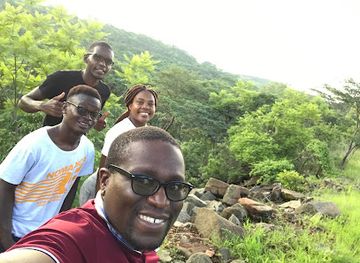
Mountain peak
Great Dyke Mountain Pass
Explore the breathtaking views and rich geological history of Great Dyke Mountain Pass, Zimbabwe's natural wonder for adventure seekers and nature lovers.
Explore Great Dyke on the map
Plan your trip on one map. See where the top cities, national parks and sights are, and book hotels and experiences in a few clicks.
Best hotels in Great Dyke
Best restaurants in Great Dyke
Dining along the Great Dyke is generally practical and local rather than destination-led, with the greatest choice in established mining towns and on the approaches from Harare, Gweru and Bulawayo. Informal eateries and family-run establishments commonly serve Zimbabwean staples such as sadza with vegetables, beans, chicken or meat, while cafés, hotel restaurants and roadside stops provide simpler continental meals. In rural areas, menus may be limited and supplies can vary, so self-catering provisions are useful for long drives. Seasonal produce, maize, groundnuts, leafy greens and locally raised livestock are more representative of everyday food culture than a specialised cuisine unique to the geological belt. Markets are useful places to find fruit, vegetables and basic snacks, although visitors should choose prepared food carefully and carry treated or bottled water where supply quality is uncertain. Larger towns offer more opportunities to sample regional cooking alongside the familiar dishes of Zimbabwe’s wider national food culture.
-
Restaurant
Queen of Hearts
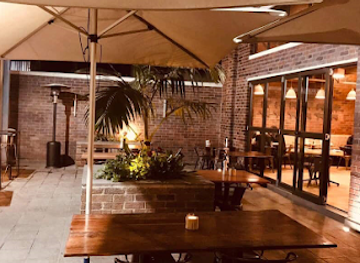
Discover the flavors of Zimbabwe at Queen of Hearts, Harare's top-rated restaurant known for its exquisite cuisine and inviting atmosphere.
-
Restaurant
Gavas Restaurant
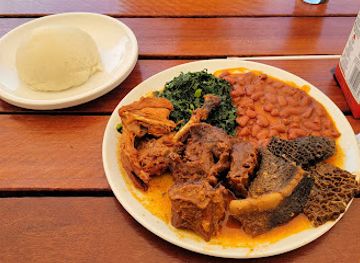
Discover authentic Zimbabwean cuisine at Gavas Restaurant – where every dish tells a story.
-
Restaurant
Chop Chop Grill House
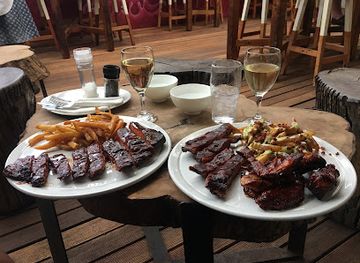
Experience authentic Zimbabwean cuisine at Chop Chop Grill House in Harare – where tradition meets taste in every delicious dish.
-
Restaurant
The Jam Tree
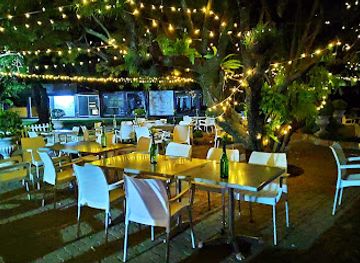
Experience vibrant dining at The Jam Tree in Harare - where delicious grills meet lively atmosphere!
Best bars in Great Dyke
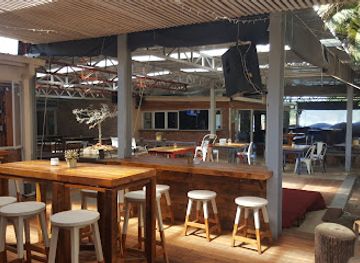
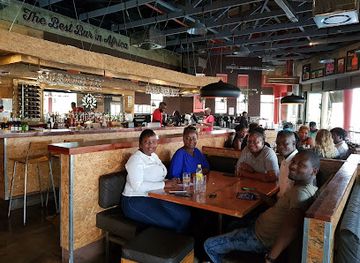
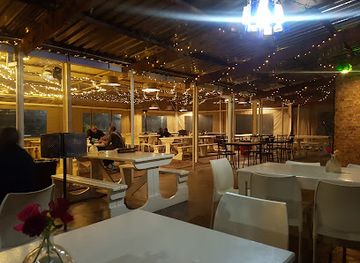
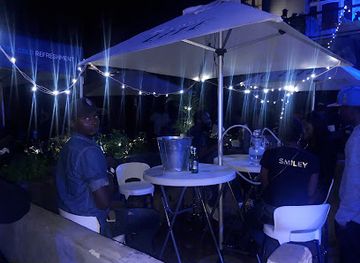
Evening life in the Great Dyke is concentrated in mining towns and larger settlements rather than spread through a formal nightlife circuit. Hotel bars, neighbourhood pubs, bottle stores and informal social venues are more typical than large nightclubs, with Shurugwi, Zvishavane and other established centres offering the broadest choice. Some venues may feature local music, televised sport or occasional dancing, but schedules and opening arrangements can change quickly. Rural evenings are quieter and tend to centre on family, community and church life rather than tourism-oriented entertainment. Visitors should seek local advice about appropriate venues, return to accommodation by dependable transport and avoid walking unfamiliar roads after dark. Alcohol is not necessary to engage with the region’s evening culture; conversation, food and local music provide a more representative experience of social life in the mining belt.
-
Bar
The Jam Tree
Experience the vibrant atmosphere and delightful dishes at The Jam Tree, Harare's premier bar and restaurant for food lovers and nightlife enthusiasts.
-
Grill
Pariah State Avondale
Discover the vibrant culinary scene at Pariah State Avondale, where delightful grills, artisanal coffees, and creative cocktails await in Harare.
-
Grill
Tin Roof Bucket Bar and Bistro
Experience Harare's vibrant nightlife and culinary delights at Tin Roof Bucket Bar and Bistro, the ultimate grill destination.
-
Bar
Eclipse Sports Bar and Grill(ECLIPSE AFRICAN CUISINE RESTAURANT)
Discover the lively Eclipse Sports Bar and Grill in Harare, where African cuisine meets an energetic nightlife atmosphere.
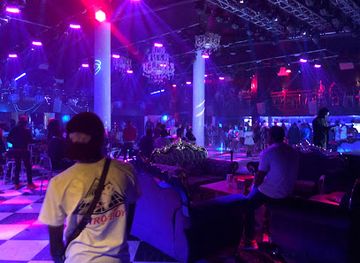
Best nightclubs in Great Dyke
Evening life in the Great Dyke is concentrated in mining towns and larger settlements rather than spread through a formal nightlife circuit. Hotel bars, neighbourhood pubs, bottle stores and informal social venues are more typical than large nightclubs, with Shurugwi, Zvishavane and other established centres offering the broadest choice. Some venues may feature local music, televised sport or occasional dancing, but schedules and opening arrangements can change quickly. Rural evenings are quieter and tend to centre on family, community and church life rather than tourism-oriented entertainment. Visitors should seek local advice about appropriate venues, return to accommodation by dependable transport and avoid walking unfamiliar roads after dark. Alcohol is not necessary to engage with the region’s evening culture; conversation, food and local music provide a more representative experience of social life in the mining belt.
-
Night club
Evitro Lounge, Bar and Club
Experience the vibrant nightlife at Evitro Lounge, Harare's hottest nightclub, offering electrifying music and an unforgettable atmosphere.
-
Disco club
WOOD Sensations Club & Craft Beer House
Discover the vibrant nightlife at WOOD Sensations Club & Craft Beer House, where music and craft beer create unforgettable memories.
-
Grill
Big Apple Night Club
Discover the vibrant nightlife at Big Apple Night Club, where lively music and delicious grill cuisine create an unforgettable experience in Harare.
-
Bar
Club Excite
Experience the ultimate nightlife at Club Excite in Gweru - the go-to spot for lively music, refreshing drinks, and unforgettable moments.



Best shops in Great Dyke
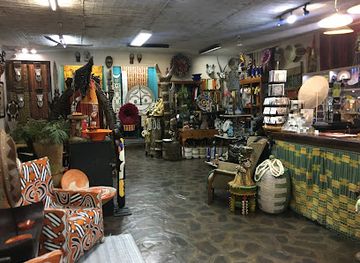
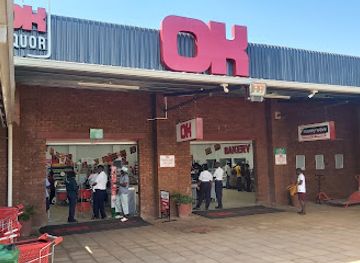
Shopping in the Great Dyke is centred on town high streets, informal markets, general dealers and periodic produce stalls rather than major retail districts. Darwendale, Mutorashanga, Shurugwi and Zvishavane provide opportunities to buy practical supplies, fruit, vegetables, snacks, clothing and household goods, while larger nearby cities offer a wider range of supermarkets and formal shops. Visitors may find locally made baskets, textiles, woodwork and small craft items, but availability is irregular and quality varies, so purchases should be made directly from makers or reputable traders where possible. Mining-themed souvenirs are not a standard regional craft tradition, and raw ore, minerals and industrial materials should not be removed from mines or private land. Carrying provisions from a larger centre is sensible for journeys through sparsely serviced stretches. Markets are also useful for observing everyday commerce, although visitors should ask before photographing people, stalls or community activities.
-
Shopping mall
Sam Levy's Village
Explore Sam Levy's Village, a vibrant shopping and dining destination in Harare, blending local culture with modern conveniences.
-
Shopping mall
Elephant's Walk Shopping & Artist's Village
Discover local art and crafts at Elephant's Walk Shopping & Artist's Village in Victoria Falls - a vibrant blend of culture, shopping, and community.
-
Shopping mall
Banket Shopping Mall
Discover the vibrant shopping experience at the Banket Shopping Mall, where local culture meets modern retail in the heart of Zimbabwe.
-
Supermarket
Govans Shops
Explore a vibrant shopping experience at Govans Shops, your go-to supermarket in Norton, Zimbabwe, offering local delights and essential goods.

Get your free copy of our complete guide to Great Dyke, delivered straight to you.
Everything on this page, from attractions and restaurants to essentials and local phrases, in one PDF you can read offline, print or share.
Already have an account? Sign in
Your Great Dyke guide is ready.
We'll send it to · Not you? Sign out

Getting your guide ready…
We are putting together a fresh copy of the Great Dyke guide. This can take up to a minute.
This can take a few moments. If your browser asks, choose Allow so the download can start. You'll find the guide in your Downloads folder.
Nothing happened? Download it again
Sorry, the guide is taking longer than usual. Please try again in a minute, or get it by email instead.
Great Dyke essentials
Currency and Payment
Safety
Emergency Situations
Do's and Don'ts
Local Tips
From Eve
Local phrases worth knowing
You don't need to get them perfect. A few words go a long way, and locals appreciate the effort.
Basics
| English | Local | Say it |
|---|---|---|
| Hello | Mhoro | [M-ho-ro] |
| Goodbye | Sara zvakanaka | [Sa-ra zva-na-ka-na] |
| Yes | Ehe | [E-he] |
| No | Kwete | [Kwe-te] |
| Please/You're welcome | Ndapota | [N-da-po-ta] |
| Thank you | Ndatenda | [N-da-ten-da] |
| Excuse me/Sorry | Pamusoroi | [Pa-mu-so-roi] |
| How are you? | Wakadini zvako? | [Wa-ka-di-ni zva-ko] |
| Fine. And you? | Zvakanaka. Ko iwe? | [Zva-na-ka-na. Ko i-we] |
| Do you speak English? | Unotaura Chirungu here? | [U-no-ta-u-ra Chi-run-gu he-re] |
| I don't understand | Handisi kunzwisisa | [Han-di-si kun-zwi-si-sa] |
Eating & Drinking
| English | Local | Say it |
|---|---|---|
| I'd like to see the menu, please | Ndinoda kuona menyu, ndapota | [N-di-no-da ku-o-na men-yu, n-da-po-ta] |
| I don't eat meat | Handidye nyama | [Han-di-dye n-ya-ma] |
| Cheers! | Kwakumbira! | [Kwa-ku-mbi-ra] |
| I would like to pay, please | Ndinoda kubhadhara, ndapota | [N-di-no-da ku-bha-dha-ra, n-da-po-ta] |
Emergencies
| English | Local | Say it |
|---|---|---|
| Help! | Rubatsiro! | [Ru-ba-tsi-ro] |
| Go away! | Endai! | [En-dai] |
| Call the Police! | Dai wadzinga mapurisa! | [Dai wa-dzi-nga ma-pu-ri-sa] |
| Call a doctor! | Dai wadzinga chiremba! | [Dai wa-dzi-nga chi-rem-ba] |
| I'm lost | Ndakanyangarika | [N-da-ka-nyan-ga-ri-ka] |
| I'm ill | Ndiri kurwara | [N-di-ri ku-rwa-ra] |
Shopping
| English | Local | Say it |
|---|---|---|
| I'd like to buy... | Ndinoda kutenga... | [N-di-no-da ku-ten-ga] |
| I'm just looking | Ndiri kungotarisa | [N-di-ri kun-go-ta-ri-sa] |
| How much is it? | Zvinodhura here? | [Zvi-no-dhu-ra he-re] |
| That's too expensive | Izvozvo zvidhura | [I-zoz-vo zvi-dhu-ra] |
| Can you lower the price? | Unogona kudzikisa mutengo here? | [U-no-go-na ku-dzi-ki-sa mu-ten-go he-re] |
Time & Numbers
| English | Local | Say it |
|---|---|---|
| What time is it? | Nguva ingani? | [N-gu-va in-ga-ni] |
| It's one o'clock | Inguva imwe | [In-gu-va im-we] |
| Half past (10) | Hafu yemakumi gumi | [Ha-fu ye-ma-ku-mi gu-mi] |
| Morning | Mangwanani | [Man-gwa-na-ni] |
| Afternoon | Masikati | [Ma-si-ka-ti] |
| Evening | Manheru | [Man-he-ru] |
| Yesterday | Nezuro | [Ne-zu-ro] |
| Today | Nhasi | [Nha-si] |
| Tomorrow | Mangwana | [Man-gwa-na] |
| 1 | Imwe | [Im-we] |
| 2 | Piri | [Pi-ri] |
| 3 | Tatu | [Ta-tu] |
| 4 | China | [Chi-na] |
| 5 | Tshanu | [Tsha-nu] |
| 6 | Tanhatu | [Tan-ha-tu] |
| 7 | Chinomwe | [Chi-no-mwe] |
| 8 | Chisere | [Chi-se-re] |
| 9 | Chitatu | [Chi-ta-tu] |
| 10 | Gumi | [Gu-mi] |
Transport & Directions
| English | Local | Say it |
|---|---|---|
| Where's a/the...? | Kupi...? | [Ku-pi] |
| What's the address? | Chii chinzvimbo? | [Chi-i chi-nzi-mbi-wo] |
| Can you show me (on the map)? | Unogona kundiratidza (pamamepu)? | [U-no-go-na kun-di-ra-ti-dza (pa-ma-me-pu)] |
| When's the next (bus)? | Basa rinotevera riri riini? | [Ba-sa ri-no-te-ve-ra ri-ri i-ni] |
| A ticket (to ....) | Tikiti (ku....) | [Ti-ki-ti (ku....)] |
History of Great Dyke
Ancient Formation of the Great Dyke
The Great Dyke formed more than two billion years ago when magma intruded into the Earth’s crust and cooled in a long, narrow geological structure. Repeated erosion gradually exposed its layered rocks, which now appear as ridges and mineral-bearing belts across central Zimbabwe. Its composition is internationally important because it contains substantial concentrations of platinum-group metals, chromium, nickel and other ores. The formation is therefore both a landscape feature and a record of ancient planetary processes.
Early Settlement and Metalworking
Communities living across the Zimbabwean plateau developed farming, cattle keeping, trade and metalworking traditions long before modern geological surveys. Iron production and the working of locally available ores formed part of wider technological and commercial networks in southern Africa. The Great Dyke should not be understood as an uninhabited wilderness before industrial mining: its valleys, plains and surrounding woodland have long supported rural communities whose present-day settlements reflect older patterns of land use and migration.
Precolonial States and Regional Trade
The Great Dyke lay within the broad cultural and political world influenced at different times by Shona-speaking polities, including the Mutapa and Rozvi states. Authority was exercised through chiefly structures, tribute, agriculture, cattle and regional exchange rather than through a single political unit corresponding to the modern geological belt. Gold, livestock, metal goods and agricultural products circulated across the Zimbabwean plateau, connecting communities in the Dyke area with markets and settlements farther east, south and west.
Colonial Prospecting and Early Mining
European prospectors and mining companies intensified their interest in the Great Dyke during the late nineteenth and early twentieth centuries, following the colonisation of Southern Rhodesia. Geological investigation identified commercially valuable seams and encouraged the growth of mining settlements, rail connections and company infrastructure. Chrome, gold, nickel and other minerals were extracted at different locations, while land alienation and labour migration altered established rural economies. Many of the belt’s later towns developed from this colonial mining framework.
Industrial Expansion in the Twentieth Century
After the Second World War, improved geological knowledge, transport and processing technology enabled larger-scale exploitation of the Great Dyke’s mineral resources. Shurugwi, Zvishavane, Mutorashanga and other centres became closely associated with chrome, nickel, copper and platinum-related operations. Mining brought wage employment, technical expertise and urban growth, but also created dependence on fluctuating commodity markets. Railways, roads, housing compounds and processing facilities left a visible industrial imprint on the central Zimbabwean landscape.
Platinum Development after Independence
Zimbabwe’s platinum industry expanded significantly after independence as investment and new extraction projects focused on the Great Dyke’s major deposits. Operations around the Ngezi, Selous and Shurugwi areas helped make platinum-group metals central to the national mining economy. The industry has also raised enduring questions about employment, environmental management, land access, infrastructure and the distribution of mineral wealth. Today the Great Dyke remains a working economic region as well as a destination of geological and historical interest.
Great Dyke in Photos
Browse through our photo collection highlighting the charm and character of the destination.
Neighbouring regions of Great Dyke
The closest regions to Great Dyke, if you have time for more than one.
-

-

-

-

-


Swipe for more regions
Explore more

Explore more of Zimbabwe
Discover Zimbabwe: A land of majestic waterfalls, abundant wildlife, ancient ruins, and vibrant culture. Perfect for adventure seekers and history enthusiasts alike.
Explore Zimbabwe