

Free Midlands Travel Guide & Mobile App
Explore Midlands with free travel guides. Discover regional history, expert tips, proposed trips, and audio guides on web or mobile app.


Explore Zimbabwe's Midlands for Gweru, mining heritage, Great Dyke landscapes, wildlife encounters and practical central-country road journeys.
Read more about Midlands
When is the best time to visit Midlands?
Best: June–August · 24–26°C| Month | High (°C) | Rainfall (mm) |
|---|---|---|
| January | 9 | 60 |
| February | 10 | 55 |
| March | 13 | 50 |
| April | 16 | 45 |
| May | 19 | 40 |
| June (best) | 24 | 35 |
| July (best) | 26 | 30 |
| August (best) | 25 | 35 |
| September | 21 | 40 |
| October | 16 | 45 |
| November | 11 | 50 |
| December | 8 | 55 |
Getting to and around Midlands
How to get there
Transportation
Top city travel guides in Midlands
The cities of Midlands, and the easiest places to base yourself.
-

-

-

-


Swipe for more cities
Destinations in Midlands
Resorts, valleys and scenic spots worth a trip of their own.
-

-


Swipe for more destinations
Best attractions in Midlands
Midlands' attractions reflect its central position and working landscape rather than a concentration of monumental heritage sites. Gweru is the main urban base, with museums, churches, commercial facilities and access to nearby conservation experiences. Antelope Park, outside Gweru, is known for lion conservation and guided activities in a savannah setting, while nearby rural areas offer opportunities to observe Zimbabwean landscapes, cattle country and granite outcrops. Sebakwe Recreational Park near Kwekwe provides a quieter combination of water, woodland and wildlife, subject to local access arrangements. The mining towns of Kwekwe, Redcliff, Shurugwi and Zvishavane offer insight into gold, iron, steel, chrome and other mineral industries; visits to operational premises require permission and should never be improvised. The Great Dyke is best appreciated as a geological and industrial landscape, particularly around Shurugwi and Zvishavane, where hills, exposed rock and mine workings reveal the province's mineral foundations. Travellers interested in rural Zimbabwe can combine town visits with short drives through farming districts, but facilities become sparse beyond the main roads. The province is therefore particularly suited to visitors who value landscape, conservation, industrial history and overland travel over a dense itinerary of conventional sightseeing.
-
National park
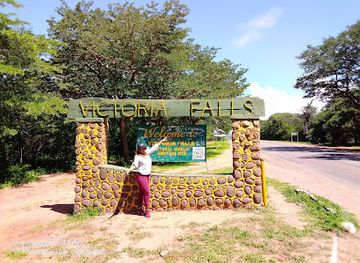
Victoria Falls National Park
Explore the stunning Victoria Falls National Park, a UNESCO World Heritage site boasting breathtaking waterfalls and rich wildlife experiences.
-
Bridge
Victoria Falls Bridge
Discover the breathtaking Victoria Falls Bridge, a stunning architectural marvel offering thrilling adventures and stunning views of one of nature's wonders.
-
Wildlife and safari park
Antelope Park
Explore Antelope Park, a premier wildlife and safari park in Zimbabwe, offering thrilling adventures and conservation experiences for all ages.
-
National park
Hwange National Park
Explore Hwange National Park, Zimbabwe's largest national park, where breathtaking landscapes and diverse wildlife create unforgettable adventures in nature.
Best landmarks in Midlands
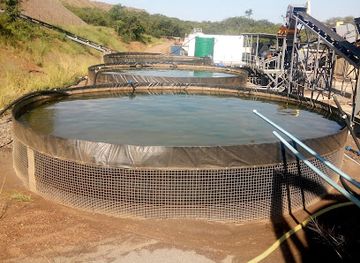
The Great Dyke is Midlands' defining natural and geological landmark, a long band of ancient rock whose ridges and mineral deposits shape the landscapes around Shurugwi and Zvishavane. It is both a physical feature and the foundation of much of the province's modern mining economy. In Gweru, the railway corridor and historic station area express the importance of transport to the city's growth, linking the provincial capital with Zimbabwe's principal north-south route. Kwekwe and nearby Redcliff contain some of the clearest industrial landmarks in the province, including mine landscapes, railway infrastructure and the setting associated with iron and steel production; active and restricted sites should be viewed only with permission. The hills around Shurugwi provide striking perspectives over a landscape where granite, woodland and mining activity meet. In the south, the urban and industrial profile of Zvishavane recalls the importance of asbestos and later mineral extraction. These are not isolated monuments but working cultural landscapes, and their significance lies in the relationship between geology, transport, settlement and industry. Visitors should use authorised viewpoints or organised visits rather than approaching mine workings or abandoned structures independently.
-
Tourist attraction
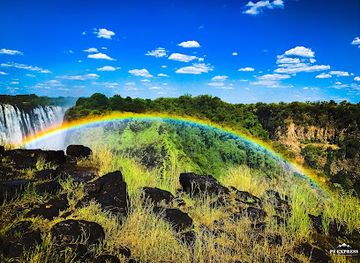
Victoria Falls
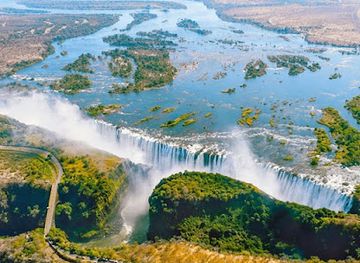
Experience the breathtaking beauty and adventure of Victoria Falls, a UNESCO World Heritage Site and one of the largest waterfalls in the world.
-
National park
Nyanga National Park
Discover the breathtaking landscapes and rich biodiversity of Nyanga National Park, a must-visit destination in Zimbabwe's Eastern Highlands.
-
Wildlife and safari park
Mukuvisi Woodlands
Discover the beauty of Zimbabwe's wildlife at Mukuvisi Woodlands, a serene park in Harare filled with rich biodiversity and unforgettable experiences.
-
Tourist attraction
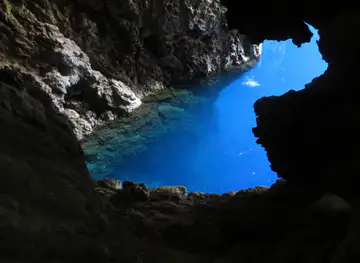
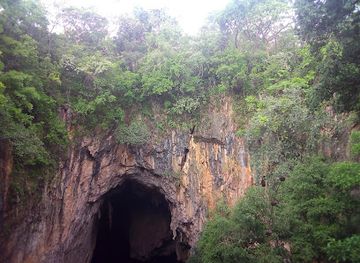
Chinhoyi Caves
Discover the hidden beauty of Chinhoyi Caves, a remarkable natural attraction in Zimbabwe with stunning limestone formations and crystal-clear waters.
Explore Midlands on the map
Plan your trip on one map. See where the top cities, national parks and sights are, and book hotels and experiences in a few clicks.
Best hotels in Midlands
Best restaurants in Midlands
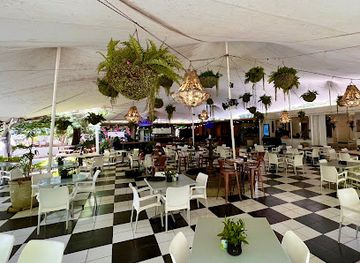
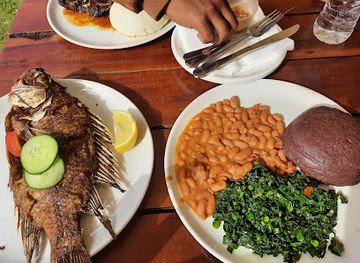
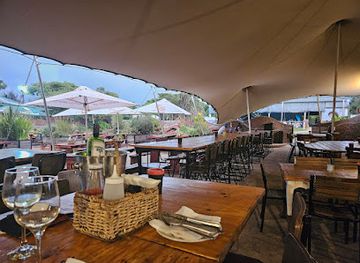
Dining in Midlands is centred on practical town restaurants, hotel dining rooms, cafés, takeaway counters and pubs rather than a single distinctive culinary district. Menus commonly draw on Zimbabwean staples such as sadza, a thick maize porridge, served with beef, chicken, vegetables or relishes, alongside rice, chips and grilled meat. Midlands' long association with cattle farming makes beef a familiar choice, while freshwater fish may appear around suitable lakes and recreational areas. Gweru and the larger mining towns offer the widest range of formal dining, including Zimbabwean, southern African and international dishes. Smaller settlements are better suited to simple meals, bakeries and roadside food stalls, where availability changes with the day and season. Markets and produce sellers provide fruit, maize, vegetables and other locally sourced ingredients, although visitors should choose busy, well-managed food outlets and take care with untreated water. Service can be leisurely, particularly outside commercial centres, so allow time rather than planning tight connections around a meal.
-
Restaurant
Queen of Hearts
Experience exquisite dining at Queen of Hearts in Harare – where local flavors meet international cuisine in an inviting atmosphere.
-
Restaurant
Gavas Restaurant
Discover the heart of Zimbabwean cuisine at Gavas Restaurant, where every dish tells a story.
-
Restaurant
The Jam Tree
Discover the flavors of Harare at The Jam Tree - where delicious food meets vibrant atmosphere.
-
Restaurant
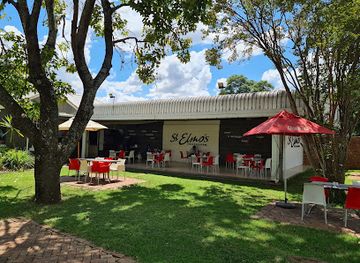
St Elmo's
Experience the best of Italian cuisine at St Elmo's in Harare—a family-friendly restaurant known for its delicious food and warm atmosphere.
Best bars in Midlands
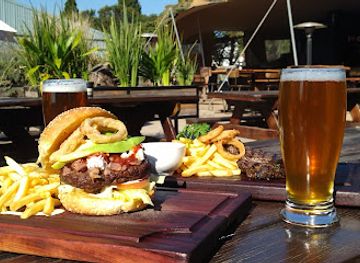
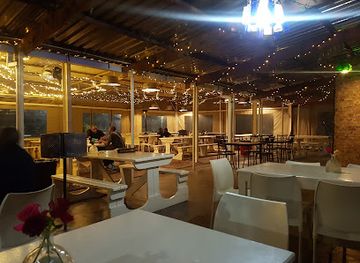
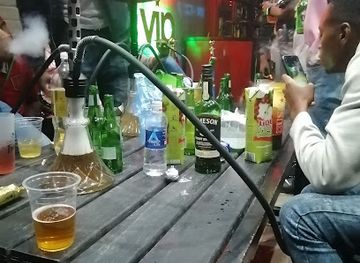
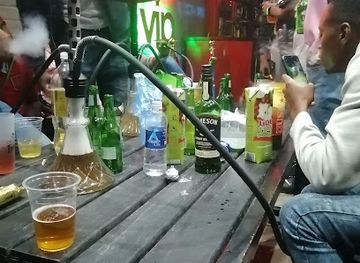
Evening life in Midlands is concentrated in Gweru and the larger mining towns, with traditional pubs, hotel bars, casual restaurants and music-led venues providing most of the social atmosphere. Gweru has the broadest choice, while Kwekwe, Shurugwi and Zvishavane offer more locally focused evenings shaped by town residents, workers and students. Nightclubs exist but the scene is smaller and more changeable than in Harare or Bulawayo, so current local advice is important before choosing a venue. In rural districts, evenings generally centre on accommodation lodges, restaurants or community events rather than a formal nightlife circuit. Breweries and locally available lagers are common, but drinking is not necessary to participate in the region's evening culture. Use reputable transport after dark, avoid isolated streets and confirm payment arrangements before ordering in smaller establishments.
-
Bar
The Jam Tree
Discover a lively bar and grill in Harare, The Jam Tree, offering delicious meals, refreshing drinks, and a vibrant atmosphere for all.
-
Grill
Tin Roof Bucket Bar and Bistro
Experience the vibrant flavors of Zimbabwe at Tin Roof Bucket Bar and Bistro, where lively atmosphere meets delicious grilled cuisine.
-
Grill
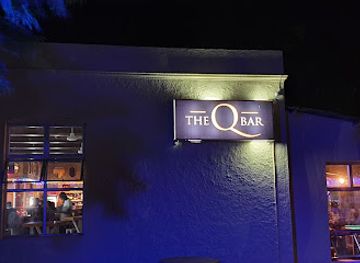
The Q Bar
Experience the vibrant flavors and lively atmosphere at The Q Bar, Harare's premier grill and bar destination.
-
Bar
Club Excite
Experience the vibrant nightlife at Club Excite in Gweru, a bar that combines great music, drinks, and an energetic ambiance.
Best nightclubs in Midlands
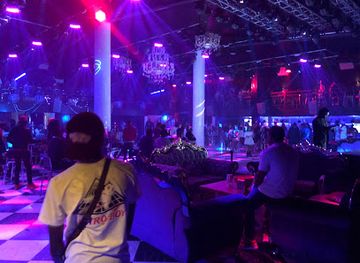
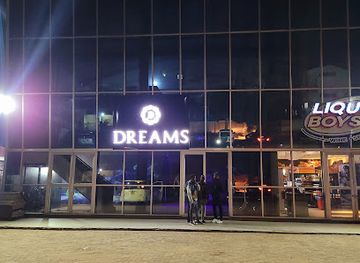
Evening life in Midlands is concentrated in Gweru and the larger mining towns, with traditional pubs, hotel bars, casual restaurants and music-led venues providing most of the social atmosphere. Gweru has the broadest choice, while Kwekwe, Shurugwi and Zvishavane offer more locally focused evenings shaped by town residents, workers and students. Nightclubs exist but the scene is smaller and more changeable than in Harare or Bulawayo, so current local advice is important before choosing a venue. In rural districts, evenings generally centre on accommodation lodges, restaurants or community events rather than a formal nightlife circuit. Breweries and locally available lagers are common, but drinking is not necessary to participate in the region's evening culture. Use reputable transport after dark, avoid isolated streets and confirm payment arrangements before ordering in smaller establishments.
-
Disco club
WOOD Sensations Club & Craft Beer House
Discover the vibrant nightlife at WOOD Sensations Club & Craft Beer House, where music, craft beer, and great company come together in Harare.
-
Grill
Big Apple Night Club
Discover the vibrant nightlife and delicious grilled cuisine at Big Apple Night Club in Harare, a must-visit destination for tourists.
-
Bar
Club Excite
Discover Club Excite in Gweru, a lively bar known for its jazz nights and vibrant atmosphere, perfect for an unforgettable night out.
-
Disco club
Dreams Nightlife
Dive into the vibrant nightlife of Harare at Dreams Nightlife, where music and dancing unite for an unforgettable experience.
Best shops in Midlands
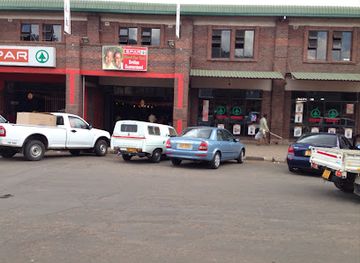
Shopping in Midlands is practical and town-based, with Gweru offering the broadest selection of supermarkets, department stores, service businesses, clothing outlets, pharmacies and small independent retailers. Kwekwe, Shurugwi and Zvishavane provide everyday shopping for their local communities, while smaller settlements rely more heavily on general dealers, roadside stalls and periodic markets. Food shopping is often the most locally revealing option: seasonal fruit, vegetables, maize products and other staples are sold through markets and informal traders, although quality and payment options vary. Visitors may find carved wooden items, woven goods, beadwork and other Zimbabwean crafts, but provenance and workmanship differ, so examine pieces carefully and bargain courteously where bargaining is customary. Books, textiles, stone carvings and locally made souvenirs are easier to locate in established urban shops or craft outlets than in remote rural areas. Keep receipts for valuable purchases and check export rules for artworks, minerals, wildlife products and antiques before taking them out of Zimbabwe.
-
Shopping mall
Nice Time Mall
Experience shopping, dining, and entertainment at Nice Time Mall, Gweru's premier shopping destination.
-
Shopping mall
Cross Roads Stores Silobela Midlands
Explore Cross Roads Stores in Silobela Midlands for a unique shopping experience with local crafts, delicious food, and vibrant community spirit.
-
Gift shop
giftitco.zw
Explore unique Zimbabwean crafts and gifts at Giftitco, a premier gift shop celebrating local artisanship.
-
Fashion designer
Alexdenims & Fashion
Explore Alexdenims & Fashion for unique clothing that embodies Zimbabwean culture and contemporary style, perfect for all fashion lovers visiting the region.
Get your free copy of our complete guide to Midlands, delivered straight to you.
Everything on this page, from attractions and restaurants to essentials and local phrases, in one PDF you can read offline, print or share.
Already have an account? Sign in
Your Midlands guide is ready.
We'll send it to · Not you? Sign out

Getting your guide ready…
We are putting together a fresh copy of the Midlands guide. This can take up to a minute.
This can take a few moments. If your browser asks, choose Allow so the download can start. You'll find the guide in your Downloads folder.
Nothing happened? Download it again
Sorry, the guide is taking longer than usual. Please try again in a minute, or get it by email instead.
Midlands essentials
Currency and Payment
Safety
Emergency Situations
Do's and Don'ts
Local Tips
From Eve
Local phrases worth knowing
You don't need to get them perfect. A few words go a long way, and locals appreciate the effort.
Basics
| English | Local | Say it |
|---|---|---|
| Hello | Hey there | [Hey thair] |
| Goodbye | See ya | [See yah] |
| Yes | Yep | [Yep] |
| No | Nah | [Nah] |
| Please/You're welcome | No problem | [No prob-lem] |
| Thank you | Thanks | [Thanks] |
| Excuse me/Sorry | Sorry about that | [Sorry uh-bout that] |
| How are you? | How's it going? | [How's it goin'?] |
| Fine. And you? | Good. How about you? | [Good. How 'bout you?] |
| Do you speak English? | Do ya speak English? | [Do ya speak English?] |
| I don't understand | I don’t get it | [I don’t get it] |
Eating & Drinking
| English | Local | Say it |
|---|---|---|
| I'd like to see the menu, please | Can I see the menu? | [Can I see the menu?] |
| I don't eat meat | I’m vegetarian | [I'm vege-tarian] |
| Cheers! | Cheers! | [Cheers!] |
| I would like to pay, please | Can I get the check? | [Can I get the check?] |
Emergencies
| English | Local | Say it |
|---|---|---|
| Help! | Help! | [Help!] |
| Go away! | Leave me alone! | [Leave me alone!] |
| Call the Police! | Call 911! | [Call nine-one-one!] |
| Call a doctor! | Get a doctor! | [Get a doctor!] |
| I'm lost | I can't find my way | [I can't find my way] |
| I'm ill | I’m not feeling well | [I'm not feelin' well] |
Shopping
| English | Local | Say it |
|---|---|---|
| I'd like to buy... | I want to buy... | [I want to buy...] |
| I'm just looking | Just browsing | [Just brows-ing] |
| How much is it? | What’s the price? | [What's the price?] |
| That's too expensive | That costs too much | [That costs too much] |
| Can you lower the price? | Can you give me a better price? | [Can you give me a better price?] |
Time & Numbers
| English | Local | Say it |
|---|---|---|
| What time is it? | What’s the time? | [What's the time?] |
| It's one o'clock | It’s one o'clock | [It's one o'clock] |
| Half past (10) | Half past ten | [Half past ten] |
| Morning | Morning | [Morning] |
| Afternoon | Afternoon | [Afternoon] |
| Evening | Evening | [Evening] |
| Yesterday | Yesterday | [Yesterday] |
| Today | Today | [Today] |
| Tomorrow | Tomorrow | [Tomorrow] |
| 1 | One | [One] |
| 2 | Two | [Two] |
| 3 | Three | [Three] |
| 4 | Four | [Four] |
| 5 | Five | [Five] |
| 6 | Six | [Six] |
| 7 | Seven | [Seven] |
| 8 | Eight | [Eight] |
| 9 | Nine | [Nine] |
| 10 | Ten | [Ten] |
Transport & Directions
| English | Local | Say it |
|---|---|---|
| Where's a/the...? | Where's the...? | [Where's the...?] |
| What's the address? | What’s the address? | [What's the address?] |
| Can you show me (on the map)? | Can you point it out? | [Can you point it out?] |
| When's the next (bus)? | When’s the next bus? | [When's the next bus?] |
| A ticket (to ....) | A ticket to... | [A ticket to...] |
History of Midlands
Early Farming, Ironworking and Settlement
Long before modern provincial boundaries, the Midlands plateau supported communities practising farming, livestock keeping, ironworking and regional exchange. Archaeological evidence across central Zimbabwe reflects the wider development of settled societies that used local stone, clay and iron resources and participated in trading networks linking the interior. The province's later importance as a mining area therefore built on an older relationship between people, land and mineral resources. Although many early sites are not arranged as conventional tourist attractions, the surviving landscape provides essential context for understanding Zimbabwe's precolonial technological and agricultural history.
Shona States and Regional Exchange
During the second millennium, the central plateau formed part of a wider world of Shona-speaking farming communities, chiefly systems and states connected by exchange. Gold, cattle, metal goods and agricultural products moved through networks that reached the major stone-building centres of the Zimbabwean plateau. Midlands was not the location of Great Zimbabwe itself, which lies in Masvingo Province, but its position between southern, western and northern parts of the country placed it within the broader cultural and commercial sphere associated with the Zimbabwe tradition. Later settlement patterns retained elements of this agricultural and trading landscape.
Ndebele Expansion and the Nineteenth Century
The nineteenth century brought political change as the Ndebele state expanded northwards from the south-western plateau. Communities in what is now Midlands were affected by shifting alliances, raiding, migration and the movement of people and cattle. Shona-speaking societies remained important across the region, while Ndebele influence became particularly significant in the western and southern districts. These histories are complex and should not be reduced to a single narrative of conquest. They help explain why Midlands has long contained overlapping cultural, linguistic and political traditions.
Colonial Occupation and the Railway
European occupation at the end of the nineteenth century transformed the region's landholding, administration and economy. The railway became a decisive force, connecting central settlements with Bulawayo, Salisbury, now Harare, and mining areas farther south and west. Gweru, established as Gwelo during the colonial period, grew as a railway and administrative centre, while new roads and commercial farms altered patterns of movement and production. Mission stations, townships and settler enterprises developed alongside African communities whose labour sustained agriculture, transport and emerging mines.
Gold, Iron and Industrial Midlands
Mining gave the province much of its modern economic identity. Kwekwe developed around gold mining and later became associated with iron and steel production at nearby Redcliff. Shurugwi became a major centre for chrome and other minerals, while Zvishavane grew through asbestos mining and subsequently through interests in platinum-group and other mineral resources. These industries produced company towns, labour migrations, engineering skills and strong links with national infrastructure, but also created environmental and social pressures. Industrial ruins, mine dumps, railway sidings and working operations remain visible reminders of this history.
Independence and Contemporary Change
Zimbabwe's independence in 1980 brought new political institutions and a redefinition of the country's economic priorities, while Midlands retained its importance in mining, manufacturing, agriculture and transport. Gweru continued as a provincial and educational centre, and the province's towns adapted to changing industrial conditions, periods of economic difficulty and renewed investment in some mineral sectors. Today, mining remains influential, but conservation, tourism, small-scale enterprise and commercial agriculture also contribute to the regional economy. The resulting Midlands is neither solely industrial nor purely rural: it is a working central province shaped by several overlapping economies.
Midlands in Photos
Browse through our photo collection highlighting the charm and character of the destination.
Neighbouring regions of Midlands
The closest regions to Midlands, if you have time for more than one.
-

-

-

-

-


Swipe for more regions
Explore more

Explore more of Zimbabwe
Discover Zimbabwe: A land of majestic waterfalls, abundant wildlife, ancient ruins, and vibrant culture. Perfect for adventure seekers and history enthusiasts alike.
Explore Zimbabwe