

Free Badghis Travel Guide & Mobile App
Explore Badghis with free travel guides. Discover regional history, expert tips, proposed trips, and audio guides on web or mobile app.


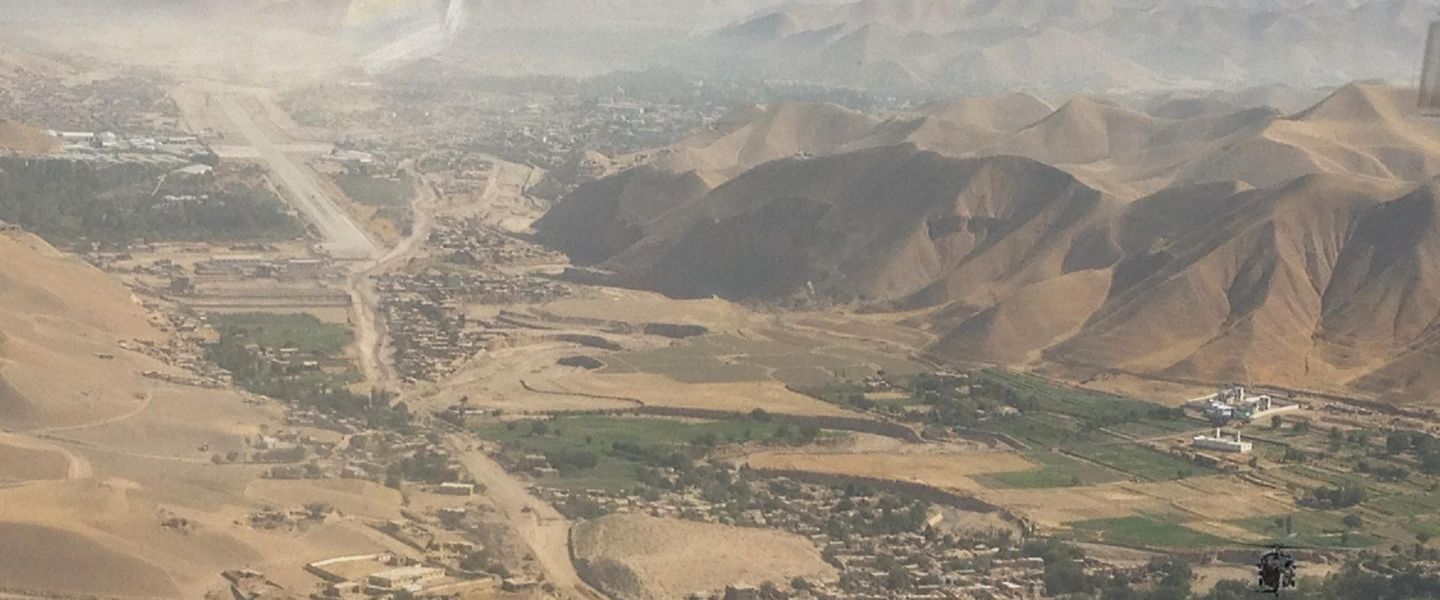


Badghis, north-western Afghanistan, combines Murghab valleys, pistachio woodlands and remote frontier landscapes, but requires exceptional caution.
Read more about Badghis
When is the best time to visit Badghis?
Best: April, September–October · 22–30°C| Month | High (°C) | Rainfall (mm) |
|---|---|---|
| January | 10 | 40 |
| February | 12 | 35 |
| March | 18 | 35 |
| April (best) | 24 | 30 |
| May | 29 | 25 |
| June | 35 | 10 |
| July | 38 | 5 |
| August | 36 | 5 |
| September (best) | 30 | 10 |
| October (best) | 22 | 20 |
| November | 13 | 25 |
| December | 10 | 35 |
Getting to and around Badghis
How to get there
Transportation
Best attractions in Badghis
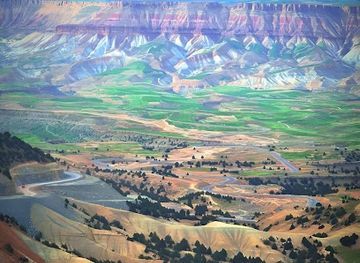
Badghis has no established tourism circuit and very limited visitor infrastructure, so its attractions are primarily landscapes and places of regional interest rather than managed sightseeing sites. Qala-e-Naw offers the clearest introduction to provincial administration and everyday commerce, although it has few facilities designed for international visitors. Beyond the capital, the Murghab river valleys, dry uplands and remote settlements illustrate the relationship between water, cultivation and pastoral life in north-western Afghanistan. Natural pistachio woodlands are among the province's most distinctive environmental features, especially where spring growth briefly colours the hills. Rural scenery around districts such as Qadis, Ab Kamari, Jawand and Muqur may be significant to researchers and authorised visitors, but access is dependent on security, roads and local permission. There are no reliably accessible national-park-style facilities or broad network of museums and monuments. Any proposed visit should therefore be treated as a professionally managed field journey rather than leisure sightseeing, with current assessment of armed conflict, unexploded ordnance, weather, medical evacuation and local administrative requirements.
-
 Mountain peak
Band-e Bādghisāt
Discover Band-e Bādghisāt in Afghanistan: a haven of natural beauty, cultural richness, and thrilling adventure, offering an unforgettable travel experience.
Explore Badghis on the map
Plan your trip on one map. See where the top cities, national parks and sights are, and book hotels and experiences in a few clicks.
Best hotels in Badghis
Best restaurants in Badghis
Dining in Badghis is practical and locally sourced rather than arranged around a visitor restaurant scene. In Qala-e-Naw, meals may include rice dishes, flatbreads, noodles, beans, vegetables, yoghurt and grilled meat, reflecting wider Afghan culinary traditions and the ingredients available through regional markets. Rural households commonly rely on bread, dairy products, seasonal produce and foods connected with farming or pastoralism. Tea is an important social refreshment, while dried fruits and nuts may be available when local supply permits. In some communities, pistachios form part of the province's notable natural and commercial resources, but they should not be treated as a guaranteed restaurant speciality. Travellers with an essential reason to visit must arrange food, safe drinking water and dietary requirements in advance, since choice, refrigeration and hygiene standards can vary considerably and supplies outside Qala-e-Naw may be sparse.
-
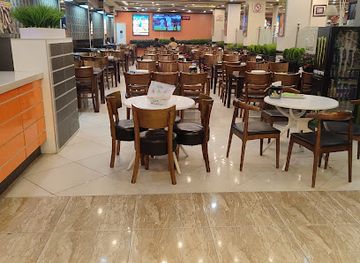
Barg Continental Restaurant
Discover authentic Afghan flavors at Barg Continental Restaurant in Kabul—where exceptional cuisine meets warm hospitality.
-
Restaurant
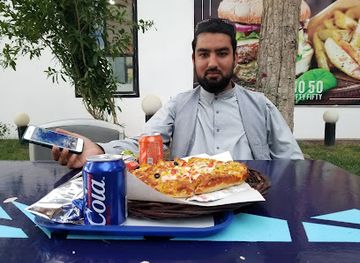
Fifty Fifty Restaurant
Experience authentic Afghan flavors alongside Western classics at Fifty Fifty Restaurant in Herat – a must-visit for every food lover.
-
Restaurant
Silk Road Hotel Restaurant
Discover exquisite Asian and Japanese cuisine at Silk Road Hotel Restaurant in Bamyan – where tradition meets taste.
-
Restaurant
Naseeb Restaurant (رستورانت نصیب)
Discover the rich flavors of Afghanistan at Naseeb Restaurant in Kabul – where every dish tells a story.
Best bars in Badghis
Badghis has no conventional bar or nightclub culture for visitors. Alcohol is prohibited under Afghanistan's current legal and social framework, and evening life generally centres on family homes, tea drinking, local conversation and limited restaurant or guesthouse dining rather than entertainment venues. Qala-e-Naw is the province's main urban centre, but its evening facilities remain modest and can be affected by security restrictions, power shortages and changing local regulations. In rural districts, there may be no public leisure venues at all. Visitors on essential business should avoid treating social invitations as tourism experiences, follow the host community's expectations, return to accommodation before any movement restrictions take effect and never assume that photography, music or public gatherings are acceptable without local guidance.
-
Steak
حمام حاجي مير احمد
Experience the unique charm of حمام حاجي مير احمد, a traditional Afghan bathhouse in Kabul that offers relaxation and cultural immersion.
-
be quiet
Discover authentic Afghan cuisine at Be Quiet Restaurant in Ghawcqol, where flavors and traditions come together for an unforgettable dining experience.
-
Steak
ترمیم گاه مستری نور محمد
Experience Afghan hospitality in the heart of Andkhoy at ترمیم گاه مستری نور محمد, the perfect bar for relaxation and cultural immersion.
-
Steak
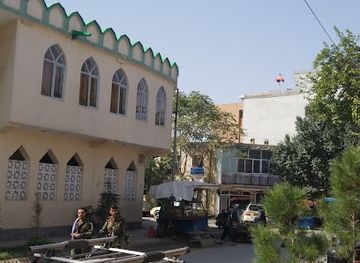
رستورانت بزرگ شهر قلعه نو
Experience the rich flavors of Afghan cuisine at رستورانت بزرگ شهر قلعه نو in Qala-e-Naw, where every meal tells a story.
Best nightclubs in Badghis
Badghis has no conventional bar or nightclub culture for visitors. Alcohol is prohibited under Afghanistan's current legal and social framework, and evening life generally centres on family homes, tea drinking, local conversation and limited restaurant or guesthouse dining rather than entertainment venues. Qala-e-Naw is the province's main urban centre, but its evening facilities remain modest and can be affected by security restrictions, power shortages and changing local regulations. In rural districts, there may be no public leisure venues at all. Visitors on essential business should avoid treating social invitations as tourism experiences, follow the host community's expectations, return to accommodation before any movement restrictions take effect and never assume that photography, music or public gatherings are acceptable without local guidance.
-
Restaurant
هرات افغانستان
Discover the vibrant nightlife of Herat, Afghanistan, where rich culture meets lively entertainment in a unique setting.
-
Restaurant
حمام حاجي مير احمد
Experience relaxation and cultural immersion at حمام حاجي مير احمد, a traditional bathhouse in the heart of Kabul, Afghanistan.
-
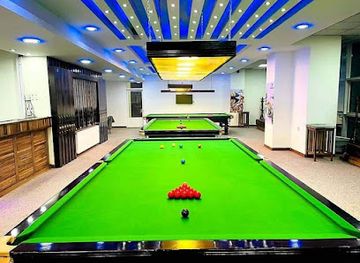
iCue Snooker & Cafe
Discover the vibrant atmosphere of iCue Snooker & Cafe in Kabul, where snooker meets delicious snacks and lively interactions.
-
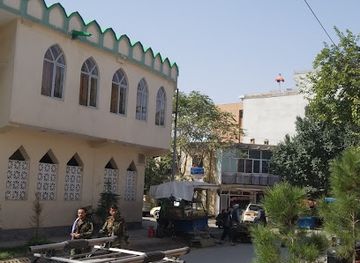
Badghis Sports Stadium
Discover the vibrant atmosphere of Badghis Sports Stadium in Qala-e-Naw, where sports and culture unite for an unforgettable experience.
Best shops in Badghis
Shopping in Badghis is concentrated on practical markets and small traders in Qala-e-Naw rather than formal retail districts. Visitors with a legitimate reason to be in the province may find staple foods, clothing, household goods, tea, dried produce and locally traded agricultural products, but stock and opening arrangements can change with road access and security conditions. Pistachios are the region's best-known natural product, although quality, provenance and lawful transport should be considered carefully. Handwoven textiles, carpets and embroidery may be encountered through local networks, reflecting wider Afghan craft traditions, but availability is inconsistent and claims about origin should be checked. Rural markets are important to communities but should not be treated as tourist spectacles: ask permission before photographing vendors or goods, and avoid purchasing archaeological objects, old weapons or items of uncertain provenance. Carrying cash remains essential because card payment and formal tourist shopping services are not dependable.
-
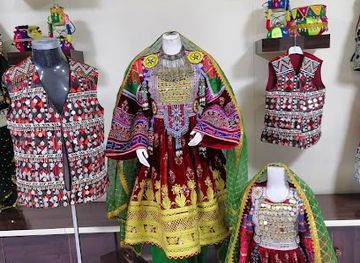
Naaz Boutique Afghani dresses store
Explore the enchanting world of Afghani fashion at Naaz Boutique, where every dress tells a story of tradition and beauty.
-
Qalbe Asia Big Store
Explore the vibrant Qalbe Asia Big Store in Herat, a shopping haven blending local culture with modern retail experiences.
-
فروشگاه رحيمي Rahimi store
Explore Rahimi Store in Kabul for a unique blend of traditional and modern Afghan clothing, reflecting the rich cultural tapestry of Afghanistan.
-
Muradi Store فروشگاه مرادی
Discover the heart of Qeysar at Muradi Store, your go-to grocery for local delights and fresh produce.

Get your free copy of our complete guide to Badghis, delivered straight to you.
Everything on this page, from attractions and restaurants to essentials and local phrases, in one PDF you can read offline, print or share.
Already have an account? Sign in
Your Badghis guide is ready.
We'll send it to · Not you? Sign out

Getting your guide ready…
We are putting together a fresh copy of the Badghis guide. This can take up to a minute.
This can take a few moments. If your browser asks, choose Allow so the download can start. You'll find the guide in your Downloads folder.
Nothing happened? Download it again
Sorry, the guide is taking longer than usual. Please try again in a minute, or get it by email instead.
Badghis essentials
Currency and Payment
Safety
Emergency Situations
Do's and Don'ts
Local Tips
From Eve
Local phrases worth knowing
You don't need to get them perfect. A few words go a long way, and locals appreciate the effort.
Basics
| English | Local | Say it |
|---|---|---|
| Hello | سلام | [Salam] |
| Goodbye | خداحافظ | [Khodahafez] |
| Yes | بله | [Baleh] |
| No | نه | [Na] |
| Please/You're welcome | لطفا / خوش آمدید | [Lotfan / Khosh amadid] |
| Thank you | تشکر | [Tashakur] |
| Excuse me/Sorry | ببخشید | [Bebakhshid] |
| How are you? | چطورید؟ | [Chetorid?] |
| Fine. And you? | خوبم. شما چطورید؟ | [Khobam. Shoma chetorid?] |
| Do you speak English? | آیا انگلیسی صحبت میکنید؟ | [Aya Englisi sohbat mikonid?] |
| I don't understand | من نمیفهمم | [Man nemifahmam] |
Eating & Drinking
| English | Local | Say it |
|---|---|---|
| I'd like to see the menu, please | لطفا منو را ببینم | [Lotfan menu ra bebinam] |
| I don't eat meat | من گوشت نمیخورم | [Man gusht nemikhoram] |
| Cheers! | به سلامتی! | [Be salamati!] |
| I would like to pay, please | لطفا میخواهم پرداخت کنم | [Lotfan mikhahham pardakht konam] |
Emergencies
| English | Local | Say it |
|---|---|---|
| Help! | کمک! | [Komak!] |
| Go away! | برو برو! | [Boro boro!] |
| Call the Police! | پلیس را صدا کنید! | [Polis ra seda konid!] |
| Call a doctor! | دکتر را صدا کنید! | [Doktor ra seda konid!] |
| I'm lost | من گم شدهام | [Man gom shodeam] |
| I'm ill | من بیمارم | [Man bimaram] |
Shopping
| English | Local | Say it |
|---|---|---|
| I'd like to buy... | میخواهم بخرم... | [Mikhahham bekharam...] |
| I'm just looking | فقط دارم نگاه میکنم | [Faghat daram negah mikonam] |
| How much is it? | قیمتش چقدر است؟ | [Gheymatash chandeh ast?] |
| That's too expensive | این خیلی گران است | [In kheyli geran ast] |
| Can you lower the price? | آیا میتوانید قیمت را کاهش دهید؟ | [Aya mitavanid gheymat ra kahesh dahid?] |
Time & Numbers
| English | Local | Say it |
|---|---|---|
| What time is it? | ساعت چند است؟ | [Saat chand ast?] |
| It's one o'clock | ساعت یک است | [Saat yek ast] |
| Half past (10) | نیم ساعت (10) | [Nim saat (10)] |
| Morning | صبح | [Sob] |
| Afternoon | بعدازظهر | [Ba'd az zohr] |
| Evening | عصر | [Asr] |
| Yesterday | دیروز | [Dirooz] |
| Today | امروز | [Emruz] |
| Tomorrow | فردا | [Farda] |
| 1 | یک | [Yek] |
| 2 | دو | [Do] |
| 3 | سه | [Se] |
| 4 | چهار | [Chahar] |
| 5 | پنج | [Panj] |
| 6 | شش | [Shesh] |
| 7 | هفت | [Haft] |
| 8 | هشت | [Hasht] |
| 9 | نه | [No] |
| 10 | ده | [Dah] |
Transport & Directions
| English | Local | Say it |
|---|---|---|
| Where's a/the...? | کجاست یک ...؟ | [Kojast yek ...?] |
| What's the address? | آدرس چیست؟ | [Adres chist?] |
| Can you show me (on the map)? | آیا میتوانید به من نشان دهید (روی نقشه)؟ | [Aya mitavanid be man neshan dahid (ruye naqsha)?] |
| When's the next (bus)? | کی (اتوبوس) بعدی میآید؟ | [Ki (otobus) ba'di miayad?] |
| A ticket (to ....) | یک بلیط (به ...) | [Yek belit (be ...)] |
History of Badghis
Ancient and early Islamic frontier
Badghis occupies a transition zone between the Iranian plateau, the northern Afghan plains and routes leading towards Central Asia. Ancient and early medieval movement through the wider region connected settled agricultural centres with pastoral communities and long-distance trade routes. The province was not usually a single unified political unit in the modern sense, but its valleys and passes were influenced by successive Iranian, Central Asian and Afghan powers. The name Badghis appears in medieval geographical and historical writing, reflecting the area's established identity as a dry frontier landscape west of the central Afghan highlands.
Ghurid and medieval regional power
During the medieval period, rulers based in Ghur and western Afghanistan competed for influence over the routes linking Herat, northern Afghanistan and the Iranian plateau. Badghis lay between these zones and was affected by the expansion of the Ghurids in the twelfth century, followed by the upheavals associated with the Mongol conquests. The region's importance came less from monumental urban centres than from its strategic valleys, grazing lands and position between more powerful settled states. Its medieval legacy is therefore best understood through regional connections rather than through a single surviving provincial capital.
Timurid and early modern competition
Herat became a major centre under the Timurids in the fifteenth century, and Badghis was drawn into the political and economic orbit of the city while remaining a sparsely settled frontier. Later, Safavid, Uzbek and Afghan powers competed across western and northern Afghanistan. Control was often negotiated through local leaders, tribal alliances and access to routes rather than maintained through dense permanent administration. This pattern helped shape the province's long-standing relationship with neighbouring Herat, Ghor and the Central Asian borderlands.
Durrani and nineteenth-century state formation
The emergence of the Durrani state in the eighteenth century placed Badghis within the political framework of Afghanistan, although effective control in remote districts remained uneven. During the nineteenth century, the consolidation of the Afghan state and rivalry between the British and Russian empires increased the strategic importance of north-western Afghanistan. Borderland administration, movement of armed groups and relations with communities near the frontier became matters of growing concern. Qala-e-Naw developed as the provincial seat and administrative focus in the modern period.
The twentieth-century Afghan state
Modern government institutions, roads, schools and development projects reached Badghis gradually and unevenly during the twentieth century. The province remained predominantly rural, with livelihoods based on farming, livestock and collection of pistachios from natural woodlands. Its position near the Soviet sphere and the north-western frontier gave it military significance after the 1979 Soviet intervention. Conflict weakened infrastructure, disrupted agriculture and encouraged displacement, leaving many communities dependent on local networks and humanitarian assistance.
War, displacement and environmental pressure
From the late twentieth century into the twenty-first, Badghis experienced repeated conflict involving changing Afghan governments, armed opposition groups and international forces. Insecurity affected movement, public services and access to markets, while drought and water scarcity intensified pressure on farming and pastoral livelihoods. The province became a significant setting for internal displacement and humanitarian operations. The political transition of 2021 brought a new governing order but did not remove the underlying security, economic and environmental challenges. These recent conditions are central to understanding why ordinary tourism infrastructure remains so limited.
Badghis in Photos
Browse through our photo collection highlighting the charm and character of the destination.
Neighbouring regions of Badghis
The closest regions to Badghis, if you have time for more than one.
-

-

-

-

-


Swipe for more regions
Explore more

Explore more of Afghanistan
Discover Afghanistan's rich history, stunning landscapes, and diverse cultures. From ancient cities to breathtaking nature, this Central Asian gem offers a unique travel experience.
Explore Afghanistan