

Free Faryab Travel Guide & Mobile App
Explore Faryab with free travel guides. Discover regional history, expert tips, proposed trips, and audio guides on web or mobile app.


Faryab in northern Afghanistan combines Central Asian cultural influences, dry valleys and frontier history, but requires exceptional security planning.
Read more about Faryab
When is the best time to visit Faryab?
Best: May, September–October · 22–29°C| Month | High (°C) | Rainfall (mm) |
|---|---|---|
| January | 9 | 30 |
| February | 12 | 35 |
| March | 17 | 40 |
| April | 22 | 30 |
| May (best) | 27 | 20 |
| June | 32 | 10 |
| July | 35 | 5 |
| August | 34 | 5 |
| September (best) | 29 | 10 |
| October (best) | 22 | 20 |
| November | 14 | 25 |
| December | 7 | 30 |
Getting to and around Faryab
How to get there
Transportation
Best landmarks in Faryab
Faryab’s most recognisable landmarks are associated with its provincial capital, historic market settlements and broad northern landscapes rather than a well-preserved group of celebrated monuments. Maymana’s urban profile reflects its role as an administrative and commercial centre, with bazaars, civic buildings and religious structures shaped by local rebuilding and changing political authority. Andkhoy is significant as a long-established market town near the Central Asian frontier, whose identity has been formed by trade, agriculture and cultural connections across northern Afghanistan. The dry plains and seasonal valleys around the Murghab system are geographical landmarks in their own right, showing how settlement depends on scarce water in the province. Faryab’s border position is historically important, but the frontier is a sensitive security zone and is not a sightseeing area. Many religious, civic and historic buildings are poorly documented, vulnerable to damage and subject to access restrictions. Visitors should not attempt to locate or photograph military sites, checkpoints, government compounds or archaeological remains without explicit permission and specialist guidance.
-
Historical place
Herat Citadel
Explore the ancient Herat Citadel, a historic fortress with roots stretching back to Alexander the Great, offering stunning views and a glimpse into Afghanistan's past.
-
Park
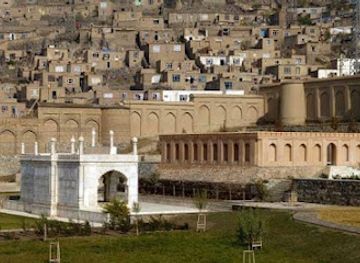
Babur Garden
Explore Kabul's Mughal heritage at Bagh-e Babur: a serene garden oasis with historic tombs, stunning architecture, and panoramic city views.
-
National park
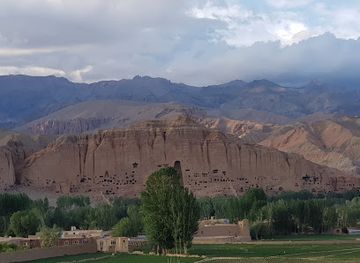
Band-e-Amir National Park
Discover Afghanistan's hidden gem: turquoise lakes, dramatic canyons, and a unique blend of natural beauty and cultural significance.
-
Castle
DarulAman Palace
Explore Darul Aman Palace in Kabul, a neoclassical masterpiece reborn, symbolizing Afghanistan's resilience and rich history.


Explore Faryab on the map
Plan your trip on one map. See where the top cities, national parks and sights are, and book hotels and experiences in a few clicks.
Best hotels in Faryab
Best restaurants in Faryab
Faryab’s food culture is based on northern Afghan home cooking rather than a developed restaurant industry. In Maymana and other larger settlements, simple eateries may serve rice dishes, naan, soups, grilled meat, beans and seasonal vegetables, while rural meals often reflect available grain, dairy, fruit and household produce. Uzbek and Turkmen influences are visible in the preference for hearty rice preparations, breads, noodles and dumpling-style foods, although recipes vary from family to family and should not be presented as uniform provincial specialities. Tea is central to hospitality, and dried fruit, nuts and dairy products are important in local food exchange. Visitors travelling for authorised work should rely on accommodation or host arrangements for meals, carry permitted supplies where necessary and use treated or sealed water. Payment, hygiene standards, opening arrangements and food availability can change quickly, especially outside Maymana, so dining should be planned as part of the wider security and logistics operation.
-
Restaurant
Mr.cook fast food
Experience Afghan hospitality at Mr. Cook Fast Food in Kabul - where delicious fast food meets local charm.
-
Afghani
Ziyafat Restaurant
Experience the essence of Afghan cuisine at Ziyafat Restaurant in Kabul, where authentic flavors meet warm hospitality.
-
Afghani
Sufi Mahal Restaurant ( رستورانت صوفی محل )
Discover the rich flavors and warm hospitality at Sufi Mahal Restaurant in Kabul, where authentic Afghan cuisine awaits every traveler.
-
Afghani
Herat Restaurant
Discover authentic Afghan flavors at Herat Restaurant in Kabul - where tradition meets taste in every dish.


Best bars in Faryab
Faryab has no conventional bar or nightclub scene. Afghanistan is an Islamic country where alcohol is prohibited, and public nightlife is not an appropriate feature of travel planning. Evening social life generally centres on family homes, tea drinking, private gatherings, religious settings and informal conversation rather than commercial entertainment. Maymana may have modest cafés or eateries serving tea and food, but their availability, privacy and operating conditions should be confirmed locally and never assumed. Visitors should avoid lingering in public after dark, respect household and religious boundaries, and follow the arrangements of their host organisation. Music, photography and public gatherings can attract attention depending on local circumstances, while larger events or celebrations may be subject to sudden restrictions. The safe approach is to treat evenings as a time for secure accommodation, communications checks and preparation for the following day.
-
Barg Continental Restaurant
Experience the rich flavors of Afghan cuisine at Barg Continental Restaurant, a must-visit dining destination in Kabul offering warmth and hospitality.
-
Le Bistro
Discover the authentic taste of Afghanistan at Le Bistro in Kabul, where traditional flavors meet modern dining in a cozy atmosphere.
-
Bar
پخل بازار
Discover the vibrant life of Pakhle Bazaar in Maymana, where local culture, delicious foods, and a bustling market atmosphere await every traveler.
-
Bar
حمام حاجي مير احمد
Discover the rich culture of Kabul at حمام حاجي مير أحمد, a charming bar blending tradition and hospitality in a warm atmosphere.


Best nightclubs in Faryab
Faryab has no conventional bar or nightclub scene. Afghanistan is an Islamic country where alcohol is prohibited, and public nightlife is not an appropriate feature of travel planning. Evening social life generally centres on family homes, tea drinking, private gatherings, religious settings and informal conversation rather than commercial entertainment. Maymana may have modest cafés or eateries serving tea and food, but their availability, privacy and operating conditions should be confirmed locally and never assumed. Visitors should avoid lingering in public after dark, respect household and religious boundaries, and follow the arrangements of their host organisation. Music, photography and public gatherings can attract attention depending on local circumstances, while larger events or celebrations may be subject to sudden restrictions. The safe approach is to treat evenings as a time for secure accommodation, communications checks and preparation for the following day.
-
حمام حاجي مير احمد
Discover the charm of Afghan culture at حمام حاجي مير احمد, a welcoming bar in the heart of Kabul, perfect for relaxation and socializing.
-
Ziarat
Experience the vibrant nightlife at Ziarat in Pitav, Afghanistan, where music, culture, and fun come together for an unforgettable evening.
-
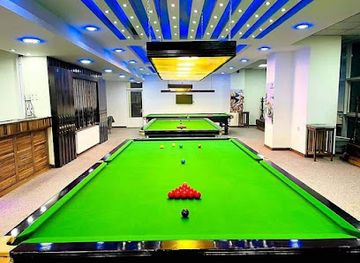
iCue Snooker & Cafe
Discover the vibrant atmosphere of iCue Snooker & Cafe, Kabul's premier sports club for snooker enthusiasts and casual visitors alike.

Best shops in Faryab
Shopping in Faryab is centred on ordinary bazaars and market streets rather than formal retail districts. Maymana provides the broadest selection of household goods, clothing, foodstuffs and locally traded produce, while Andkhoy and other market towns serve surrounding agricultural and pastoral communities. Northern Afghan craft traditions include handwoven carpets, kilims, embroidered textiles and woollen products, with styles and quality varying between workshops and sellers. Dried fruit, nuts, spices and locally produced food may be available, but visitors should establish that goods can be legally transported across provincial or national borders before purchasing them. Bargaining may form part of market transactions, yet it should be conducted patiently and respectfully, without obstructing trade or photographing sellers without permission. International visitors should avoid buying antiquities, archaeological objects, weapons or items of uncertain provenance. Retail access, product availability and market activity can change rapidly, so shopping should remain secondary to security arrangements and local advice.
-
Clothing store
Naaz Boutique Afghani dresses store
Explore the elegance of Afghani fashion at Naaz Boutique, where tradition meets contemporary style in the heart of Kabul.
-

Muradi Store فروشگاه مرادی
Discover the flavors of Afghanistan at Muradi Store in Qeysar, where local ingredients and community spirit come together.
-
Grocery store
MOMO Agent
Explore local flavors at MOMO Agent, Islan Qala's favorite grocery store for authentic Afghan ingredients and produce.
-
Cell phone store
FARYAB MOBILE MARKET
Explore FARYAB MOBILE MARKET in Maymana for a blend of technology and local culture in Afghanistan.


Get your free copy of our complete guide to Faryab, delivered straight to you.
Everything on this page, from attractions and restaurants to essentials and local phrases, in one PDF you can read offline, print or share.
Already have an account? Sign in
Your Faryab guide is ready.
We'll send it to · Not you? Sign out

Getting your guide ready…
We are putting together a fresh copy of the Faryab guide. This can take up to a minute.
This can take a few moments. If your browser asks, choose Allow so the download can start. You'll find the guide in your Downloads folder.
Nothing happened? Download it again
Sorry, the guide is taking longer than usual. Please try again in a minute, or get it by email instead.
Faryab essentials
Currency and Payment
Safety
Emergency Situations
Do's and Don'ts
Local Tips
From Eve
Local phrases worth knowing
You don't need to get them perfect. A few words go a long way, and locals appreciate the effort.
Basics
| English | Local | Say it |
|---|---|---|
| Hello | سلام | [Salam] |
| Goodbye | خداحافظ | [Khuda Hafiz] |
| Yes | بله | [Bale] |
| No | نه | [Na] |
| Please/You're welcome | لطفاً/خوش آمدید | [Lotfan/Khosh Amadid] |
| Thank you | تشکر | [Tashakor] |
| Excuse me/Sorry | ببخشید | [Bebakhshid] |
| How are you? | چطور هستید؟ | [Chetor Hastid?] |
| Fine. And you? | خوب. شما چطورید؟ | [Khob. Shoma Chetorid?] |
| Do you speak English? | آیا انگلیسی صحبت میکنید؟ | [Aya Englisi Sohbat Mikonid?] |
| I don't understand | متوجه نمیشوم | [Motavajeh Nemi-Shavam] |
Eating & Drinking
| English | Local | Say it |
|---|---|---|
| I'd like to see the menu, please | لطفاً منوی غذا را ببینم | [Lotfan Menu-ye Ghaza Ra Bebinam] |
| I don't eat meat | من گوشت نمیخورم | [Man Gusht Nemi-Khoram] |
| Cheers! | به سلامتی! | [Be Salamati!] |
| I would like to pay, please | لطفاً میخواهم پرداخت کنم | [Lotfan Mikaham Pardakht Konam] |
Emergencies
| English | Local | Say it |
|---|---|---|
| Help! | کمک! | [Komak!] |
| Go away! | برو کنار! | [Boro Kenar!] |
| Call the Police! | پلیس را صدا کنید! | [Polis Ra Seda Konid!] |
| Call a doctor! | دکتر را صدا کنید! | [Doktor Ra Seda Konid!] |
| I'm lost | گم شدهام | [Gom Shode-am] |
| I'm ill | بیمار هستم | [Bimar Hastam] |
Shopping
| English | Local | Say it |
|---|---|---|
| I'd like to buy... | میخواهم بخرم... | [Mikaham Bekharam...] |
| I'm just looking | فقط دارم نگاه میکنم | [Faghat Daram Negah Mikonam] |
| How much is it? | قیمتش چقدر است؟ | [Gheymatash Chande Ast?] |
| That's too expensive | خیلی گران است | [Kheyli Giran Ast] |
| Can you lower the price? | آیا میتوانید قیمت را پایین بیاورید؟ | [Aya Mitavanid Gheymat Ra Pain Biavarid?] |
Time & Numbers
| English | Local | Say it |
|---|---|---|
| What time is it? | ساعت چند است؟ | [Saat Chand Ast?] |
| It's one o'clock | ساعت یک است | [Saat Yak Ast] |
| Half past (10) | نیم ساعت (۱۰) | [Nim Saat (10)] |
| Morning | صبح | [Sobh] |
| Afternoon | بعدازظهر | [Badaz-Zohr] |
| Evening | عصر | [Asr] |
| Yesterday | دیروز | [Dirooz] |
| Today | امروز | [Emrooz] |
| Tomorrow | فردا | [Farda] |
| 1 | یک | [Yak] |
| 2 | دو | [Do] |
| 3 | سه | [Se] |
| 4 | چهار | [Chahar] |
| 5 | پنج | [Panj] |
| 6 | شش | [Shesh] |
| 7 | هفت | [Haft] |
| 8 | هشت | [Hasht] |
| 9 | نه | [Noh] |
| 10 | ده | [Dah] |
Transport & Directions
| English | Local | Say it |
|---|---|---|
| Where's a/the...? | کجاست ...؟ | [Kojast ...?] |
| What's the address? | آدرس چیست؟ | [Address Chist?] |
| Can you show me (on the map)? | میتوانید به من نشان دهید (روی نقشه)؟ | [Mitavanid Be Man Neshan Dahid (Ruye Naqshe)?] |
| When's the next (bus)? | بعدی (اتوبوس) کی میآید؟ | [Bad-i (Otobus) Ki Miayad?] |
| A ticket (to ....) | یک بلیط (به ...) | [Yak Bilet (Be ...)] |
History of Faryab
Ancient Northern Crossroads
Faryab lies within the wider historical landscape of northern Afghanistan, a zone connected to ancient Bactria, Margiana and later Central Asian states. Its valleys and passes linked settlements south of the Amu Darya with the interior of Afghanistan, although the modern province should not be equated with a single ancient kingdom. Archaeological evidence across northern Afghanistan shows long patterns of farming, pastoralism and regional exchange, but insecurity and limited investigation mean that many local sites remain poorly documented and should not be visited without specialist permission.
Islamisation and Medieval Regional Networks
From the early Islamic period onwards, northern Afghan districts became part of changing political and commercial networks centred at different times on cities in Khorasan and Transoxiana. Islam spread through conquest, scholarship, trade and local institutions, while Persianate administrative culture interacted with Turkic-speaking communities. Faryab’s historical identity developed within this wider northern zone rather than in isolation. Mosques, shrines, settlement patterns and agricultural systems in the province reflect layers of medieval and later Islamic history, though many surviving structures are vulnerable to neglect and conflict.
Turkic Dynasties and the Afghan Turkestan Frontier
Turkic dynasties and military confederations exercised influence across northern Afghanistan during the medieval and early modern periods. The area formed part of a frontier between political centres to the north and the Afghan plateau to the south, with authority often dependent on alliances with local communities. Uzbek and Turkmen cultural and linguistic influences became particularly significant in the northern plains. This heritage remains visible in language, family histories, music, dress and craft traditions, although contemporary communities are diverse and should not be reduced to a single ethnic identity.
The Durrani and Successor States
The formation of the Durrani state in the eighteenth century brought much of present-day Afghanistan into a broader political framework, but control over distant northern districts varied. Later rulers sought to consolidate administration, taxation and military authority across Afghan Turkestan. Maymana and other regional centres were drawn more firmly into state structures during the nineteenth century, as Kabul’s governments competed with local powers and responded to pressure from the expanding Russian Empire in Central Asia.
The Great Game and the Northern Boundary
During the nineteenth century, British and Russian rivalry transformed the political geography of Central Asia. Afghanistan became a buffer state, and its northern frontier acquired heightened military and diplomatic importance. Faryab’s position near the Russian sphere, later represented by Soviet Central Asia, gave the province strategic significance beyond its agricultural economy. Boundary-making did not erase local trade, migration or cultural connections across the frontier, but it increasingly placed them within the controls of separate states.
Twentieth-Century State Building and Rural Change
During the twentieth century, Afghan governments expanded provincial administration, roads, schools and agricultural programmes unevenly across Faryab. Maymana developed as the principal administrative centre, while market towns served surrounding farming and pastoral districts. Irrigation and crop production remained central to livelihoods, and northern connections supported trade in livestock, grain, cotton and handmade textiles. Development was repeatedly interrupted by political upheaval, drought and conflict, leaving infrastructure and public services unevenly distributed.
War, Displacement and the Contemporary Province
Faryab was affected by the Soviet war, the civil conflicts that followed and the international intervention after 2001. Fighting, shifting local power structures, displacement and damaged infrastructure reshaped communities throughout the province. Faryab became associated with persistent insecurity and contested authority, while drought and economic hardship added pressure to rural households. Since the Taliban returned to national power in 2021, the security and political environment has changed again, but serious risks, restrictions and humanitarian concerns continue to define the practical context for travel.
Faryab in Photos
Browse through our photo collection highlighting the charm and character of the destination.
Neighbouring regions of Faryab
The closest regions to Faryab, if you have time for more than one.
-
-
-
-

-


Swipe for more regions
Explore more

Explore more of Afghanistan
Discover Afghanistan's rich history, stunning landscapes, and diverse cultures. From ancient cities to breathtaking nature, this Central Asian gem offers a unique travel experience.
Explore Afghanistan