

Free Daykundi Travel Guide & Mobile App
Explore Daykundi with free travel guides. Discover regional history, expert tips, proposed trips, and audio guides on web or mobile app.


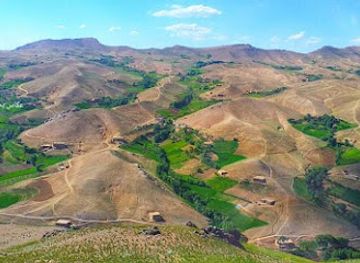
Daykundi reveals Afghanistan’s remote Hazara highlands through mountain valleys, rural culture and demanding overland travel, but security planning is essential.
Read more about Daykundi
When is the best time to visit Daykundi?
Best: May–June, September · 25–30°C| Month | High (°C) | Rainfall (mm) |
|---|---|---|
| January | 6 | 30 |
| February | 8 | 25 |
| March | 13 | 35 |
| April | 20 | 45 |
| May (best) | 25 | 50 |
| June (best) | 30 | 20 |
| July | 33 | 15 |
| August | 32 | 15 |
| September (best) | 27 | 20 |
| October | 20 | 25 |
| November | 12 | 30 |
| December | 6 | 35 |
Getting to and around Daykundi
How to get there
Transportation
Explore Daykundi on the map
Plan your trip on one map. See where the top cities, national parks and sights are, and book hotels and experiences in a few clicks.
Best hotels in Daykundi
Best restaurants in Daykundi
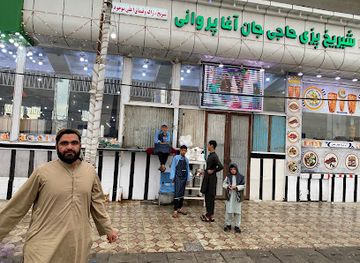
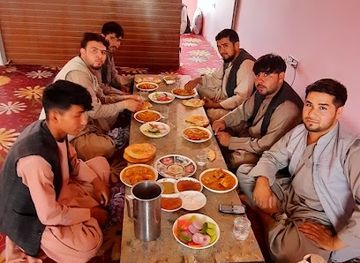
Daykundi’s food culture is predominantly domestic and seasonal rather than restaurant-based. In Nili, visitors may find simple eateries serving Afghan staples such as rice dishes, flatbreads, soups, beans, potatoes, vegetables and grilled meat, while rural meals are more likely to be prepared in private homes or guesthouses. The cold highland climate favours wheat, barley, potatoes, dairy products, pulses, herbs and preserved foods; almonds and other orchard produce are also important in suitable valleys. Tea is central to social hospitality, and meals may be shared communally according to local custom. Choice, hygiene standards, refrigeration and regular supplies can be limited outside the provincial centre, so dietary requirements need advance planning and essential provisions should not be assumed to be available. Visitors should accept food courteously while making medical or religious dietary needs clear through a trusted intermediary.
-

Silk Road Hotel Restaurant
Discover exquisite Asian and Japanese cuisine at Silk Road Hotel Restaurant in scenic Bamyan, where every meal is a journey through flavor.
-
Sherazaiرستورانت شيرازي
Experience authentic Afghan cuisine at Sherazai Restaurant in Ghazni - where every dish tells a story.
-
Restaurant Dilkafanak رستورانت دلکفانک
Experience authentic Afghan cuisine at Restaurant Dilkafanak, where every dish tells a story of rich tradition and flavor.
-
Restaurant
be quiet
Experience authentic Afghan cuisine at Be Quiet in Ghawcqol - where every meal tells a story.

Best bars in Daykundi
Daykundi has no conventional bar or nightclub scene, and alcohol is illegal in Afghanistan. Evening social life is centred on family homes, tea drinking, local conversation, religious and community gatherings, and the limited commercial activity of Nili. There is little entertainment infrastructure for foreign visitors, while movement after dark may carry serious security and practical risks. Guests should not expect live-music circuits, cocktail venues, late-opening restaurants or organised nightlife. Social customs differ between households and communities, so invitations should be handled through trusted local contacts and accepted with appropriate discretion. Tea houses and small eateries may provide public meeting places during the day, but their availability, opening arrangements and suitability for outsiders can change with local conditions.
-
be quiet
Discover tranquility and taste at 'Be Quiet', a hidden restaurant in Ghawcqol serving authentic Afghan cuisine in a peaceful setting.
-
Praça do estupro
Experience the vibrant bar culture at Praça do Estupro in Ghawcqol, offering unique drinks and local hospitality in a captivating setting.
-
Danna Florez
Experience authentic Belgian cuisine in Afghanistan at Danna Florez, a culinary oasis that blends rich flavors and warm hospitality.
-
Restaurant
حاجی اخترګل کټوازی کور
Experience the warmth of Afghan hospitality at حاجی اخترګل کټوازی کور, a cultural gem and bar in Ghazni, Afghanistan.

Best shops in Daykundi
Shopping in Daykundi is practical and locally oriented rather than designed for tourism. Nili has the province’s main concentration of small shops and market activity, where visitors may find food staples, clothing, household goods, medicines and locally traded agricultural produce. Rural markets serve surrounding communities on a smaller scale and may operate according to local patterns that can change with weather, security and supply. Potentially distinctive purchases include dried fruit, almonds, woollen goods, simple handicrafts and locally produced foods, but availability and quality are inconsistent and should not be assumed. Imported items may be scarce, while specialist outdoor equipment, toiletries and medicines are best obtained before travelling. Ask permission before photographing markets or vendors, bargain discreetly only where it is clearly customary, and avoid buying archaeological objects, old manuscripts or items whose provenance is uncertain, as trafficking cultural property is illegal and contributes to the loss of Afghanistan’s heritage.
-
Mohammad Jawadi
Discover Mohammad Jawadi in Nili, your go-to cell phone store for the latest devices and accessories during your Afghan adventure.
-
Bazar-e-Temran بازار تمران
Discover the colors and flavors of Afghanistan at Bazar-e-Temran, a vibrant shopping mall brimming with local crafts and culinary delights.
-
Baazar Baleh Woair
Explore the vibrant culture of Afghanistan at Baazar Baleh Woair, a general store offering unique local handicrafts and goods.
-
Mashal City Center
Explore Mashal City Center for a unique shopping experience in Ghawcqol, Afghanistan, blending local culture with modern retail and dining.
Get your free copy of our complete guide to Daykundi, delivered straight to you.
Everything on this page, from attractions and restaurants to essentials and local phrases, in one PDF you can read offline, print or share.
Already have an account? Sign in
Your Daykundi guide is ready.
We'll send it to · Not you? Sign out

Getting your guide ready…
We are putting together a fresh copy of the Daykundi guide. This can take up to a minute.
This can take a few moments. If your browser asks, choose Allow so the download can start. You'll find the guide in your Downloads folder.
Nothing happened? Download it again
Sorry, the guide is taking longer than usual. Please try again in a minute, or get it by email instead.
Daykundi essentials
Currency and Payment
Safety
Emergency Situations
Do's and Don'ts
Local Tips
From Eve
Local phrases worth knowing
You don't need to get them perfect. A few words go a long way, and locals appreciate the effort.
Basics
| English | Local | Say it |
|---|---|---|
| Hello | سلام | [Salam] |
| Goodbye | خدا حافظ | [Khuda Hafiz] |
| Yes | بله | [Baleh] |
| No | نه | [Na] |
| Please/You're welcome | لطفا/خوش آمدید | [Lotfan/Khosh Amadeed] |
| Thank you | تشکر | [Tashakur] |
| Excuse me/Sorry | ببخشید | [Bebakhshid] |
| How are you? | چطوری؟ | [Chetori?] |
| Fine. And you? | خوبم. تو چطور؟ | [Khobam. To chetor?] |
| Do you speak English? | آیا انگلیسی صحبت میکنید؟ | [Aya Englisi sohbat mikonid?] |
| I don't understand | متوجه نمیشوم | [Motavajeh nemishavam] |
Eating & Drinking
| English | Local | Say it |
|---|---|---|
| I'd like to see the menu, please | لطفا منوی غذا را ببینم | [Lotfan menuye ghaza ra bebinam] |
| I don't eat meat | من گوشت نمیخورم | [Man gusht nemikhoram] |
| Cheers! | به سلامتی! | [Be salamati!] |
| I would like to pay, please | لطفا میخواهم پرداخت کنم | [Lotfan mikhaham pardakht konam] |
Emergencies
| English | Local | Say it |
|---|---|---|
| Help! | کمک! | [Komak!] |
| Go away! | برو برو! | [Boro boro!] |
| Call the Police! | پلیس را صدا کنید! | [Police ra seda konid!] |
| Call a doctor! | دکتر را صدا کنید! | [Doktor ra seda konid!] |
| I'm lost | گم شدهام | [Gom shodeam] |
| I'm ill | بیمار هستم | [Bimar hastam] |
Shopping
| English | Local | Say it |
|---|---|---|
| I'd like to buy... | میخواهم بخرم... | [Mikhaham bekharam...] |
| I'm just looking | فقط دارم نگاه میکنم | [Faghat daram negah mikonam] |
| How much is it? | قیمتش چقدر است؟ | [Gheymatesh chqadr ast?] |
| That's too expensive | این خیلی گران است | [In khili geran ast] |
| Can you lower the price? | میتوانید قیمت را پایین بیاورید؟ | [Mitavanid gheymat ra paeen biawarid?] |
Time & Numbers
| English | Local | Say it |
|---|---|---|
| What time is it? | ساعت چند است؟ | [Saat chand ast?] |
| It's one o'clock | ساعت یک است | [Saat yak ast] |
| Half past (10) | نیم ساعت (10) | [Nim saat (10)] |
| Morning | صبح | [Sobh] |
| Afternoon | بعد از ظهر | [Bad az zohr] |
| Evening | عصر | [Asr] |
| Yesterday | دیروز | [Dirooz] |
| Today | امروز | [Emrooz] |
| Tomorrow | فردا | [Farda] |
| 1 | ۱ | [1] |
| 2 | ۲ | [2] |
| 3 | ۳ | [3] |
| 4 | ۴ | [4] |
| 5 | ۵ | [5] |
| 6 | ۶ | [6] |
| 7 | ۷ | [7] |
| 8 | ۸ | [8] |
| 9 | ۹ | [9] |
| 10 | ۱۰ | [10] |
Transport & Directions
| English | Local | Say it |
|---|---|---|
| Where's a/the...? | کجا یک/... است؟ | [Koja yak/... ast?] |
| What's the address? | آدرس چیست؟ | [Adres chist?] |
| Can you show me (on the map)? | میتوانید به من نشان دهید (در نقشه)؟ | [Mitavanid be man neshan dahid (dar naqsha)?] |
| When's the next (bus)? | کی (اتوبوس) بعدی میآید؟ | [Ki (otobus) ba'adi miayad?] |
| A ticket (to ....) | یک بلیط (به ....) | [Yak belit (be ....)] |
History of Daykundi
Ancient Highland Settlement and Trade Routes
The valleys and upland corridors of present-day Daykundi formed part of the wider central Afghan highlands, a region crossed at different times by movements of peoples, armies and merchants between western, southern and northern Afghanistan. Archaeological evidence across the broader Hazarajat indicates long settlement, cultivation and pastoral activity, although Daykundi has fewer well-developed visitor sites than some neighbouring provinces. Mountain geography shaped political control: communities were often organised around valleys and local leaders, while wider empires depended on routes that could be difficult to hold.
Islamisation and the Formation of Highland Communities
Islam spread gradually through central Afghanistan over many centuries, becoming interwoven with older local patterns of settlement, kinship and agriculture. Daykundi’s Hazara communities developed within this highland environment, with religious institutions, village networks and seasonal farming shaping social life. The exact history of individual valleys is often preserved through oral traditions as much as through surviving buildings. This layered past helps explain why the province’s identity is strongly regional even though it remains part of the modern Afghan state.
Mongol and Post-Mongol Legacies
The wider Hazarajat was affected by the upheavals associated with the Mongol period and by later Turkic, Persianate and Afghan political powers. Historians commonly connect the ethnogenesis of the Hazara people to complex mixtures of Central Asian, Persian-speaking and indigenous highland populations, though the process was gradual and not reducible to one event. In Daykundi, difficult terrain enabled local communities to preserve a degree of autonomy at various times, while trade, taxation and military campaigns connected the highlands to surrounding regions.
State Expansion and Conflict in the Nineteenth Century
During the consolidation of the Afghan state under Amir Abdur Rahman Khan in the late nineteenth century, the Hazarajat was subjected to military campaigns, taxation and tighter central control. Hazara communities experienced land loss, displacement, forced migration and the weakening of local autonomy; these events remain important in Hazara historical memory. The highland districts that now make up Daykundi were drawn more firmly into Afghanistan’s administrative and political system, although remoteness continued to limit the reach of government.
Twentieth-Century Administration and Rural Change
In the twentieth century, roads, schools, government offices and wider national administration gradually expanded into parts of the central highlands, though progress remained uneven. Daykundi was administered for long periods through larger neighbouring provinces before becoming a separate province in 2004. The creation of the province reflected the area’s distinct geography and the demands of its largely Hazara population. Agricultural life continued to depend on rainfall, irrigation and livestock, while migration and education became increasingly important to household livelihoods.
War, Reconstruction and the Contemporary Province
The decades of conflict after the Soviet intervention, the civil war and the Taliban period profoundly affected Daykundi through insecurity, displacement, disrupted services and difficult access. After 2001, development programmes expanded schools, health facilities, roads and local administration in some districts, but gains remained vulnerable to funding shortages and renewed conflict. The Taliban’s return to national power in 2021 altered political conditions and sharply constrained international access. Today, Daykundi’s history is inseparable from the resilience of its communities and from the continuing effects of conflict, poverty and isolation.
Daykundi in Photos
Browse through our photo collection highlighting the charm and character of the destination.
Neighbouring regions of Daykundi
The closest regions to Daykundi, if you have time for more than one.
-

-

-

-

-


Swipe for more regions
Explore more

Explore more of Afghanistan
Discover Afghanistan's rich history, stunning landscapes, and diverse cultures. From ancient cities to breathtaking nature, this Central Asian gem offers a unique travel experience.
Explore Afghanistan