

Free Ghazni Travel Guide & Mobile App
Explore Ghazni with free travel guides. Discover regional history, expert tips, proposed trips, and audio guides on web or mobile app.


Explore Ghazni in Afghanistan through its Ghaznavid monuments, mountain landscapes, Persianate heritage and complex modern history.
Read more about Ghazni
When is the best time to visit Ghazni?
Best: May, September–October · 24–30°C| Month | High (°C) | Rainfall (mm) |
|---|---|---|
| January | 9 | 40 |
| February | 12 | 40 |
| March | 17 | 50 |
| April | 22 | 50 |
| May (best) | 28 | 30 |
| June | 34 | 10 |
| July | 36 | 10 |
| August | 34 | 10 |
| September (best) | 30 | 10 |
| October (best) | 24 | 20 |
| November | 15 | 20 |
| December | 10 | 30 |
Getting to and around Ghazni
How to get there
Transportation
Best attractions in Ghazni
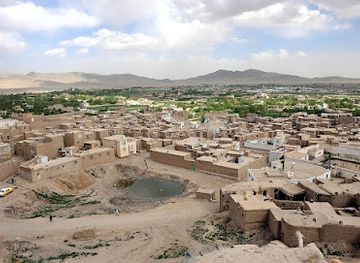
Ghazni’s attractions are primarily archaeological, historical and cultural rather than recreational. Ghazni city contains the famous Minarets of Ghazni, whose patterned brickwork and inscriptions represent the architectural achievement of the medieval Ghaznavid world. The city’s citadel, historic remains and burial places provide further evidence of its former role as an imperial capital, although their condition and accessibility vary. The surrounding province offers highland scenery, agricultural valleys, mountain routes and settlements shaped by pastoral and farming traditions, but these landscapes should not be approached as conventional trekking destinations under current security conditions. Museums and formal visitor services are limited, and many archaeological sites are insufficiently documented or protected for ordinary tourism. Any visit would require current authorisation, local expertise and careful assessment of security, roads and heritage conditions. Ghazni’s principal visitor appeal lies in understanding the relationship between its surviving monuments, Persianate intellectual history and strategic geography rather than in a developed network of attractions.
-
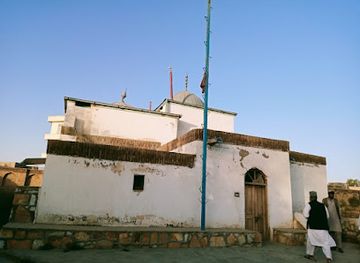
Hazrat Usman Hajveri Shrine
Discover the spiritual essence of Ghazni at the Hazrat Usman Hajveri Shrine, a serene sanctuary steeped in Islamic history and cultural significance.
Best landmarks in Ghazni
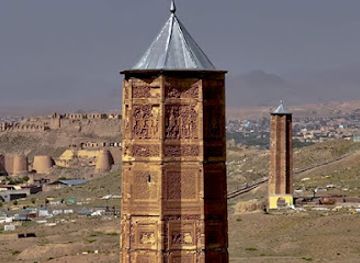
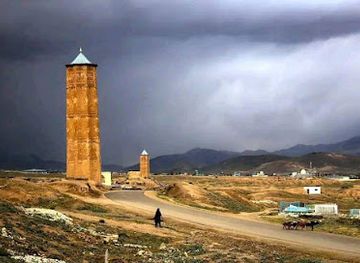
The Minarets of Ghazni are the province’s defining architectural landmarks. Built of decorated brick and bearing inscriptions, they are usually placed in the twelfth century and are associated with the later Ghaznavid period, when Ghazni remained a major centre of Islamic power and Persian culture. The surviving structures are particularly important because they preserve evidence of medieval craftsmanship in a region where many historic buildings have been damaged or lost. Ghazni’s citadel is another important feature of the provincial capital, reflecting the city’s long defensive and administrative role, although its condition and access require local confirmation. Historic cemeteries, shrines and scattered archaeological remains add less consolidated layers to the city’s cultural landscape. These places should be regarded as protected or sensitive heritage, not as unrestricted photo locations; photography, approach routes and opening arrangements may be controlled.
-
Mosque
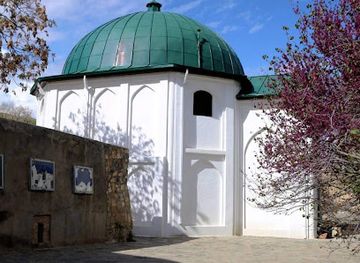
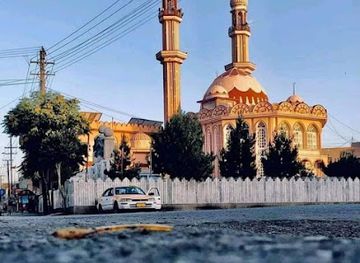
Khatmol-Morsaleen
Discover the spiritual heart of Ghazni at Khatmol-Morsaleen Mosque, a serene glimpse into Afghan traditions and Islamic architecture.
-
Historical landmark
Tomb of Mahmud of Ghaznavi
Discover the Tomb of Mahmud of Ghaznavi in Ghazni, a testament to the Ghaznavid Empire's grandeur and a symbol of Afghanistan's rich heritage.
-
Shrine
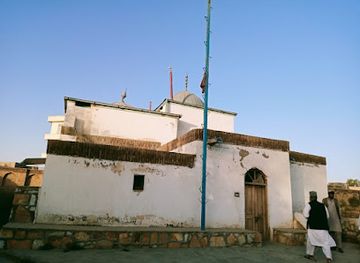
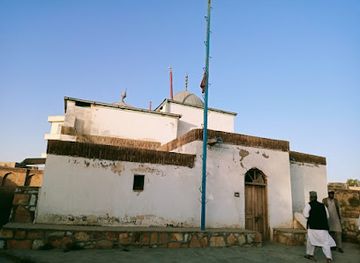
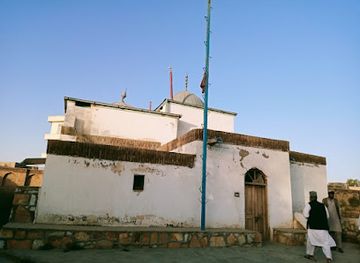
Hazrat Usman Hajveri Shrine
Discover the spiritual essence of Ghazni at the Hazrat Usman Hajveri Shrine, honoring a revered Sufi saint and exploring Islamic history.
-
Historical place museum
Minaret of Masud III
Explore the historical Minaret of Masud III in Ghazni, a testament to the Ghaznavid Empire's rich cultural legacy.
Explore Ghazni on the map
Plan your trip on one map. See where the top cities, national parks and sights are, and book hotels and experiences in a few clicks.
Best hotels in Ghazni
Best restaurants in Ghazni
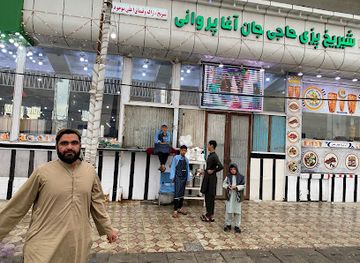
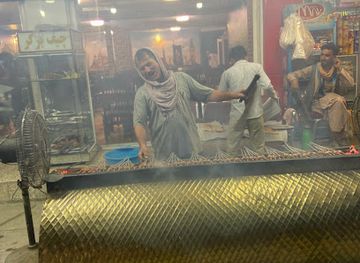
Dining in Ghazni is based mainly on Afghan home cooking and modest local eateries rather than an established tourist restaurant scene. Visitors may encounter dishes such as rice-based qabuli palaw, breads, soups, kebabs, dumplings and stews, with dairy products, beans and seasonal vegetables important in many households. The exact menu varies according to locality, season and availability. Tea is central to hospitality, while meals may be shared in family or community settings. Food supplies and restaurant operations can be disrupted by security conditions, fuel shortages, weather and economic pressures, so no particular establishment or opening arrangement should be assumed. Travellers who are authorised to visit should carry essential dietary supplies and drink treated or sealed water. Local food traditions reflect the wider culinary cultures of Afghanistan, with Ghazni’s location between central highlands and southern routes contributing to a varied regional table rather than a single defining dish.
-
Restaurant
Uranus Hotel
Experience authentic Afghan hospitality at Uranus Hotel in Ghazni – where comfort meets tradition.
-
Restaurant
Sherazaiرستورانت شيرازي
Experience authentic Afghan cuisine at Sherazai Restaurant in Ghazni – a culinary gem offering traditional flavors and warm hospitality.
-
Fast Food
Ghazni Chief Fastfood- غزنی چیف
Experience the best of fast food with local flavors at Ghazni Chief Fastfood - your go-to dining destination in Ghazni.
-
 Restaurant
Abdul - Saboor Rasoli
Discover authentic Afghan flavors at Abdul - Saboor Rasoli in Ghazni, where every dish tells a story of tradition and hospitality.
Best bars in Ghazni
Ghazni has no conventional bar or nightclub scene for international visitors, and alcohol is prohibited under Afghanistan’s current legal and religious framework. Evening social life is centred instead on family gatherings, tea, restaurants, local commerce and religious or community settings, subject to local rules and security conditions. Visitors should not expect formal entertainment districts, live-music venues or late-night tourism infrastructure. Movement after dark may carry additional risks because of checkpoints, reduced transport, poor lighting and rapidly changing security circumstances. Any authorised visitor should return to approved accommodation according to a pre-arranged security plan and should never treat nightlife as a reason to move independently through the city or province.
-
Promotional products supplier
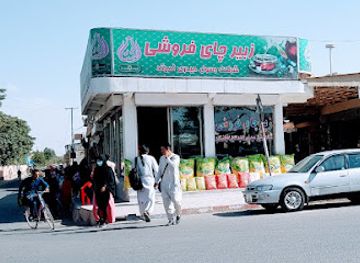
زبیر چای فروشی
Experience the essence of Afghanistan at Zubair Chai Khana, where tradition meets flavor in every cup of tea.
-
Khatmol-Morsaleen
Explore Khatmol-Morsaleen: A Spiritual and Architectural Gem in the Heart of Ghazni, Afghanistan.
-
Hazrat Usman Hajveri Shrine
Explore the serene Hazrat Usman Hajveri Shrine in Ghazni, a spiritual oasis that reflects local culture and history, offering peace and reflection.
-
Promotional products supplier
حاجی اخترګل کټوازی کور
Discover the vibrant bar scene at Haji Akhtargul Katwazai Kor in Ghazni, Afghanistan, where culture and hospitality come together.
Best nightclubs in Ghazni
Ghazni has no conventional bar or nightclub scene for international visitors, and alcohol is prohibited under Afghanistan’s current legal and religious framework. Evening social life is centred instead on family gatherings, tea, restaurants, local commerce and religious or community settings, subject to local rules and security conditions. Visitors should not expect formal entertainment districts, live-music venues or late-night tourism infrastructure. Movement after dark may carry additional risks because of checkpoints, reduced transport, poor lighting and rapidly changing security circumstances. Any authorised visitor should return to approved accommodation according to a pre-arranged security plan and should never treat nightlife as a reason to move independently through the city or province.
-
Khatmol-Morsaleen
Discover the serenity of Khatmol-Morsaleen Mosque in Ghazni, a stunning example of Islamic architecture and spiritual reflection.
-
Hazrat Usman Hajveri Shrine
Immerse yourself in the spiritual heritage of Afghanistan at the Hazrat Usman Hajveri Shrine, a serene destination for reflection and cultural exploration.
-
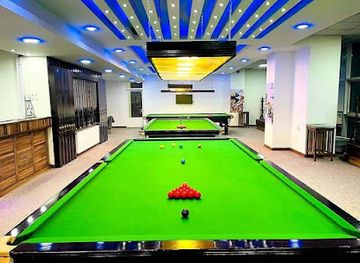
iCue Snooker & Cafe
Discover the vibrant atmosphere of iCue Snooker & Cafe in Kabul, where snooker enthusiasts come together to play, relax, and enjoy delightful refreshments.
Best shops in Ghazni
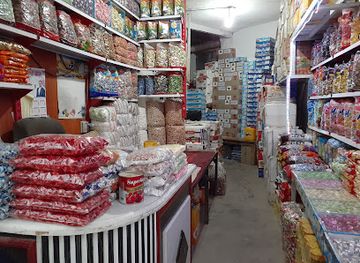
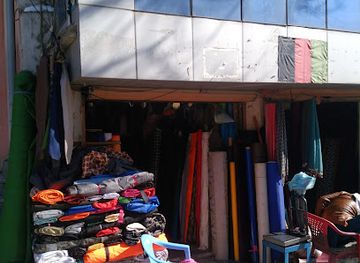
Shopping in Ghazni is primarily local and practical, with bazaars and small markets serving everyday needs rather than international tourism. Visitors may find Afghan textiles, handicrafts, dried foods, nuts, spices, locally made clothing and household goods, though availability varies and specialist souvenir outlets cannot be assumed. Any purchase of antiquities or archaeological objects should be avoided, since removing cultural material from Afghanistan may be illegal and contributes to the loss of fragile heritage. Bargaining may occur in ordinary market transactions, but it should be conducted politely and without obstructing business. Cash is essential, and supply interruptions can affect both prices and choice. Ghazni’s most meaningful souvenirs are legally traded contemporary crafts and regional food products, not historic fragments or objects whose provenance cannot be established.
-
Store
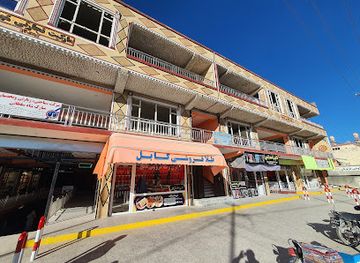
Noorzadagan commercial market
Experience the vibrant culture and unique shopping at Noorzadagan Commercial Market in Ghazni, Afghanistan.
-
Tea store
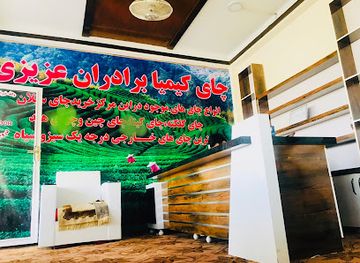
چای عزیزی Azizi Tea
Experience the rich flavors and warm hospitality at Azizi Tea, a charming tea store in Ghazni, Afghanistan.
-
Grocery store
Basir Ehsan store
Discover local flavors and authentic Afghan products at Basir Ehsan Store, the heart of Ghazni's grocery shopping experience.
-
Shopping mall
Ghazni سروري ترپال وفراشوت فروشي
Discover Ghazni's vibrant clothing culture at سروري ترپال وفراشوت فروشي, where tradition meets style in every exquisite piece.
Get your free copy of our complete guide to Ghazni, delivered straight to you.
Everything on this page, from attractions and restaurants to essentials and local phrases, in one PDF you can read offline, print or share.
Already have an account? Sign in
Your Ghazni guide is ready.
We'll send it to · Not you? Sign out

Getting your guide ready…
We are putting together a fresh copy of the Ghazni guide. This can take up to a minute.
This can take a few moments. If your browser asks, choose Allow so the download can start. You'll find the guide in your Downloads folder.
Nothing happened? Download it again
Sorry, the guide is taking longer than usual. Please try again in a minute, or get it by email instead.
Ghazni essentials
Currency and Payment
Safety
Emergency Situations
Do's and Don'ts
Local Tips
From Eve
Local phrases worth knowing
You don't need to get them perfect. A few words go a long way, and locals appreciate the effort.
Basics
| English | Local | Say it |
|---|---|---|
| Hello | سلام | [Salam] |
| Goodbye | خداحافظ | [Khuda Hafiz] |
| Yes | بله | [Bale] |
| No | نه | [Na] |
| Please/You're welcome | لطفا / خوش آمدید | [Lotfan / Khush Amadeed] |
| Thank you | تشکر | [Tashakor] |
| Excuse me/Sorry | ببخشید | [Bebakhshid] |
| How are you? | چطوری؟ | [Chetori?] |
| Fine. And you? | خوبم. شما چطورید؟ | [Khobam. Shoma Chetorid?] |
| Do you speak English? | آیا انگلیسی صحبت میکنید؟ | [Aya Englisi Sohbat Mikonid?] |
| I don't understand | من نمیفهمم | [Man Nemi-Fahmam] |
Eating & Drinking
| English | Local | Say it |
|---|---|---|
| I'd like to see the menu, please | لطفا منو را ببینم | [Lotfan Menu Ra B binam] |
| I don't eat meat | من گوشت نمیخورم | [Man Gusht Nemi-Khoram] |
| Cheers! | به سلامتی! | [Be Salamat!] |
| I would like to pay, please | لطفا میخواهم پرداخت کنم | [Lotfan Mikhahham Pardakht Konam] |
Emergencies
| English | Local | Say it |
|---|---|---|
| Help! | کمک! | [Komak!] |
| Go away! | برو برو! | [Boro Boro!] |
| Call the Police! | پلیس را صدا کنید! | [Polis Ra Seda Konid!] |
| Call a doctor! | دکتر را صدا کنید! | [Doctor Ra Seda Konid!] |
| I'm lost | گم شدهام | [Gom Shode-am] |
| I'm ill | من بیمار هستم | [Man Bimar Hastam] |
Shopping
| English | Local | Say it |
|---|---|---|
| I'd like to buy... | میخواهم بخرم... | [Mikhahham Bekharam...] |
| I'm just looking | فقط دارم نگاه میکنم | [Faghat Daram Negah Mikonam] |
| How much is it? | قیمتش چقدر است؟ | [Gheymatash Cheqadr Ast?] |
| That's too expensive | این خیلی گران است | [In Khaili Giran Ast] |
| Can you lower the price? | آیا میتوانید قیمت را پایین بیاورید؟ | [Aya Mitavanid Gheymat Ra Pain Biavarid?] |
Time & Numbers
| English | Local | Say it |
|---|---|---|
| What time is it? | ساعت چند است؟ | [Saat Chand Ast?] |
| It's one o'clock | ساعت یک است | [Saat Yak Ast] |
| Half past (10) | نیم ساعت (۱۰) | [Nim Saat (10)] |
| Morning | صبح | [Sob] |
| Afternoon | بعد از ظهر | [Bad Az Zohr] |
| Evening | عصر | [Asr] |
| Yesterday | دیروز | [Dirooz] |
| Today | امروز | [Emrooz] |
| Tomorrow | فردا | [Farda] |
| 1 | ۱ | [1] |
| 2 | ۲ | [2] |
| 3 | ۳ | [3] |
| 4 | ۴ | [4] |
| 5 | ۵ | [5] |
| 6 | ۶ | [6] |
| 7 | ۷ | [7] |
| 8 | ۸ | [8] |
| 9 | ۹ | [9] |
| 10 | ۱۰ | [10] |
Transport & Directions
| English | Local | Say it |
|---|---|---|
| Where's a/the...? | کجا یک/یک ... است؟ | [Koja Yak/Yek ... Ast?] |
| What's the address? | آدرس چیست؟ | [Address Chist?] |
| Can you show me (on the map)? | میتوانید من را نشان دهید (روی نقشه)؟ | [Mitavanid Man Ra Neshan Dahid (Ruye Naqsha)?] |
| When's the next (bus)? | کی (اتوبوس) بعدی میآید؟ | [Ki (Otobus) Bad-i Miayad?] |
| A ticket (to ....) | یک بلیط (به ....) | [Yak Belit (Be ....)] |
History of Ghazni
Ancient and Pre-Islamic Crossroads
The territory of modern Ghazni lies within a wider zone that connected the Iranian plateau, the Kabul region, Central Asia and the routes towards the Indian subcontinent. Successive populations and states used its valleys and passes, leaving archaeological evidence in and around the provincial capital and surrounding districts. The region’s history includes the cultural influences of eastern Iranian, Central Asian, Buddhist and Hindu traditions before the consolidation of Islamic rule. Much of this earlier heritage remains less visible to visitors than the medieval monuments, partly because archaeological investigation and preservation have been disrupted by conflict and limited resources.
The Rise of the Ghaznavids
Ghazni became the centre of the Ghaznavid dynasty in the late tenth century, when the city developed from a regional settlement into an imperial capital. Under Mahmud of Ghazni and his successors, the court controlled territories extending across parts of present-day Afghanistan, Iran, Pakistan and northern India. Military expansion brought wealth and political importance, while the capital supported administrators, scholars, poets, religious figures and craftsmen. The dynasty’s rule established Ghazni as one of the principal centres of Persianate statecraft and culture in the medieval Islamic world.
Persian Literature and Scholarship
Ghaznavid patronage helped strengthen the position of Persian as a language of administration and high culture across a broad region. Ghazni was associated with poets, historians, religious scholars and scientific thinkers working within the wider Ghaznavid world. The court’s engagement with literary culture contributed to the development of the Persian historical and poetic tradition, even though individual relationships between rulers and writers were often complex. This intellectual legacy remains one of Ghazni’s most important contributions to the cultural history of Afghanistan and the wider Persianate world.
The Minarets and Later Medieval Ghazni
The surviving Minarets of Ghazni are generally attributed to the later Ghaznavid period, probably the twelfth century, when the city continued to possess considerable religious and architectural importance. Their decorative brick patterns and inscriptions are among the finest surviving examples of medieval Islamic architecture in Afghanistan. Ghazni later experienced political change as power shifted towards the Ghurids and other regional authorities. The city’s importance declined from that of an imperial capital, but its monuments preserved evidence of the artistic and political sophistication of the medieval period.
Early Modern Rule and Regional Trade
After the medieval dynasties, Ghazni was incorporated into the changing political systems that controlled Afghanistan and neighbouring regions, including administrations associated with the Mughals and later Afghan rulers. Its position between Kabul, Kandahar and the central highlands continued to give it strategic value. The city and province served as places of passage, local administration and exchange rather than again becoming an imperial capital on the scale of the Ghaznavid era. Agricultural production, pastoralism and caravan movement remained important features of regional life.
The Modern Afghan State and Conflict
During the formation and consolidation of the modern Afghan state, Ghazni became a provincial centre within a country whose boundaries and administrative institutions were increasingly formalised. In the late twentieth and early twenty-first centuries, the province was affected by political upheaval, armed conflict, displacement and damage to infrastructure and heritage. These pressures have shaped contemporary access to the region and complicated the preservation of historic sites. Ghazni’s modern history should therefore be understood alongside the wider experiences of Afghanistan’s communities, including interrupted education, migration and economic hardship.
Ghazni in Photos
Browse through our photo collection highlighting the charm and character of the destination.
Neighbouring regions of Ghazni
The closest regions to Ghazni, if you have time for more than one.
-

-

-

-

-


Swipe for more regions
Explore more

Explore more of Afghanistan
Discover Afghanistan's rich history, stunning landscapes, and diverse cultures. From ancient cities to breathtaking nature, this Central Asian gem offers a unique travel experience.
Explore Afghanistan