

Urozgan, Afghanistan Travel Guide
Discover Urozgan: Afghanistan's hidden gem, where nature meets history and culture in a serene, unspoiled landscape.
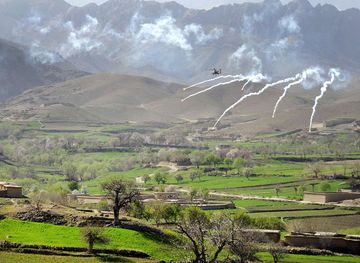
Nestled in the heart of Afghanistan, Urozgan offers a unique blend of natural beauty and rich cultural heritage. This off-the-beaten-path destination is perfect for travelers looking to explore a less commercialized part of the country. The stunning landscapes, from rugged mountains to serene valleys, provide a picturesque backdrop for adventure and exploration. Urozgan is also steeped in history. It has been a significant site through various historical eras, offering visitors a glimpse into the ancient civilizations that once thrived here. The local communities are known for their hospitality, making it an ideal place to experience authentic Afghan culture. Traditional crafts, music, and cuisine await those who venture into this welcoming region. For nature enthusiasts, Urozgan is a paradise. Its diverse ecosystems are home to a variety of flora and fauna, making it a great spot for eco-tourism. Whether you are hiking through the highlands or exploring the lush valleys, Urozgan promises an unforgettable experience for every traveler.

Know before you go
Hi, I'm Eve. Here are a few practical things to know before exploring Urozgan.
- Respect local customs and traditions; dress modestly and be mindful of cultural sensitivities.
- Hire a local guide to enhance your experience and ensure safety while exploring remote areas.
- Learn a few basic phrases in Dari or Pashto to communicate better with locals.
- Carry sufficient cash, as ATMs and card payment facilities may be limited.
- Visit Urozgan in the spring or autumn for the best weather conditions.

Best bars in Urozgan
Top-rated picks
Best Bars

Habib Gulazar Company
Discover the lively spirit of Jalalabad at Habib Gulazar Company, where drinks, culture, and camaraderie unite.

Kandahar OrazganRD
Experience the vibrant nightlife and local culture at Kandahar OrazganRD, a must-visit bar in Kandahar, Afghanistan.

Rokhan minah دریمه کوڅه
Experience the vibrant energy of Rokhan Minah, Jalalabad's premier sports bar, where sports, food, and friendship come together.

Qole Alu
Discover the vibrant bar scene of Qole Alu, Afghanistan - a perfect blend of local culture and hospitality awaits you.

Best shops in Urozgan
Top-rated picks
Best Shops

Naaz Boutique Afghani dresses store
Explore the exquisite craftsmanship of traditional Afghani dresses at Naaz Boutique in Kabul, a hub for cultural elegance and unique fashion.

Bewa Shopping place بازار بیوا
Discover local treasures and vibrant culture at Bewa Shopping Place in Shinia-deh, a must-visit shopping destination in Afghanistan.

Shirdagh Bazara
Experience the vibrant shopping culture at Shirdagh Bazara, where local artisans and modern retail converge in the heart of Afghanistan.

د فانیف الله خیاطیT
Explore the vibrant shopping scene at د فانیف الله خیاطیT in Tirin Kut, where local culture meets a unique shopping experience.

Explore Urozgan on the Map
A handpicked selection of must-see spots in Urozgan, mapped for you.
Urozgan Essentials
-
Urozgan is a province located in central Afghanistan. The nearest major airport is Kandahar International Airport, which is approximately 200 kilometers south of Urozgan. From Kandahar, you can hire a private taxi or use shared vehicles to reach Urozgan. Due to the security situation, it is advisable to coordinate your travel with local contacts or agencies familiar with the area. Alternatively, you can travel from Kabul by road, but this is a longer and more complicated route that may require additional security measures.
-
Transportation within Urozgan is limited and primarily consists of private taxis and shared vehicles. Public transportation is not well-developed, so it is best to arrange for private transport when planning to move around the province. It is advisable to hire vehicles through reputable local contacts or agencies. Traveling with a local guide is also recommended for added security and convenience.
-
The official currency in Afghanistan is the Afghan Afghani (AFN). Credit card acceptance is extremely limited, and it is advisable to carry sufficient cash for your expenses. There are very few ATMs in Urozgan, and their reliability can be an issue. It is best to withdraw cash in major cities like Kabul or Kandahar before traveling to Urozgan.
-
Urozgan is considered a high-risk area due to ongoing conflict and instability. It is crucial to remain vigilant and take all necessary precautions. Avoid traveling alone and always stay in contact with trusted local contacts or guides. Certain areas may have higher crime rates and are not safe for tourists. Always stay informed about the current security situation through reliable sources and follow the advice of local authorities and organizations.
-
In case of an emergency, the local emergency number in Afghanistan is 119 for police assistance. Medical facilities in Urozgan are limited, so it is essential to have comprehensive travel insurance that covers medical emergencies and evacuation. For minor health issues, local pharmacies may have basic medications, but for serious medical conditions, you may need to seek treatment in larger cities like Kandahar or Kabul. Always have contact information for your embassy or consulate in case you need assistance.
-
Fashion: Do dress conservatively, with long sleeves and trousers or long skirts. Avoid wearing revealing clothing. Religion: Do respect local customs and traditions. Always remove your shoes when entering mosques and religious sites. Public Transport: Do be respectful and avoid loud conversations. Greetings: Do greet people with a handshake if they offer it. Men should avoid physical contact with women who are not family members. Eating & Drinking: Do try local foods if offered and eat with your right hand. Don't refuse hospitality as it may be considered impolite.
-
To experience Urozgan like a local, visit the local bazaars where you can buy fresh produce and traditional Afghan goods. Engage with locals respectfully, and you might find them willing to share stories about their culture and history. If you have the opportunity, participate in a traditional meal with a local family to gain a deeper understanding of Afghan hospitality and cuisine. Always show respect for local customs and traditions.
When is the best time to visit Urozgan?
Useful Local Phrases for Urozgan
You don't need to speak the language perfectly. Even learning a few simple words can make conversations warmer—and locals usually appreciate the effort.
— Eve

Here are the phrases I use most often in Urozgan. Try a few—you'll be surprised how far they go! 😊
❤️
-
- Helloسلام
[salaam] - Goodbyeخداحافظ
[khodaa haafez] - Yesبله
[bala] - Noنه
[na] - Please/You're welcomeلطفاً / خواهش میکنم
[lotfan / khwaahesh mikonam] - Thank youتشکر
[tashakur] - Excuse me/Sorryببخشید
[bebakhshid] - How are you?چطوری؟
[chetori?] - Fine. And you?خوبم. شما چطورید؟
[khobam. shoma chetoreed?] - Do you speak English?آیا انگلیسی صحبت میکنید؟
[aayaa englisi sohbat mikonid?] - I don't understandمتوجه نمیشوم
[motaajeh nemishavam]
- Helloسلام
-
- I'd like to see the menu, pleaseلطفاً منو را ببینم
[lotfan menu ra bebinam] - I don't eat meatمن گوشت نمیخورم
[man gusht nemikhoram] - Cheers!به سلامتی!
[be salaamati!] - I would like to pay, pleaseلطفاً میخواهم پرداخت کنم
[lotfan mikhaaham pardakht konam]
- I'd like to see the menu, pleaseلطفاً منو را ببینم
-
- Help!کمک!
[komak!] - Go away!برو! دور شو!
[boro! door sho!] - Call the Police!پلیس را صدا کنید!
[police ra seda konid!] - Call a doctor!دکتر را صدا کنید!
[doktor ra seda konid!] - I'm lostمن گم شدهام
[man gom shodeam] - I'm illمن بیمار هستم
[man bimaar hastam]
- Help!کمک!
-
- I'd like to buy...من میخواهم بخرم...
[man mikhaaham bekharam...] - I'm just lookingفقط دارم نگاه میکنم
[faqat daaram negah mikonam] - How much is it?این چقدر است؟
[in cheqadr ast?] - That's too expensiveاین خیلی گران است
[in khayli geraan ast] - Can you lower the price?آیا میتوانید قیمت را کم کنید؟
[aayaa mitavanid gheymat ra kam konid?]
- I'd like to buy...من میخواهم بخرم...
-
- What time is it?ساعت چنده؟
[saat chande?] - It's one o'clockساعت یک است
[saat yek ast] - Half past (10)ده و نیم
[dah va nim] - Morningصبح
[sobh] - Afternoonبعد از ظهر
[ba'ad az zohr] - Eveningعصر
[asr] - Yesterdayدیروز
[dirooz] - Todayامروز
[emrooz] - Tomorrowفردا
[fardaa] - 1یک
[yek] - 2دو
[do] - 3سه
[seh] - 4چهار
[chahaar] - 5پنج
[panj] - 6شش
[shesh] - 7هفت
[haft] - 8هشت
[hasht] - 9نه
[noh] - 10ده
[dah]
- What time is it?ساعت چنده؟
-
- Where's a/the...?کجا ... است؟
[koja ... ast?] - What's the address?آدرس چیست؟
[aadress chist?] - Can you show me (on the map)?میتوانید به من نشان دهید (روی نقشه)؟
[mitavanid be man neshan dahid (ruye naqsha)?] - When's the next (bus)?بعدی (اتوبوس) کی میآید؟
[ba'adi (otobus) ki miayad?] - A ticket (to ....)یک بلیط (به ....)
[yek belit (be ....)]
- Where's a/the...?کجا ... است؟
History of Urozgan
-
Urozgan, a province in central Afghanistan, boasts a rich history dating back to ancient times. Archaeological evidence suggests early human settlements in the region, with remnants of ancient civilizations that thrived along the Helmand and Tarin rivers. These early communities laid the foundation for the rich cultural tapestry that defines Urozgan today.
-
In the 6th century BCE, Urozgan came under the rule of the Achaemenid Empire, led by Cyrus the Great. The Achaemenids introduced administrative reforms and infrastructural developments that influenced the region's growth. The legacy of Achaemenid governance is evident in the architectural ruins and ancient inscriptions found in Urozgan.
-
The 7th century CE marked the spread of Islam in Urozgan, following the initial Arab conquests. The region saw the establishment of Islamic culture, traditions, and governance. Mosques, madrasas, and other Islamic institutions began to flourish, leaving an indelible mark on Urozgan's cultural and religious landscape.
-
Urozgan experienced significant development during the Ghaznavid dynasty (10th-12th centuries). The Ghaznavids, known for their patronage of arts and architecture, left behind several historical sites, including fortresses and caravanserais that served as hubs for trade and cultural exchanges.
-
In the 13th century, Urozgan, like much of Central Asia, faced the devastating Mongol invasions led by Genghis Khan. The region suffered widespread destruction, but it also witnessed a period of reconstruction and resilience as local communities rebuilt their lives and infrastructure.
-
The Timurid Empire (14th-15th centuries) brought a renaissance of arts and culture to Urozgan. The region benefited from Timurid architectural innovations and the flourishing of Persian literature and poetry. Urozgan's historical sites from this era reflect the Timurid emphasis on artistic excellence and cultural sophistication.
-
In the 18th century, Urozgan became part of the Durrani Empire, founded by Ahmad Shah Durrani. The Durrani rulers consolidated the region and promoted agricultural and economic development. Urozgan's strategic location made it an important center for trade and military campaigns during this period.
-
Urozgan played a significant role in the Anglo-Afghan Wars of the 19th and early 20th centuries. The region witnessed fierce battles and served as a strategic stronghold for Afghan resistance against British colonial forces. Stories of bravery and resilience from these wars are an integral part of Urozgan's historical narrative.
-
In the contemporary period, Urozgan has faced significant challenges due to ongoing conflicts and political instability. Despite these hardships, the province is known for its resilient communities and efforts towards reconstruction and development. Modern Urozgan is a blend of ancient traditions and contemporary aspirations, striving for peace and progress.
-
Urozgan is home to a diverse array of cultural traditions, including vibrant festivals, traditional music, and intricate crafts. The province's rich cultural heritage is reflected in its folklore, traditional attire, and culinary practices. Visitors to Urozgan can immerse themselves in the local culture through interactions with its hospitable and proud residents.
Neighbouring Regions of Urozgan
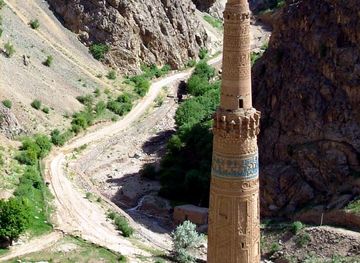
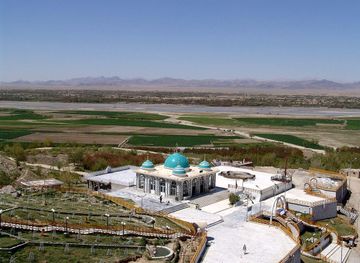
The closest regions to Urozgan, if you have time for more than one.



Your all‑in‑one travel companion app
Explore expert travel guides, compare and book tours, experiences, hotels, and more—all from the palm of your hand. Download now for seamless trip planning wherever your wanderlust takes you.


Explore More of Afghanistan

Looking beyond Urozgan? Discover Afghanistan for broader travel guides, local hot-spots, and regional highlights.
Explore AfghanistanUrozgan in Photos
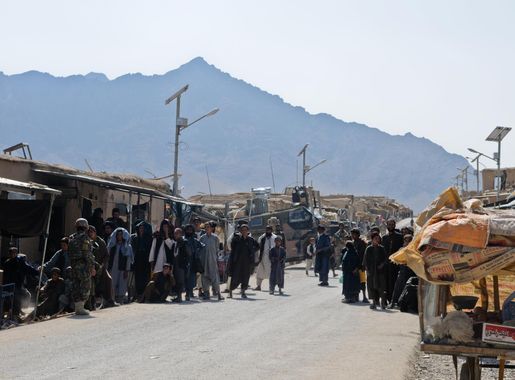
Browse through our photo collection highlighting the charm and character of the destination.




Urozgan: A Hidden Gem in Afghanistan's Heartland
Nestled in the heart of Afghanistan, Urozgan offers a unique blend of natural beauty and rich cultural heritage. This off-the-beaten-path destination is perfect for travelers looking to explore a less commercialized part of the country. The stunning landscapes, from rugged mountains to serene valleys, provide a picturesque backdrop for adventure and exploration. Urozgan is also steeped in history. It has been a significant site through various historical eras, offering visitors a glimpse into the ancient civilizations that once thrived here. The local communities are known for their hospitality, making it an ideal place to experience authentic Afghan culture. Traditional crafts, music, and cuisine await those who venture into this welcoming region. For nature enthusiasts, Urozgan is a paradise. Its diverse ecosystems are home to a variety of flora and fauna, making it a great spot for eco-tourism. Whether you are hiking through the highlands or exploring the lush valleys, Urozgan promises an unforgettable experience for every traveler.