

Bamyan, Afghanistan Travel Guide
Discover Bamyan: Afghanistan's Historic Gem and Natural Wonderland, Home to the Bamyan Buddhas and the Breathtaking Band-e Amir Lakes.
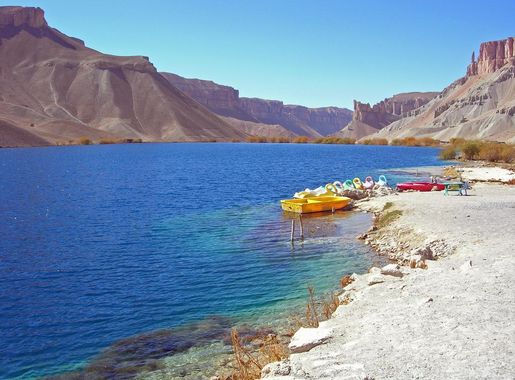
Nestled in the central highlands of Afghanistan, Bamyan is a place where history, culture, and natural beauty come together. Known for its ancient Buddhist heritage, the city was once a thriving center of learning and spirituality. The iconic Bamyan Buddhas, although destroyed, still leave an indelible mark on the landscape, drawing visitors from around the world to see their remnants and the cliffside niches that housed them. Beyond its historical significance, Bamyan is surrounded by stunning landscapes that offer endless opportunities for adventure. The Band-e Amir National Park, with its series of deep blue lakes, is a natural wonder not to be missed. The park is ideal for hiking, picnicking, and photography. In the winter, the Koh-e-Baba mountains become a haven for skiing and snowboarding enthusiasts, providing a unique experience in a country not typically associated with winter sports. The local Hazara community adds a rich cultural layer to any visit. Known for their hospitality, visitors can expect to be warmly welcomed. Traditional markets, local crafts, and authentic Afghan cuisine make exploring Bamyan a delight for all senses. Despite the challenges faced by the region, Bamyan's resilient spirit and timeless charm continue to captivate those who venture here.

Know before you go
Hi, I'm Eve. Here are a few practical things to know before exploring Bamyan.
- Best time to visit is between April and October for mild weather and clear skies.
- Respect local customs and dress modestly, especially when visiting religious sites.
- Hire a local guide to get the most out of your visit to historical and natural sites.
- Cash is essential as ATMs are rare and credit cards are not widely accepted.
- Learn a few phrases in Dari or Hazaragi to connect better with the locals.
- Check current travel advisories and security conditions before planning your trip.
Explore Bamyan: Things to Do, Places to Eat, Hotels & More
Handpicked recommendations for top attractions, local dining, accommodations, and more

Top Attractions & Sightseeing in Bamyan
Top-rated picks
Best Attractions

Historical Gholghola City
Explore the ancient ruins of Gholghola City in Bamyan, Afghanistan, and discover the rich history and stunning landscapes of the Bamyan Valley.

Buddhas of Bamiyan
Explore the remains of the monumental Bamiyan Buddhas, a UNESCO World Heritage Site and a poignant reminder of Afghanistan's Silk Road history.

Best landmarks in Bamyan
Top-rated picks
Best Landmarks

Buddha of Bamyan
Visit the site of the monumental Buddhas of Bamyan, a UNESCO World Heritage Site, and reflect on Afghanistan's rich cultural history and the importance of preservation.

Historical Gholghola City
Unearth the echoes of history at the City of Screams in Bamyan, where ancient ruins meet breathtaking landscapes, offering a glimpse into a resilient past [4, 6].

کوتل چوونی Old Russian Tanks
Explore the haunting remnants of the Soviet-Afghan War at Kotal-e Chawni, where rusting tanks meet the breathtaking beauty of the Bamyan Valley [4].

Shamama Buddha Statue
Explore the remnants of the Shamama Buddha, a UNESCO World Heritage Site, and discover the rich Buddhist history of Afghanistan's Bamyan Valley.

Best restaurants in Bamyan
Top-rated picks
Best Restaurants

Silk Road Hotel Restaurant
Experience a delightful fusion of Asian and Japanese cuisine at Silk Road Hotel Restaurant in scenic Bamyan.

Gholghola hotel هوتل غلغله
Experience authentic Afghan cuisine at Gholghola Hotel in Bamyan, where tradition meets flavor amidst stunning landscapes.

Chaikhana
Experience authentic Afghan flavors at Chaikhana in Bamyan – a delightful culinary journey awaits you amidst stunning landscapes.

Roof Of Bamyan هوتل بام بامیان
Discover unparalleled comfort and breathtaking views at Roof Of Bamyan Hotel in Afghanistan's historic Bamyan Valley.

Best bars in Bamyan
Top-rated picks
Best Bars
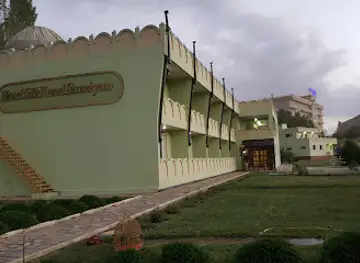
Silk Road Hotel Restaurant
Experience the exquisite blend of Asian and Japanese cuisines at Silk Road Hotel Restaurant in the breathtaking Bamyan valley.

Bamyan Royal Hotel
Discover comfort and rich culture at Bamyan Royal Hotel, your gateway to exploring the breathtaking landscapes of Afghanistan.

Gholghola hotel هوتل غلغله
Experience authentic Afghan cuisine and warm hospitality at Gholghola Hotel in the stunning landscapes of Bamyan, Afghanistan.

ماما نجف
Discover the authentic flavors of Bamyan at ماما نجف, where traditional Afghan cuisine meets warm hospitality.

Best nightclubs in Bamyan
Top-rated picks
Best Nightclubs
Silk Road Hotel Restaurant
Discover the flavors of Asia at the Silk Road Hotel Restaurant in Bamyan, where culinary excellence meets stunning riverside views.
Bamyan Royal Hotel
Experience the rich history and breathtaking beauty of Bamyan, Afghanistan, at the Bamyan Royal Hotel, your perfect retreat.

Gholghola hotel هوتل غلغله
Discover the authentic taste of Afghanistan at Gholghola Hotel in Bamyan, a perfect blend of local cuisine and stunning views.

Historical Gholghola City
Unveil the mysteries of Gholghola City, a historical gem in Bamyan, Afghanistan, where ancient ruins meet breathtaking landscapes.

Best shops in Bamyan
Top-rated picks
Best Shops

Buddha of Bamyan
Explore the ancient marvels of the Buddha of Bamyan, a UNESCO World Heritage site steeped in history and breathtaking landscapes.

Silk Road Hotel Restaurant
Experience exquisite Asian and Japanese cuisine at the Silk Road Hotel Restaurant in Bamyan, where flavor meets stunning riverside views.

Historical Gholghola City
Unearth the rich history and breathtaking beauty of Historical Gholghola City, a captivating destination nestled in the heart of Bamyan, Afghanistan.

Bamika Super Market
Experience the vibrant culture and shopping delights at Bamika Super Market in Bamyan, a unique blend of tradition and modernity.

Explore Bamyan on the Map
A handpicked selection of must-see spots in Bamyan, mapped for you.
Bamyan Essentials
-
Bamyan is accessible primarily via Kabul, the capital of Afghanistan. The nearest airport is Hamid Karzai International Airport (KBL) in Kabul. From Kabul, you can take a domestic flight to Bamyan Airport (BIN) or travel by road. The road trip can take around 4 to 7 hours depending on the route and road conditions. Hiring a private taxi or using a shared minibus are common options.
-
Within Bamyan, local transportation includes taxis and shared minibuses. Taxis can be hired for the day or for specific trips around the area, including visits to the famous Buddha niches and Band-e-Amir National Park. Walking is also a viable option for exploring the town center. For trips to more remote areas, consider hiring a local guide who can also provide transportation.
-
The official currency in Afghanistan is the Afghan Afghani (AFN). While some hotels and larger establishments might accept US dollars, it's best to carry local currency for day-to-day expenses. Credit card acceptance is limited, so cash is essential. ATMs are rare in Bamyan, so make sure to withdraw enough cash in Kabul before traveling.
-
Bamyan is generally considered safer than many other parts of Afghanistan, but it's important to stay updated on current security situations. Avoid traveling at night and stay within well-known and frequented areas. Be cautious and avoid wandering into remote areas without a local guide. While crime rates targeting tourists are lower in Bamyan, common sense precautions should always be taken.
-
In case of emergency, contact local authorities or the nearest police station. The emergency contact number in Afghanistan is 119 for police assistance. For medical emergencies, visit the Bamyan Provincial Hospital. Ensure you have travel insurance that covers emergency medical evacuations. Keep a list of important contacts, including your embassy or consulate, local guides, and accommodation providers.
-
Fashion: Do dress modestly; men and women should cover their arms and legs. Women should consider wearing a headscarf. Religion: Do respect local customs and religious practices. Remove your shoes before entering mosques or homes. Public Transport: Do be respectful and aware of local customs. Avoid eating or drinking on public transport. Greetings: Do greet people with a handshake if offered but be aware that in some conservative settings, men and women may not shake hands. Eating & Drinking: Do try local cuisine and accept invitations to share meals. Don't use your left hand for eating or passing food, as it is considered impolite.
-
To experience Bamyan like a local, visit the central bazaar where you can find fresh produce, handicrafts, and traditional Afghan goods. Engage with locals, who are often hospitable and eager to share their culture. Don't miss the breathtaking view from the top of the Buddha cliffs at sunrise or sunset. Spend a day at Band-e-Amir National Park, a series of stunning blue lakes surrounded by natural beauty.
When is the best time to visit Bamyan?
Useful Local Phrases for Bamyan
You don't need to speak the language perfectly. Even learning a few simple words can make conversations warmer—and locals usually appreciate the effort.
— Eve

Here are the phrases I use most often in Bamyan. Try a few—you'll be surprised how far they go! 😊
❤️
-
- Helloسلام
[Salam] - Goodbyeخداحافظ
[Khoda Hafiz] - Yesبله
[Bale] - Noنه
[Na] - Please/You're welcomeلطفاً / خوش آمدید
[Lotfan / Khush Amadeed] - Thank youتشکر
[Tashakur] - Excuse me/Sorryببخشید
[Bebakhshid] - How are you?چطور هستید؟
[Chetor Hastid?] - Fine. And you?خوبم. شما چطورید؟
[Khobam. Shoma Chetorid?] - Do you speak English?آیا انگلیسی صحبت میکنید؟
[Aya Englisi Sokhat Mikonid?] - I don't understandمتوجه نمیشوم
[Motavajeh Nemi Shavam]
- Helloسلام
-
- I'd like to see the menu, pleaseلطفاً منوی غذا را ببینم
[Lotfan Menuye Ghaza Ra Bibinam] - I don't eat meatمن گوشت نمیخورم
[Man Gusht Nemi Khoram] - Cheers!به سلامتی!
[Be Salamati!] - I would like to pay, pleaseلطفاً میخواهم پرداخت کنم
[Lotfan Mikham Pardakht Konam]
- I'd like to see the menu, pleaseلطفاً منوی غذا را ببینم
-
- Help!کمک!
[Komak!] - Go away!برو دور!
[Boro Door!] - Call the Police!پلیس را صدا کنید!
[Police Ra Seda Konid!] - Call a doctor!دکتر را صدا کنید!
[Doktor Ra Seda Konid!] - I'm lostگم شدم
[Gom Shodam] - I'm illبیمار هستم
[Bimar Hastam]
- Help!کمک!
-
- I'd like to buy...میخواهم بخرم...
[Mikham Bekharam...] - I'm just lookingفقط دارم نگاه میکنم
[Faghat Daram Negah Mikonam] - How much is it?قیمتش چقدر است؟
[Gheymatesh Cheqadr Ast?] - That's too expensiveاین خیلی گران است
[In Kheli Geran Ast] - Can you lower the price?آیا میتوانید قیمت را پایین بیاورید؟
[Aya Mitavanid Gheymat Ra Pain Biavarid?]
- I'd like to buy...میخواهم بخرم...
-
- What time is it?ساعت چند است؟
[Saat Chand Ast?] - It's one o'clockساعت یک است
[Saat Yak Ast] - Half past (10)نیم ساعت (۱۰)
[Nim Saat (10)] - Morningصبح
[Sob] - Afternoonبعد از ظهر
[Bad Az Zohr] - Eveningعصر
[Asr] - Yesterdayدیروز
[Dirooz] - Todayامروز
[Emrooz] - Tomorrowفردا
[Farda] - 1یک
[Yak] - 2دو
[Do] - 3سه
[Se] - 4چهار
[Chahar] - 5پنج
[Panj] - 6شش
[Shesh] - 7هفت
[Haft] - 8هشت
[Hasht] - 9نه
[No] - 10ده
[Dah]
- What time is it?ساعت چند است؟
-
- Where's a/the...?کجاست ...؟
[Kojas ...?] - What's the address?آدرس چیست؟
[Address Chist?] - Can you show me (on the map)?میتوانید به من نشان دهید (روی نقشه)؟
[Mitavanid Be Man Neshan Dahid (Roy Naqshe)?] - When's the next (bus)?بعدی (اتوبوس) چه وقت است؟
[Badhi (Otobus) Che Vaght Ast?] - A ticket (to ....)یک بلیط (به ....)
[Yak Belit (Be ....)]
- Where's a/the...?کجاست ...؟
History of Bamyan
-
Dating back to the 3rd century CE, Bamyan was a major Buddhist center on the Silk Road. Monasteries, carved into the cliffs, housed thousands of monks. The area was renowned for its giant Buddha statues, which were carved directly into the cliff faces and stood at 55 and 38 meters tall respectively.
-
The two monumental Buddha statues in Bamyan, known as Salsal and Shahmama, were constructed around the 6th century CE. These statues were a marvel of ancient engineering and remained prominent symbols of the region until their tragic destruction in 2001 by the Taliban.
-
In the 9th century, Bamyan fell under Islamic rule. As the region transitioned, many Buddhist monasteries were abandoned or converted. Despite the change in religious practice, Bamyan remained a significant cultural and trade hub, continuing to attract travelers and merchants along the Silk Road.
-
In the early 13th century, Bamyan faced devastation at the hands of the Mongol Empire led by Genghis Khan. The city was razed to the ground, and its population suffered greatly. This invasion marked a significant turning point in Bamyan's history, leading to a period of decline.
-
Bamyan's strategic location on the Silk Road made it a melting pot of cultures and a vital link in the trade routes connecting the East and West. Merchants, pilgrims, and explorers passed through Bamyan, contributing to its rich cultural tapestry and economic prosperity.
-
In March 2001, the Taliban destroyed the ancient Buddha statues of Bamyan using dynamite and artillery. This act of cultural vandalism shocked the world and resulted in an irreplaceable loss to global heritage. Efforts have since been made to preserve and remember the site.
-
Today, Bamyan is a symbol of resilience and cultural heritage. It is recognized as a UNESCO World Heritage Site and continues to attract tourists and scholars interested in its rich history. The remnants of the Buddhist era, along with Islamic influences, showcase the region's diverse cultural legacy.
Neighbouring Regions of Bamyan
The closest regions to Bamyan, if you have time for more than one.
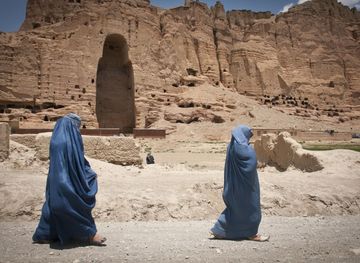

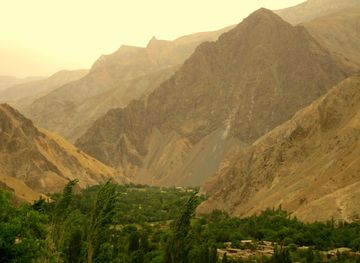

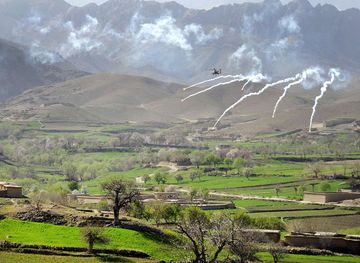

Your all‑in‑one travel companion app
Explore expert travel guides, compare and book tours, experiences, hotels, and more—all from the palm of your hand. Download now for seamless trip planning wherever your wanderlust takes you.


Explore More of Afghanistan

Looking beyond Bamyan? Discover Afghanistan for broader travel guides, local hot-spots, and regional highlights.
Explore AfghanistanBamyan in Photos
Browse through our photo collection highlighting the charm and character of the destination.




Bamyan: The Heart of Afghanistan's Heritage
Nestled in the central highlands of Afghanistan, Bamyan is a place where history, culture, and natural beauty come together. Known for its ancient Buddhist heritage, the city was once a thriving center of learning and spirituality. The iconic Bamyan Buddhas, although destroyed, still leave an indelible mark on the landscape, drawing visitors from around the world to see their remnants and the cliffside niches that housed them. Beyond its historical significance, Bamyan is surrounded by stunning landscapes that offer endless opportunities for adventure. The Band-e Amir National Park, with its series of deep blue lakes, is a natural wonder not to be missed. The park is ideal for hiking, picnicking, and photography. In the winter, the Koh-e-Baba mountains become a haven for skiing and snowboarding enthusiasts, providing a unique experience in a country not typically associated with winter sports. The local Hazara community adds a rich cultural layer to any visit. Known for their hospitality, visitors can expect to be warmly welcomed. Traditional markets, local crafts, and authentic Afghan cuisine make exploring Bamyan a delight for all senses. Despite the challenges faced by the region, Bamyan's resilient spirit and timeless charm continue to captivate those who venture here.