

Free Zabul Travel Guide & Mobile App
Explore Zabul with free travel guides. Discover regional history, expert tips, proposed trips, and audio guides on web or mobile app.


Zabul travel guide covering Qalat, rugged Afghan landscapes, Zabulistan's history, local culture and essential security planning.
Read more about Zabul
When is the best time to visit Zabul?
Best: April–May, October · 25–30°C| Month | High (°C) | Rainfall (mm) |
|---|---|---|
| January | 12 | 35 |
| February | 14 | 30 |
| March | 20 | 25 |
| April (best) | 25 | 20 |
| May (best) | 30 | 15 |
| June | 35 | 10 |
| July | 37 | 10 |
| August | 36 | 10 |
| September | 31 | 10 |
| October (best) | 25 | 15 |
| November | 17 | 20 |
| December | 10 | 30 |
Getting to and around Zabul
How to get there
Transportation
Explore Zabul on the map
Plan your trip on one map. See where the top cities, national parks and sights are, and book hotels and experiences in a few clicks.
Best hotels in Zabul
Best restaurants in Zabul
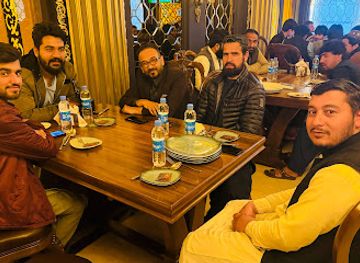
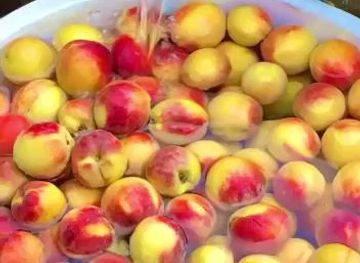
Dining in Zabul is primarily domestic and informal, with meals shaped by southern Afghan and broader Pashtun culinary traditions. Rice dishes, flatbreads, lentils, beans, yoghurt, seasonal vegetables and meat may feature in homes and simple eateries, while green or black tea is commonly offered to guests. Qalat has the province's greatest concentration of food businesses, but visitors should expect a limited range, early closing patterns and variable hygiene and supply conditions rather than a restaurant scene designed for international tourism. Food is often shared in social settings, and accepting hospitality respectfully is important when circumstances permit. Travellers should rely on trusted local arrangements for drinking water, food preparation and dietary requirements, carry suitable supplies for road journeys and avoid assuming that imported products or specialised medical diets will be available. Alcohol is prohibited under Afghanistan's current legal and religious framework.
-
Afghani
Ziyafat Restaurant
Experience authentic Afghani cuisine at Ziyafat Restaurant in Kabul – where every meal tells a story!
-
Fast Food
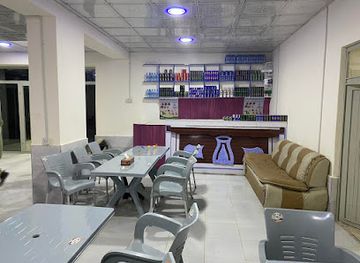
Zabul Zaitoon Restaurant and Coffee Shop
Discover authentic fast food at Zabul Zaitoon Restaurant and Coffee Shop in Qalāt-e Ġilzay—where quality meets tradition.
-
Barbecue
Afghan
Experience the essence of Afghanistan through its authentic barbecue offerings in Spin Buldak - a true delight for food enthusiasts.
-
 American
Ikram Afghan
Discover the unique blend of American cuisine and Afghan hospitality at Ikram Afghan in Spin Buldak.
Best bars in Zabul
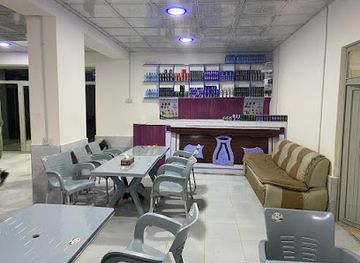
Zabul has no conventional bar or nightclub culture for visitors. Alcohol is prohibited, and evening social life is centred on family gatherings, tea, mosque and community life rather than commercial entertainment. In Qalat, a small number of simple tea houses or food establishments may provide limited public meeting spaces, but their operation, accessibility and security conditions can change without notice. Rural communities have even fewer public venues, and foreign visitors should not move around after dark in search of entertainment. Any evening activity must follow the advice of local hosts and security professionals, respect prayer times and community sensitivities, and remain within an approved secure location. The province's cultural life is better understood through carefully arranged daytime contact than through nightlife.
-
Afghani
خانه نیک محمد مختار
Discover the rich flavors of Afghanistan at خانه نیک محمد مختار, a top-rated restaurant in Qaryah-Ye Dzabet offering authentic cuisine and warm hospitality.
-
Zabul Zaitoon Restaurant and Coffee Shop
Discover authentic Afghan fast food at Zabul Zaitoon Restaurant and Coffee Shop, a culinary gem in Qalāt-e Ġilzay, perfect for every traveler.
-
Afghani
ښایسته هوټل
Experience the warmth and charm of Afghanistan at ښایسته هوټل, the perfect family-friendly retreat in Tirin Kut for unforgettable memories.
-
Afghani
هتل رستوران مقر
Experience authentic Afghan cuisine at Hotel Restaurant Maqor in Moqor, a culinary gem offering traditional dishes and warm hospitality.
Best nightclubs in Zabul
Zabul has no conventional bar or nightclub culture for visitors. Alcohol is prohibited, and evening social life is centred on family gatherings, tea, mosque and community life rather than commercial entertainment. In Qalat, a small number of simple tea houses or food establishments may provide limited public meeting spaces, but their operation, accessibility and security conditions can change without notice. Rural communities have even fewer public venues, and foreign visitors should not move around after dark in search of entertainment. Any evening activity must follow the advice of local hosts and security professionals, respect prayer times and community sensitivities, and remain within an approved secure location. The province's cultural life is better understood through carefully arranged daytime contact than through nightlife.
-
حمام حاجي مير احمد
Experience the vibrant ambiance and local flavors at حمام حاجي مير احمد, a must-visit bar in the heart of Kabul, Afghanistan.
-
Ziarat
Experience the vibrant nightlife at Ziarat, where music, dance, and culture converge in a lively Afghan setting.
-
iCue Snooker & Cafe
Discover the perfect blend of sport and relaxation at iCue Snooker & Cafe in Kabul, your go-to spot for snooker and socializing.
-
کمیته مردمی کمیسیون برگزاری جشن استقلال
Discover the dynamic nightlife of Kabul at the People's Committee for Independence Celebration, a must-visit night club for tourists.


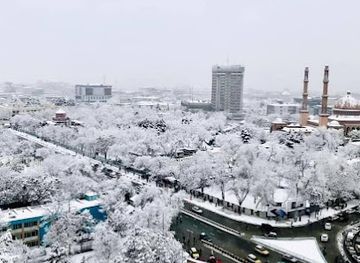
Best shops in Zabul
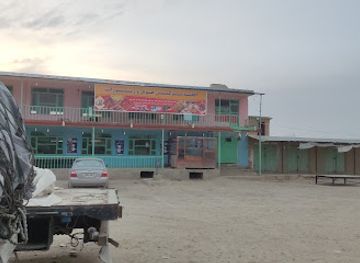
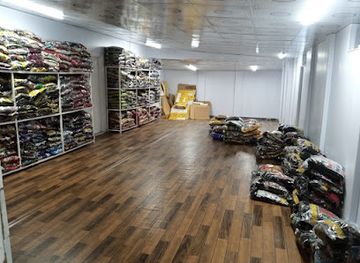
Shopping in Zabul is practical and local rather than tourist-oriented. Qalat is the main place for basic supplies, household goods, clothing, foodstuffs and transport-related needs, while smaller settlements depend on modest local markets and travelling traders. Visitors should not expect established craft districts, department stores or reliable souvenir outlets. Afghan textiles, embroidered clothing, rugs, dried foods and other handmade products may appear in local commerce, but availability, provenance and quality vary, and purchasing should be handled through trusted contacts. Carry essential personal items before entering the province because specialist medicines, outdoor equipment, international toiletries and replacement electronics may be difficult to obtain. Bargaining can occur in informal markets, but it should be conducted politely and without drawing attention to money. Do not photograph stalls or people without permission, and do not buy archaeological objects, old coins or unverified antiquities.
-
Naaz Boutique Afghani dresses store
Explore the vibrant world of Afghani fashion at Naaz Boutique, where tradition meets contemporary elegance in every stunning dress.
-
Store
Bazar Angori
Explore the vibrant Bazar Angori in Anguri, Afghanistan, where local culture, crafts, and cuisine create an unforgettable marketplace experience.
-
Karimi Supermarket سوپر ماركيت كريمي
Discover authentic Afghan flavors and local products at Karimi Supermarket, a vibrant hub in Hotqool for tourists and locals alike.
-
Clothing store
sayed rahman clothing shop
Discover authentic Afghan fashion at Sayed Rahman Clothing Shop in Qalat, where tradition meets modern style in exquisite clothing.

Get your free copy of our complete guide to Zabul, delivered straight to you.
Everything on this page, from attractions and restaurants to essentials and local phrases, in one PDF you can read offline, print or share.
Already have an account? Sign in
Your Zabul guide is ready.
We'll send it to · Not you? Sign out

Getting your guide ready…
We are putting together a fresh copy of the Zabul guide. This can take up to a minute.
This can take a few moments. If your browser asks, choose Allow so the download can start. You'll find the guide in your Downloads folder.
Nothing happened? Download it again
Sorry, the guide is taking longer than usual. Please try again in a minute, or get it by email instead.
Zabul essentials
Currency and Payment
Safety
Emergency Situations
Do's and Don'ts
Local Tips
From Eve
Local phrases worth knowing
You don't need to get them perfect. A few words go a long way, and locals appreciate the effort.
Basics
| English | Local | Say it |
|---|---|---|
| Hello | سلام | [Salam] |
| Goodbye | خداحافظ | [Khuda hafiz] |
| Yes | بله | [Bale] |
| No | نه | [Na] |
| Please/You're welcome | لطفا | [Lotfan] |
| Thank you | تشکر | [Tashakkor] |
| Excuse me/Sorry | ببخشید | [Bebakhshid] |
| How are you? | چطور هستید؟ | [Chetor hastid?] |
| Fine. And you? | خوبم. شما چطورید؟ | [Khobam. Shoma chetorid?] |
| Do you speak English? | آیا شما انگلیسی صحبت میکنید؟ | [Aya shoma Englisi sohbat mikonid?] |
| I don't understand | من نمیفهمم | [Man nemifahmam] |
Eating & Drinking
| English | Local | Say it |
|---|---|---|
| I'd like to see the menu, please | لطفا منو را میخواهم ببینم | [Lotfan menu ra mikham bebinam] |
| I don't eat meat | من گوشت نمیخورم | [Man gusht nemikhoram] |
| Cheers! | به سلامتی! | [Be salamati!] |
| I would like to pay, please | لطفا میخواهم پرداخت کنم | [Lotfan mikham pardakht konam] |
Emergencies
| English | Local | Say it |
|---|---|---|
| Help! | کمک! | [Komak!] |
| Go away! | برو برو! | [Boro boro!] |
| Call the Police! | پلیس را صدا کنید! | [Polis ra seda konid!] |
| Call a doctor! | دکتر را صدا کنید! | [Doktor ra seda konid!] |
| I'm lost | من گم شدهام | [Man gom shode-am] |
| I'm ill | من بیمار هستم | [Man bimaar hastam] |
Shopping
| English | Local | Say it |
|---|---|---|
| I'd like to buy... | میخواهم بخرم... | [Mikham bekharam...] |
| I'm just looking | فقط دارم نگاه میکنم | [Faghat daram negah mikonam] |
| How much is it? | قیمتش چقدر است؟ | [Gheymatesh cheqadr ast?] |
| That's too expensive | این خیلی گران است | [In khyli geran ast] |
| Can you lower the price? | آیا میتوانید قیمت را پایین بیاورید؟ | [Aya mitavanid gheymat ra paeen biavarid?] |
Time & Numbers
| English | Local | Say it |
|---|---|---|
| What time is it? | ساعت چند است؟ | [Saat chand ast?] |
| It's one o'clock | ساعت یک است | [Saat yek ast] |
| Half past (10) | ده و نیم | [Dah o nim] |
| Morning | صبح | [Sobh] |
| Afternoon | بعدازظهر | [Ba'ad az zohr] |
| Evening | عصر | [Asr] |
| Yesterday | دیروز | [Diruz] |
| Today | امروز | [Emruz] |
| Tomorrow | فردا | [Farda] |
| 1 | یک | [Yek] |
| 2 | دو | [Do] |
| 3 | سه | [Se] |
| 4 | چهار | [Chahar] |
| 5 | پنج | [Panj] |
| 6 | شش | [Shesh] |
| 7 | هفت | [Haft] |
| 8 | هشت | [Hasht] |
| 9 | نه | [No] |
| 10 | ده | [Dah] |
Transport & Directions
| English | Local | Say it |
|---|---|---|
| Where's a/the...? | کجا ... است؟ | [Koja ... ast?] |
| What's the address? | آدرس چیست؟ | [Adres chist?] |
| Can you show me (on the map)? | میتوانید روی نقشه به من نشان دهید؟ | [Mitavanid ruye naqsha be man neshan dahid?] |
| When's the next (bus)? | بعدی (اتوبوس) کی میآید؟ | [Ba'adi (otobus) ki miayad?] |
| A ticket (to ....) | یک بلیط (به ....) | [Yek belit (be ....)] |
History of Zabul
Ancient Zabulistan and Early Settlement
The name Zabul is associated with the historical region of Zabulistan, a broad area whose boundaries shifted over time and which covered parts of what are now southern and south-eastern Afghanistan. Ancient communities used the valleys and passes for farming, herding and movement between the Iranian plateau, the Kabul region and the subcontinent. Archaeological knowledge of the modern province remains uneven, partly because sustained research and access have been difficult. The landscape nevertheless belongs to a wider zone with evidence of long-term settlement, trade and cultural exchange.
Pre-Islamic Religious and Cultural Influences
Before the consolidation of Islam, southern Afghanistan was influenced by Iranian religious traditions, Buddhism and forms of Hindu worship associated with regional political powers. Medieval sources refer to rulers of Zabul and neighbouring areas whose political centres interacted with Kabul and the north-western Indian frontier. These traditions left a historical legacy in the wider region, although surviving monuments in present-day Zabul are less extensively documented and protected than those in some other Afghan provinces.
The Spread of Islam and Medieval Dynasties
Islam reached southern Afghanistan through several stages, involving conquest, political alliance, trade and the gradual adoption of new religious and administrative institutions. From the ninth century onwards, the area was drawn into the spheres of dynasties ruling from places such as Ghazni and later Ghor. Mountain corridors and fortified settlements gave the region strategic value, while links to Kandahar and the eastern routes connected local communities with wider political and commercial networks.
Ghaznavid, Ghurid and Later Imperial Connections
The Ghaznavid and Ghurid periods brought southern Afghanistan into states that projected power towards Central Asia and northern India. Later rulers, including the Timurids and regional Afghan powers, continued to rely on the movement of armies, officials and merchants through the country's southern corridors. Control was rarely uniform in remote uplands, where local authority remained important. The historical importance of Zabul therefore lies not only in major cities but also in its passes, settlements and relationship with neighbouring centres.
Durrani Afghanistan and the Southern Frontier
In the eighteenth century, Ahmad Shah Durrani established an Afghan empire whose core included the southern and south-western regions. Zabul became part of the political landscape of the Durrani state and its successors, although administration in rural districts remained mediated through local leaders and customary structures. During the nineteenth century, rivalry between the Afghan state and British India increased the strategic importance of routes through southern Afghanistan, contributing to repeated military pressure and political upheaval.
Twentieth-Century State Building and Conflict
During the twentieth century, successive Afghan governments expanded roads, administration, schooling and security institutions unevenly across Zabul. The Soviet war, civil conflict, the rise of the Taliban and the international intervention after 2001 all affected the province, often intensifying displacement and disrupting public services. Since the return of Taliban rule in 2021, the security and political environment has remained highly restrictive for foreign visitors. Conflict has also contributed to damaged infrastructure and limited access to heritage sites.
Zabul in Photos
Browse through our photo collection highlighting the charm and character of the destination.
Neighbouring regions of Zabul
The closest regions to Zabul, if you have time for more than one.
-

-

-

-

-


Swipe for more regions
Explore more

Explore more of Afghanistan
Discover Afghanistan's rich history, stunning landscapes, and diverse cultures. From ancient cities to breathtaking nature, this Central Asian gem offers a unique travel experience.
Explore Afghanistan