منارههای هرات (MANAR Ha), Drangiana Travel Guide
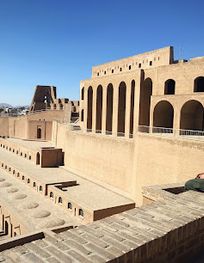
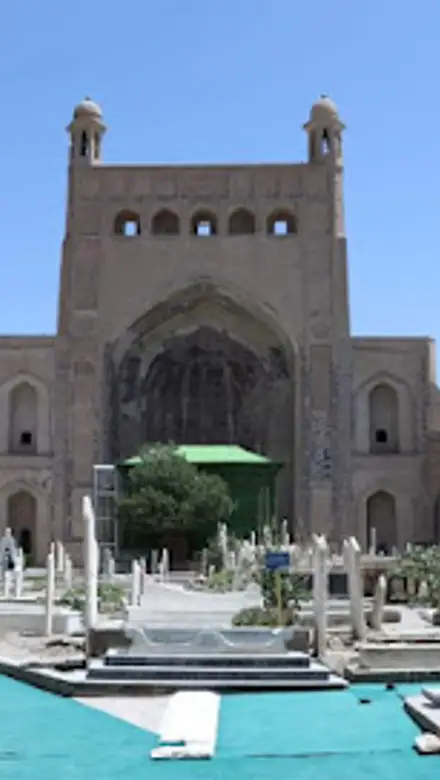
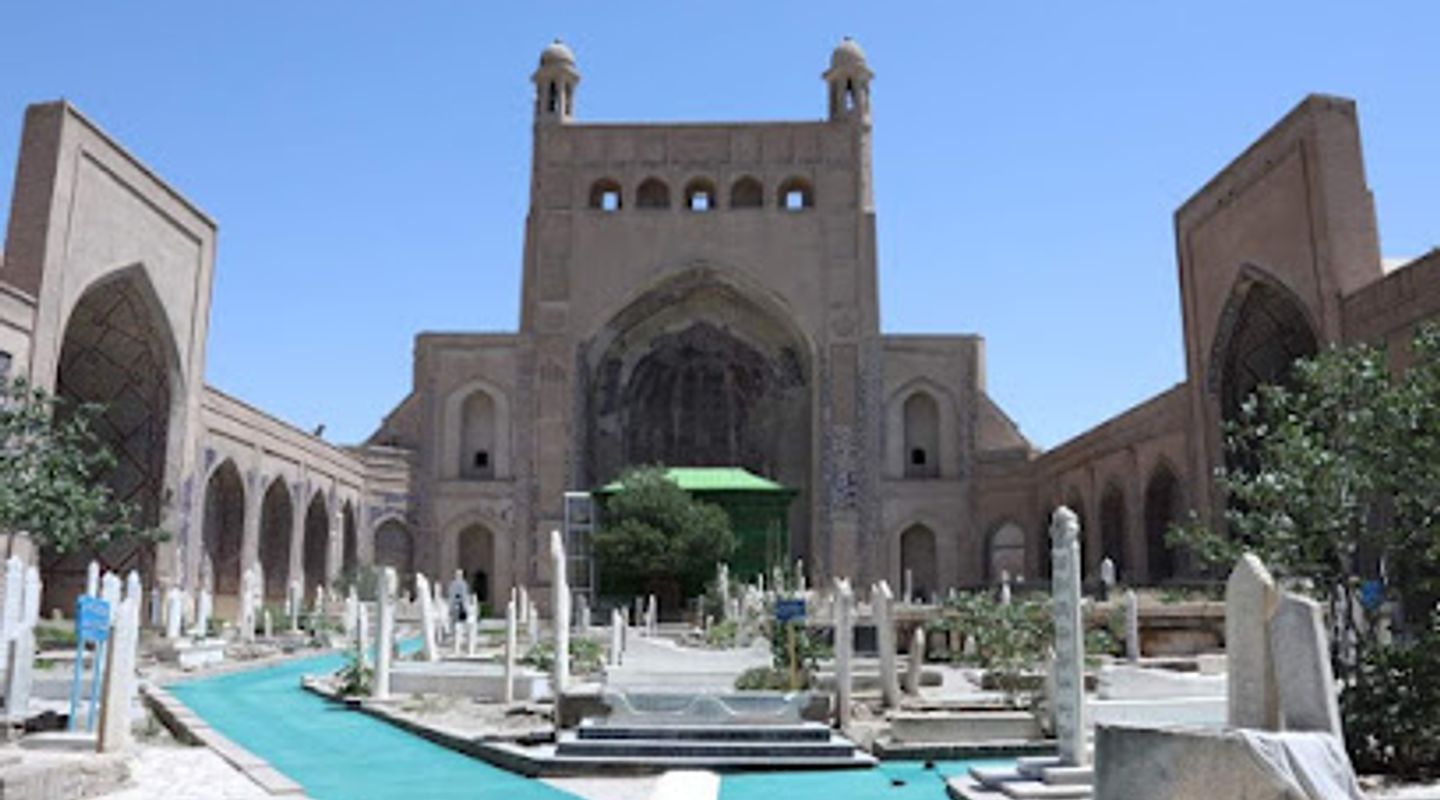
Discover the majestic Minarets of Herat, remnants of a glorious Timurid past, showcasing intricate architecture and Afghan resilience.
The Minarets of Herat, locally known as Manar Ha, are the remaining testaments of the grand Musalla complex built during the Timurid dynasty in the 15th century [4]. These towering minarets stand as symbols of the city's rich cultural and historical legacy, showcasing intricate architecture and Afghan resilience [4, 5].
A brief summary to منارههای هرات (MANAR Ha)
- 955P+PG7, AH1, Herat, AF

Know before you go
Hi, I'm Eve. Here are a few practical things to know before exploring منارههای هرات (MANAR Ha).
- Visit early in the morning or late afternoon for the best lighting for photography and to avoid the midday heat [4].
- Hire a local guide to enhance your understanding of the history and significance of the minarets [4].
- Dress modestly out of respect for local customs, especially when visiting religious sites [4].
- Take time to explore the surrounding area, including local bazaars, to experience the vibrant culture of Herat [4].
- Be aware of your surroundings and take necessary safety precautions, as the region has a complex security situation [4].
Do you manage this location?
Take control to get all the benefits, like improved information, better appearance, and stronger visibility across AI-powered discovery. Learn more about listing your business on Evendo
Activate your presenceOther nearby places you may find interesting
The closest places of the same kind, if this one is not quite what you had in mind.
Explore منارههای هرات (MANAR Ha) on the Map
A handpicked selection of must-see spots near منارههای هرات (MANAR Ha), mapped for you.
Getting There
-
Taxi/Ride-Share
Taxis are readily available throughout Herat [4]. From a central location like the Herat Central Blue Mosque or a major hotel, a taxi ride to the Minarets of Herat will take approximately 10-15 minutes, depending on traffic [4]. It's advisable to negotiate the fare with the driver before starting your journey [4]. A typical fare should range from 150 to 250 AFN [4]. Be aware that fares might be slightly higher during peak hours or holidays [4]. There is parking available near the site [4].
-
Public Transport
To reach the Minarets of Herat via public transportation, locate a local bus or shared taxi heading towards Herat city center [7]. Ask the driver to drop you off at 'AH1', near the historical landmarks [7]. Once you alight, you may need to walk for about 15-20 minutes eastward along AH1 [7]. Use your phone's GPS to ensure you're heading towards the minarets [7]. The cost of public transport is usually minimal, around 20-50 AFN depending on your starting point [7].
-
Walking
If you are already in close vicinity of the Minarets of Herat, you can walk there [7]. From the nearest bus stop or taxi drop-off point, head east along AH1 for about 1 km [7]. The minarets are visible from a distance, as they are tall structures [7]. Make sure to stay on the main road and be cautious of the traffic [7]. The site is free to enter, making it a budget-friendly option [4, 7].
Discover more about منارههای هرات (MANAR Ha)
More to explore near منارههای هرات (MANAR Ha)













Your all‑in‑one travel companion app
Explore expert travel guides, compare and book tours, experiences, hotels, and more—all from the palm of your hand. Download now for seamless trip planning wherever your wanderlust takes you.


Explore More of Drangiana
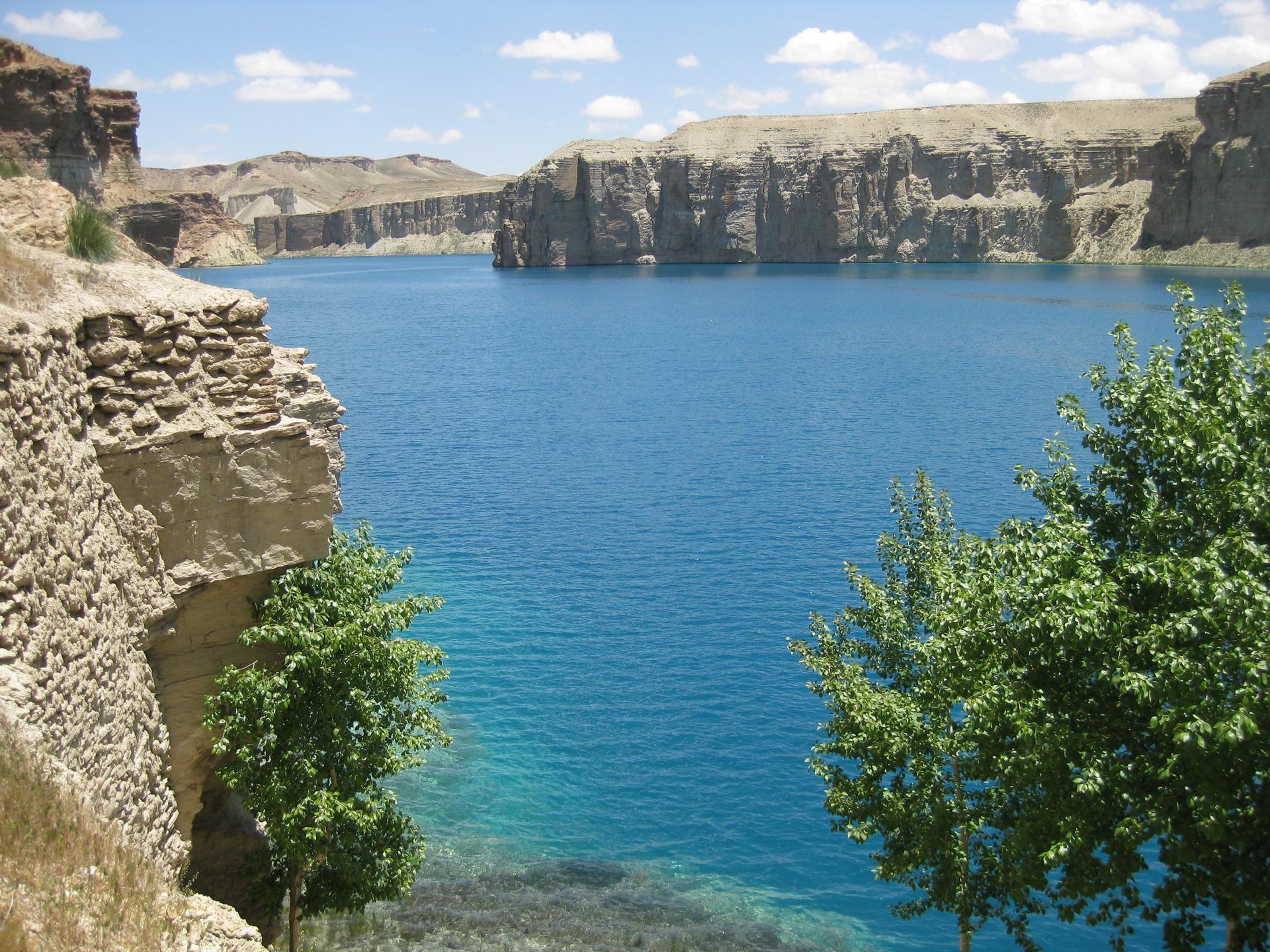
Looking beyond منارههای هرات (MANAR Ha)? Discover Drangiana for broader travel guides, local hot-spots, and regional highlights.
Explore Drangiana